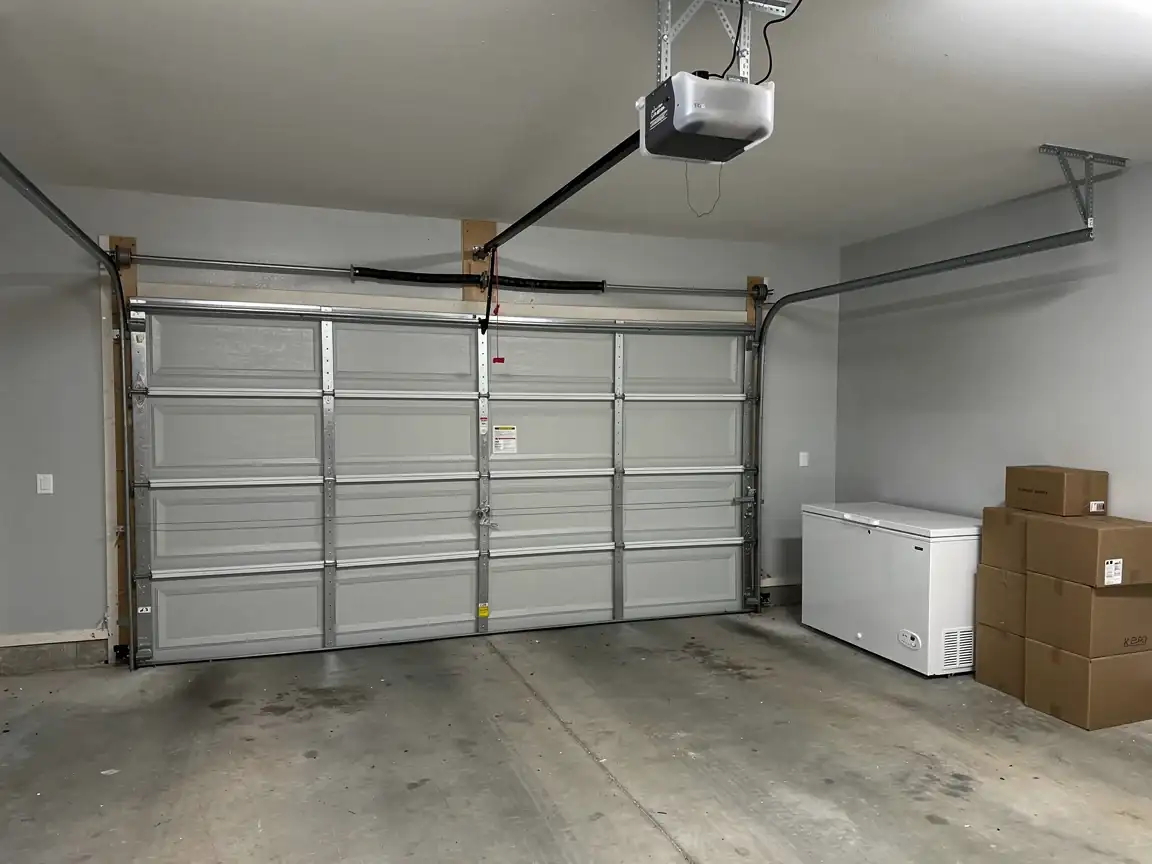
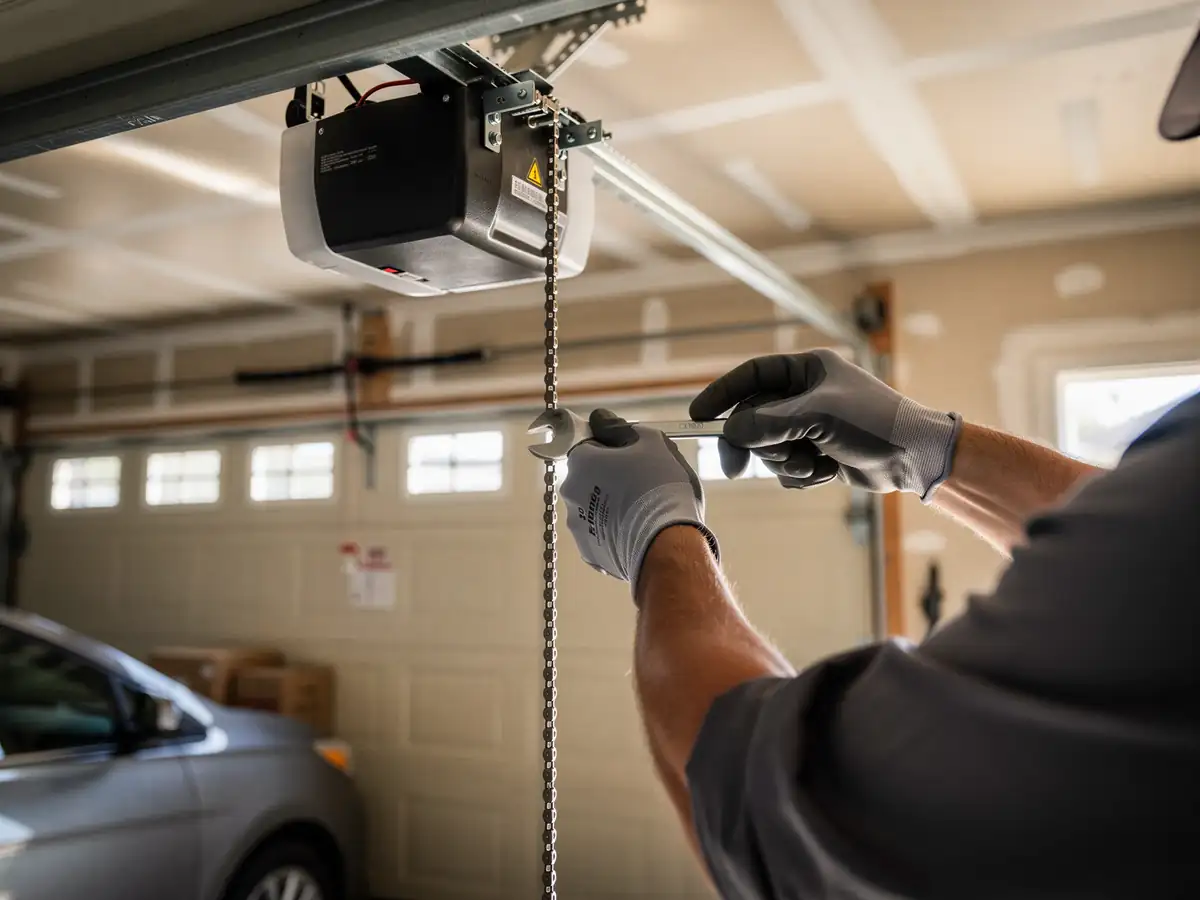
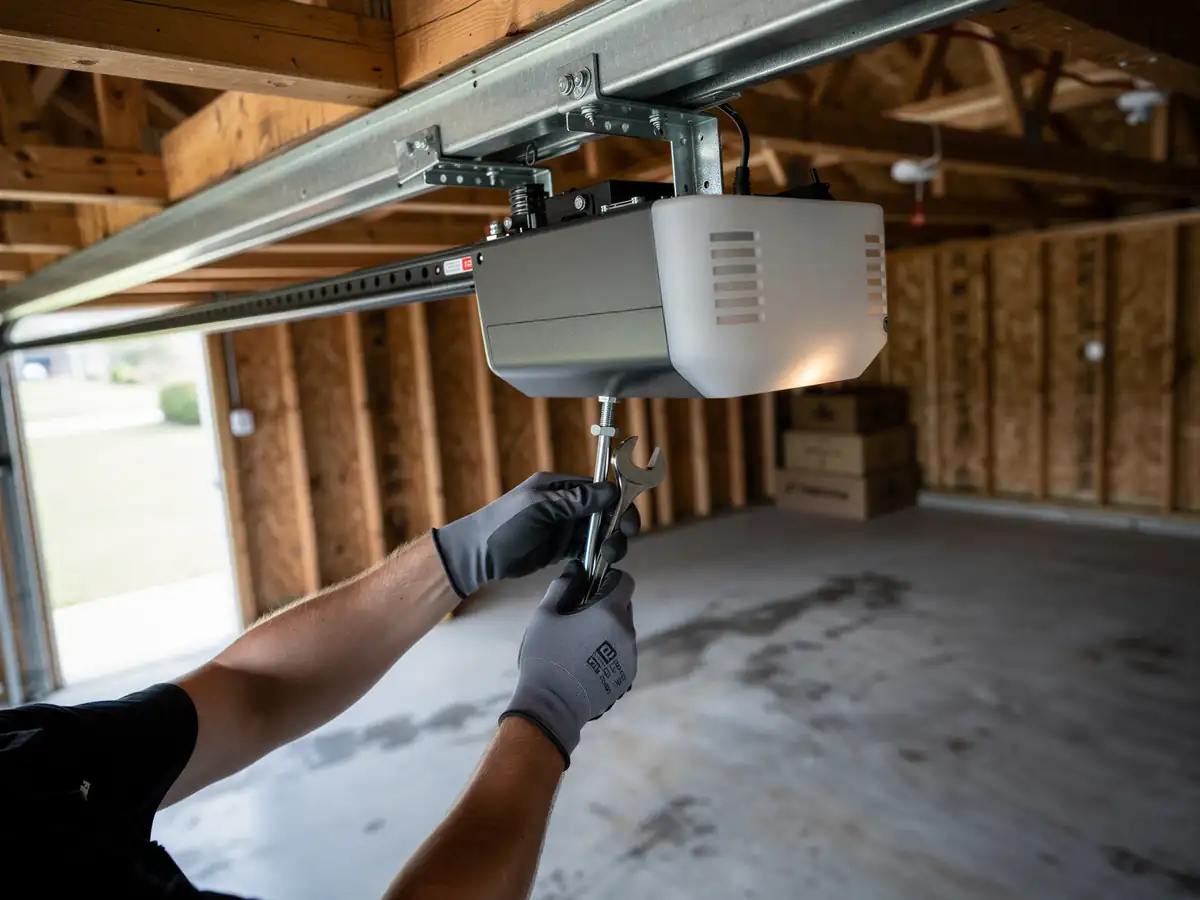
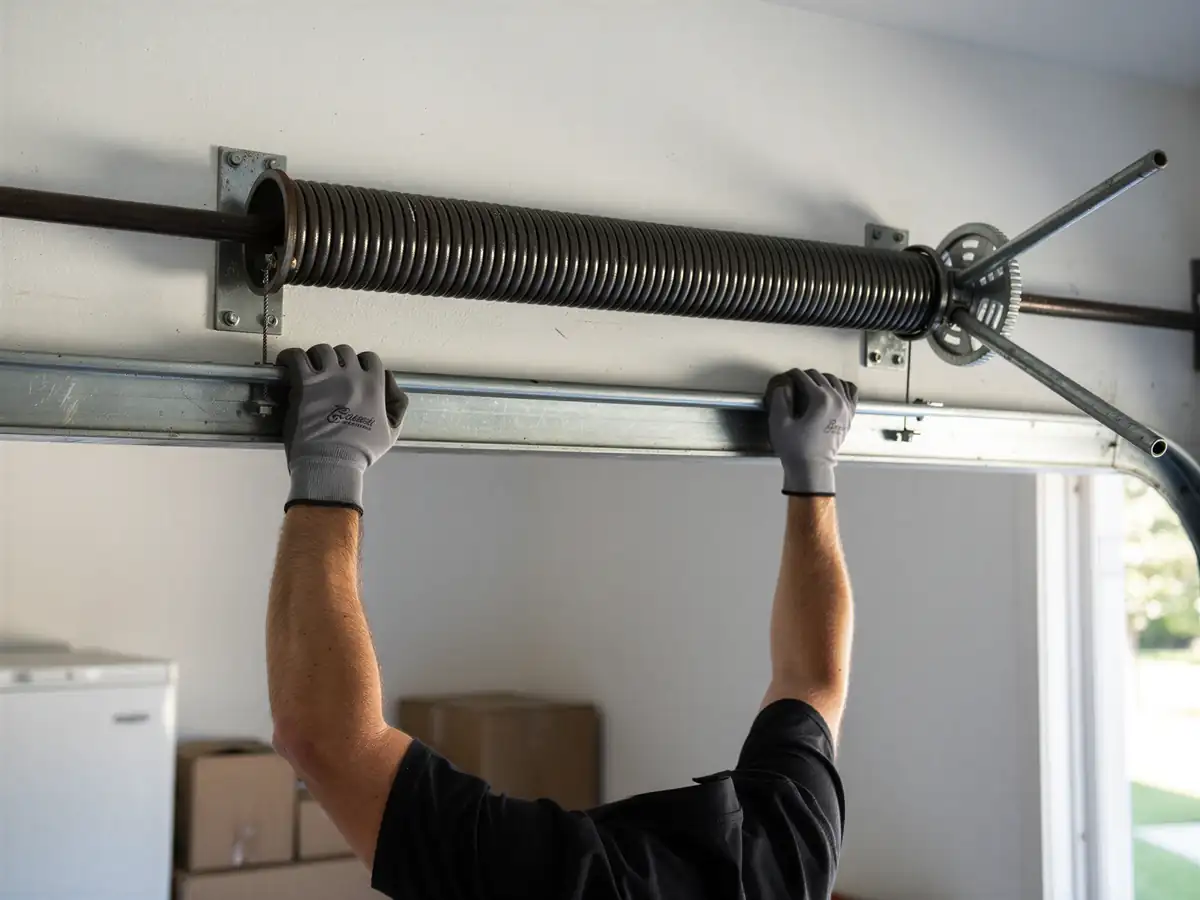
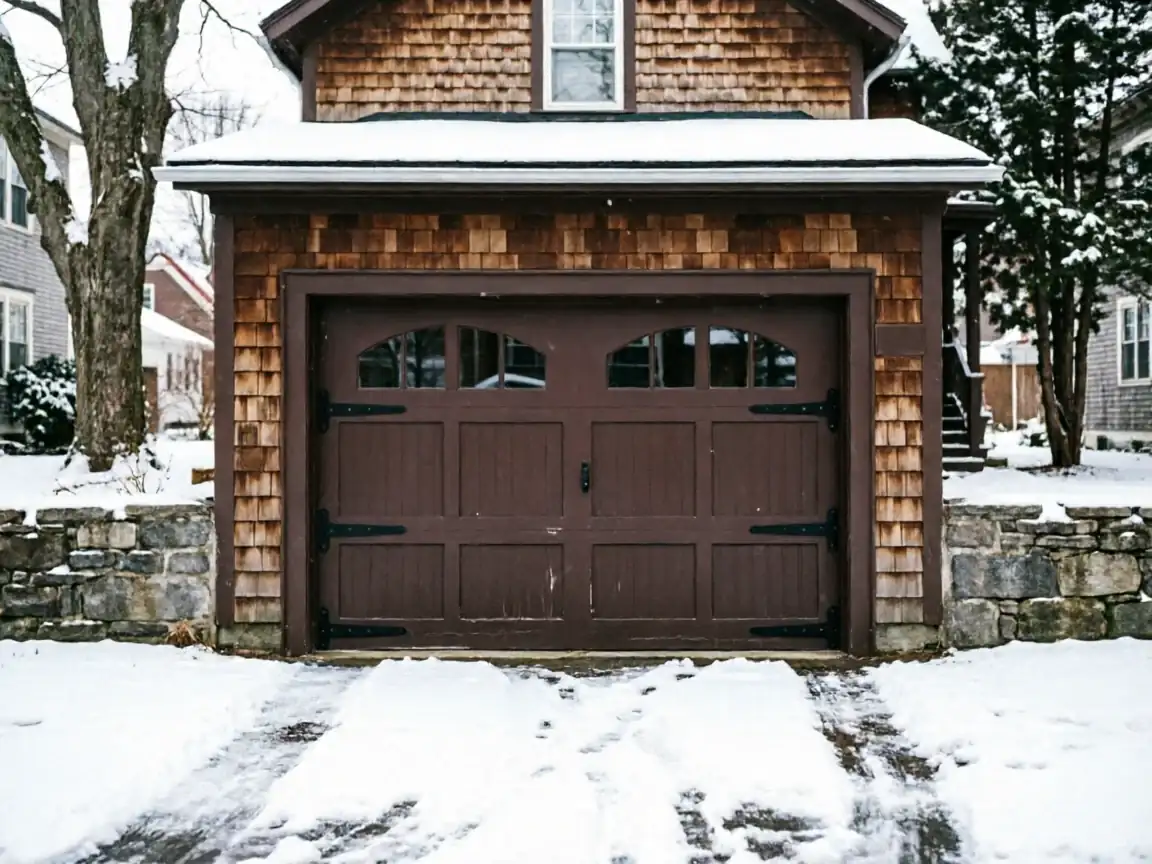
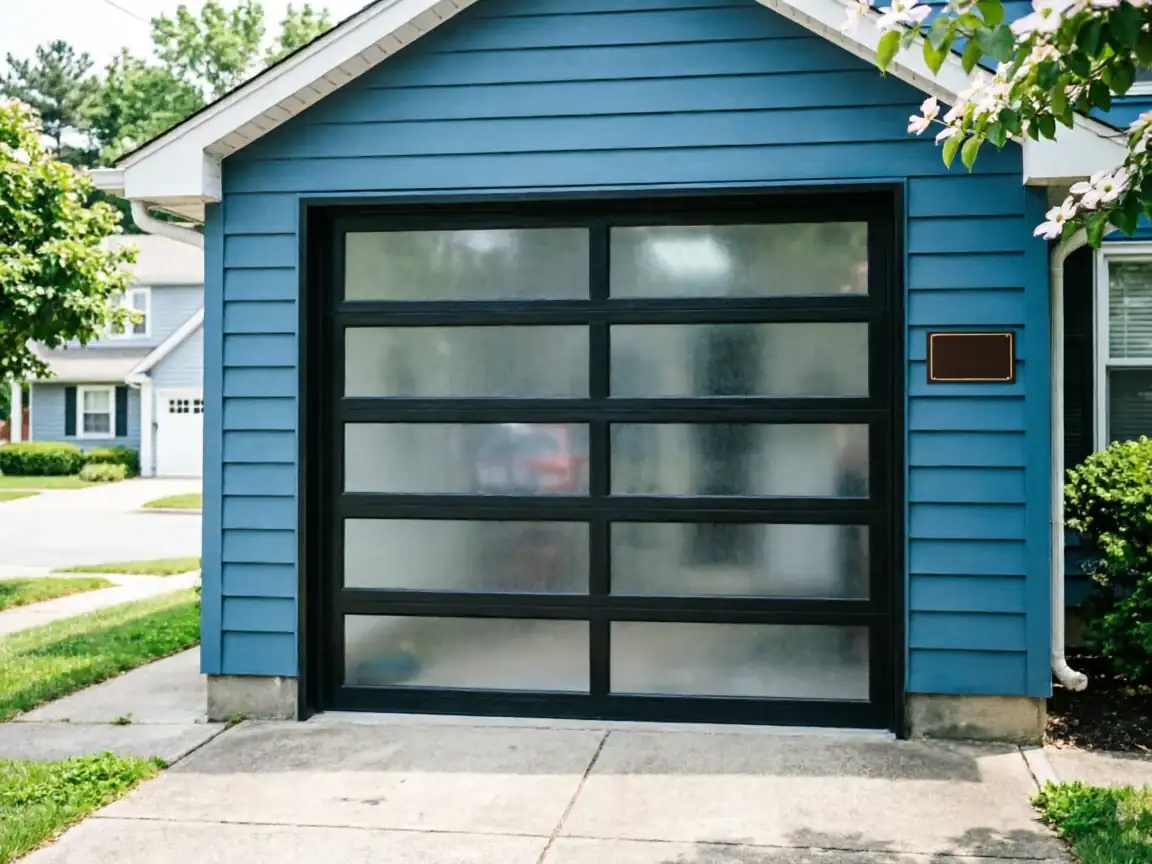
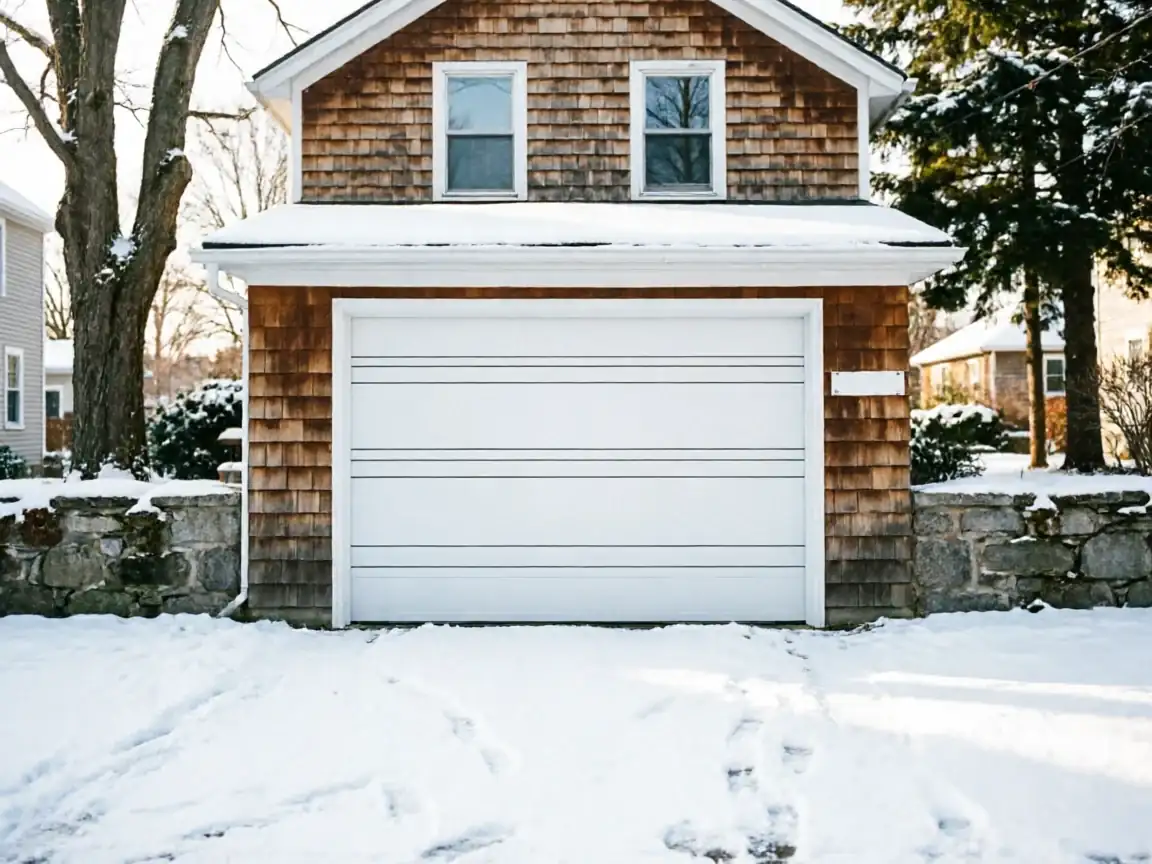
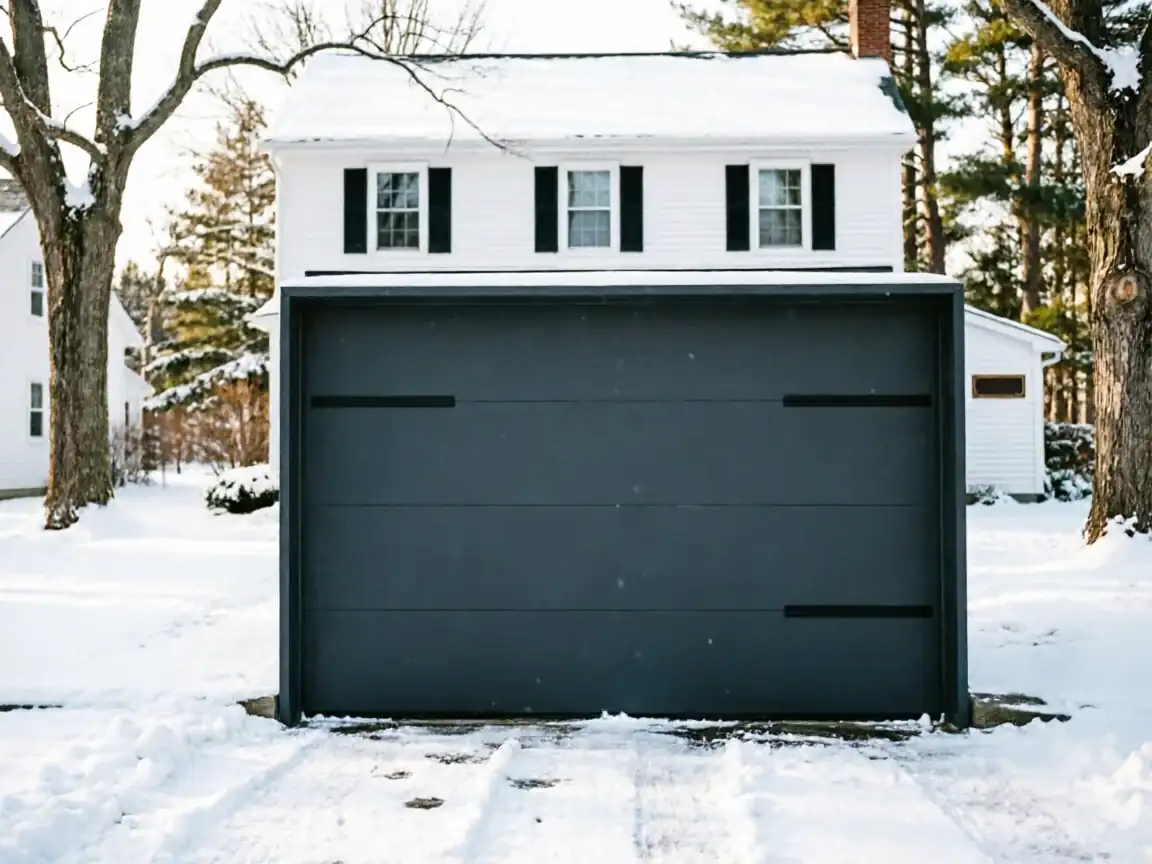
Greenville sits about 5 miles from our Wilmington shop, tucked in with Edgemoor, Bellefonte, and Elsmere inside the same stretch of New Castle County. It's not a town with a center so much as a collection of lots that filled in over a couple of decades, and that filling-in shows in the doors we get called out to work on. The median home here was built around 1973, which puts most of Greenville a notch newer than the county-wide housing stock, where the typical house dates closer to 1965. That ten-year gap matters more than it sounds like it should, because garage door hardware changed fast between those two points - torsion spring mounts moved, track gauges changed, and opener wiring went from screw terminals to plug harnesses. A tech who shows up expecting one era and finds the other spends the first ten minutes just figuring out what he's looking at.
What We Do Not Do
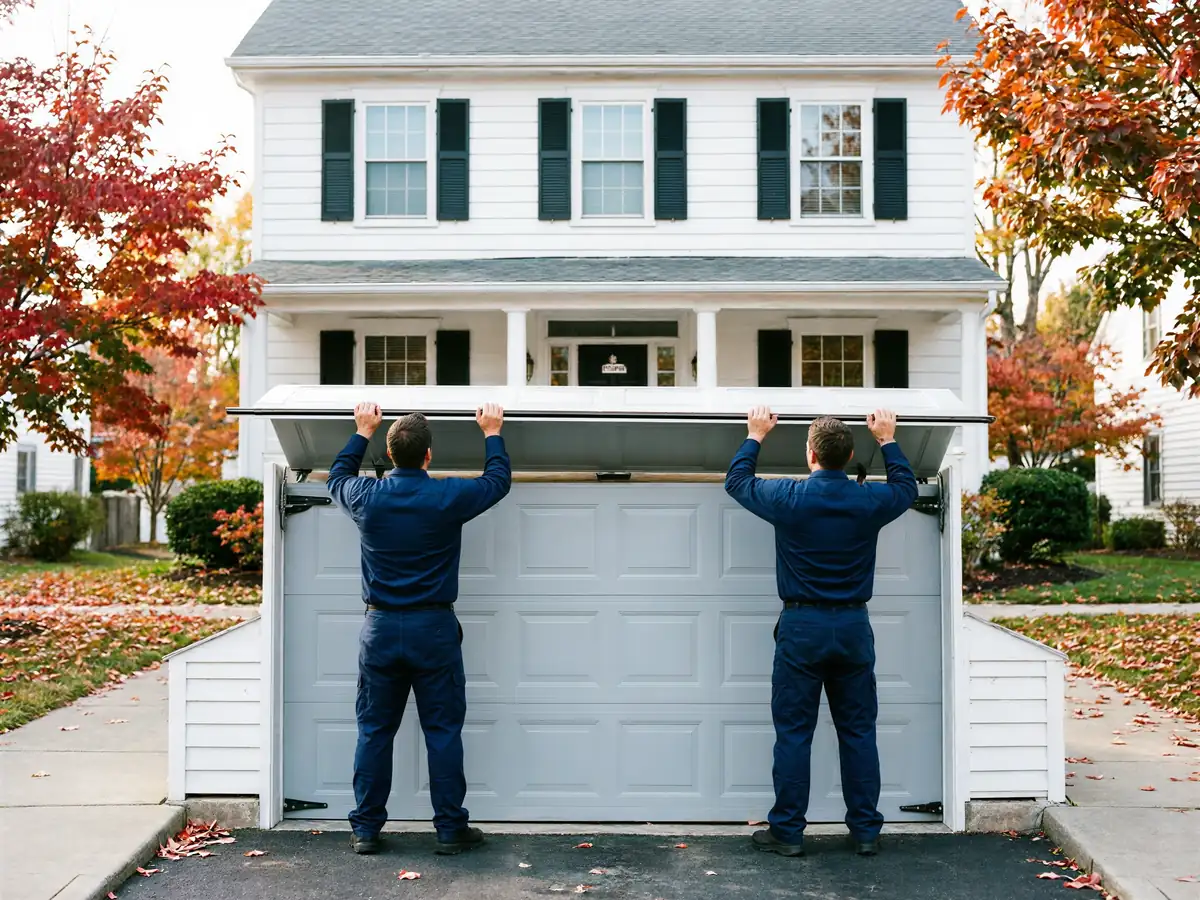
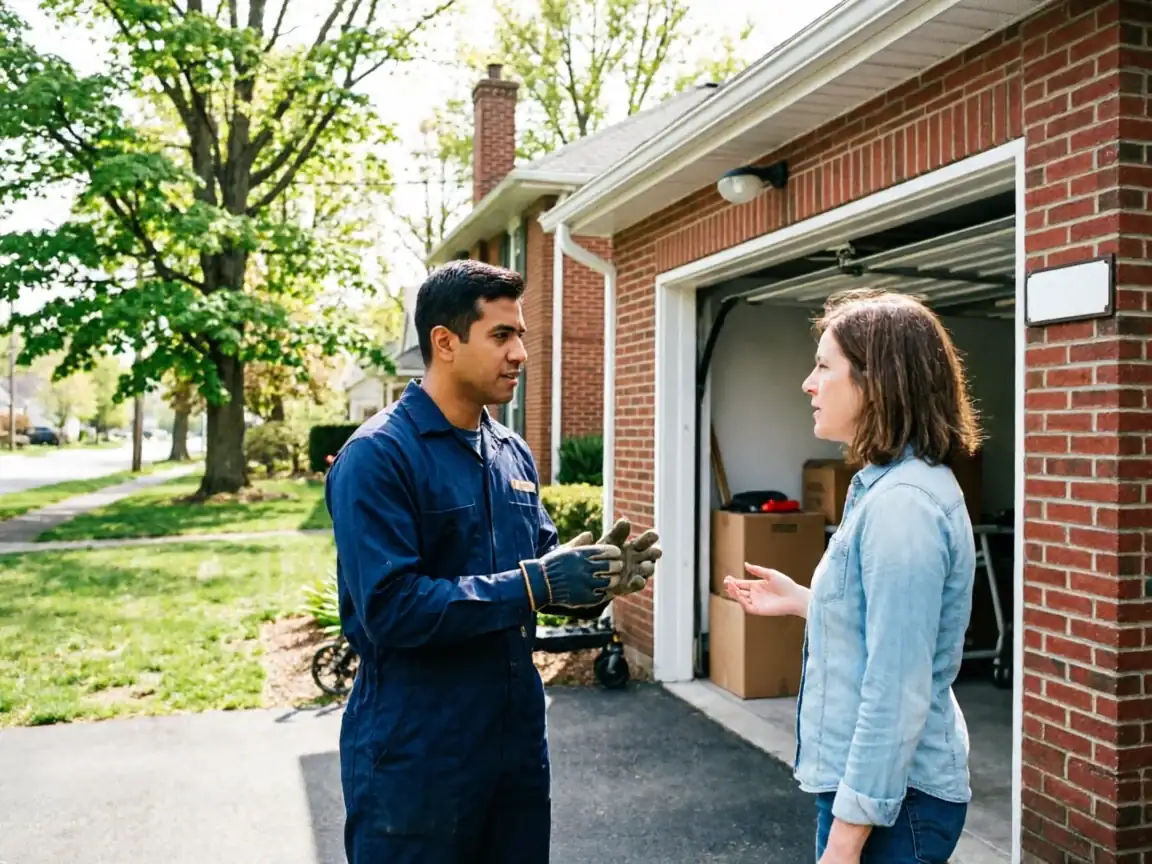
We don't keep a crew or a depot in Greenville - we run out of Wilmington and drive in, same as we do for Elsmere or Bellefonte. That means we're not the people to call for same-minute emergencies where every other option has already said no; we schedule like a company that drives to you, not one sitting on your street. We also don't try to rebuild a door that's cheaper to replace. If a 1970s-era torsion setup has a cracked drum, a rusted shaft, and a worn-out opener all at once, patching each piece separately usually costs more than swapping the unit, and we'll say so instead of running the meter on parts that are on their way out anyway.
What Was Built Here
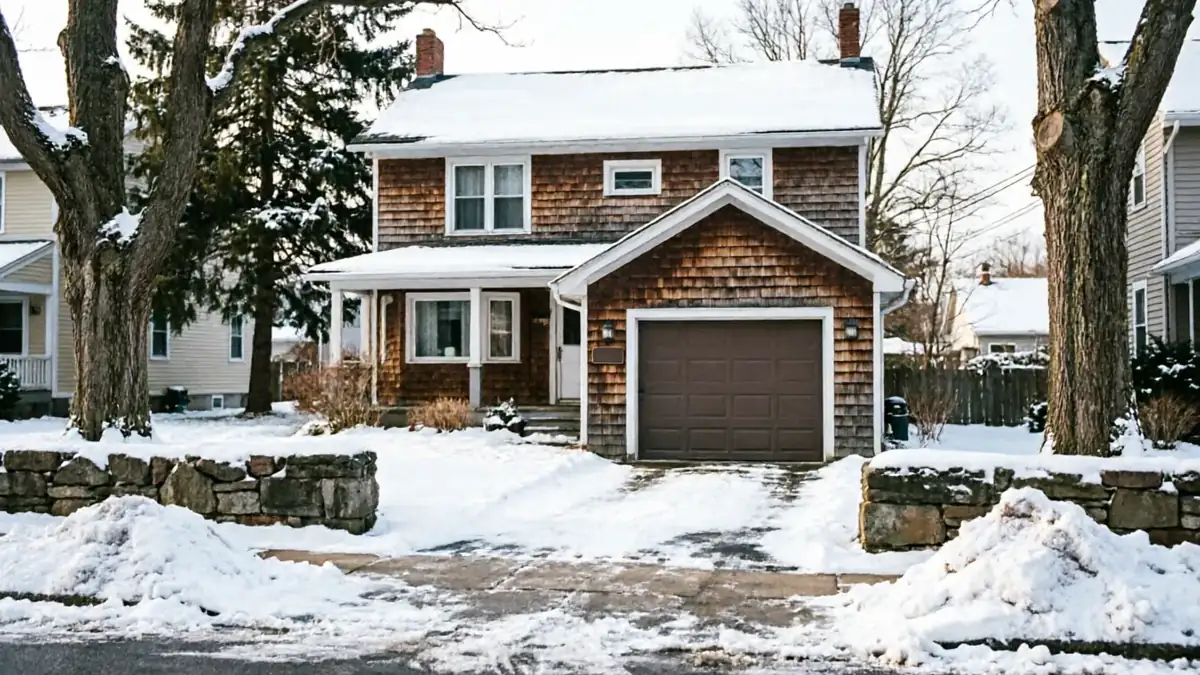
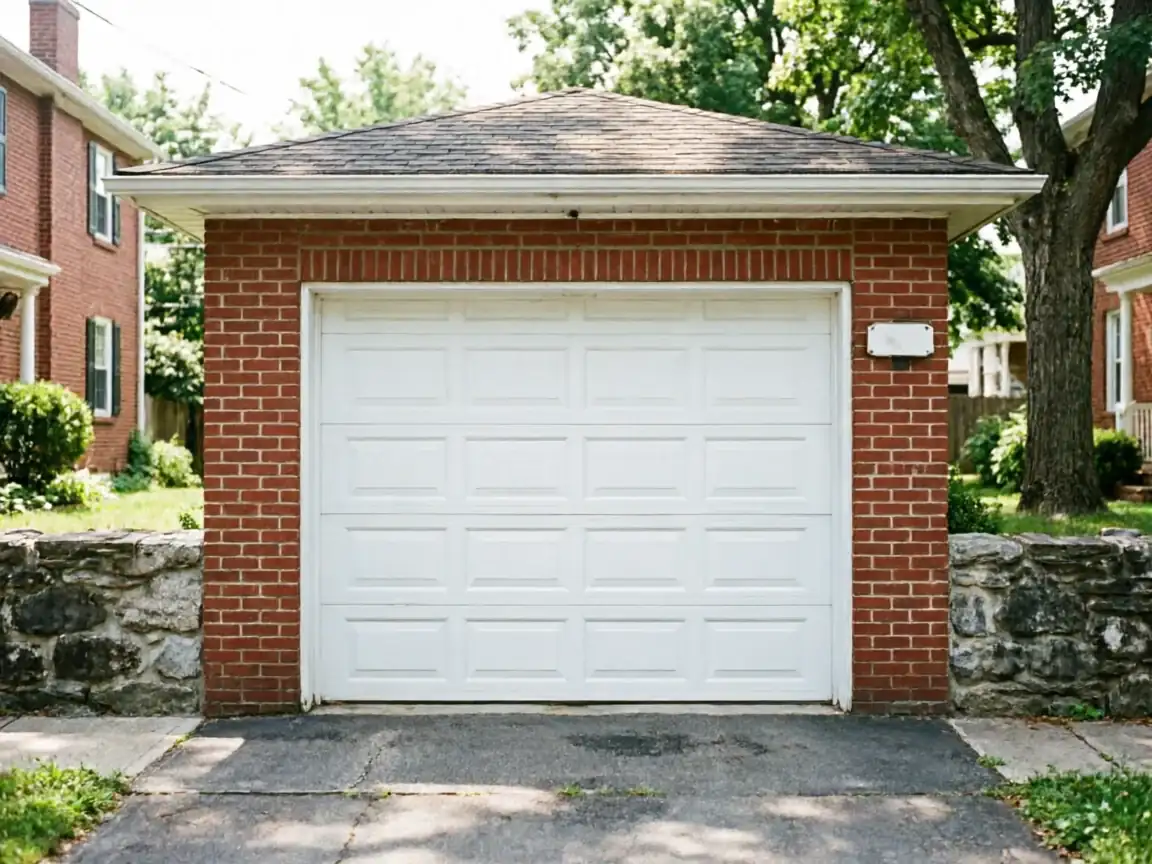
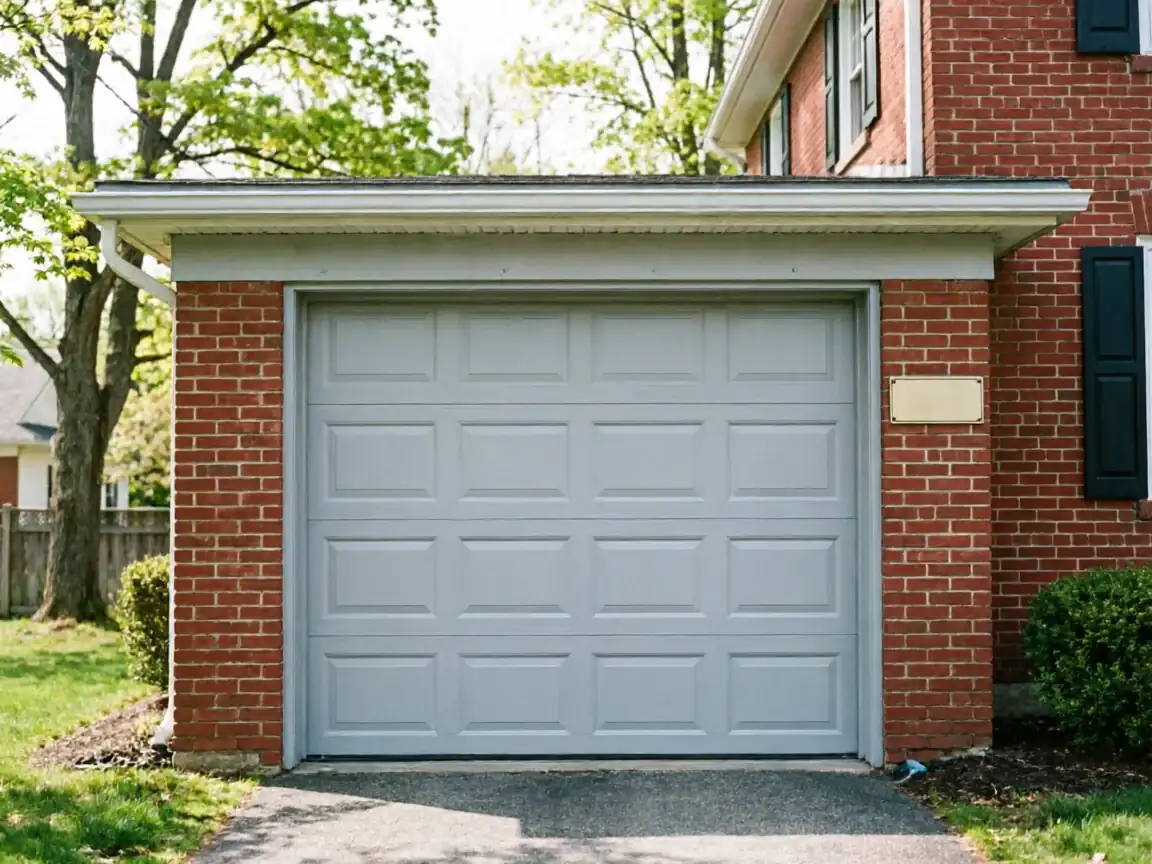
With a median construction year around 1973, Greenville's housing sits squarely in the early-opener, mid-weight-door generation - heavier than today's insulated steel doors, lighter than the old one-piece slabs from the 1950s. Households here are smaller in number than the county overall: about 1,508 compared to the roughly 50,351 across the wider service area, and incomes run well above the area median - $139,541 here against $87,826 county-wide. That combination shows up in what people ask for: fewer bare-bones repairs, more requests for quieter openers and better-insulated panels on doors that are otherwise sound. The bones are usually fine. What wears out first is the stuff nobody thinks about until it fails - the spring, the rollers, the sensor wiring.
What That Means for Doors
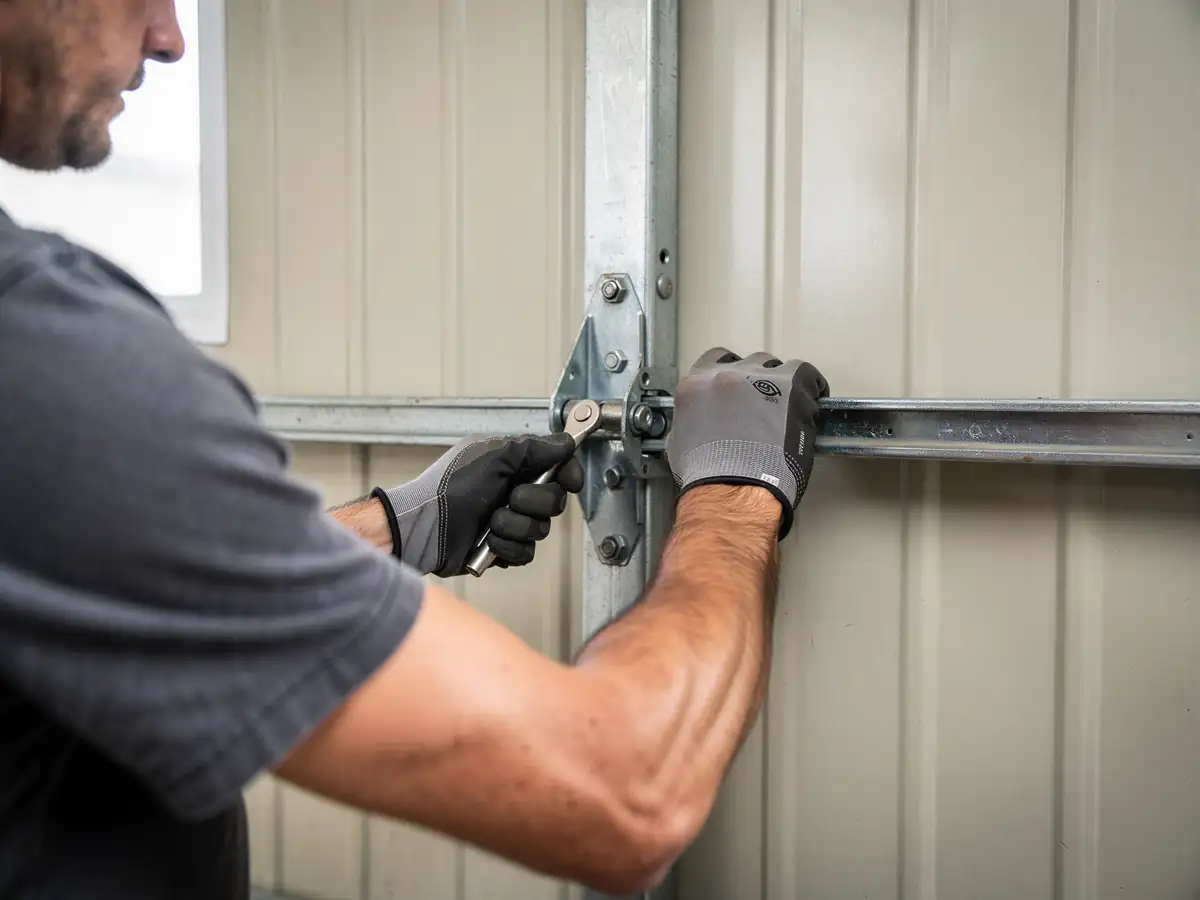
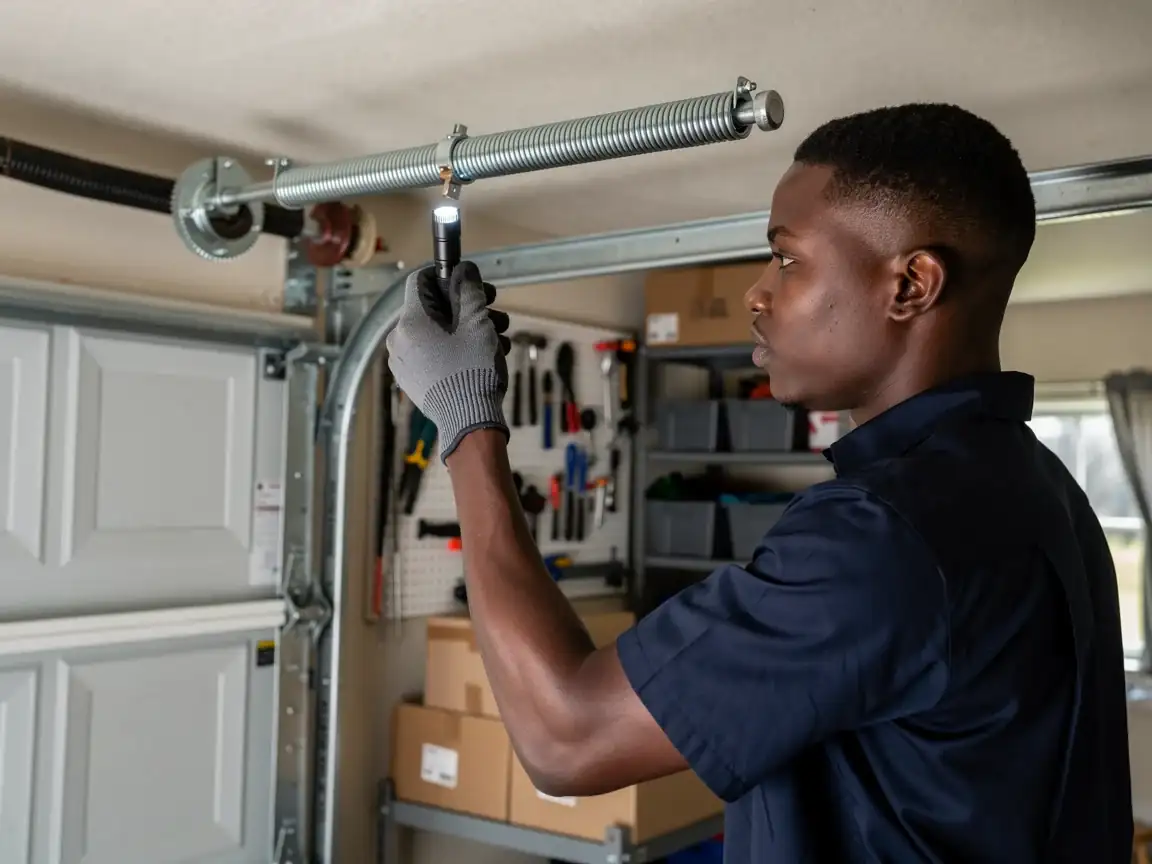
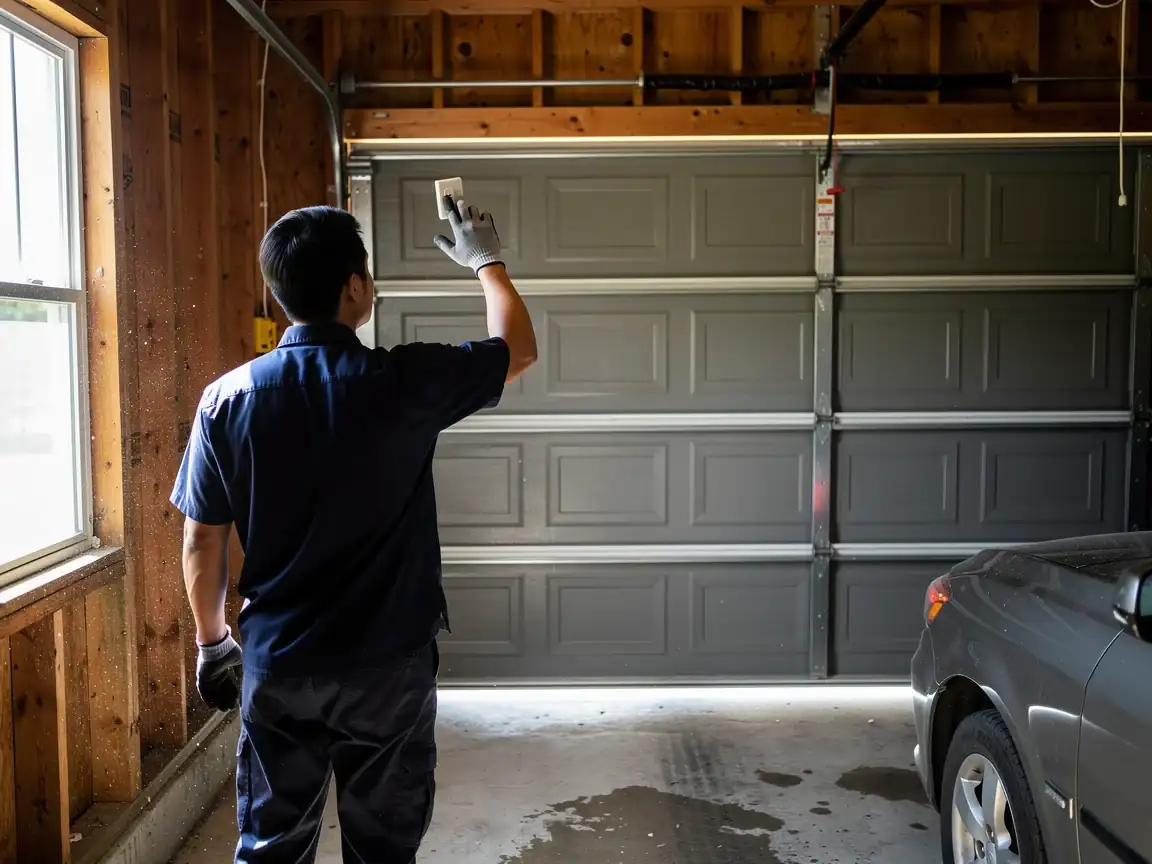
Delaware sits in a cold-severe climate band, and a door built in the early 1970s wasn't engineered with today's weatherstripping or insulation standards in mind. On a Greenville door from that era, the first cold-weather failure is usually the bottom seal going brittle and letting the bay go drafty, followed by the torsion spring losing tension faster than a newer, better-coated spring would. We see this pattern across the older end of the stock consistently enough that when a Greenville customer describes a door that's gotten noticeably harder to lift once temperatures drop, we're already thinking spring before we ask a single other question. Opener boards from this period also don't like damp cold, and a sluggish remote in January is as often a control board problem as a battery problem.
How it works
From “it’s stuck” to “it’s fixed”
A quick, honest process - no guesswork and no surprises, start to finish.
No. We run out of Wilmington, about 5 miles away, and schedule Greenville jobs on the same routes as Elsmere and Bellefonte. We're upfront that we're not a same-minute walk-up shop - we're a company that drives to you on a set schedule.
Why does my 1970s door act up more in winter?
Delaware's cold-severe climate band is hard on torsion springs and bottom seals from that era. Springs made before modern coatings lose tension faster in cold, and brittle weatherstripping lets drafts in. It's the single most common cold-season call we get on houses built around that time.
Is it worth repairing an original door from the 1970s?
Sometimes. If the track and frame are square and it's one part failing - a spring, a roller set - repair makes sense. If the opener, springs, and panels are all failing close together, replacement usually costs less over time than repeated part swaps.
Ready to get your garage door sorted?
Tell us what it’s doing and where you are in Wilmington - we’ll take it from there.