The Seasonal Bit
Most of the garage door openers we get called out on in Wilmington aren't broken in the way people expect
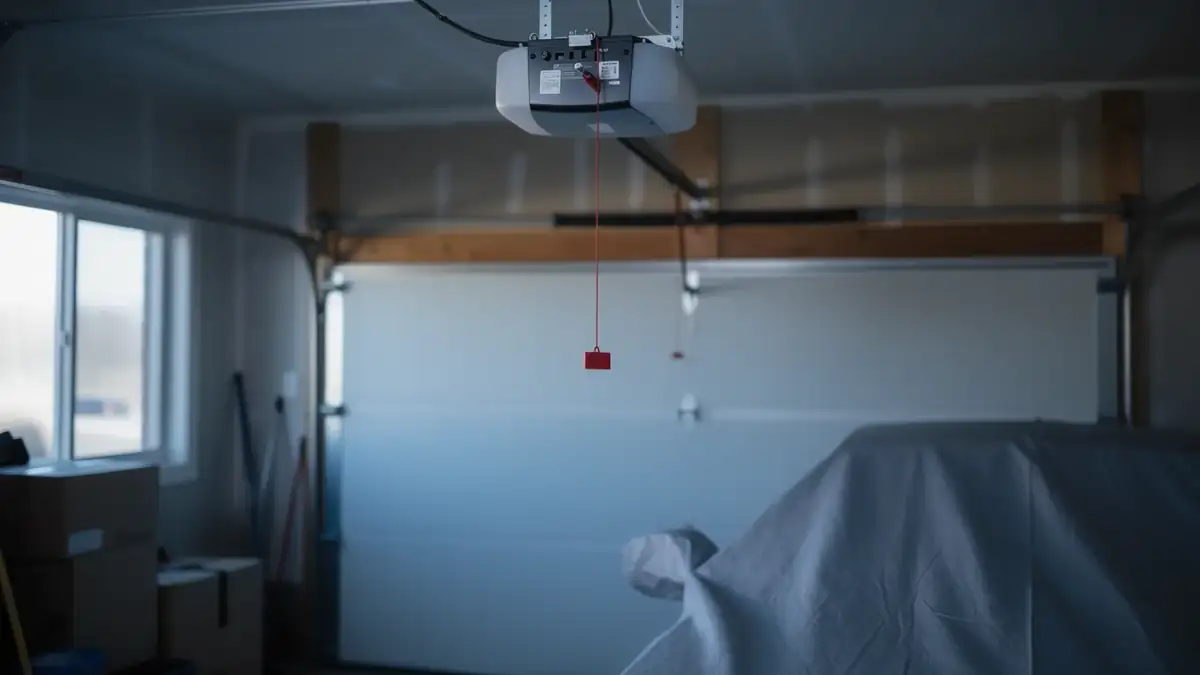
They're fine on a normal day. The trouble shows up the first time the power drops in a storm and the door won't budge, because the opener has no battery backup and the owner has never once pulled the manual release.
That's not a design flaw from one bad manufacturer
It's a housing-stock problem. Across Edgemoor, Bellefonte, Elsmere, and the rest of the areas we cover, most houses went up in the 1960s and 70s - the median build year across the wider area sits around 1965. Openers from that construction era, even replaced once or twice since, often got swapped for a like-for-like unit without a battery backup, because nobody thought to ask for one. It wasn't standard then and in a lot of these houses it still isn't now.
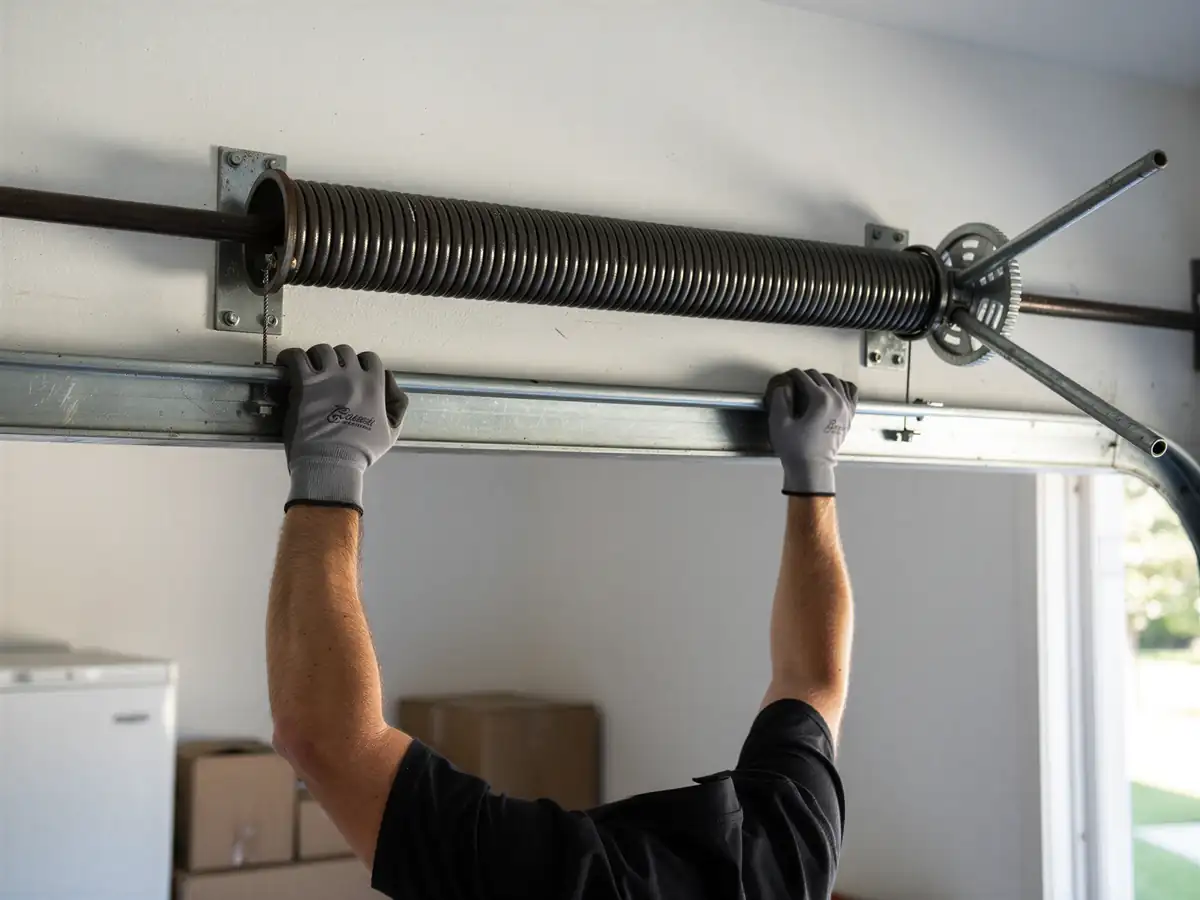
So the seasonal bit isn't really about summer heat warping a track or winter cold stiffening a spring
Though that happens too. It's that a cut in power turns a working door into a stuck one, on a night when you need the car out.
What the Weather Here Does to It
Wilmington sits in a cold-severe climate band, and that matters for openers in a specific way: the storms that knock out power here are the same storms that are cold enough to drain a backup battery fast, if there's one installed at all. A battery-backup opener rated to hold a charge in a mild climate doesn't hold that same charge sitting in an unheated garage at the kind of temperatures this area sees in a hard winter.
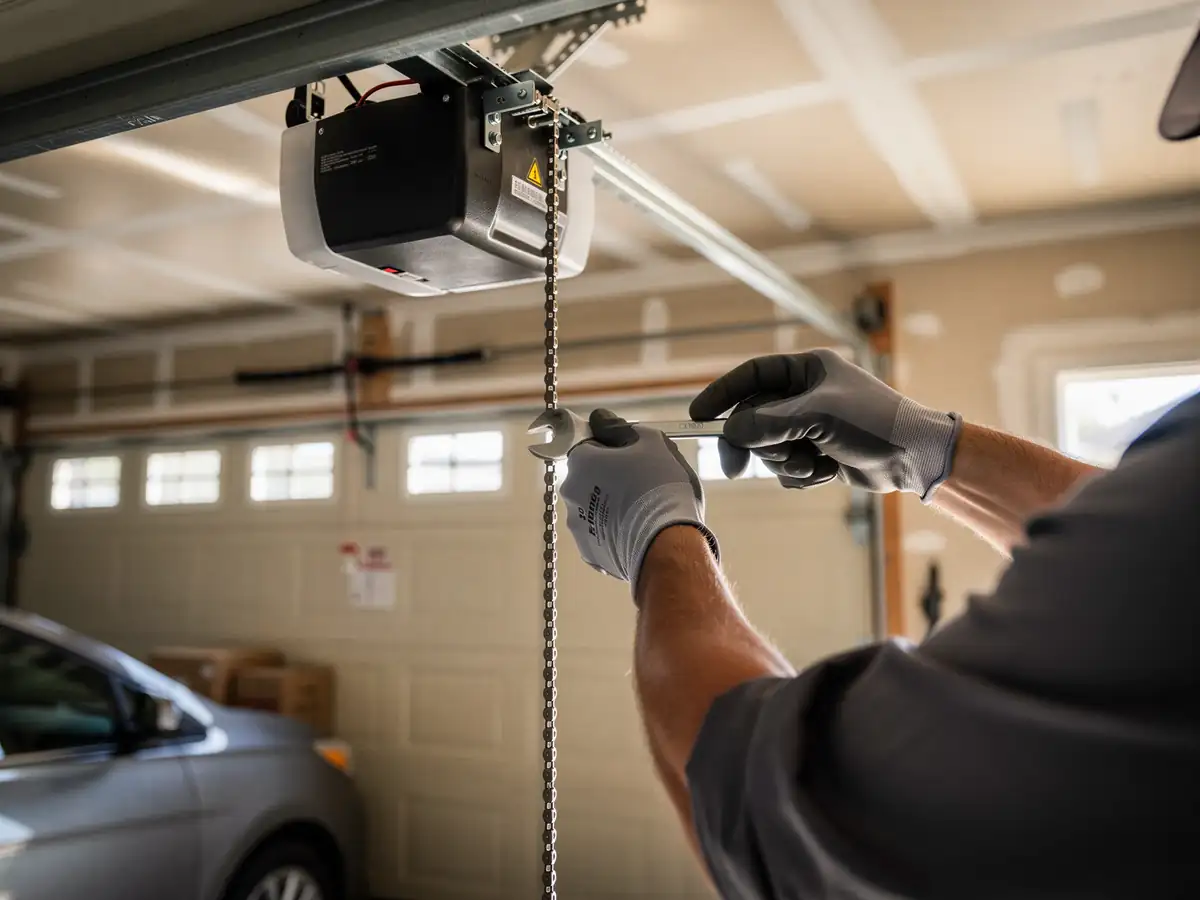
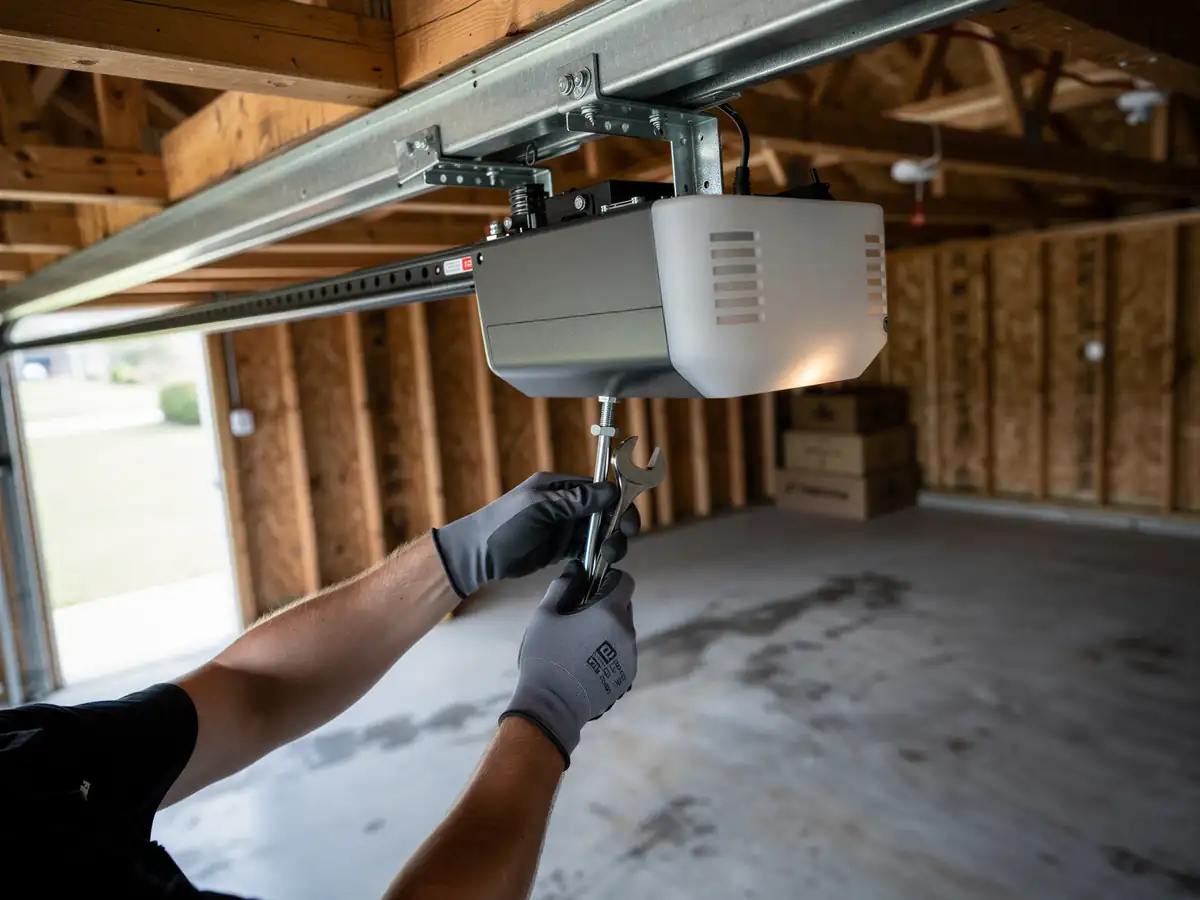
Cold also affects the chain or belt itself. Older chain-drive units, common in houses from the 1960s and 70s stock that makes up most of this area, tighten up in the cold and put more strain on the motor at the exact moment a storm is also stressing the power grid. You get a double hit: the mechanical side working harder, and the electrical side more likely to cut out.
None of this is dramatic. It's slow wear that shows up as one stuck door on one bad night, and most owners don't think about it until that night arrives.
The Problem
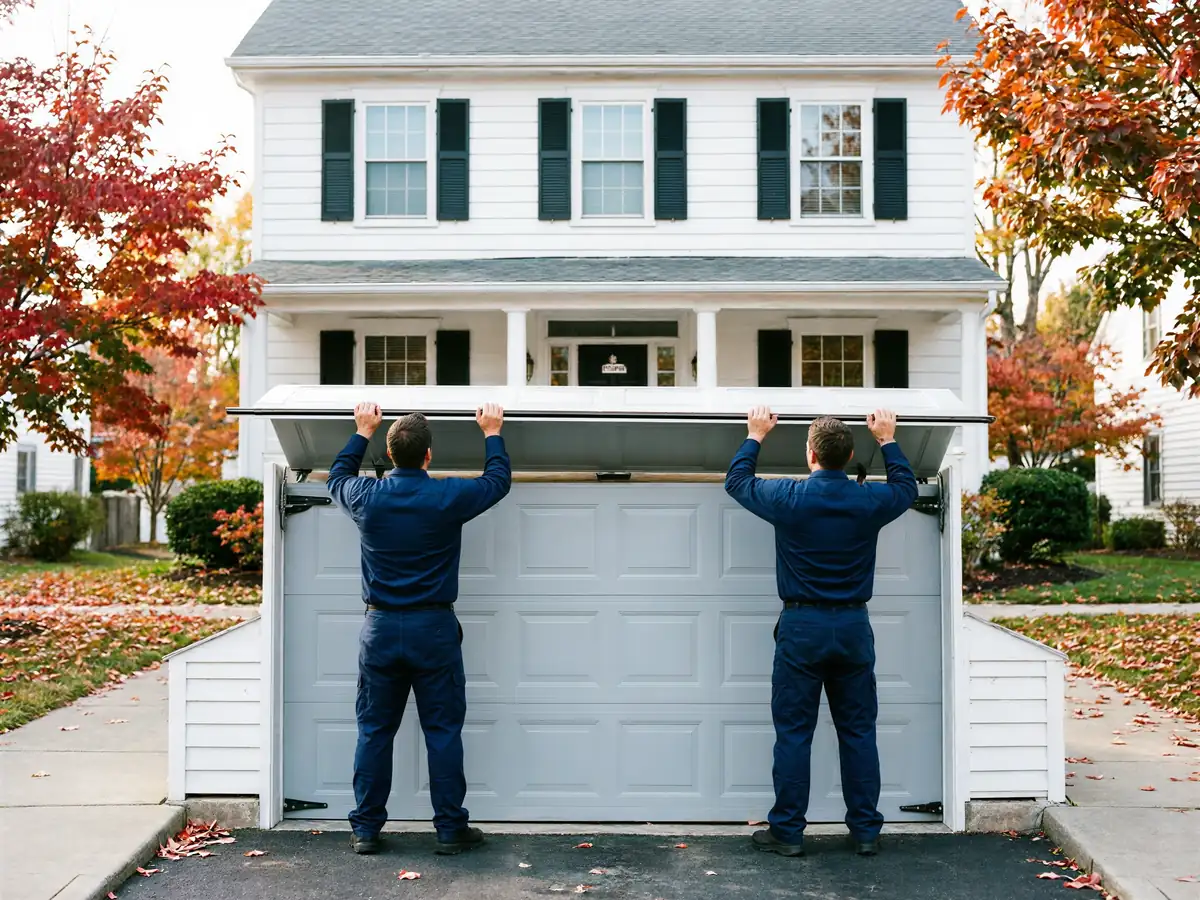
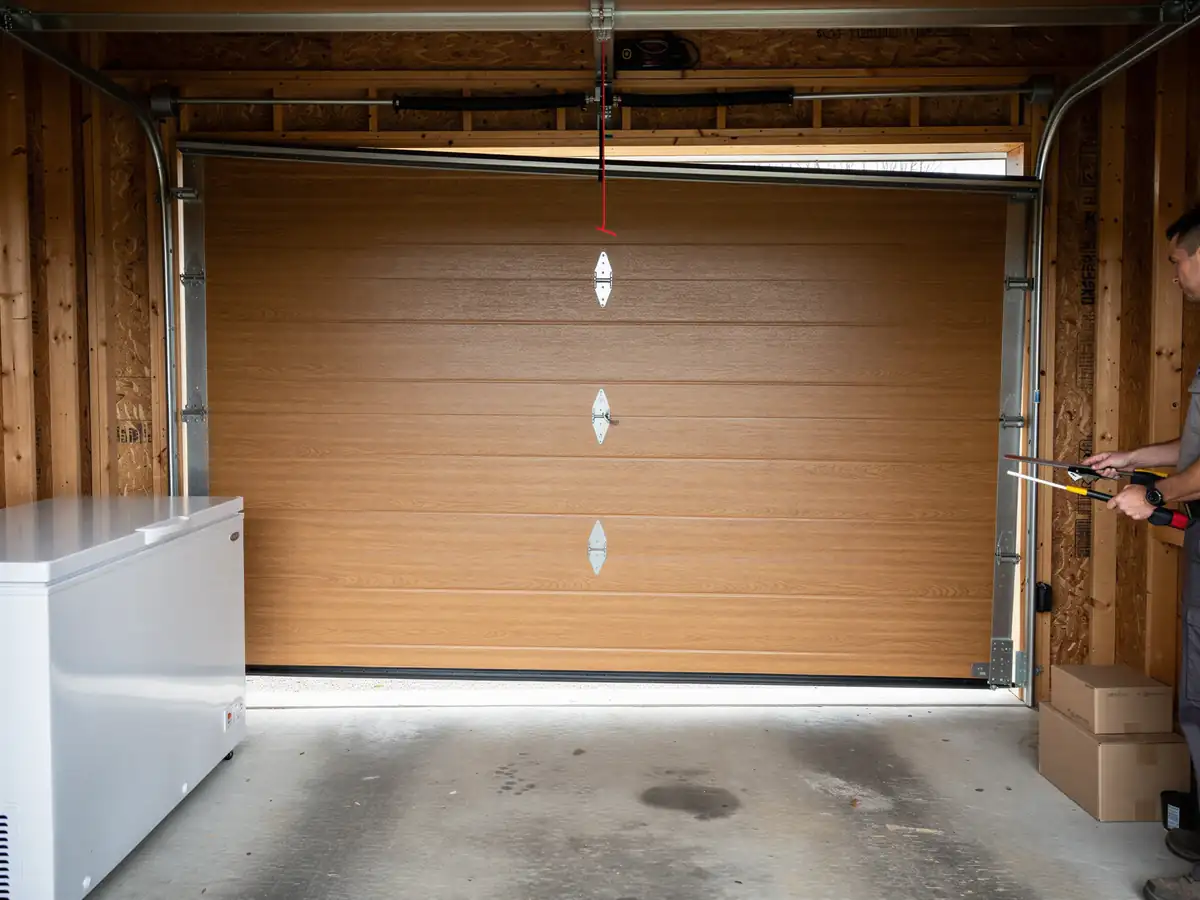
Here's the actual problem, plainly: a lot of houses within a few miles of Wilmington - Edgemoor at 2 miles, Bellefonte and Elsmere at 3 - are old enough that the manual release knob, if it still works, has been painted over, buried under boxes, or never pulled once since the house was built. When the power cuts during a storm, that knob is the only way in or out through the garage, and plenty of owners don't know where it is or how hard to pull it.
Across the wider service area there are roughly 21,934 owner-occupied houses, most sitting on housing stock built well before 2001. That's a lot of original or first-replacement openers doing the job quietly until a power cut makes the gap in the system obvious.
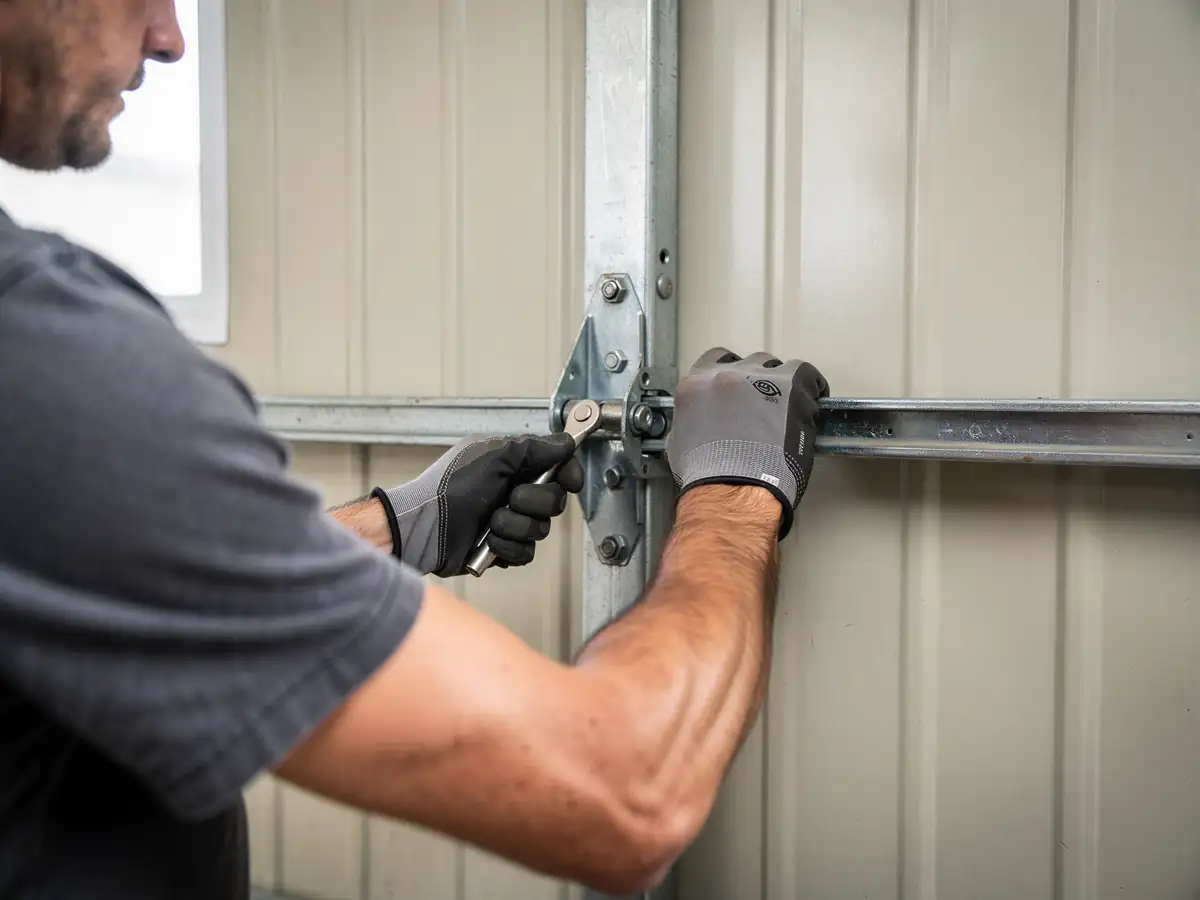
We don't treat every opener call as an upgrade pitch. If your opener works fine and you just want the release lever shown to you and freed up, that's a five-minute job, not a sales conversation. The honest limitation here: a battery backup won't fix a motor that's already failing, and we'll tell you if that's what's actually going on before we talk backup units.
What It Costs
We don't have a fixed price list to quote here, and we're not going to invent one
What we can say, from the pattern of these houses, is that cost depends heavily on what opener you've already got. A newer belt-drive unit may just need a battery-backup module added. An older chain-drive unit from the original 1960s-70s build may need the whole head replaced before backup is even an option, because the module won't fit the old motor housing.
Median household income across this area runs around $87,826
Which puts a battery-backup opener within reach for most owners here - it's a real upgrade, not a stretch. But we'd rather look at your actual opener and garage before quoting anything. Age of the unit, whether it's chain or belt, and whether your garage is heated all change the number more than any flat rate would suggest.