The Seasonal Bit
A service call here isn't one fixed checklist
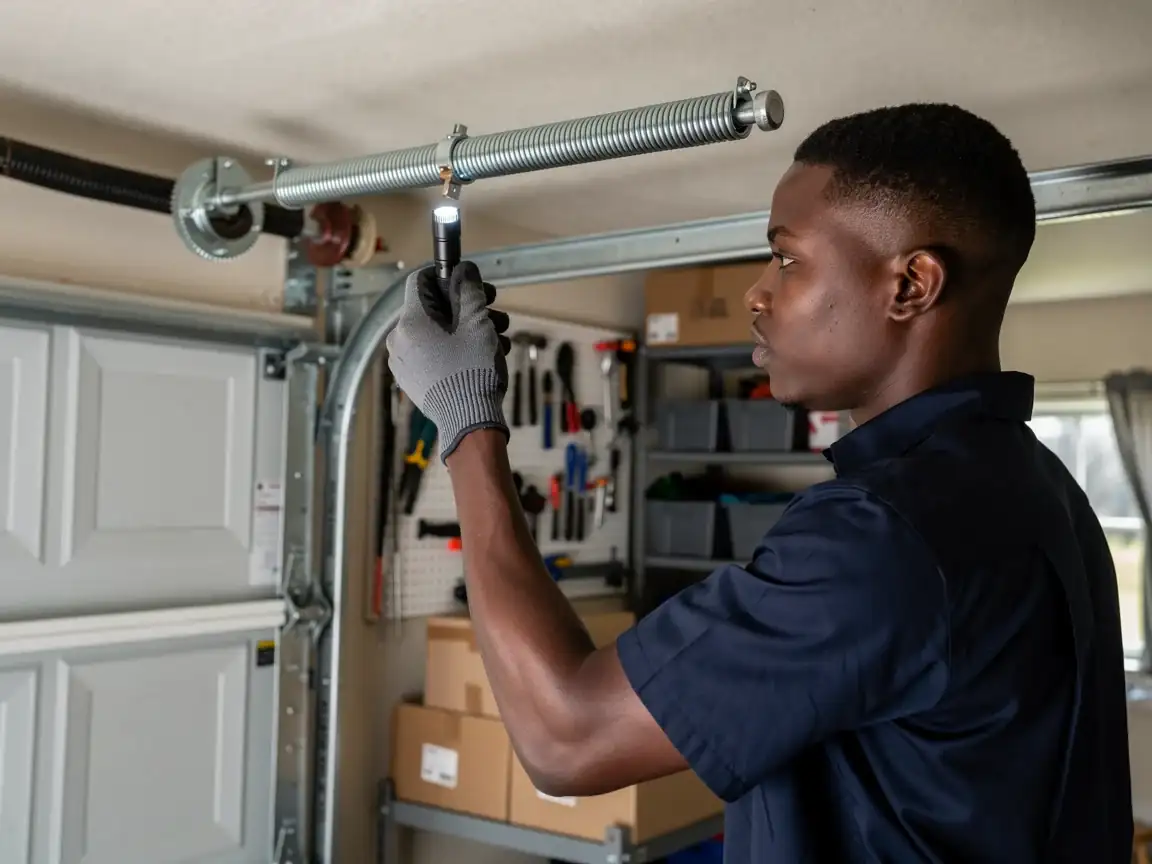
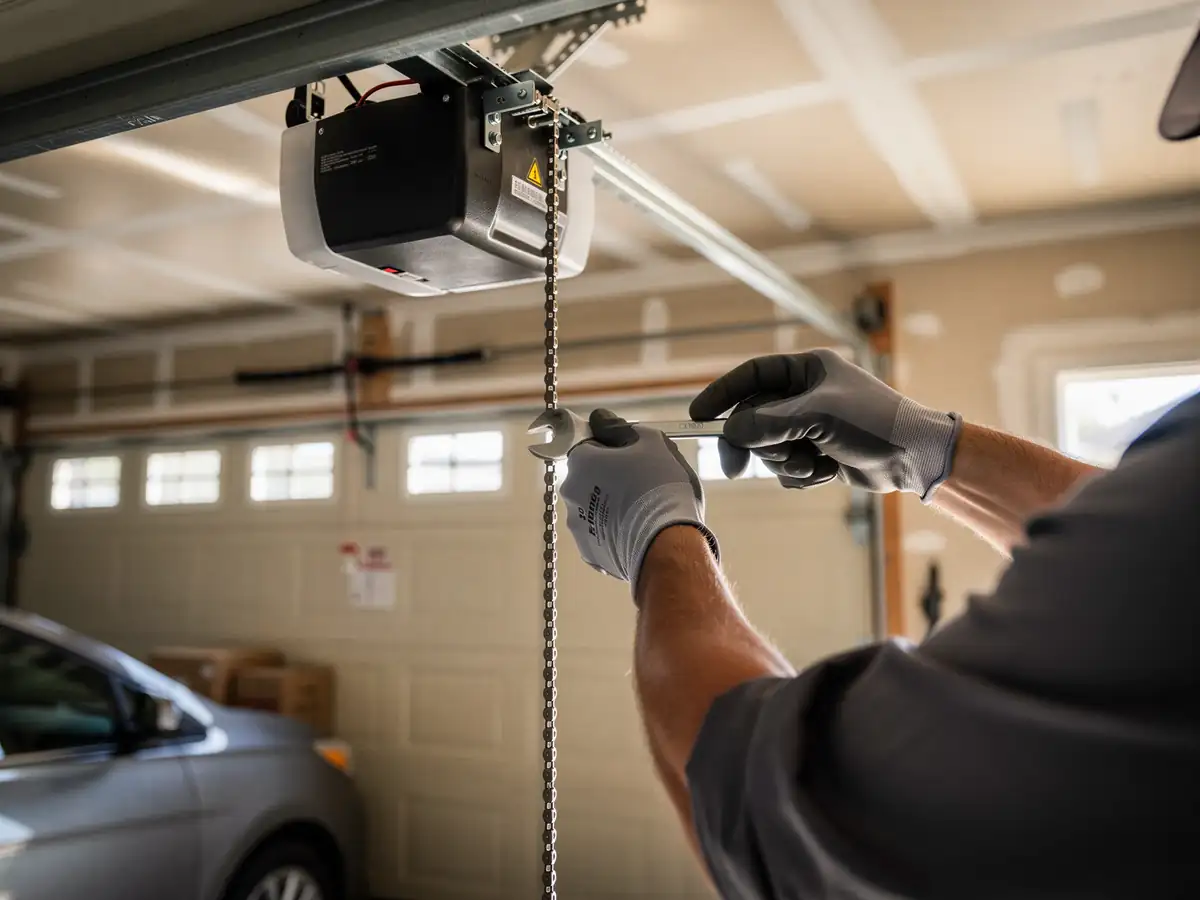
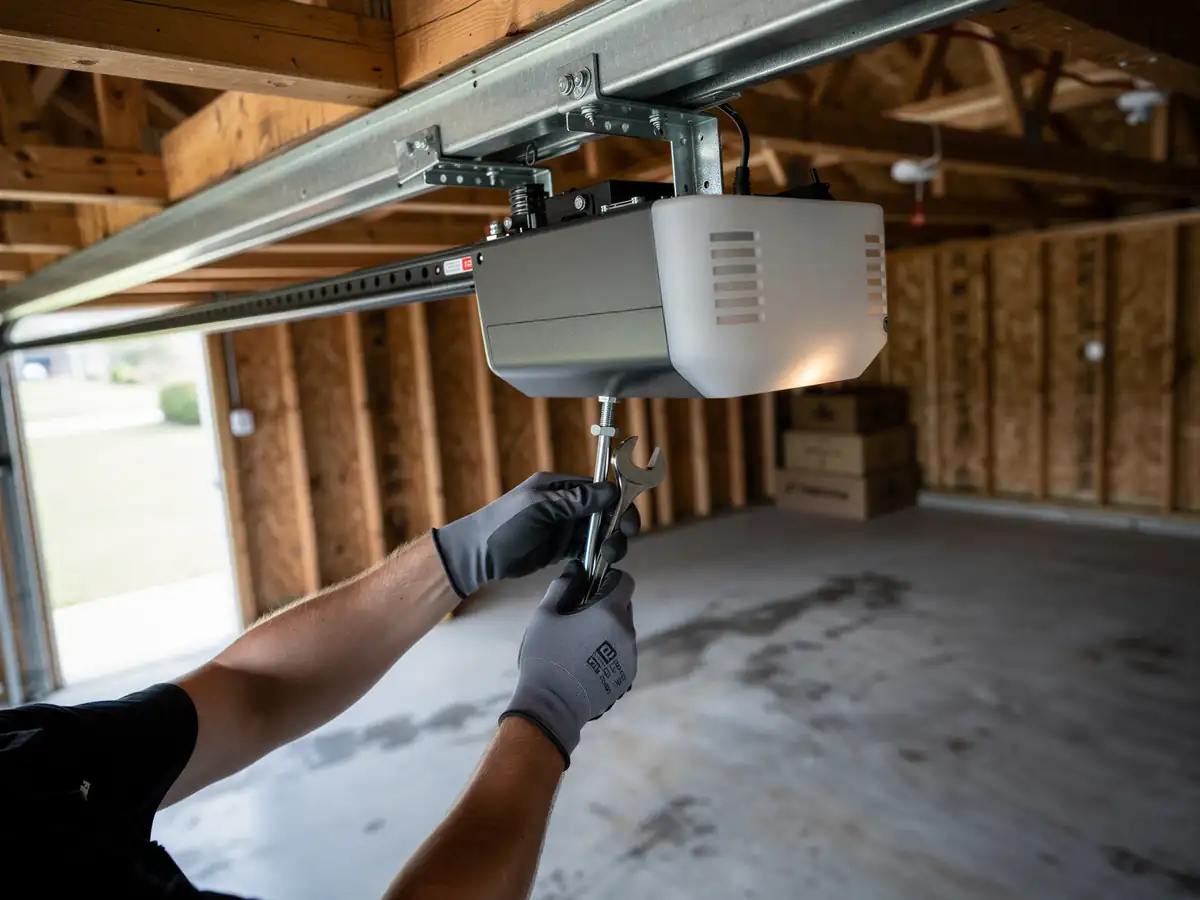
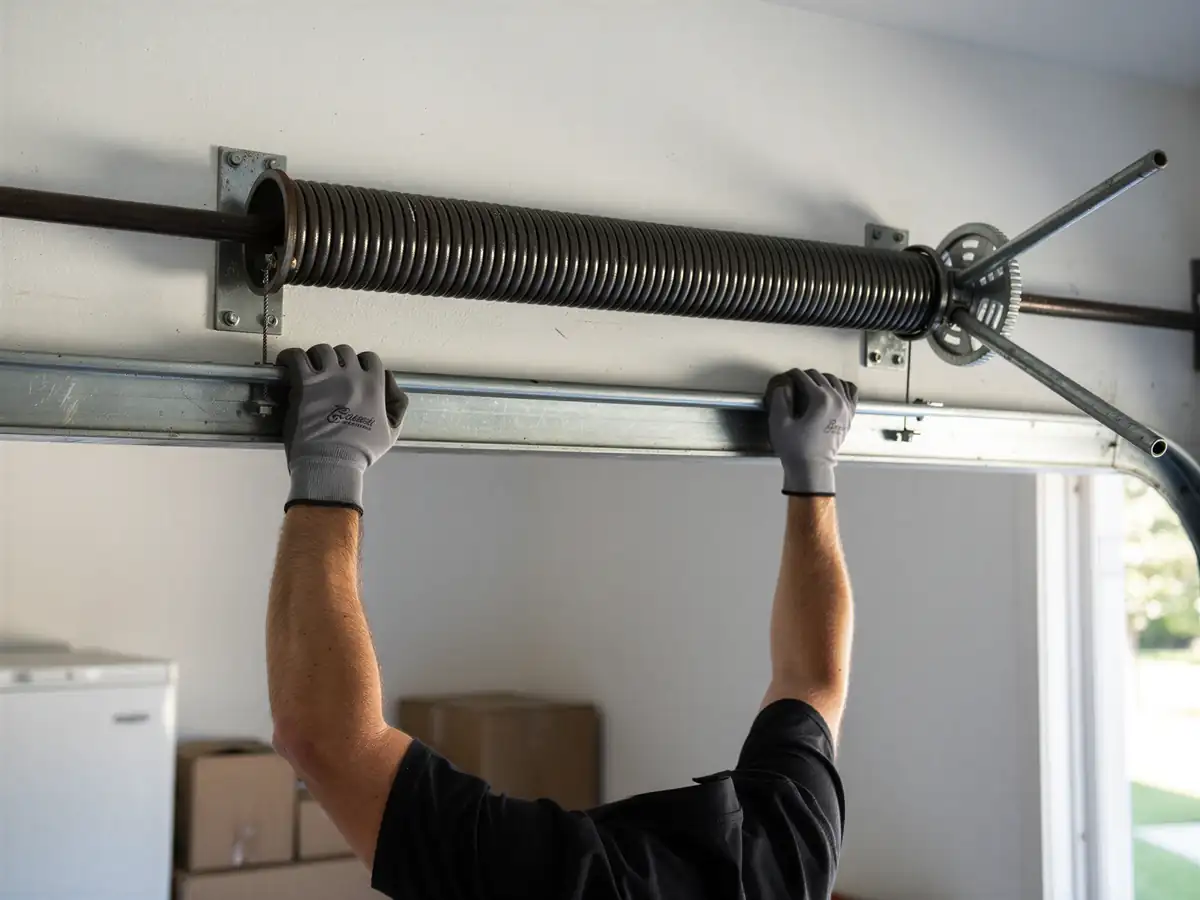
Because the season changes what's actually wrong. Wilmington sits in a cold-climate band rated severe, so the calls that come in during the cold months look different from the ones in July. In winter, a tech is checking spring tension first, because steel contracts and torsion springs that were fine in September can be noticeably off by January. They're also checking the opener's force settings, since cold grease and tight cables make the motor work harder and trip the safety reverse more often.
In the warmer months the same door gets a different kind of look
Rollers, track alignment, weatherstrip seal - but the spring and cable check never gets skipped here, because the freeze-thaw cycle this region gets is hard on torsion hardware year over year. A one-time visit catches whatever's acting up that day. What it doesn't do is replace the seasonal pattern of checking the same stress points every few months, especially on a door that's already a few decades old. That's less a sales pitch than just what the climate does to steel and springs on a yearly loop.
What the Weather Here Does to It
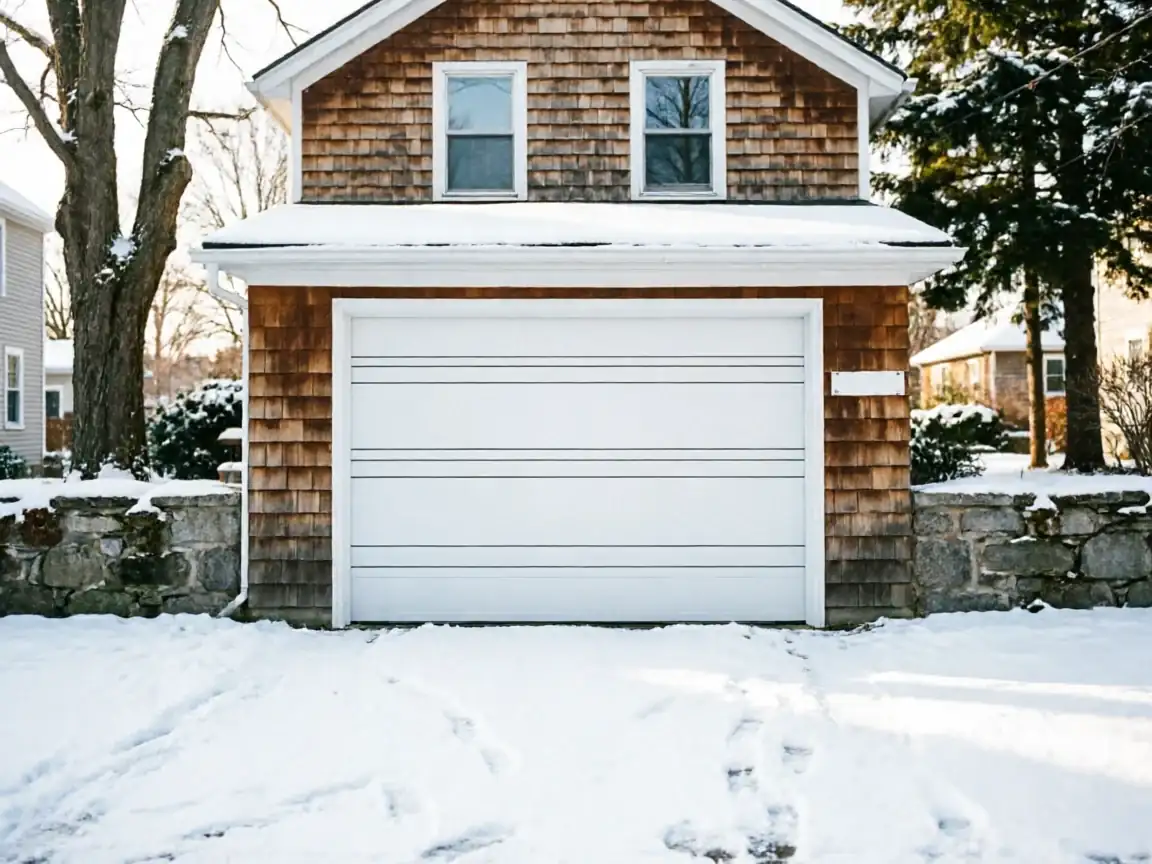
Cold severe climate means real temperature swings, and a garage door is mostly steel, springs, and whatever lubricant is on the hinges. When steel panels contract in cold weather, seams that were tight in summer can rattle or bind against the track. Torsion springs lose a little tension every cycle anyway, but the cold accelerates that fatigue - a spring rated for a certain door weight starts acting like it's lighter than it is, and the door gets harder to lift by hand or the opener strains on the way up.
Lubricant is the other half of it. Grease that's fine at 60 degrees gets stiff below freezing, and a stiff lubricant on rollers and the torsion bar means more friction, more wear, and a higher chance of a cable jumping its drum on a cold morning. None of this is dramatic - nobody's door usually fails all at once from weather - but it's steady wear that shows up as a slow degrade: a door that used to run quiet getting louder, a garage remote that used to work from the driveway now needing a second press. That slow change is usually the weather, not a defect.
The Problem
The housing stock across the Wilmington service area mostly went up between 1940 and 2001, with the bulk of it - across the sixteen named areas we run calls to, from Edgemoor and Bellefonte in close to Hockessin and Glasgow further out - built in the 1960s and 70s. That matters more than it sounds like it should, because a door and opener installed or replaced during that window is now old enough that some of the original hardware is no longer made.
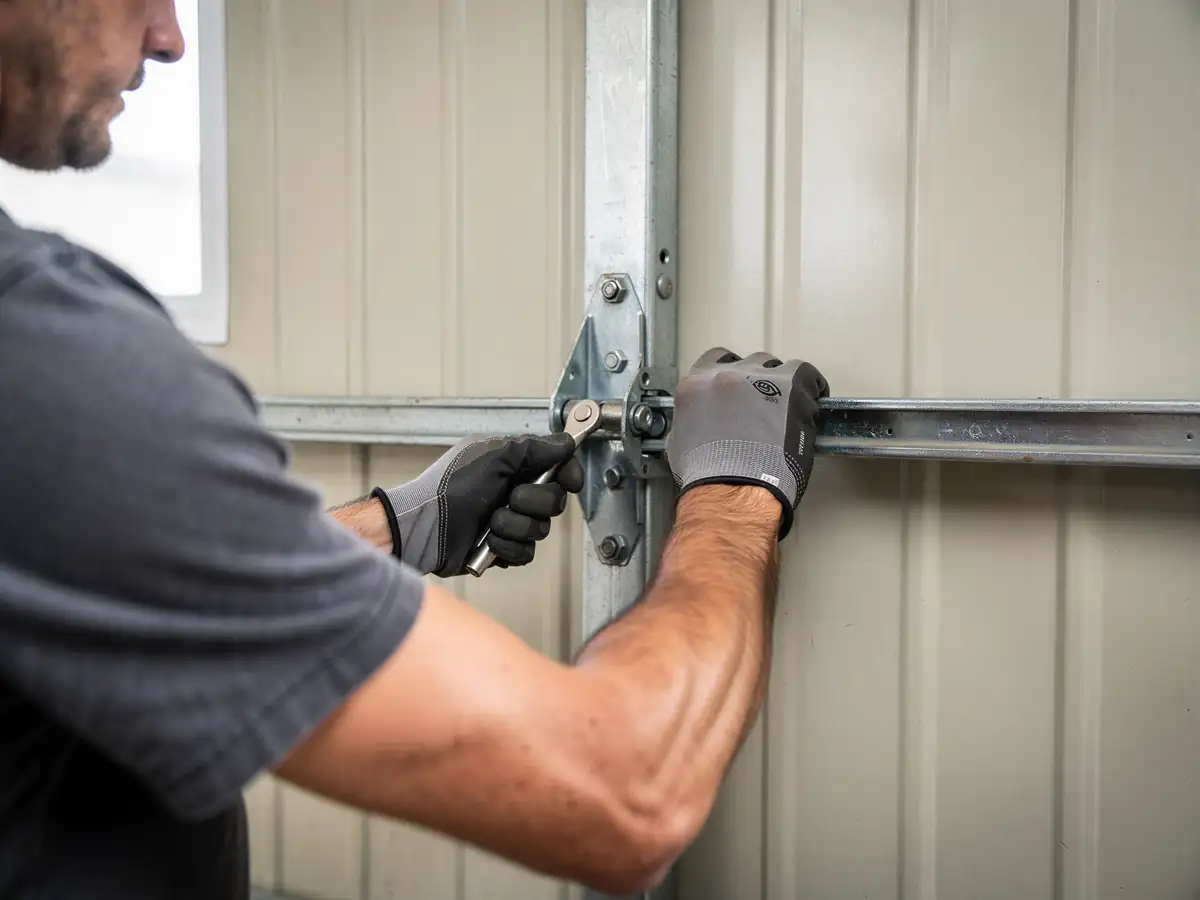
The common case: a one-piece or early sectional door on a torsion spring sized for a builder-grade panel weight, paired with an opener that's been swapped once or twice over the decades but still runs off the original track and drum. When a cable frays or a spring finally lets go on one of these, the fix isn't always a drop-in replacement part, because the drum diameter or spring wind on a 1960s setup doesn't always match what's stocked today. That's the actual problem on a lot of these calls - not that the door broke, but that matching the broken piece to something current takes an extra step. It's worth knowing going in, especially on a house that hasn't had the garage touched since it was built.
What It Costs
There's no flat number for a service call here
And anyone who gives you one over the phone before seeing the door is guessing. What actually drives the cost: the weight and size of the door, whether it needs one spring or two, and - on the older houses across this area - whether the track or drum size matches a current part or has to be adapted.
Across the roughly 21,934 owner-occupied houses in this service area, median household income runs around $87,826
And most owners here are weighing a repair against a full door or opener replacement at some point, especially once a door is original to a 1960s or 70s build. We'll always tell you straight if a repair isn't worth it relative to replacing the whole unit - that's the honest limitation: some of these older torsion setups are patched together with parts from three different eras, and at a certain point chasing one more fix costs more over a year than just replacing the assembly. We'd rather say that on site than string out repairs that don't hold.
- 21,934 owner-occupied
- $87,826 median household income