Old Streets and New Ones
Claymont sits about 6 miles from our shop in Wilmington
Close enough that a service call doesn't eat the whole afternoon. The area sits among a cluster of older Delaware towns - Edgemoor 2 miles off, Bellefonte and Elsmere each 3 miles out, Newport and Wilmington Manor at 4. That matters because these towns share a building era, and a technician who knows one of them usually knows what's behind the next town's garage wall too.
- 6 miles
What sets Claymont apart on our route isn't the town line, it's the houses themselves
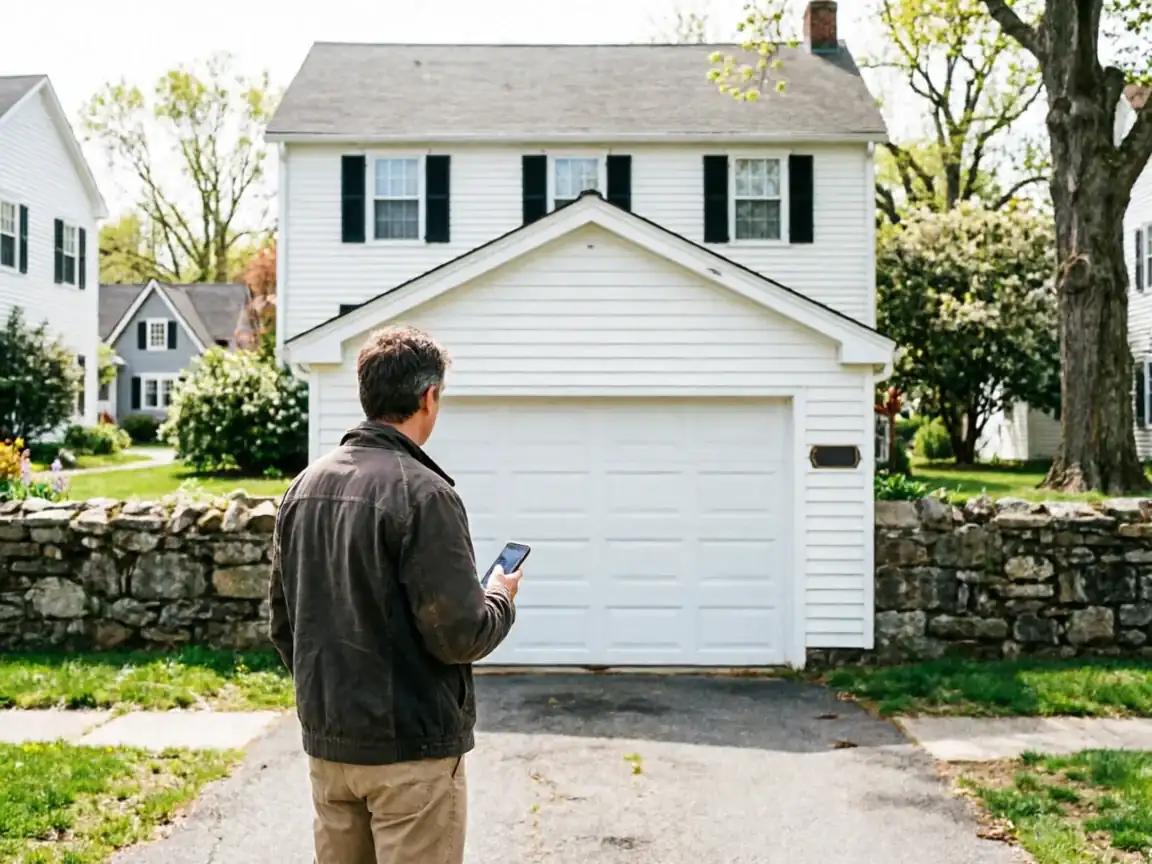
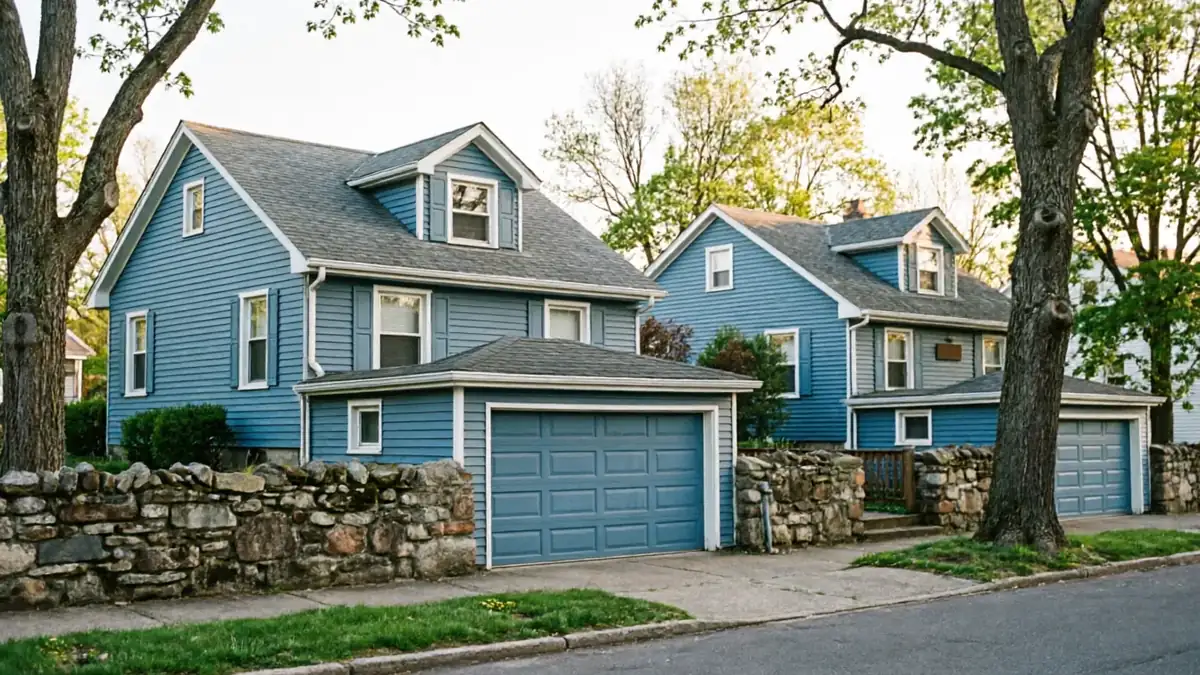
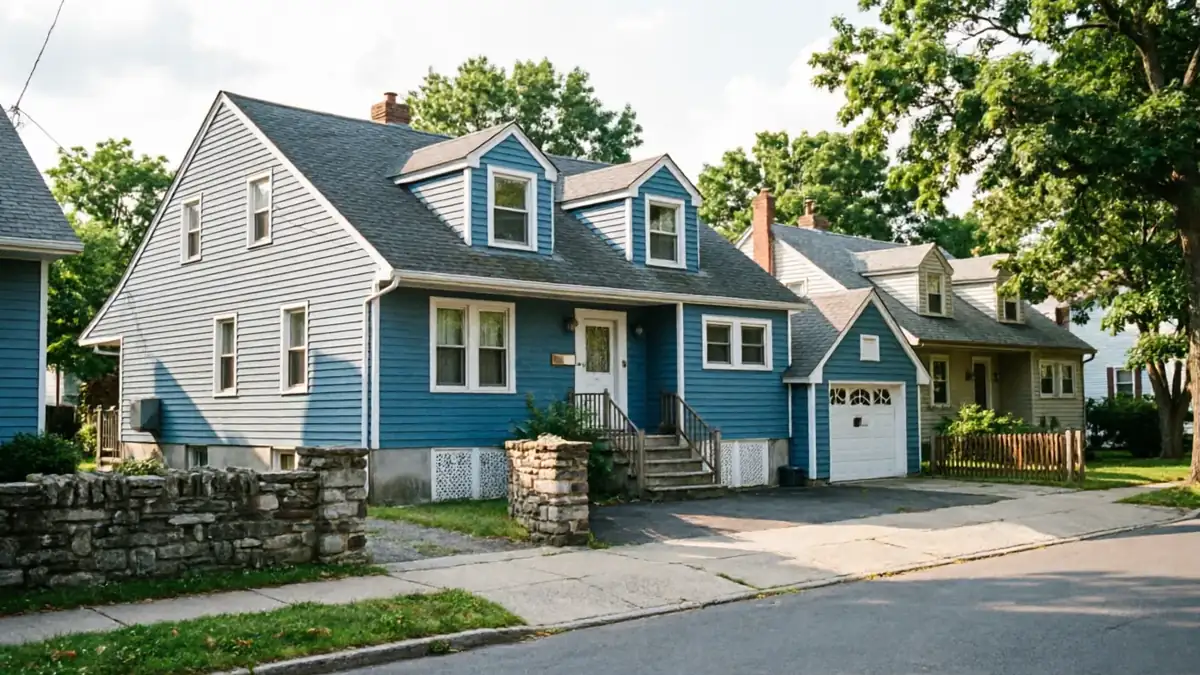
The area's median build year lands around 1964, a touch earlier than the broader service region's 1965 median. A decade either way changes what's bolted to the header above your car. We don't treat Claymont as a stop between other jobs - the hardware here calls for knowing what was standard before the mid-60s shift to lighter steel and different spring mounts.
Four thousand one hundred and sixty-two households sit in this part of the county
And a large share of those are original owners or second owners of homes that have never had the garage door system touched since it was installed. That's not a guess, it's what we find when we open the panel.
What We Do Not Do
We don't keep a depot in Claymont. Every truck that shows up here came from Wilmington, roughly a 6-mile drive, so we're not promising a five-minute response or a tech who already knows your street. We're honest about that instead of pretending otherwise.
We also don't replace a spring or a section just because it's old. If a torsion spring from a 1960s build is still cycling clean and the drum isn't pitted, we'll say so and charge you for the smaller fix. Some original hardware on these houses is actually better built than what gets installed today - heavier gauge coil, fewer moving parts to fail.
What we won't do is source an obsolete one-piece door section same-day. Parts for doors built before the mid-70s panel standardization can take time to track down, and if yours is one of those, we'll tell you the lead time up front rather than quote a date we can't hit. If a repair is going to cost more than half of a new door's install, we'll say that too - chasing a dying system with parts patches isn't a service, it's a stall.
What Was Built Here
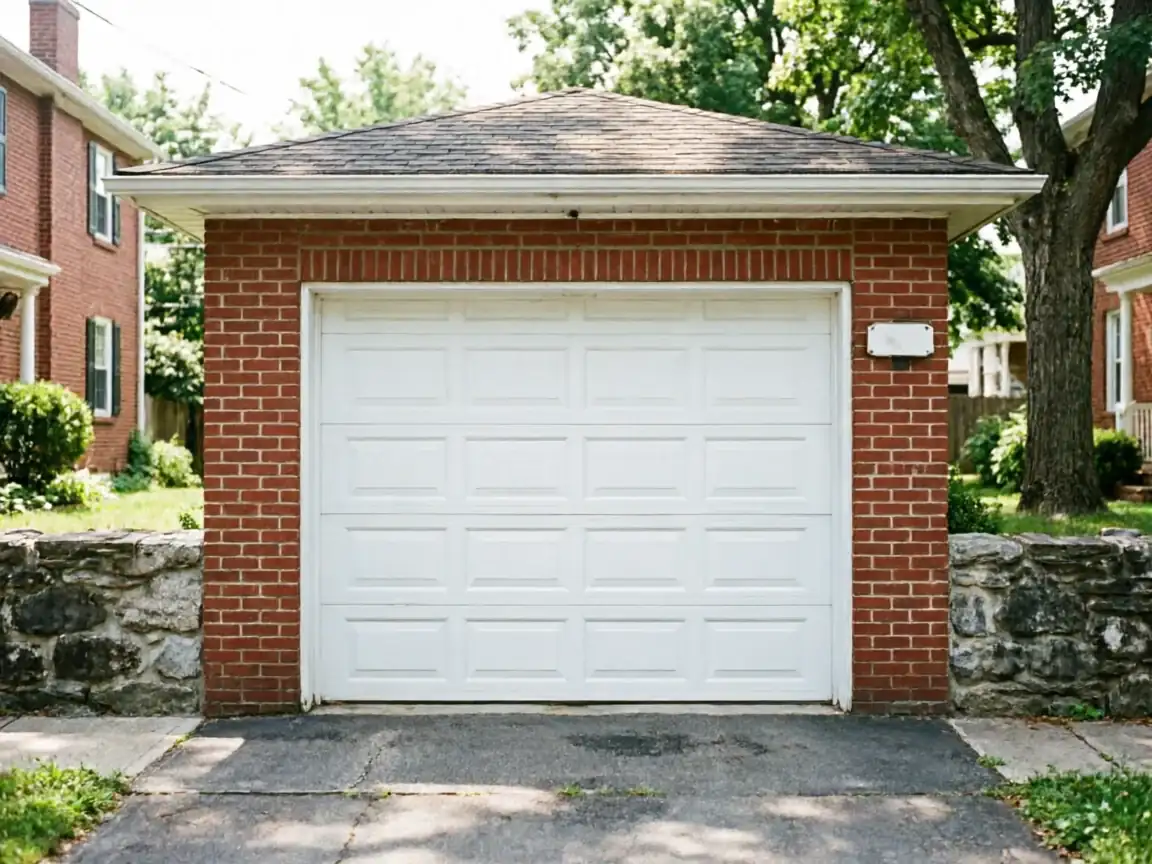
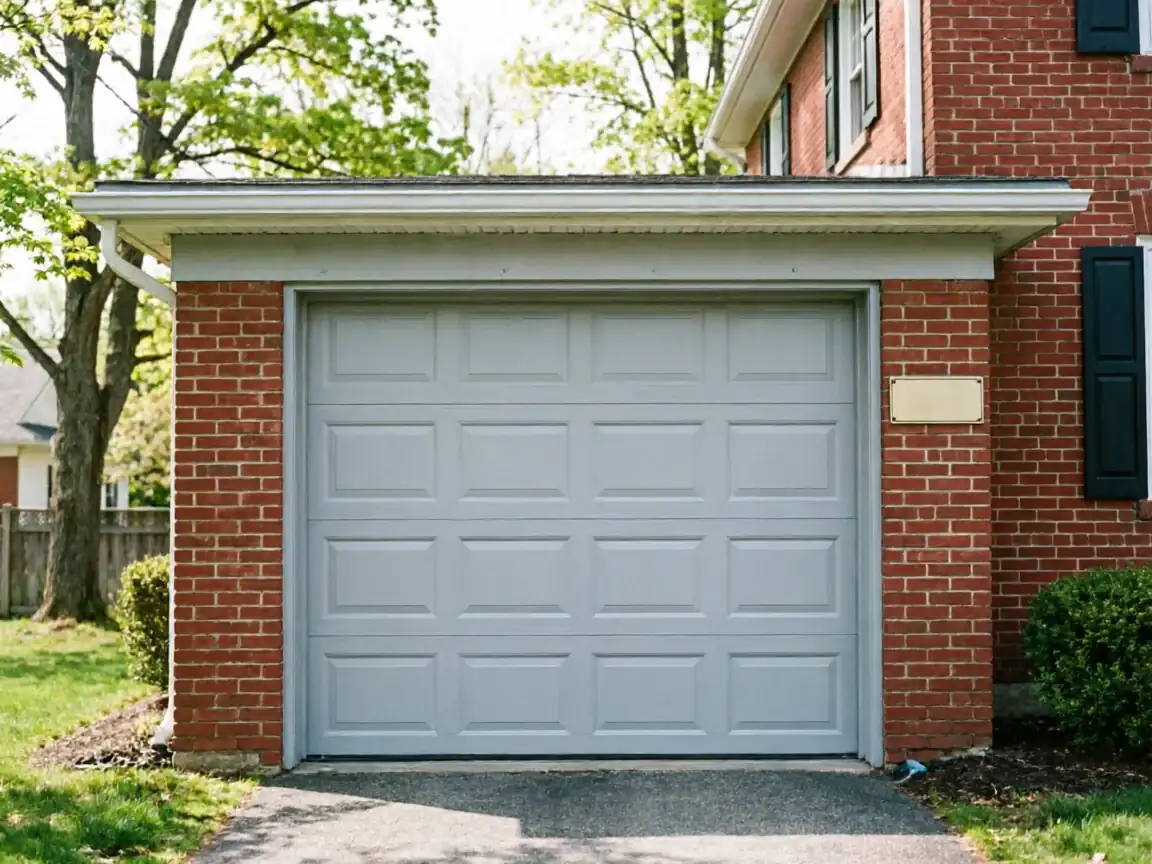
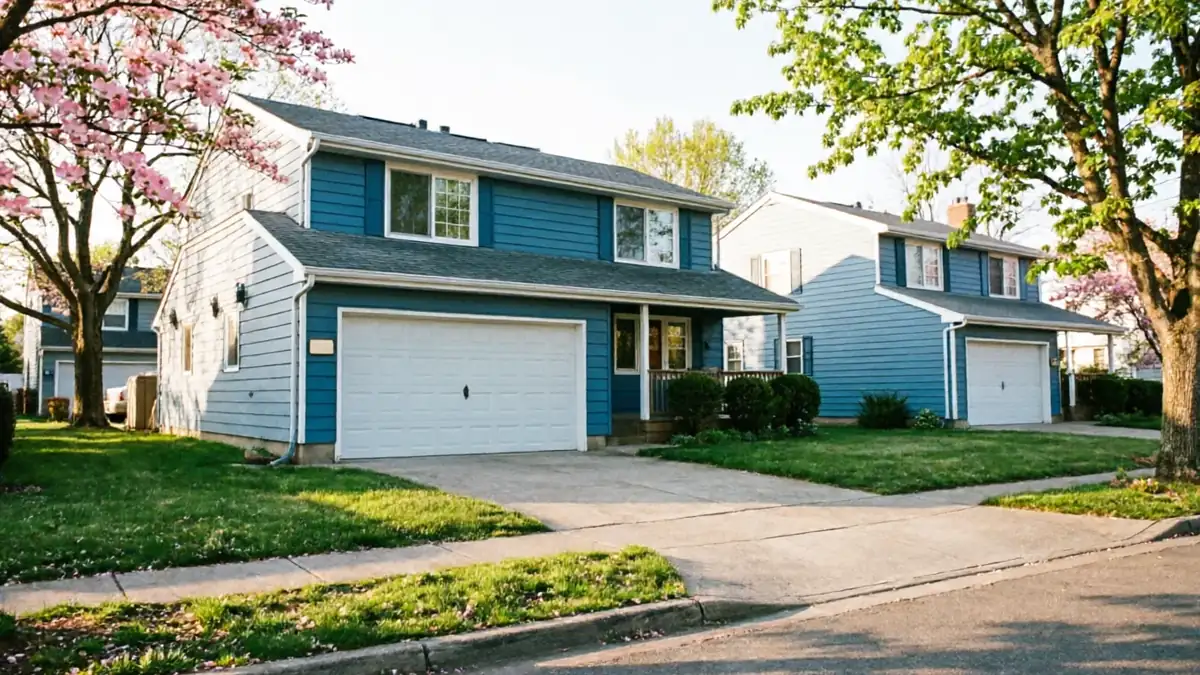
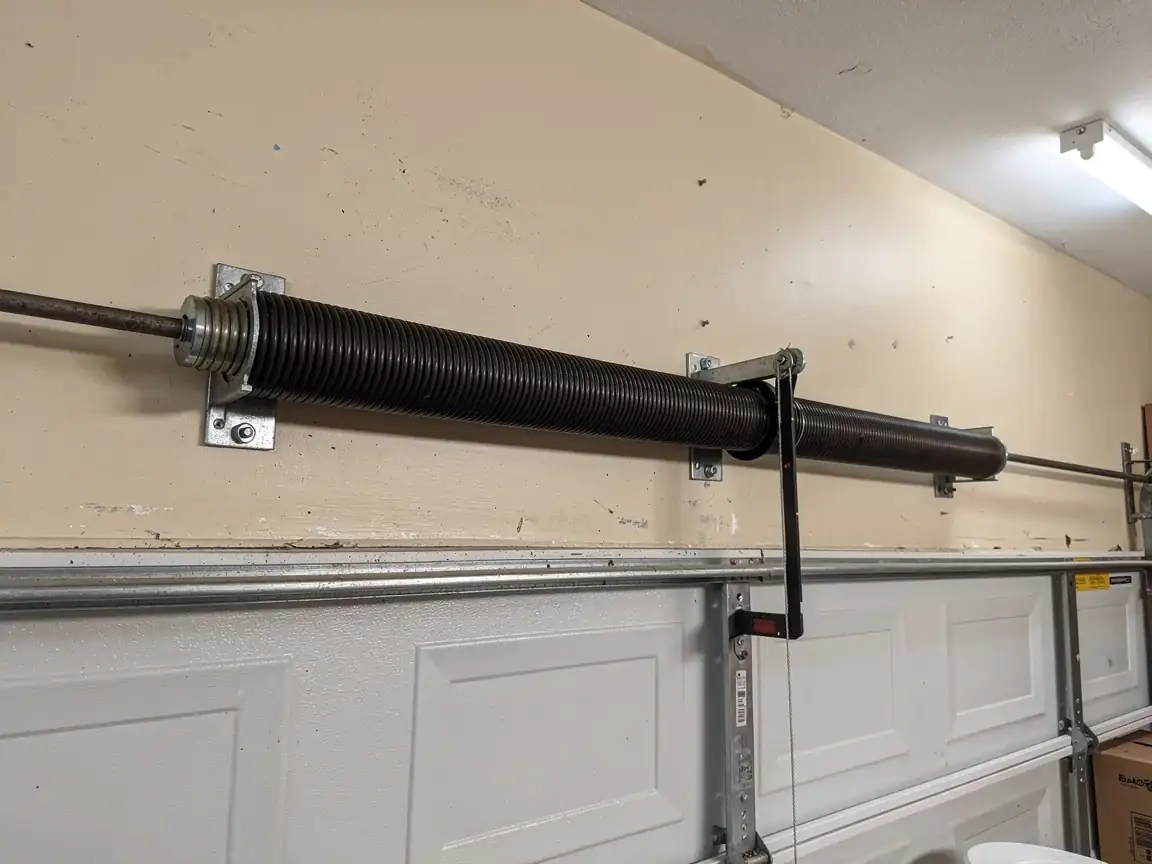
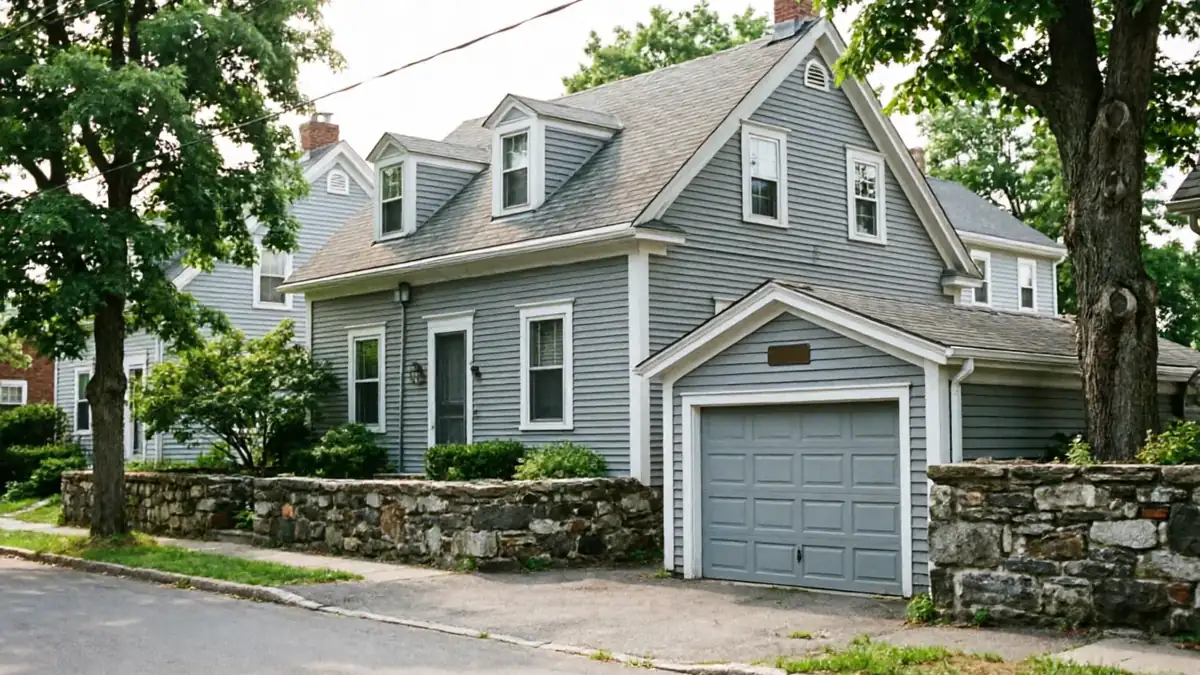
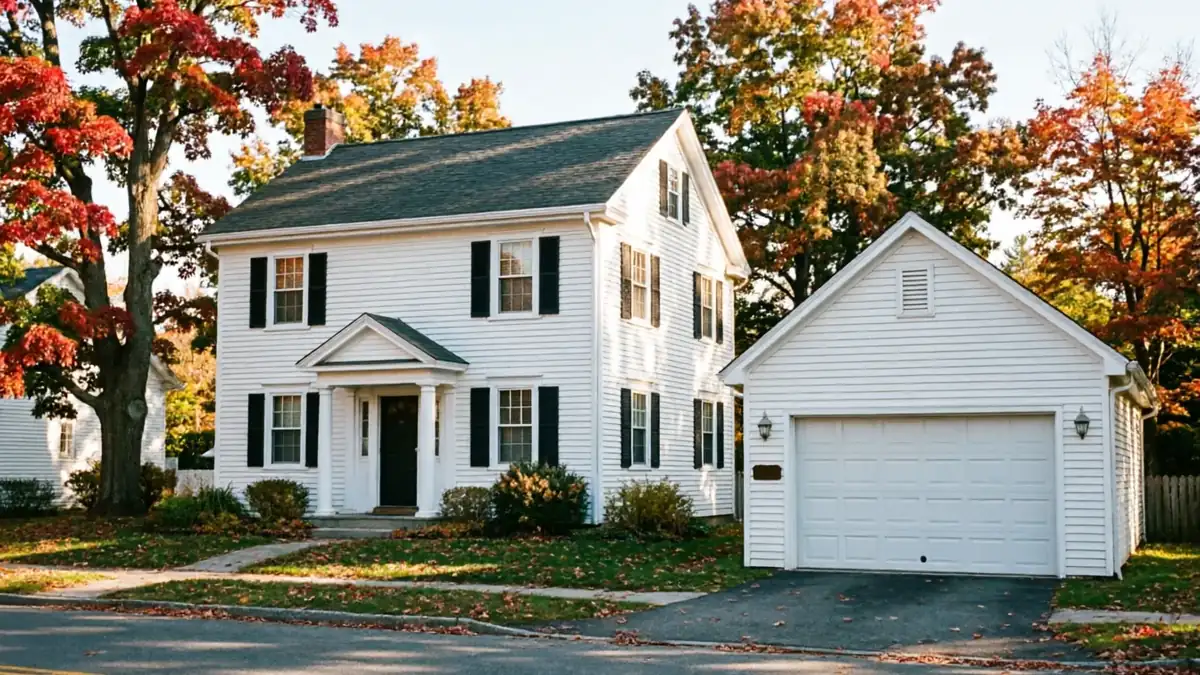
The homes in this part of Claymont went up mostly around 1964, squarely inside the broader 1940 to 2001 build range for the service area but earlier than most. That decade used a specific set of garage door mounting conventions: side-mounted torsion springs on a lot of single doors, extension springs overhead on many of the two-car builds that came slightly later.
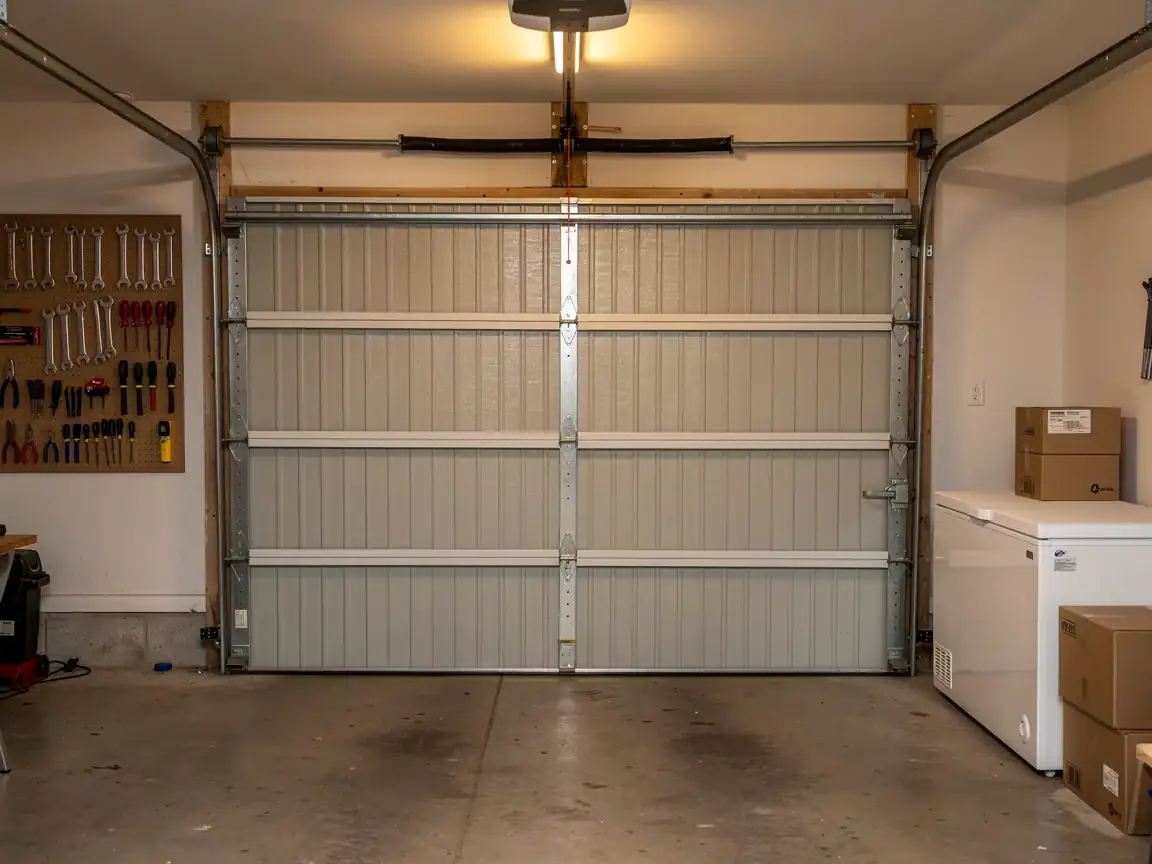
The area's roughly 4,162 households and a median income near $75,808 tell us something too - a lot of these are long-owned, maintained homes rather than fast-flip rentals. People here tend to fix what's broken rather than gut-renovate, which means original garage hardware survives longer than it would in newer subdivisions. We see openers from multiple decades living on doors they were never designed for, because someone replaced the motor without ever touching the spring system underneath.
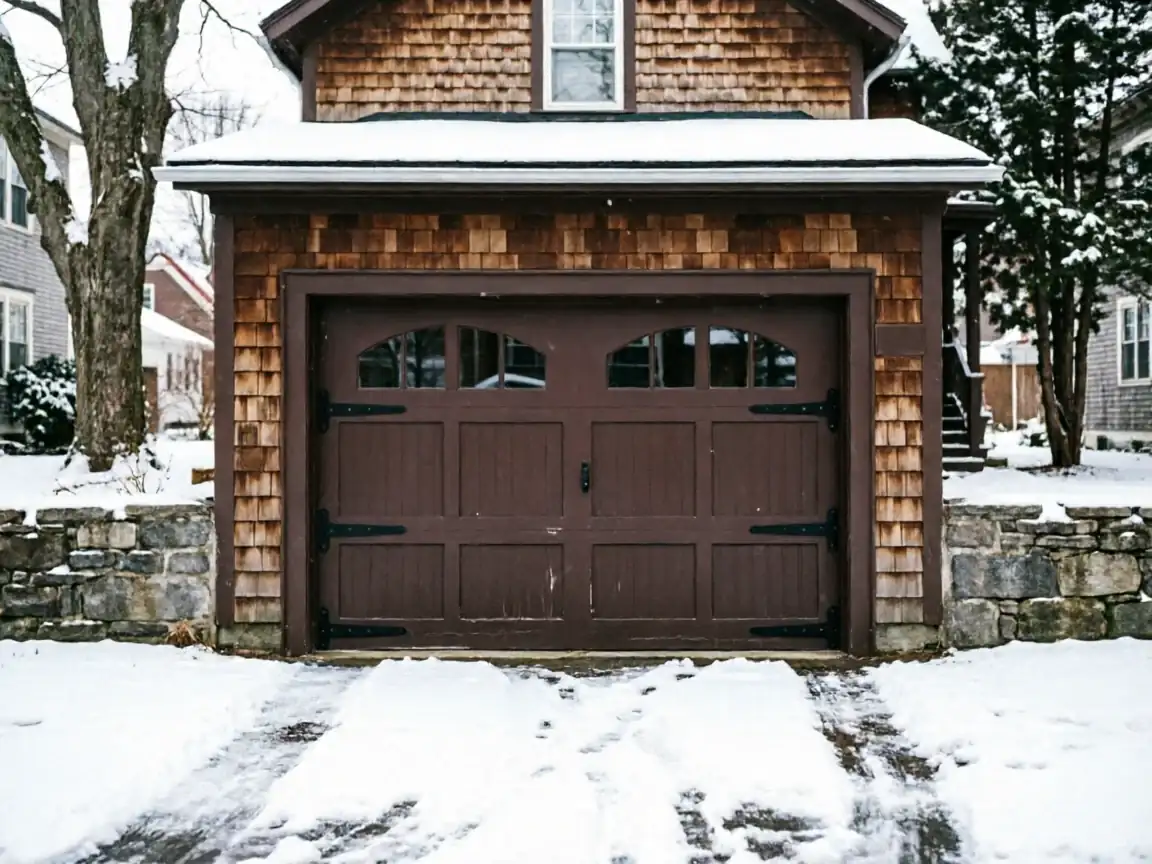
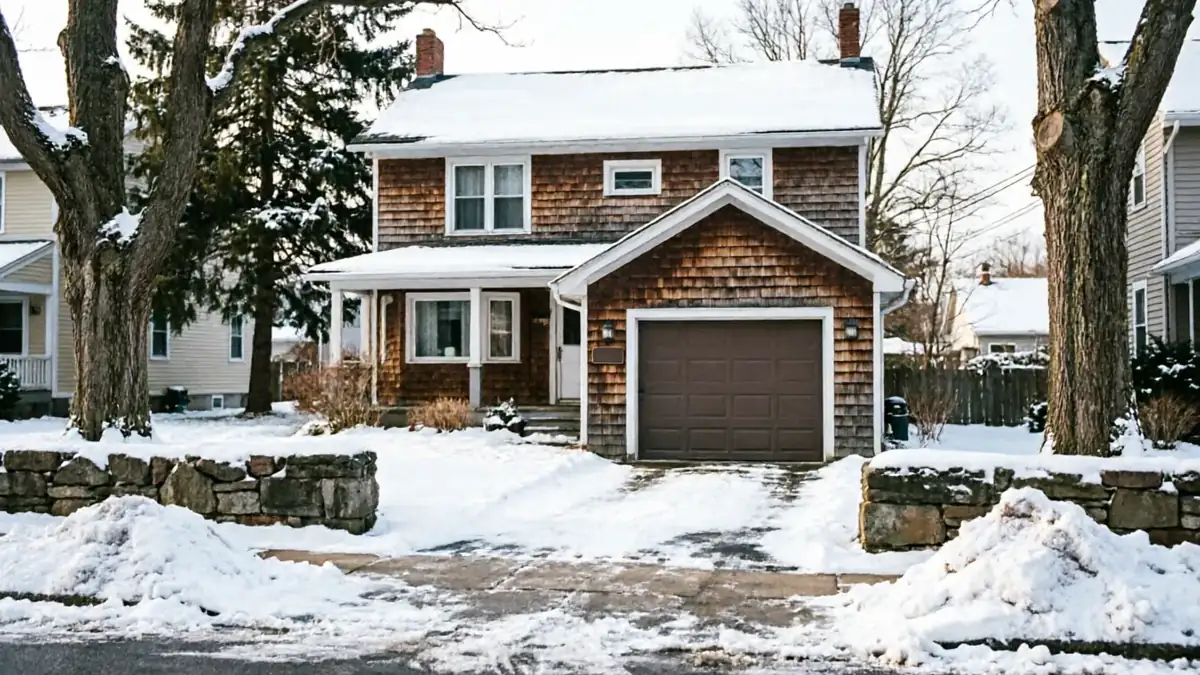
The service area as a whole carries a severe cold climate rating, and Claymont's older stock wasn't built with today's insulation standards in mind. Steel sections from this era are typically thinner, single-layer, and shift more with temperature swings than anything made in the last fifteen years.
What That Means for Doors
A door installed when this neighborhood was built is pushing six decades old if it's never been replaced
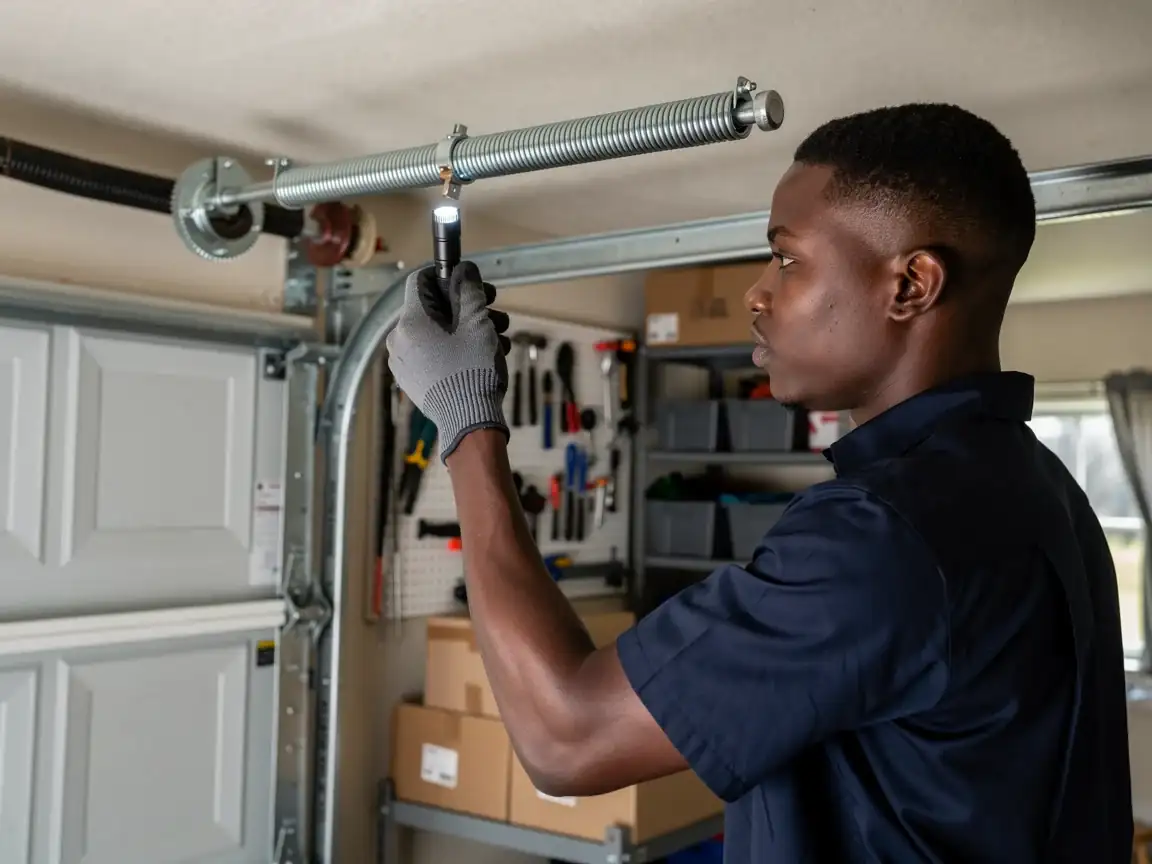
That's well past the service life of torsion springs, which are rated by cycle count, not years - and a spring from 1964 has likely seen tens of thousands of open-close cycles with no updated safety cable retrofit.
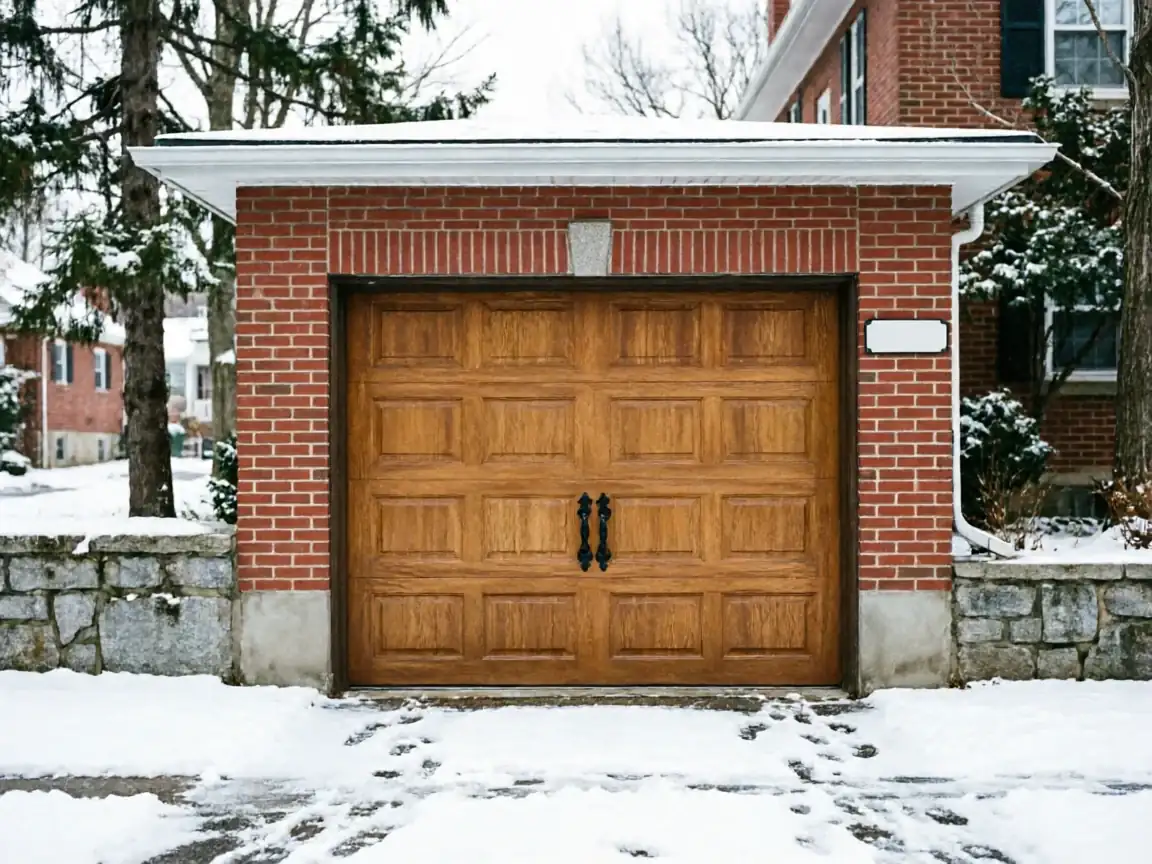
Cold-climate stress on uninsulated steel sections from that era shows up as warping at the bottom panel and hardened
Cracked weatherstripping that lets wind through the seam. We replace more bottom seals on these older Claymont doors than almost anything else, because the original rubber wasn't built for Delaware winters the way current compounds are.
Track alignment is the other recurring issue
Houses from the 1960s often used narrower track gauge than what's standard now, so if a previous repair swapped in a modern roller or bracket without matching the original spec, the door binds on one side. It's a cheap fix once you know what you're looking at, and a frustrating one if you don't.