How Long It Takes
Claymont isn't Wilmington
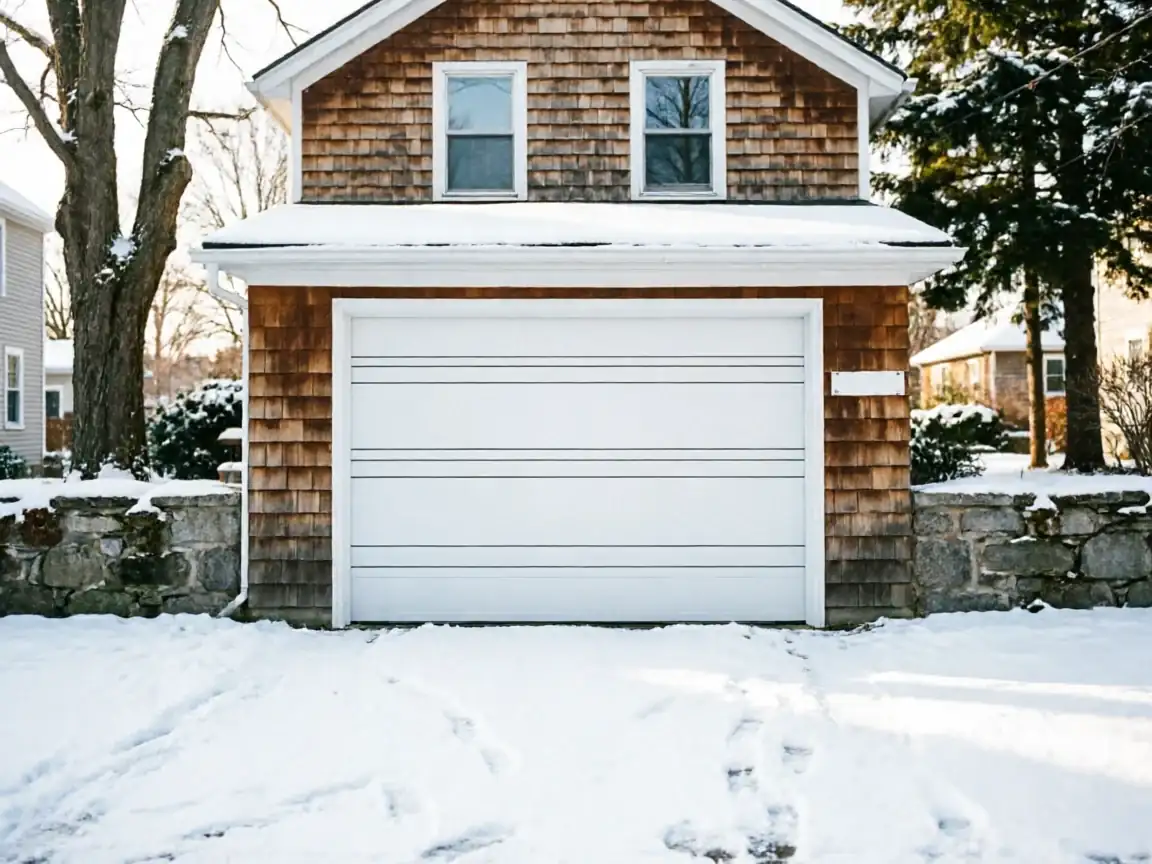
And the opener problems here don't match what we see closer to the city. Wilmington's housing stock spans 1940 through 2001. Claymont's median build year is 1964 - a notch earlier than the service area's overall median of 1965 - which means a bigger share of the garages here were fitted with their first opener in the mid-1960s and never swapped it out since.
That age gap changes the visit
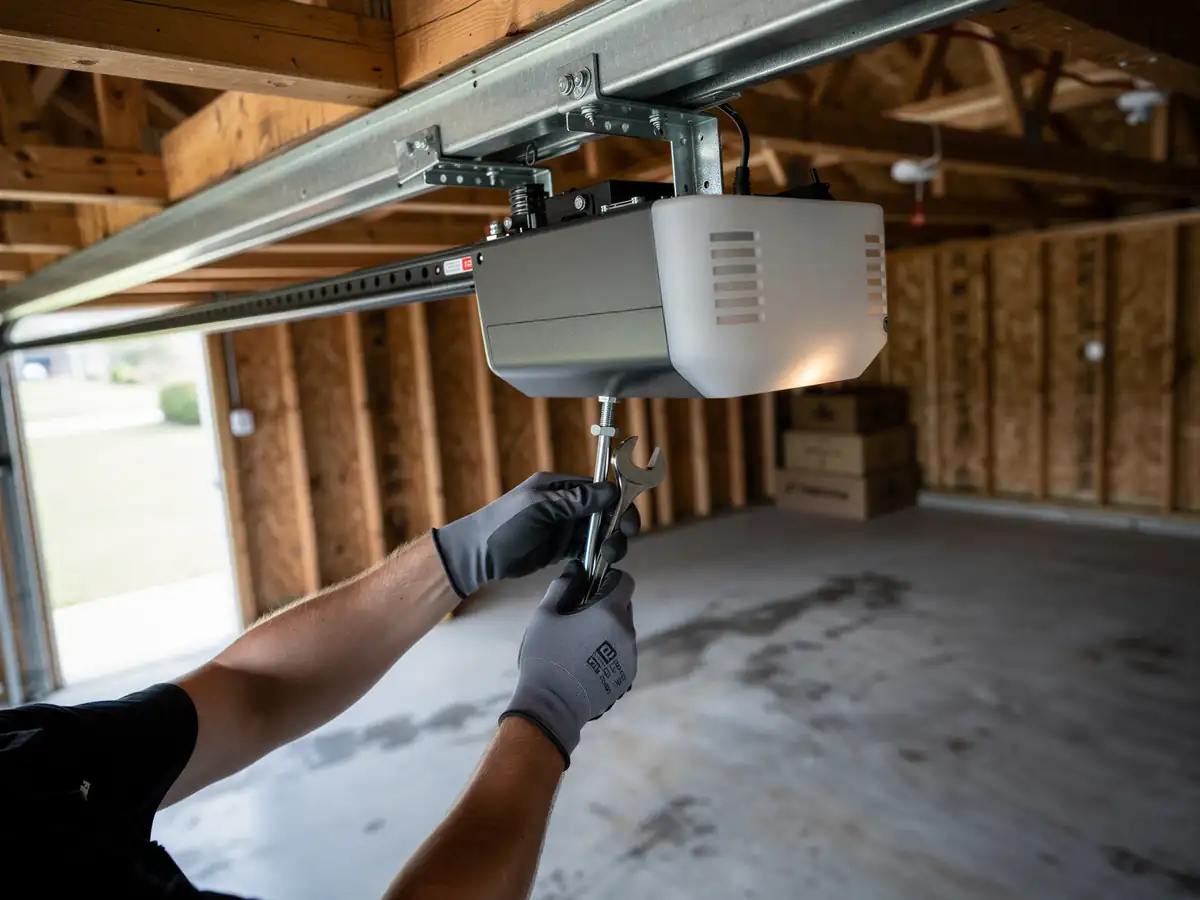
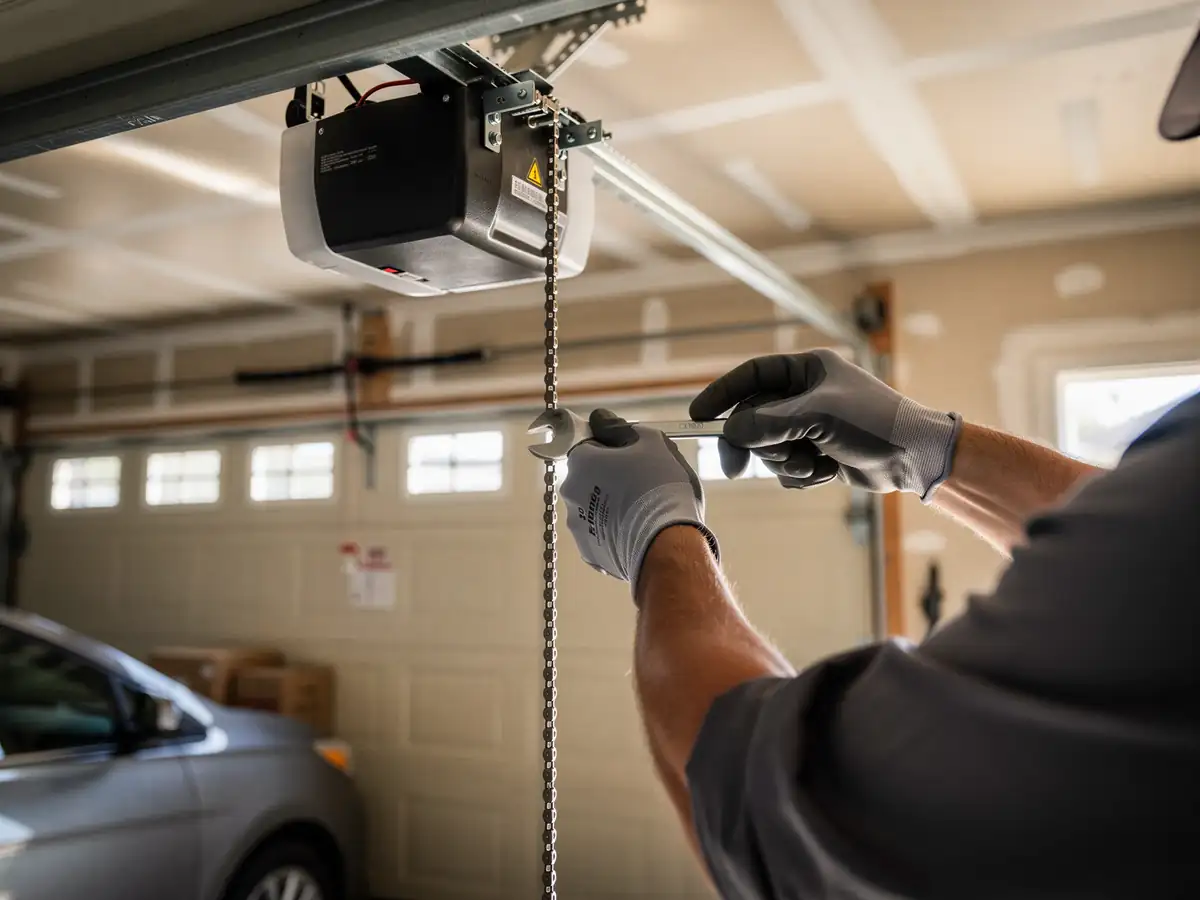
A newer opener problem is usually a sensor, a logic board, or a remote that's lost its code - fifteen minutes of diagnosis and a part swap. A 1960s chain-drive unit is a different job: worn sprockets, a stretched chain, a motor winding that's simply given out after decades of cold starts. We won't know which one we're dealing with until we're looking at the unit, but we can tell you going in that older Claymont garages run longer visits more often than not, because the first question isn't "what's broken" - it's "does this unit still exist in parts, or does it need replacing outright."
Why This Fails Locally
The climate here is classified cold and severe, and that matters more for openers than most owners assume. Circuit boards, limit switches, and photo-eye sensors in an unheated garage take a beating every winter, and in a town where most garages were built around 1964, those components have had sixty winters to accumulate condensation, corrosion, and worn contacts.
We also see a pattern tied to the area's income profile. Claymont's median household income, $75,808, runs below the broader Wilmington service area's $87,826. That's not a judgment - it's context for why we get more calls here after someone has already tried a fix themselves, usually a remote reprogram or a sensor realignment, before deciding the job needs a truck. By the time we arrive, the easy diagnosis is often already ruled out, which is fine - it just means the visit starts further into the problem.
With 4,162 households in Claymont built mostly in that same mid-1960s window, failures cluster seasonally: cold mornings in January and February are when boards that have survived fifty-plus winters finally trip for good.
Doing It Yourself
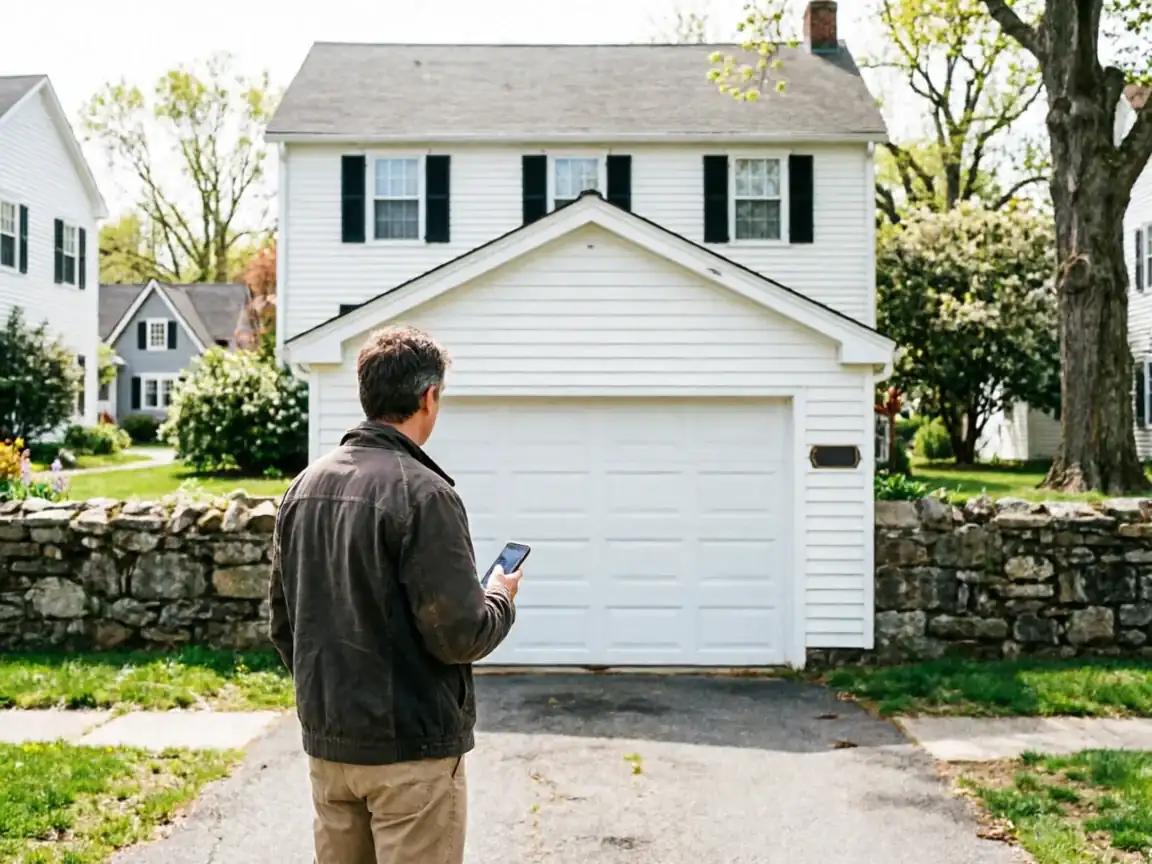
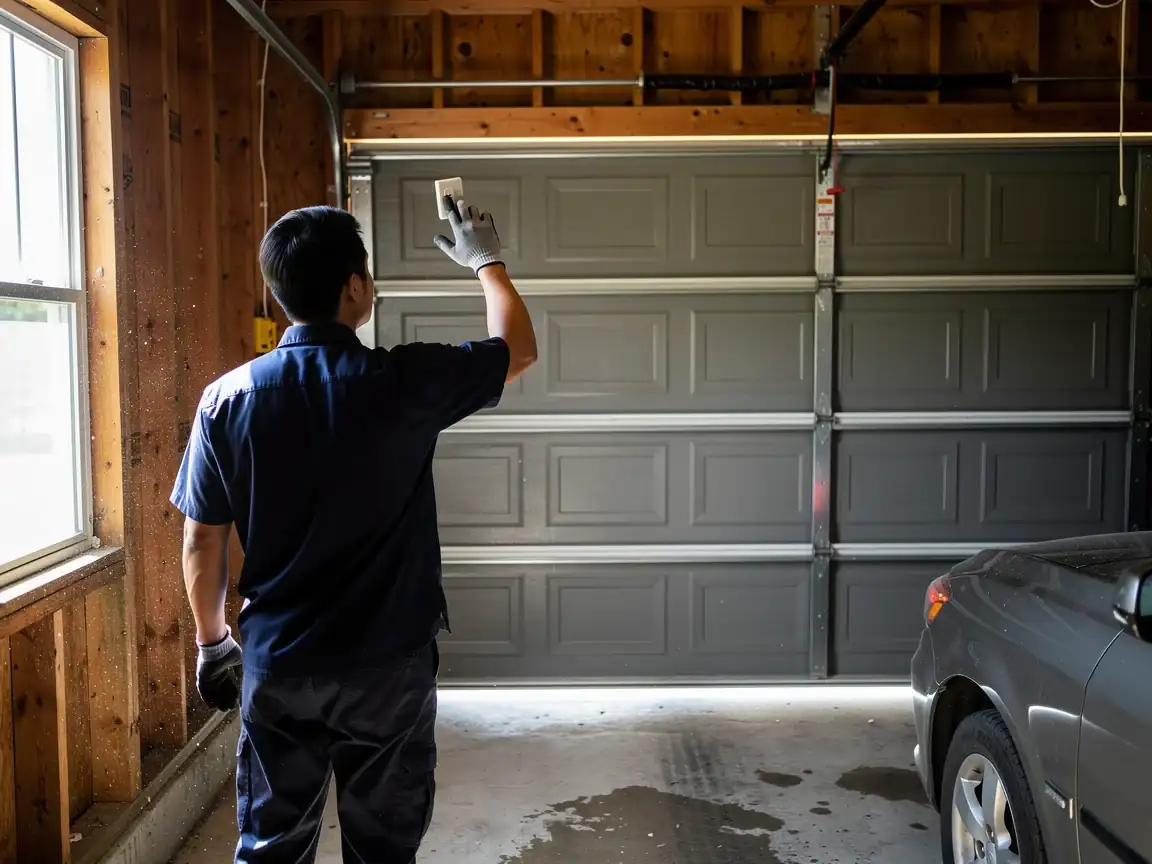
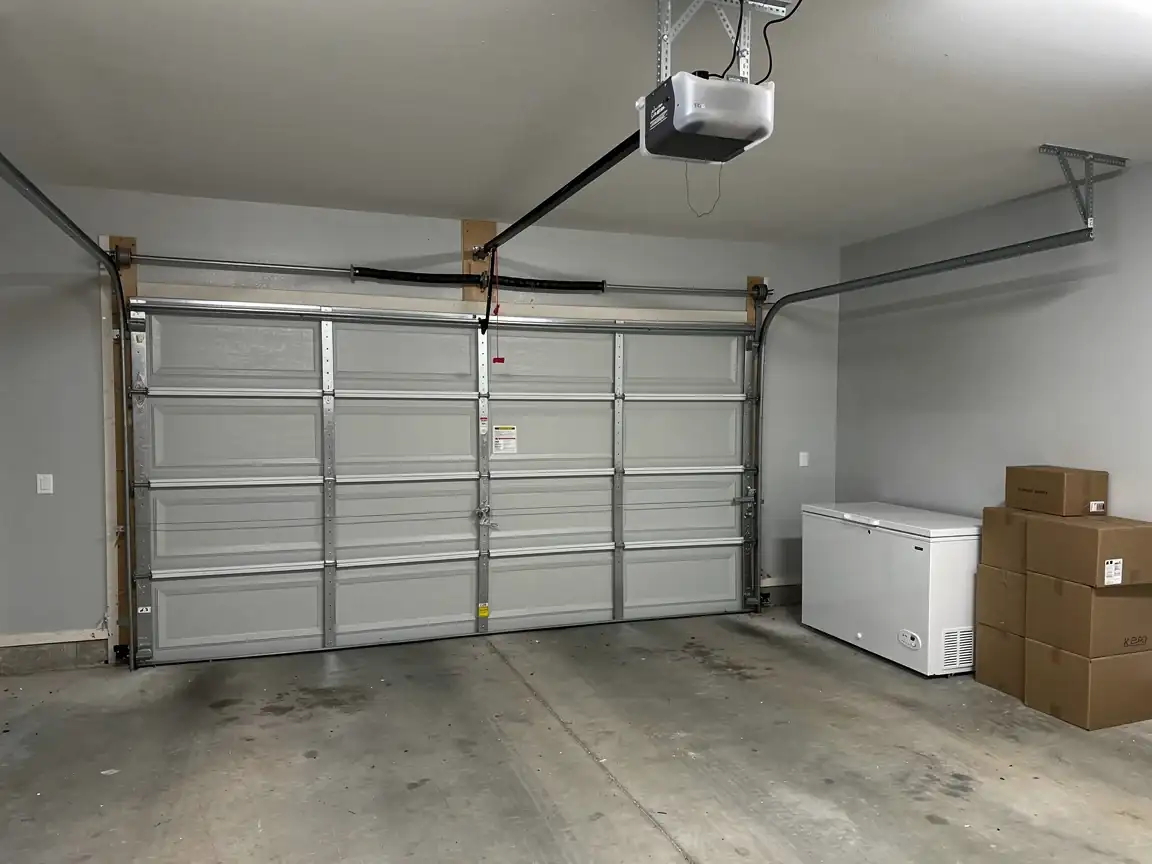
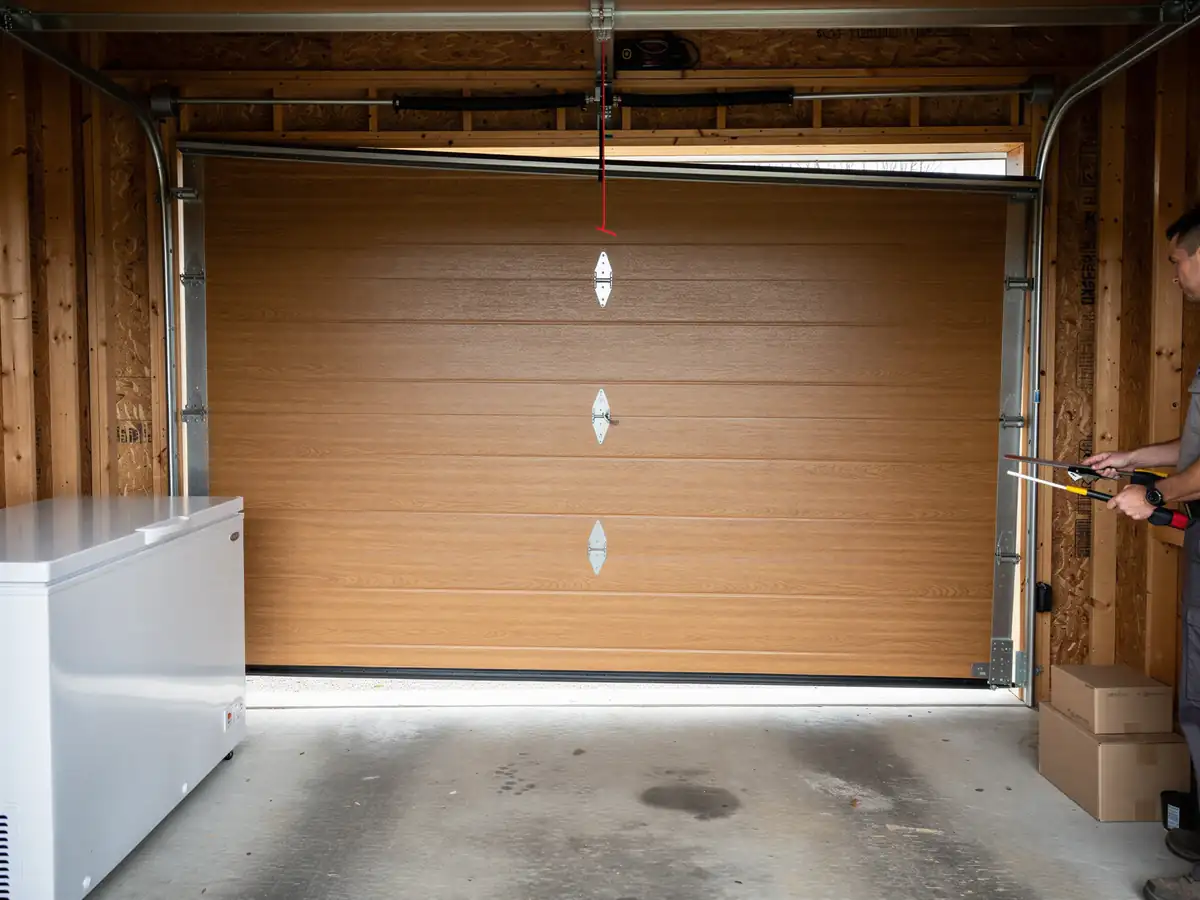
Before you call anyone, there are a few things worth checking yourself. Pull the manual release cord and see if the door moves freely by hand - if it does, the opener is the problem, not the door, which narrows things down fast. Check that the photo-eye sensors near the bottom of the tracks are aligned and the lenses are clean; a knocked sensor is the single most common no-start complaint we hear, and it costs nothing to fix. Swap the remote battery before assuming the logic board has failed.
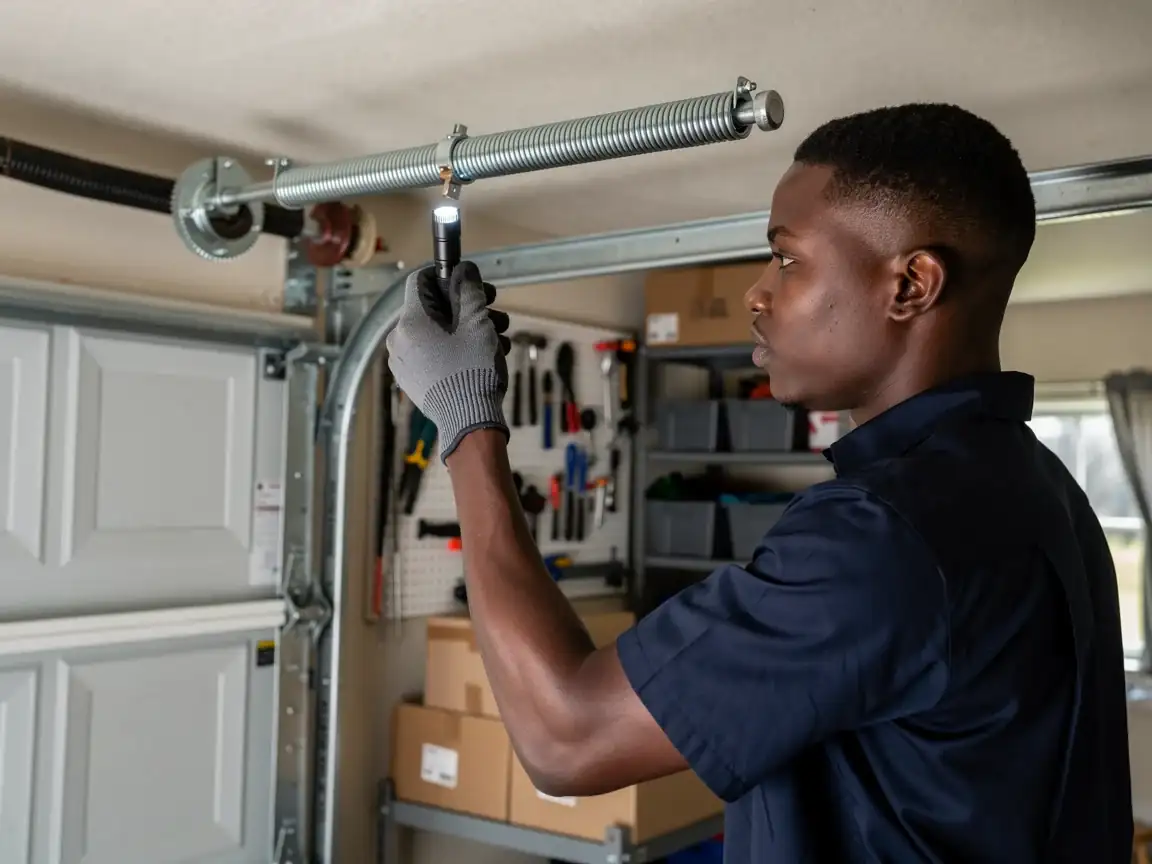
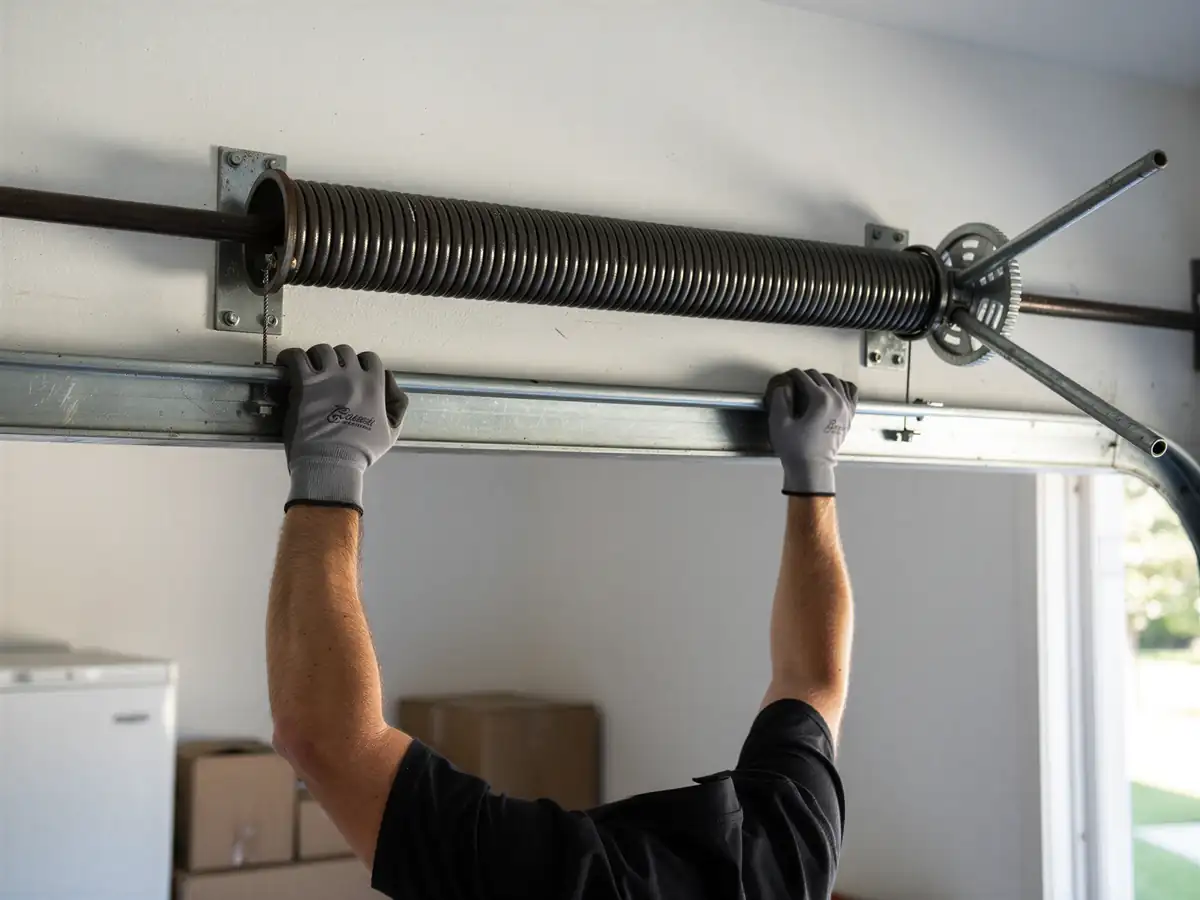
What we don't recommend you touch: the motor housing on an original 1960s chain-drive unit, or anything involving the opener's connection to a torsion spring system. Those units weren't built to be opened casually, and parts for them are not something you'll find at a hardware store. If your opener dates to the same era as your house, our honest advice is often that repair isn't worth it - a replacement unit costs less than tracking down parts for a sixty-year-old motor, and it comes with modern safety sensors your current setup probably never had.
Booking a Visit
We work out of Wilmington, six miles from Claymont, and we don't keep a separate branch or depot in town
Every visit here is a dispatched trip, not a drop-in. That distance is short enough that it doesn't change how we schedule the work; it just means there's no storefront to walk into.
If you're not sure whether the problem is the opener or the door itself
Our Claymont garage door service page covers the broader range of issues we handle in town, from panels to springs to tracks. If you're calling from elsewhere in the service area and want the full rundown on opener repair itself, that's covered on our Wilmington opener repair page.
When you call, tell us roughly how old the house is and whether the opener has ever been replaced
For a town where most garages went up around 1964, that one detail tells us more than a description of the symptom - it tells us whether we're bringing a part or a whole new unit.