How Long It Takes
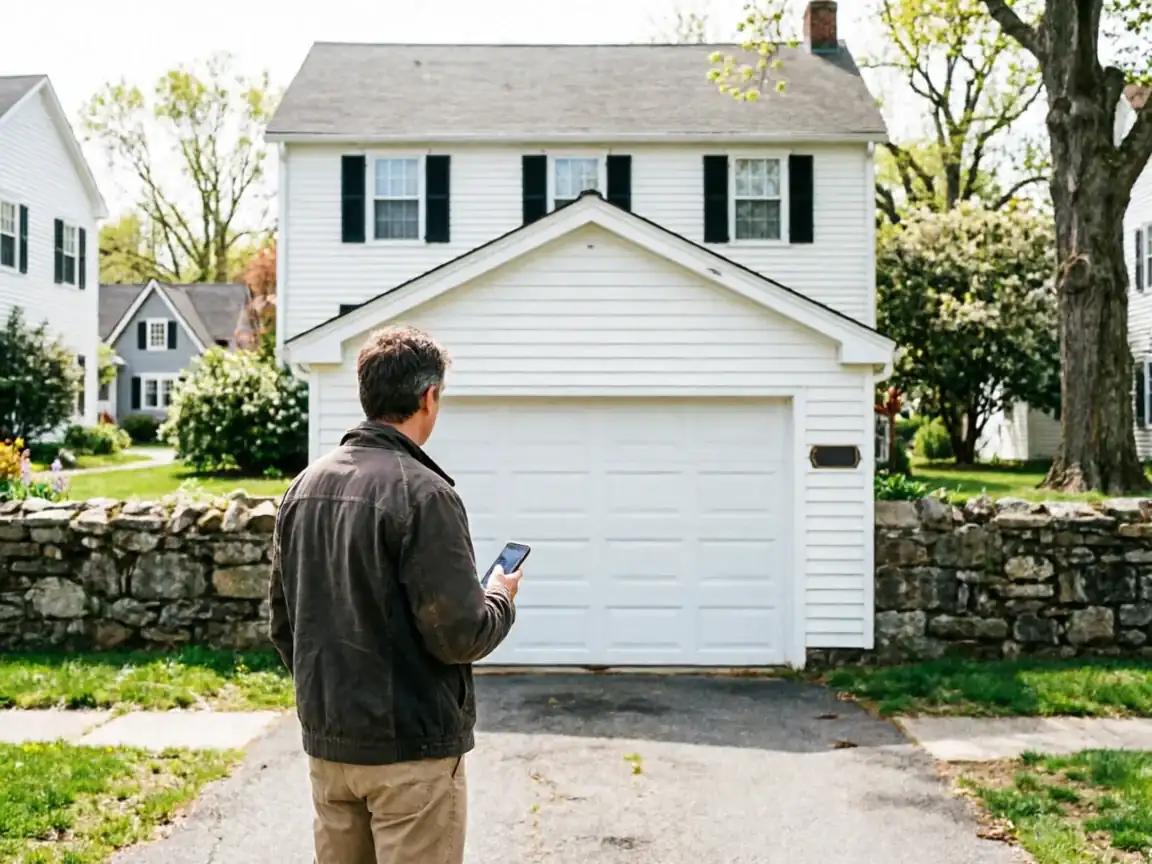
Most houses in Claymont went up around 1964
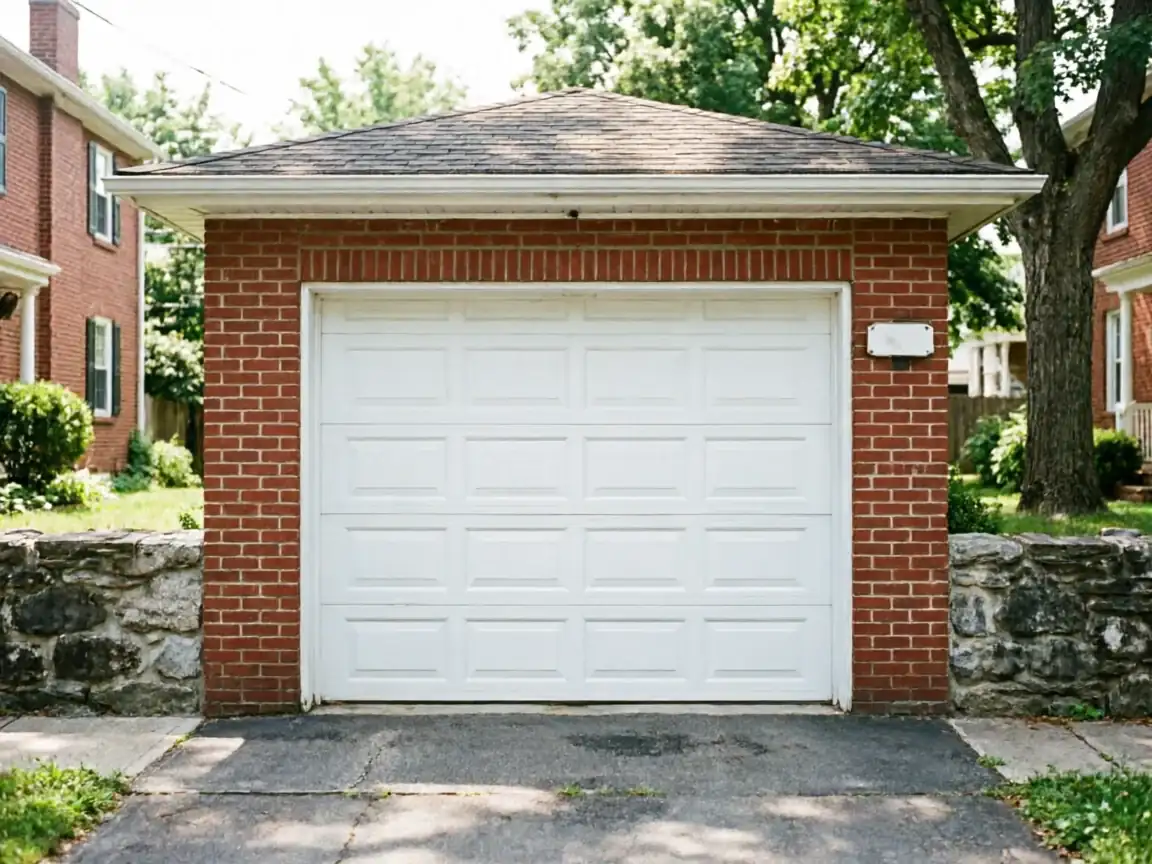
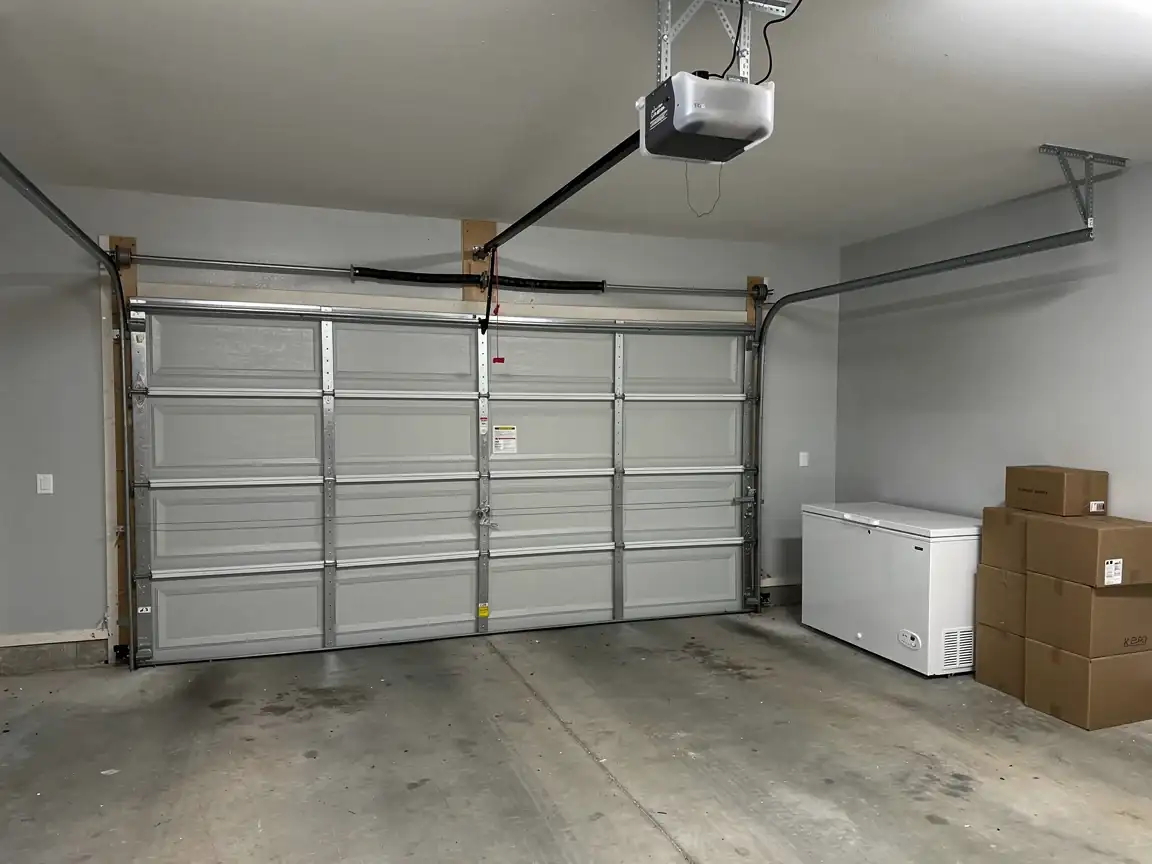
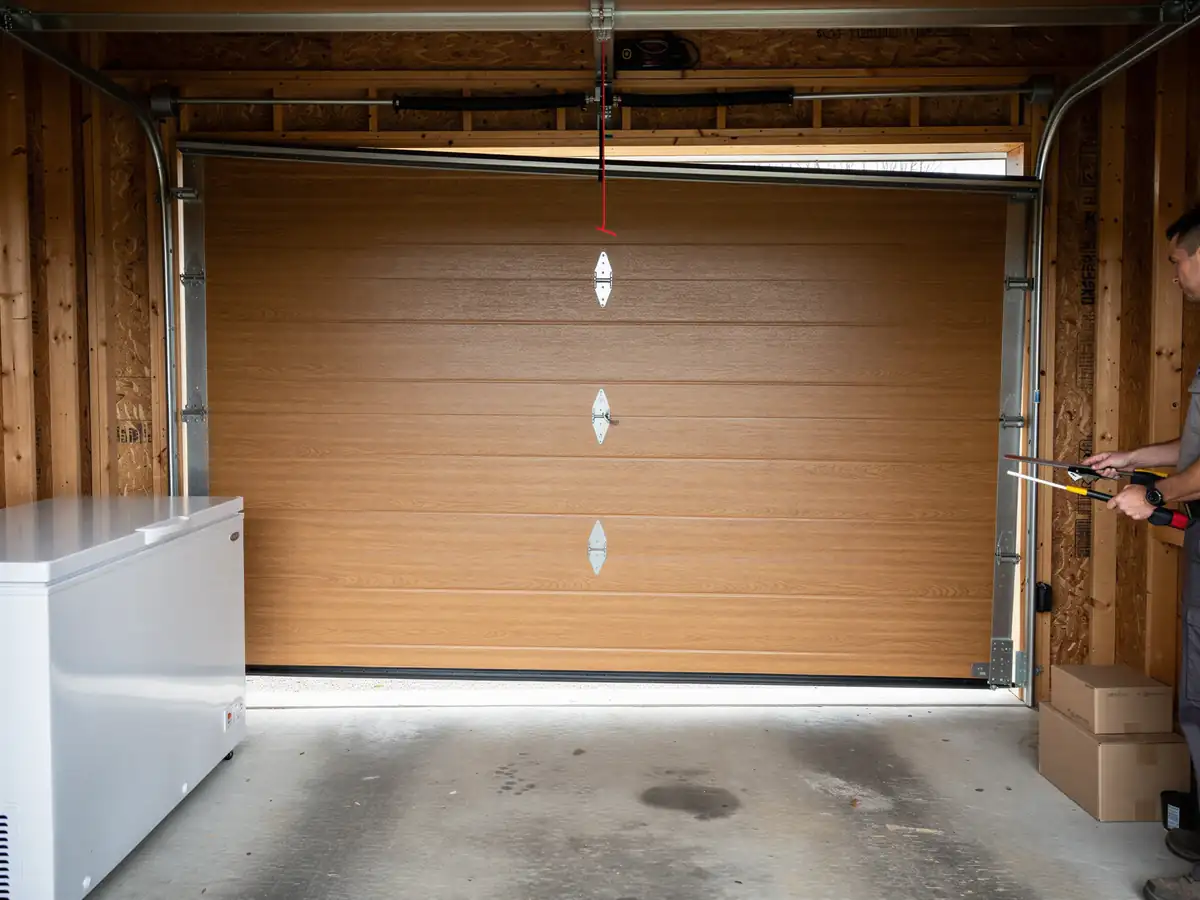
Which puts this neighborhood squarely in the same build wave as the rest of the service area - homes from the 1940s through the early 2000s, with the bulk clustered in the 1960s and 70s. A door going up in 1964 almost always came with a single steel panel, no insulation layer, and extension springs mounted along the horizontal track rather than a torsion bar over the opening. That setup was standard for the era, and a lot of it is still up there, patched over the decades but never fully swapped out.
For a straight swap
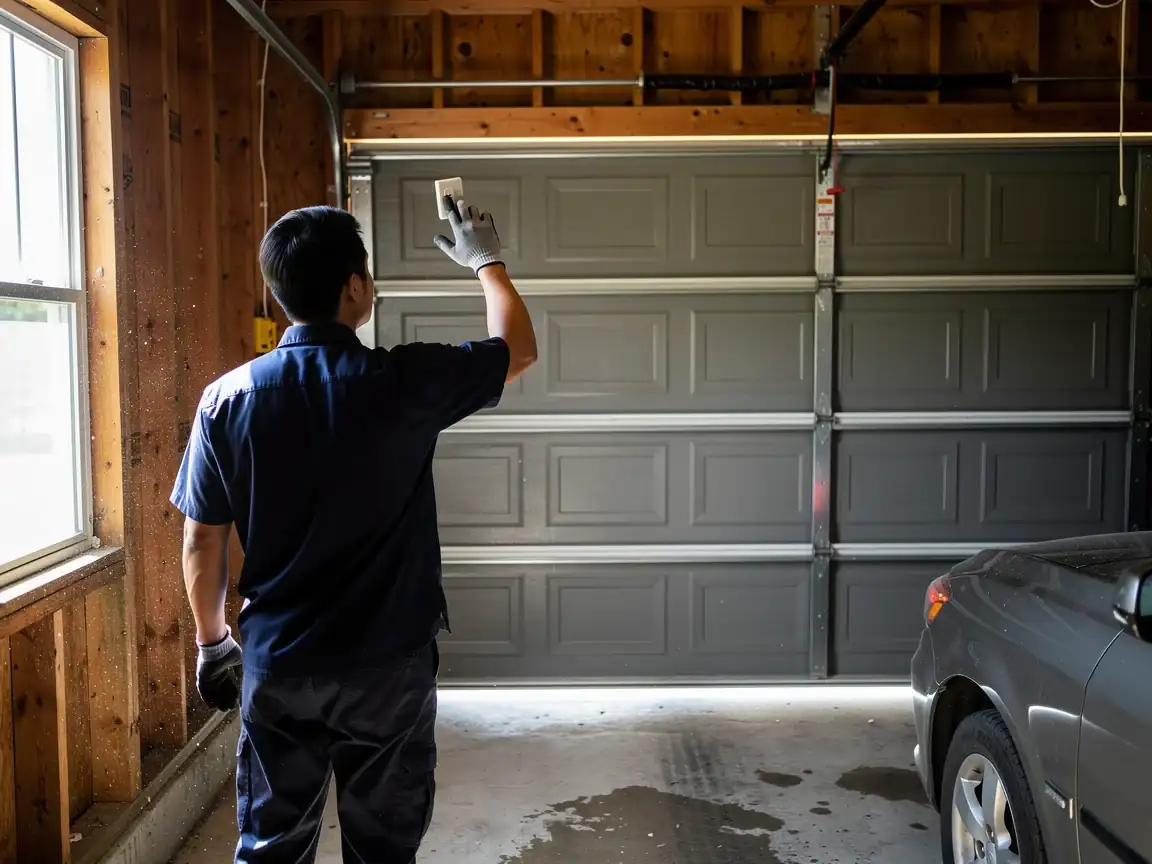
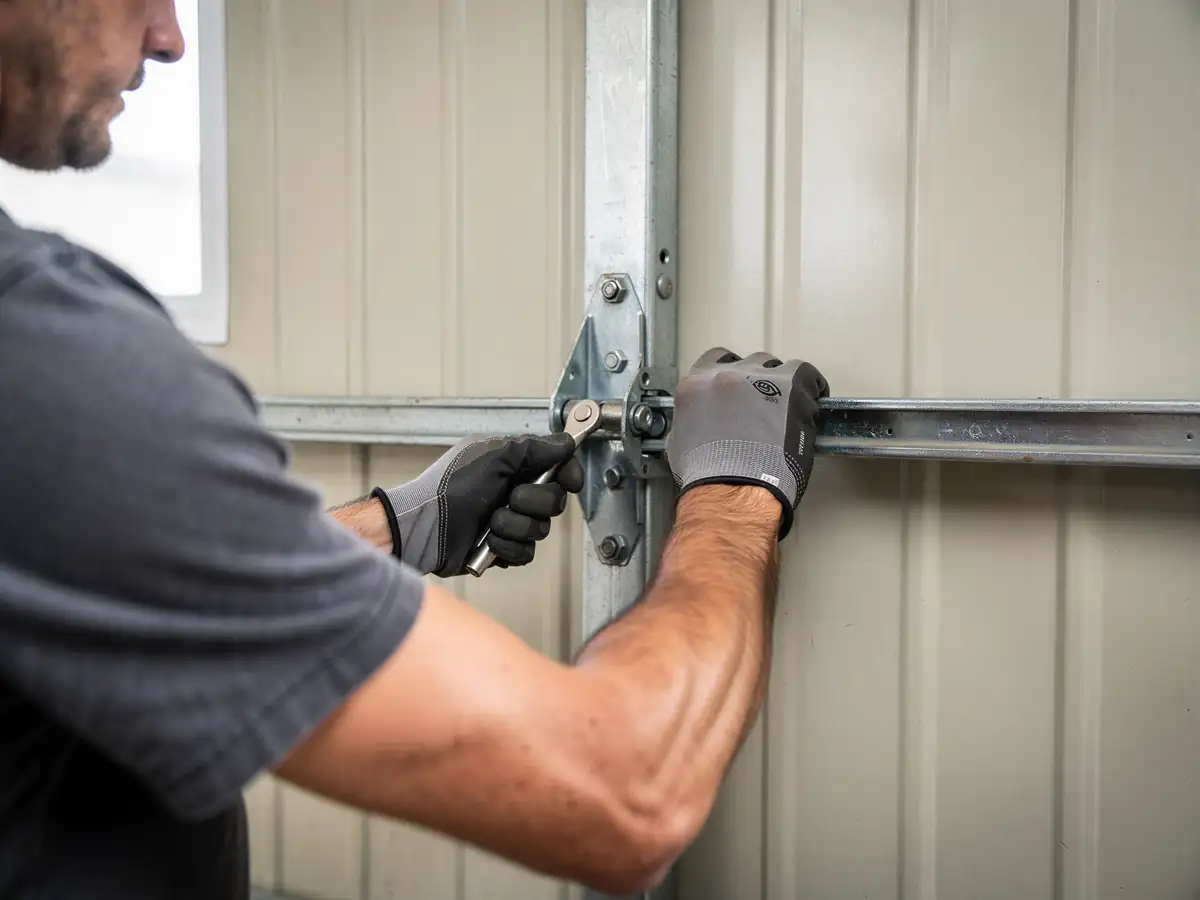
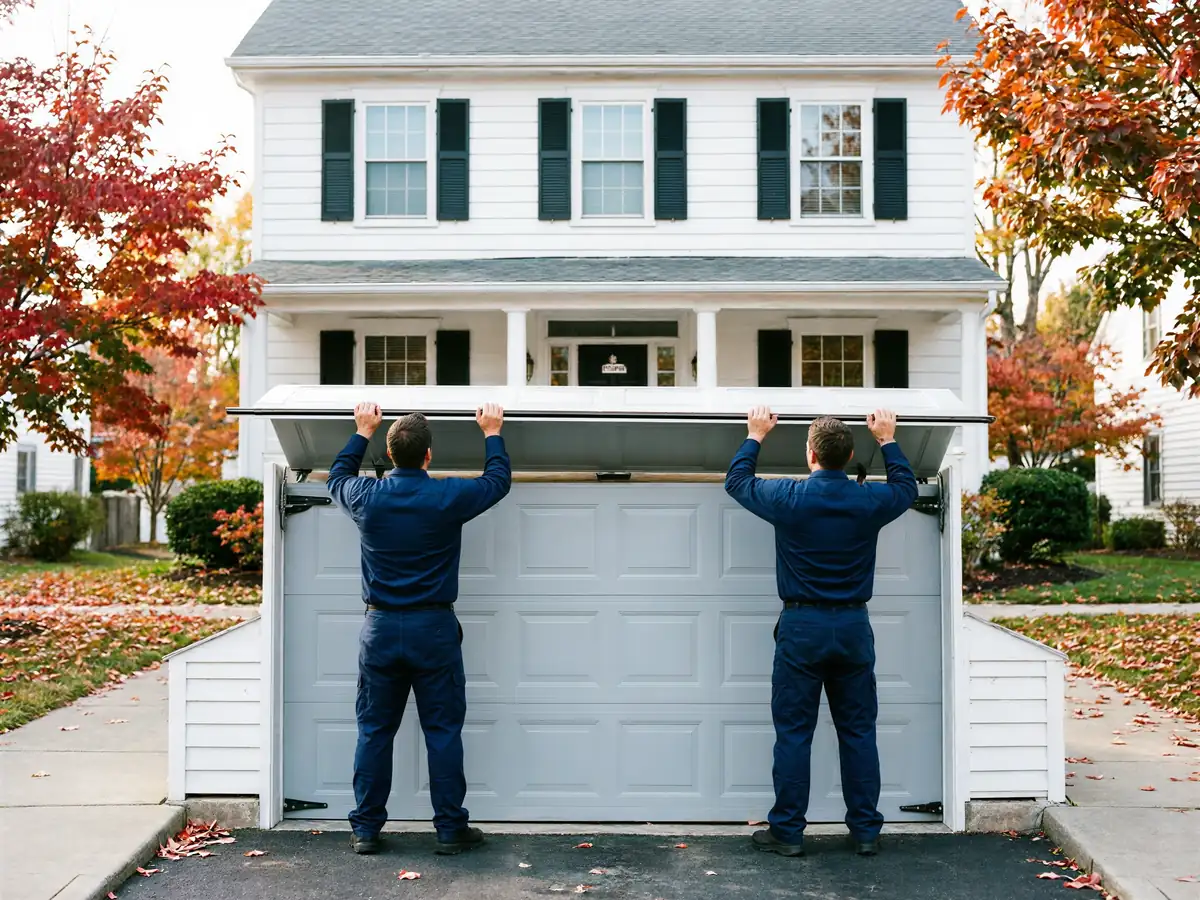
Pulling an old single-layer door and dropping in a new sectional door on the existing track and opening - we're usually done in half a day once we're on site. If the opening needs reframing because the old jamb has shifted, or the drums and cable drops need to be resized for a different spring system, plan on the job running longer. We travel from Wilmington, about 6 miles out, so we schedule the visit around what the opening actually needs rather than guessing from the street.
- 6 miles
Why This Fails Locally
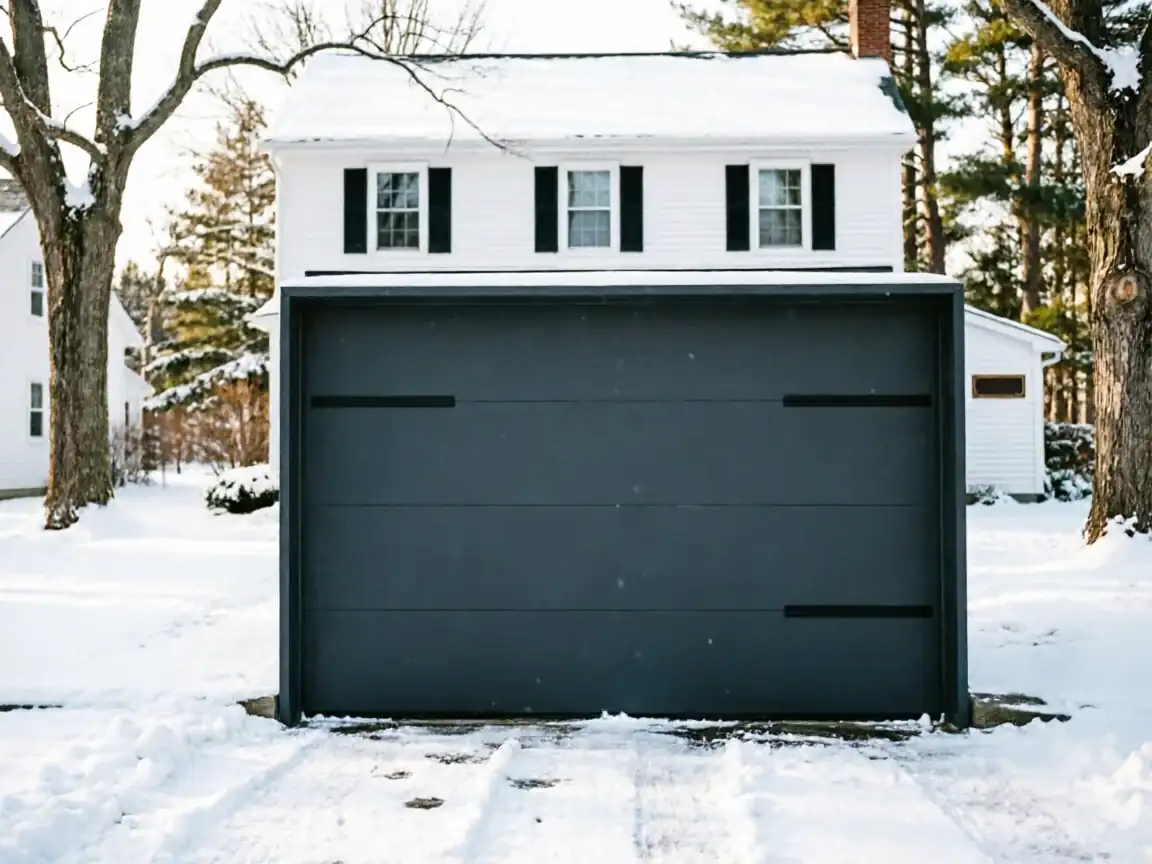
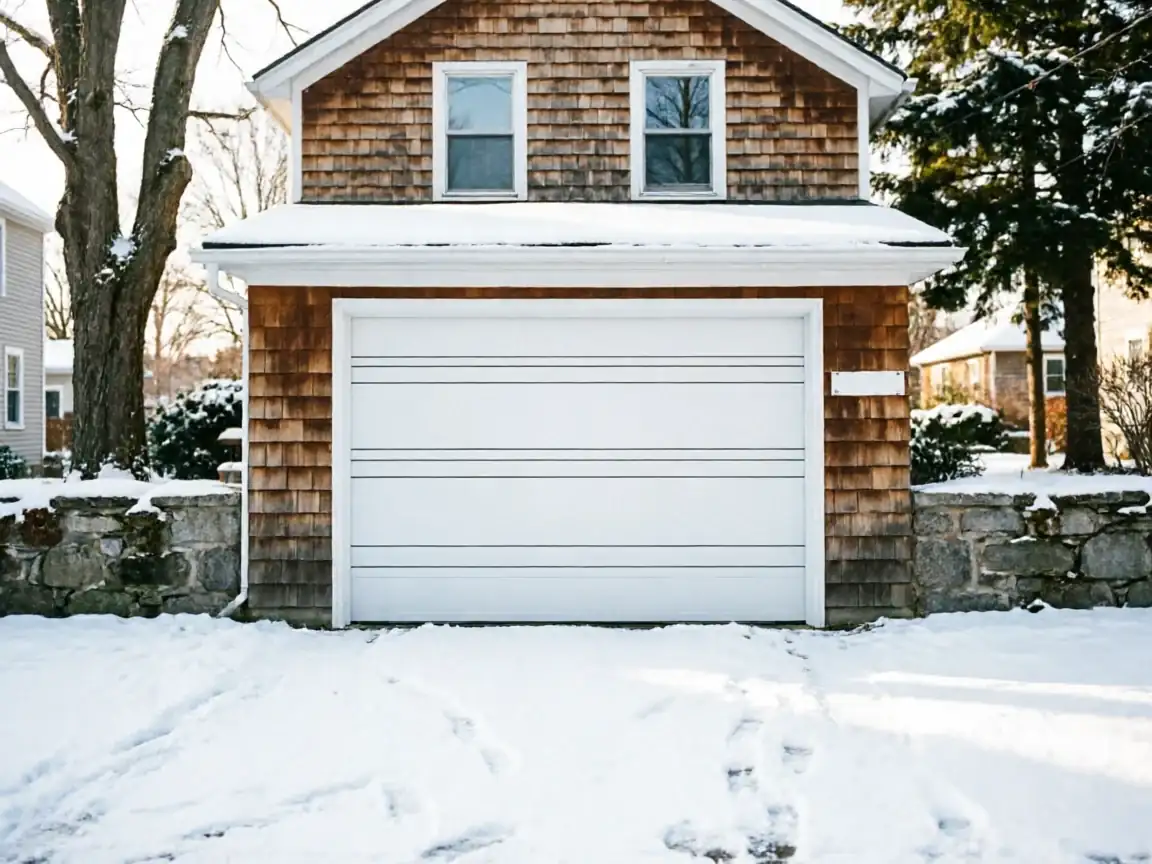
A door built to the 1964 standard wasn't engineered for a Delaware winter the way a current door is. The region sits in a cold-and-severe climate band, which means repeated freeze-thaw cycles on the slab and jamb every winter. On an original steel door, that cycle works at the bottom seal and the track alignment specifically - the seal hardens and cracks, the track takes on a slight twist from the slab shifting underneath it, and the door starts binding on one side before anyone notices a problem.
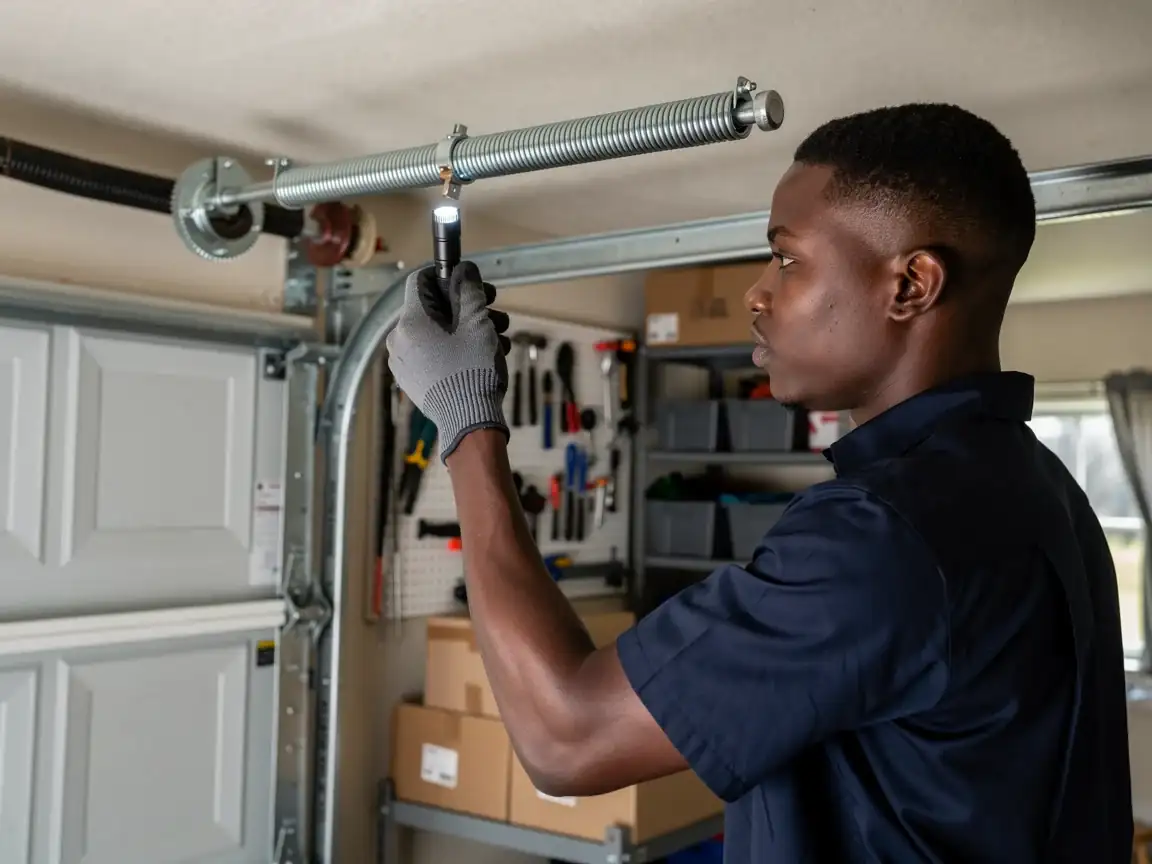
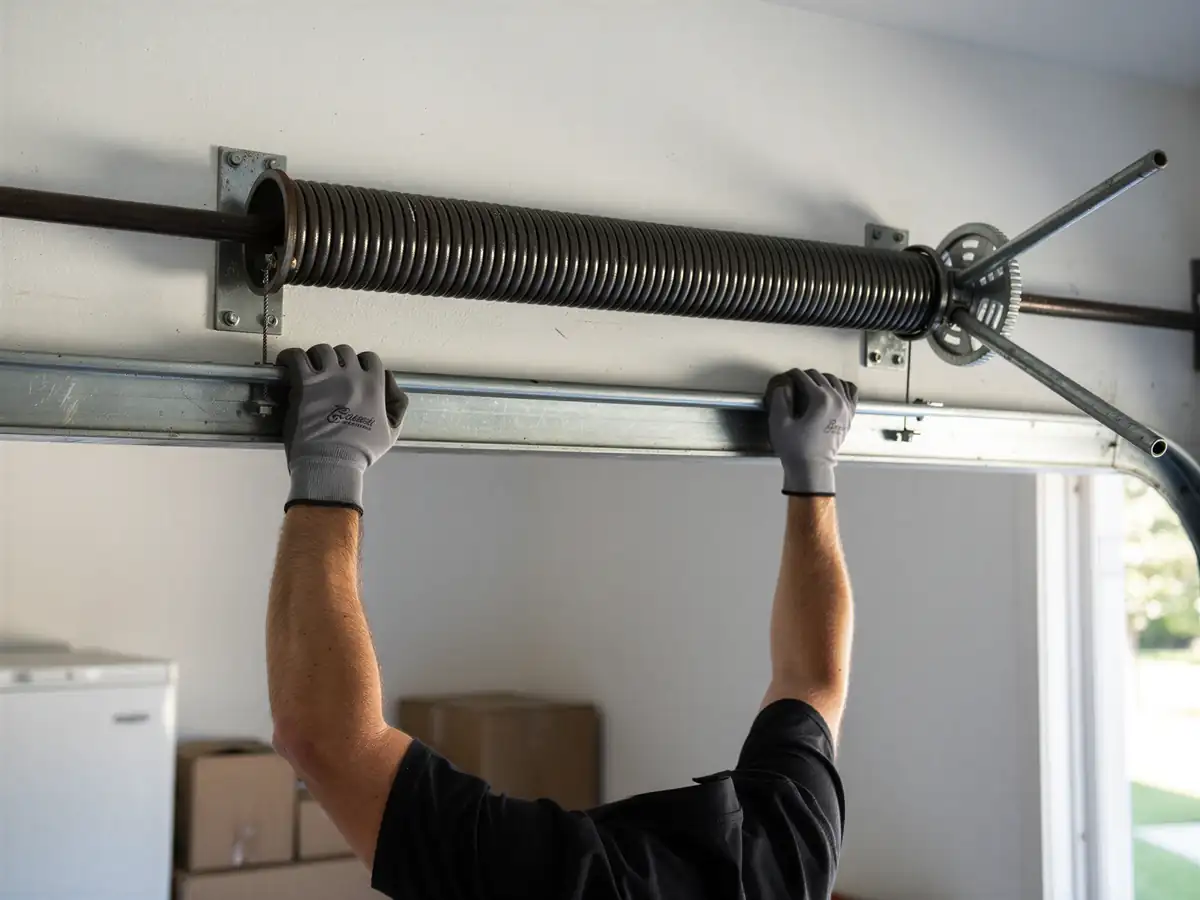
Extension springs from that era also wear differently than modern torsion springs. They stretch along the track instead of twisting on a shaft, so when one fails, it tends to fail suddenly and drop the door rather than giving any warning. On a house this age, if the springs have never been replaced, they're on borrowed time regardless of how the door looks from the driveway. None of this is unique to one house - it's the shared fate of a neighborhood built in the same five-year stretch, on the same construction standards, by the same handful of builders.
Doing It Yourself
Swapping a panel or a seal on a newer door is reasonable weekend work for someone comfortable with tools. Swapping anything on a 1960s-era door with extension springs is a different risk. Those springs are under real tension along an open track, with no safety cable running through them in most cases - if one lets go while you're working near it, it can take a finger or an eye with it. That's not us being cautious for the sake of it; it's the actual failure mode insurers see.
We're also honest that a full new installation on an original frame sometimes means more than swapping the door itself. If the jamb has moved out of square over sixty years, a new door hung on it will bind no matter how well it's installed, and that reframing work isn't a DIY afternoon. What you can do yourself: check the weatherstrip at the bottom, watch for daylight gaps at the sides, and listen for grinding on the rollers. Those are the signs worth calling about before the door fails on its own.
Booking a Visit
Claymont households run a bit below the area's broader median income
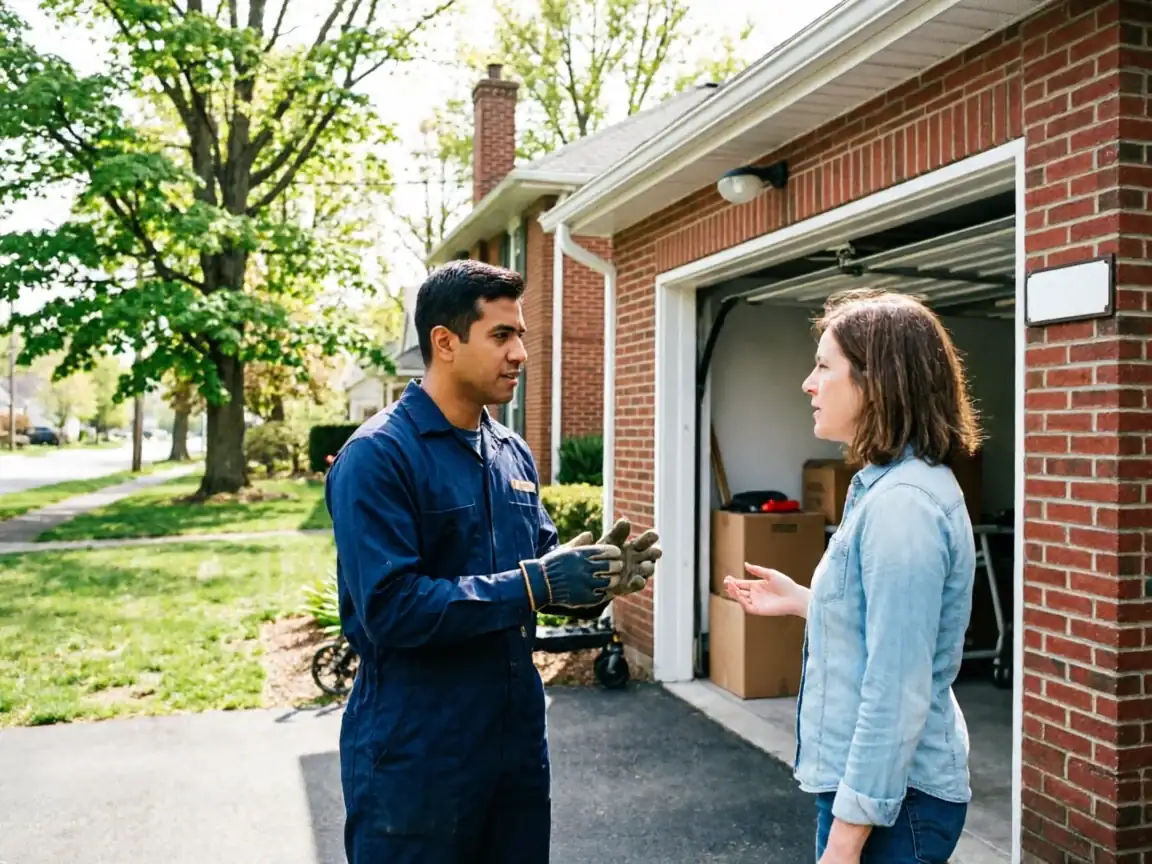
And we price the visit around what the job actually needs rather than a flat rate that assumes every opening is the same. Because we're coming from Wilmington rather than a local branch, we ask for the door's rough age and spring type when you call, so the truck that shows up has the right hardware on it the first time. For original 1960s openings, that usually means bringing both torsion and extension parts, since we won't know which one we're dealing with until we're standing in front of it.
If you want more on what we handle in Claymont day to day, that's on our local service page
For the broader rundown of installation work across the Wilmington area, that lives on the main installation page.