What It Costs
We won't put a number on this page
Because a spring job on a door from the 1960s and a cable job on a door from the 1990s don't cost the same, and quoting blind does you no favors. What we can tell you is what drives the number: whether the door is original to the house, whether the opener has been swapped since, and whether the track or hardware has been touched at all.
In a service area where the median home was built around 1965, a lot of what we price out isn't a simple part swap
It's matching new hardware to an opening that was never built to current spring tension or track standards. That takes more time on the truck than a straight replacement on a newer build, and it shows up in the estimate. We'll give you a real number after we've looked at the door, not before.
One honest limit: if your door and opener are both original from that 1960s-70s wave
Sometimes the repair costs more than half of a new door would, once you add up spring, drum, and cable together. When that's the case, we'll tell you plainly instead of running up a repair bill on a door you'd be better off replacing.
Why This Fails Locally
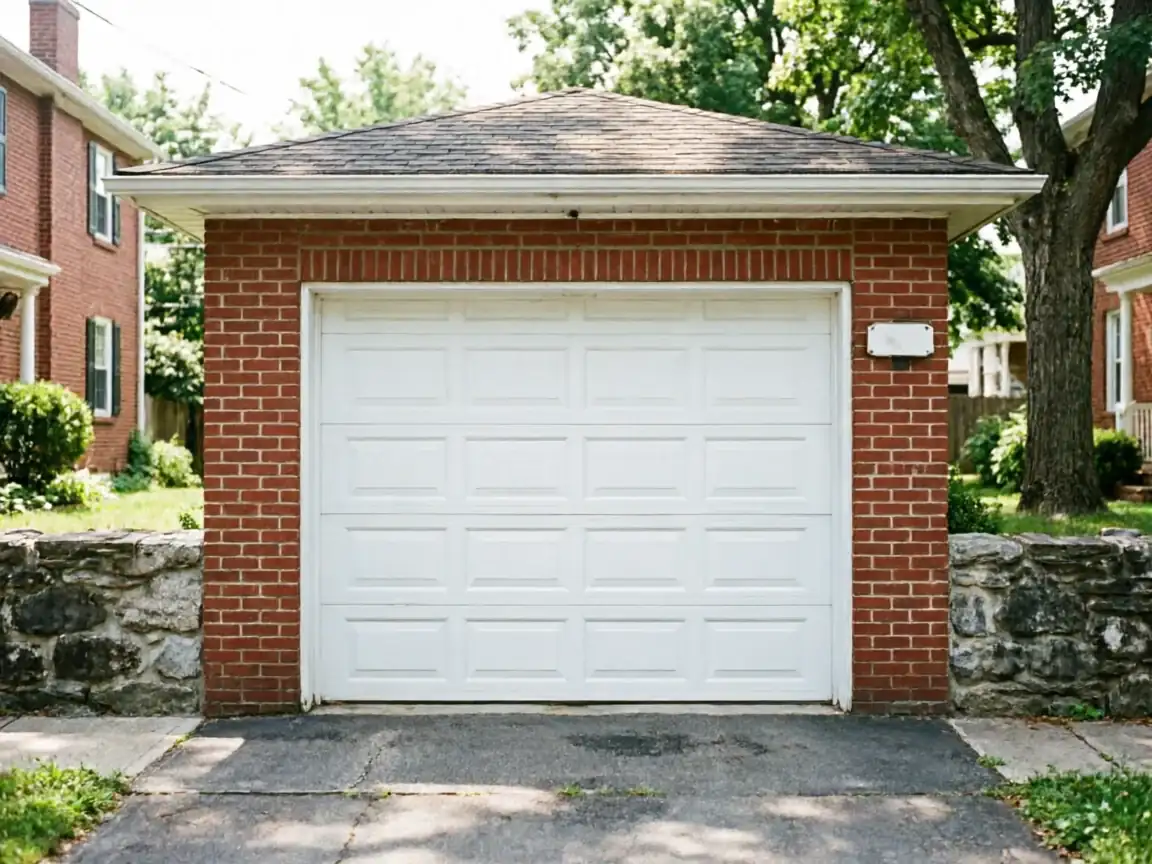
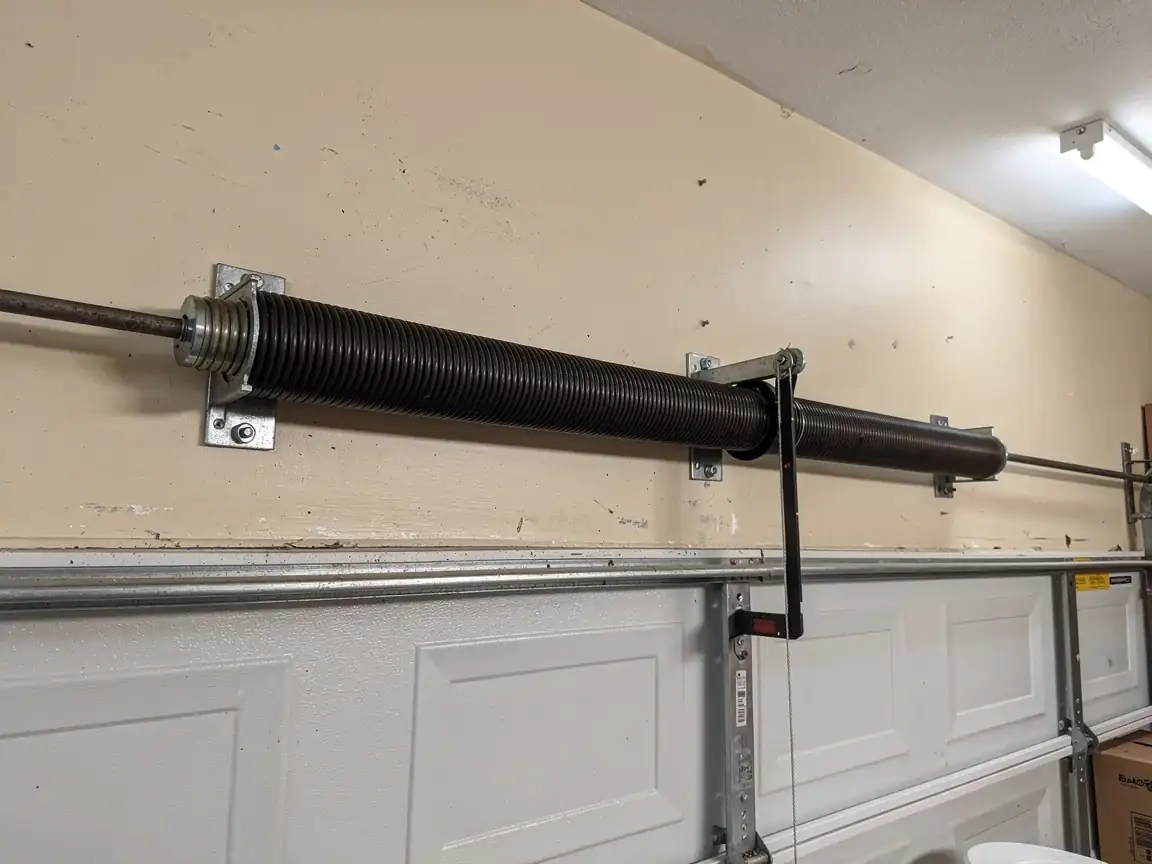
Most of the housing across this service area - Wilmington and the sixteen named areas around it - went up between 1940 and 2001, with the median landing around 1965, and the bulk of that stock clusters in the 1960s and 70s. That matters because garage doors from that era were built with side-mounted torsion springs sized for lighter, thinner steel panels, and a lot of those openings have never been upgraded.
Delaware sits in a cold-severe climate band, and that's the piece that turns an old spring into a failure point rather than just an old part. Steel contracts in winter cold, torsion springs lose a measurable amount of lift in low temperatures, and a spring that was already undersized for the door's weight in 1970 is working harder every winter since. We see it as sudden snaps on the coldest mornings of the year - not random, not bad luck, just 50-plus-year-old hardware meeting a climate it was never recalibrated for.
Newer builds in the area with factory-matched torsion springs and insulated steel panels don't show this pattern nearly as often. It's specifically the original-hardware houses from that mid-century wave that call us.
What Is on the Truck
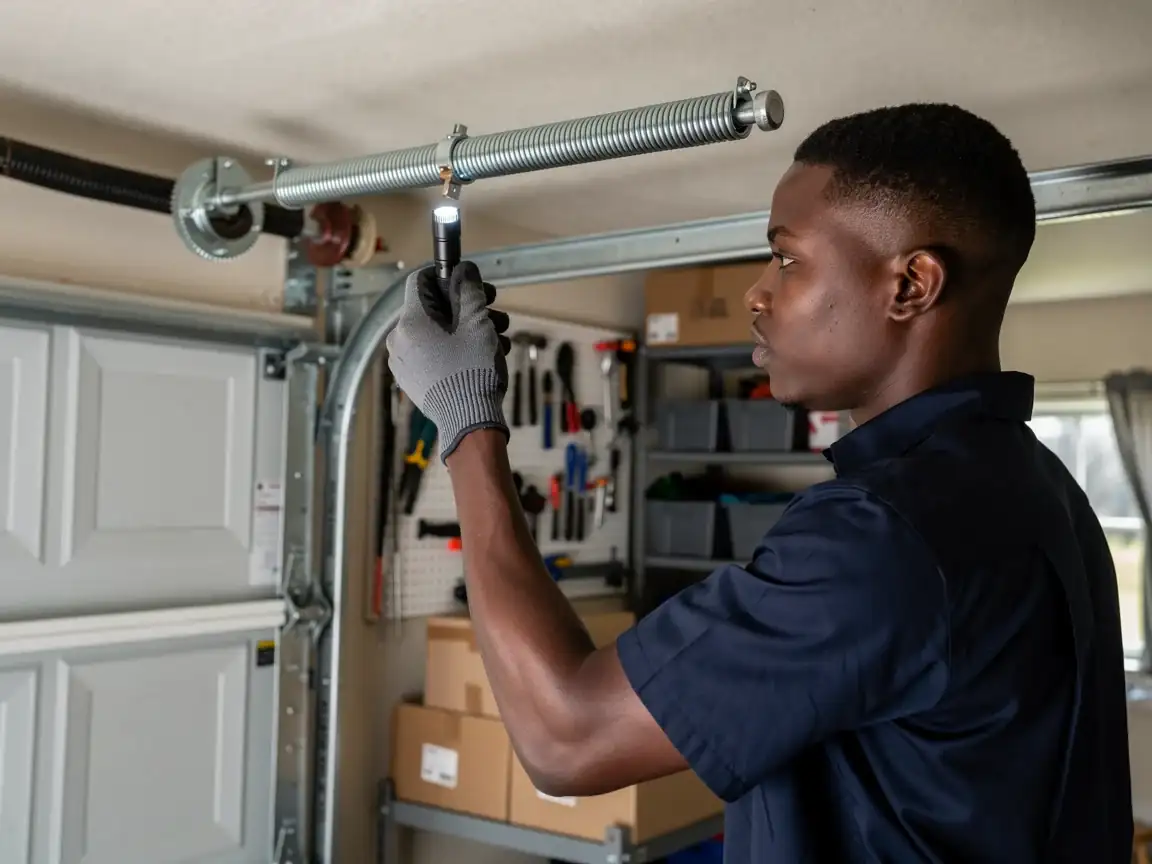
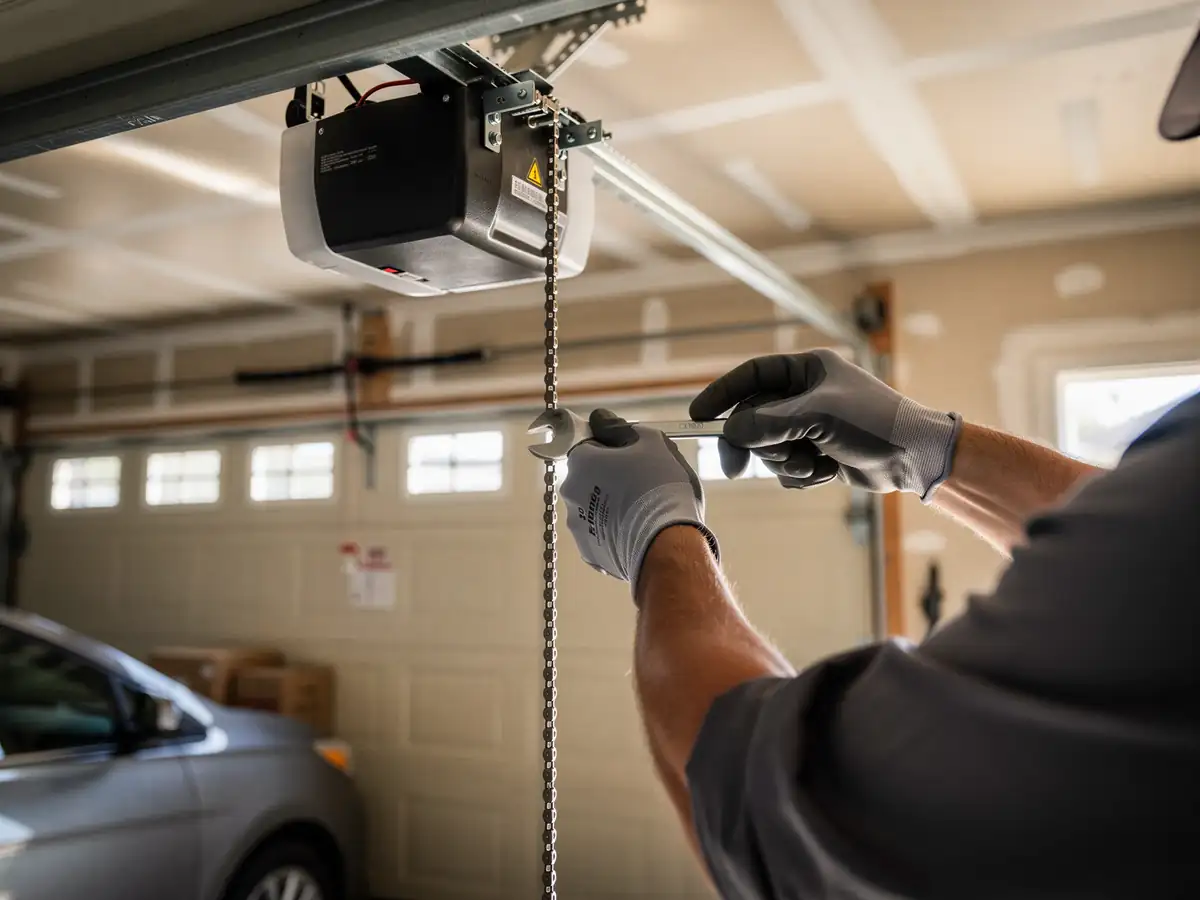
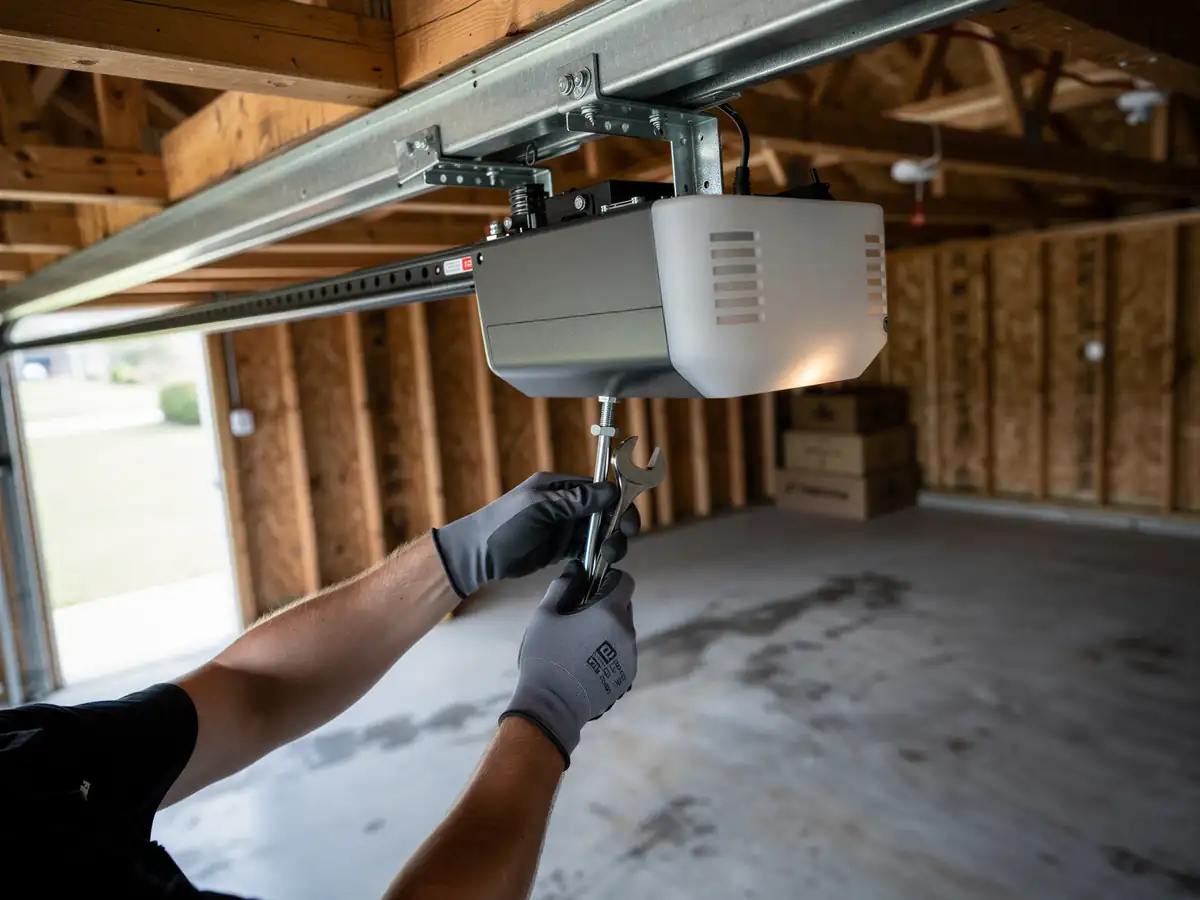
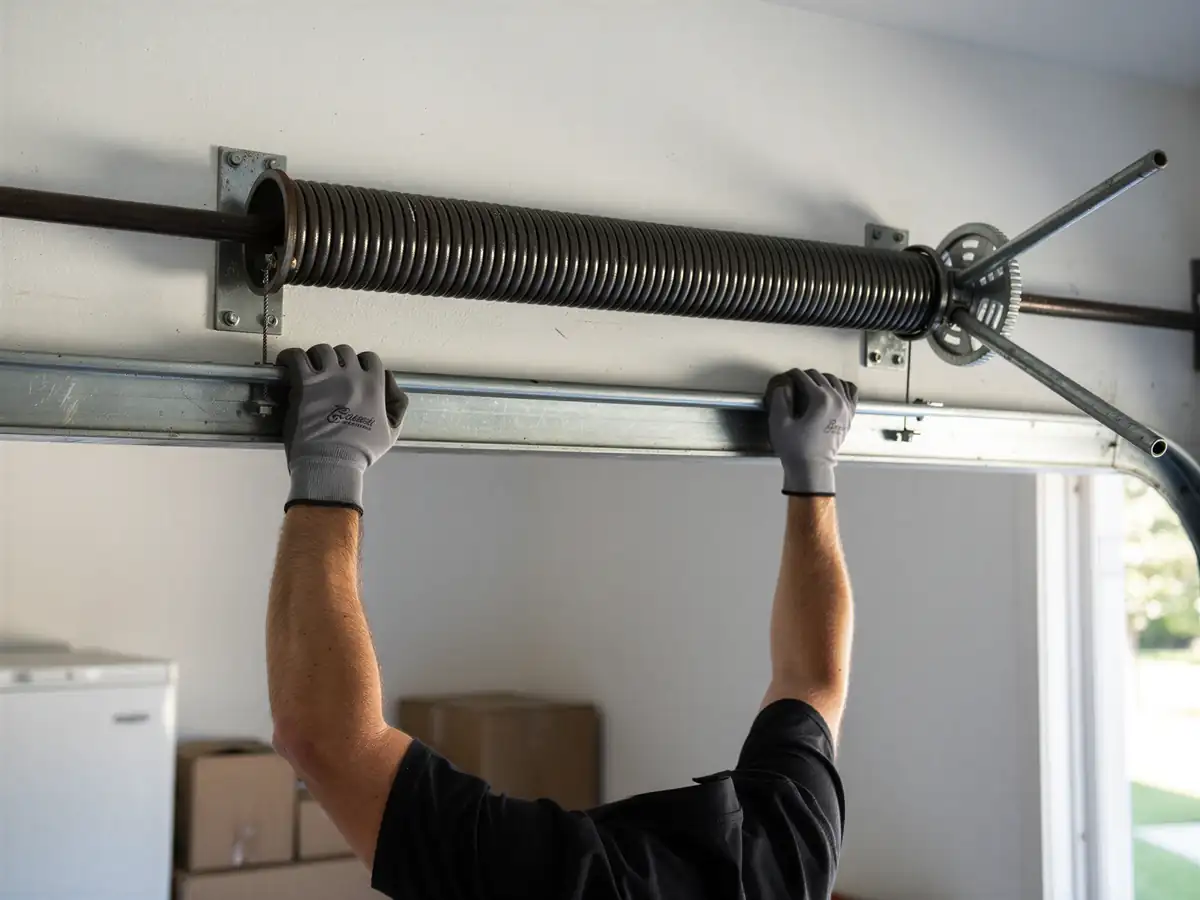
Because so much of what we see is original 1960s-70s hardware, the truck carries torsion springs across a wider range of wire sizes and wind counts than you'd stock for a newer subdivision - we need to match tension to doors that were never labeled with modern spec plates. We also carry extension spring sets for the older low-headroom installs that are common on houses from that build era, since not every garage from 1965 has room for a torsion setup at all.
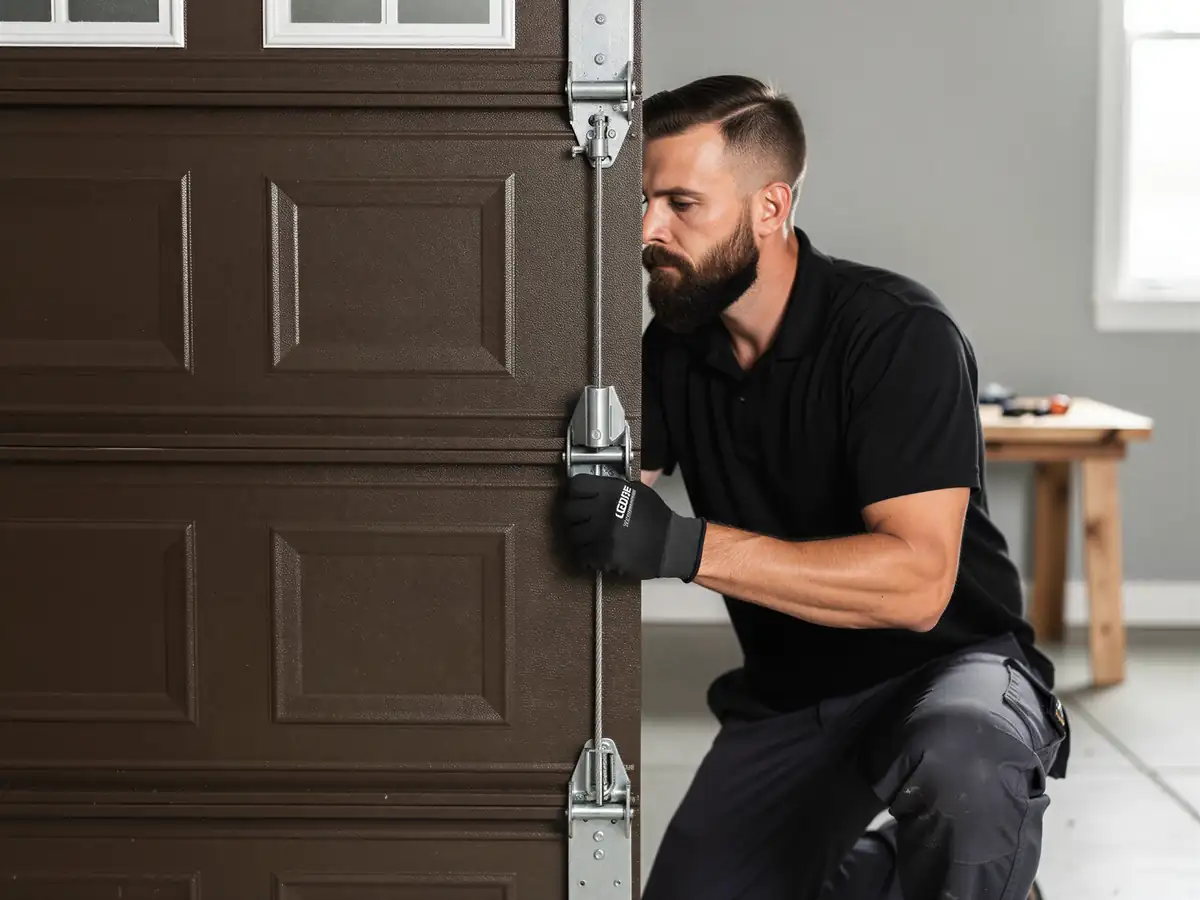
We carry standard-lift cable and drums in the sizes that fit original track widths, plus a run of rollers in both nylon and steel - nylon for owners who want quieter operation, steel for anyone who wants the cheaper, tougher option on an older door that's due for replacement anyway. Weatherstripping and bottom seals ride along too, since cold-band winters are what wear those out fastest, not age alone.
What's not on the truck: custom panel sections for doors that have been discontinued for decades. If your original door is cracked or dented and the manufacturer stopped making that panel line years ago, we'll tell you straight that full replacement is the faster, cleaner path rather than hunting a part that may not exist anymore.
What You Are Seeing
If your door is loud on cold mornings, slower to open than it was in summer
Or has started dropping the last six inches instead of lowering smooth, that's a spring losing tension - and on a house from the 1960s-70s wave, that's often the original spring, not a replacement. Cold-severe winters accelerate that wear every year the spring goes untouched.
A door that opens fine but won't stay up, or reverses itself partway
Usually points to cable or drum wear rather than the spring itself - common on original low-headroom setups that never got upgraded hardware. And if you're hearing a grinding or popping sound from the track side specifically in winter, that's often steel contraction working against rollers that have hardened with age, a pattern we see a lot given how much of the area's housing sits in that same mid-century build window.