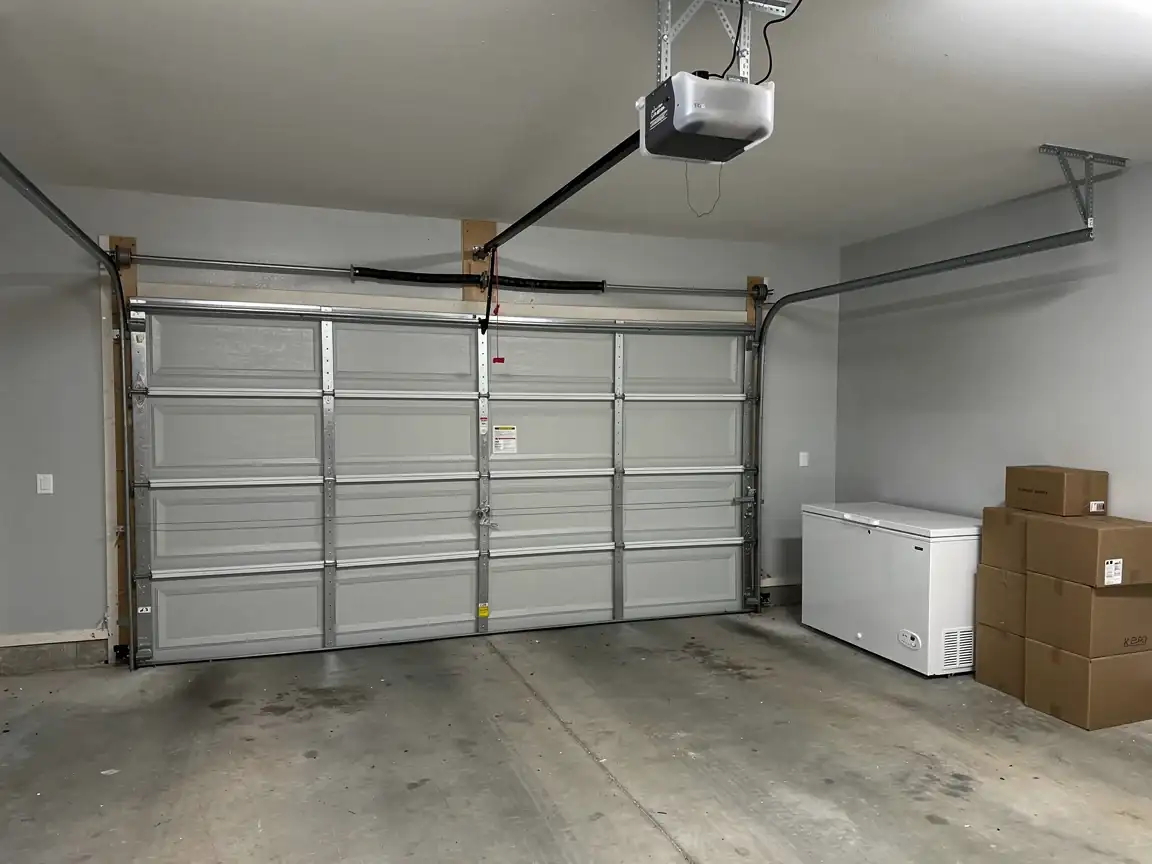
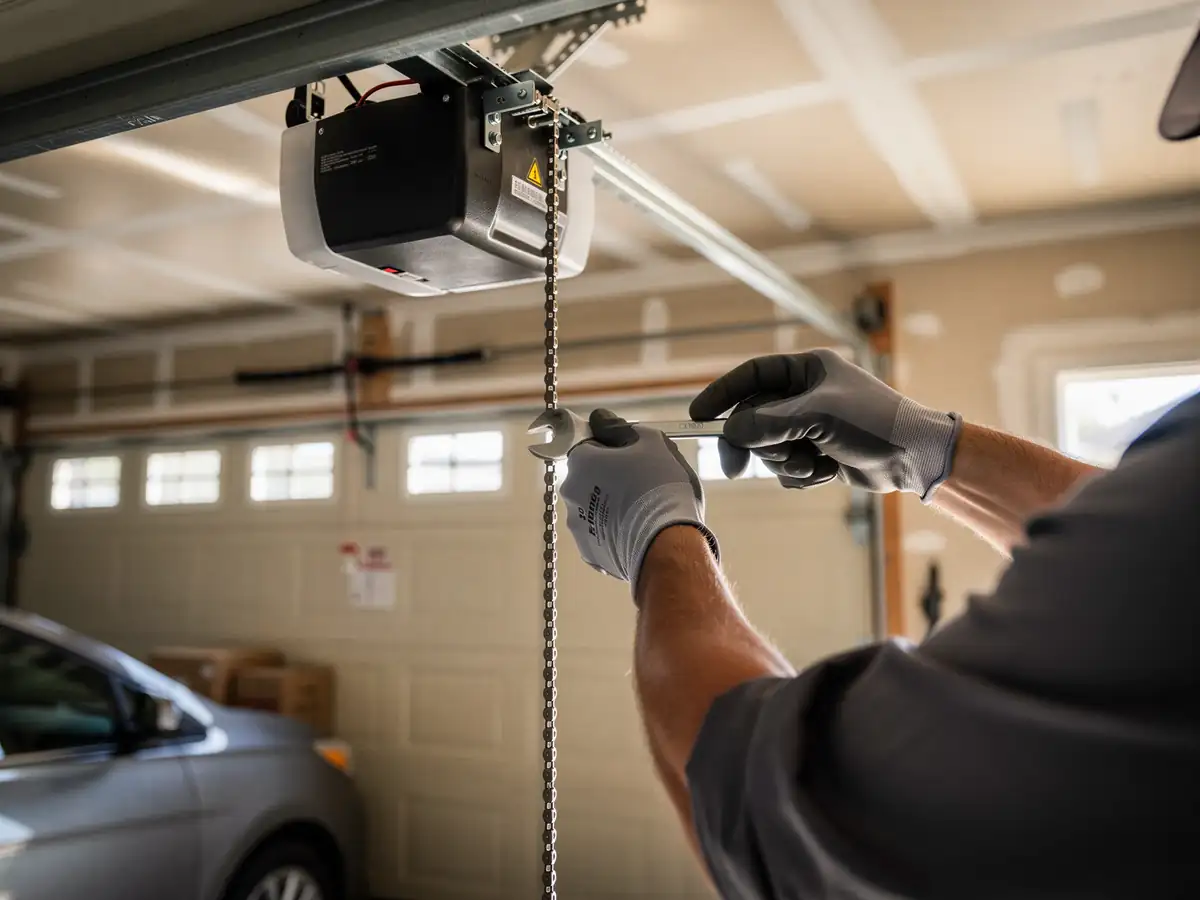
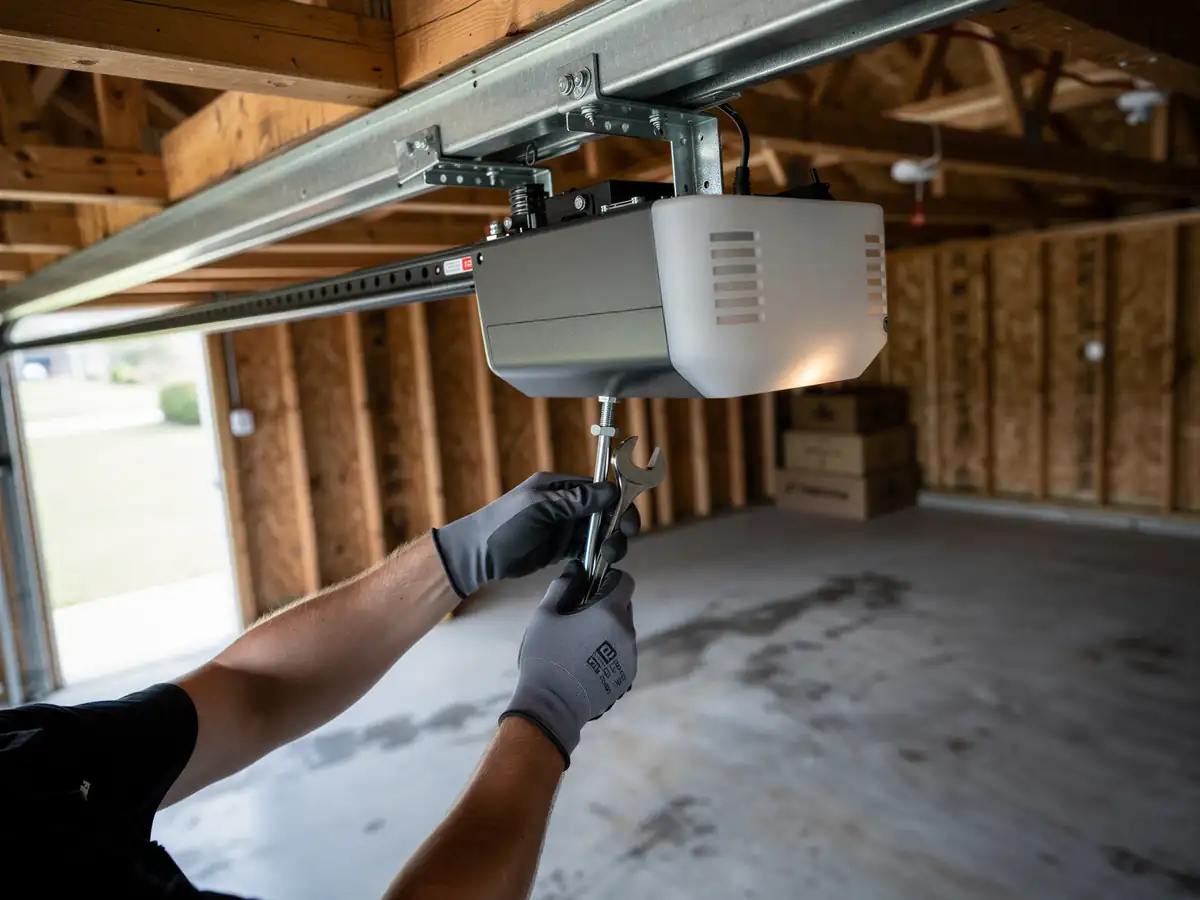
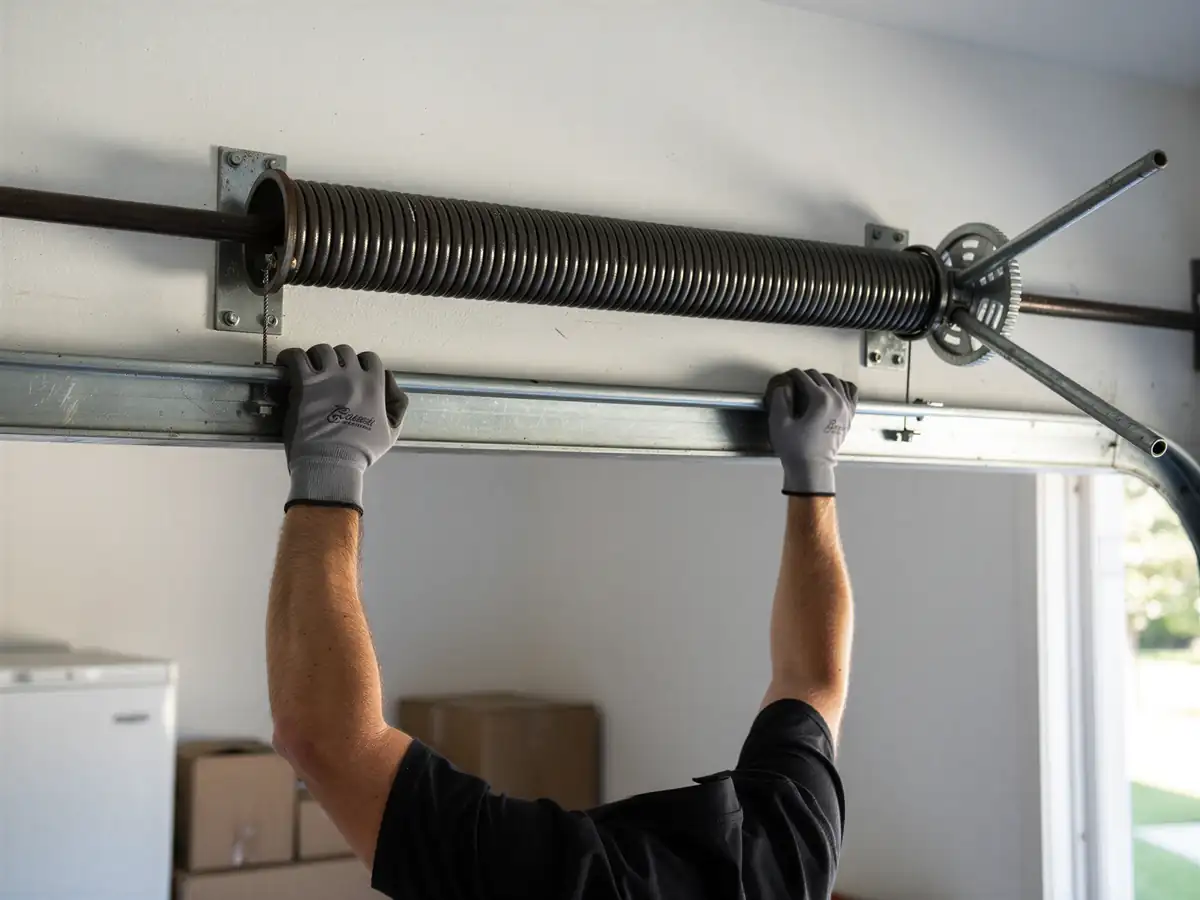
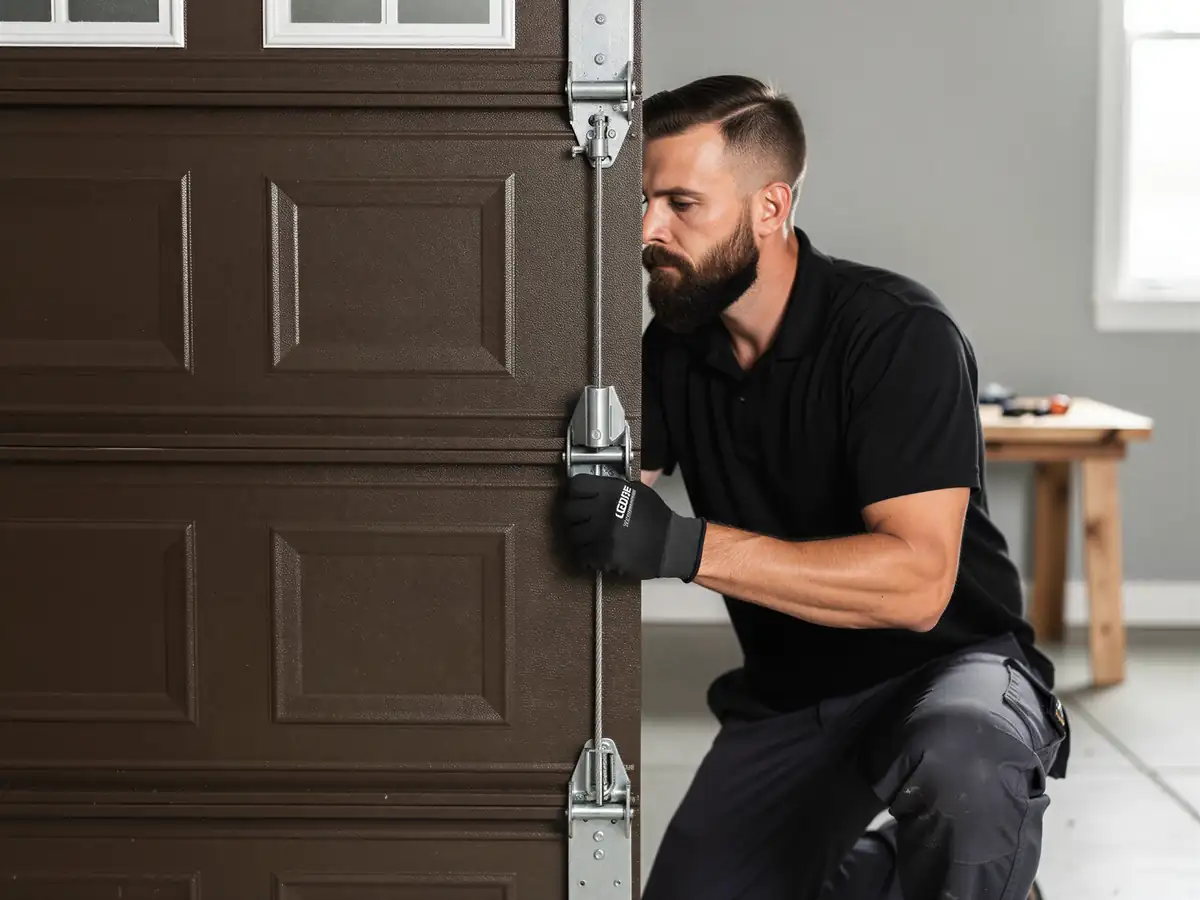
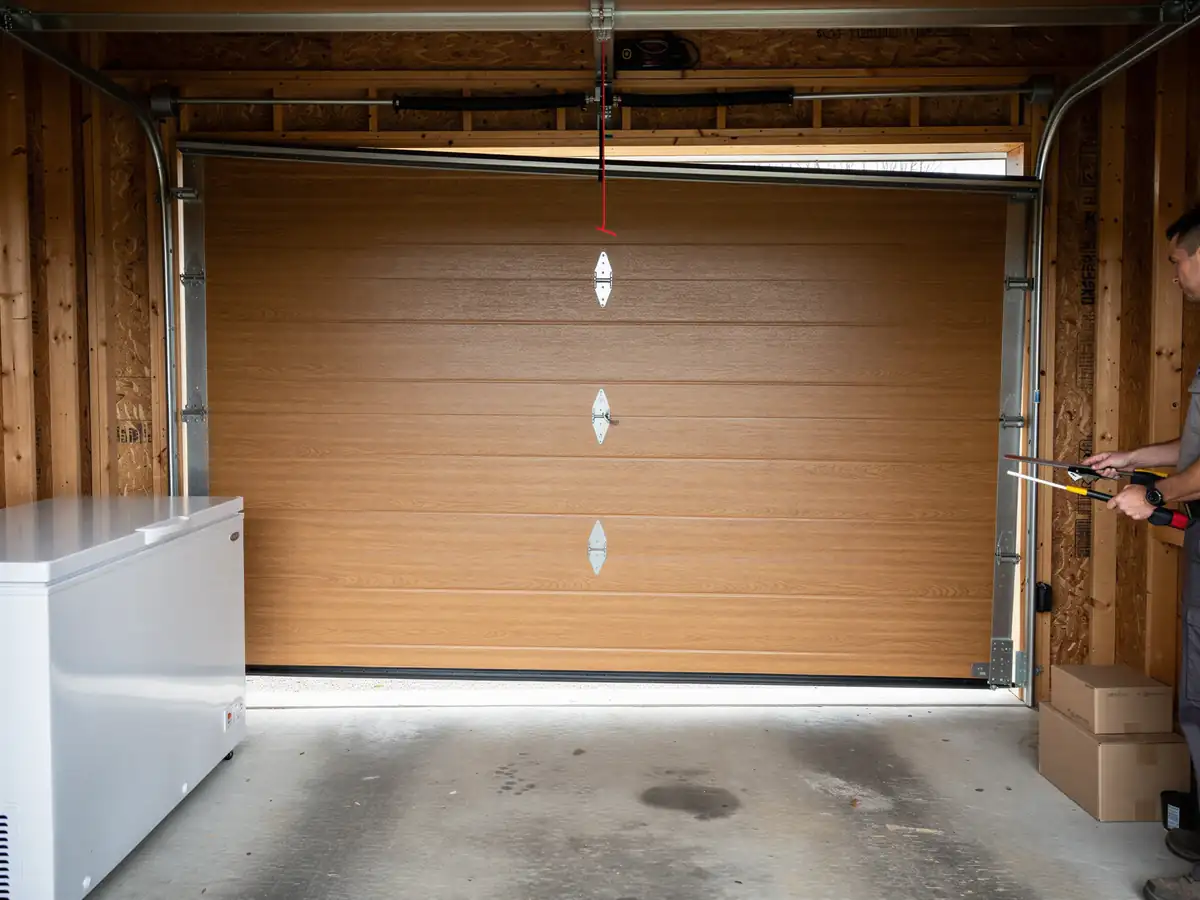
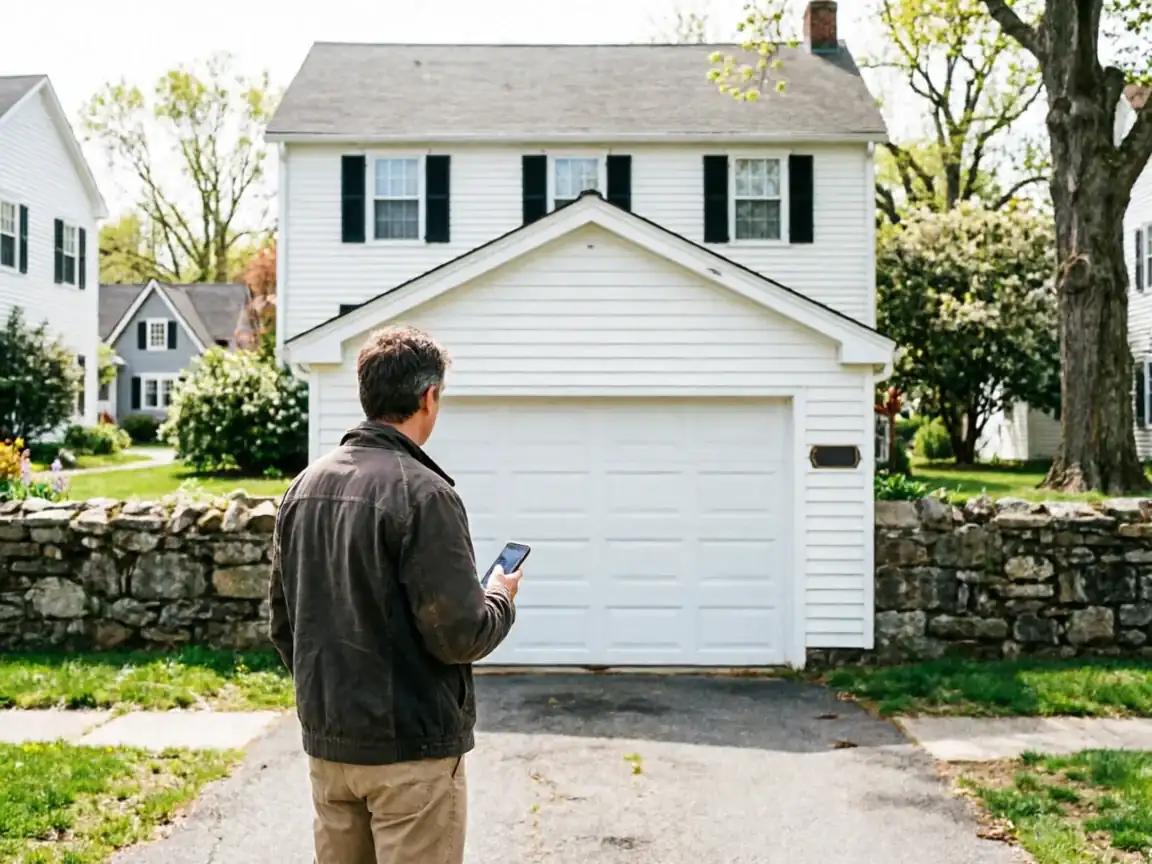
Edgemoor homes near Wilmington, DE mostly date to 1957, with torsion-spring doors that fail differently than newer stock - here's what that means for repairs.
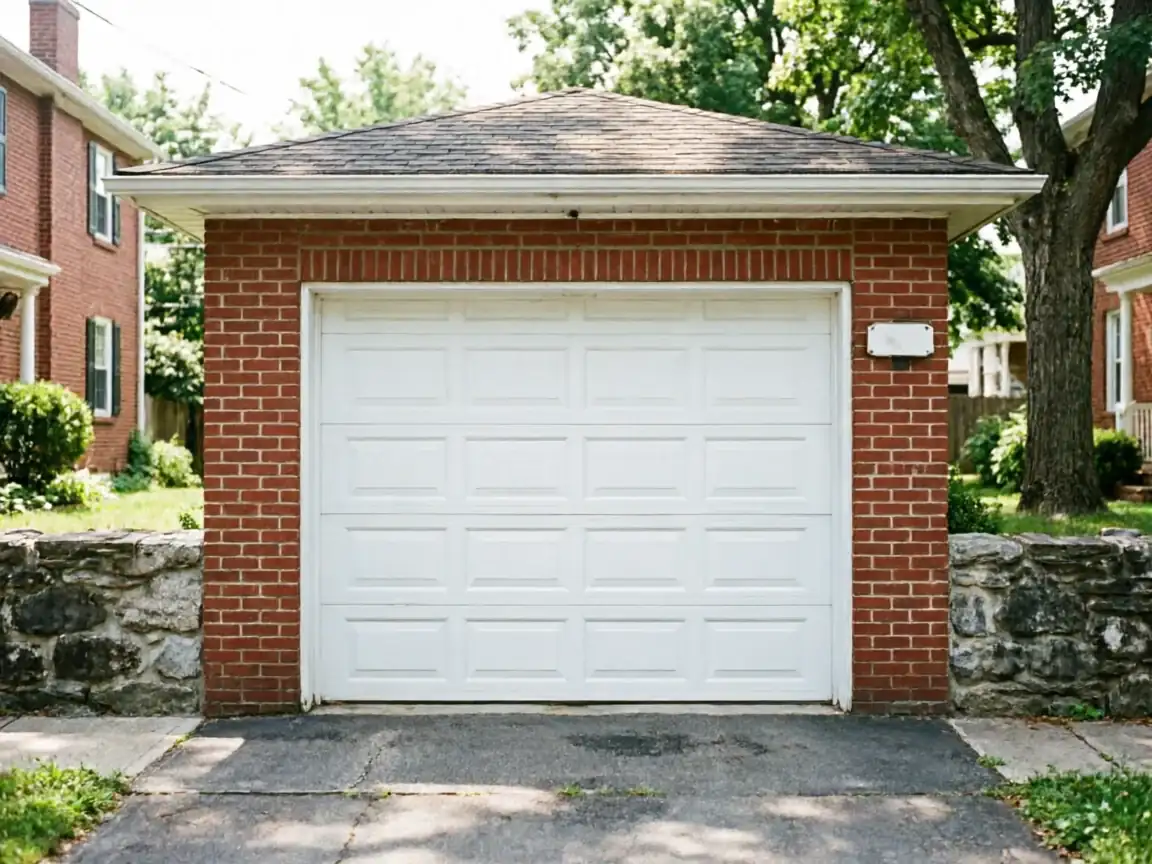
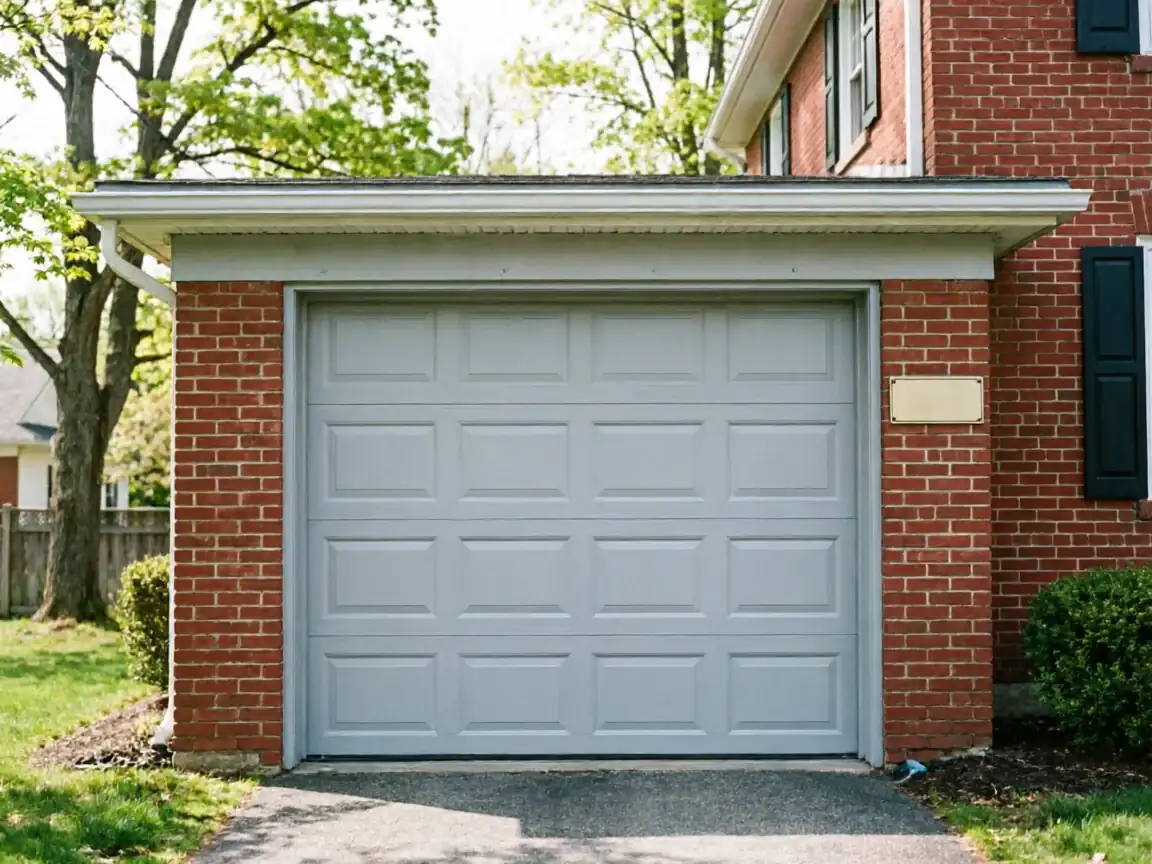
Edgemoor sits about 2 miles from Wilmington, and it reads differently than some of the other named areas we cover. Bellefonte (3 miles out) and Elsmere (3 miles out) carry a mix of older and newer stock, and Newport (4 miles) and Wilmington Manor (4 miles) skew their own way too. Edgemoor's own median build year lands at 1957, which is tighter and more consistent than the broader service area, where the median across the region runs closer to 1965 with construction stretching from 1940 to 2001. That matters because a street built in one tight window tends to have one generation of garage door hardware, not three. You don't see the patchwork of eras you'd find in a place that grew in waves. Walk a few blocks here and you're mostly looking at doors and openers installed, replaced, or inherited from houses that went up in the same handful of years. That consistency is useful when we're guessing at what's likely wrong before we even open the door panel.
What We Do Not Do
We work out of Wilmington and drive to Edgemoor - there's no depot here, and we're not going to pretend otherwise. That means we don't offer a standing same-day guarantee for this address; it depends on the day's schedule and what's already on the truck. We also don't stock every odd panel width or custom-color section on the truck, so if a door needs a specific replacement panel rather than a full new door, there can be a wait on the part. If a spring or opener is a straightforward fix, we'll say so and fix it. If a door is bent, rusted through, or the track is too far gone to true up, we'll tell you that replacement is the better use of your money rather than running up a repair bill on a door that's done. Honesty about what's worth fixing costs us nothing and it's the only way this kind of work holds up over years, not just one visit.
What Was Built Here
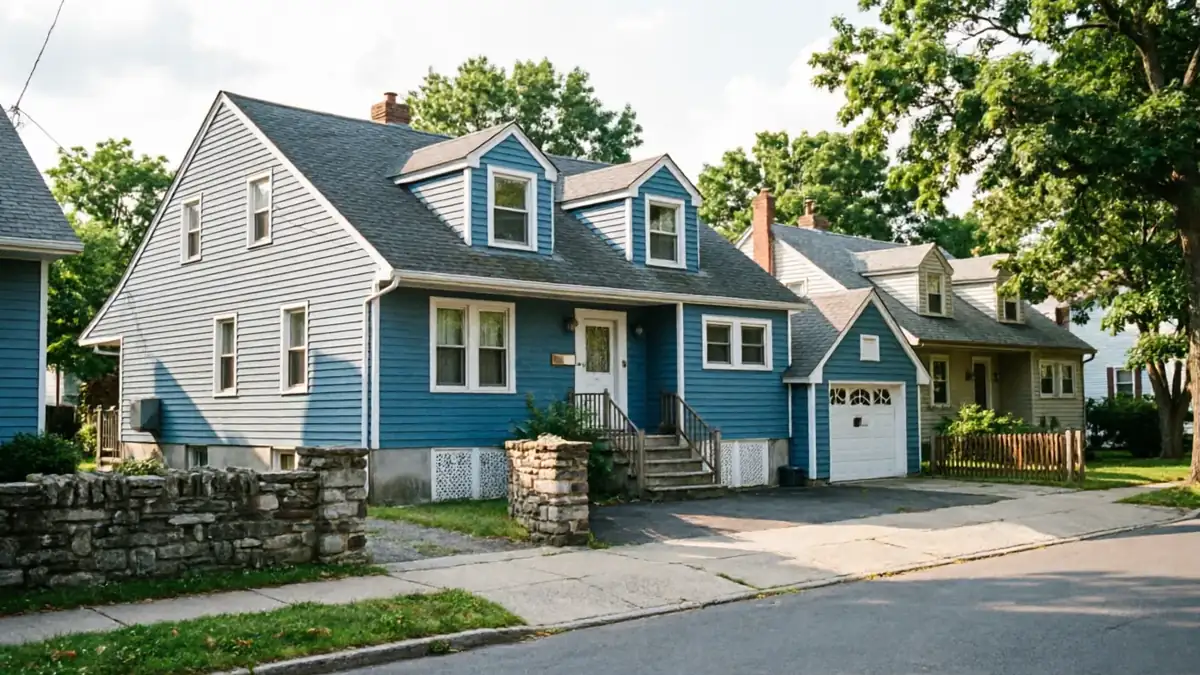
With a median year built of 1957, most of Edgemoor's roughly 3,061 households are living with houses - and in many cases, garage structures - that predate the openers and spring systems you'd find in new construction. That's a narrower window than the wider service area's 1940-2001 range and 1965 median, and it's part of why this area's doors tend to cluster around the same handful of failure patterns rather than a wide spread of problems. Household income here runs around $79,572, somewhat below the broader service-area median of $87,826 across its 50,351 households. That's worth mentioning because it shapes a common decision we see: repair the original hardware one more time versus replace a door that's outlived its torsion springs, its track, and its rollers all at once. Neither choice is wrong on its own - it depends on what's actually failing and what the rest of the door looks like underneath.
What That Means for Doors
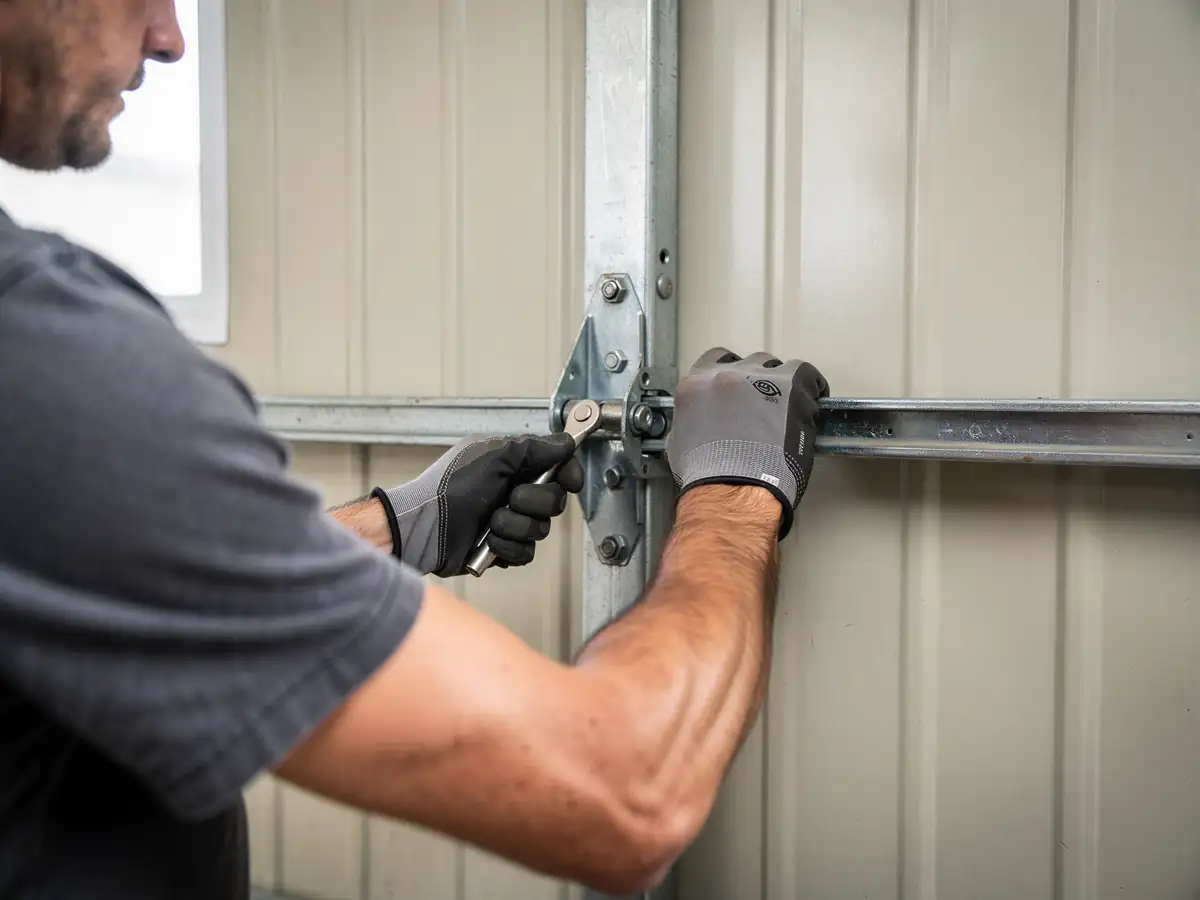
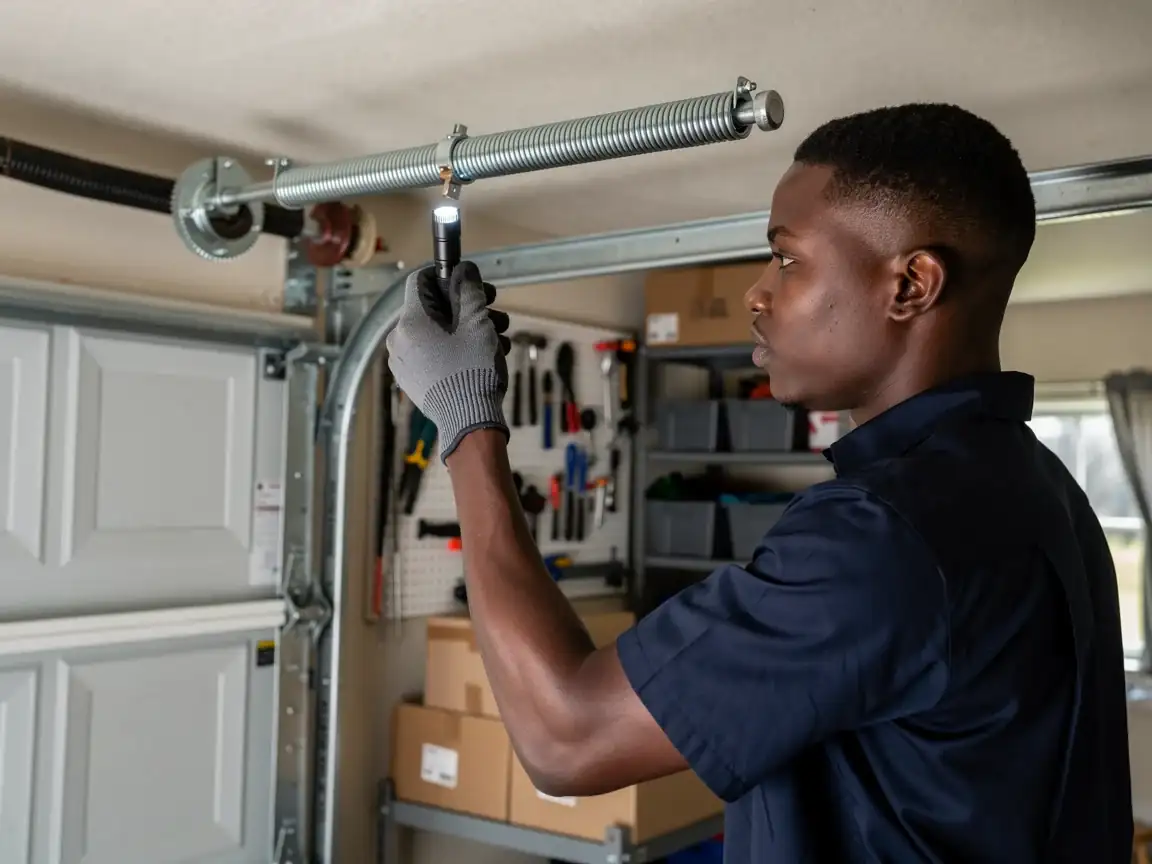
This area falls in a cold, severe climate band, and a door built or installed in the late 1950s wasn't engineered with today's insulation standards or spring-cycle ratings in mind. Steel torsion springs lose tension faster in repeated cold snaps, and on a door this age, that often shows up as a spring that finally lets go on a January morning rather than a slow, obvious decline. Original hardware from this era also tends to run on single-stage openers with none of the force-limiting sensors that are standard now, which is a safety issue worth fixing even if the door still opens fine. If your garage isn't insulated - common for a structure built around 1957 - temperature swings also work on the panel seams and weatherstripping over time, which is a smaller fix but a real one. None of this means every door here is on its last leg. It means the failure point, when it comes, usually looks like a specific, predictable part giving out rather than a mystery.
How it works
From “it’s stuck” to “it’s fixed”
A quick, honest process - no guesswork and no surprises, start to finish.
No. We're based in Wilmington, about 2 miles away, and drive out for jobs in Edgemoor. There's no local depot here, so scheduling depends on the day's route rather than a guaranteed same-day window.
Why does my spring keep breaking in winter?
Houses in this area mostly date to 1957, and original torsion springs from that era weren't built for the cycle counts or cold-weather fatigue we see in this climate band. Cold makes steel more brittle, so a spring that's near the end of its life is more likely to snap on a cold morning than fail gradually.
Should I repair or replace an old door here?
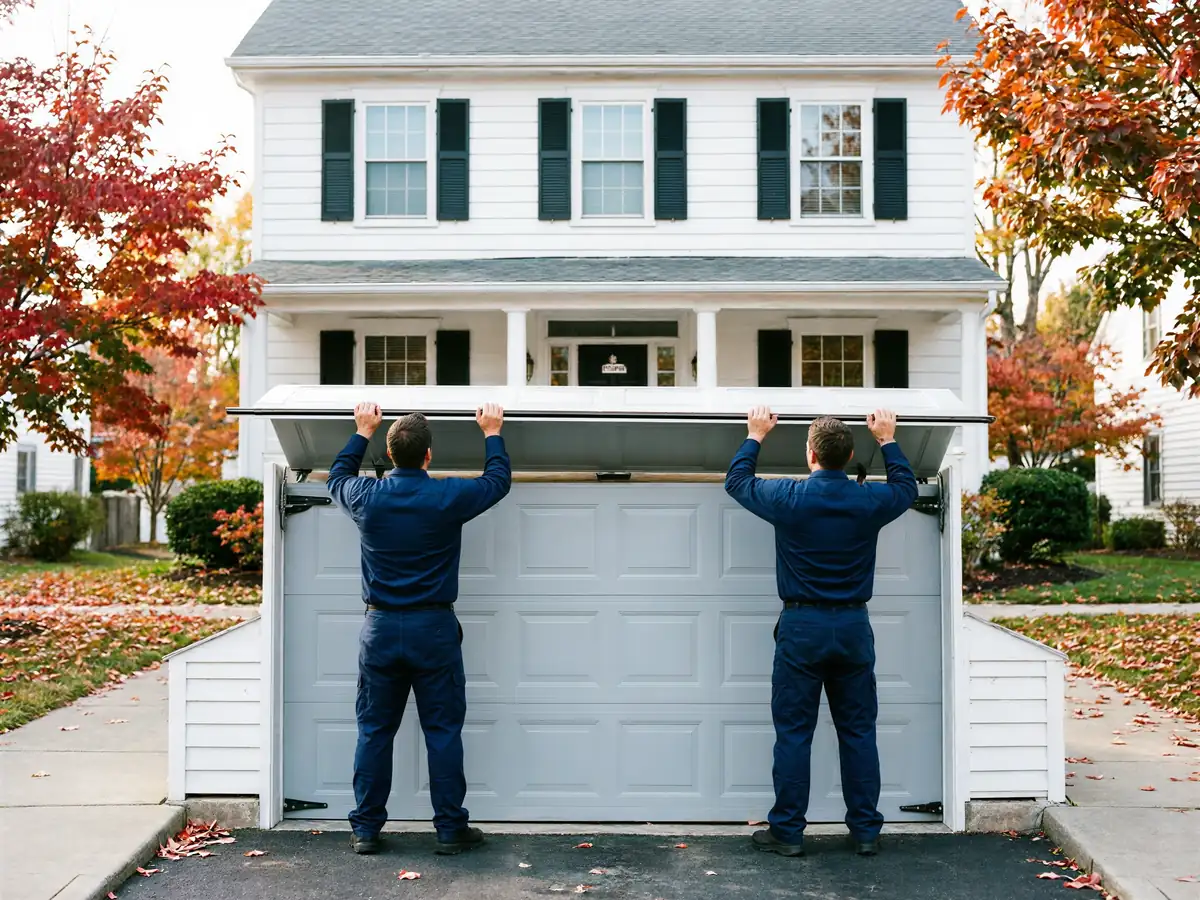
It depends on what's actually wrong. If it's one bad spring or a worn opener on an otherwise straight, solid door, repair is usually the right call. If the track, panels, and hardware are all original and all tired at once, replacement tends to be the better value over the long run.
Do you stock parts for older doors on the truck?
Not every panel size or hardware style. Standard torsion springs, cables, and rollers are usually on hand. A specific replacement panel for an older door sometimes needs to be ordered, which can mean a short wait before the job is finished.
Ready to get your garage door sorted?
Tell us what it’s doing and where you are in Wilmington - we’ll take it from there.