Doing It Yourself
Edgemoor is small by the numbers - 3,061 households sitting about 2 miles from Wilmington
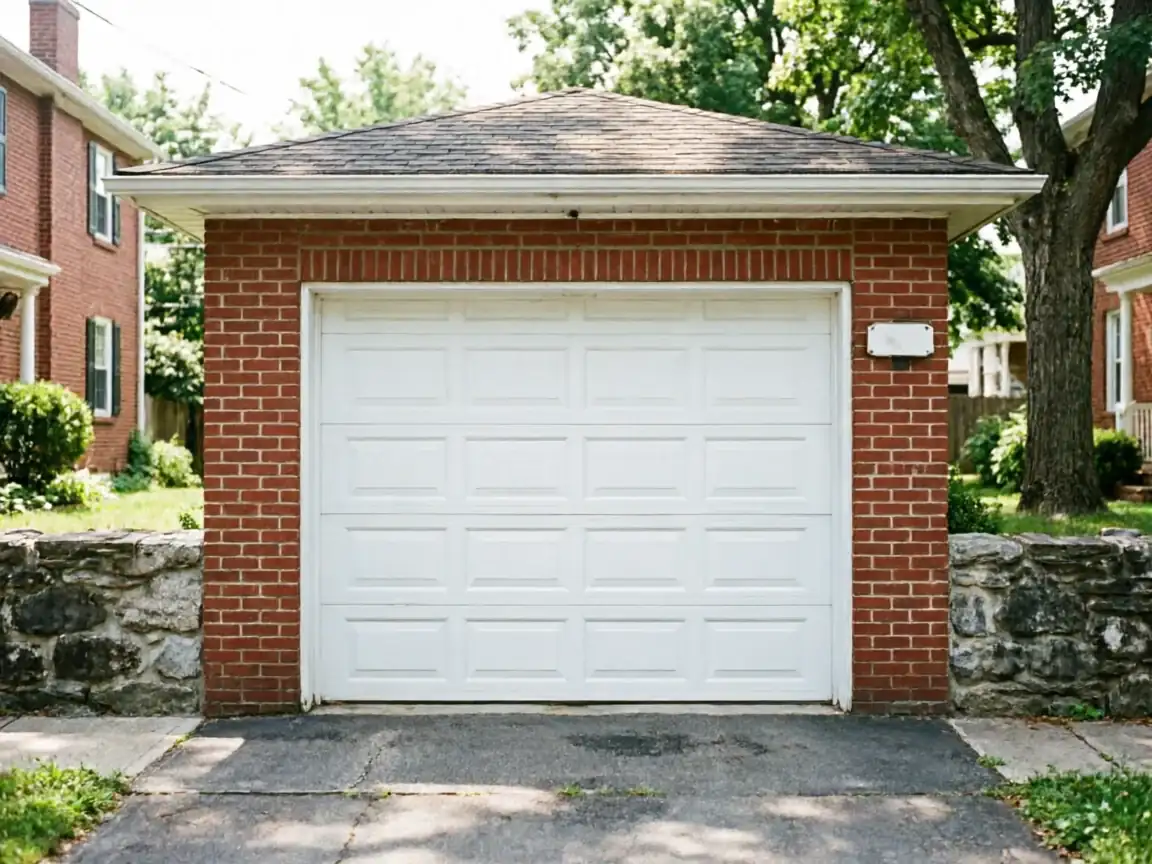
That size doesn't mean fewer problems, it means a narrower range of problems, because most houses here went up around 1957, eight years ahead of the 1965 median that holds across the wider service area. A door that old was built for lighter garages and single-car bays, with hardware nobody machines new anymore.
- 3,061 households
- 2 miles
There's plenty an owner can do safely
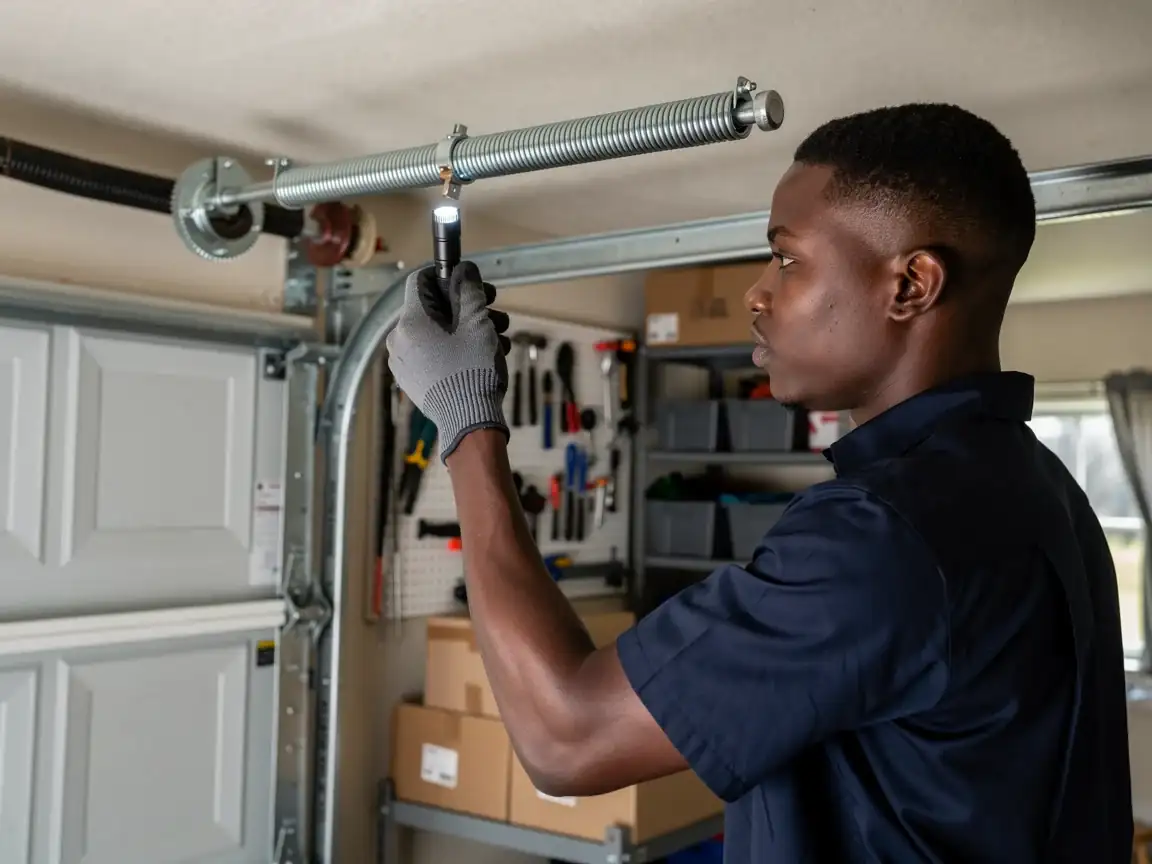
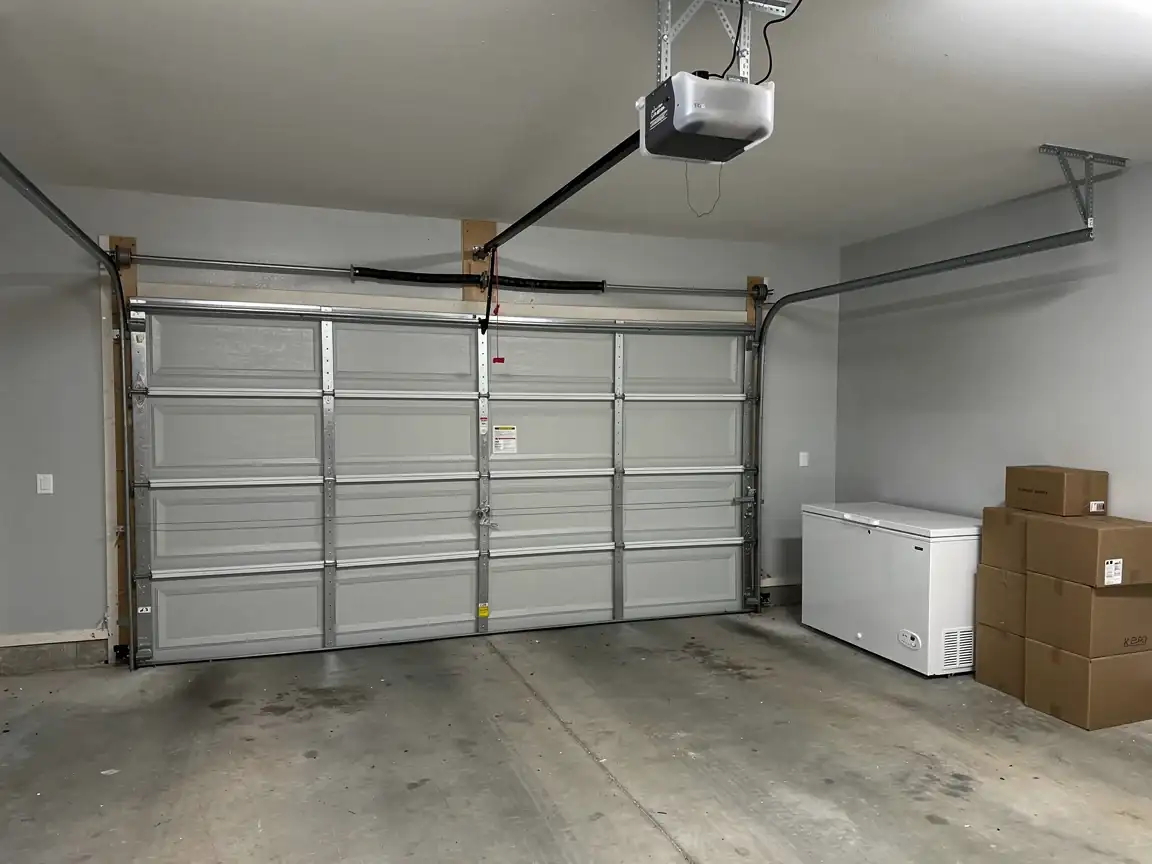
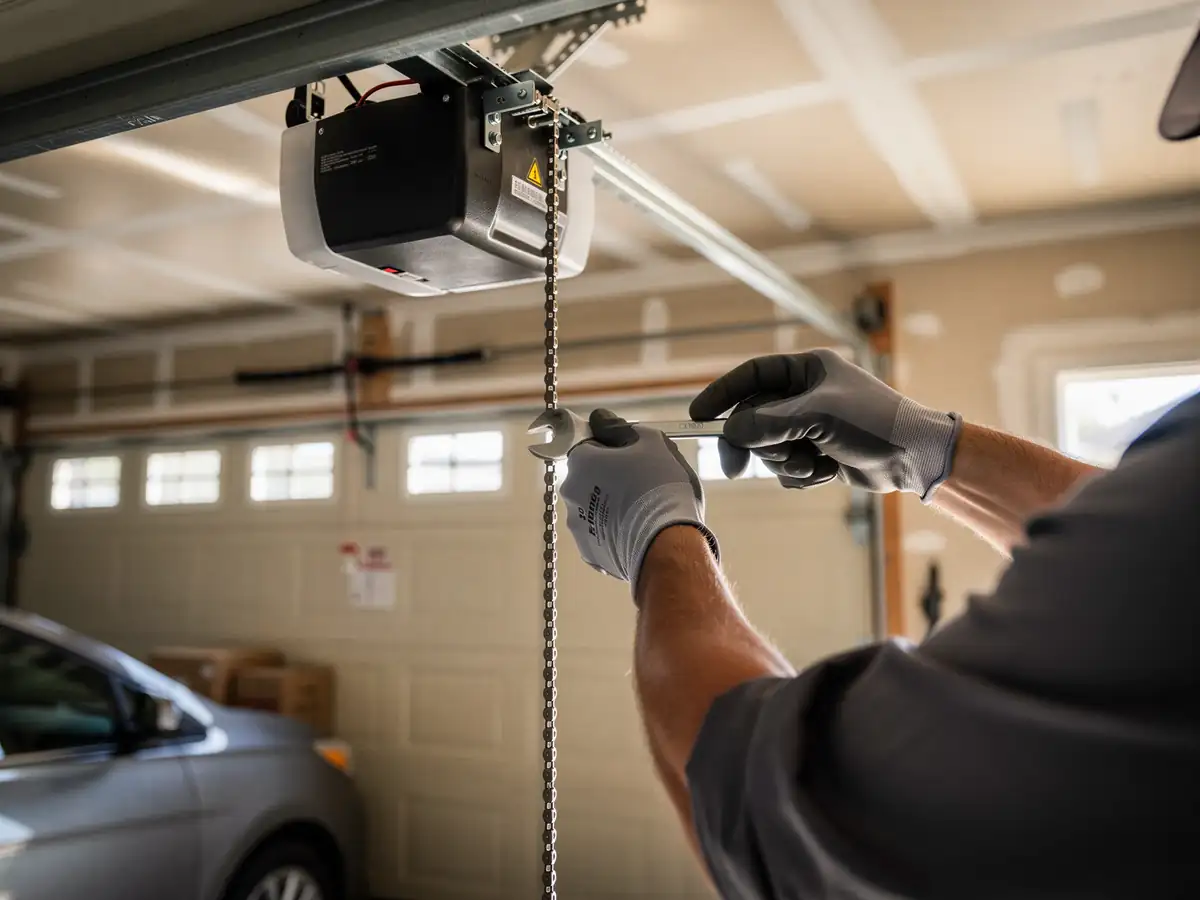
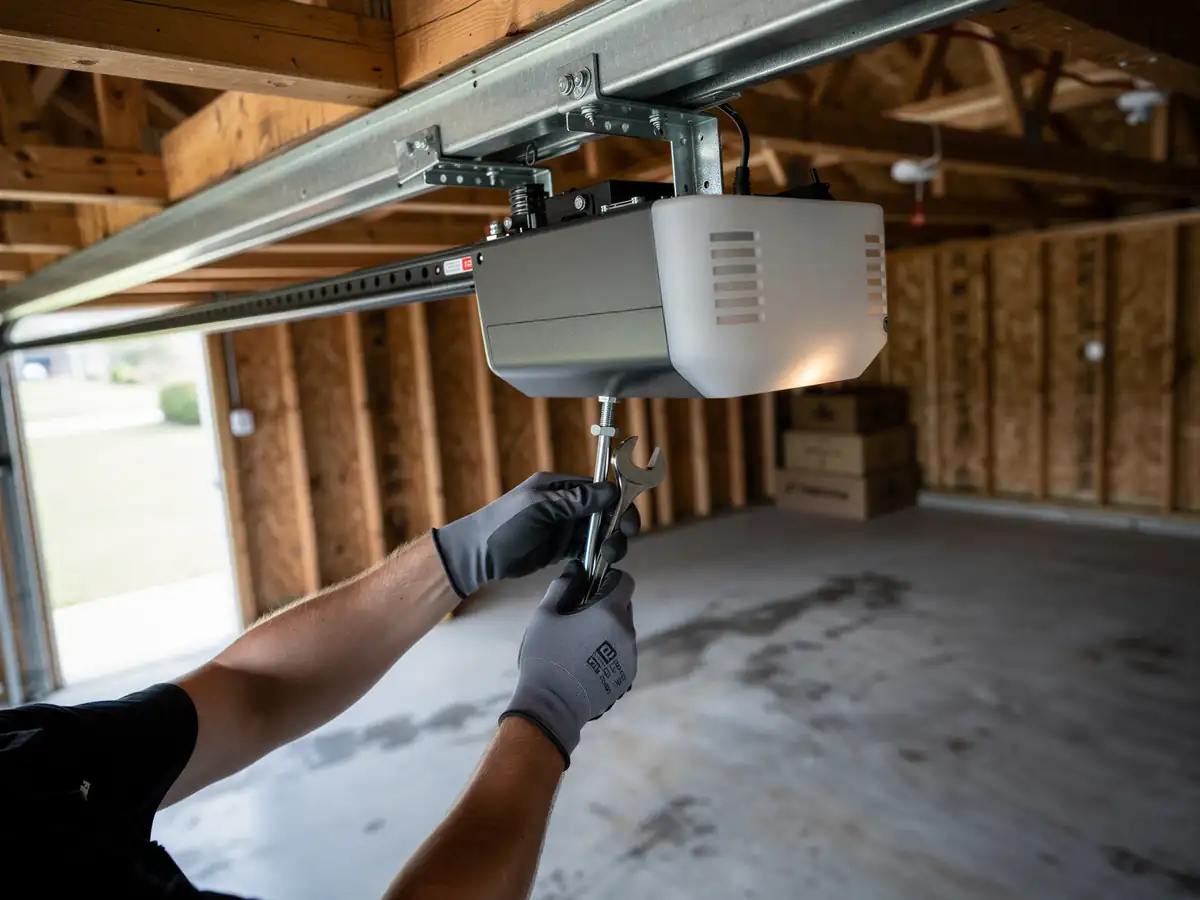
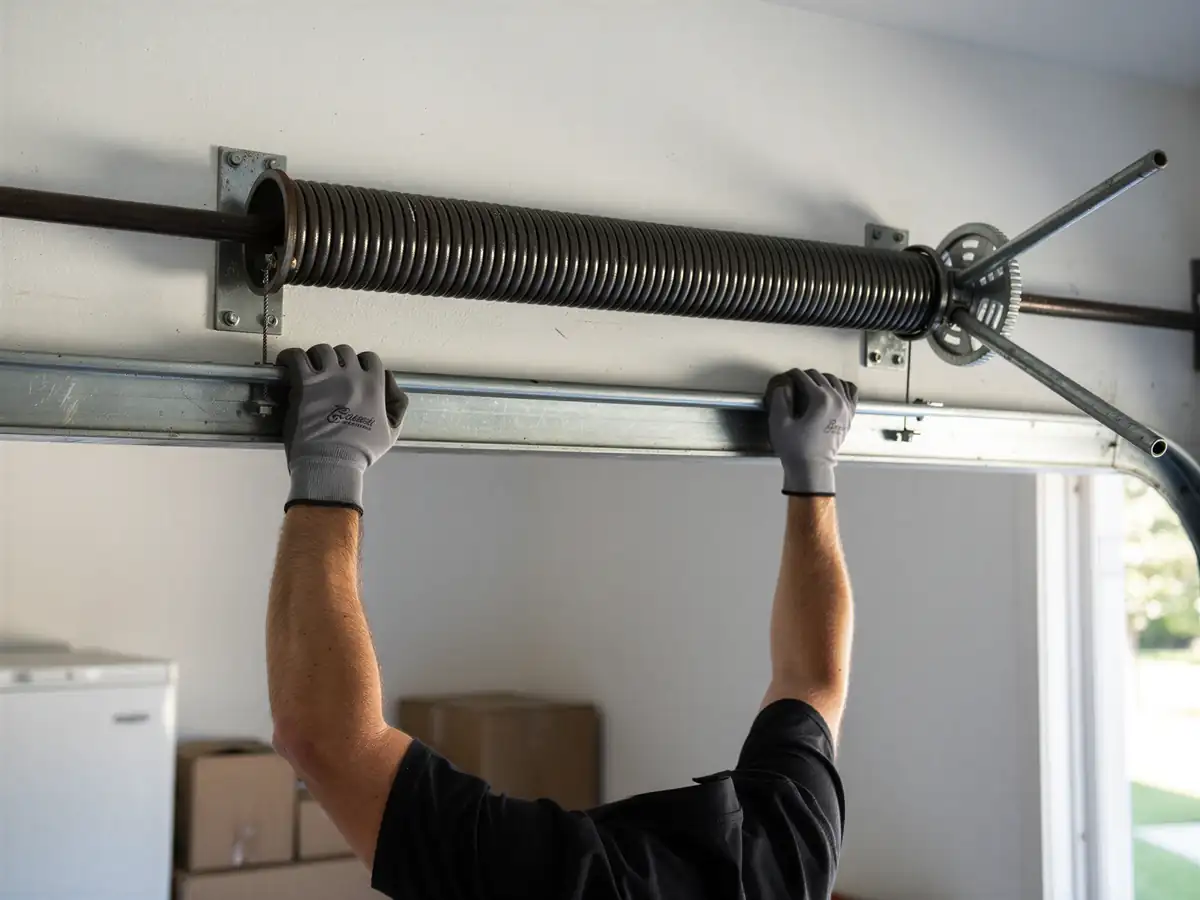
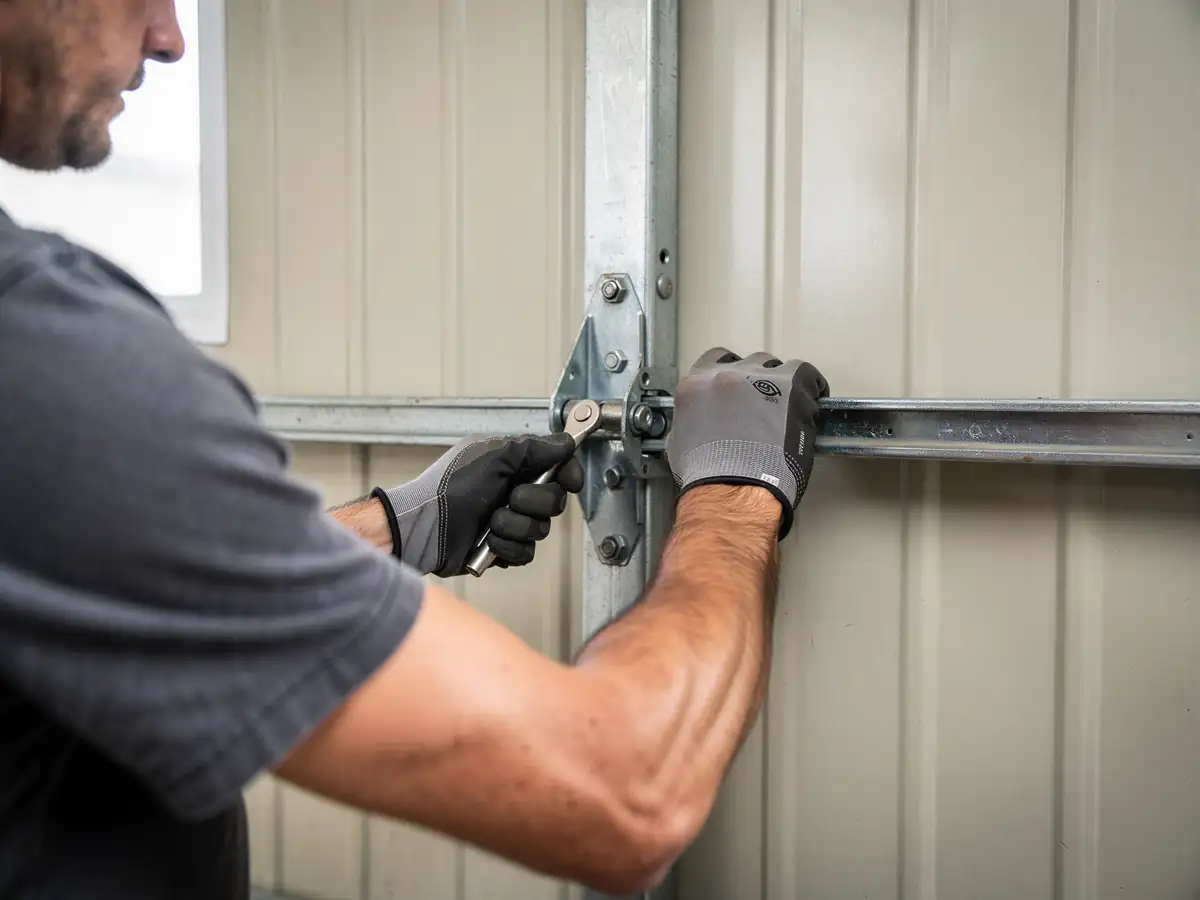
Wipe down tracks, check that the photo-eye sensors aren't knocked out of alignment, tighten loose hinge bolts with the door down and the opener unplugged. What you shouldn't touch is the torsion spring. On a door this age the spring is almost always a single, high-tension unit mounted over the header, and the winding cones that hold it have killed and maimed people who tried to adjust them without the right bars. If the door won't open, or opens crooked, or the cable looks frayed, that's a call, not a weekend project.
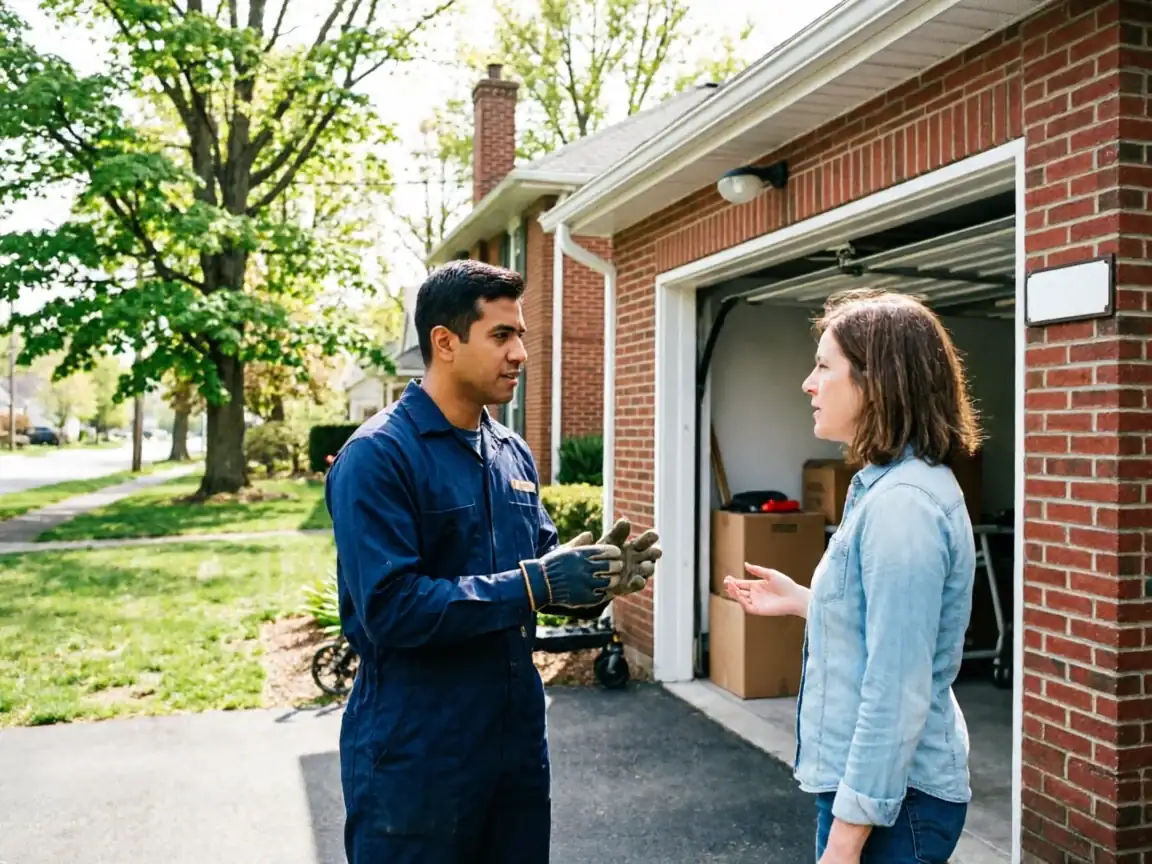
We're honest about this
If you're the type who rebuilds your own small-engine equipment, fine, go ahead and swap a roller. Springs and cables are a different category of risk entirely.
What Is on the Truck
For a neighborhood built mostly in 1957, the parts that move fastest are standard torsion springs sized for single and short double doors, galvanized lift cables, and 10-ball nylon rollers to replace the steel ones that were original to houses this age. Across the broader service area the housing stock runs 1940 to 2001 with pockets concentrated in the 1960s and '70s, so the truck carries a wider spread of spring sizes and opener gear than a single-era neighborhood would need on its own.
What we can't always match is the exact drum or shaft diameter on an original 1957 setup - some of that hardware was never standardized the way modern torsion systems are. When that happens, the honest fix is a full conversion to current hardware rather than hunting for an obsolete part that may take weeks to source. We'd rather tell you that up front than have you wait on a part that isn't coming.
What You Are Seeing
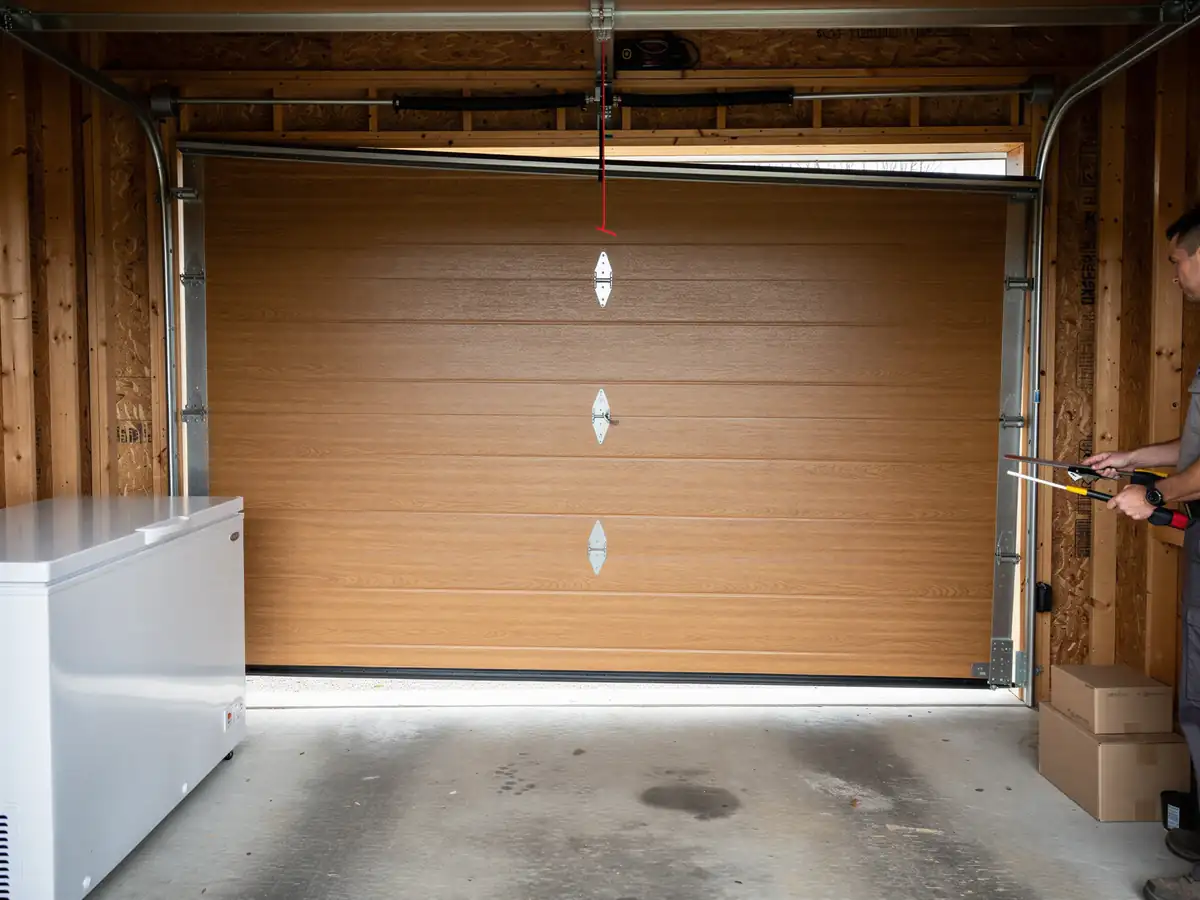
The door that won't fully close, stopping a foot from the floor and reversing, is usually a spring that's lost tension - common on houses from the 1957 era where the original spring has been doing the same job for decades longer than it was rated for. A door that slams down fast and hard instead of lowering under control is the same failure, further along.
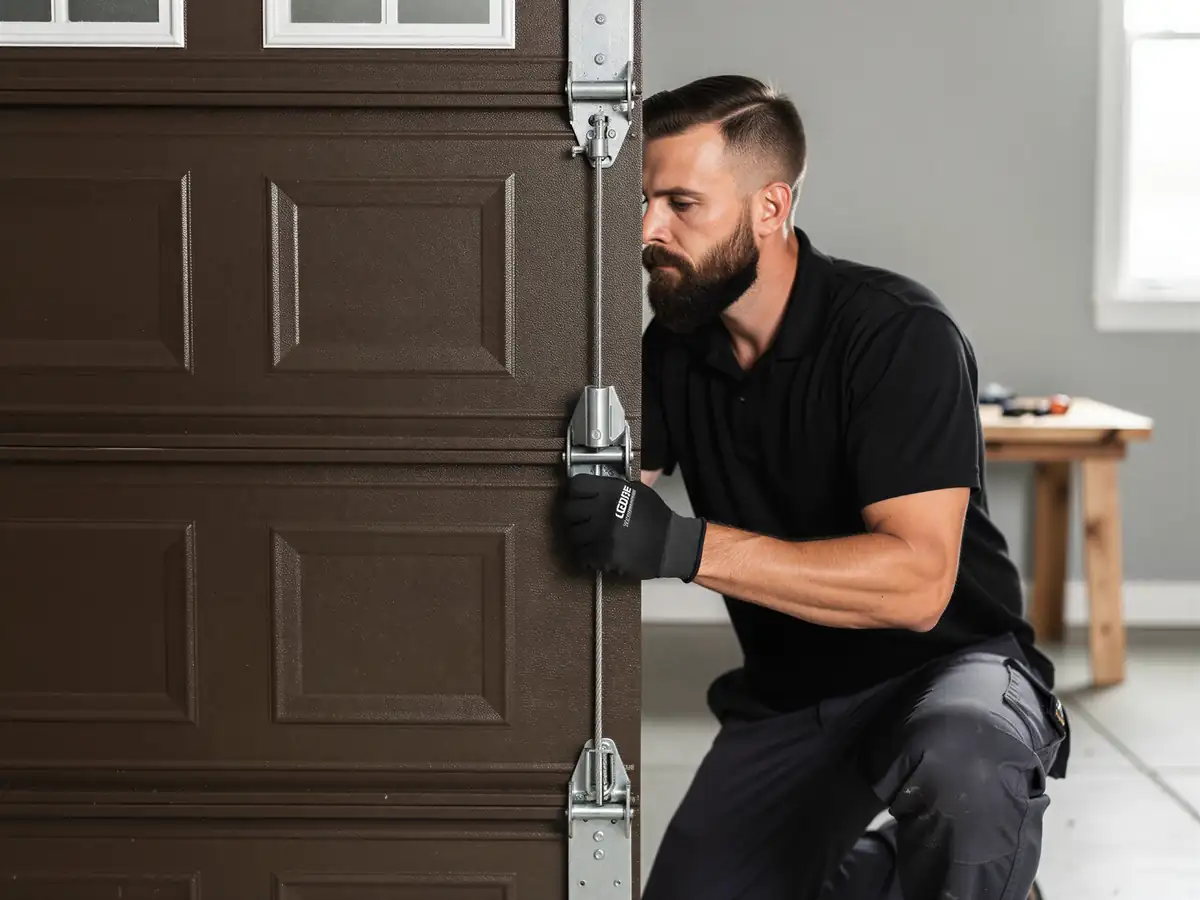
Grinding or popping when the opener runs points to a roller that's worn past its bearing, often one of the original steel rollers still riding in a track that's never been swapped. Cables that look frayed near the bottom bracket, with thin wire strands sticking out like a broken guitar string, mean the cable is close to snapping - and when it does, the door drops without warning.
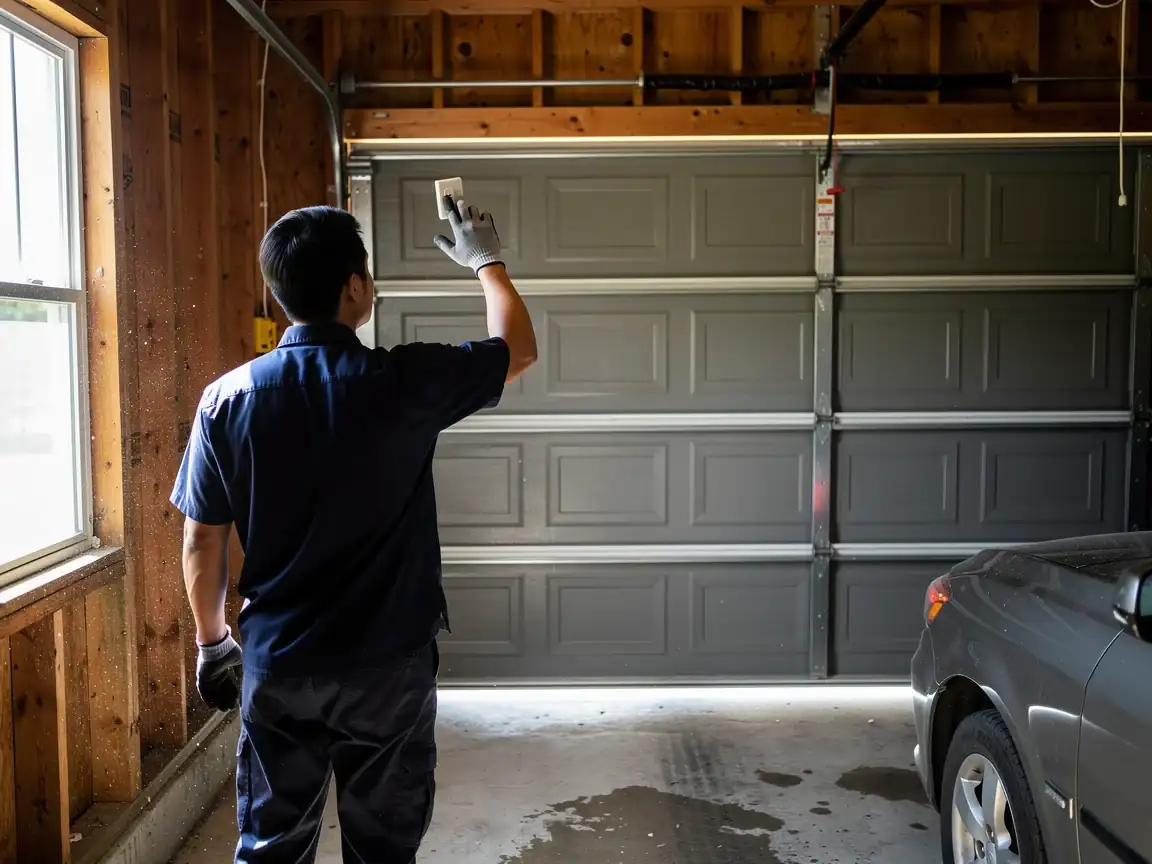
If the opener runs but the door barely moves, check the spring first before assuming the motor is bad. On houses this age, the spring is almost always the real story.
Why This Fails Locally
Two things stack on top of each other in Edgemoor
First, the age: a median build year of 1957 puts these doors and their original hardware well past any reasonable service life, older than the 1965 median that holds across the rest of the service area. Second, the climate band here is classed as cold and severe, and steel torsion springs lose tension faster through repeated freeze-thaw cycles than they would in a milder region - the metal contracts, the coil geometry shifts slightly each winter, and a spring rated for a certain number of cycles gets there sooner.
Put those together and you get a predictable pattern
Original 1957-era torsion springs, already decades past when they should've been swapped, working through cold winters that accelerate fatigue. It's not a mystery failure. It's two ordinary facts about this neighborhood's housing stock and its weather, compounding.
At 3,061 households, Edgemoor doesn't generate huge call volume on its own
But the calls that come in cluster around this exact combination rather than, say, opener circuit boards or insulation problems you'd see in newer construction elsewhere in the service area.
- 3,061 households
How Long It Takes
A straightforward spring replacement on a single-door setup is usually finished in under an hour once the truck is on site. Cable replacement runs similar. A full hardware conversion - swapping out an original 1957-era torsion system for current parts because the old shaft or drum size can't be matched - takes longer, generally most of a morning or afternoon depending on what else turns up once the old hardware is off.
Being about 2 miles from Wilmington, travel time into Edgemoor is short, so it rarely adds meaningfully to the job compared with jobs farther out toward the 9- to 15-mile edge of the service area. We don't promise a specific arrival window here - that's a scheduling conversation, not a blanket claim - but the drive itself isn't the bottleneck for this neighborhood.
What the Fix Involves
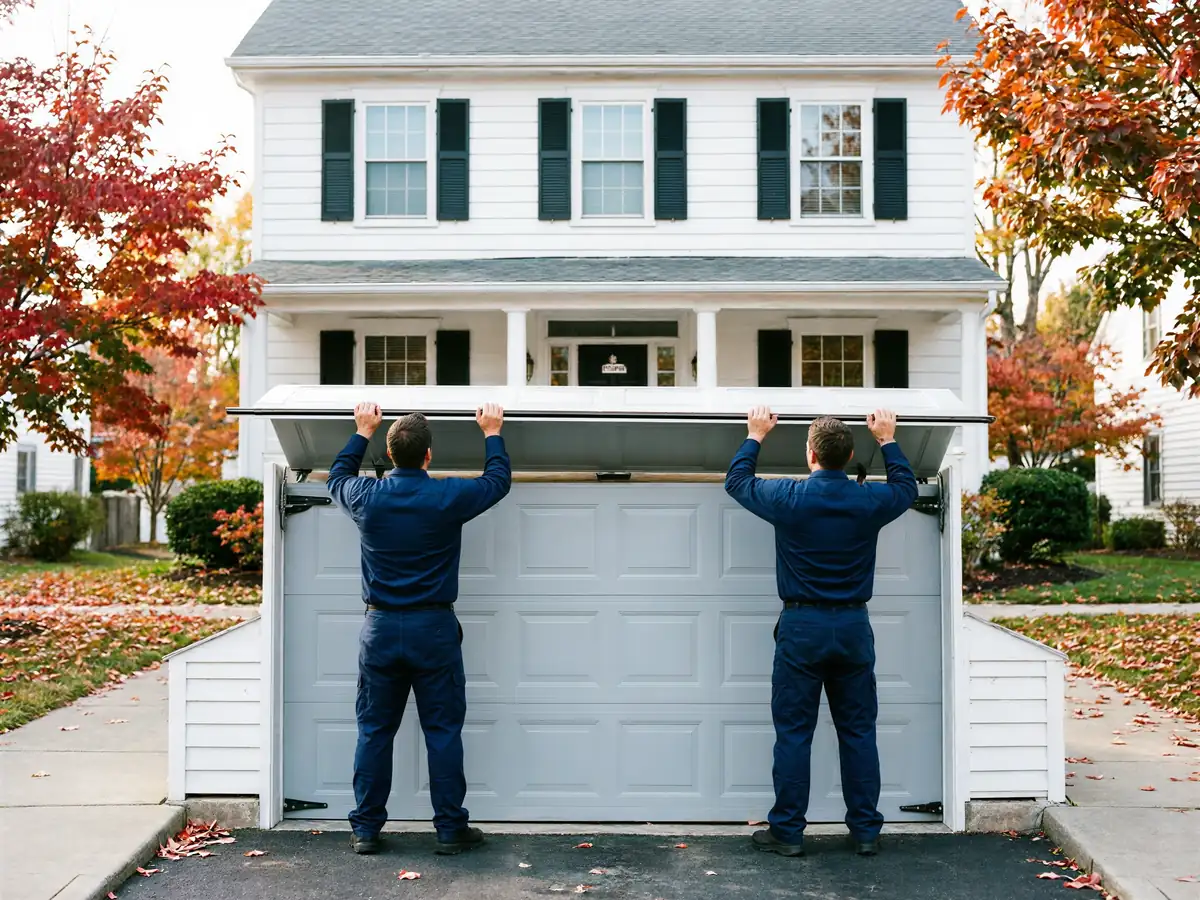
For the spring failures that are most common on houses from this era, the fix is removing the old high-tension spring with winding bars, measuring the door's actual weight and track geometry, and installing a correctly sized replacement - sometimes converting a single old spring to a dual-spring setup if the door's gotten heavier over the years from added insulation panels.
For worn rollers, we pull the whole set rather than one or two, since if one steel roller from 1957 has worn out the rest are usually close behind. Cables get replaced in pairs for the same reason - a cable that's frayed on one side has usually stretched unevenly on both.
Where the original hardware can't be matched, the honest move is a conversion to modern brackets and shaft rather than patching around a part that's effectively discontinued. We'll say so plainly before starting, not after the invoice. It costs a bit more up front and saves a second call six months later.