Doing It Yourself
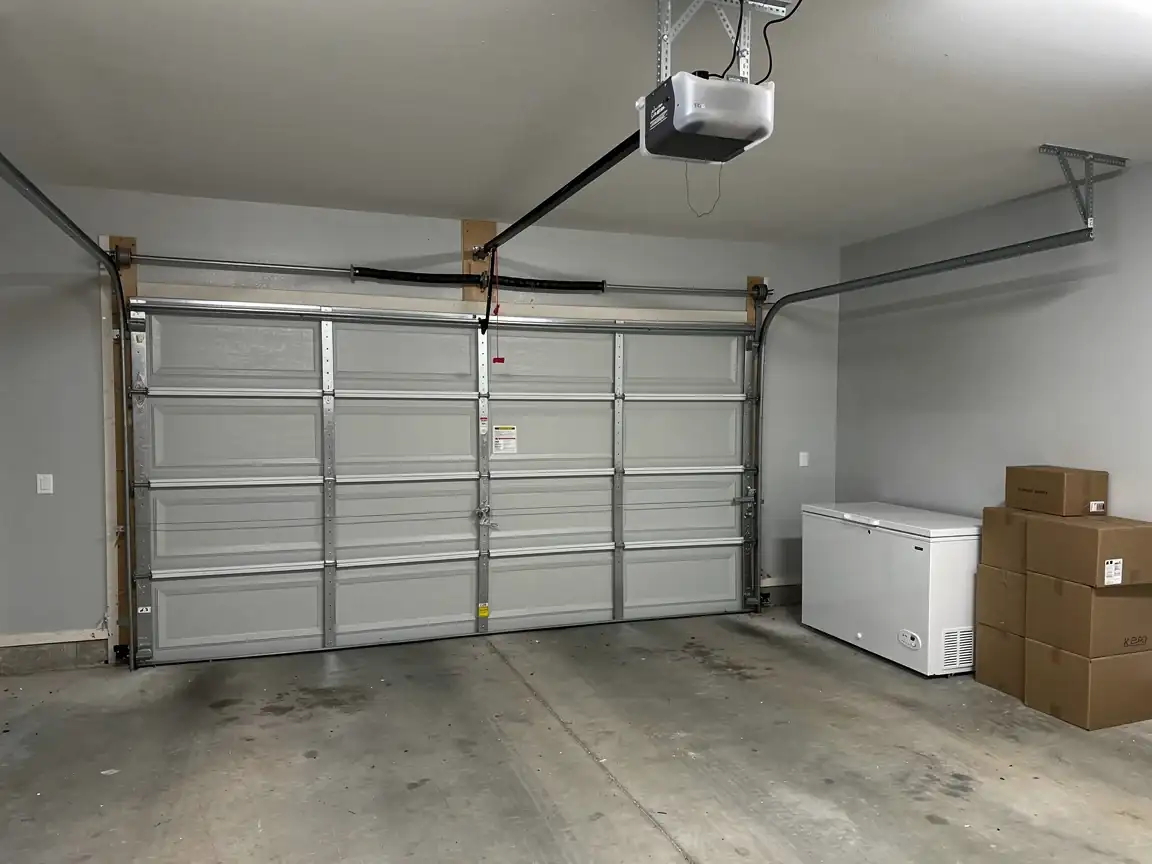
If your opener in Edgemoor won't close, won't reverse, or grinds without moving the door
The first thing to check costs nothing: the photo-eye sensors near the floor, and whether the wall button and remote are both dead or just one. If both are dead, it's usually the opener logic board or the power supply, not the door itself.
What you shouldn't do yourself
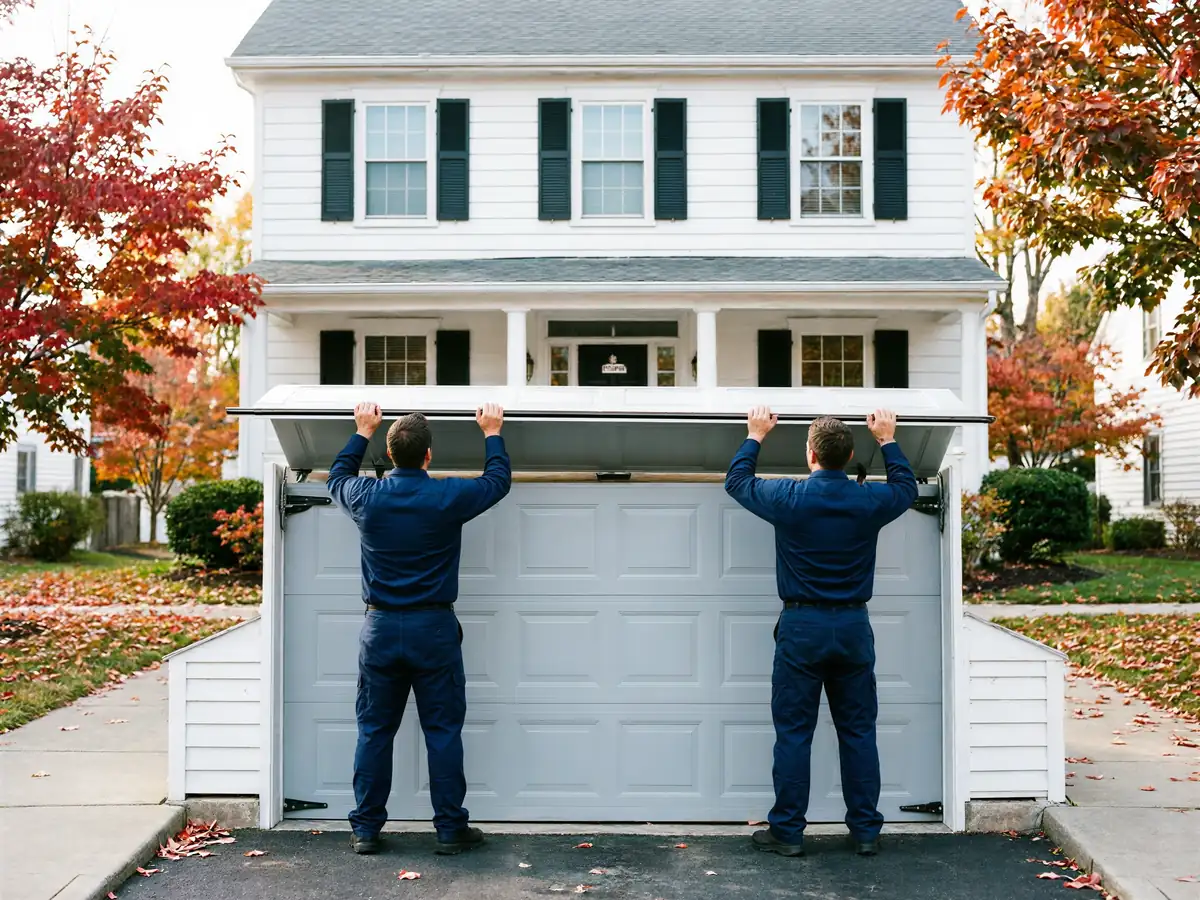
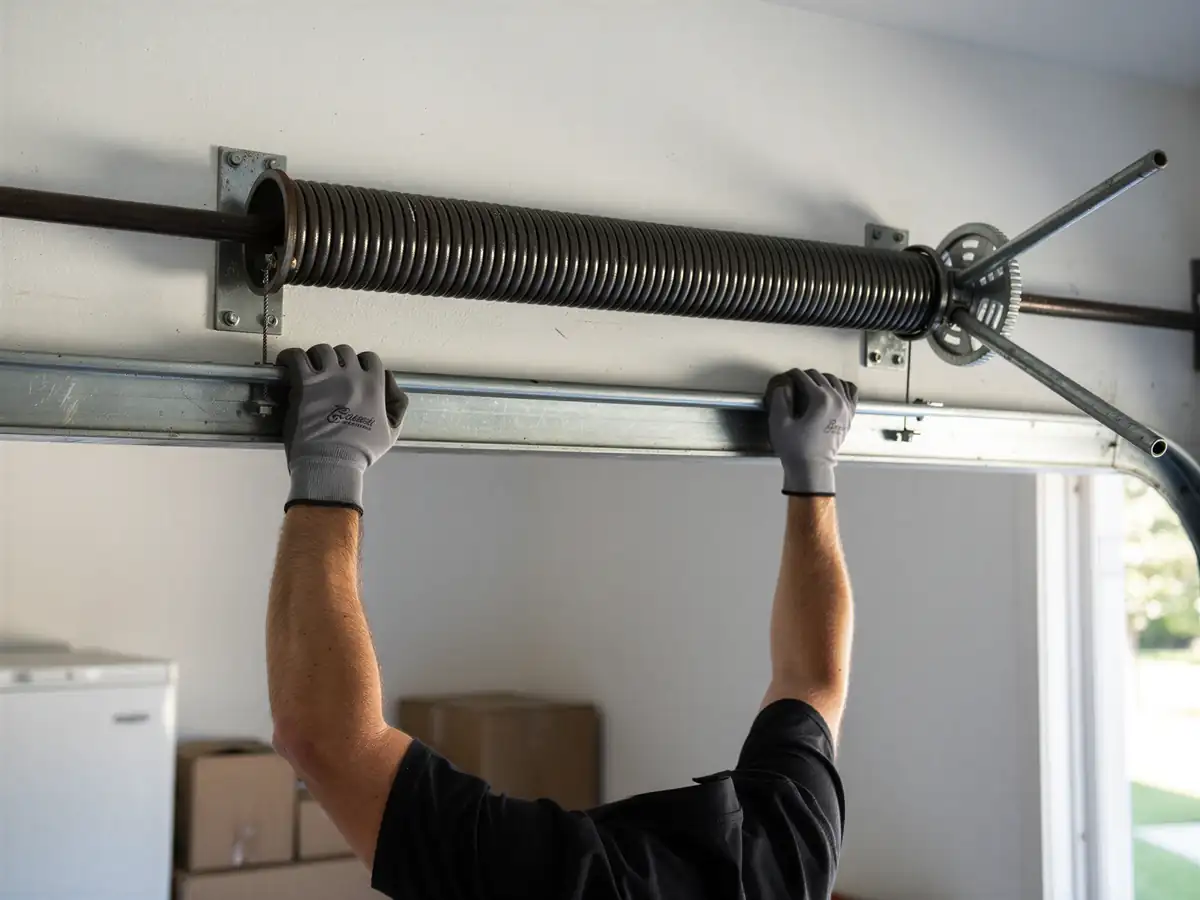
Pull the opener off the rail, touch anything on a door with a broken spring, or assume a dead remote means a dead opener. On houses built around the time most of Edgemoor went up - the late 1950s - the door itself often weighs more than a modern insulated panel door, which puts more strain on an opener motor that wasn't sized for it if someone swapped the door decades after the house was framed.
If you're hearing the motor run but the door isn't moving, stop
That's a stripped gear or a disconnected carriage, and forcing the wall button repeatedly just burns out the capacitor faster.
What Is on the Truck
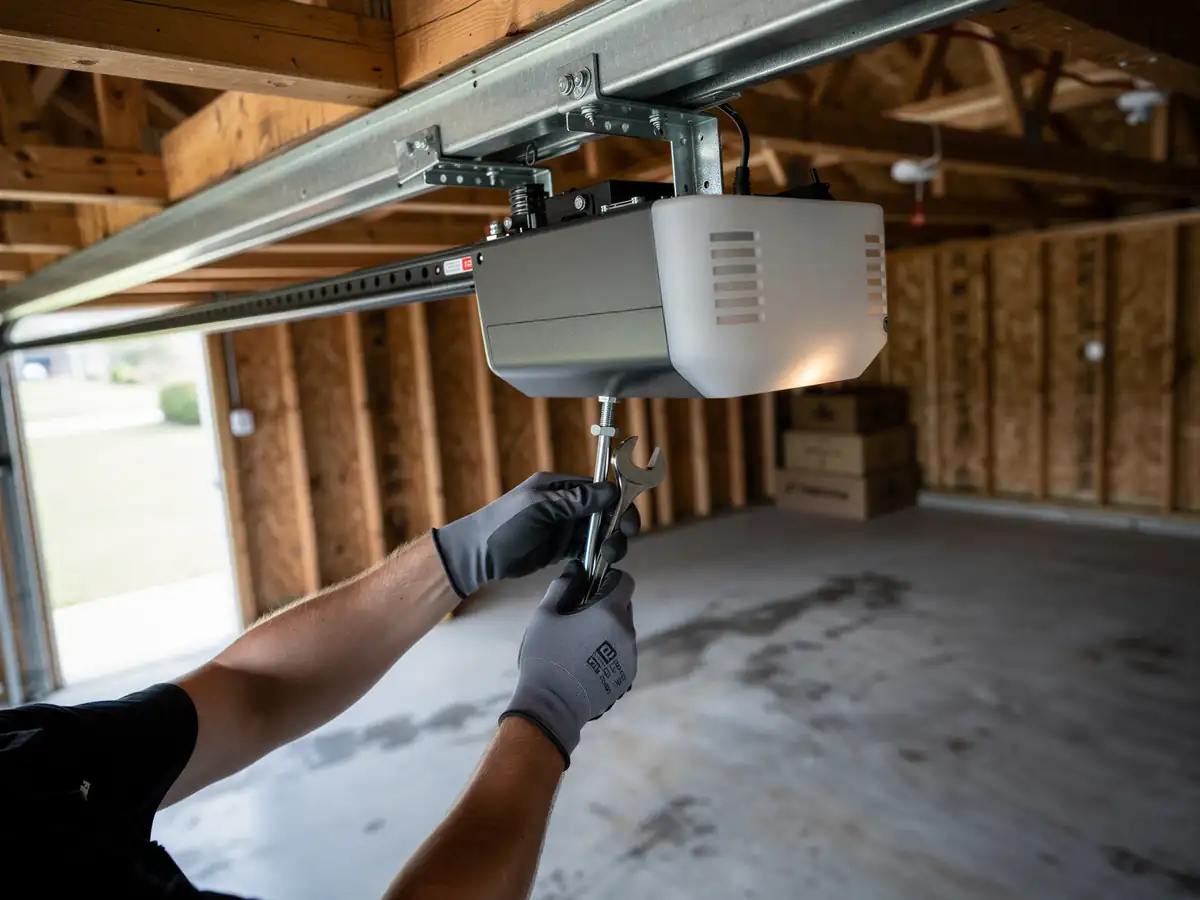
For a call out to Edgemoor, the opener work usually needs logic boards, drive gears and sprockets for both chain and belt units, a few common capacitor values, and photo-eye sensor pairs - because on houses from that 1950s-60s build era, the opener itself was almost always added or replaced well after the house went up, so what's actually mounted varies more than you'd expect for a neighborhood this age.
We also carry remotes and keypads that pair across the major brands, since a dead remote is one of the most common reasons for an opener call that turns out not to be the opener at all.
What we don't carry on the truck: openers in every horsepower and rail length. If a unit needs full replacement rather than a board or gear swap, that's usually a second trip once the right unit is in.
What You Are Seeing
The door doesn't move but the motor hums - that's a stripped gear, common on older chain-drive units that have been running for decades without the gear ever being replaced.
The door reverses halfway up or down for no reason - check the photo eyes first, but on houses with doors original or close to original to the 1957-ish build era, it can also be a worn limit switch that's never been adjusted since install.
The remote works sometimes but not always - usually a weak signal from corrosion in the wall button wiring, more common in houses this age where the low-voltage wiring was never upgraded.
The opener runs but the light doesn't come on, or vice versa - that's almost always the logic board, not something you can fix with a bulb.
Why This Fails Locally
Edgemoor sits about 2 miles from Wilmington
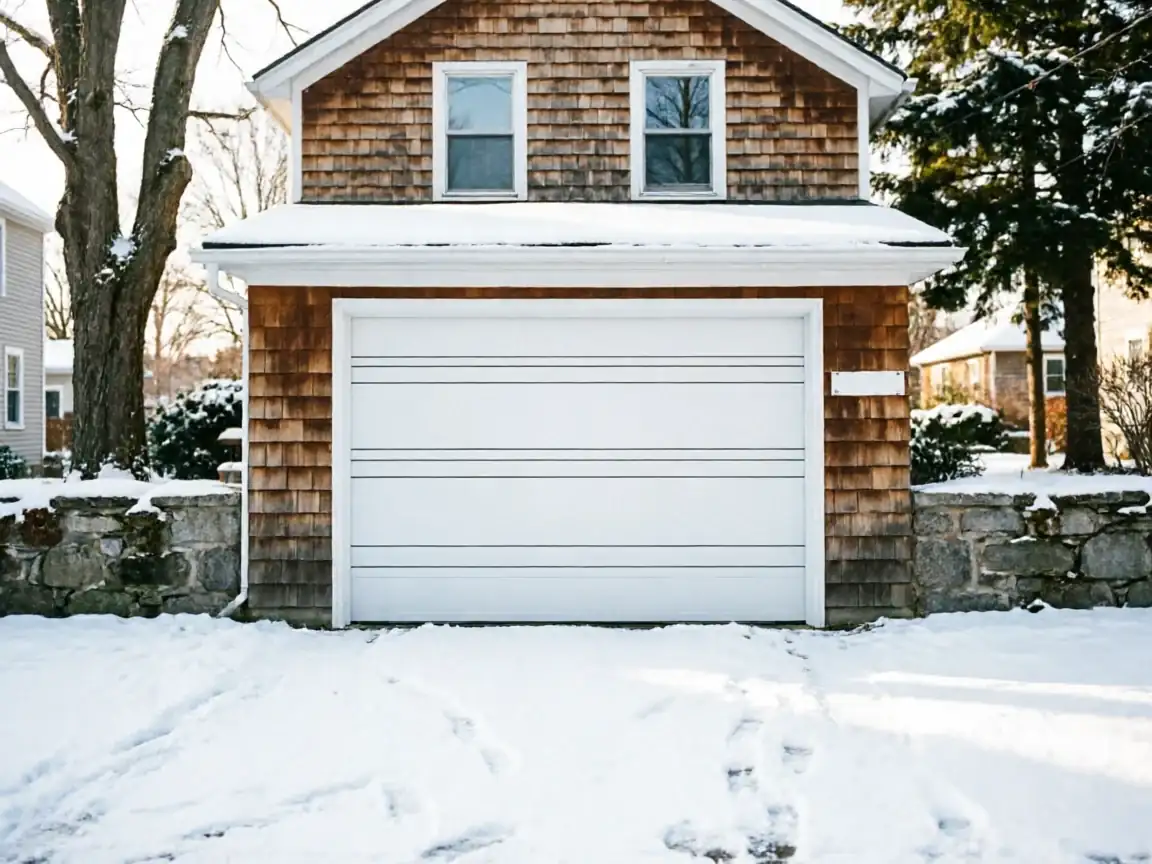
And the housing stock here mostly went up around 1957 - squarely inside the 1940-2001 range that defines the wider service area, but on the earlier end of it. Doors and openers installed or replaced during that original build period weren't engineered for the safety-reversing photo-eye systems required on openers made today, which means a lot of these houses have had at least one generation of opener swapped in without the rest of the door hardware being touched.
- 2 miles
That mismatch is what causes most of the odd failures
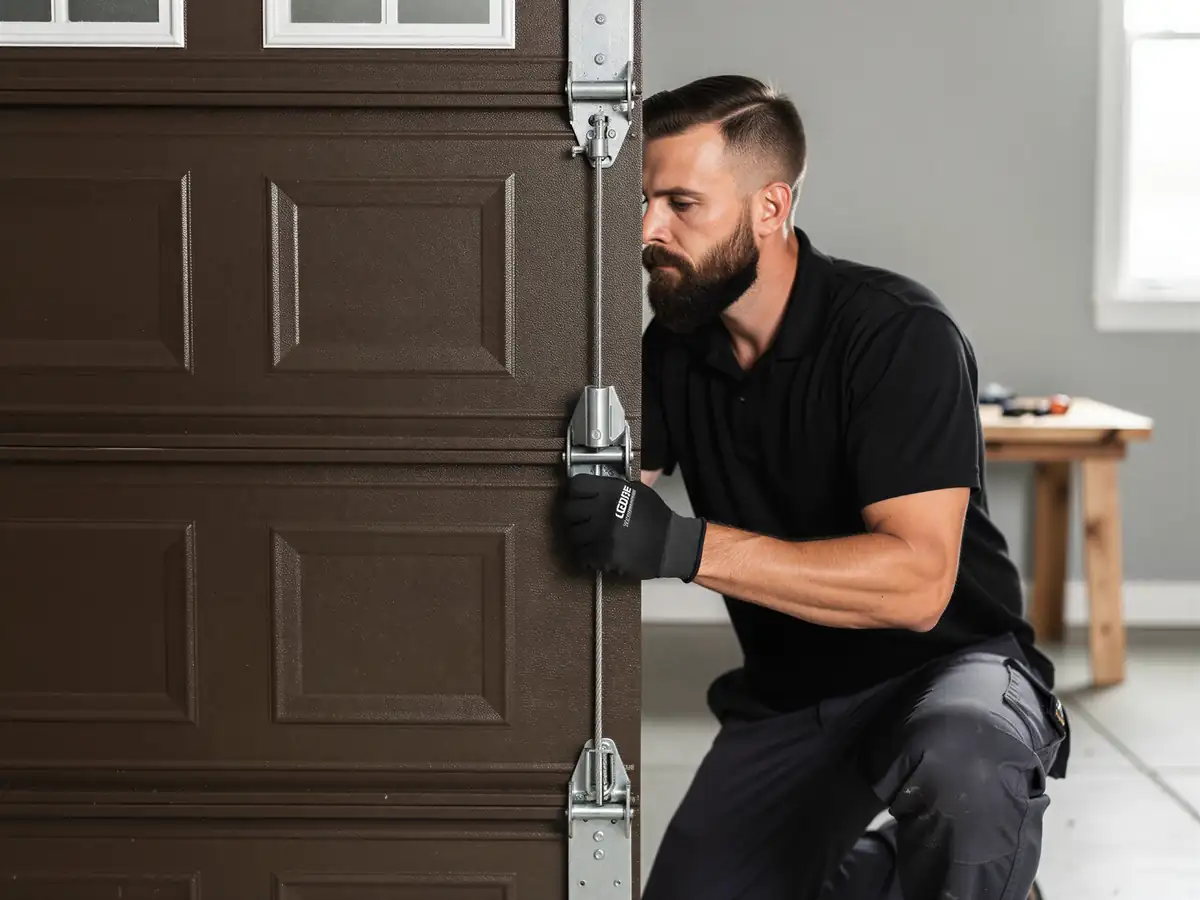
An opener rated for a lighter modern door straining against an older, heavier panel door it was never paired with. Add a winter that puts real cold on steel track and springs, and an opener that's already working harder than it should starts failing faster than it would somewhere with newer doors to match.
It's not that Edgemoor's doors are unusual
It's that the opener and the door are frequently mismatched generations, and that mismatch doesn't show up until something breaks.
How Long It Takes
A straightforward board, gear, or sensor repair on an opener usually runs under an hour once the tech is on site and has diagnosed the problem. Diagnosis itself can take ten to twenty minutes if the fault isn't obvious - intermittent remote issues and wiring faults take longer to chase than a stripped gear that's visibly worn.
If the job turns out to need a full opener replacement rather than a repair, that's a longer visit, and sometimes a second trip if the matching unit isn't something kept in stock for every horsepower and rail length.
We don't promise a same-day window here - we're coming from Wilmington, a short run at 2 miles, but traffic and the rest of the day's schedule still decide when exactly we show up.
What the Fix Involves
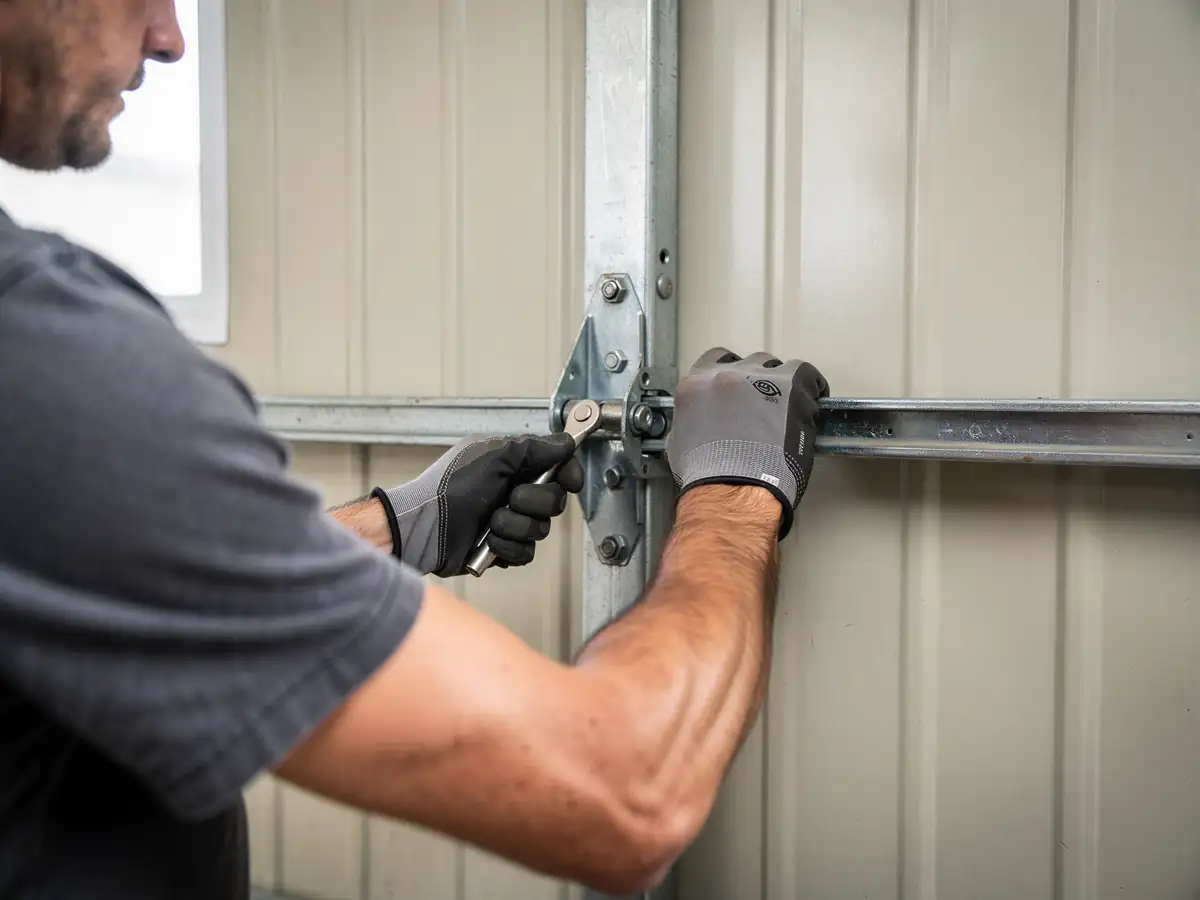
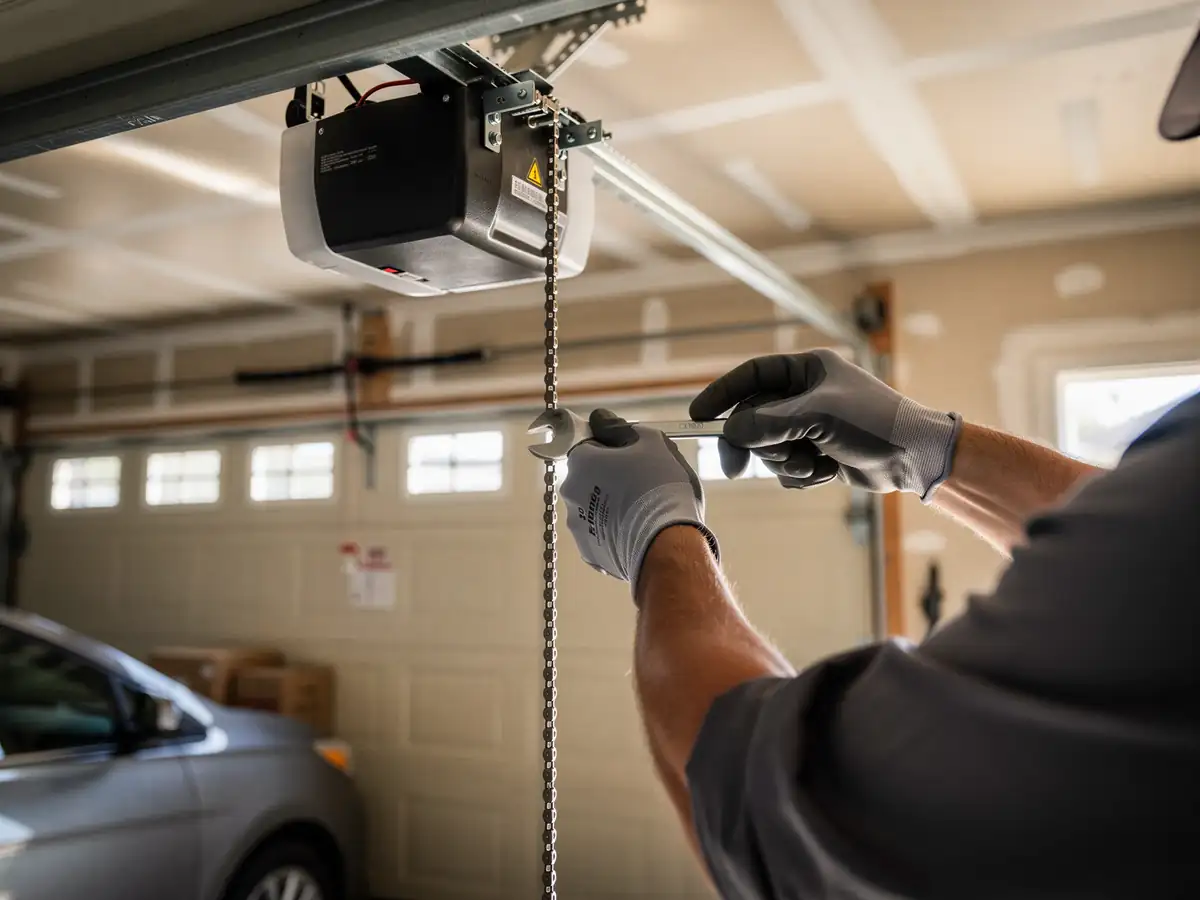
Most opener repairs start with pulling the cover to check the logic board and capacitor, then checking the drive mechanism - chain, belt, or screw - for stripped teeth or a disconnected carriage. Photo-eye alignment gets checked every time, since it's the single most common cause of a door that won't close.
If the opener is original or close to original to the house, replacement parts for some older chain-drive models are getting harder to source - that's the honest limit here. When a specific gear or board isn't available, full opener replacement ends up being the faster and often cheaper fix than waiting on a discontinued part.
Once the mechanical fault is fixed, we test full open-close cycles and the auto-reverse safety feature before calling the job done. A door that closes but won't reverse off an obstruction isn't actually fixed.