What Is on the Truck
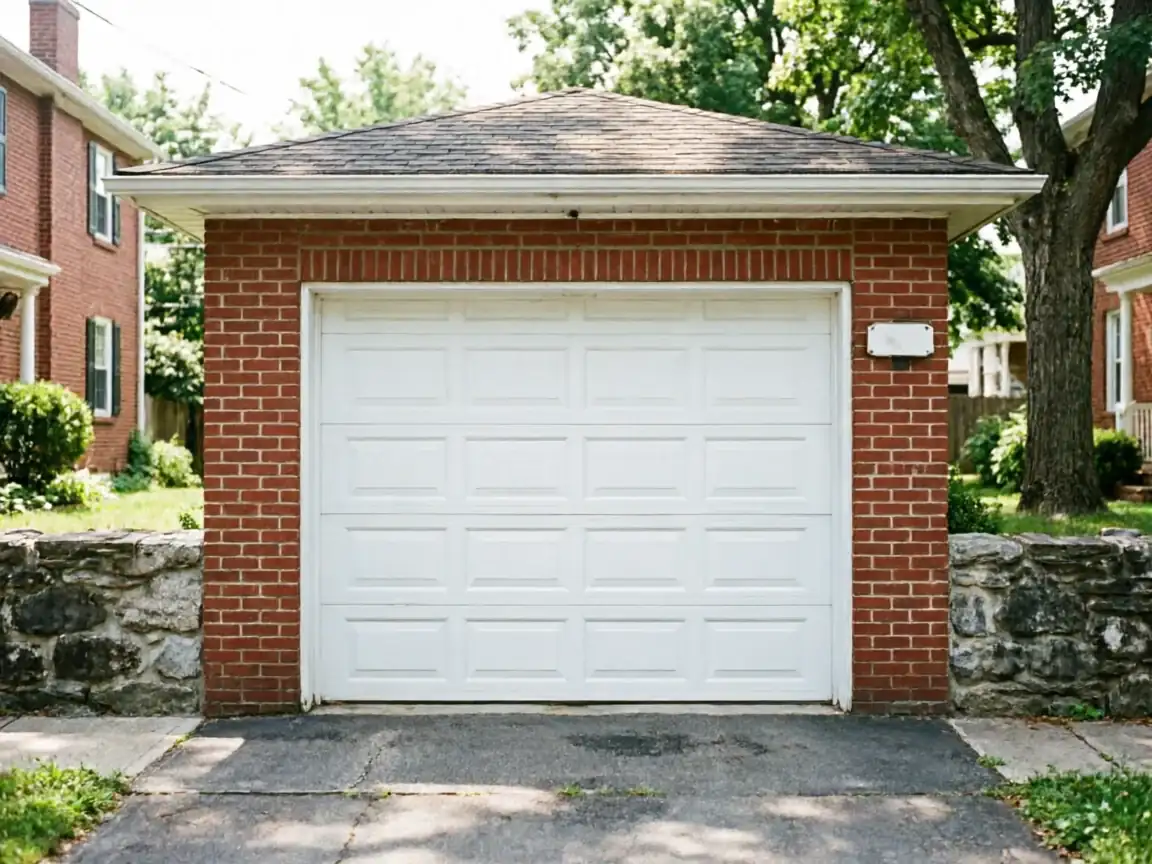
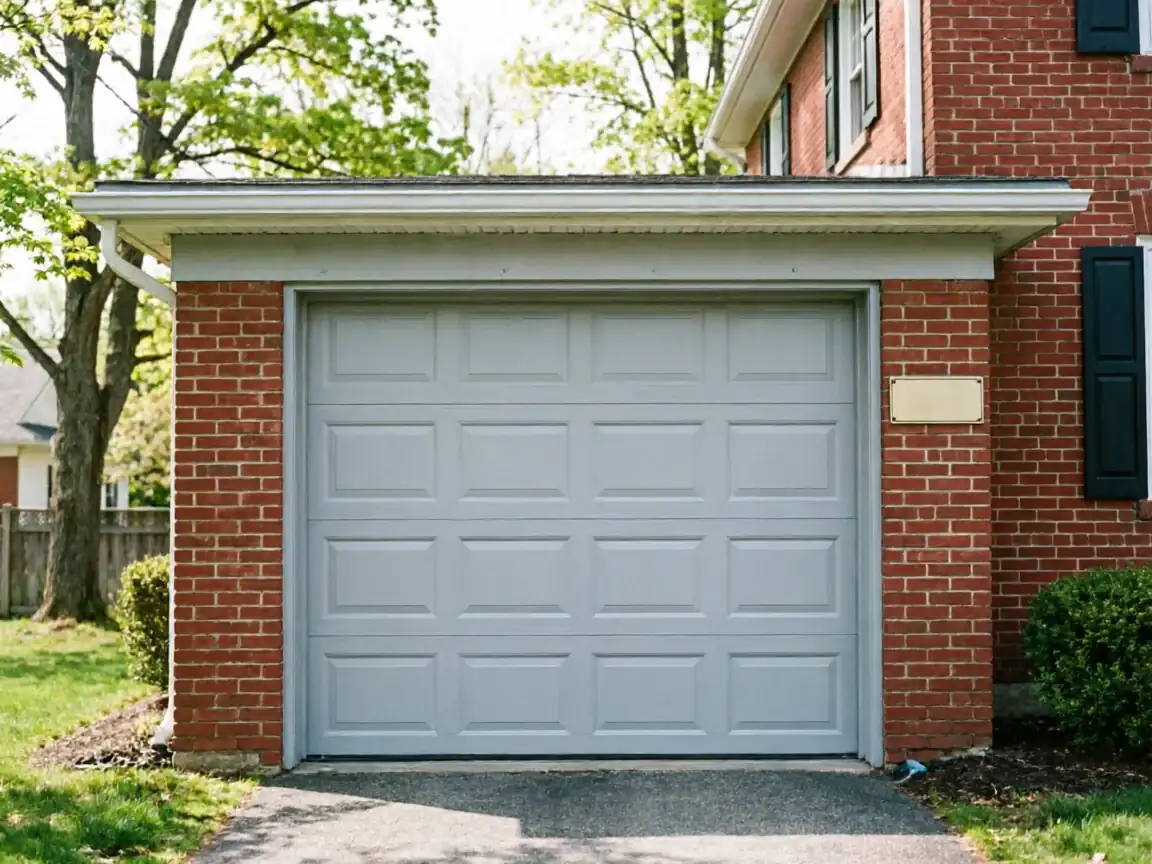
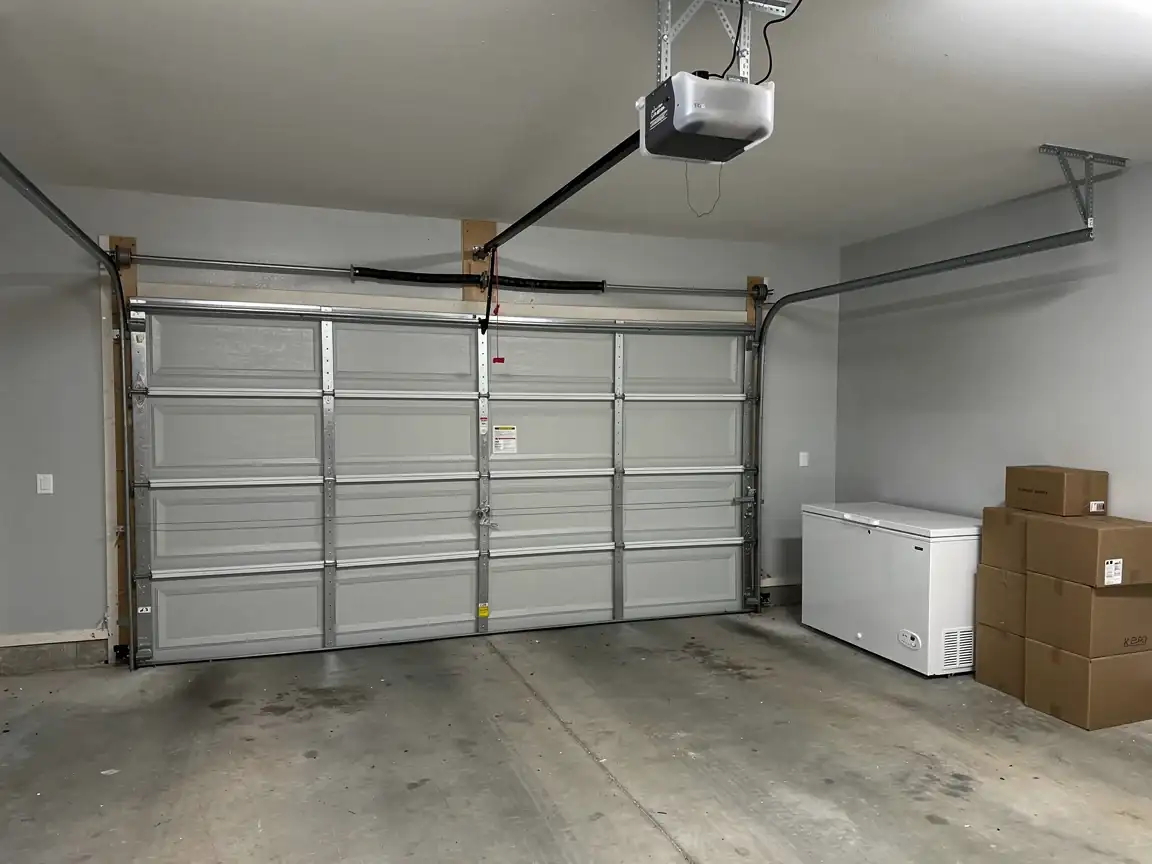
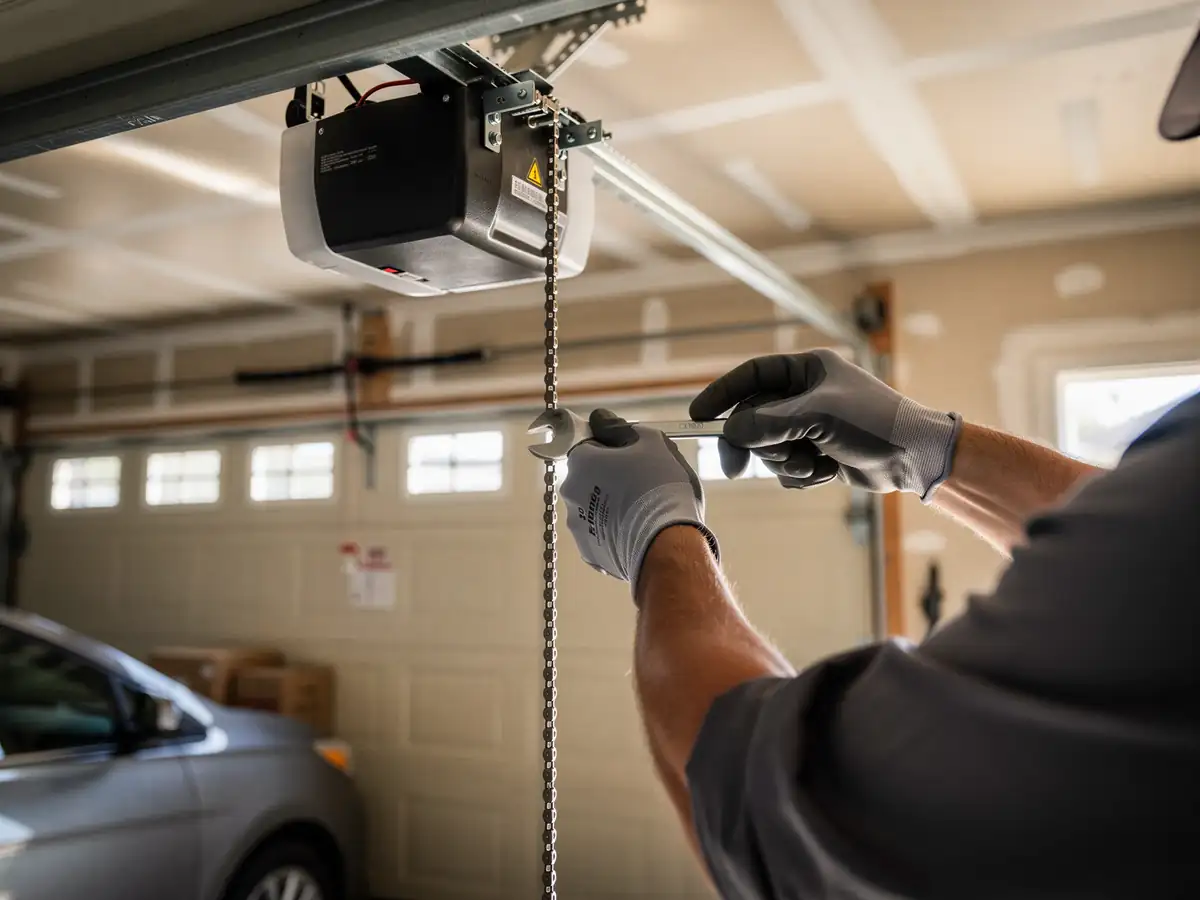
For a straight opener swap we carry the chain and belt drive units most homeowners ask for, plus the longer rail sections that older single-car bays in this part of the county tend to need - many of these garages were built narrower and taller than what current opener kits assume as standard. We stock the safety sensor pairs separately too, since original garages from this era often have none at all, meaning the whole photo-eye bracket run has to be added, not just swapped. What we don't carry on the truck is specialty low-headroom hardware for bays with almost no clearance above the door - that's a special order item, and if your garage needs it we'll tell you up front rather than make you wait on-site for a part that isn't coming.
What You Are Seeing
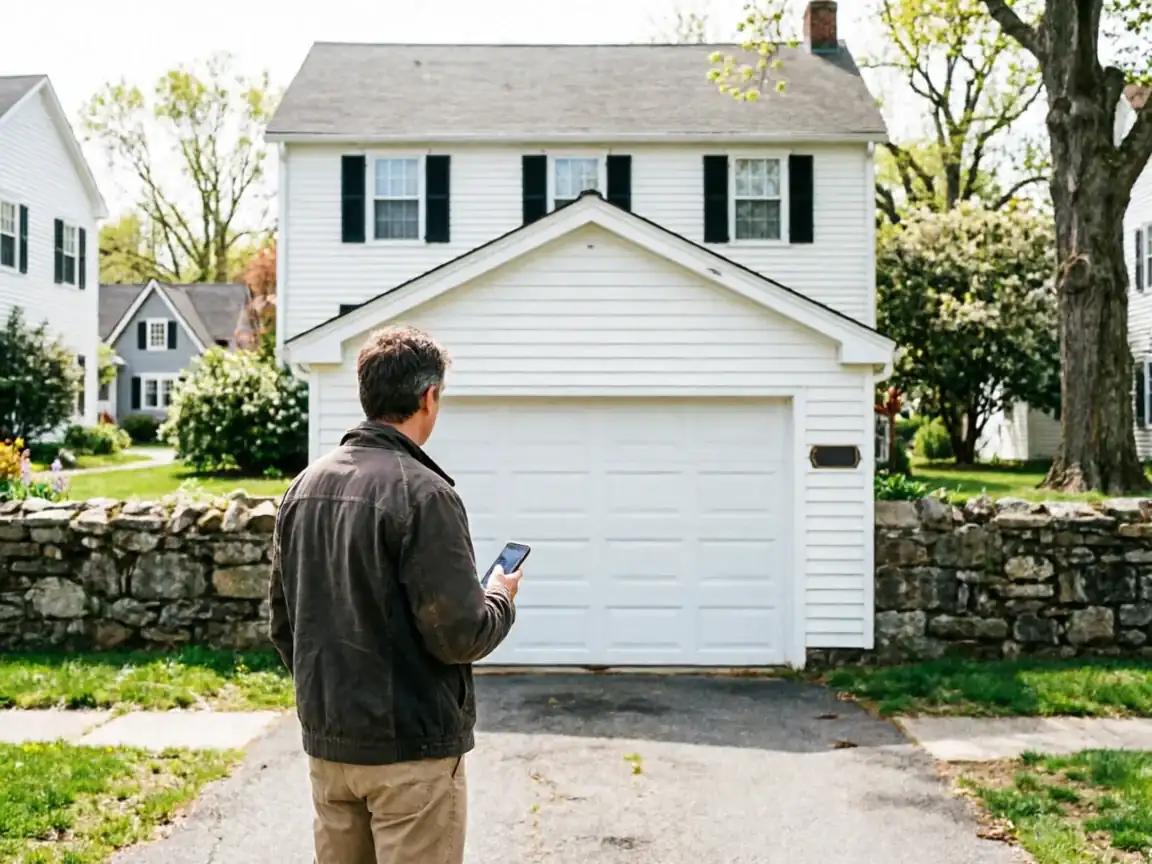
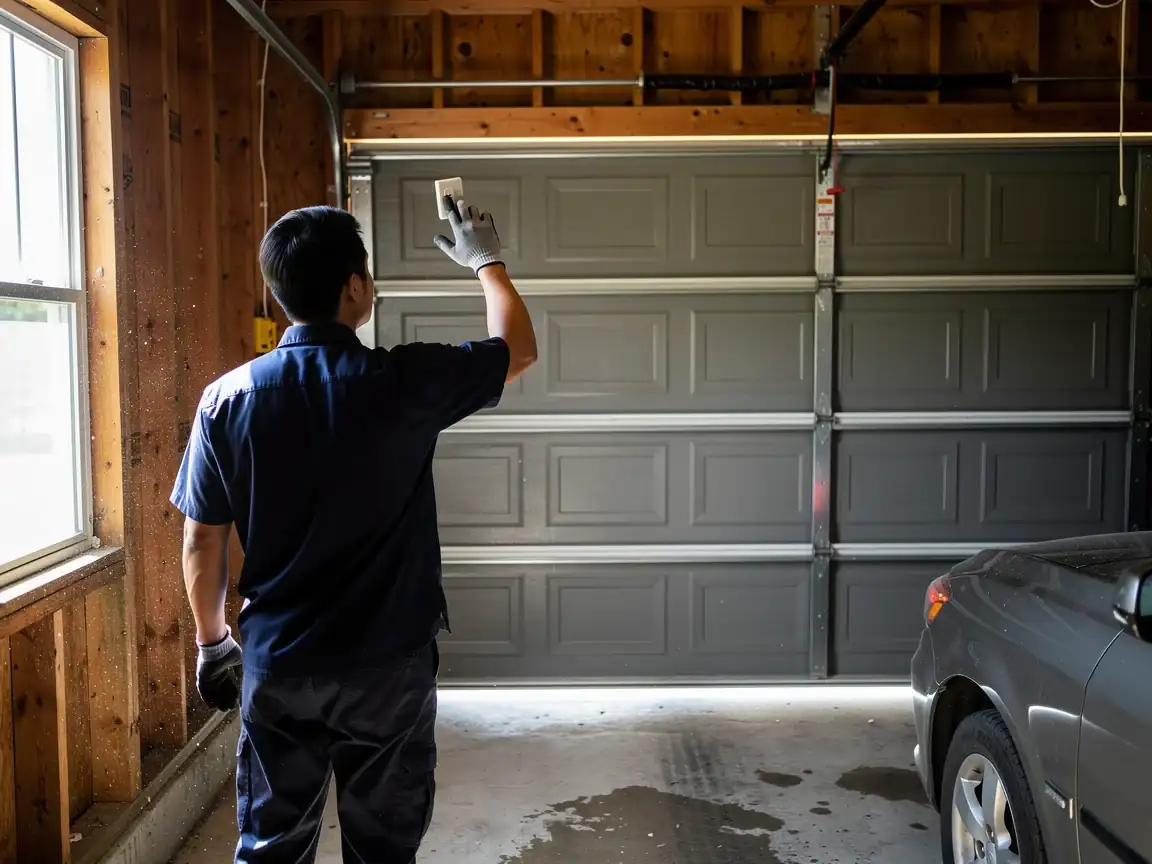
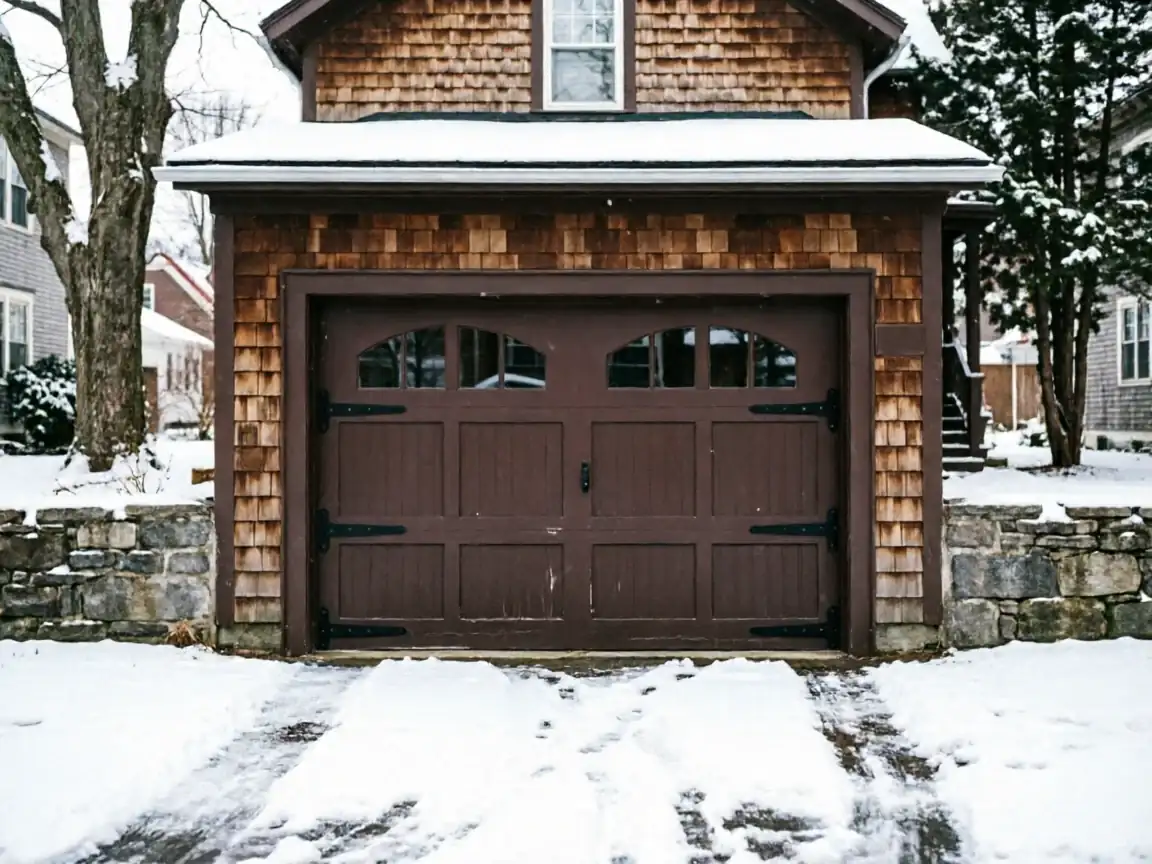
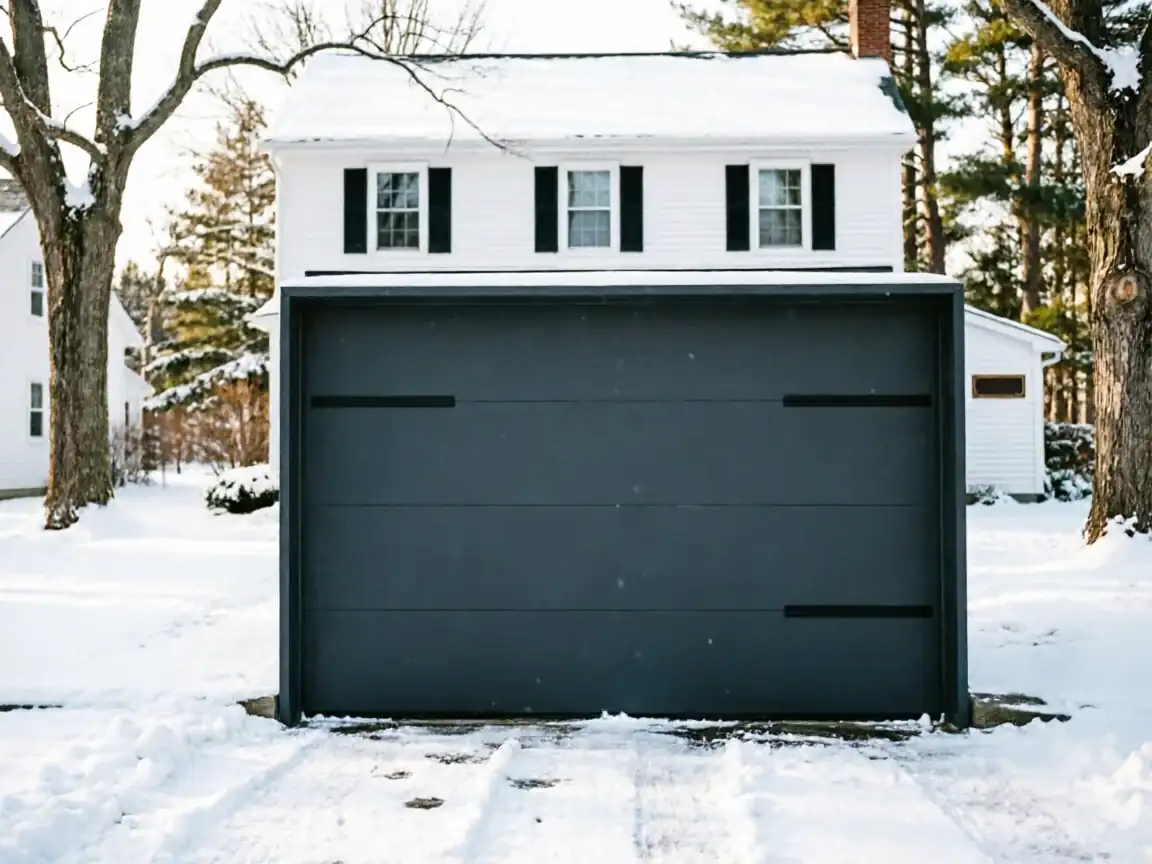
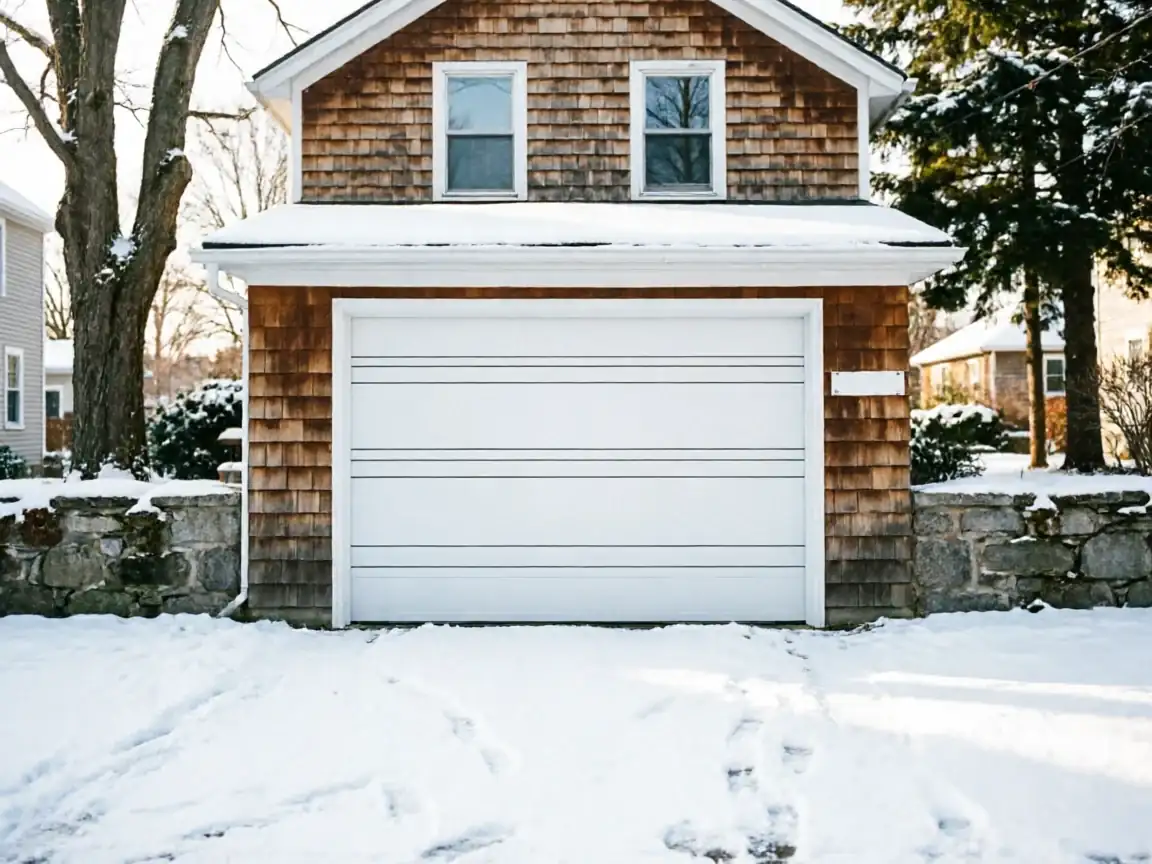
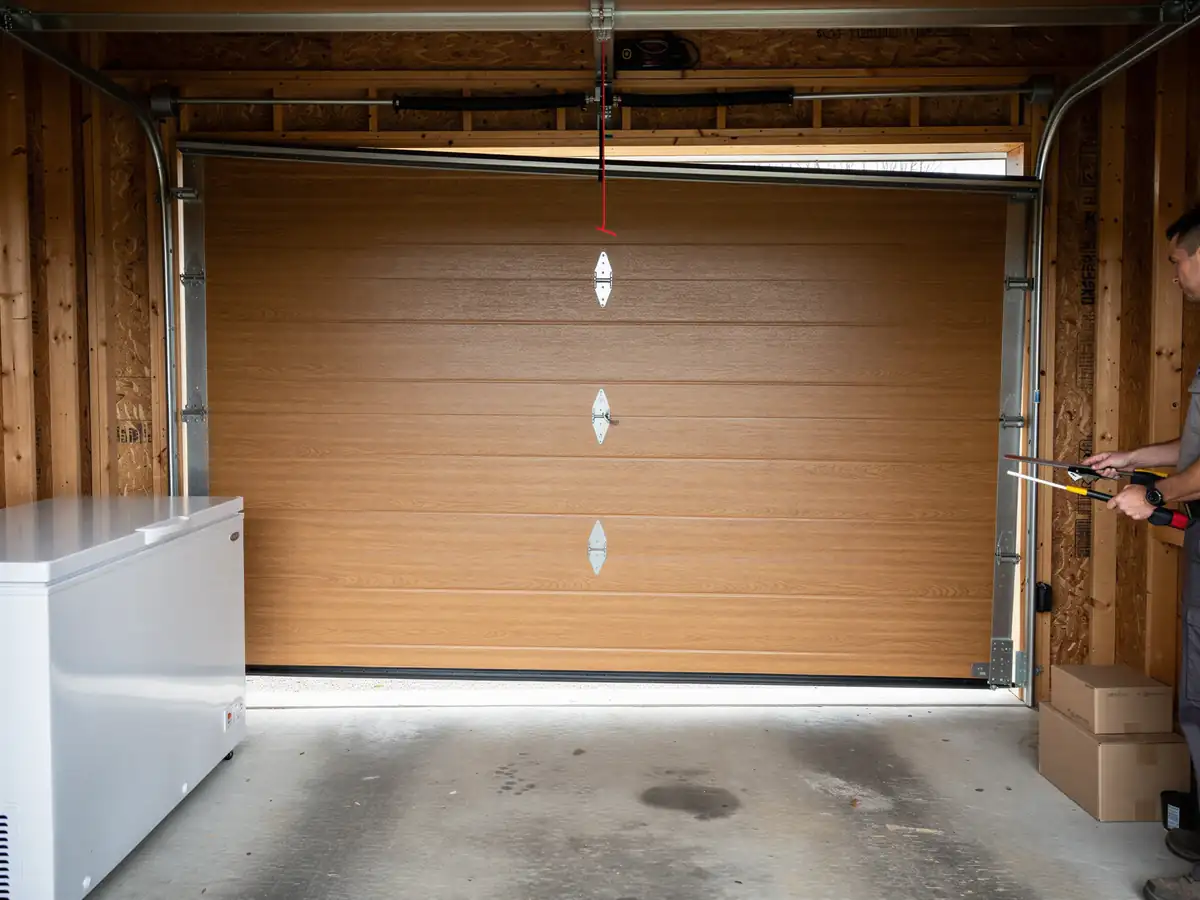
The usual complaint from a house in this stretch is a door that opens partway and stops, or a motor that runs but the door doesn't move - on an opener this old, that's almost always the drive gear stripped inside the unit, not the door itself. Some owners also notice the opener runs but there's no light, no auto-reverse, and no wall button beyond a single switch - a sign the unit predates the safety standards that came later, and swapping it out is really the only sound fix rather than a repair. Given the cold winters this area sees, a chain drive that's gone stiff or noisy over a season is common too - cold makes old grease seize before anything actually breaks.
How Long It Takes
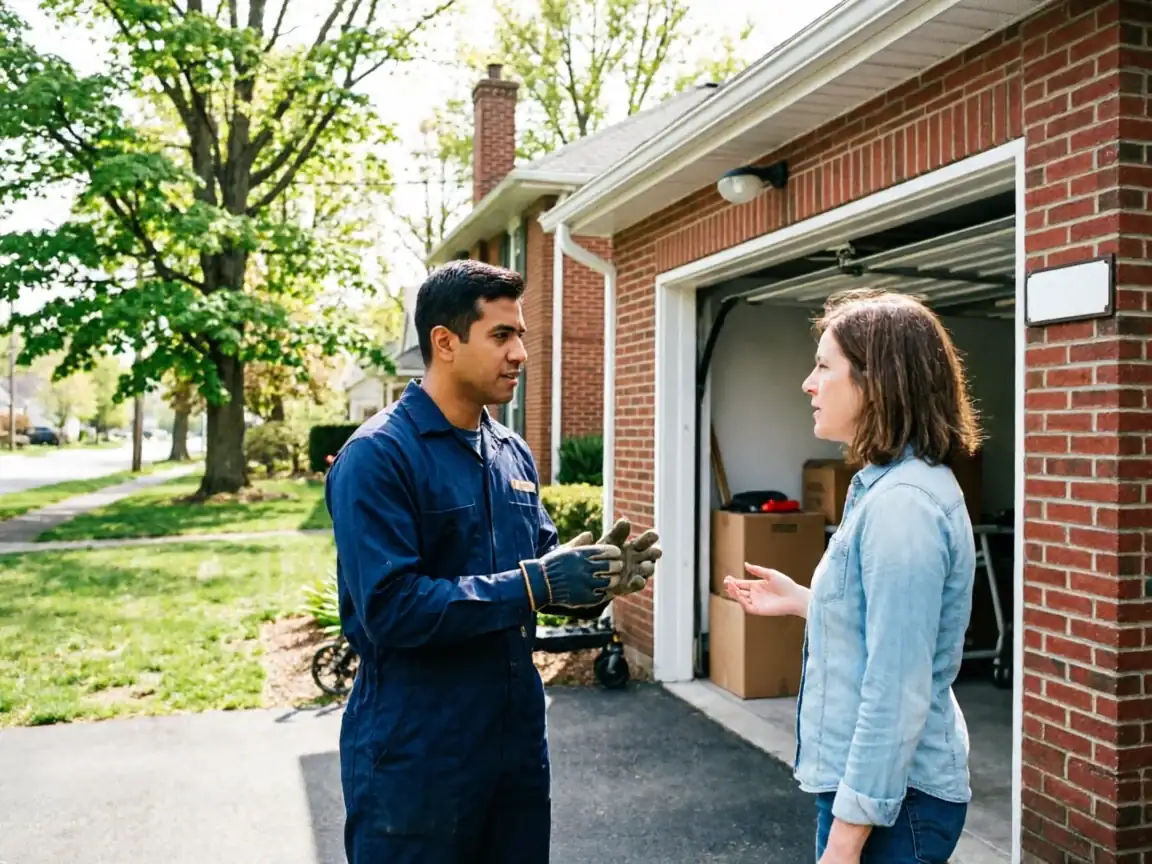
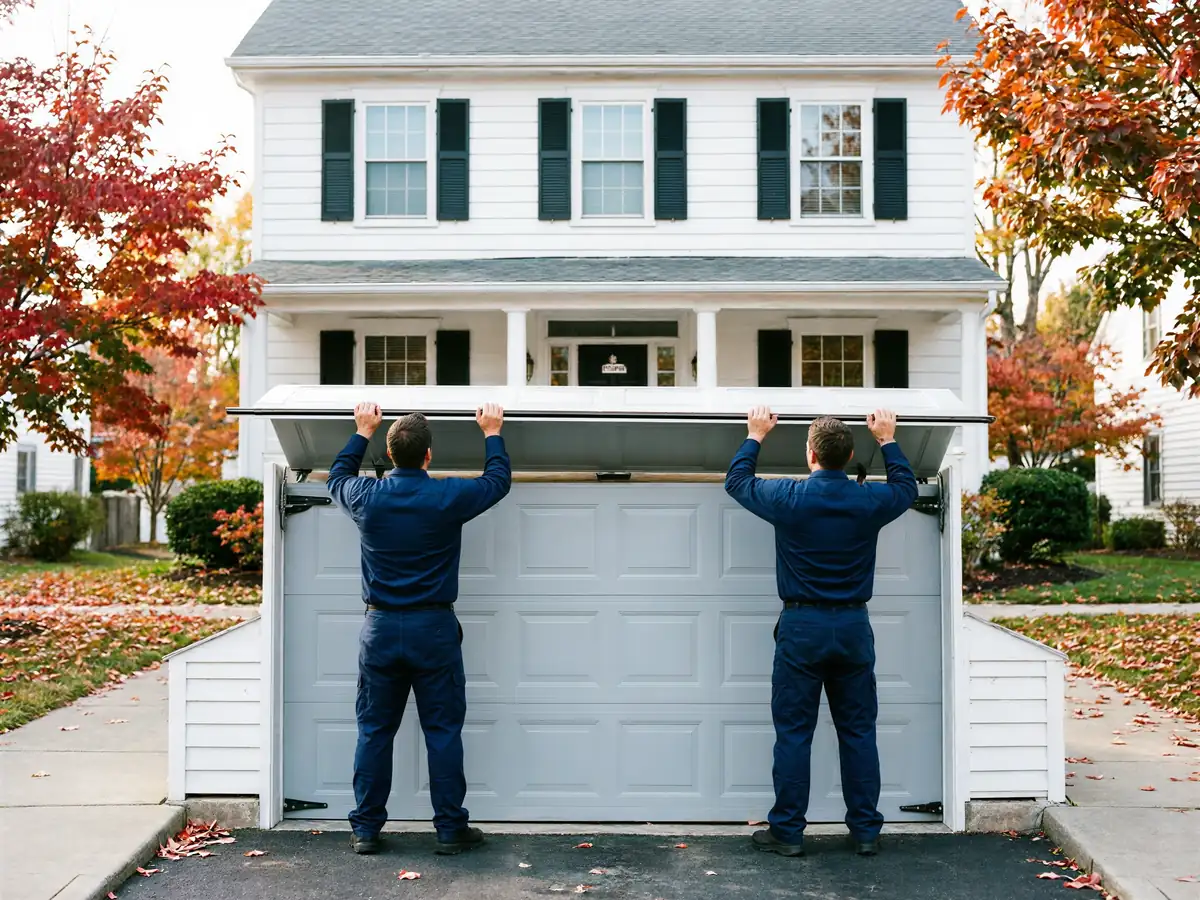
A straight swap, where the existing bracket and rail positions are still sound, is a few hours of work. Add in new header reinforcement, sensor brackets that didn't exist before, or a rail length change because the old track is too short for a modern unit, and it runs longer. We won't quote a single number here because the right answer depends on what's actually behind your header once we open it up - and on an older house like the ones common in Edgemoor, we don't know that until we're on the ladder looking at it.
What the Fix Involves
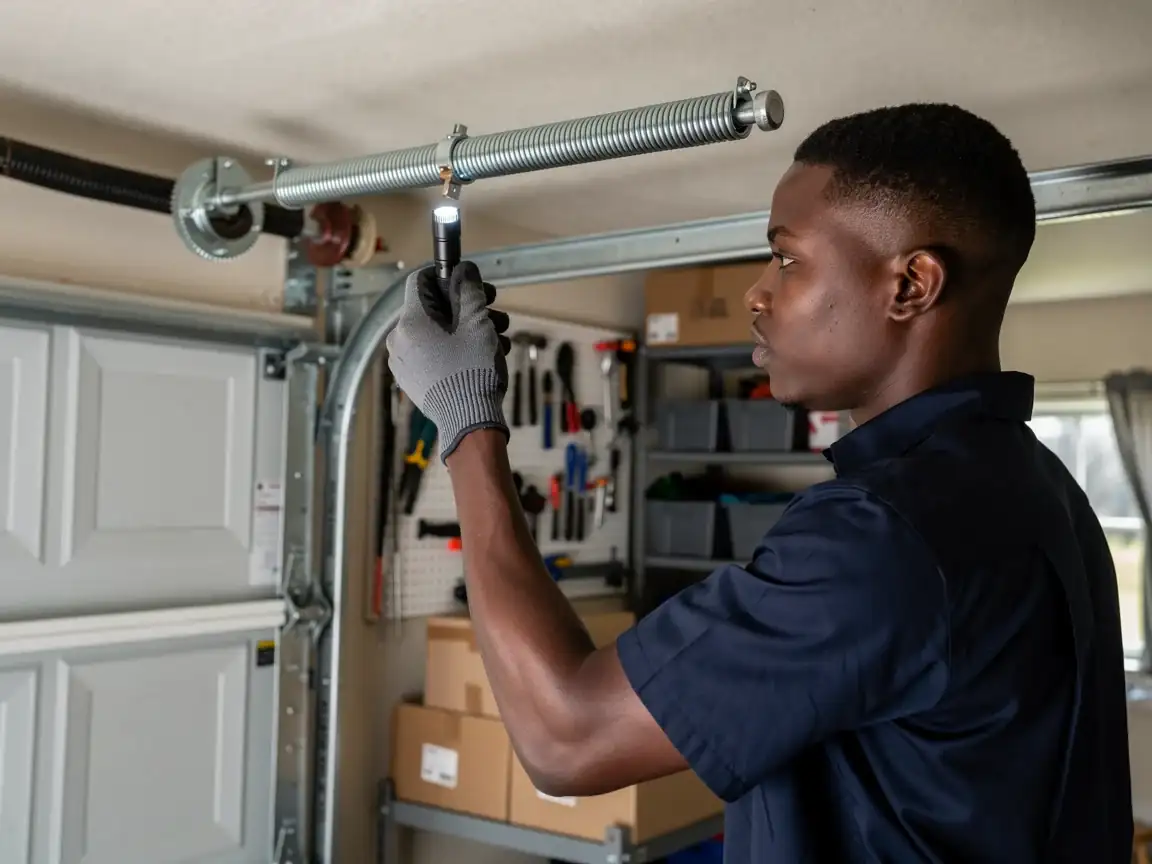
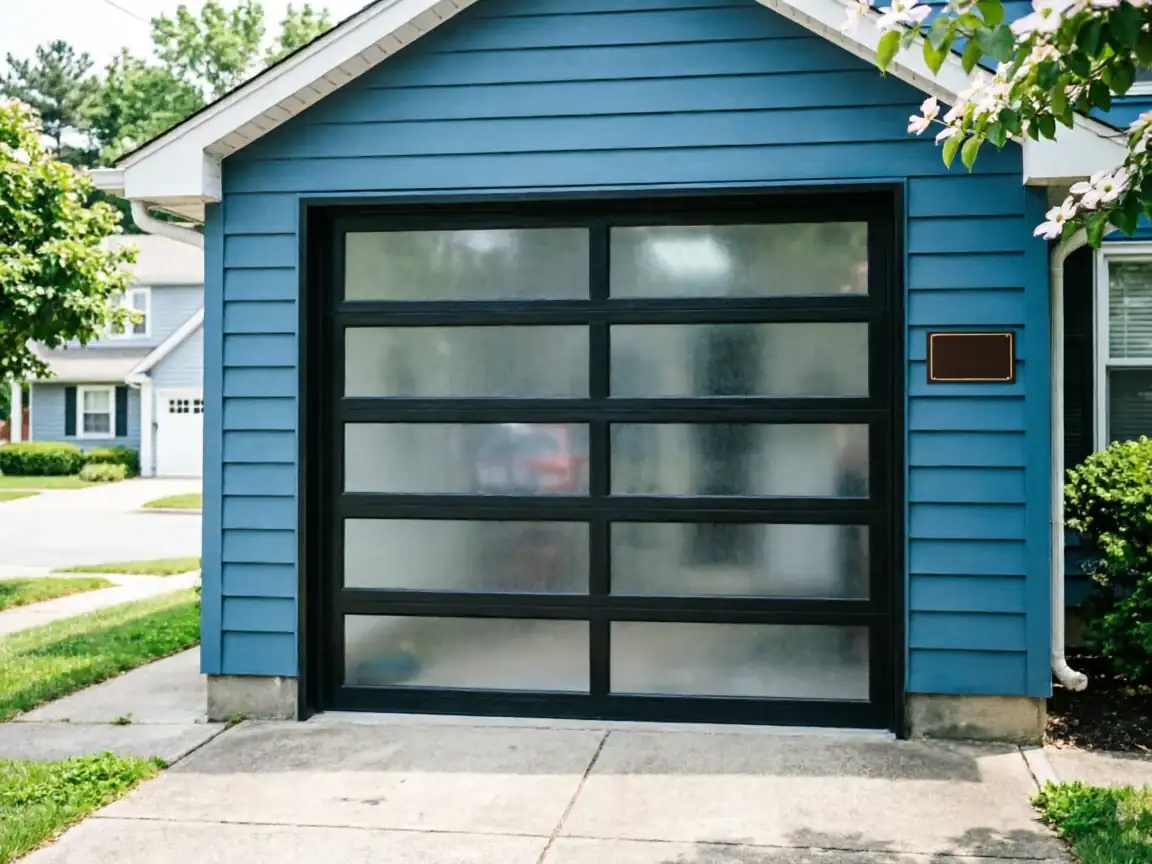
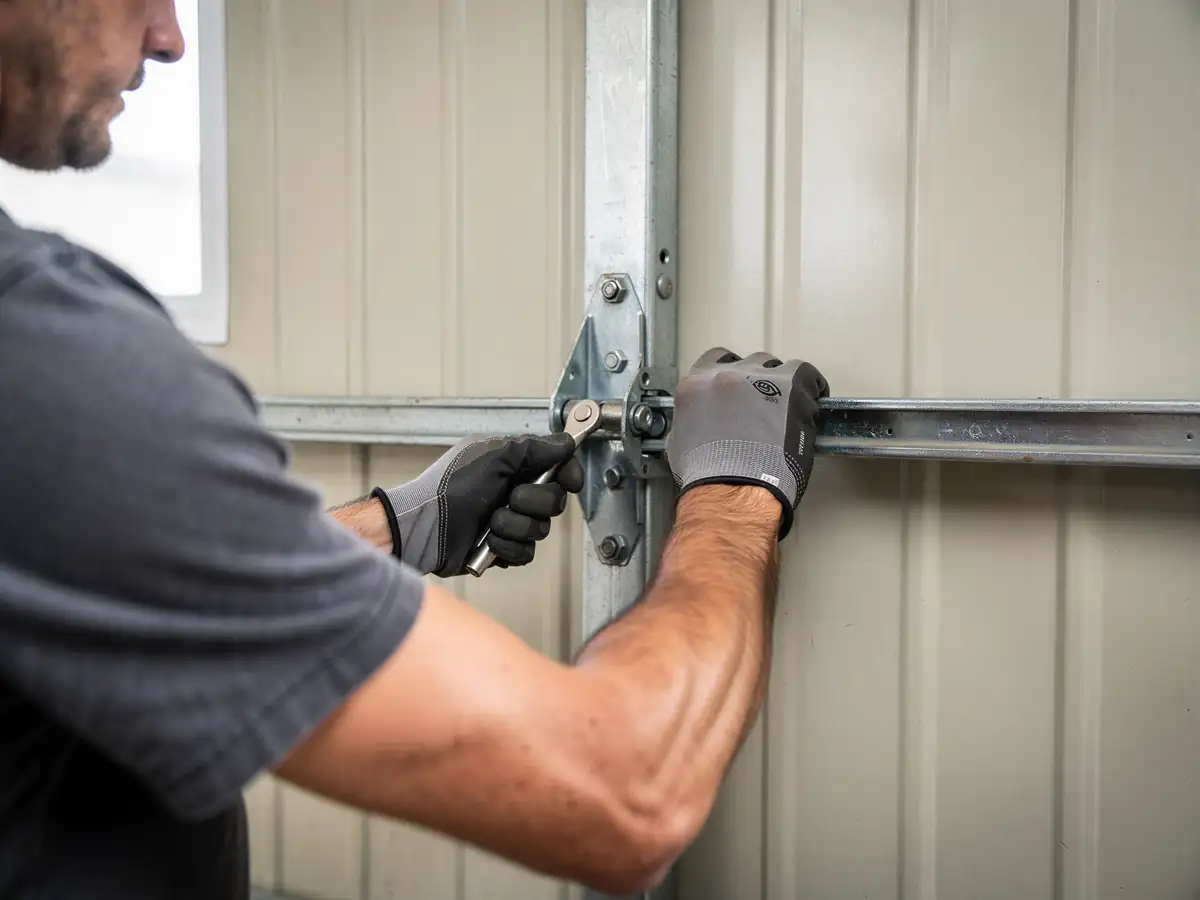
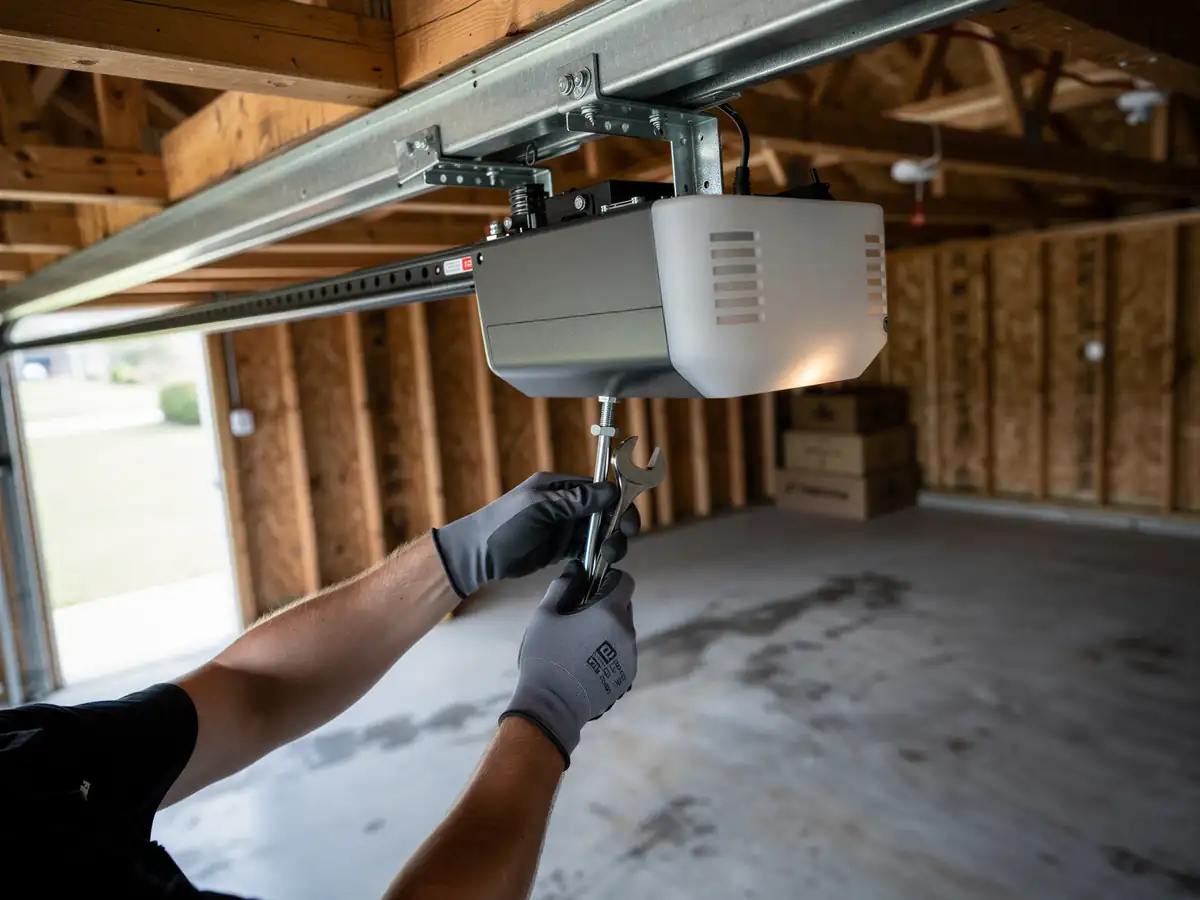
The job starts with pulling the old unit and checking what the header and rail bracket are actually rated for - on houses from this era that's rarely documented, so we test it rather than assume. If the structure's sound, we mount the new rail, install the motor head, and add the sensor pair most of these garages are missing. If the header's not solid enough for a heavier modern opener, we reinforce it before the motor goes up - skipping that step is how you end up with a sagging rail six months later. Last step is setting the force and travel limits to the specific door, since a door sized for a narrower 1950s bay needs different settings than the openers are shipped defaulted to.