Serving Wilmington, DE & nearby
(302) 208-9791
Wilmington, DE

Garage Door Service for Edgemoor's 1950s Housing Stock

Edgemoor homes went up around 1957, mostly on original steel hardware. We travel in from Wilmington, 2 miles out, to fix or replace what that era actually needs.

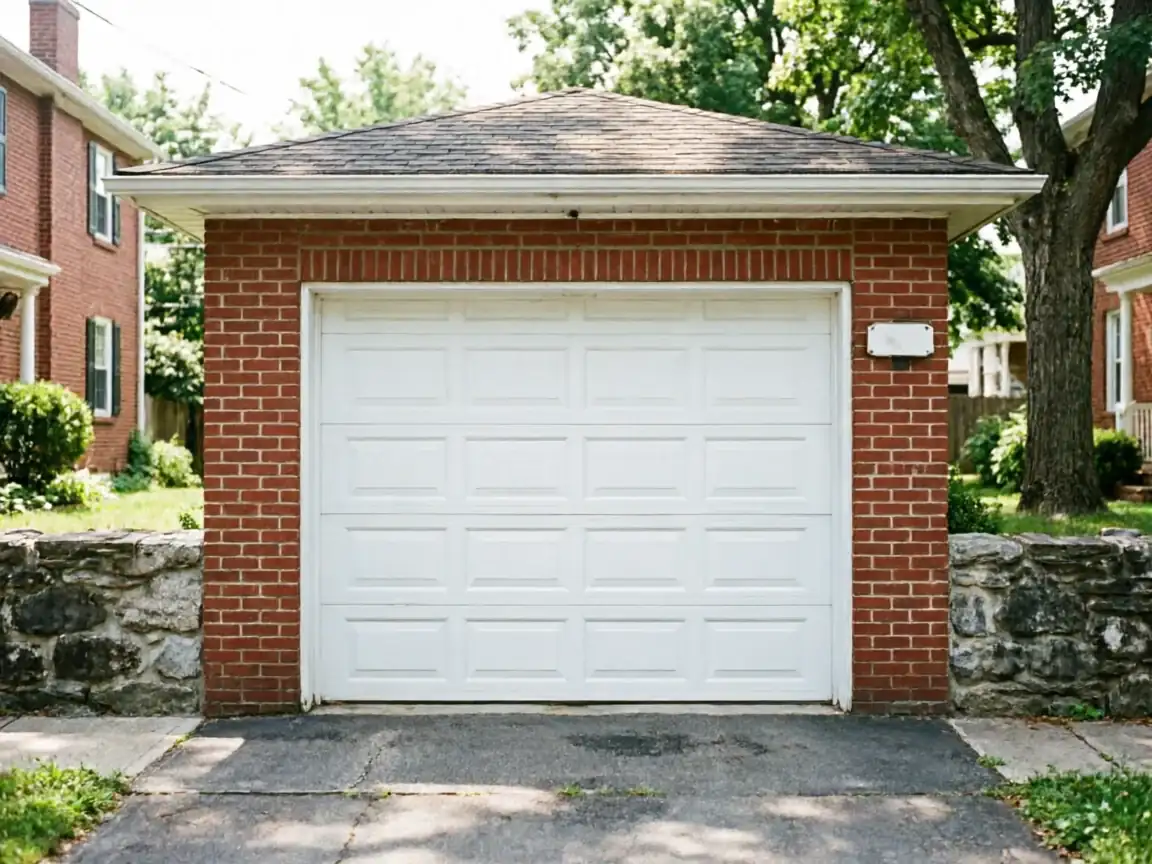
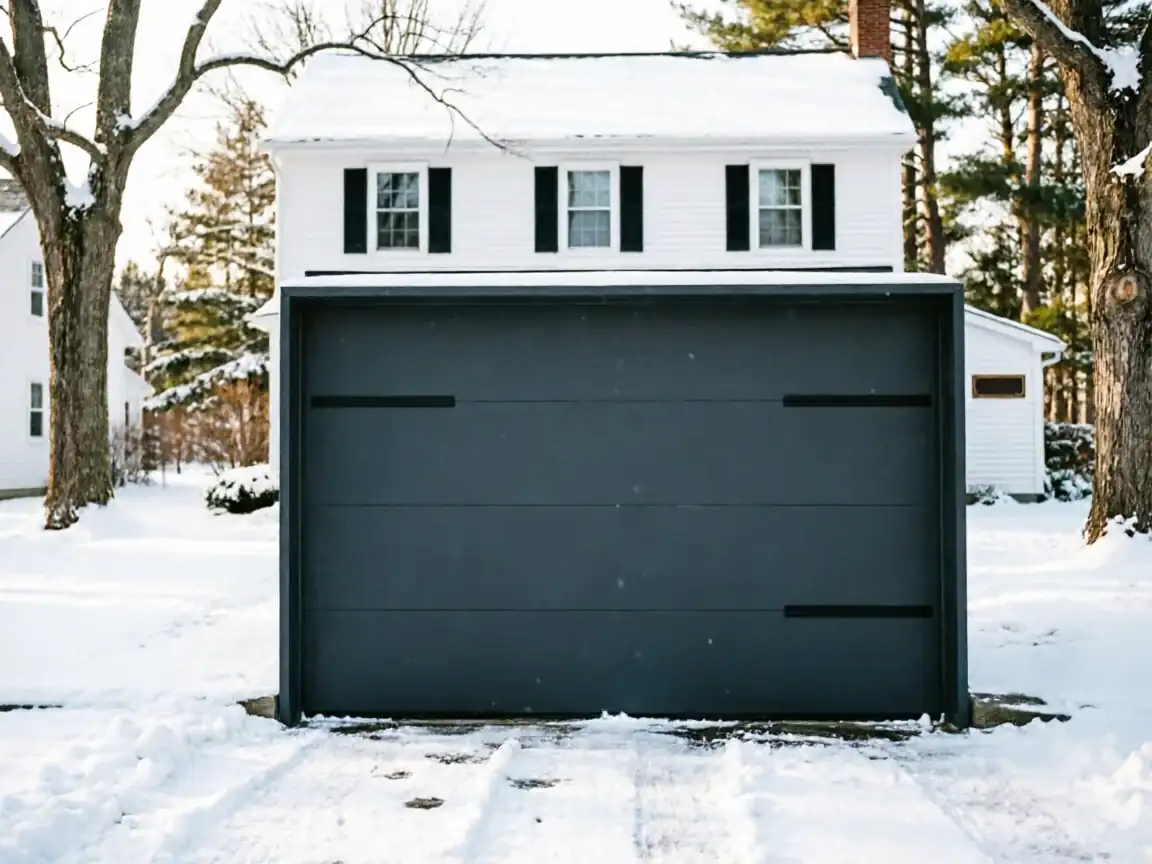
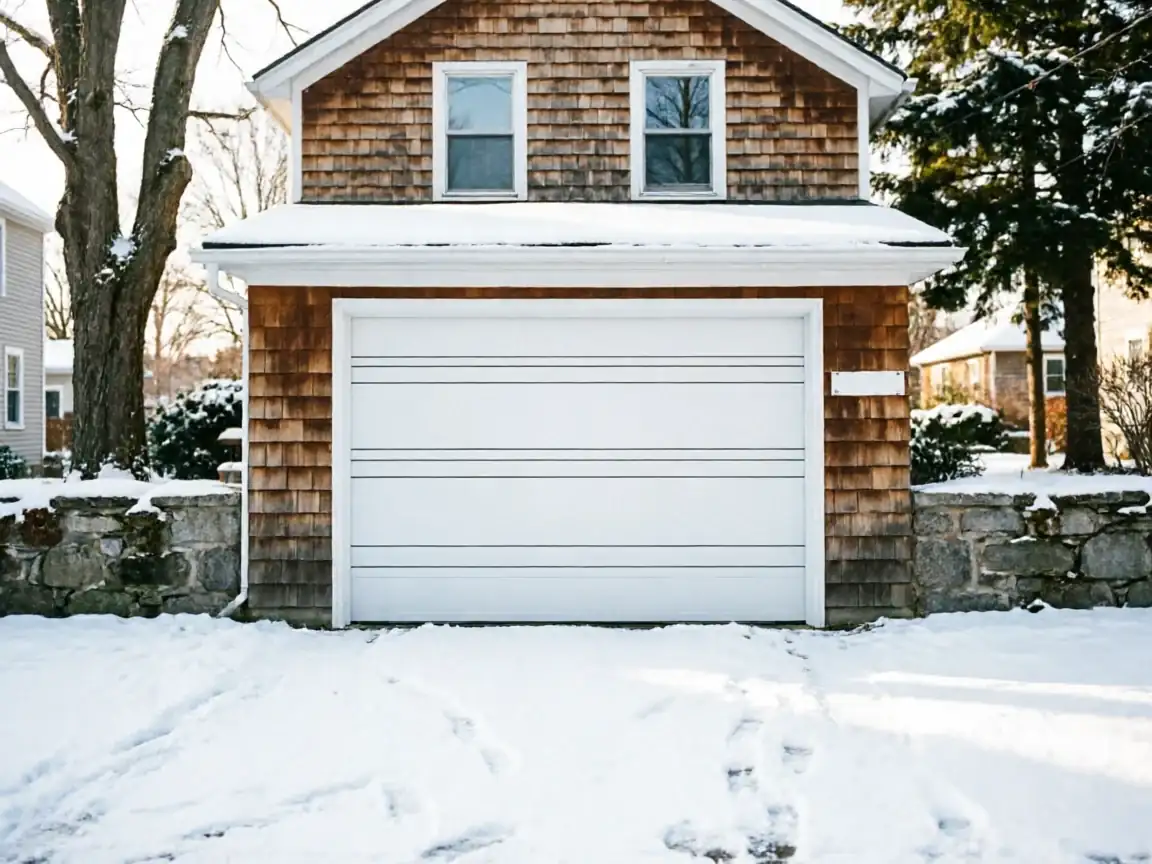
The house has a white garage door, cedar shake siding, and a snow-covered driveway.
Wilmington, DE
8 services
7 service areas
Diagnosis first, then the fix

Doing It Yourself

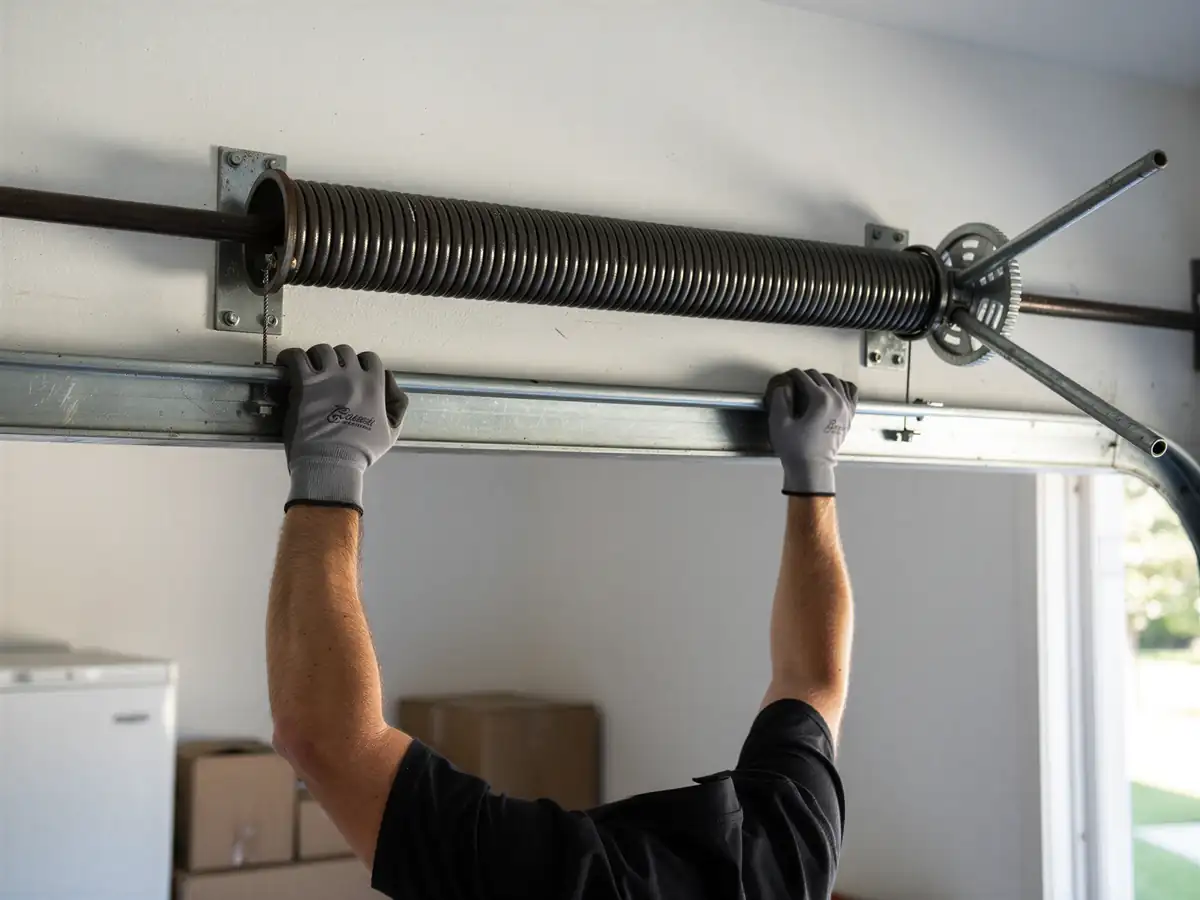
At a median household income of $79,572, Edgemoor sits below the wider service area's $87,826, and that gap matters more than people think when a door quits. On a house built around 1957, a full replacement can run well past what a working family budgets for a weekend project, so the instinct to tighten a bolt or grease a track yourself makes sense. The trouble is the hardware on a house this age is often the original steel track and a spring system that was never meant to be adjusted without the door coming down on someone. If the door is off its track, binding, or the spring is visibly separated, that's not a tightening job. A torsion spring under tension can break a hand or worse. Where DIY genuinely helps: lubricating rollers and hinges, clearing debris from the track, and testing the auto-reverse safety eye. Where it doesn't: anything involving the spring, the cable drum, or bent track rail. On a 1957-era door, the track gauge and spring winding cone are often different from what a big-box hardware kit assumes, and forcing a modern part onto old brackets usually makes the next repair worse, not easier.

What Is on the Truck

Because this job comes out of Wilmington rather than a depot sitting in Edgemoor itself, the truck is loaded before the call, not after. For a neighborhood built mostly in the late 1950s, that means torsion springs sized for the narrower, single-car and modest double-car openings common to that era, plus the older-style lift cables and drums that don't match what's sold for newer 16-foot double doors. We also carry a range of roller and hinge sizes, since a house from 1957 has usually been through at least one hardware replacement already, and what's on the door now may not match what was original. We don't carry every panel style ever made. If the repair needs a specific discontinued panel for a door no longer produced, we'll tell you that on site rather than guess.

What You Are Seeing

On a door from a house built around 1957, the common complaint isn't a dead opener, it's a door that's heavy, slow, or crooked on one side. That's usually a spring losing tension after decades of cycles, or a cable that's started to fray off an original drum. You might also see a door that reverses partway up, which on hardware this old is often a bent track rather than an electronic sensor issue, since the auto-reverse photo-eye requirement came along well after these doors were installed. A door that slams the last foot of travel, rather than settling, points to a spring that's lost most of its lift and is close to letting go entirely.

Why This Fails Locally

Edgemoor's housing dates to a median build year around 1957, well before the area's broader 1940-2001 range centers closer to 1965, and that earlier build date is what drives the specific failures here. Delaware's climate band is classified cold and severe, and a steel torsion spring that's been through roughly seven decades of winter contraction and summer expansion fatigues differently than one installed in the last fifteen years. The galvanized coating on original 1950s track and hardware wears thin, and once it does, rust sets into the roller channel faster in a cold-severe climate than in a mild one. None of this is dramatic failure, it's slow fatigue that shows up as noise first, then drag, then a spring that lets go without warning.

How Long It Takes

A straightforward spring replacement on a single-door opening, once we're on site, is typically finished within the hour. Where Edgemoor adds time is diagnosis: on a 1957-era door, we often spend extra minutes confirming the track gauge and drum size before pulling parts off the truck, since this vintage doesn't always match the sizing charts for post-1990 doors. If a full door replacement is warranted instead of a repair, that's scheduled separately once the opening is measured and a replacement unit matched. We travel from Wilmington, about 2 miles to Edgemoor, so the job starts once the truck arrives, not before.

What the Fix Involves

For spring replacement on an original 1950s double-torsion setup, the fix means replacing both springs as a set, even if only one has failed, because the surviving spring is nearly always close behind on an opening this old. Cables, drums, and end bearing plates get inspected at the same time, since on a door this age they've usually never been replaced and are due. If the track is bent rather than just worn, straightening sometimes works, but on hardware base this old, we're honest when replacement makes more financial sense than repeated patching. At $79,572 median income, that repair-or-replace call matters, and we won't recommend a full door on a house where tightening the existing track and swapping the spring set will get another decade out of it.
How it works

From “it’s stuck” to “it’s fixed”

A quick, honest process - no guesswork and no surprises, start to finish.

  1. 1
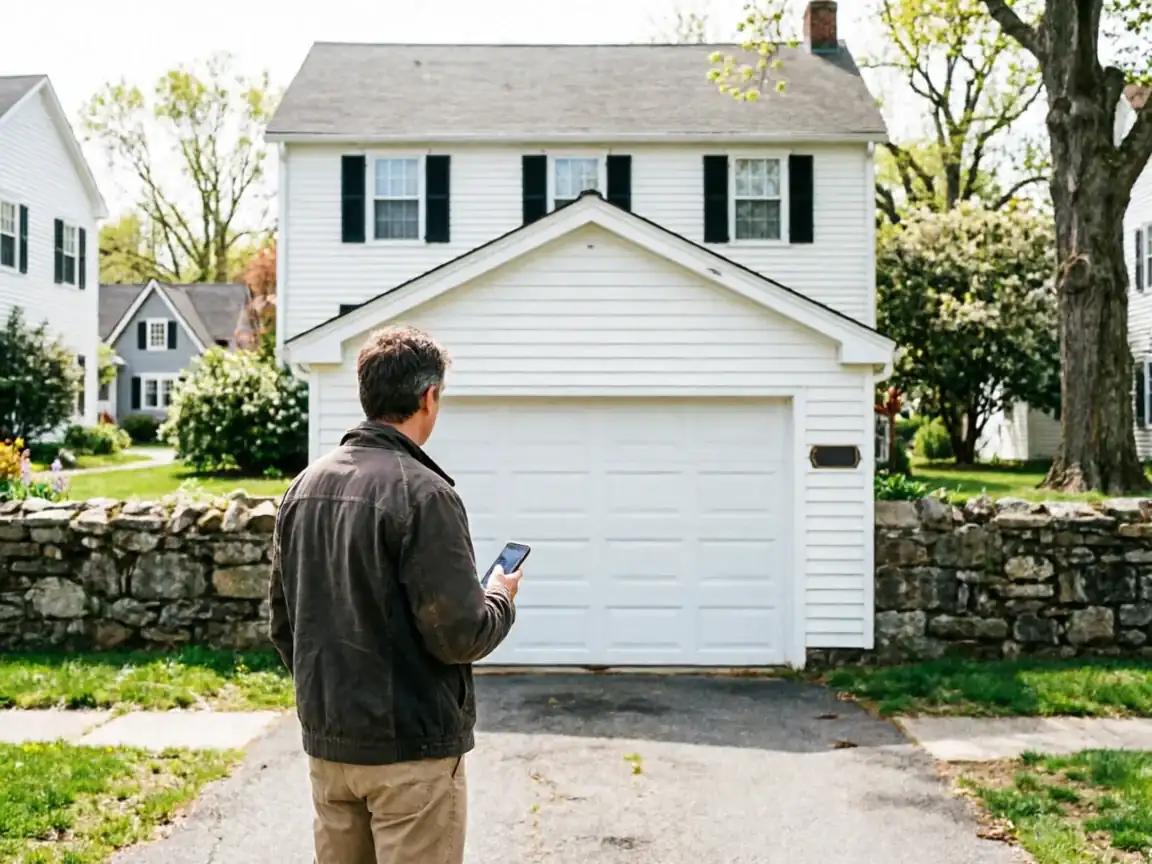
    A man stands in a driveway holding a phone, facing a white garage door.

    Tell us what’s wrong

    Describe the symptom - won’t open, loud bang, opener runs but the door won’t move.

  2. 2
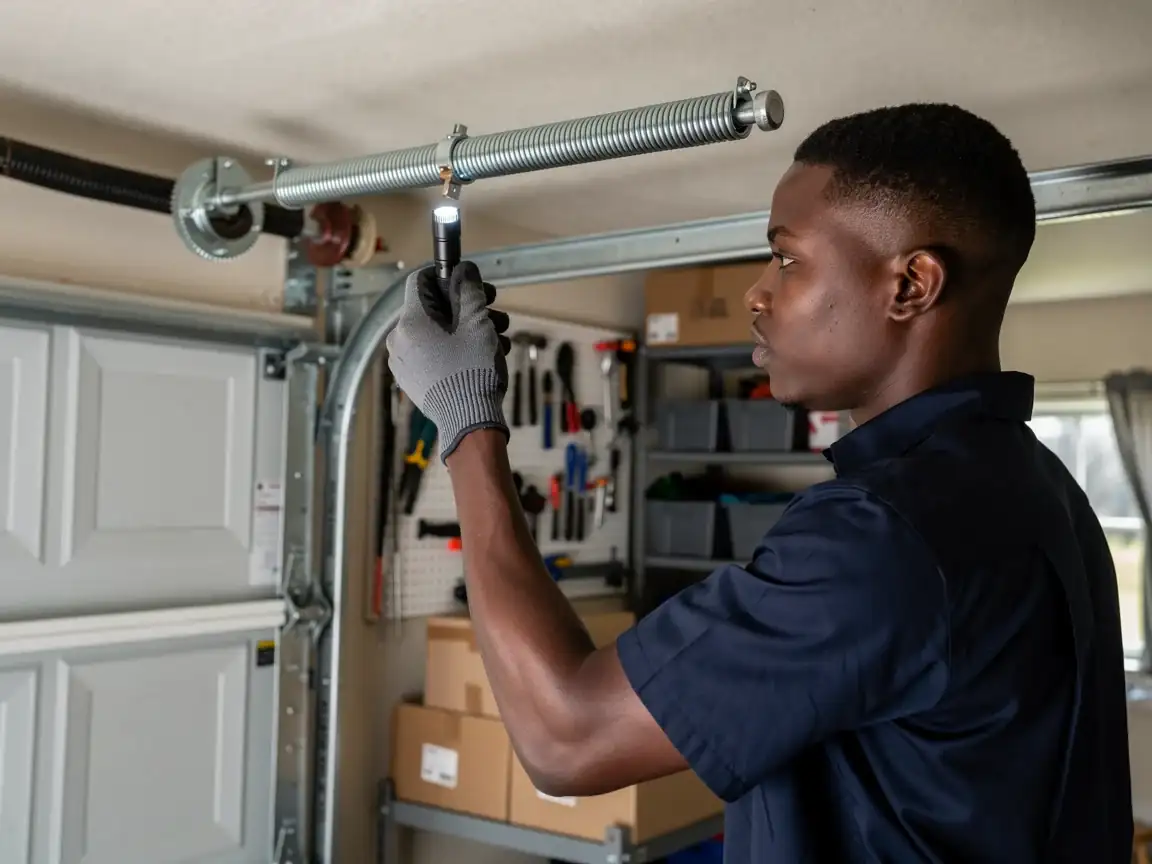
    A technician in a dark blue shirt inspects a garage door torsion spring with a flashlight.

    On-site diagnosis

    A technician tests the door under power and by hand and finds what actually failed.

  3. 3
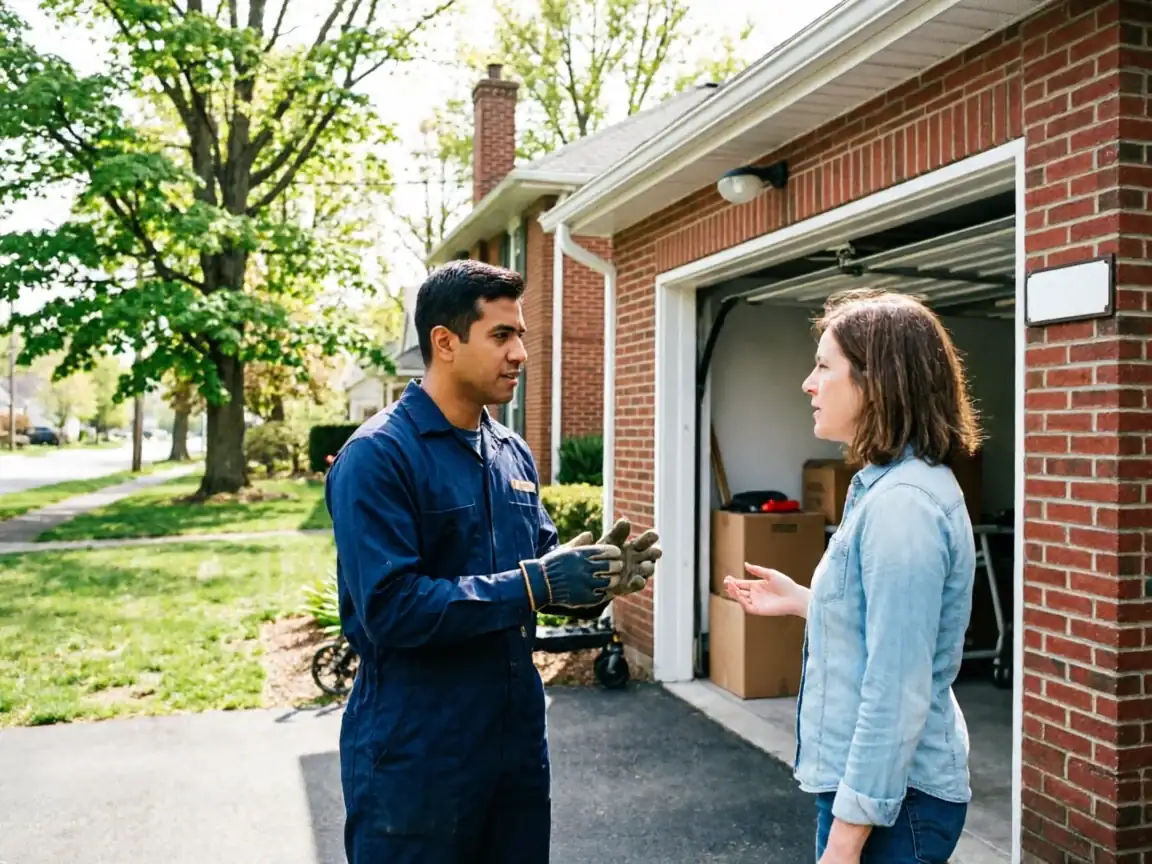
    A technician in a blue uniform talks to a woman in front of a brick house with an open garage.

    Clear, up-front plan

    You get the fix that’s needed and what drives the cost - before any work starts.

  4. 4
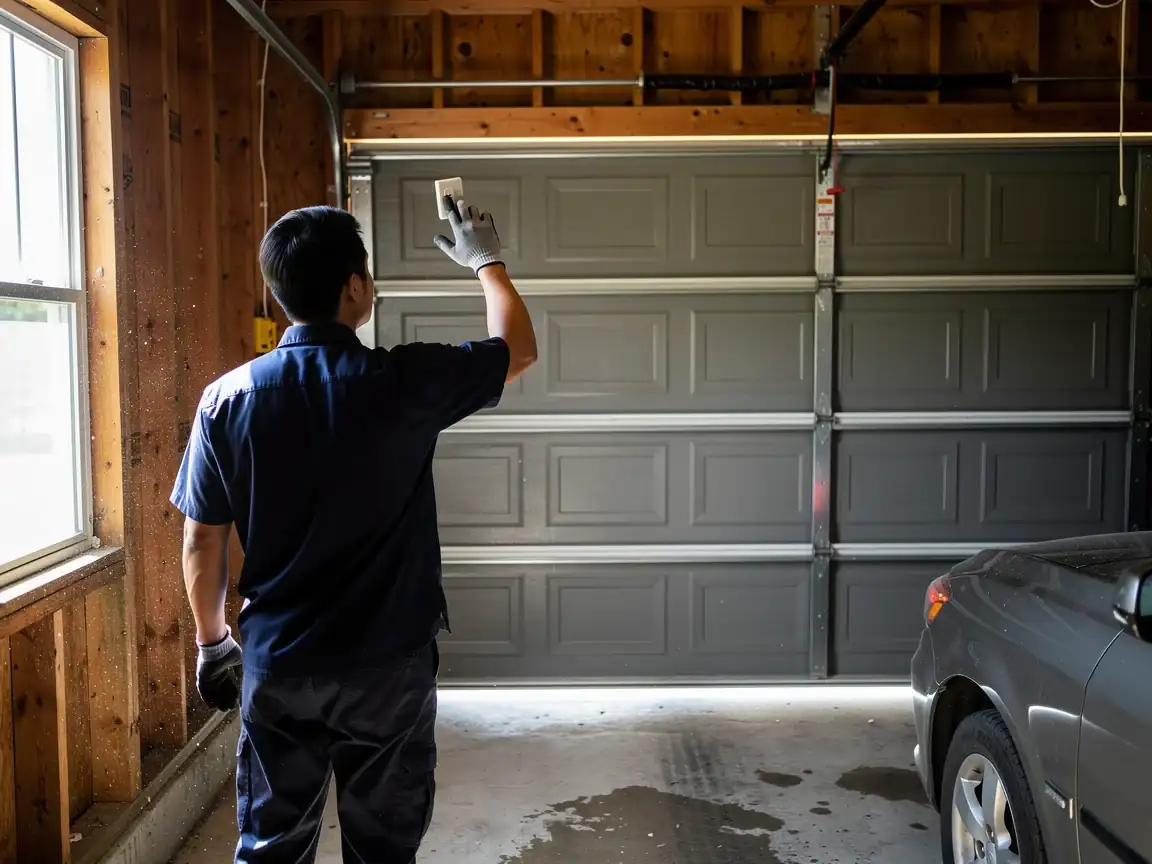
    A technician in a blue uniform holds a remote control in front of a gray garage door.

    Repaired & tested

    The repair is done, the door is set true and tested, and the work area left clean.

Not sure which repair your door needs in Wilmington, DE? Describe what it’s doing - every job starts with a diagnosis.

How we work

What to expect

Diagnosis firstEvery visit starts by finding what actually failed - not a pre-written parts list.
The right part for the doorSprings and openers matched to the door’s weight and age, so the fix holds up.
Straight answersWhen a repair makes more sense than a replacement - or the reverse - you hear it plainly.
Clean, careful workTension released safely, hardware set true, the door tested under power before we leave.
70,898Residents in Wilmington
8Garage door services
7Neighborhoods & suburbs
DEServing Wilmington, DE
Questions

Frequently asked

Straight answers about garage door repair in Wilmington. Still unsure? Ask us directly.

Is Edgemoor covered by a local Wilmington Garage Door Pros branch?

No. There's no depot in Edgemoor itself. The company travels in from Wilmington, about 2 miles away, to handle service calls in the area.

Why does my 1950s garage door feel so much heavier than a newer one?

Houses in Edgemoor were mostly built around 1957, and the original torsion springs on doors that age have gone through decades of cold-weather cycling. As a spring loses tension, the door gets progressively heavier to lift by hand or by opener.

Should I repair or replace a door this old?

It depends on the track and panel condition, not just the spring. If the track is straight and the panels are sound, a spring and cable replacement is usually the better value. If the track is bent or rusted through, replacement often makes more sense long-term.

Ready to get your garage door sorted?

Tell us what it’s doing and where you are in Wilmington - we’ll take it from there.

Request a QuoteCall