What Is on the Truck
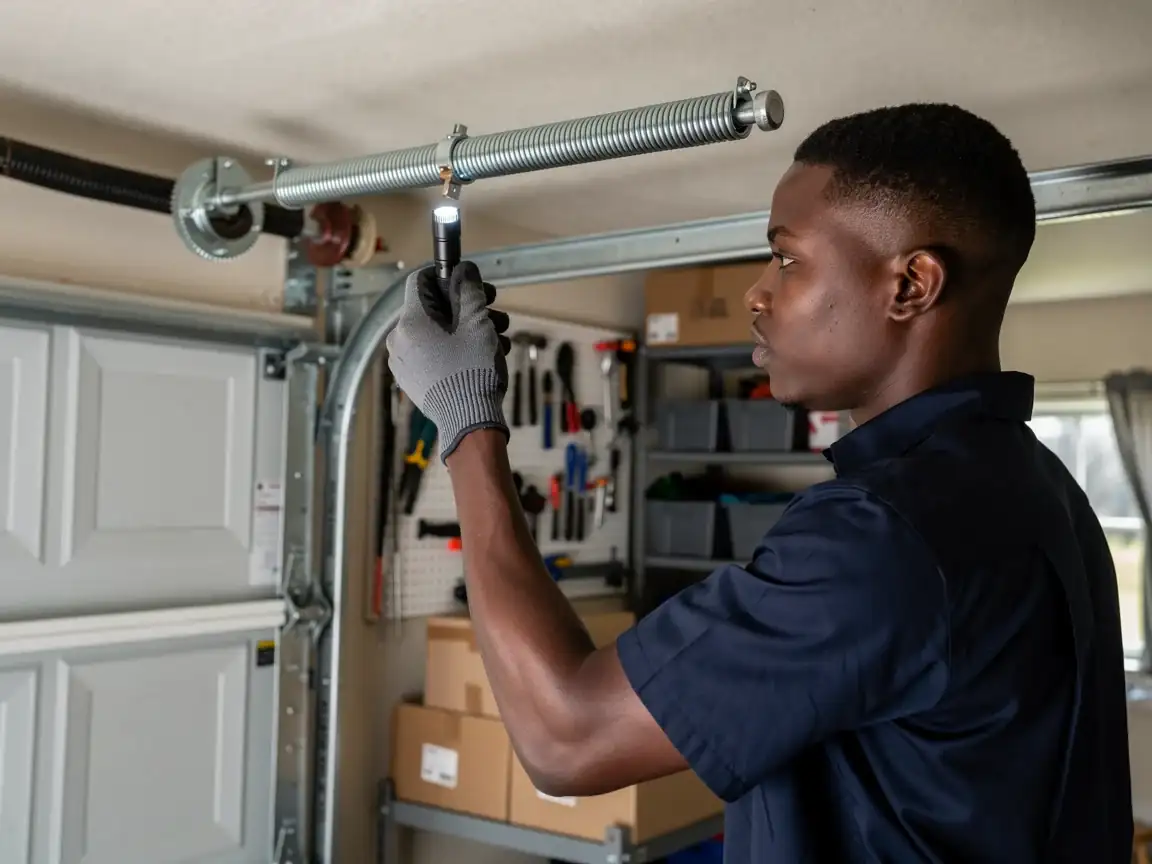
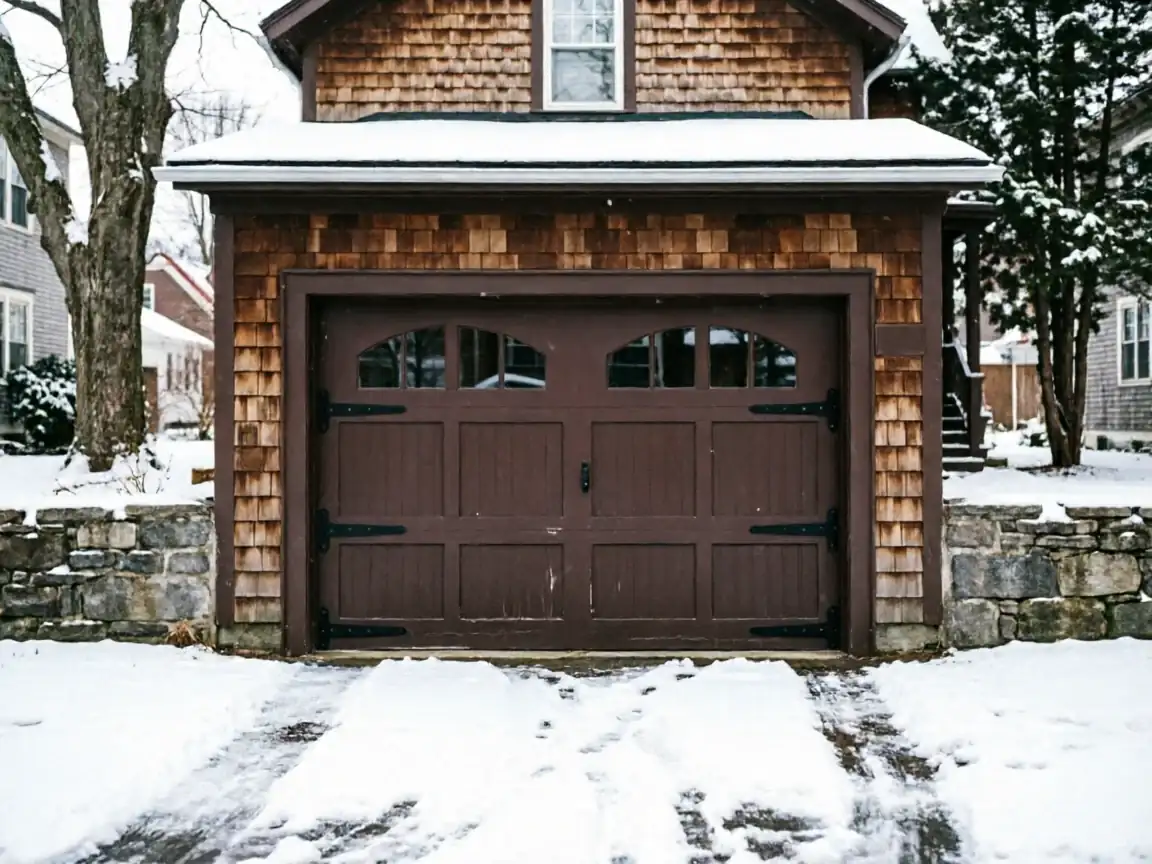
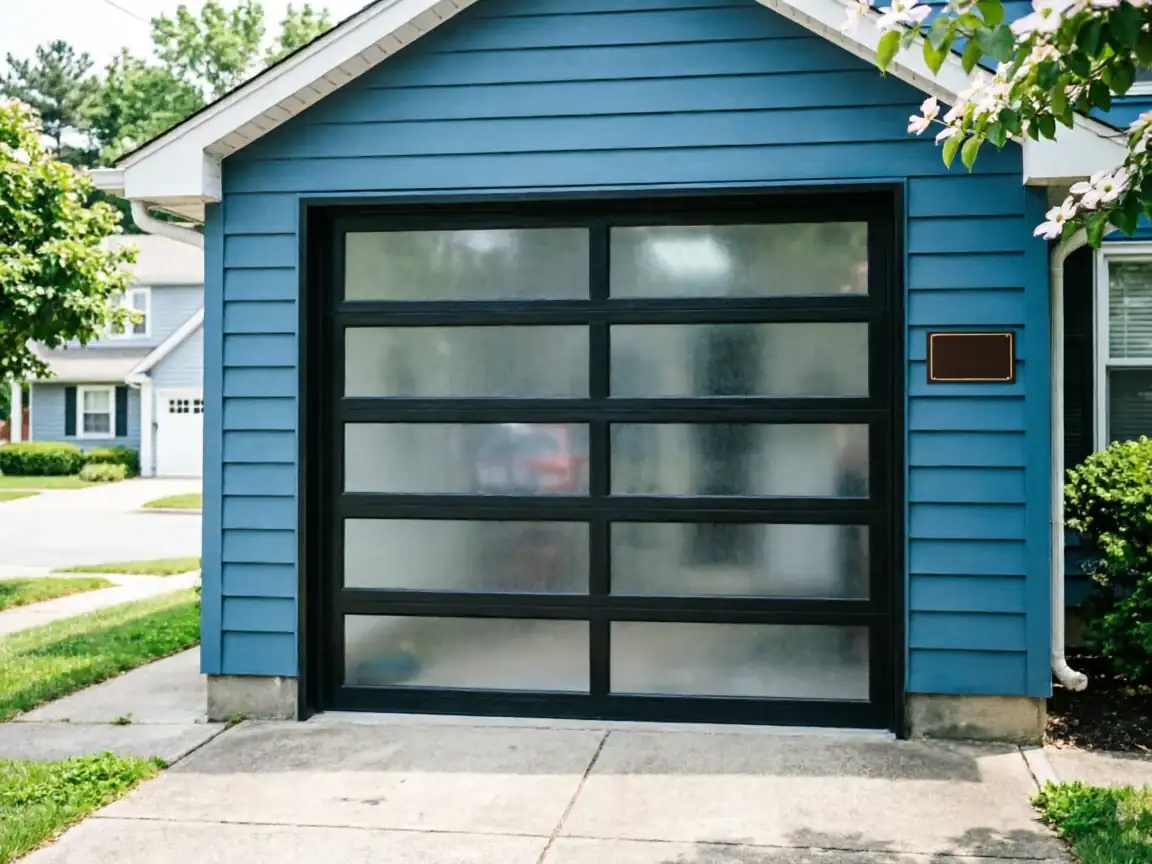
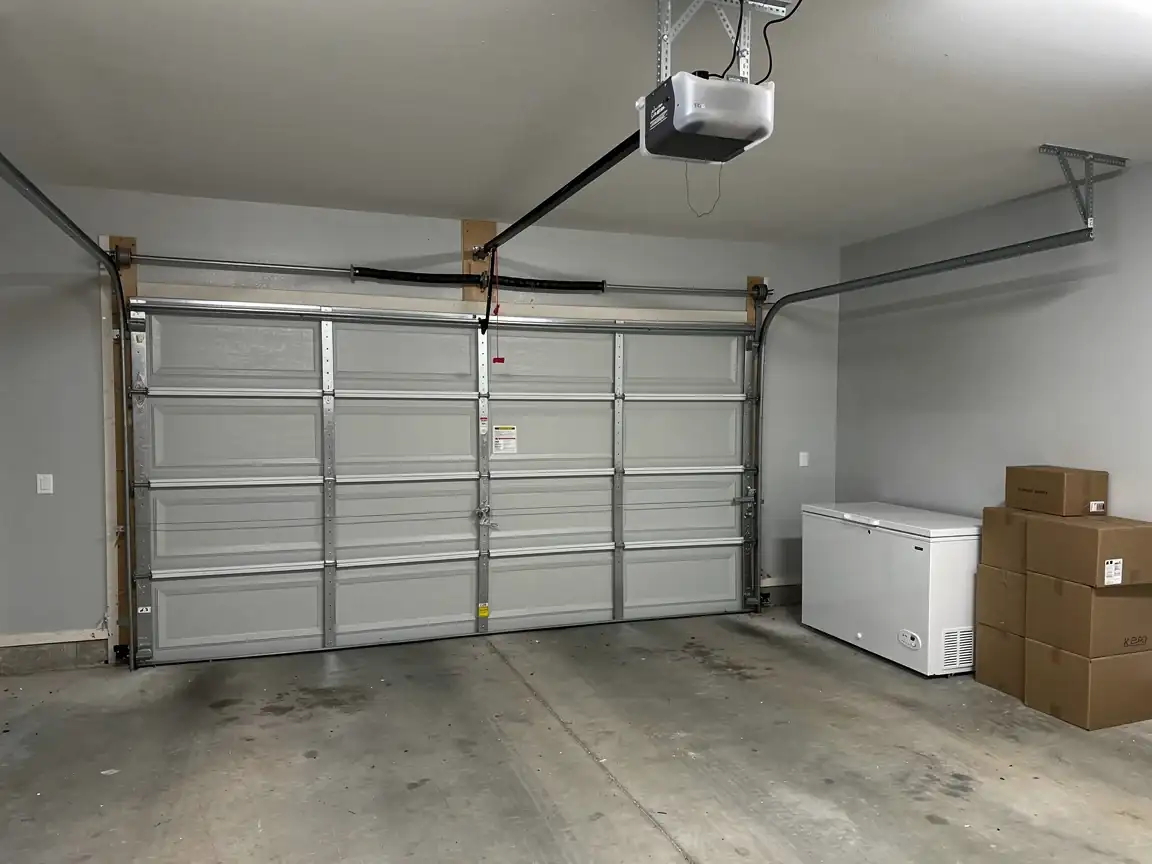
For an older-stock area like this, the truck carries jamb extension stock, low-headroom track kits, and a spread of torsion spring sizes rather than one default. Delaware's climate band runs cold and severe enough that insulated panel doors are the standard recommendation here, not an upsell - a single-layer door on an attached garage in a hard winter transfers more cold into the house than most owners expect. We also carry the hardware to convert from older extension-spring setups, which still show up on original 1950s openings, to torsion systems, since that's usually part of a real install here, not a separate job. What we don't stock is every custom glass-panel or carriage-style door in every finish - those get special-ordered, and that adds lead time we can't shorten by driving faster.
What You Are Seeing
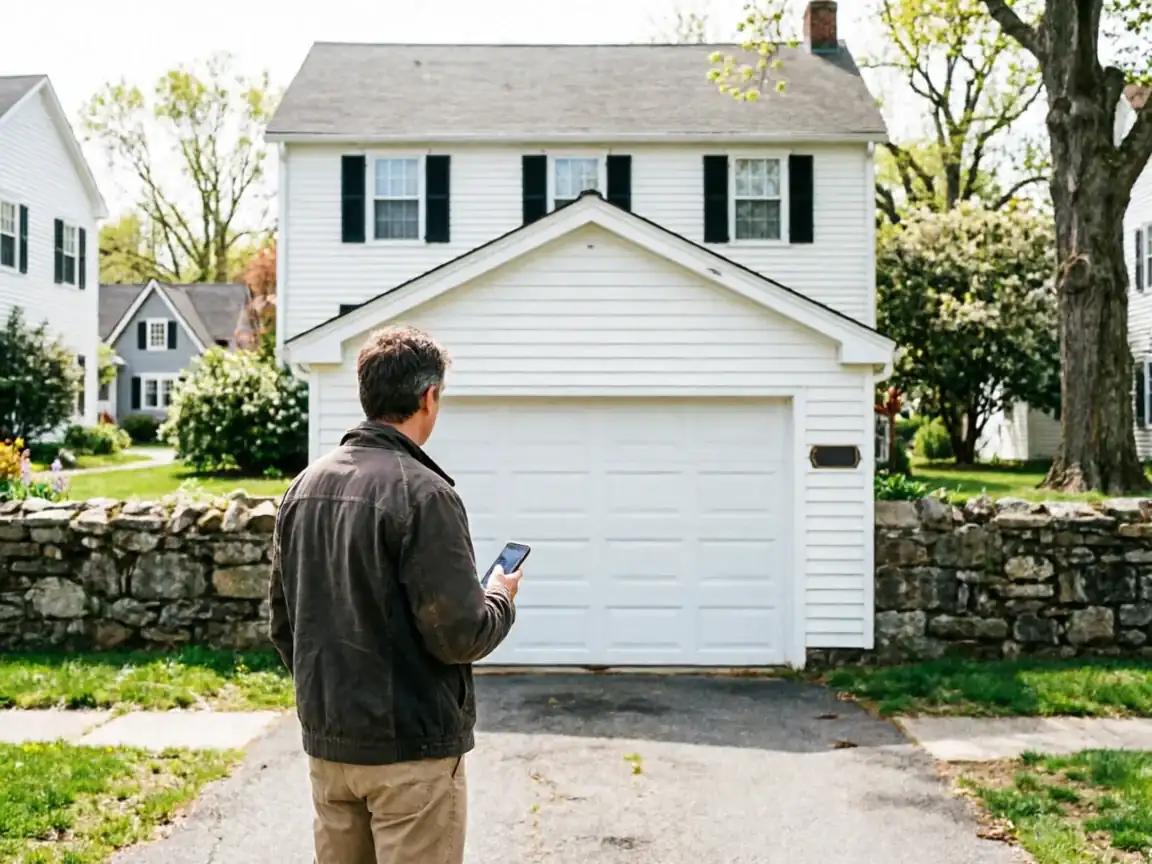
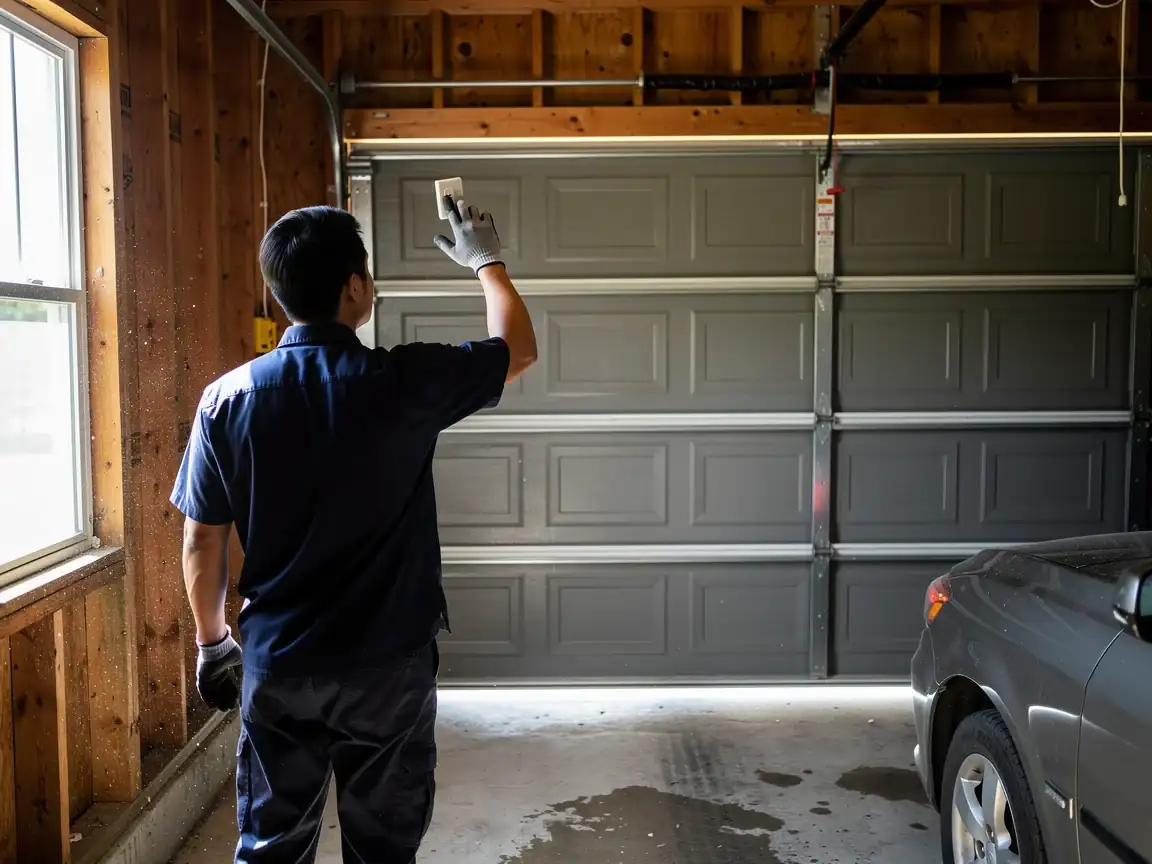
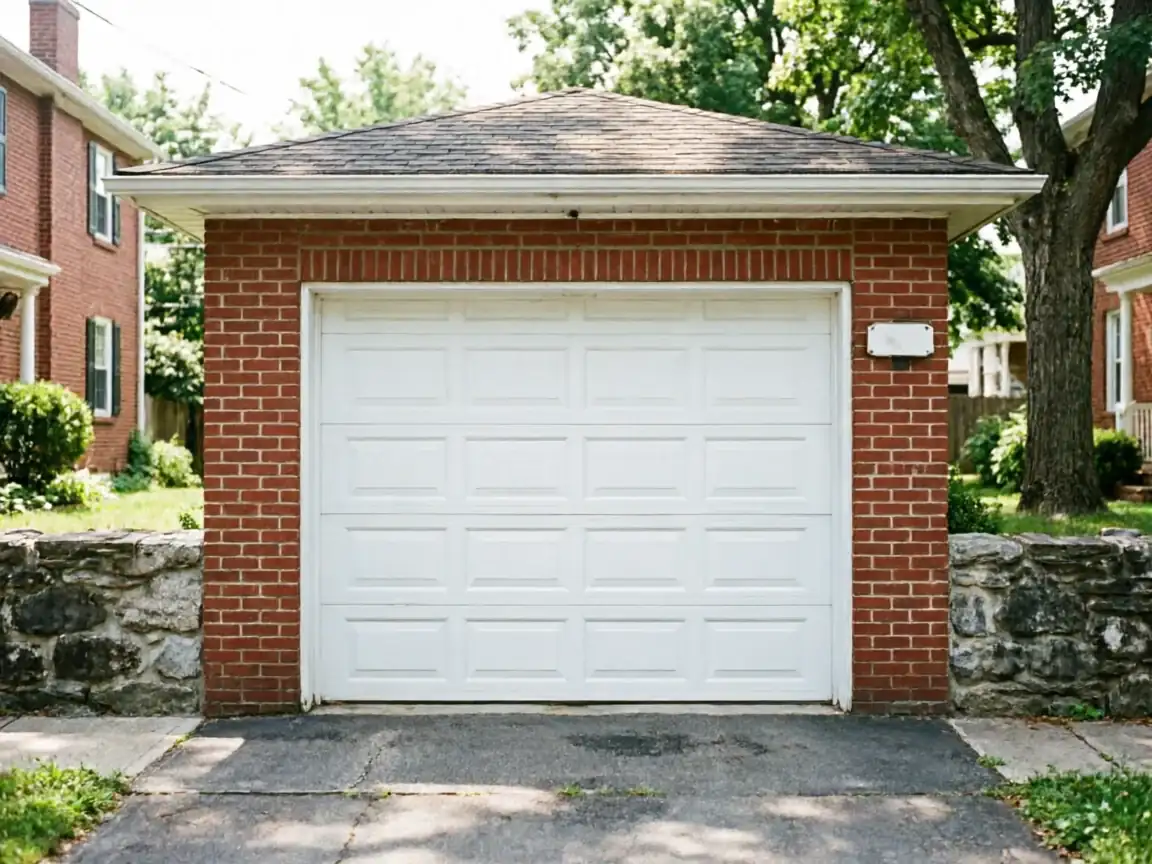
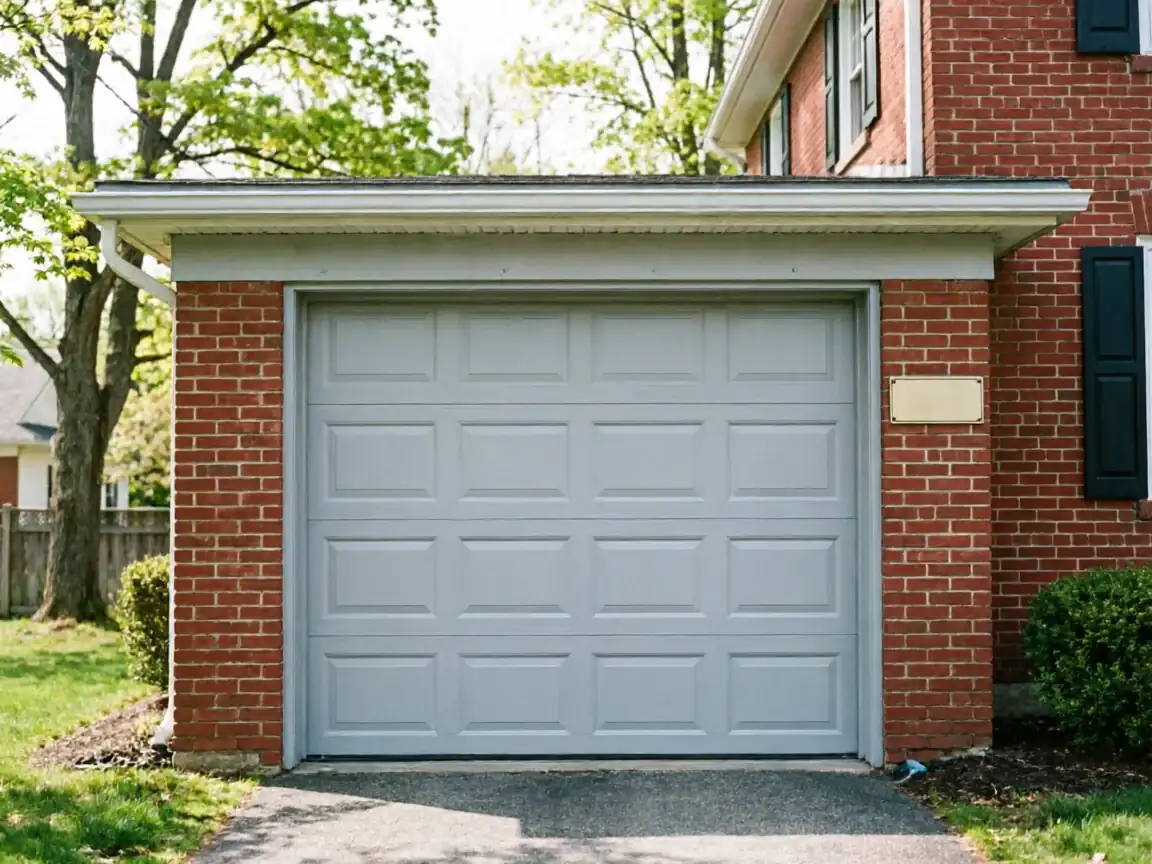
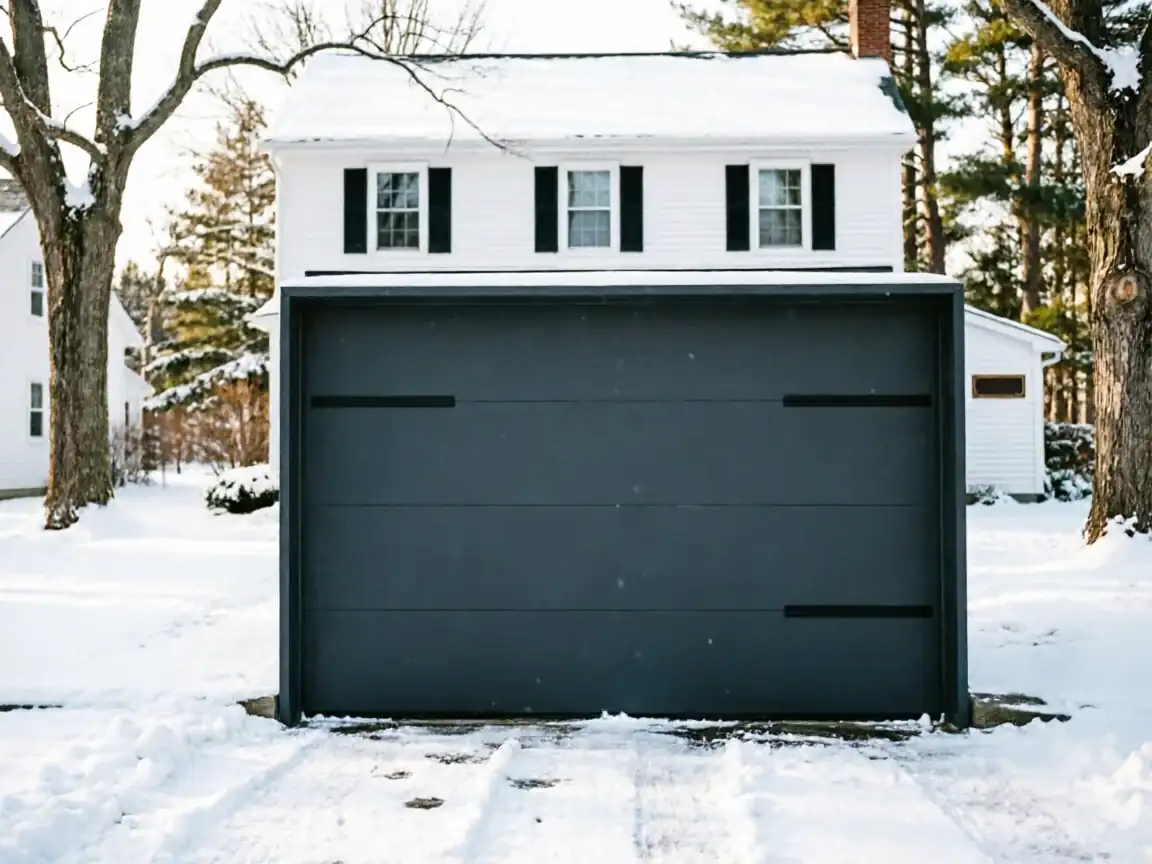
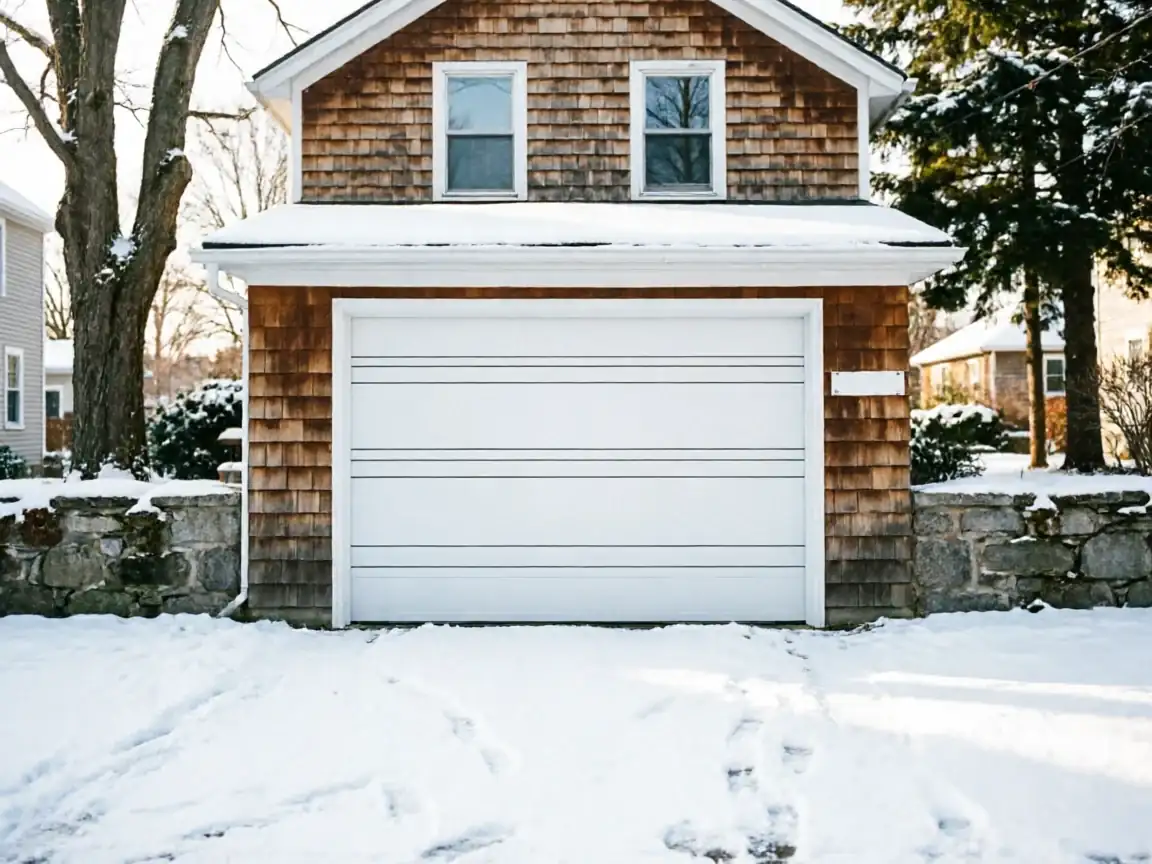
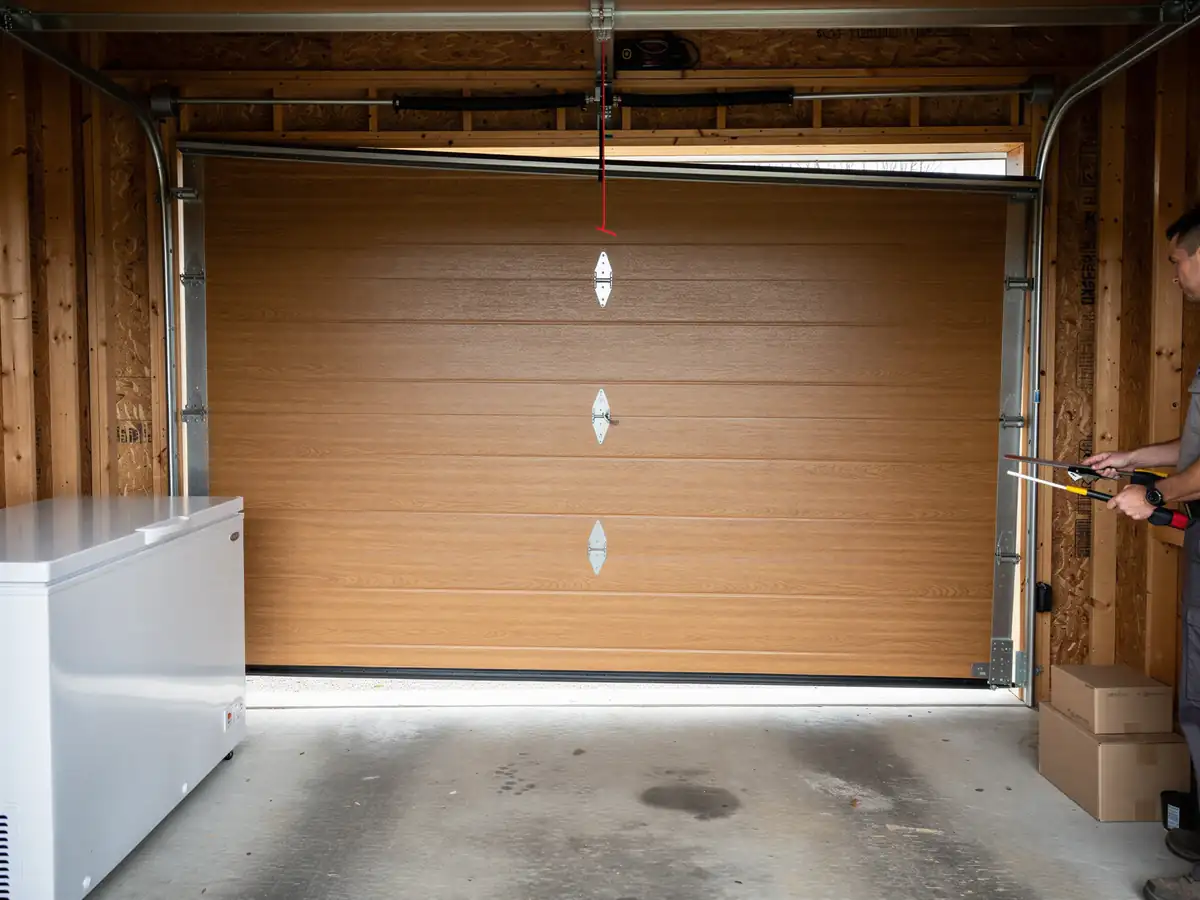
If your opening is original to a 1950s build, you're probably looking at a single door with minimal insulation, steel hardware that's shown fifty-plus winters, and a frame that's settled a little out of square - not enough to notice walking by, but enough that a stock door won't seat evenly against the stop. Some owners in this area have already replaced the door once, in the 1970s or 80s, and are now dealing with a second-generation setup bolted onto first-generation framing. Either way, the symptom is usually a door that looks fine closed but gaps at one corner, or an opener that strains because the door itself is heavier or lighter than what the track was built for.
How Long It Takes
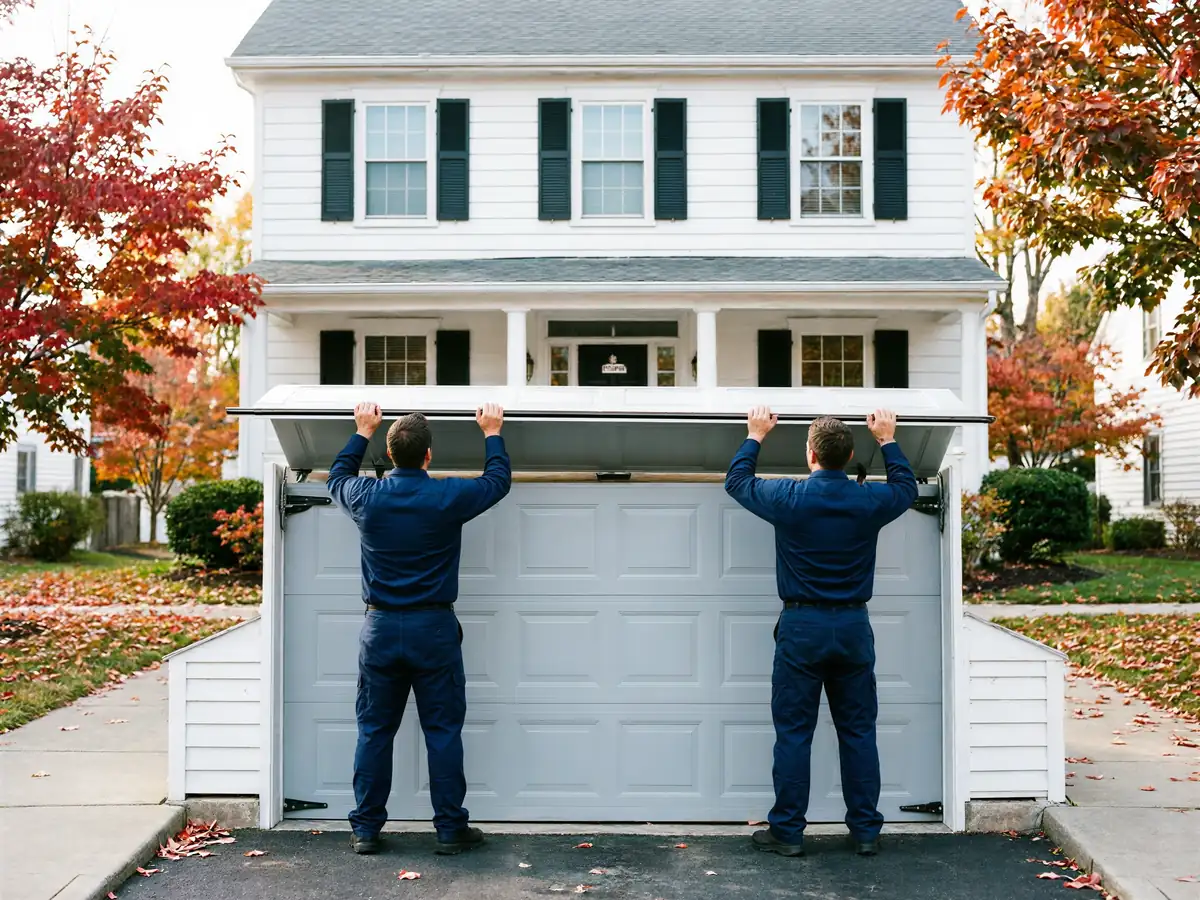
A straightforward swap - same opening size, no framing changes - usually runs a few hours, start to finish. Once jamb extension or header work gets added, which is common given how many openings here predate modern sizing, plan on the job running longer and sometimes needing a second visit if lumber or a specific track kit has to be ordered in. We'll tell you on the first look which situation you're in. What we won't do is promise a same-day custom door order - those come from the manufacturer on their schedule, not ours, and no amount of rushing on our end changes that lead time.
What the Fix Involves
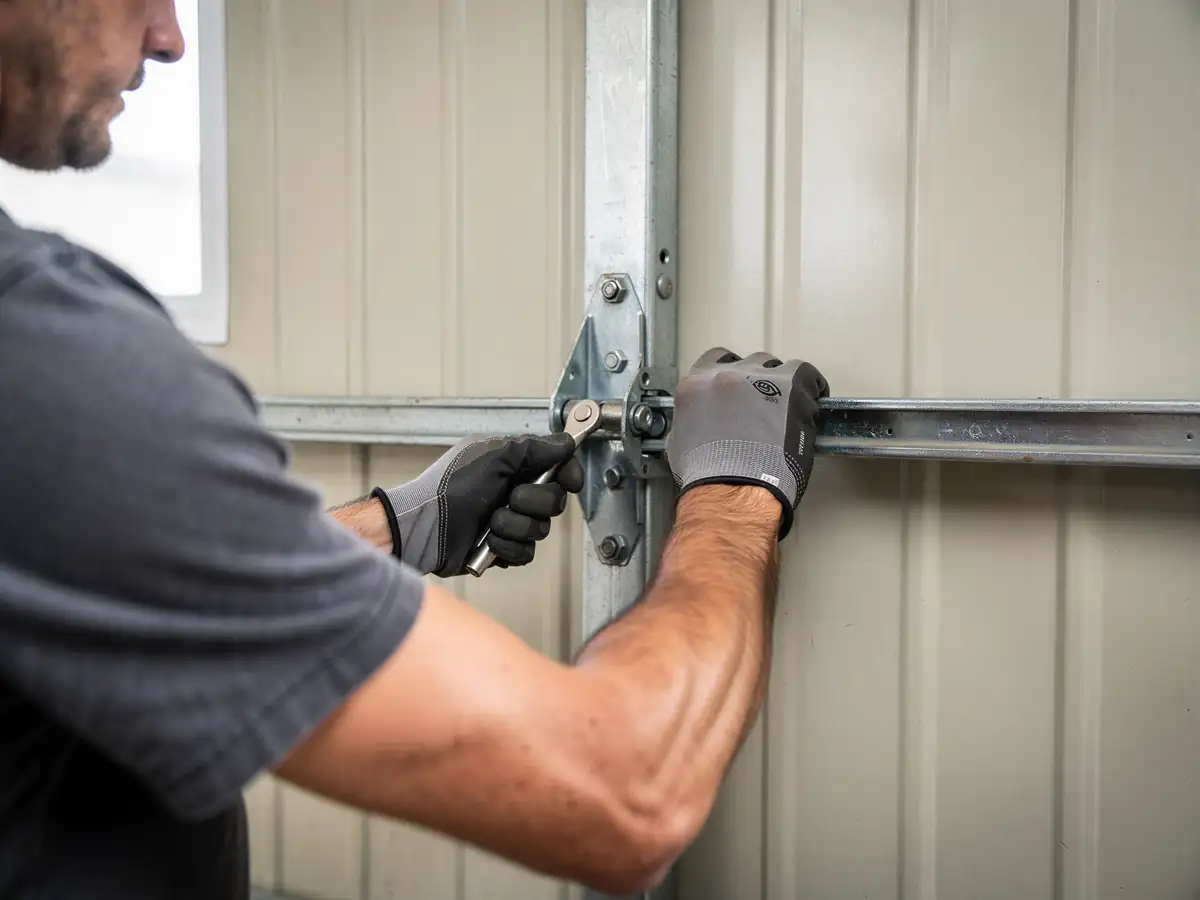
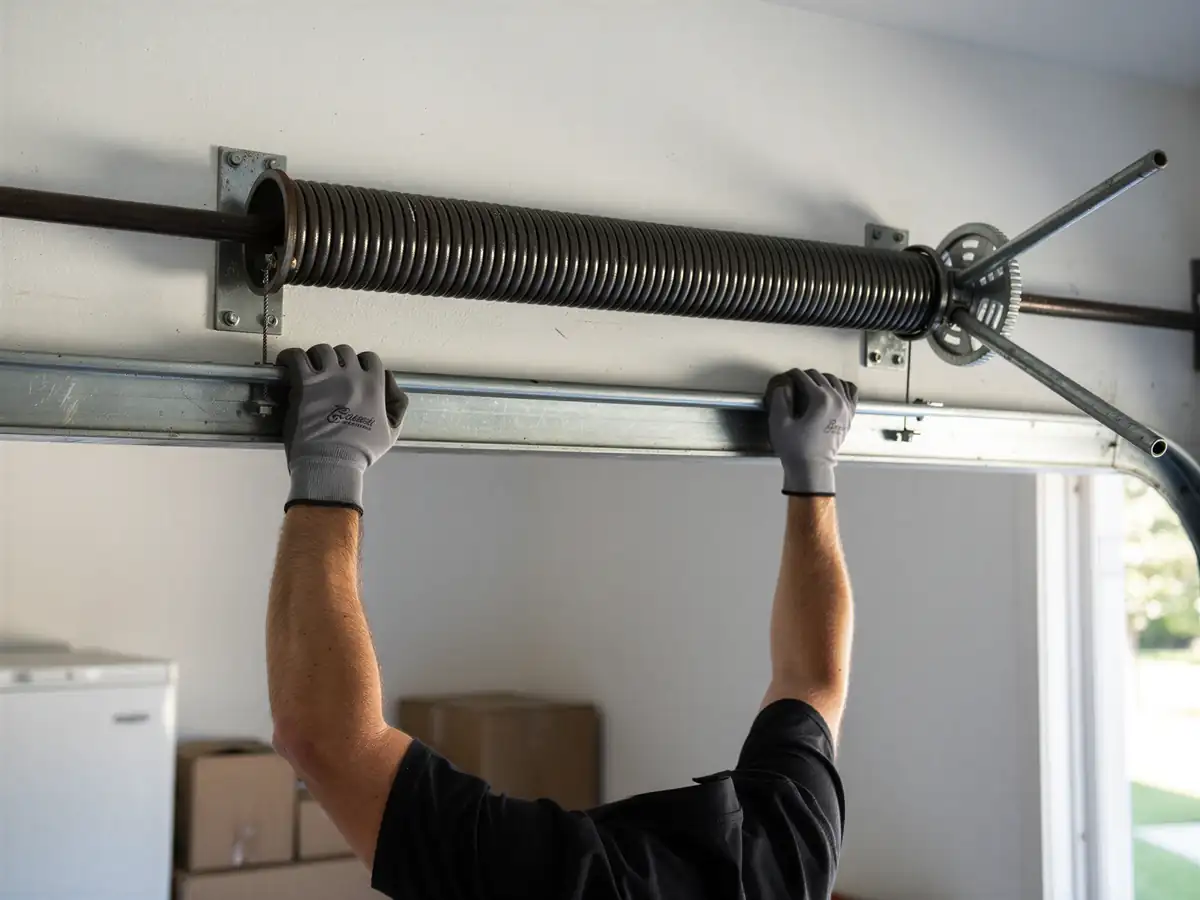
On a 1950s-era opening, the install usually starts with squaring the jamb before the door ever goes in - original framing in this part of the service area has settled enough over seventy-odd years that skipping this step is the main reason doors bind later. From there it's track alignment, spring sizing matched to the door's actual weight (not a generic chart number), and sealing the perimeter against the cold-climate air leaks that original framing invites. For households weighing a repair against a full replacement, the honest line is this: if the opener and track are sound but the panel is cracked or dented, a repair can make sense. If the spring is extension-style original hardware and the door itself is original steel, replacement usually costs less over time than patching a seventy-year-old setup piece by piece. More on the broader install process is on our Wilmington installation page, and general service details for this area are here: Edgemoor garage door service.