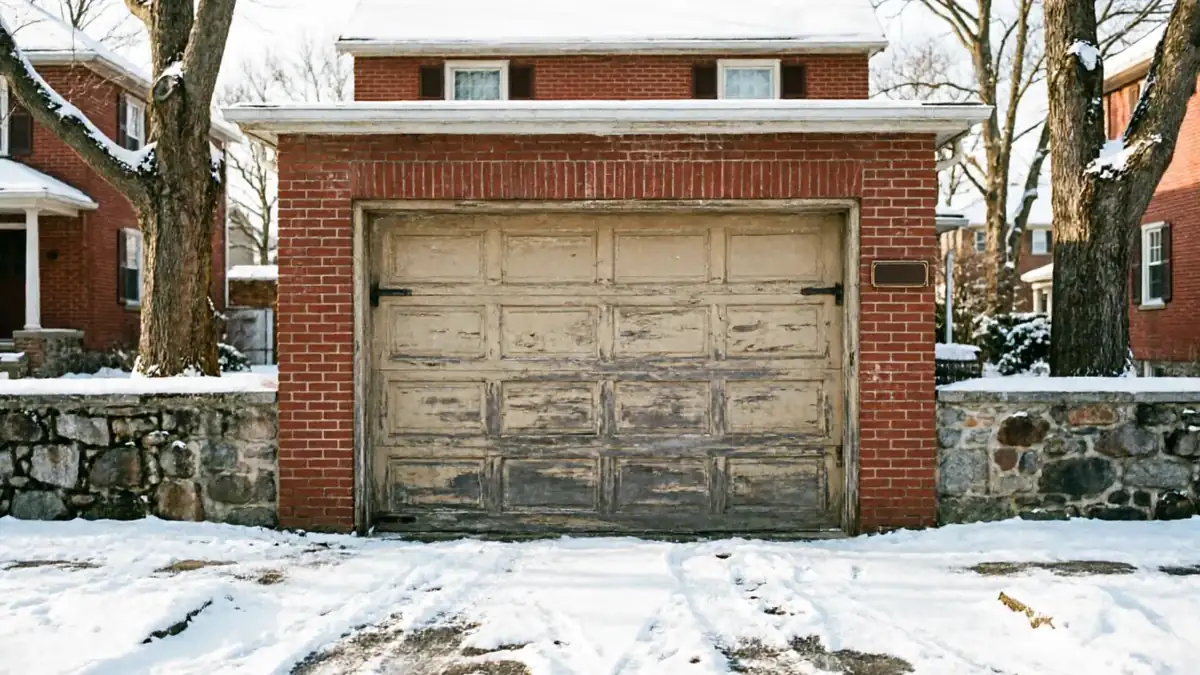
What the Weather Here Does to It
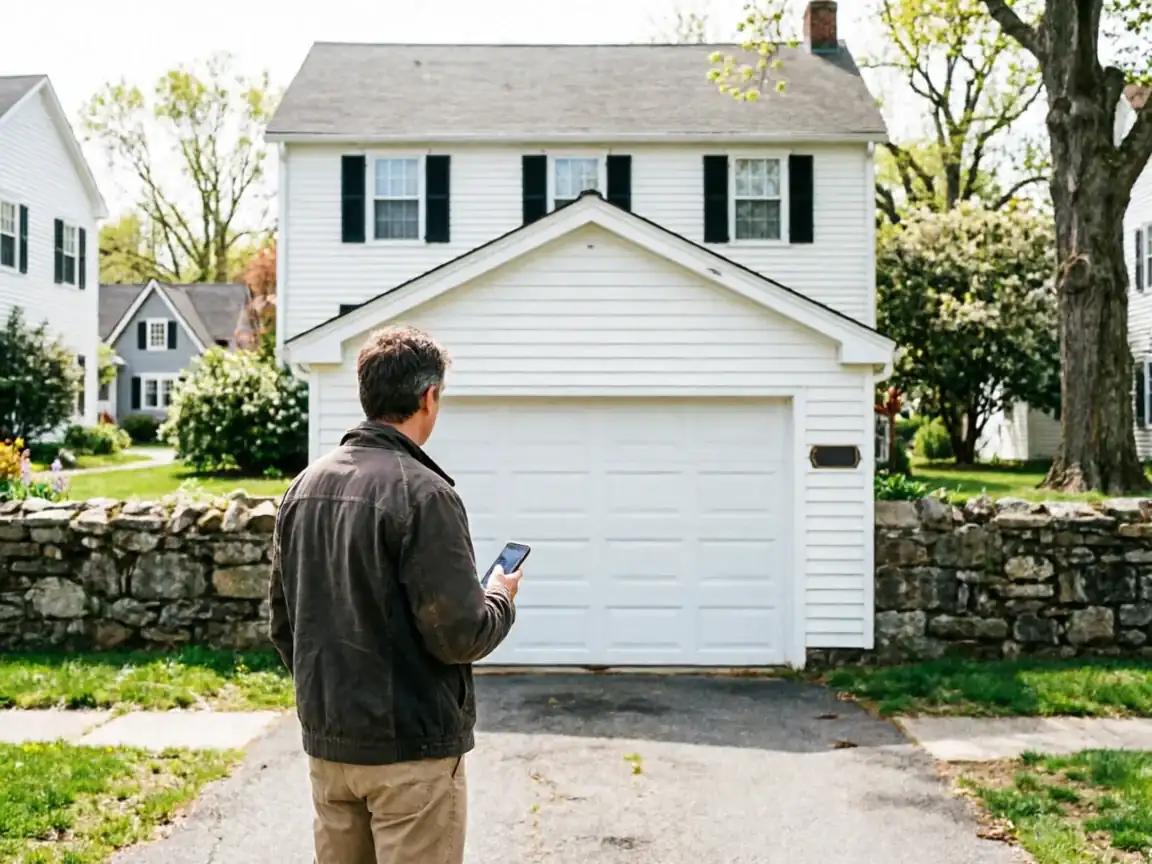
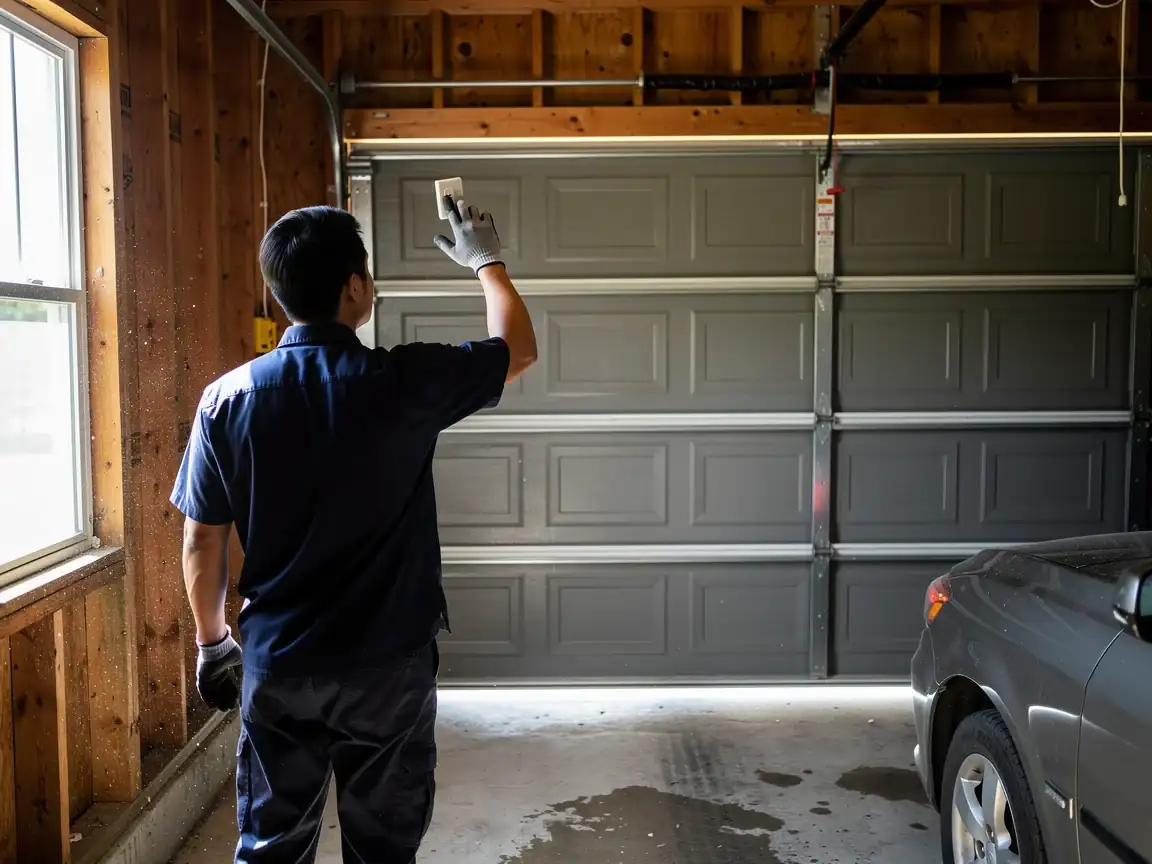
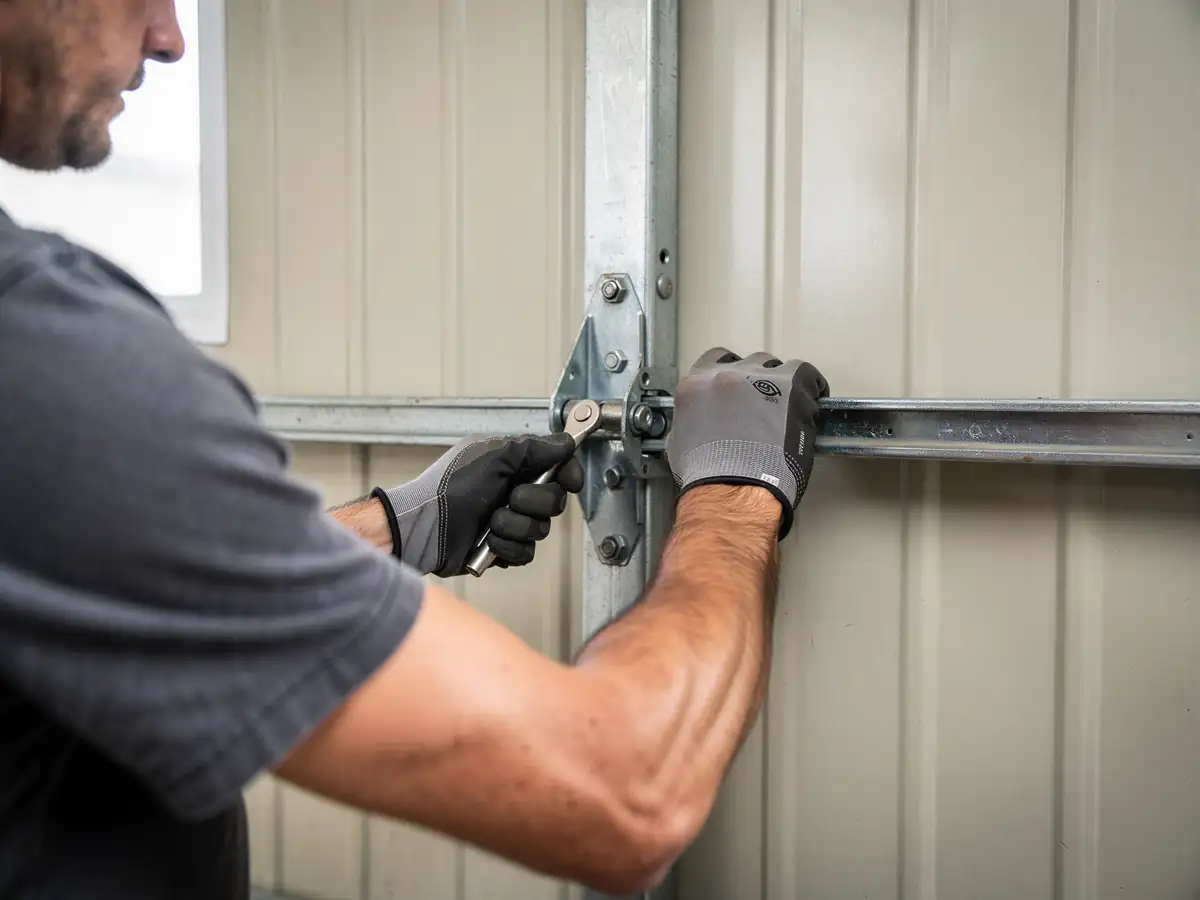
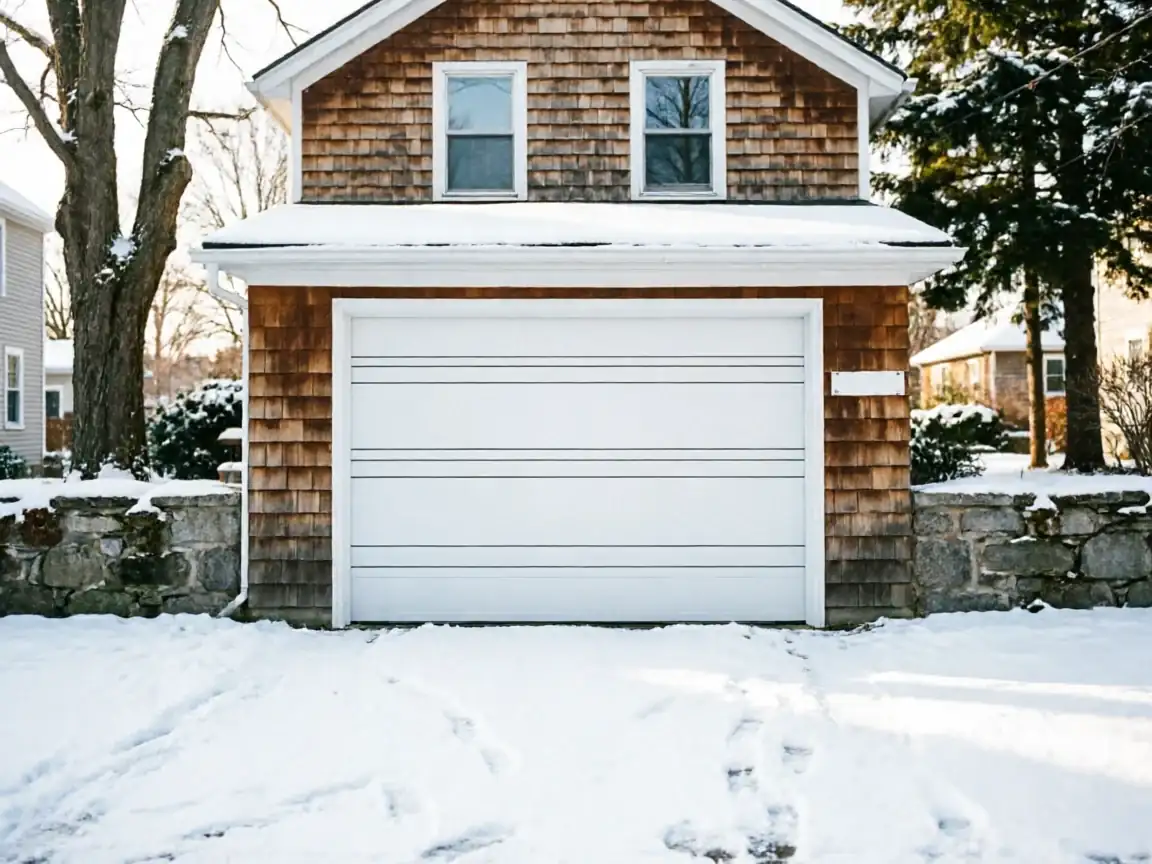
Wilmington sits in a cold-severe climate band, which means the steel in an original door from the Eisenhower-to-Nixon era has absorbed fifty-plus winters of freeze-thaw cycling on the hinges, the track, and the bottom seal. Cold-severe isn't just low temperatures. It's the swing - a door that sits at 20 degrees overnight and climbs past 40 by noon, over and over, all winter. Metal contracts and expands at different rates than the hardware bolted to it, and over decades that works screws loose and bends track out of true by fractions of an inch you can't see but can hear. On an original one-piece or early sectional door, that shows up as a bottom panel that doesn't sit flush, or rollers that chatter on the way down. None of this is dramatic. It's slow wear from a specific climate acting on a specific vintage of door, and it's the reason a door that looked fine in September can bind in January.
The Problem
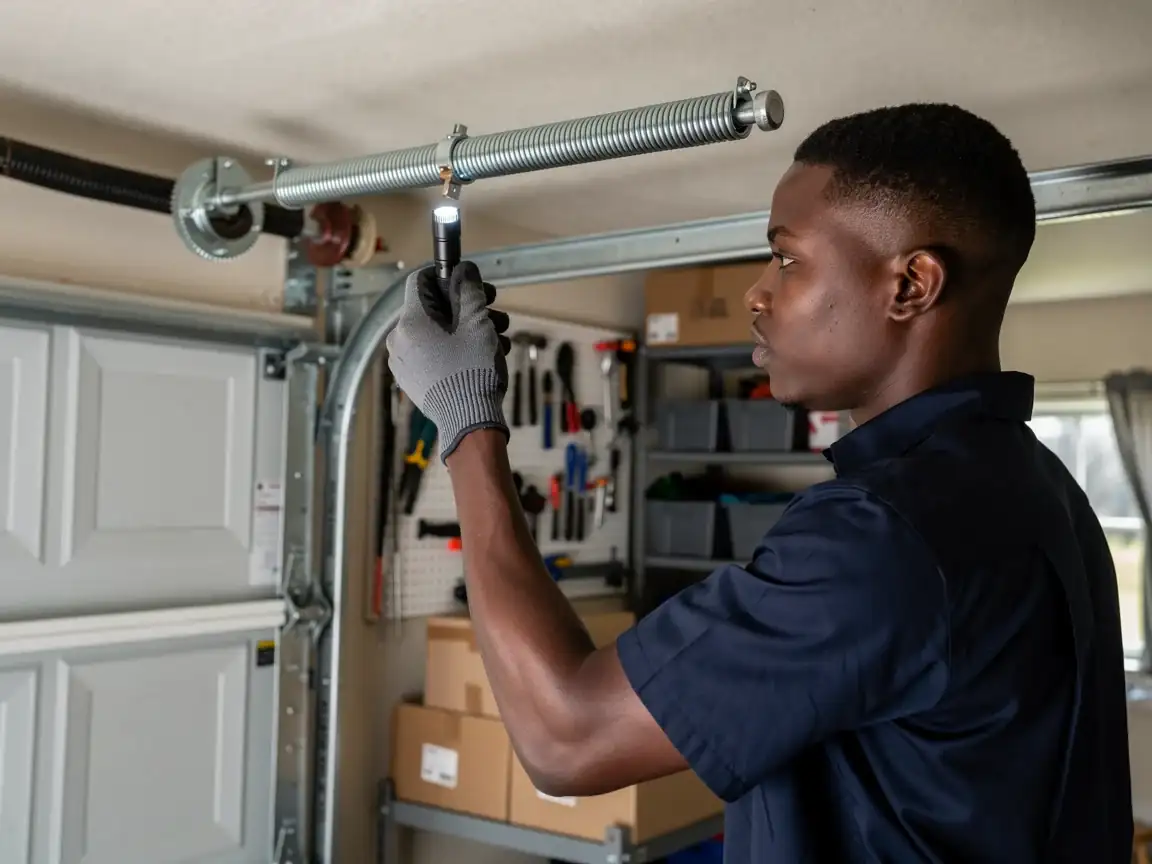
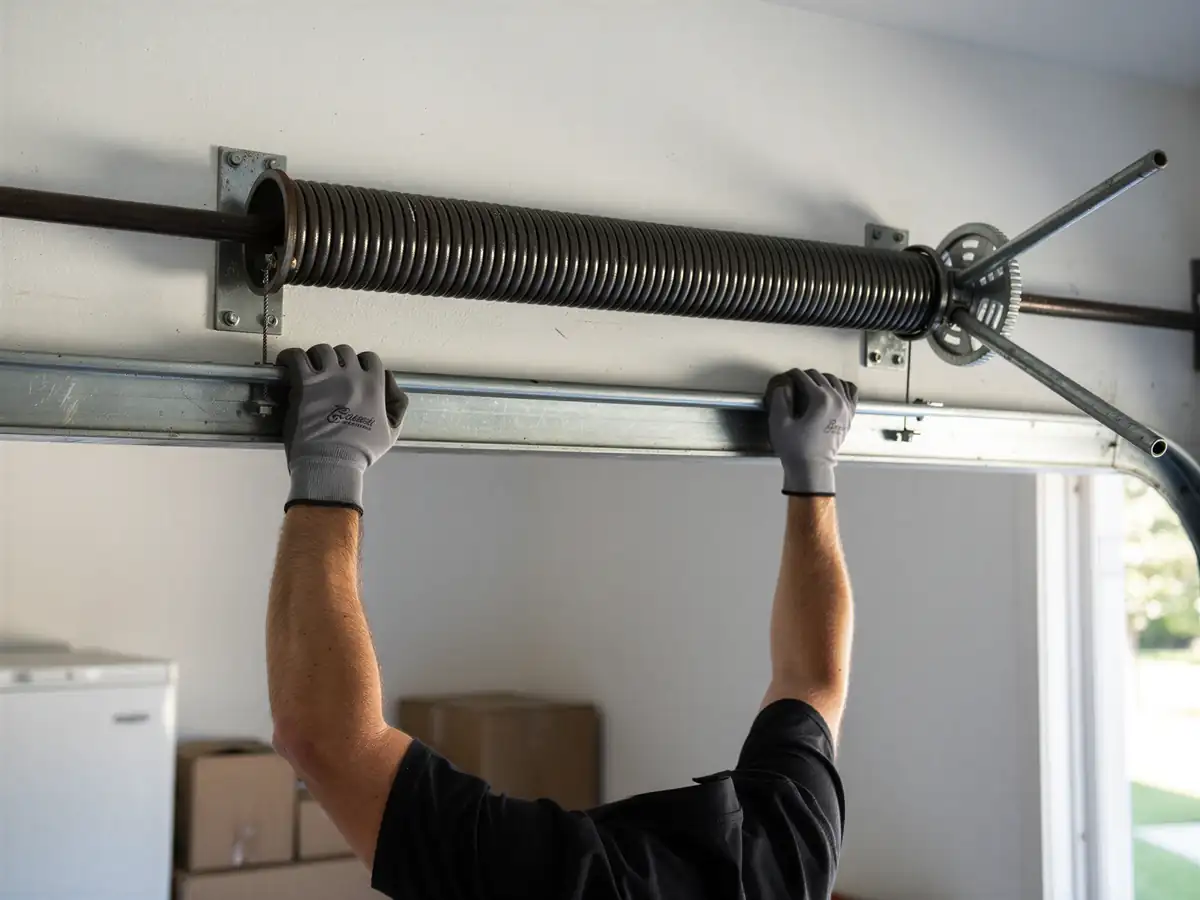
With 21,934 owner-occupied houses across a service area of 50,351 households, a huge share of the doors we get called on are the same age as the house itself - original hardware, sometimes original panels. The problem with fixing those is parts. A torsion spring wound to 1965 specs, or a track bracket sized for a door that predates most current sectional hardware, doesn't always have a drop-in replacement. Sometimes it does. Sometimes the honest answer is that the part exists but costs more in labor to source and fit than a new door costs installed. We'll tell you straight when we hit that point rather than stretch a repair past where it makes sense. The one limitation worth saying plainly: we don't keep every obsolete bracket or track profile on the truck, and if your door is original to a 1960s build, there's a real chance we need a day or two to track down the right part before we can finish the job in one visit.