Elsmere sits about 3 miles from our Wilmington shop, close enough that a truck can be on site without burning half the morning in traffic. The town itself is older than a lot of the newer construction you'll find further out past Hockessin or Pike Creek - the bones of Elsmere go back to a build era that predates the ranch-and-colonial boom you see in the newer developments toward Bear and Glasgow. That matters for garage doors because the opening sizes, the header framing, and the track mounts from that period aren't what a big-box store stocks on the shelf. We've worked on enough of this housing stock around Wilmington to know what we're walking into before we open the panel.
What We Do Not Do
We don't carry a depot in Elsmere - we run out of Wilmington and drive in, same as we do for Bellefonte, Edgemoor, and the rest of the towns inside that 3-to-6-mile ring. That means we're not a same-hour outfit for every call, and we won't tell you we are. We also don't try to force a repair onto hardware that's past the point of being worth it. If your spring system, track, and opener are all original to a house built in the mid-1950s and one more part fails, replacement is usually the honest answer, not another patch. We'll say so instead of billing you for a third repair on the same door inside a year.
What Was Built Here
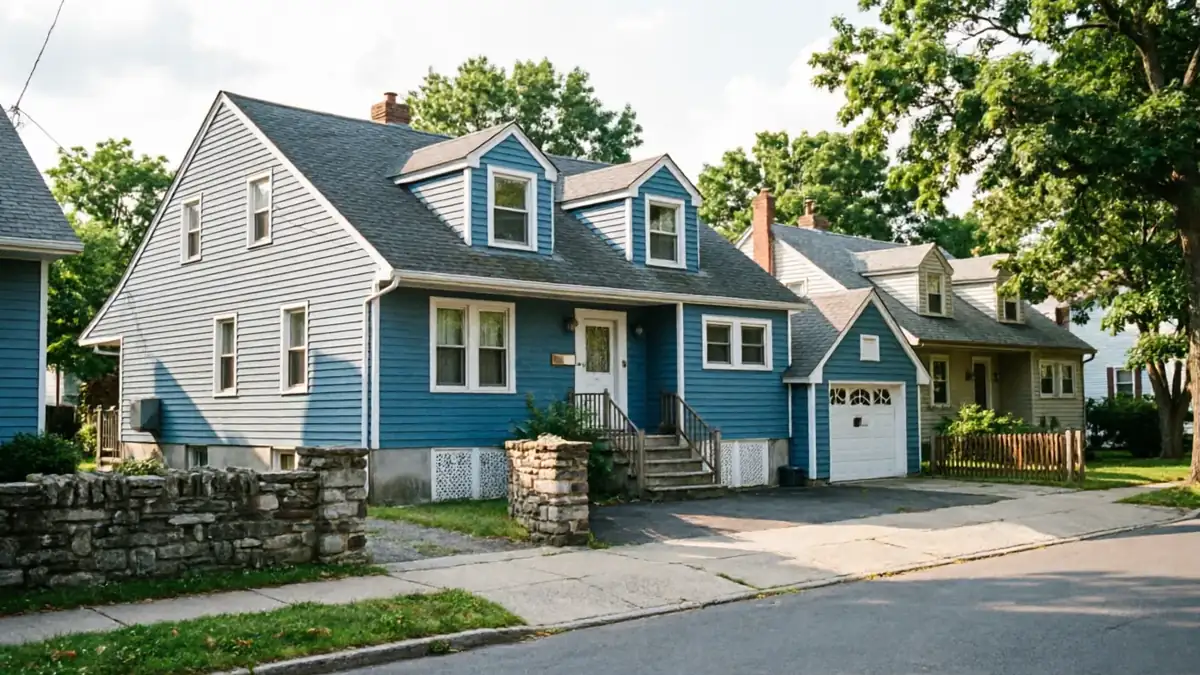
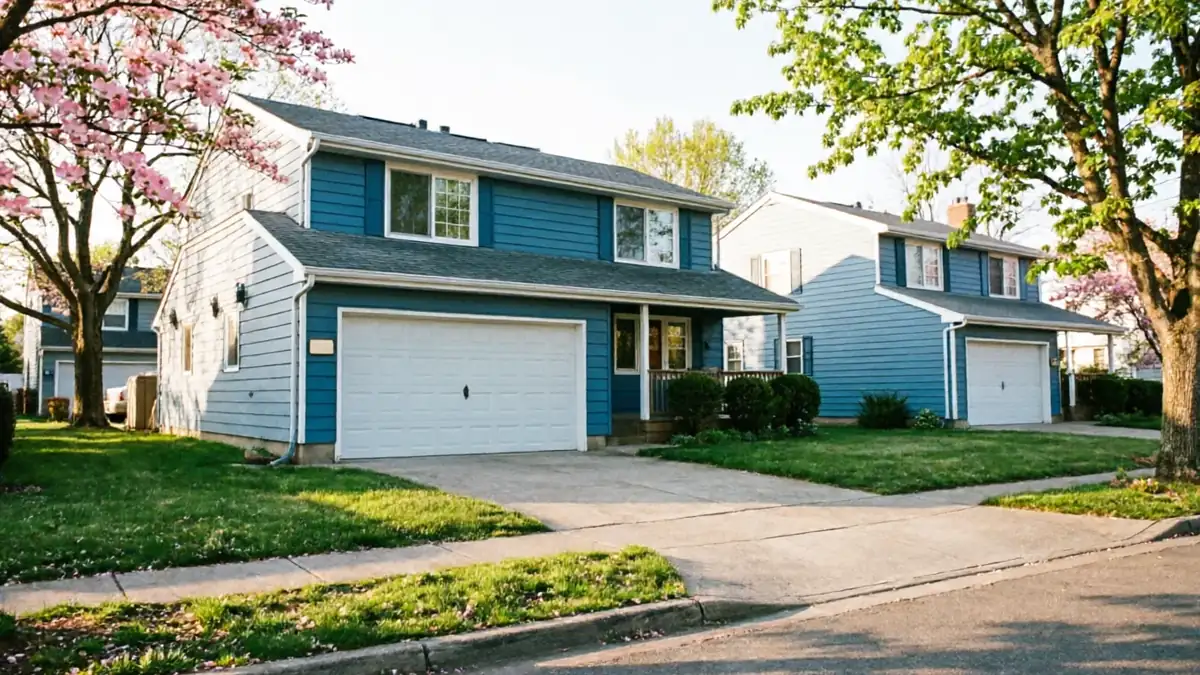
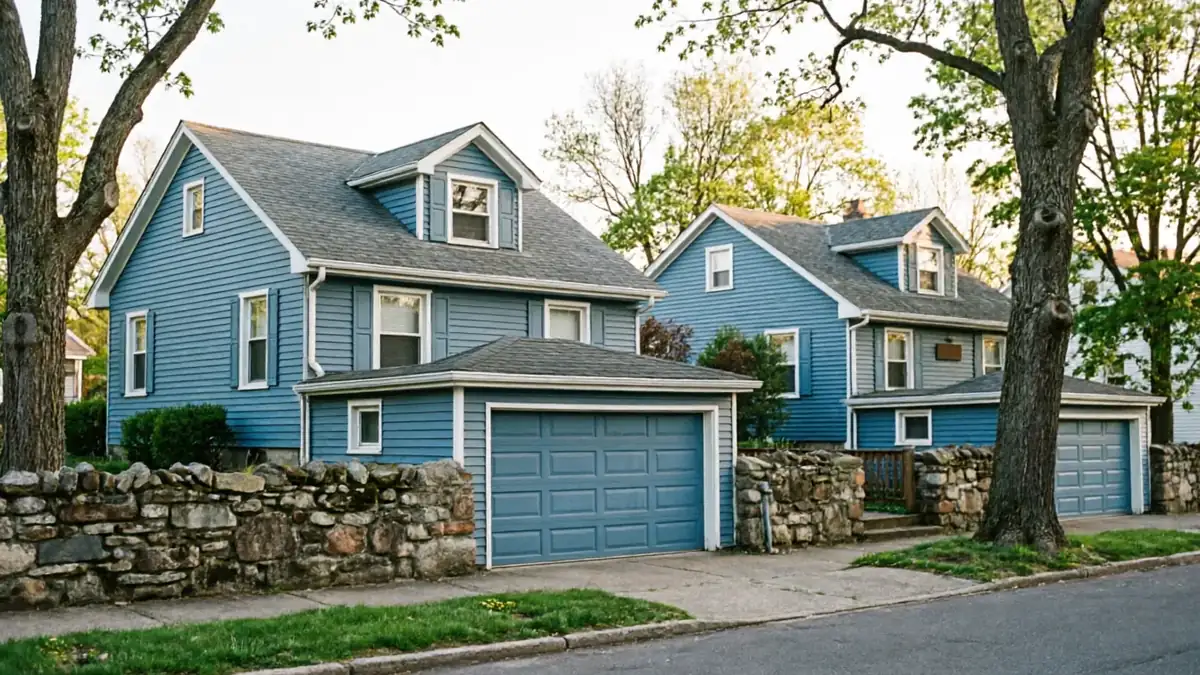
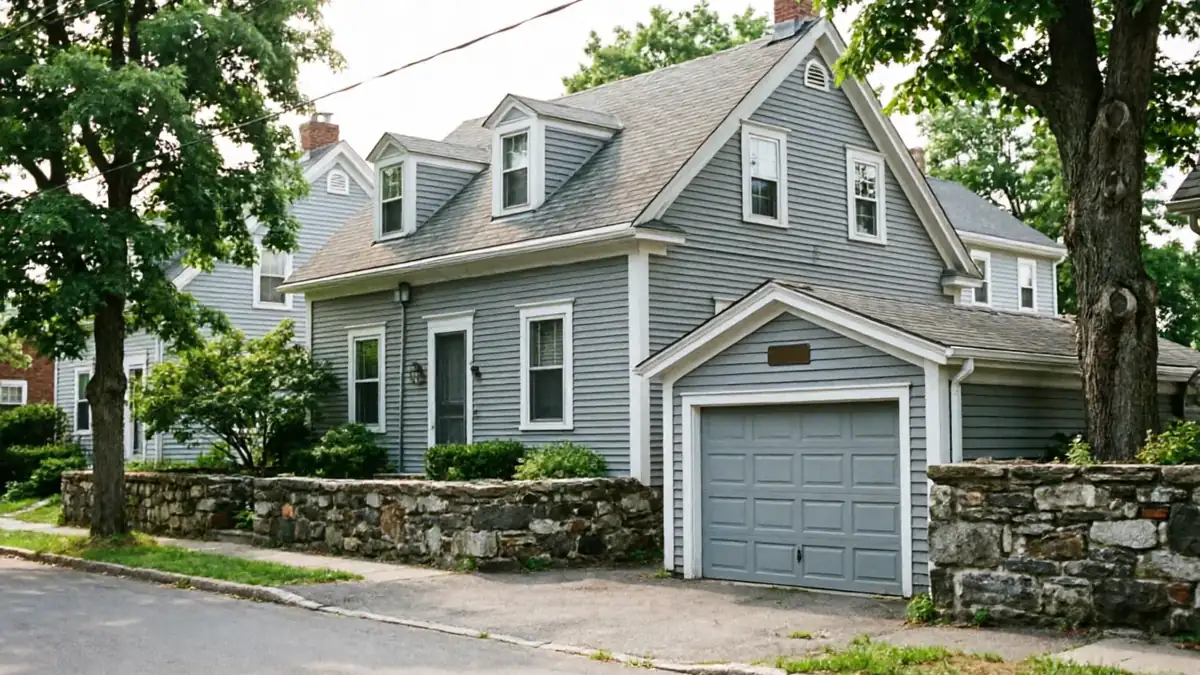
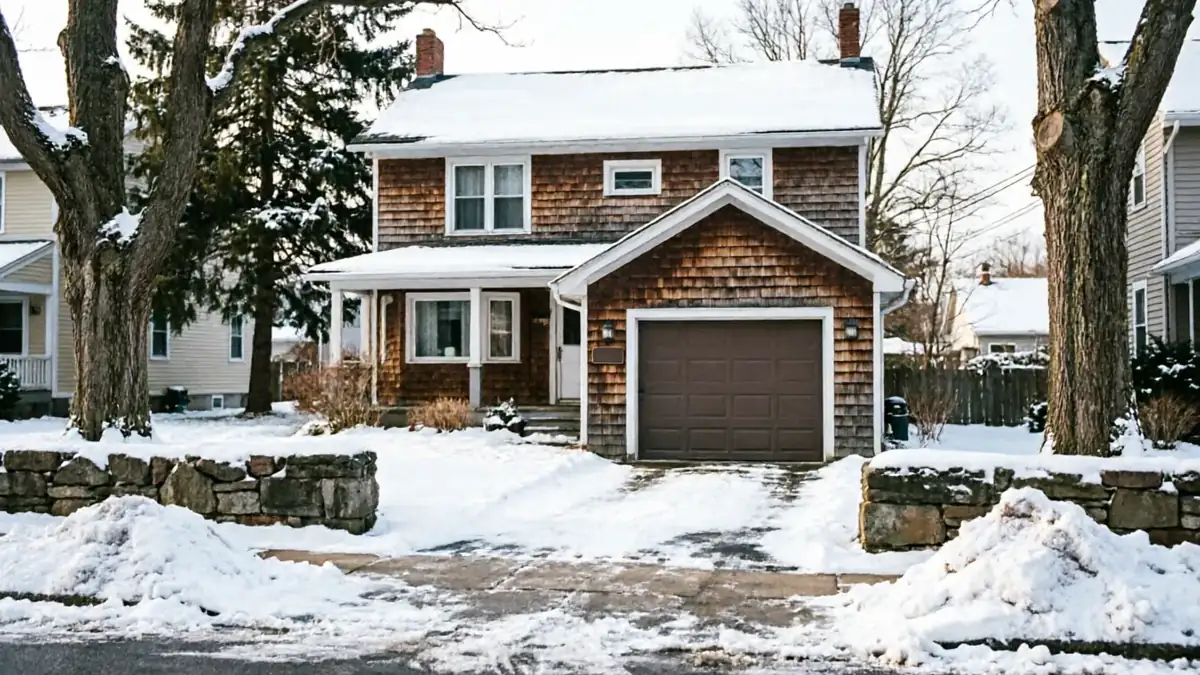
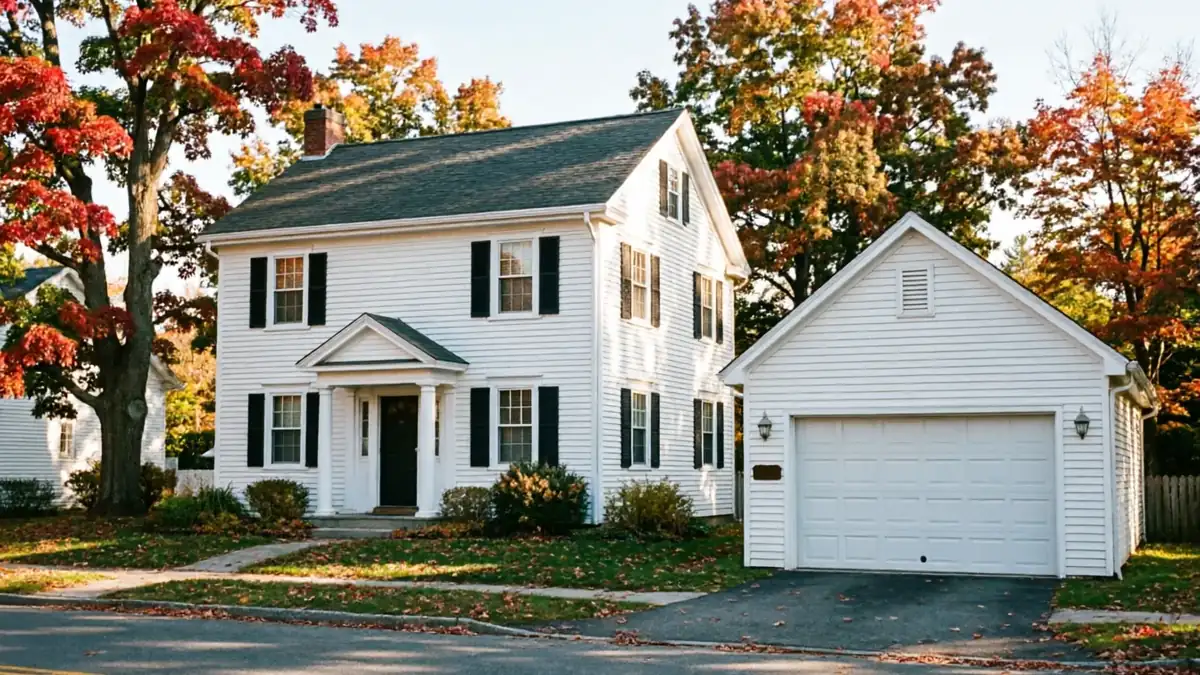
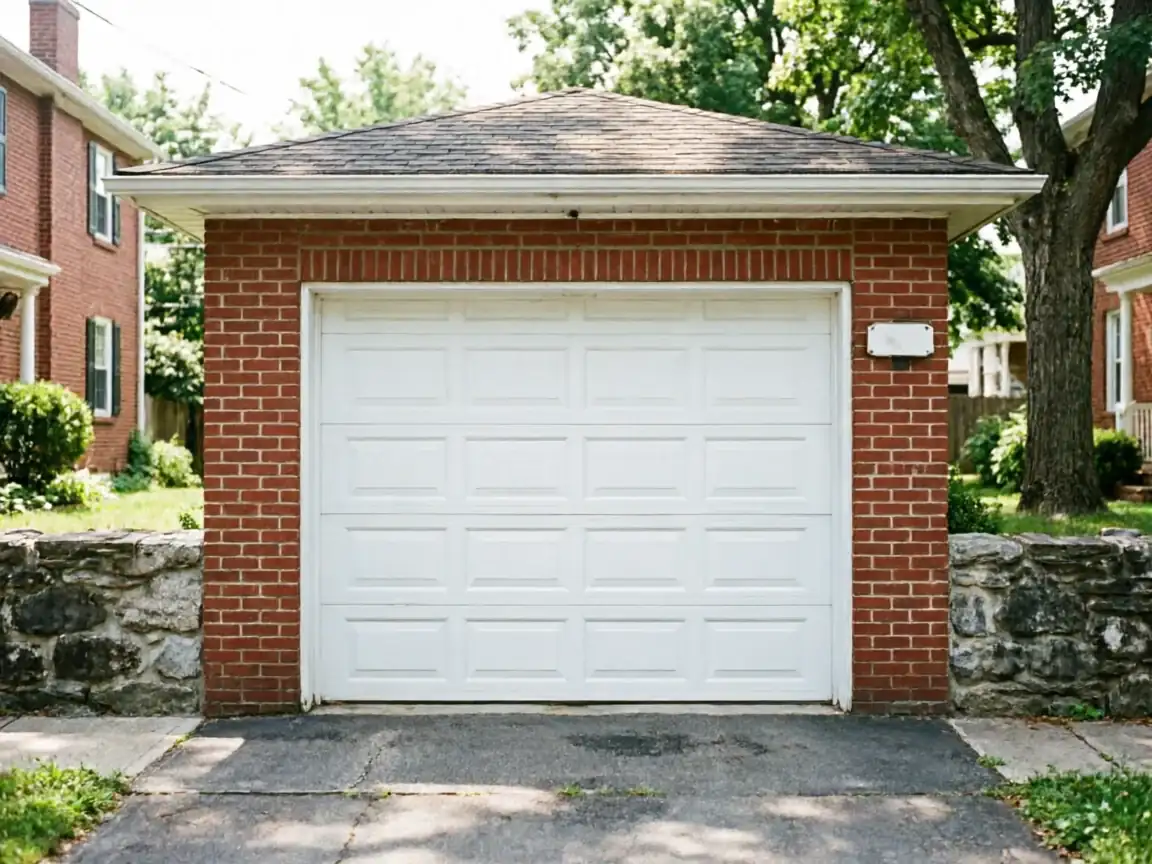
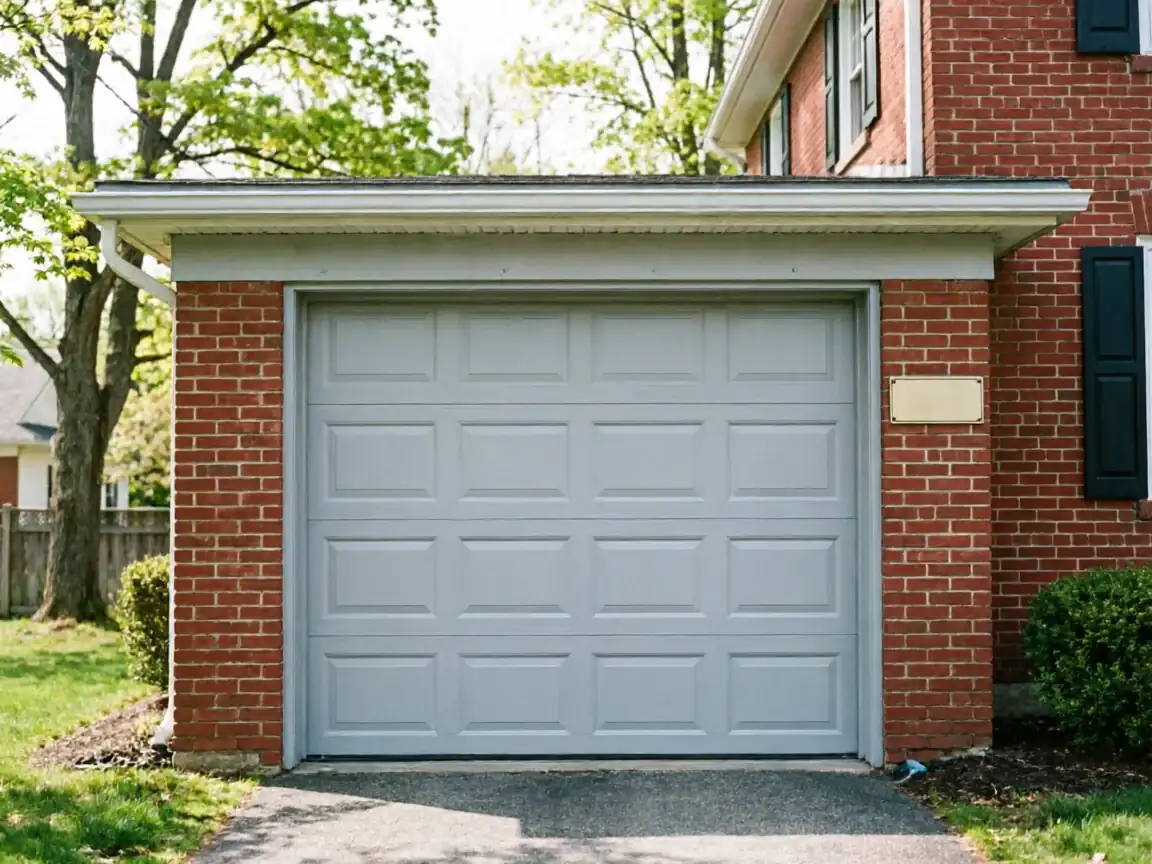
The median house in Elsmere was built around 1955, which puts it ahead of the wider Wilmington-area median of 1965 and squarely in that first wave of postwar construction. A door and opener installed in a house from that era has usually been replaced at least once by now, but the garage opening itself - width, header clearance, track path - is still the original framing. With 2,274 households in Elsmere and a median income of $76,378, a fair number of these are owner-occupied homes where the garage has never been touched since the original builder hung the door. That's a different starting point than a 1990s subdivision, and it changes what we expect to find when we pull a panel.
What That Means for Doors
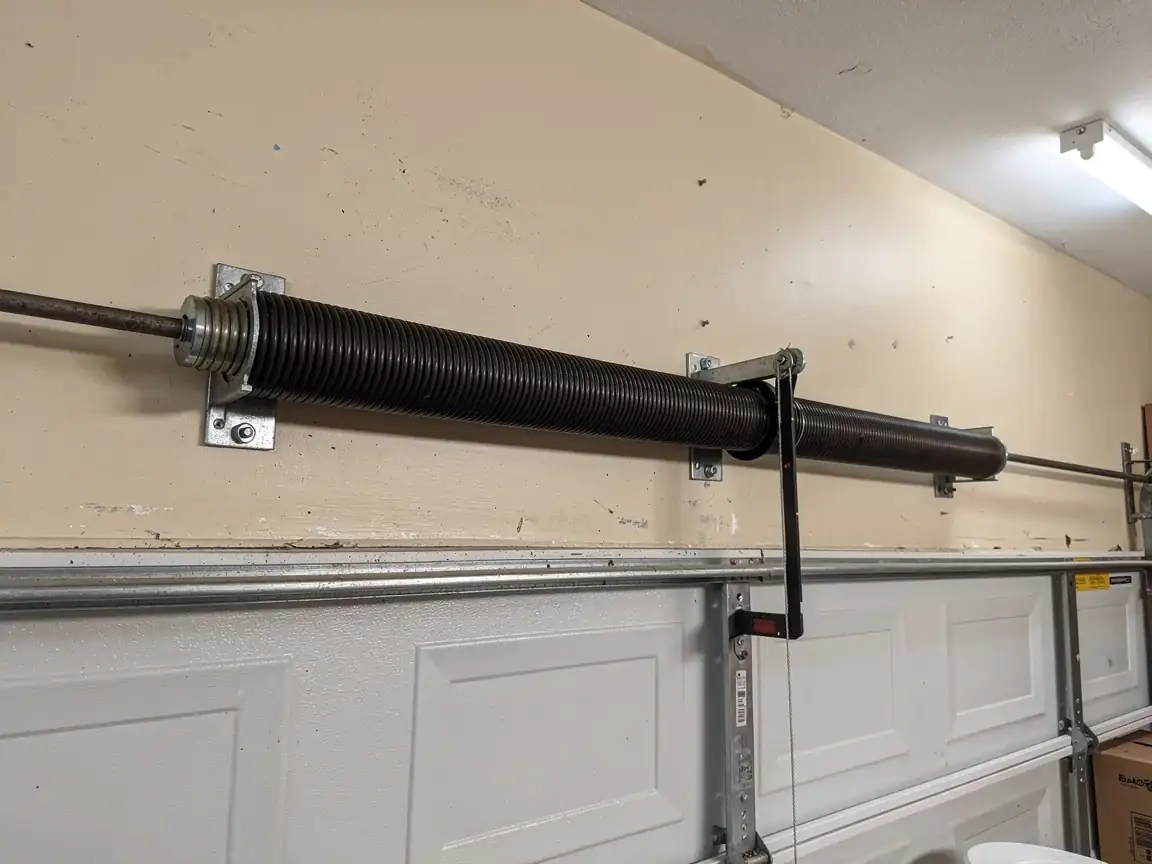
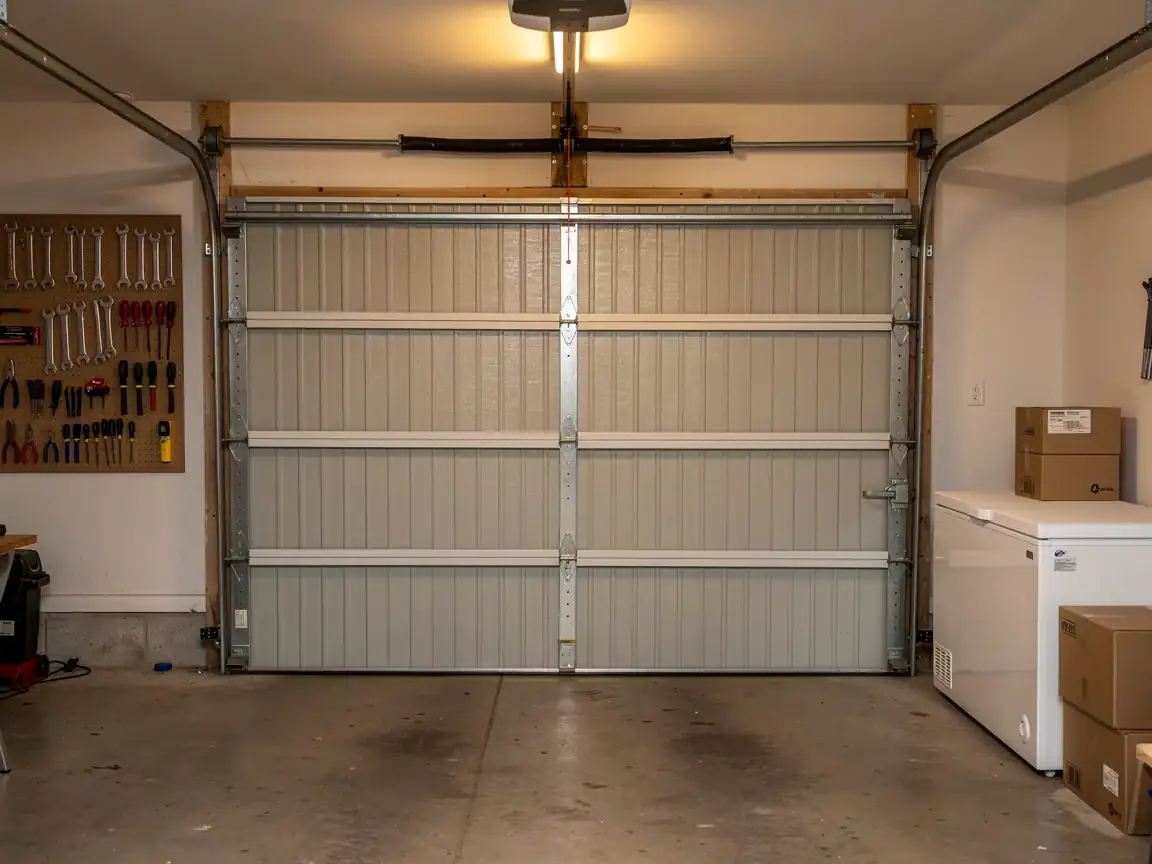
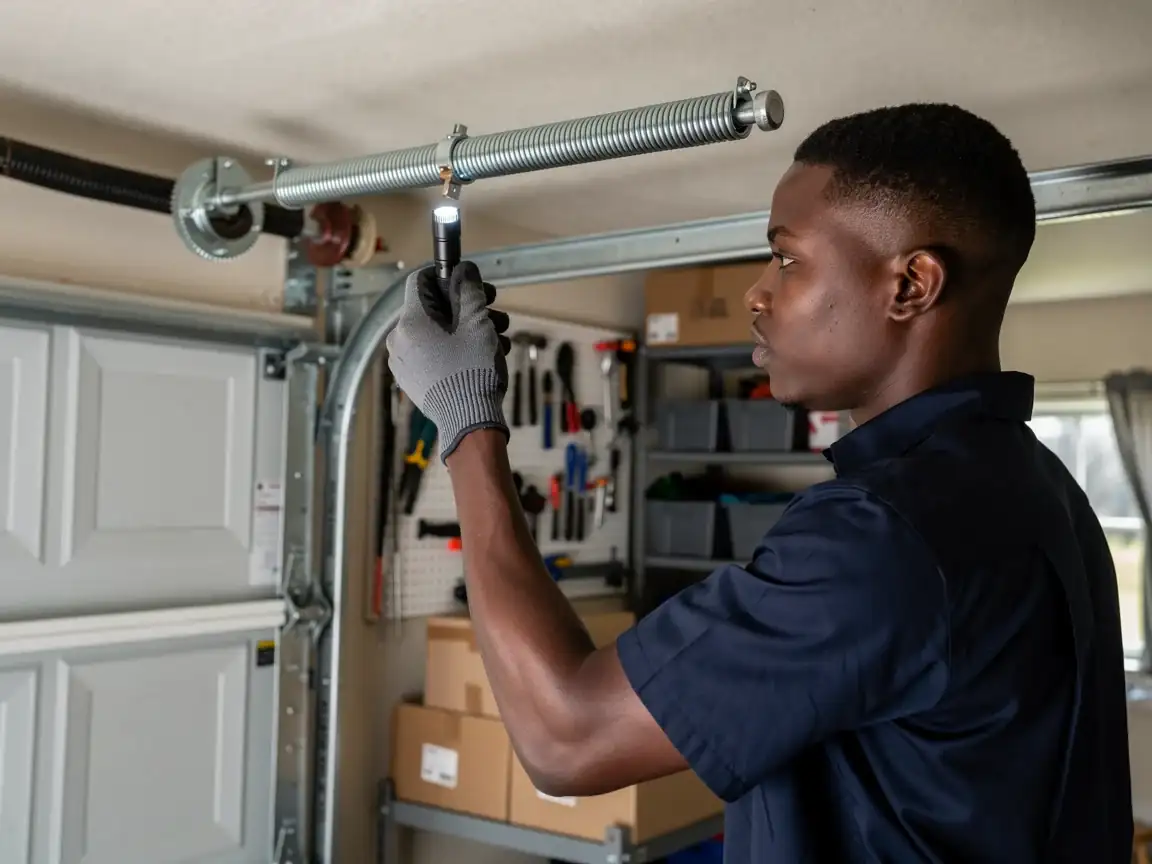
Delaware sits in a cold, severe climate band, and a door hung on a 1955 opening wasn't built with today's insulation standards or today's spring tensioning in mind. On houses this age we commonly find narrower tracks than modern doors expect, lighter-gauge panels that have warped over decades of freeze-thaw cycling, and torsion or extension springs sized for a door that's since been swapped for something heavier. None of that is unusual for Elsmere - it's just what you get with a town built when it was. The fix often isn't a like-for-like replacement part; it's matching new hardware to an old opening, which takes more time on site than people expect.
How it works
From “it’s stuck” to “it’s fixed”
A quick, honest process - no guesswork and no surprises, start to finish.
No. We run out of Wilmington, about 3 miles away, and drive out to Elsmere and the surrounding towns for every job. There's no local depot, just a truck coming from the shop.
Why does my garage door from the 1950s keep breaking?
Houses built around 1955, which is the median age here in Elsmere, often still have original opening dimensions paired with hardware that's been replaced piecemeal over the decades. Mismatched spring tension and narrow tracks are common causes of repeat failures on doors this age.
Is it worth repairing an old door versus replacing it?
Depends on what's failing. If the opener, springs, and track have all needed work in the same year, replacement is usually cheaper long-term than another round of repairs on hardware built for a different door than the one that's on it now.
Ready to get your garage door sorted?
Tell us what it’s doing and where you are in Wilmington - we’ll take it from there.