What the Fix Involves
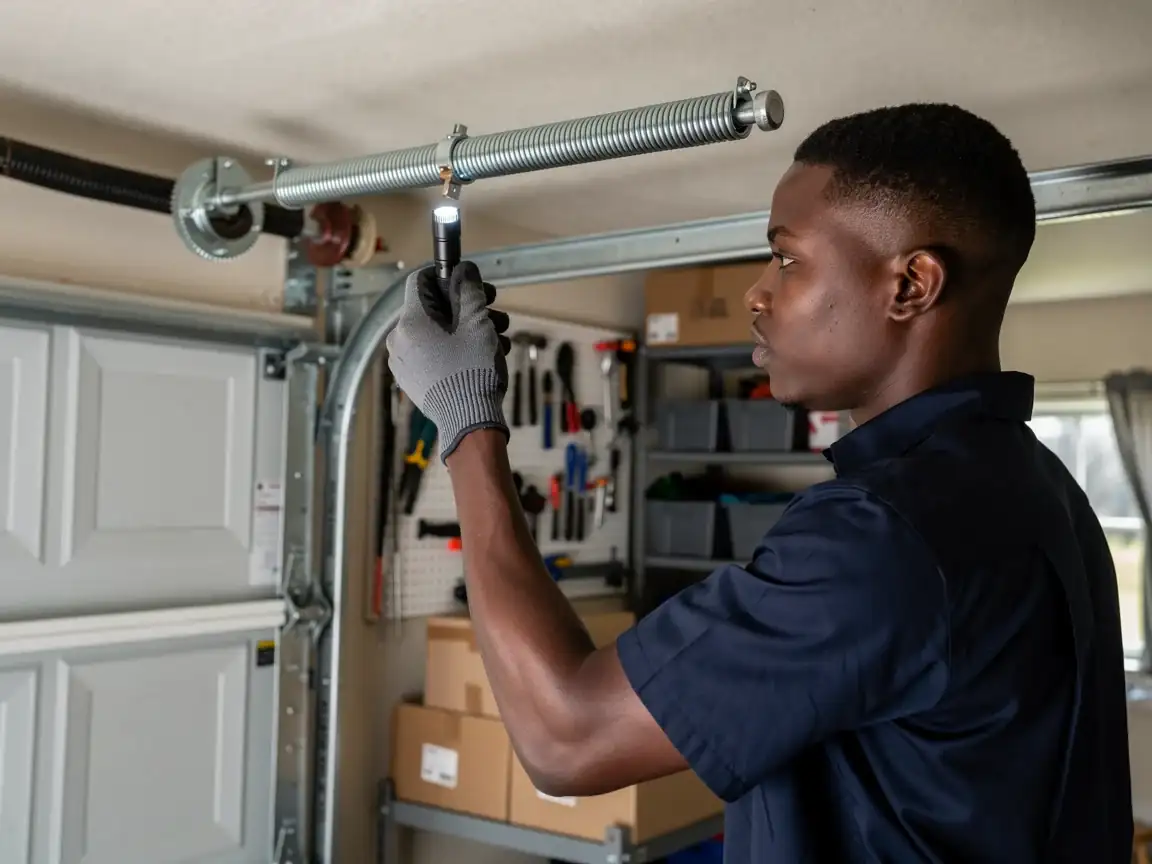
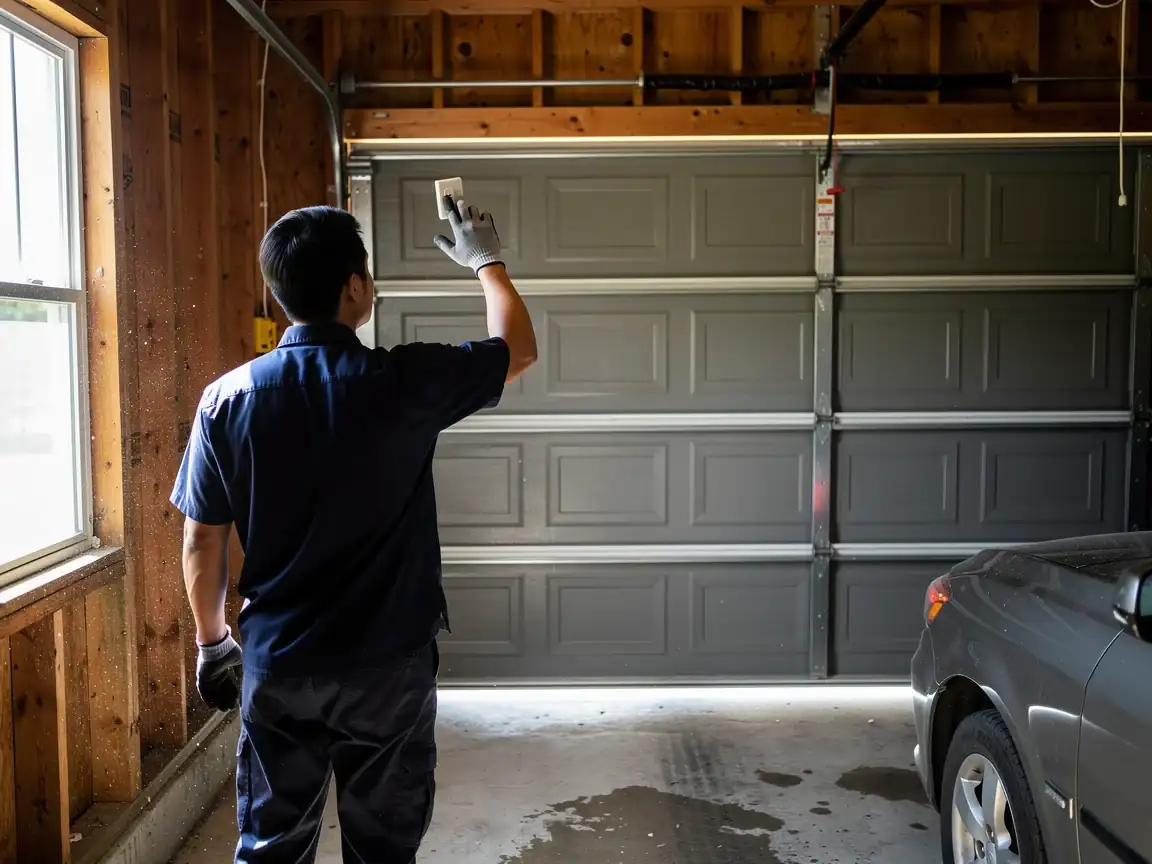
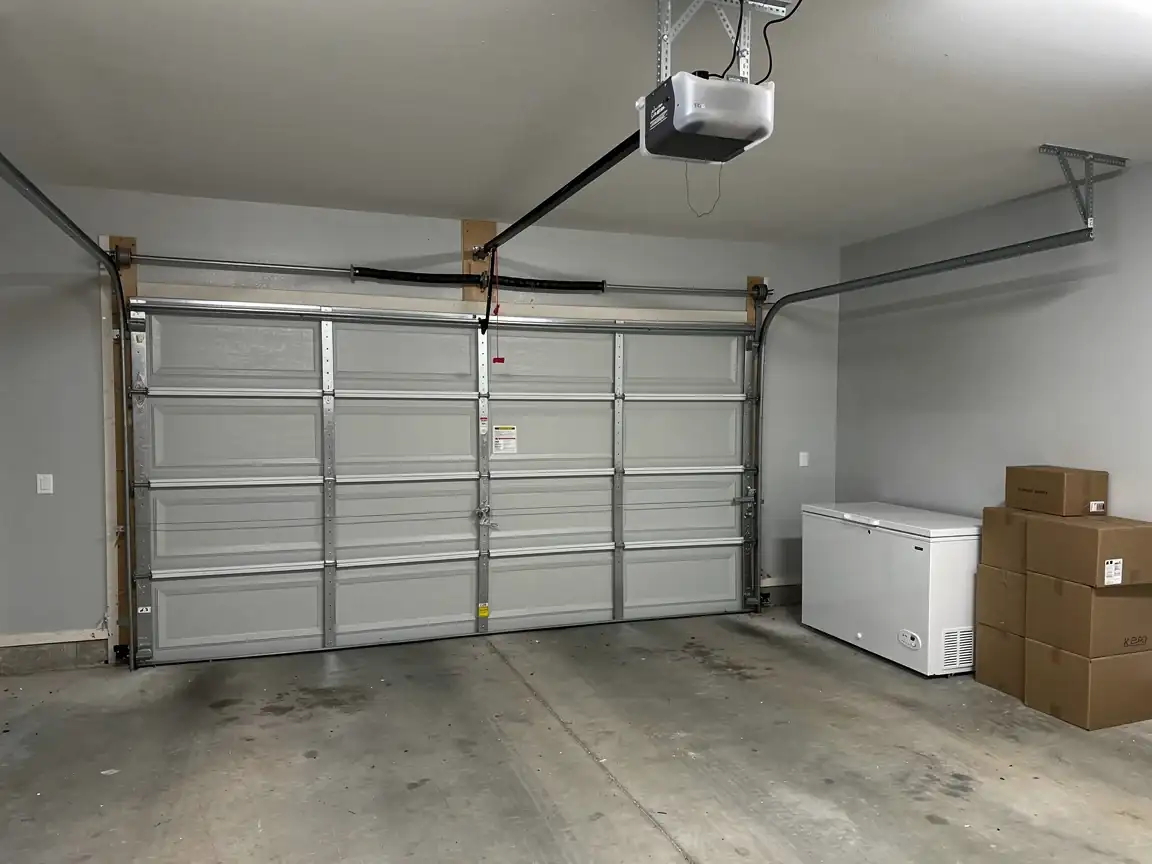
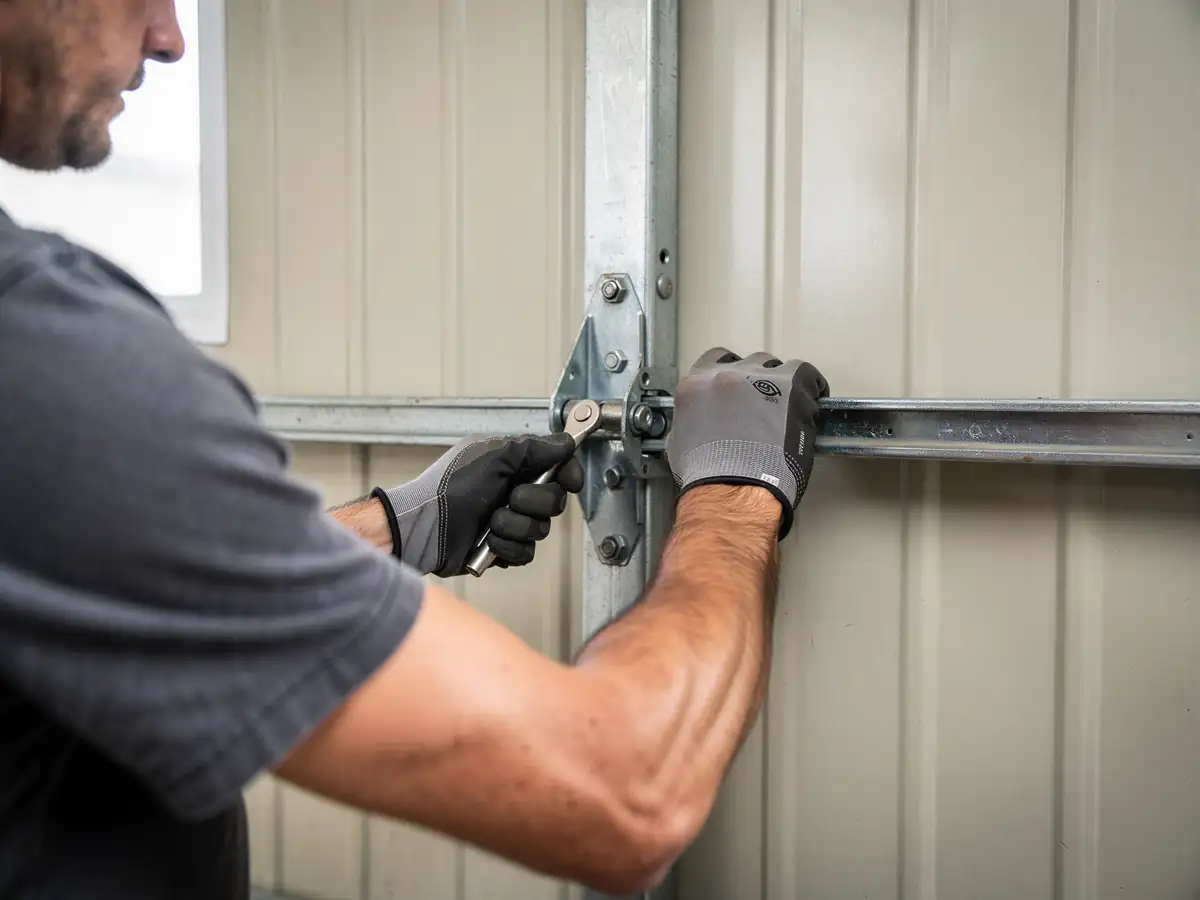
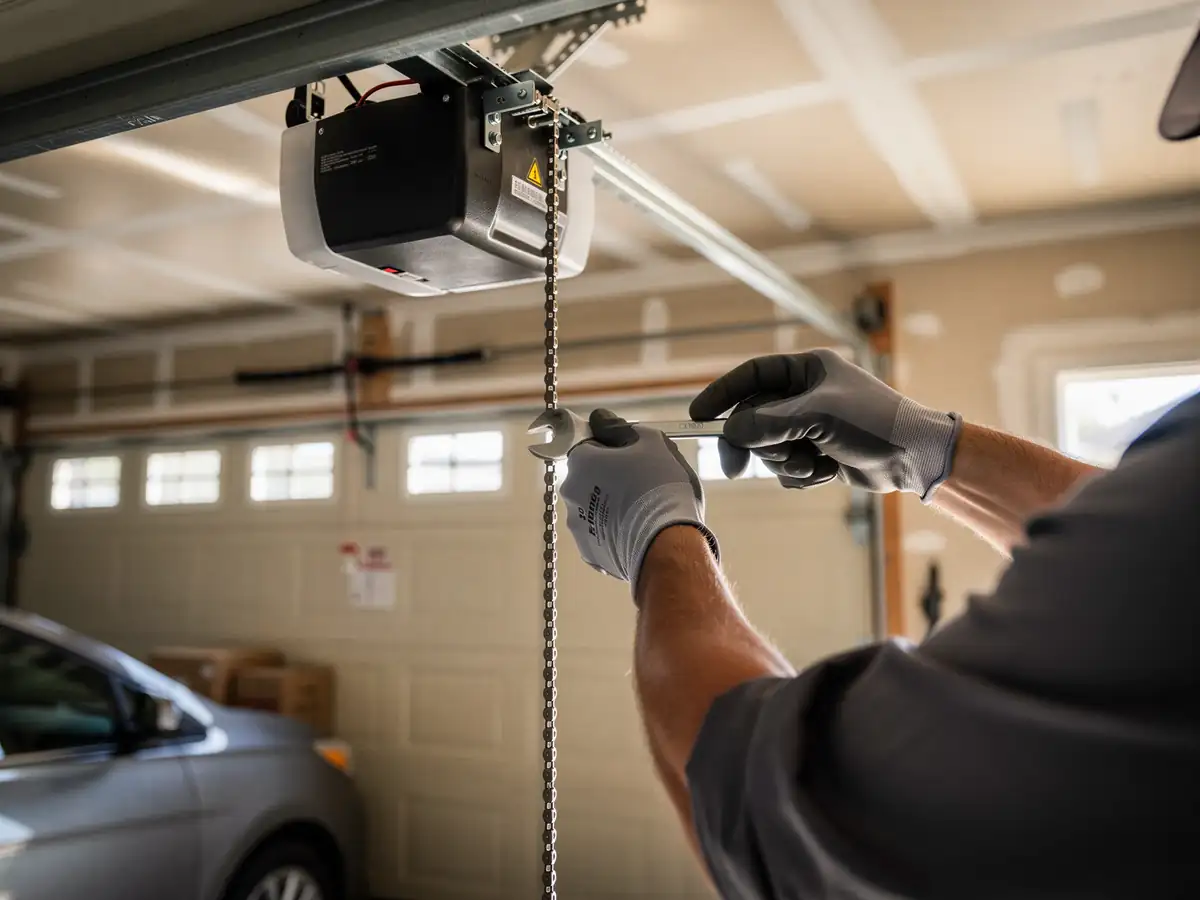
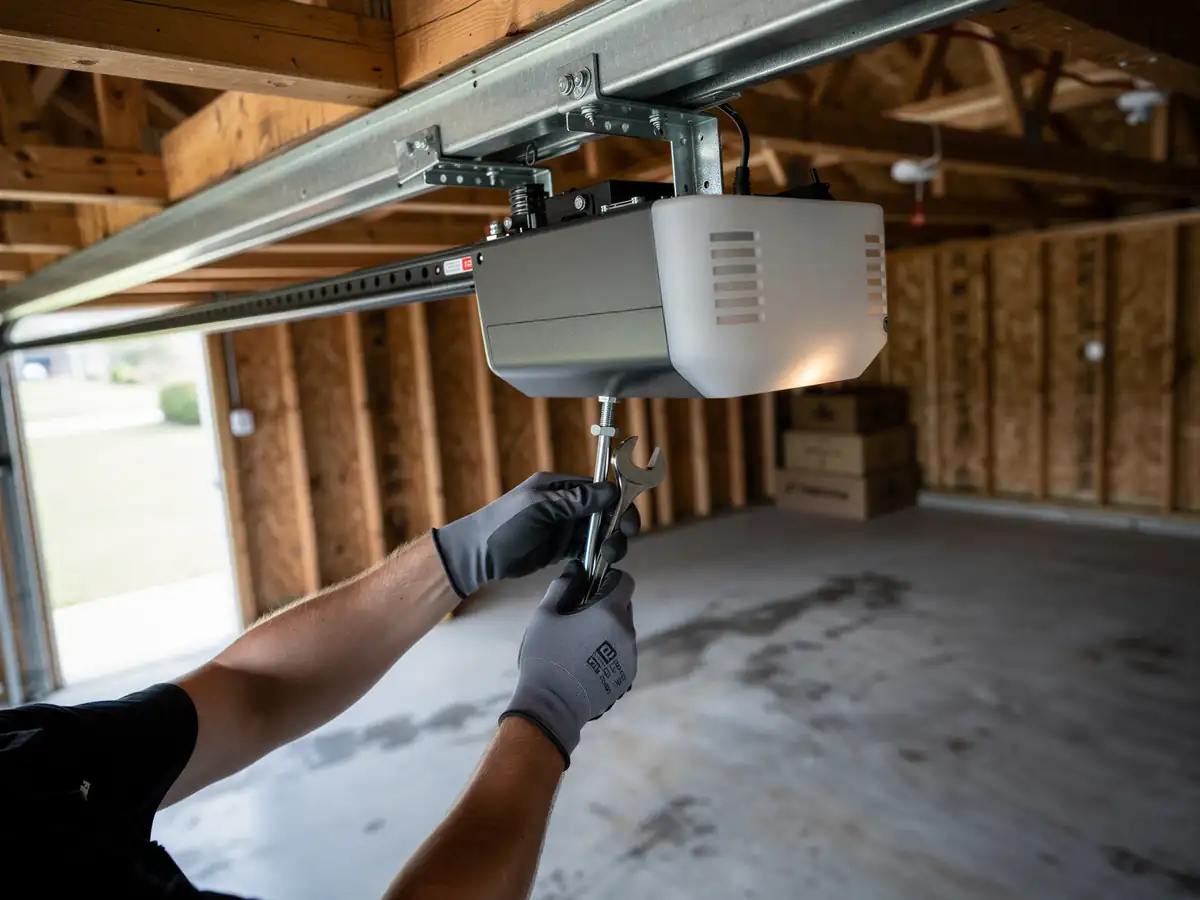
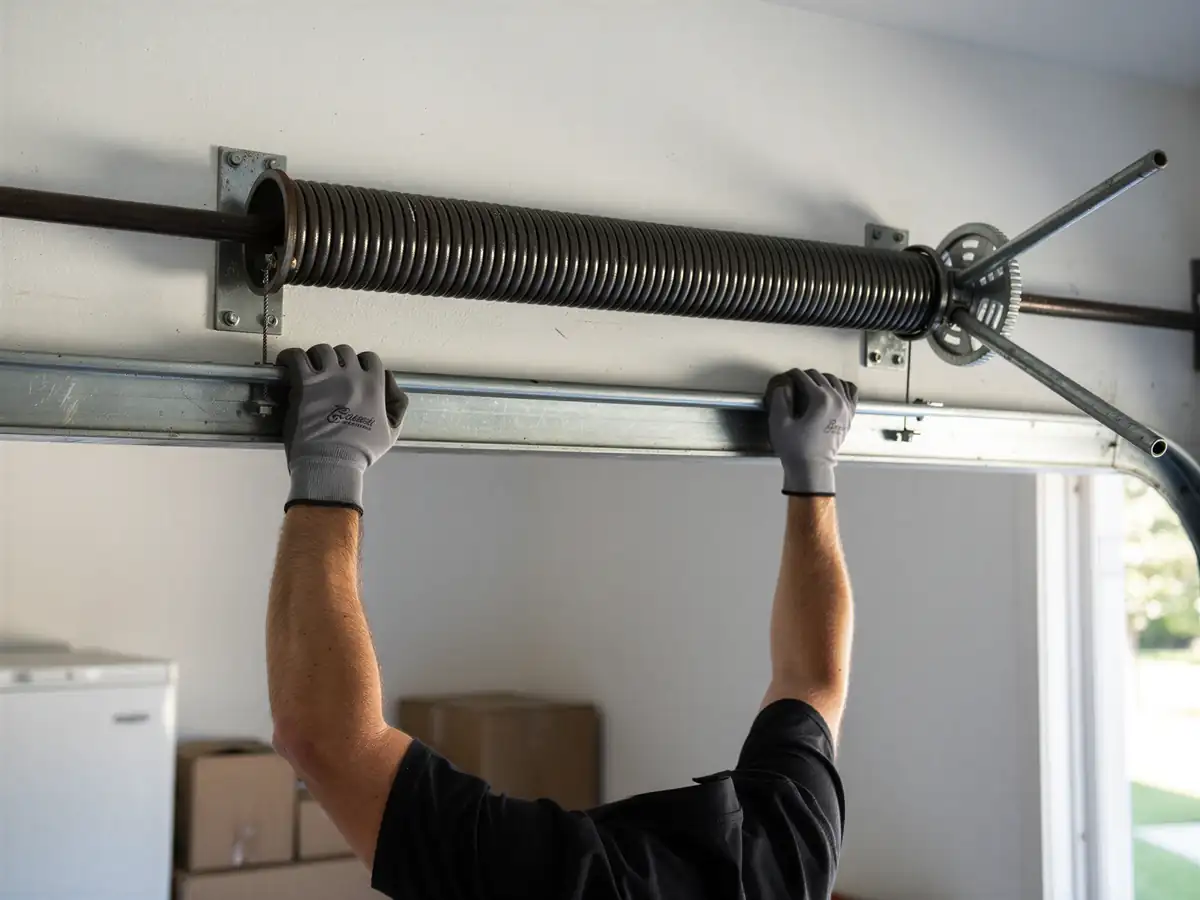
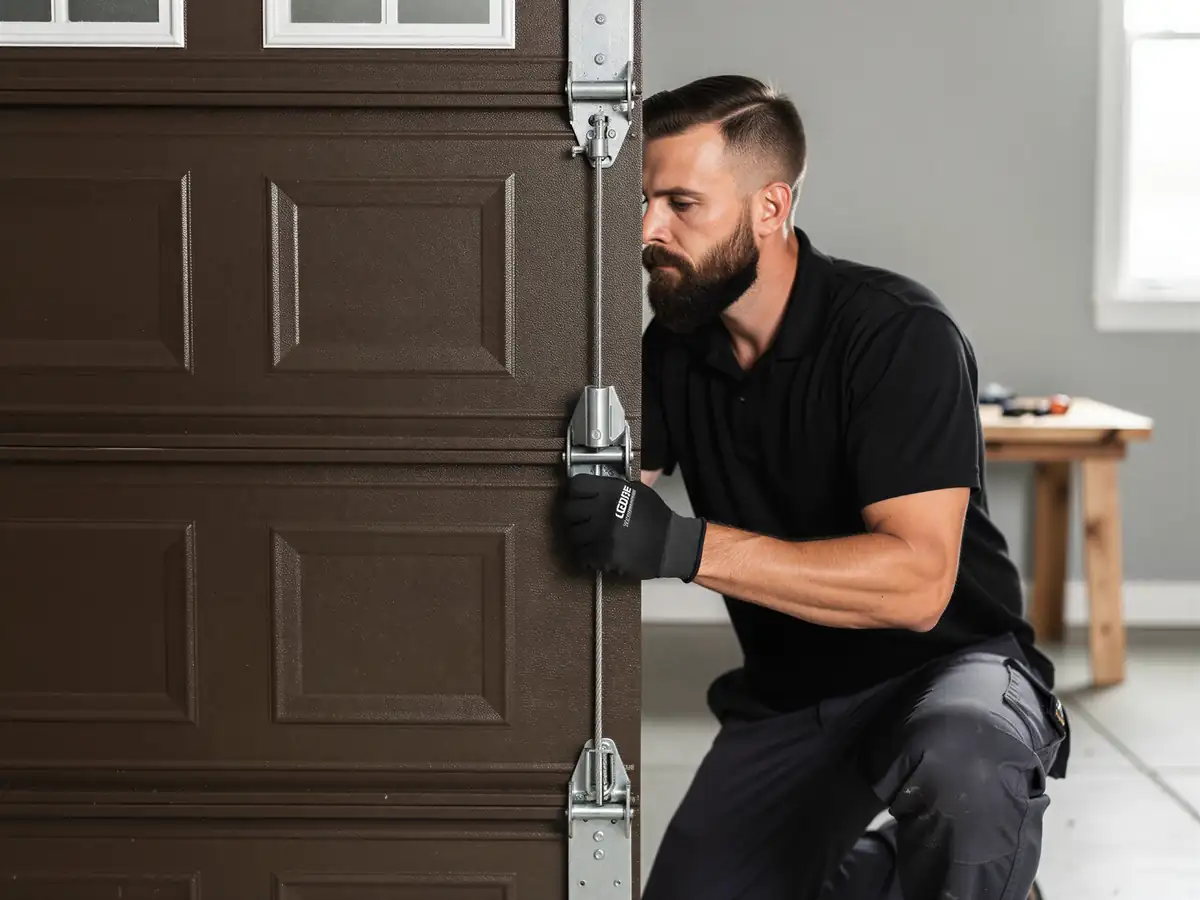
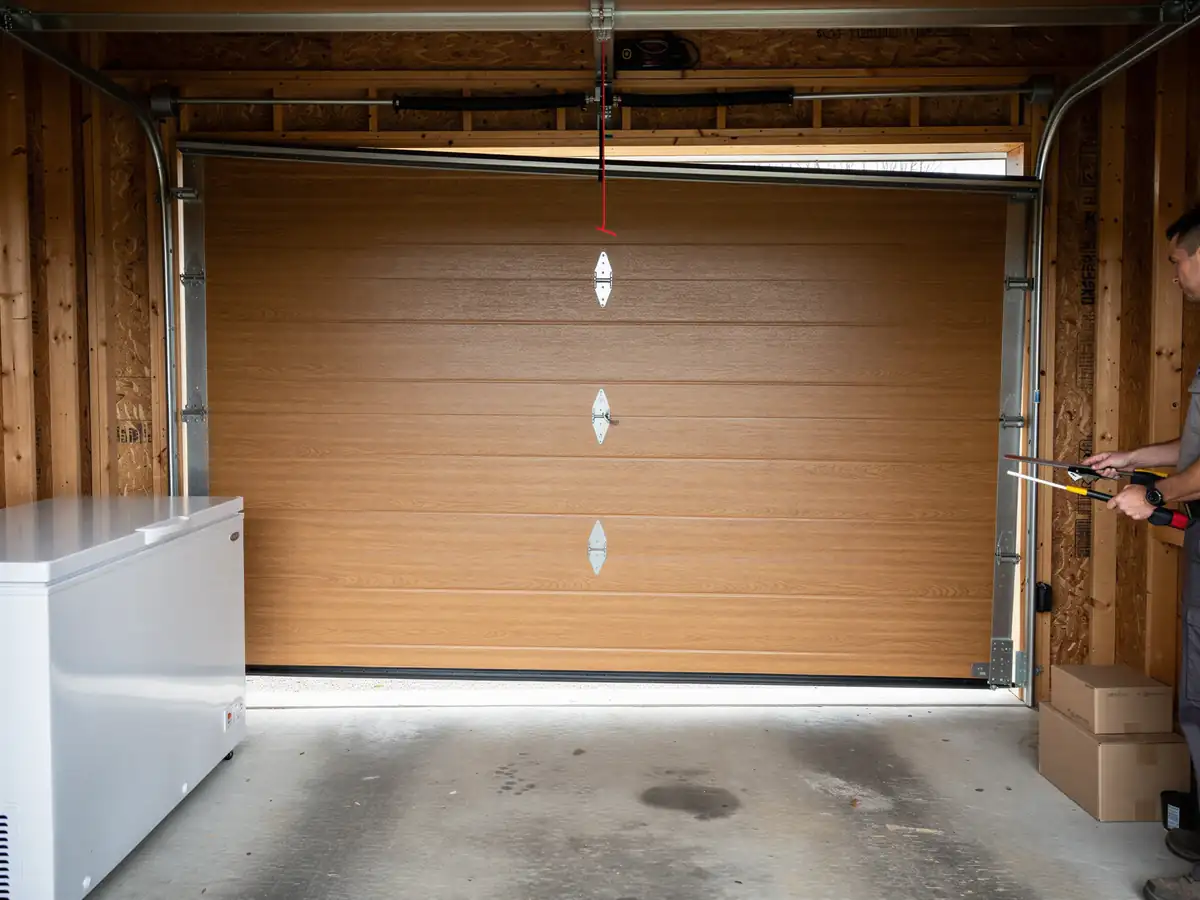
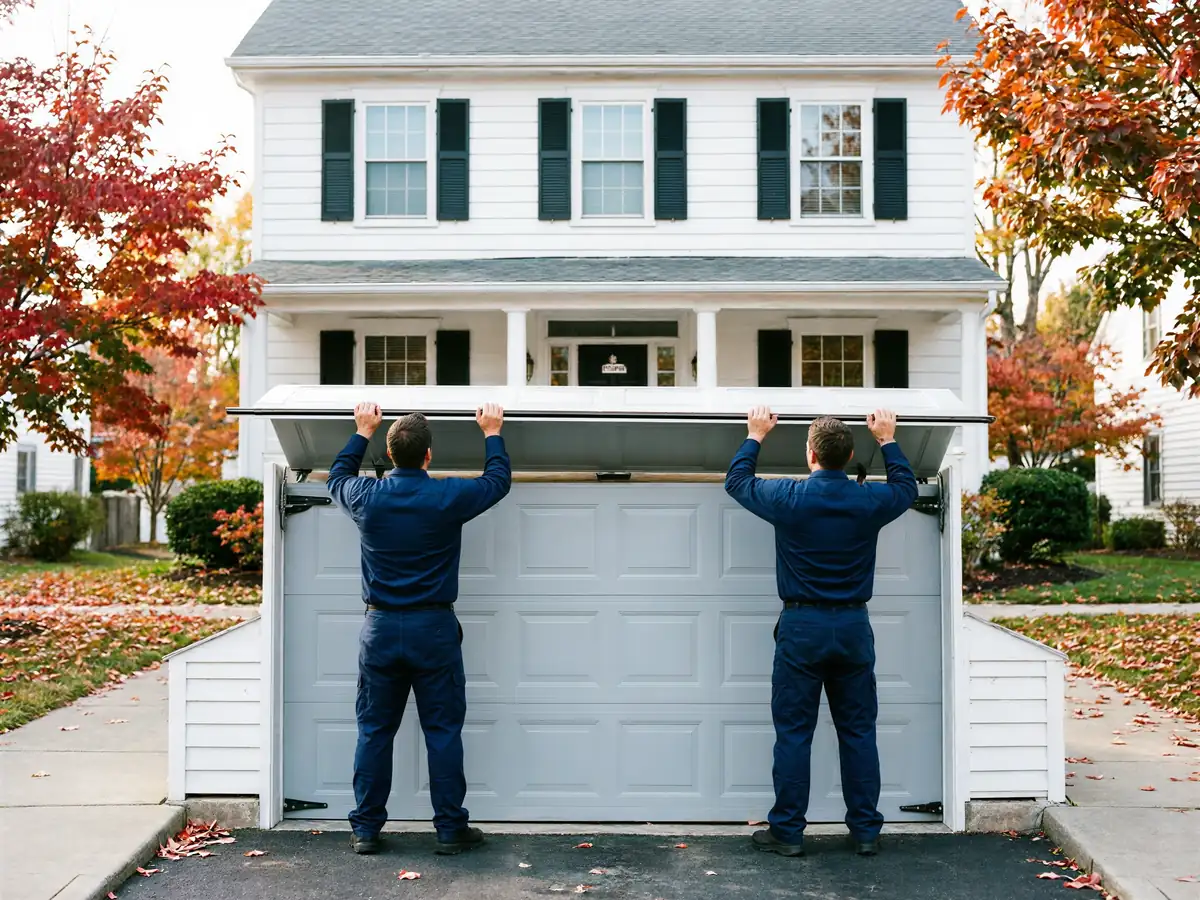
New installation on a house this age is rarely just "door in, door out." The track position usually has to move because older garages were framed with less clearance above the opening, and the spring system almost always gets upgraded - a lot of these houses still have the original extension springs mounted bare over the track, which isn't how anyone builds a system now. We pull the old door, check the opening for square (it's often not, after decades of settling), shim or rebuild the jamb where needed, then set new track and hardware sized to the actual header height rather than a factory default. Weatherstripping at the sides and bottom matters more here than in newer construction, since these openings were never sealed to a modern standard. If the opener is original to the house, it gets replaced too - not because the motor can't run, but because the drive systems from that era don't have the safety reversal sensors required now, and we won't hang a new door on an opener that can't meet that.
How Long It Takes
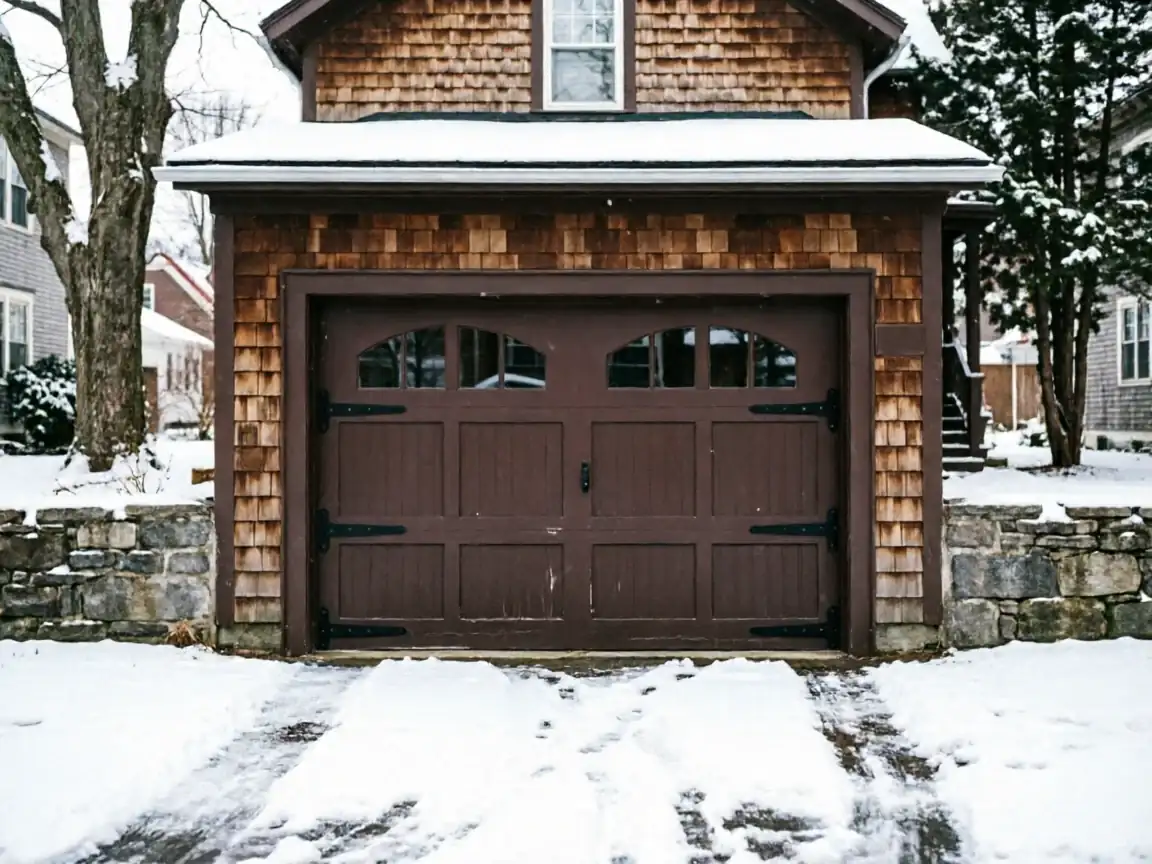
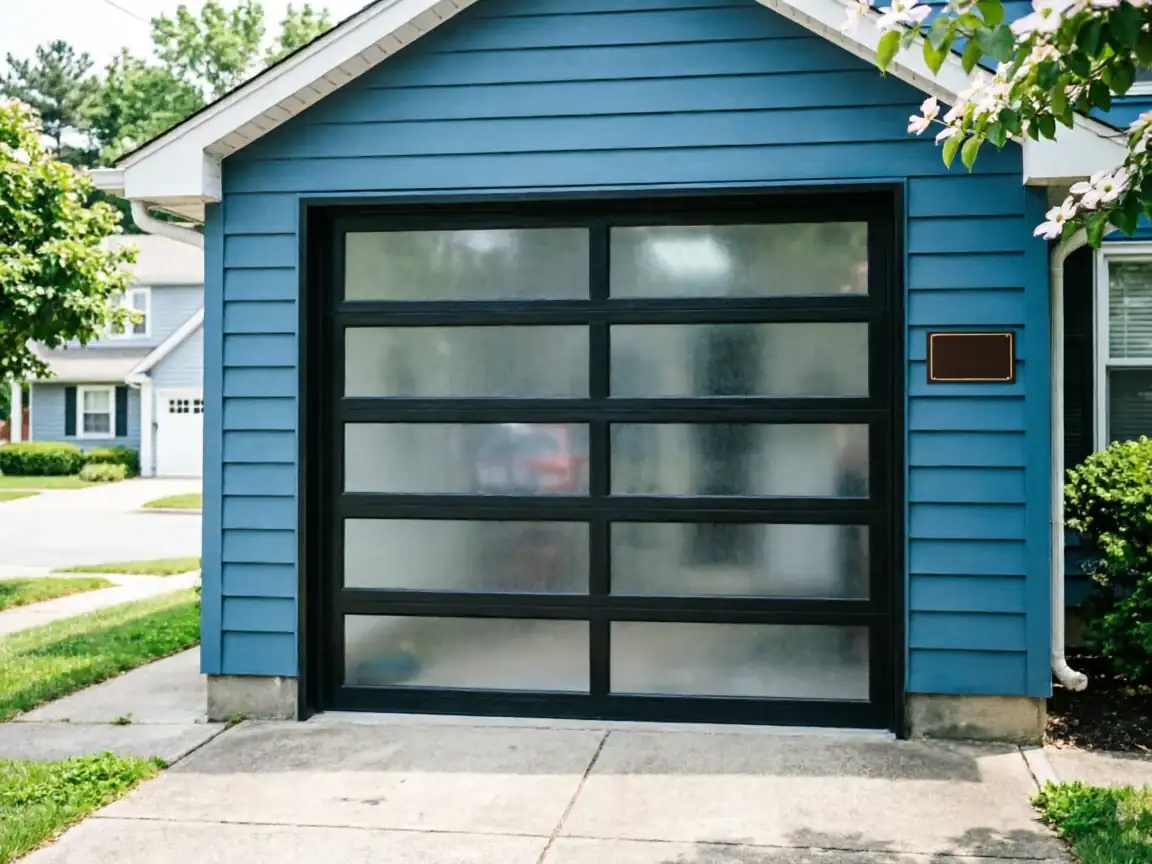
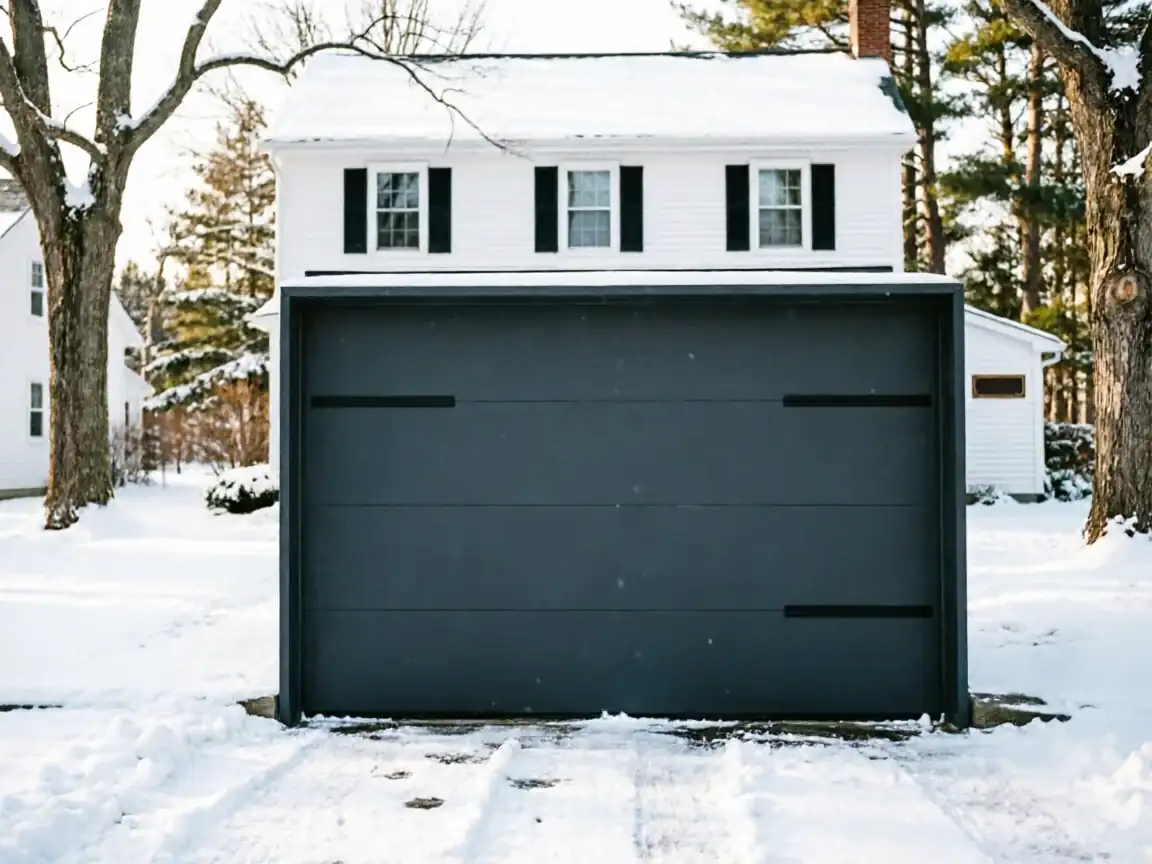
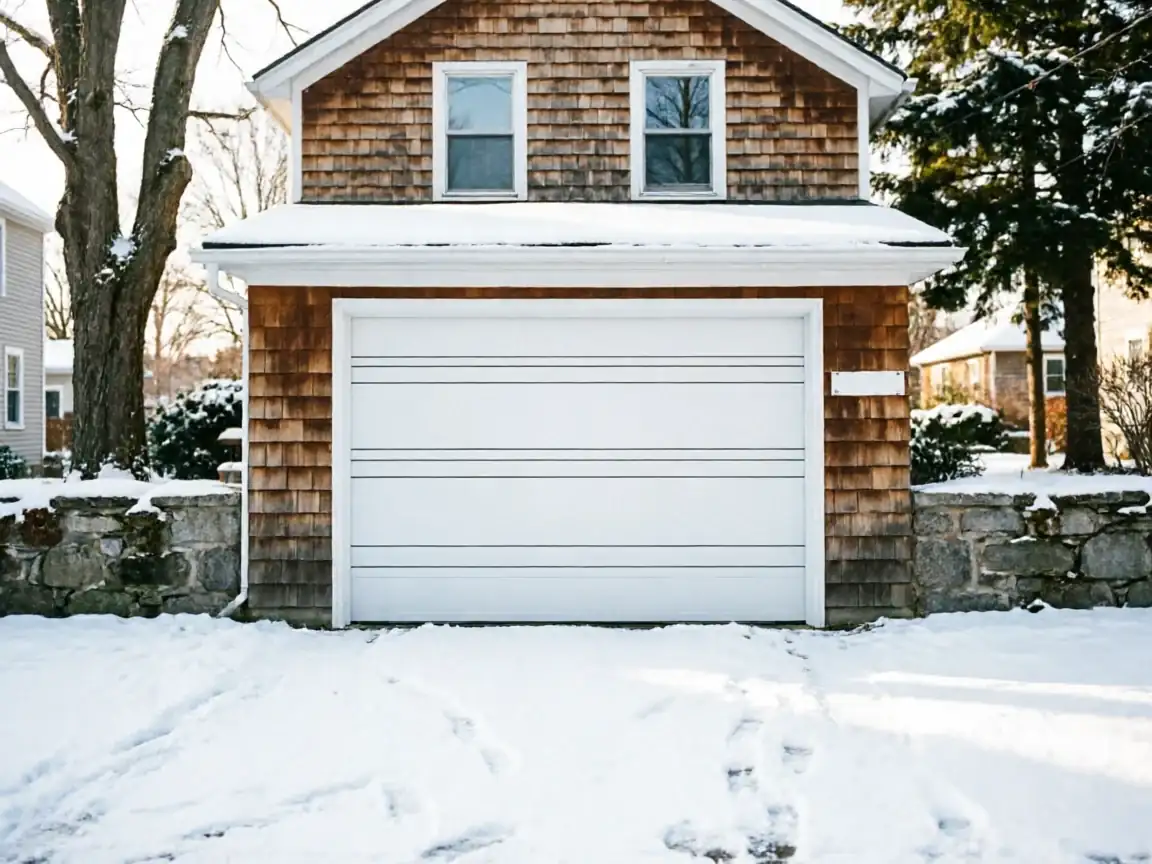
A straight swap - same opening, same width, no structural surprises - usually runs a single visit. What stretches it out, and this is common in Elsmere's older housing, is finding the jamb needs rebuilding once the old door comes off, or the header is lower than the new door's hardware wants. We won't know that for certain until the old door is out, which is part of why we check the opening before quoting a firm timeline. Lead time on the door itself depends on the panel style and insulation package ordered; in-stock steel doors go faster than a custom color or window configuration. We'll tell you up front which situation you're in rather than promise a number we can't back up.
What You Are Seeing
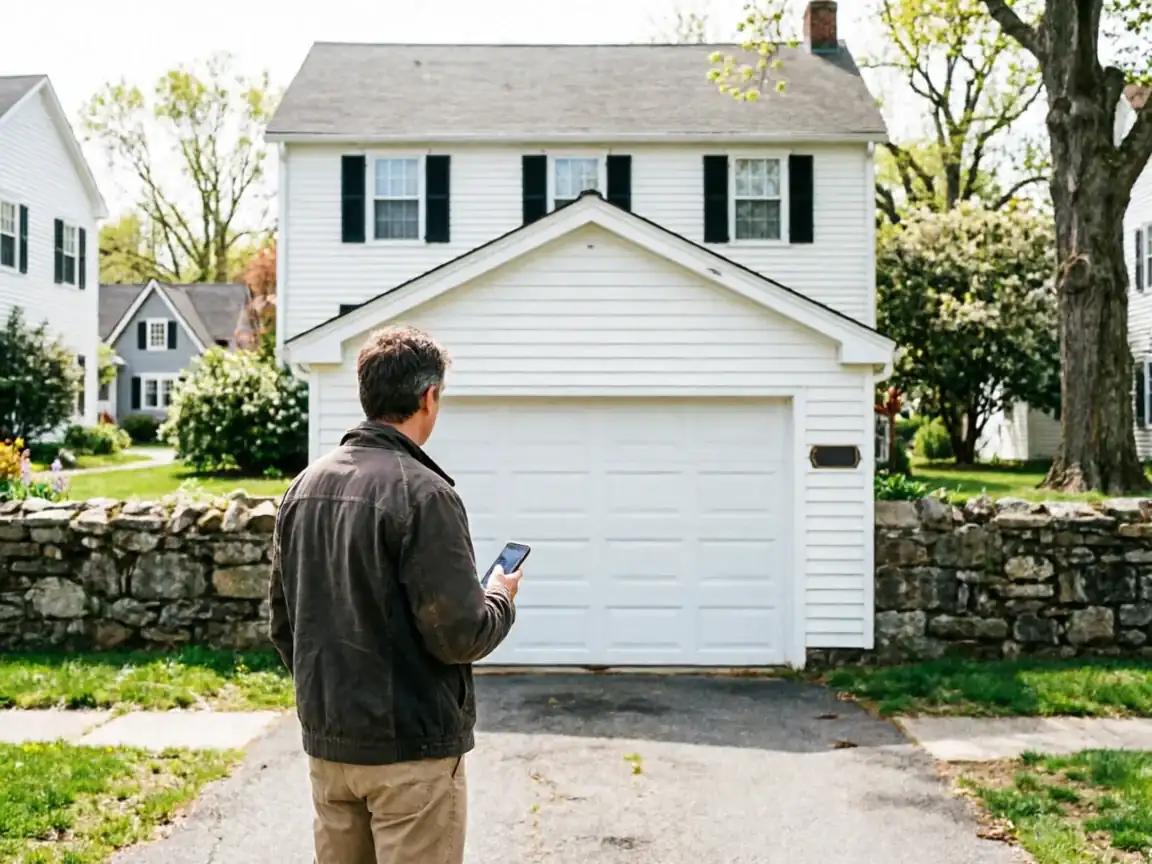
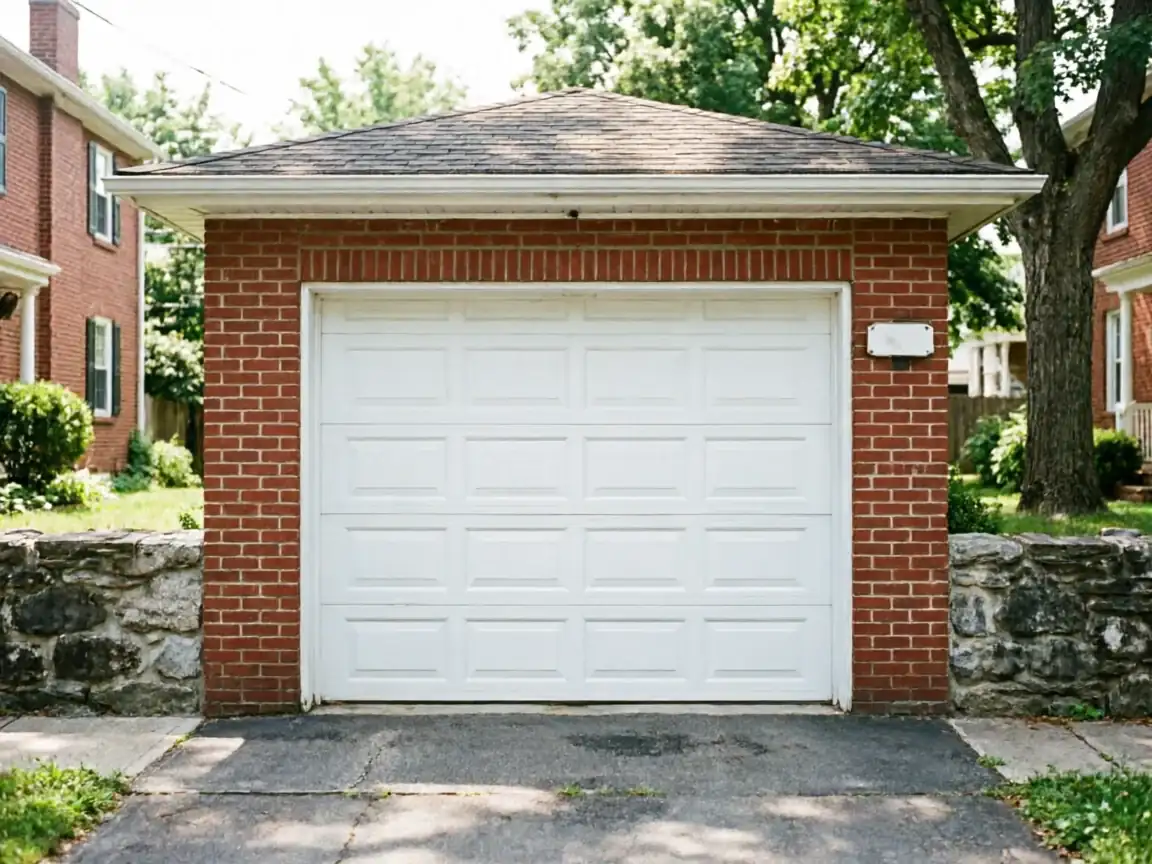
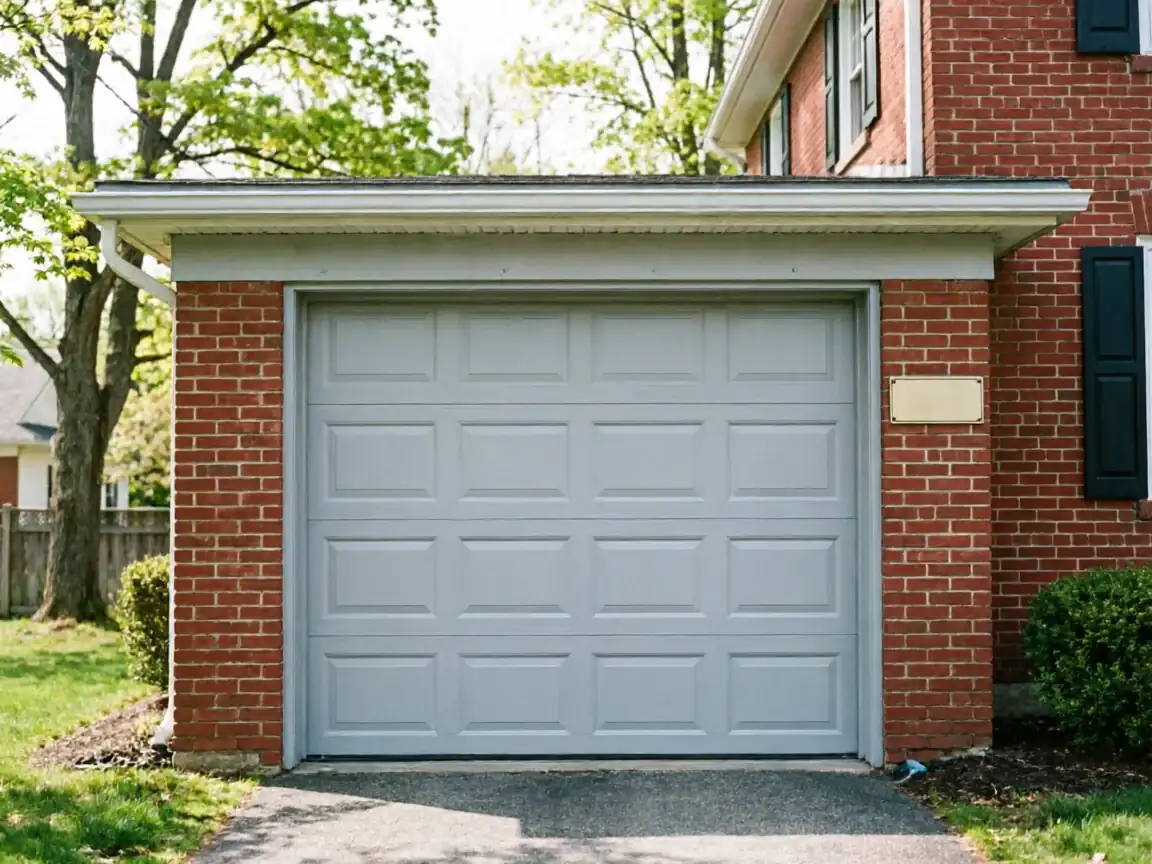
If your door is original or close to it, you're probably seeing a single steel skin with no foam backing - it feels light for its size and transmits cold straight into the garage, which matters given the climate band this area sits in. Rust at the bottom panel and corner brackets is common after this many winters, especially where the original flashing has failed. You might also notice the door doesn't sit flush at the bottom anymore; on a house this age that's often the slab settling slightly over decades, not the door itself failing. Track that looks bent or offset, especially near the top rollers, usually means someone forced the door through a binding spot at some point rather than calling for an adjustment. None of this means the house is a bad candidate for a new install - it means the opening needs an honest look before a door gets measured and ordered.
What It Costs
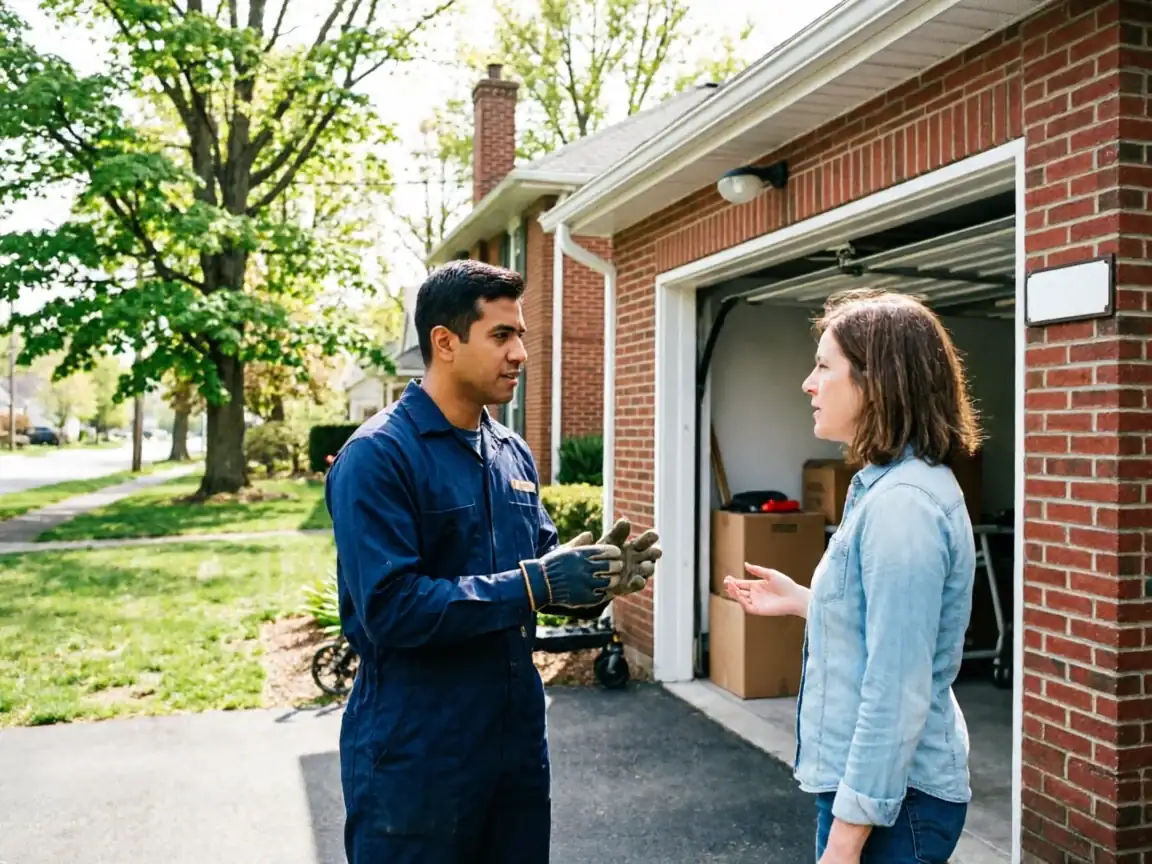
We don't have a flat number to post here, and anyone who gives you one without seeing the opening on a house this age is guessing. What drives the quote is whether the jamb needs rebuilding, whether the track has to move for headroom, and which insulation package you choose for a door that has to handle a real winter. A straight swap with a stock-width insulated steel door costs less than a job that also needs jamb repair and a new opener. We'll walk the opening with you and give you a number before any work starts, not after.