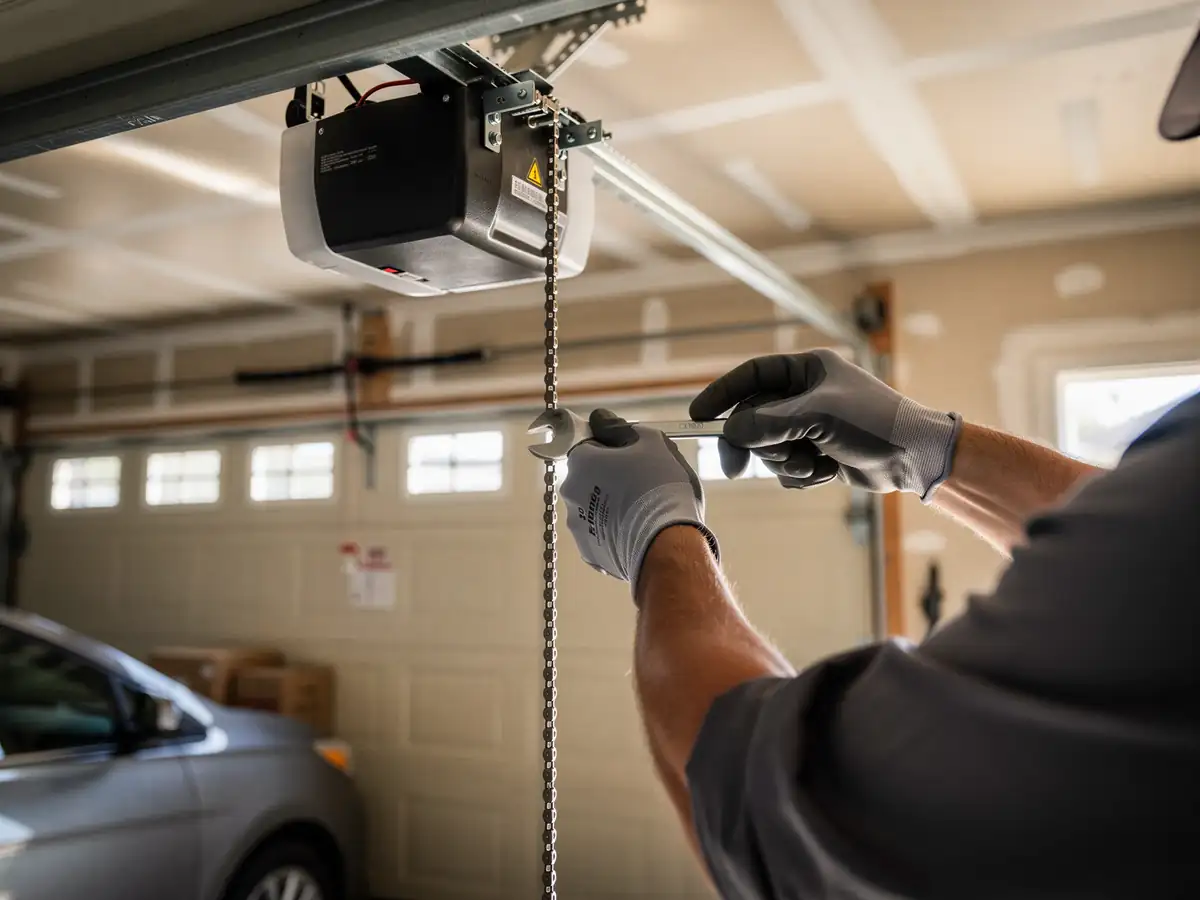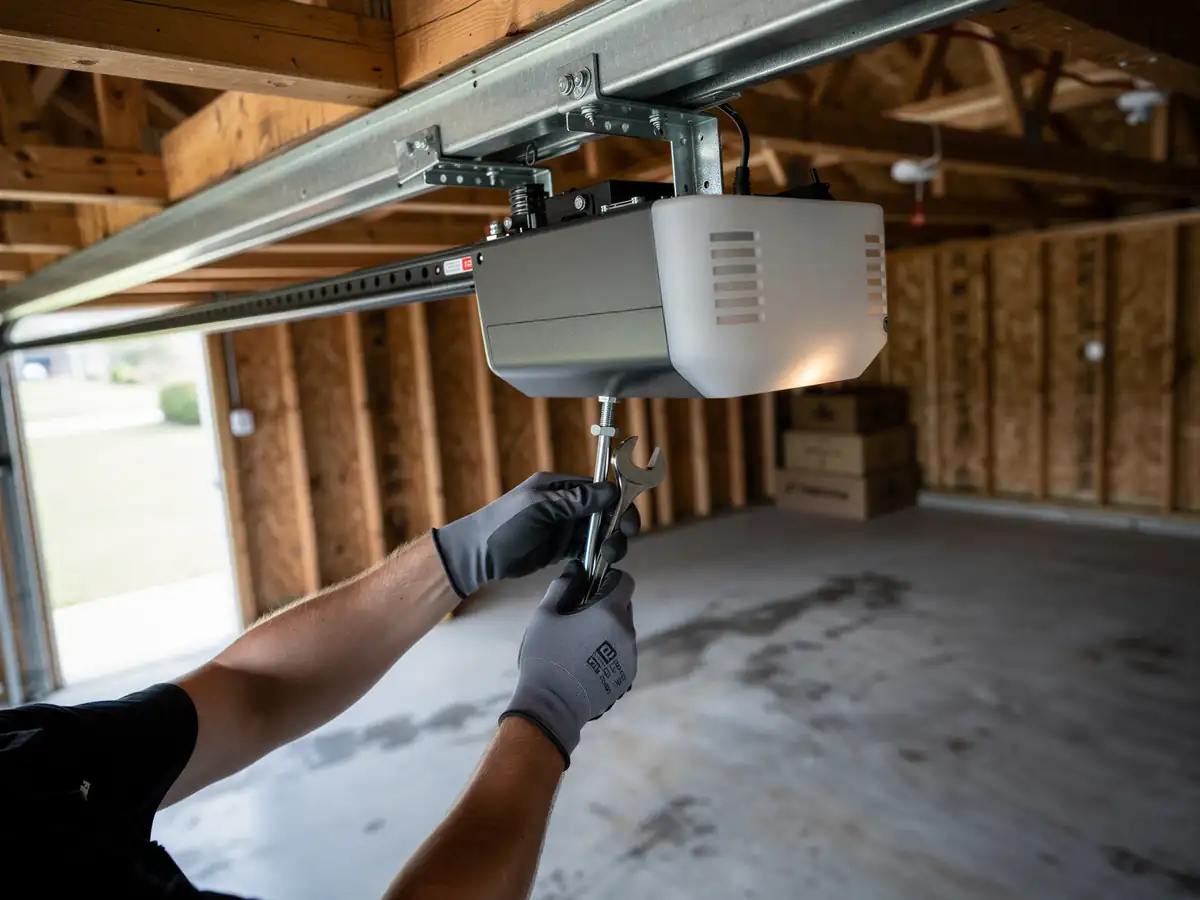
What Is on the Truck
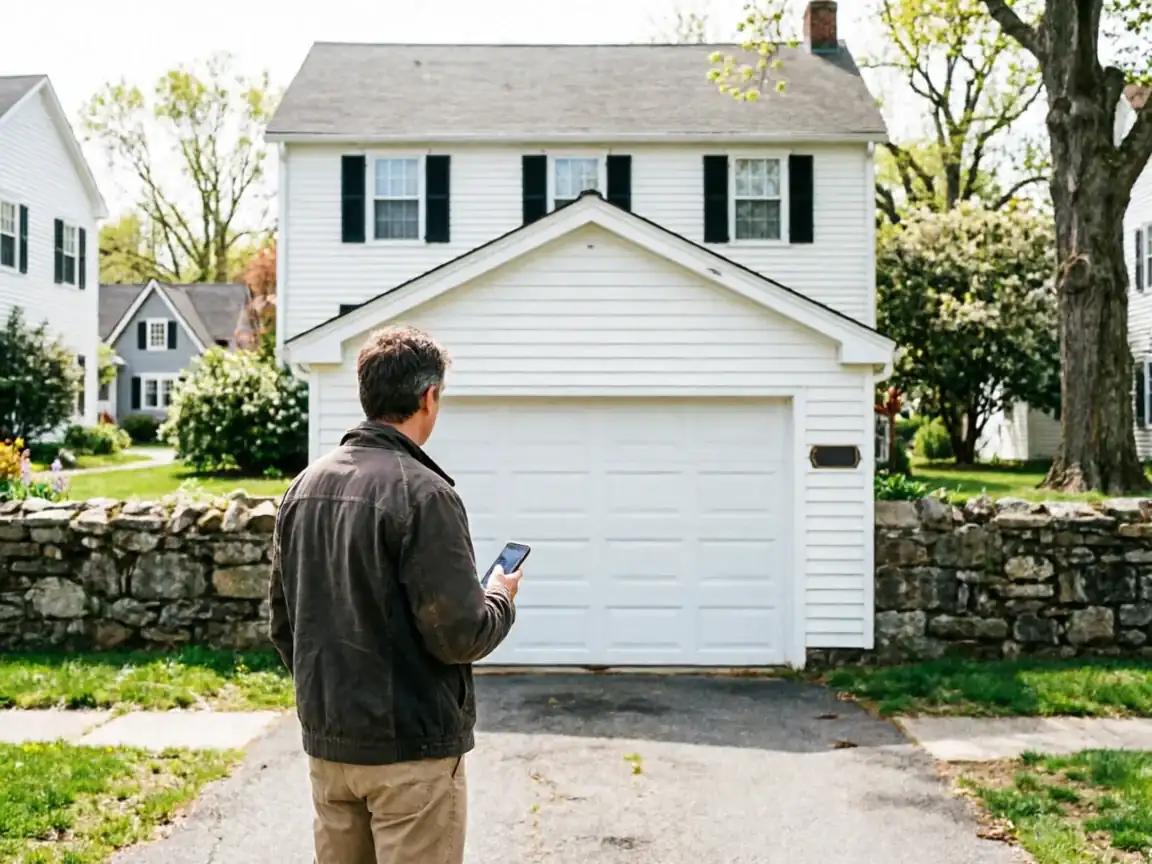
Elsmere sits about three miles from Wilmington
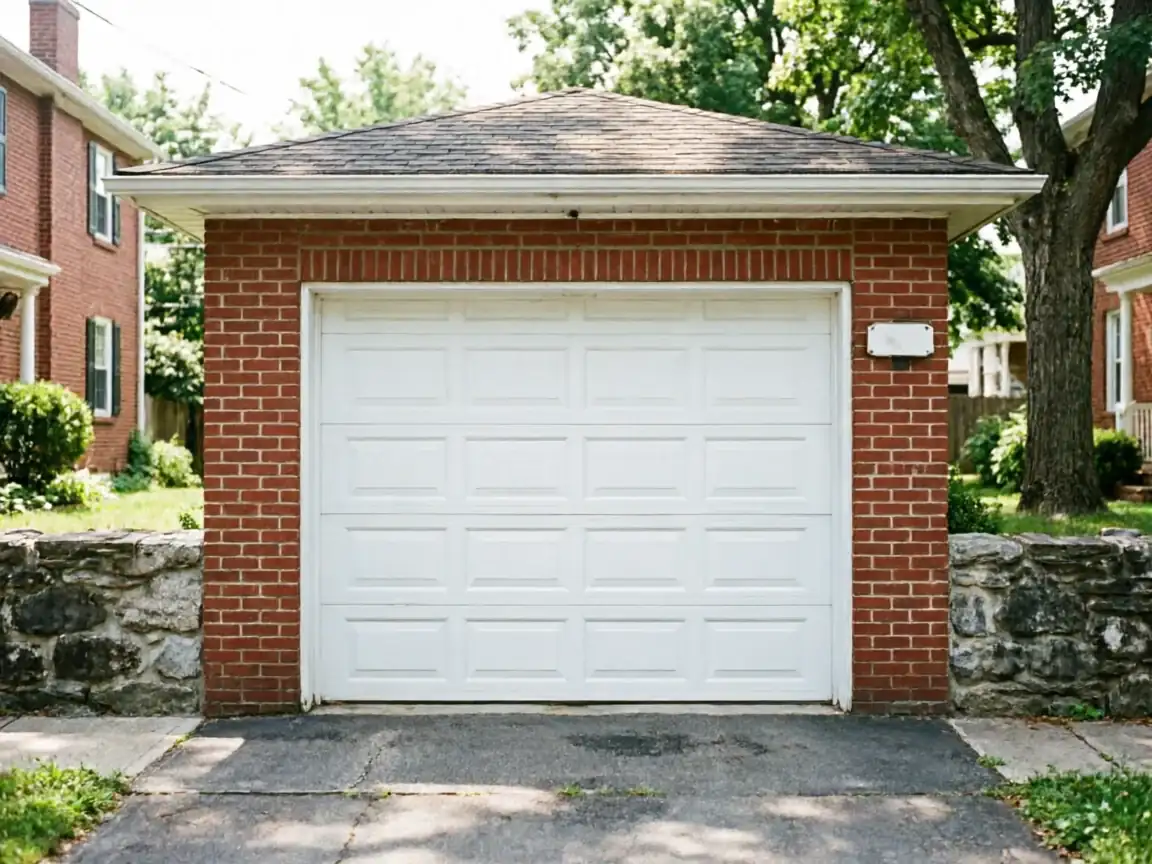
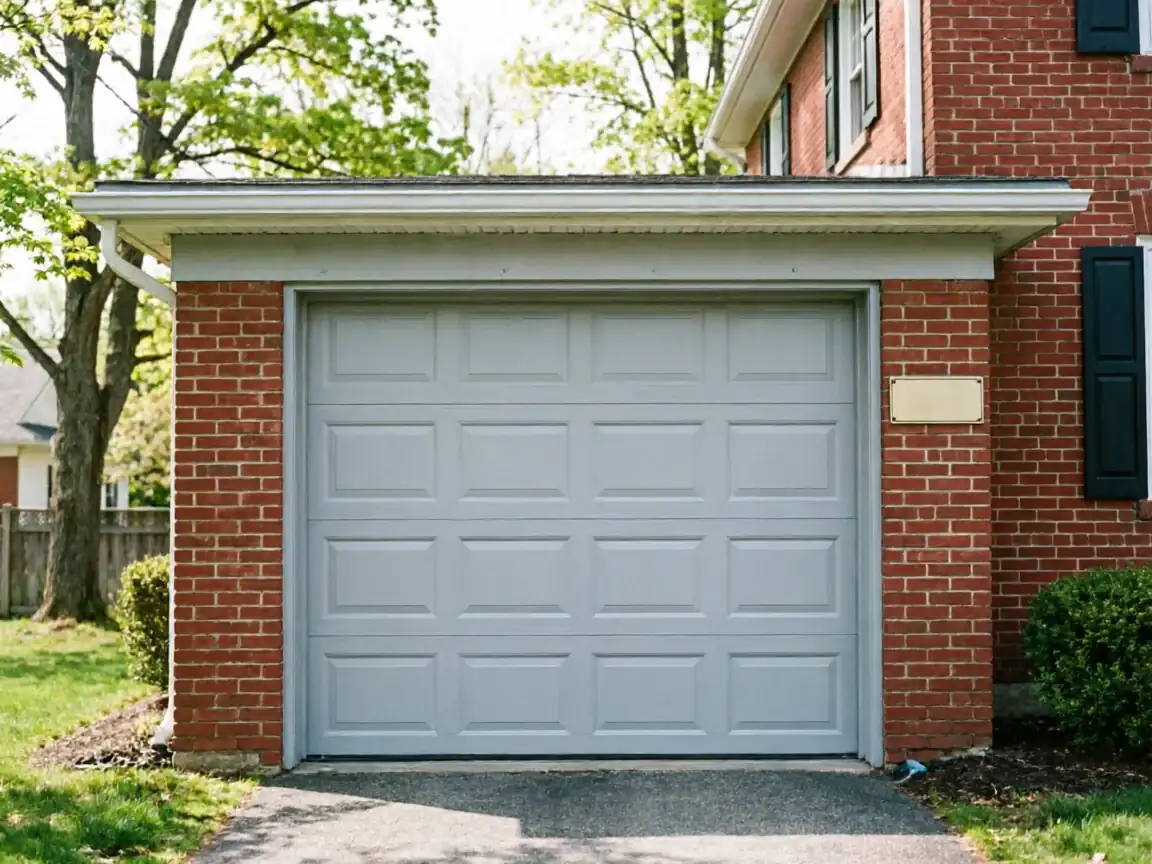
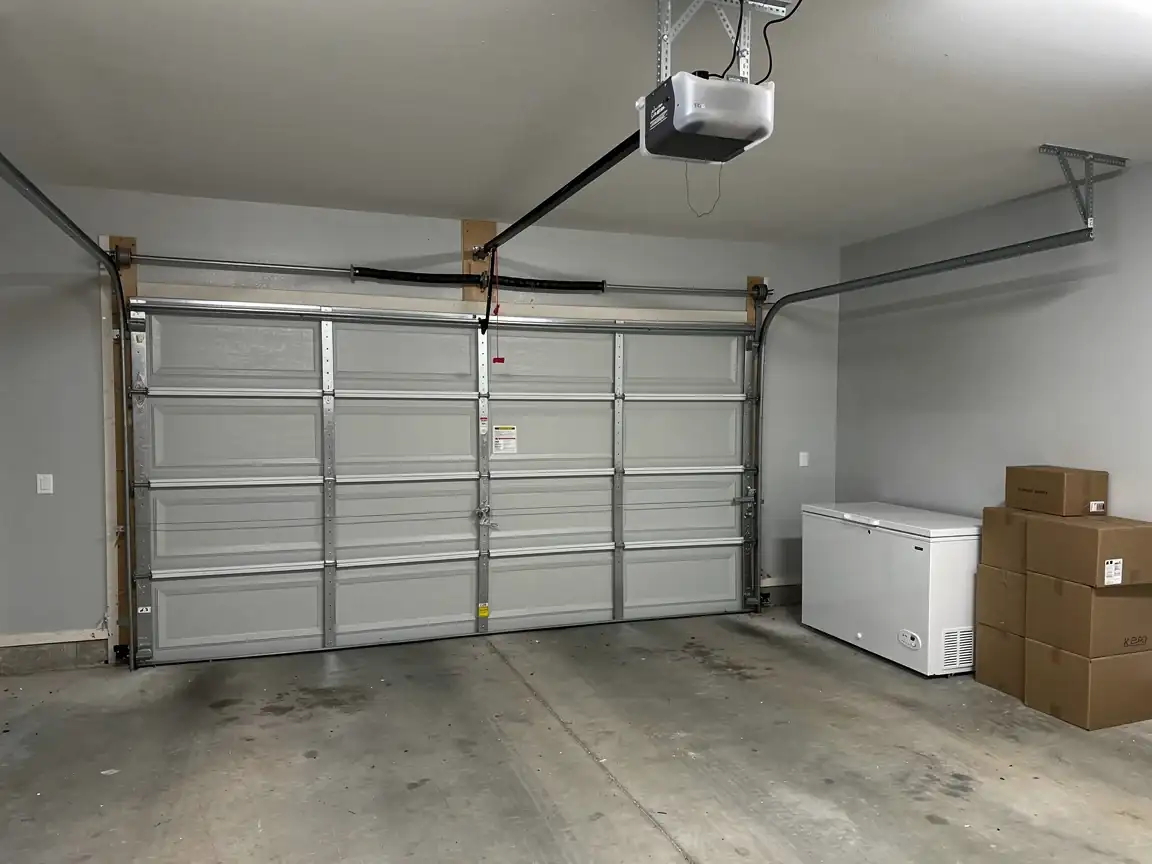
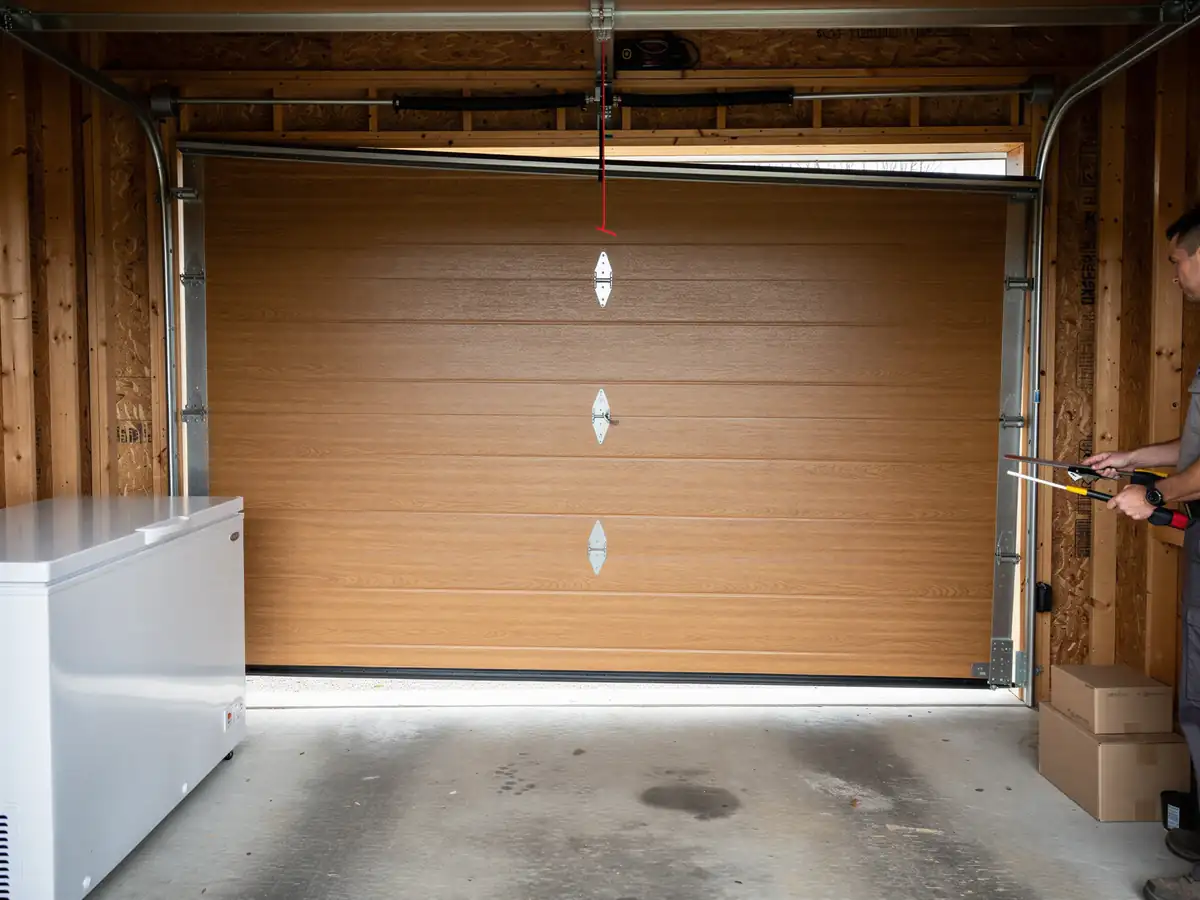
Close enough that we're never guessing about what the call is going to need. Most houses in Elsmere went up around 1955, a decade earlier than the 1965 median build year across the rest of the service area we cover. That gap matters: a lot of these garages still run original side-mounted torsion springs and steel tracks that were standard in the mid-1950s, not the center-mounted extension setups you'd find on a house built in 1975.
We carry both spring types and both track styles because the stock here doesn't match Wilmington's newer subdivisions
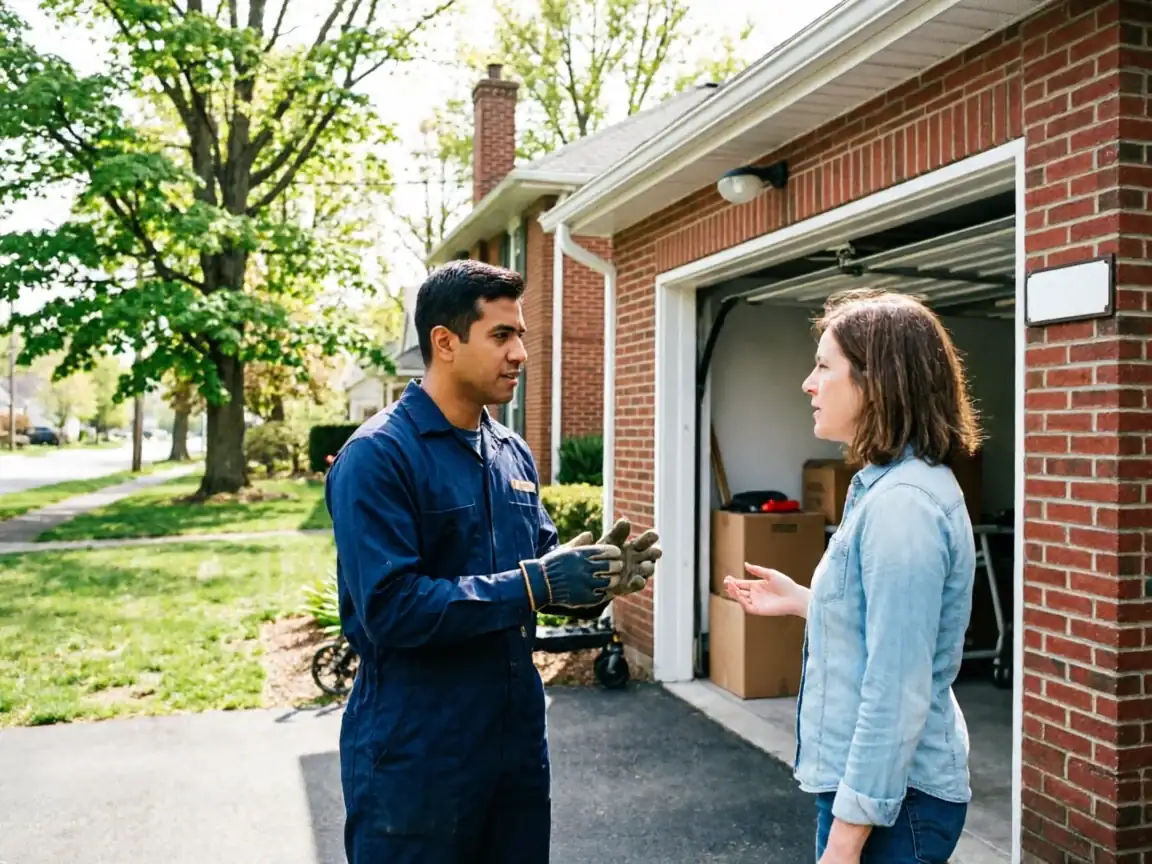
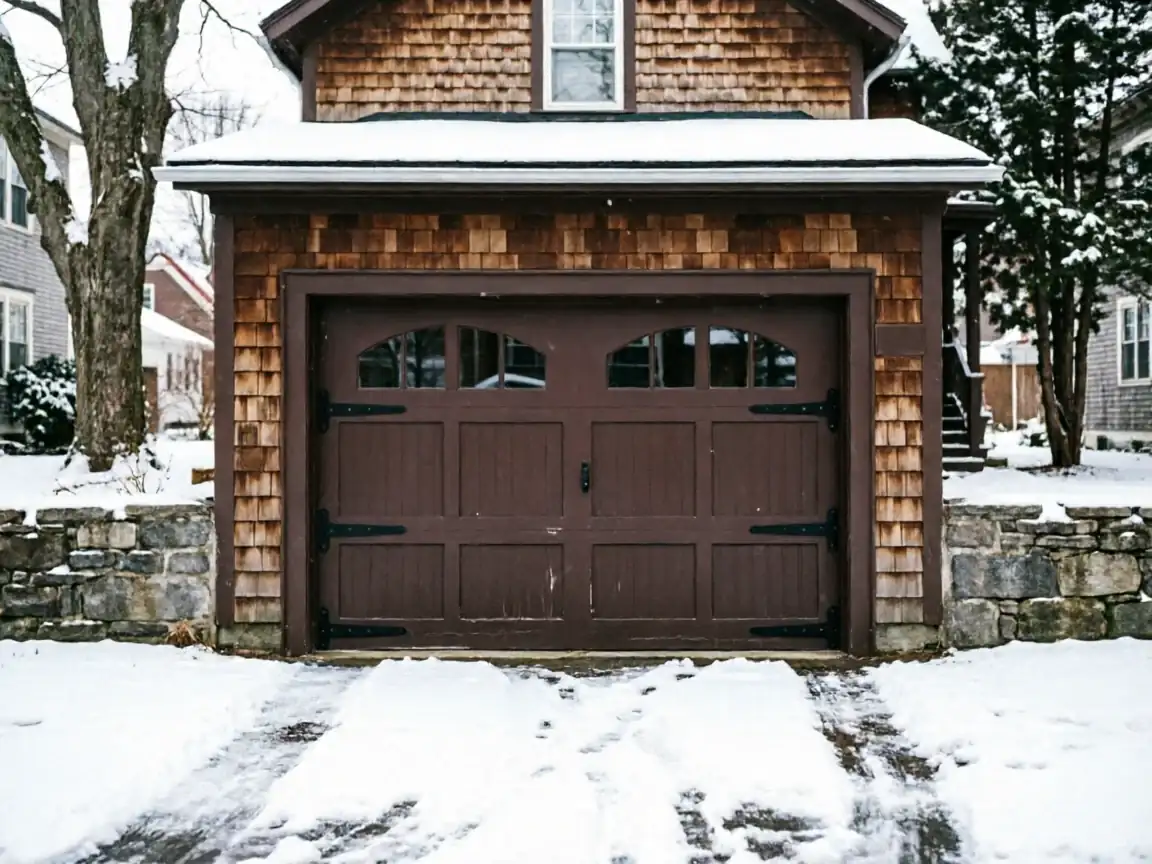
We also bring winter-rated lubricant and weatherstrip stock as standard, since this area sits in a cold-severe climate band and door seals and roller bearings take a beating from the freeze-thaw cycle every year. If a part on an Elsmere door is something we don't carry - an obsolete panel design, say - we'll tell you that up front rather than make you wait on the truck while we figure it out.
What the Fix Involves
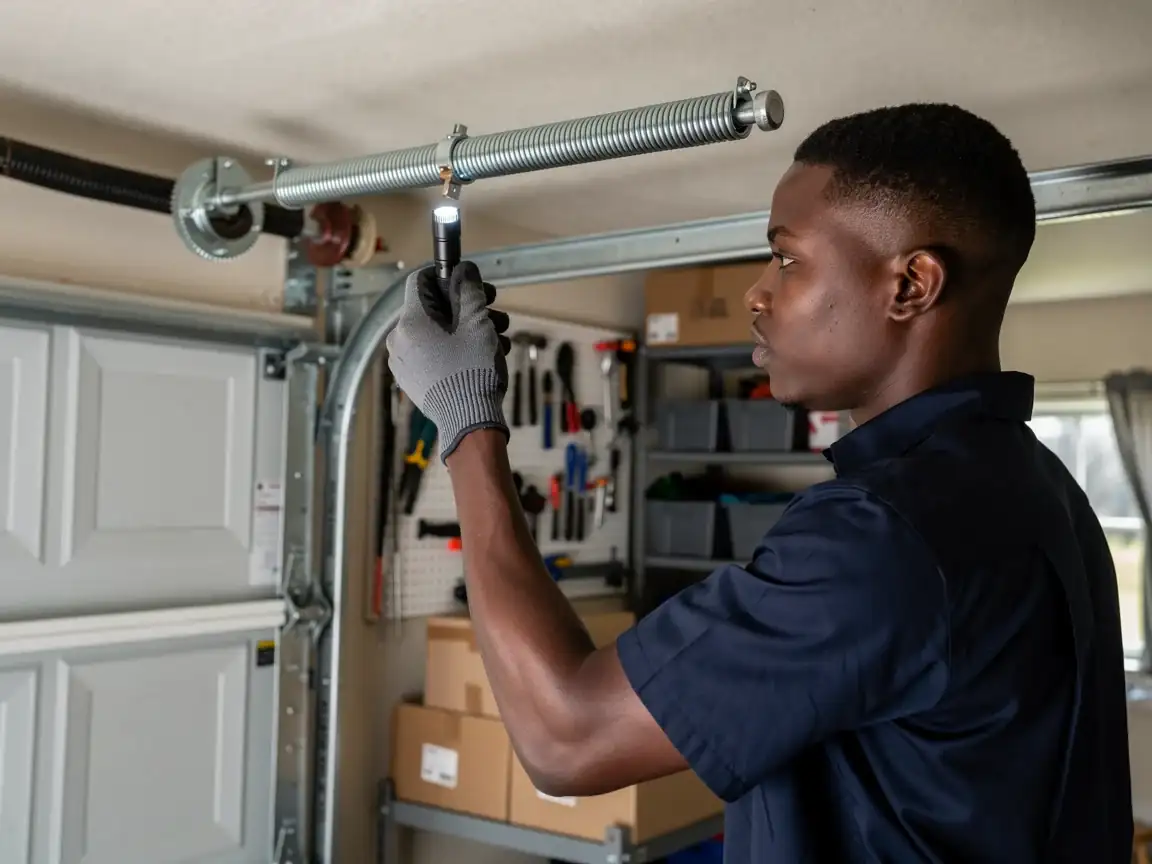
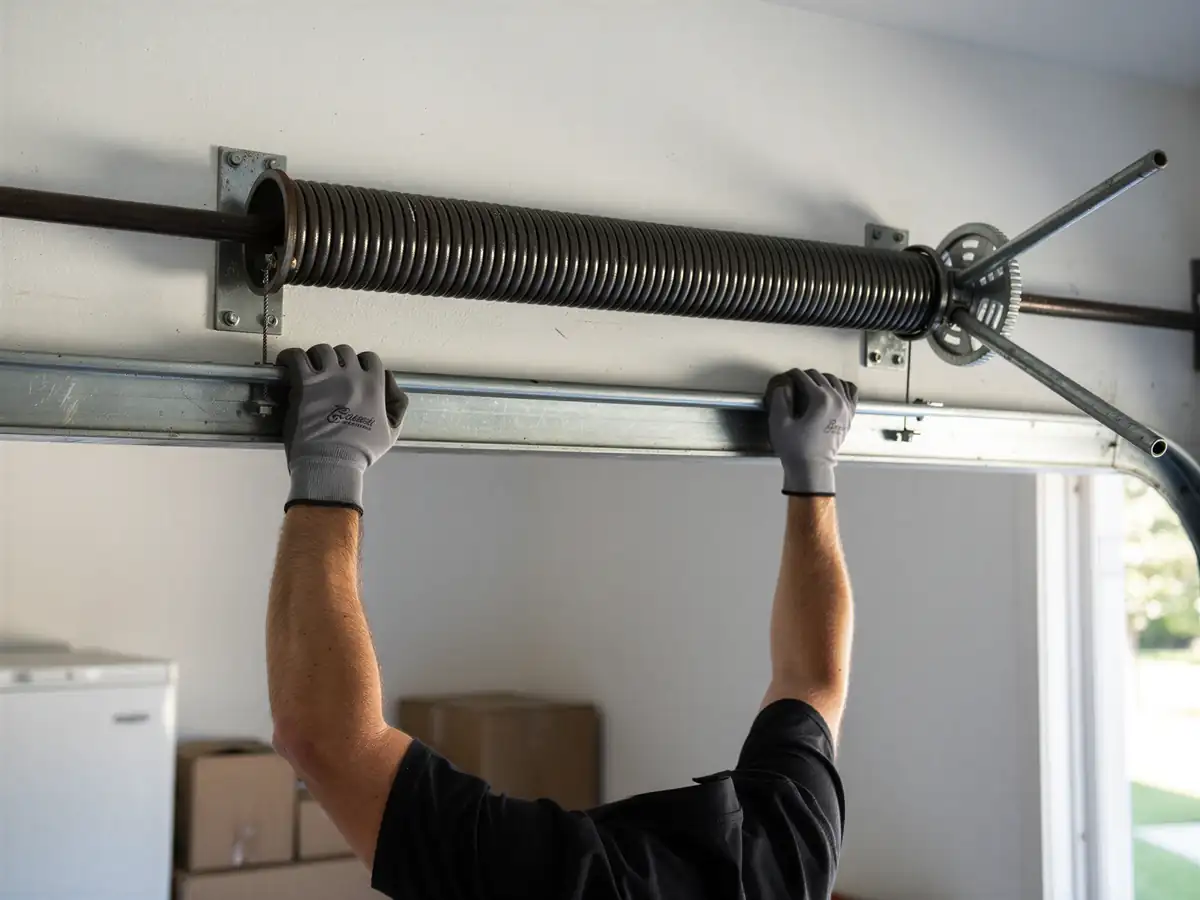
On a house built around 1955, the fix usually starts with the spring, because torsion springs from that era were sized for thinner steel doors than what's often been hung on the same track since. When someone's replaced the door but kept the original spring, the balance is off and the opener strains every cycle. We check spring size against door weight before anything else.
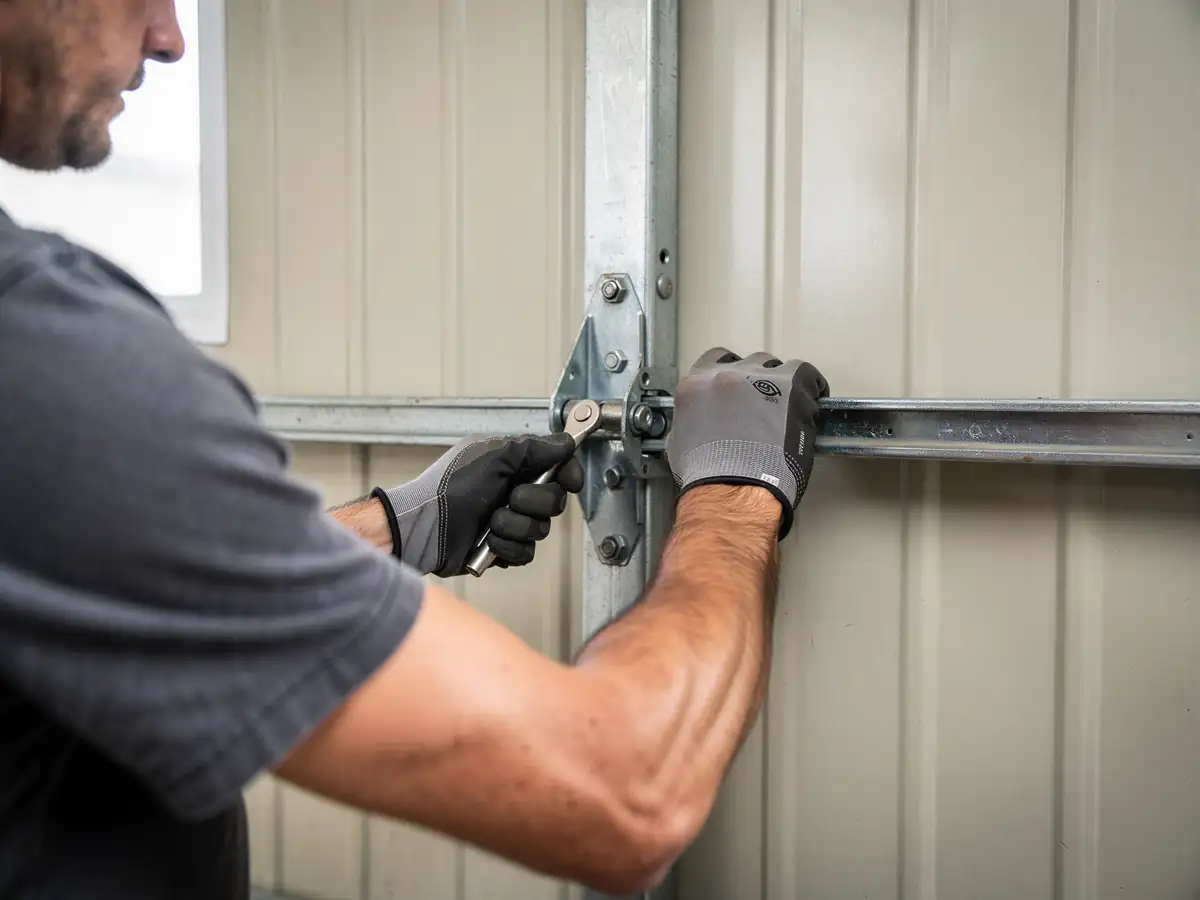
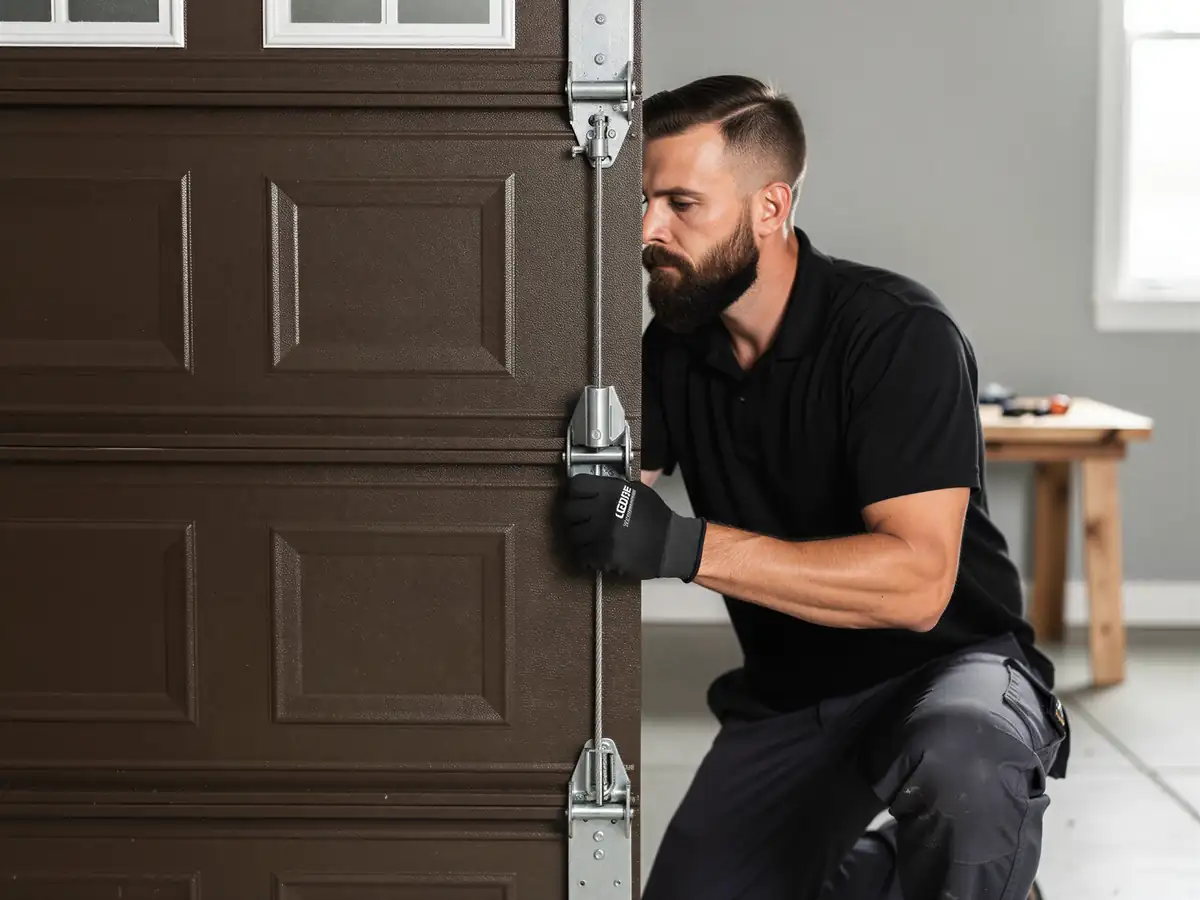
Cables and rollers come next - on original hardware they're often the galvanized kind that corrodes under tension over sixty-plus years of Delaware winters. We replace in pairs, not one at a time, because a mismatched pair under tension is how a second cable failure happens six months later. Track alignment gets checked too; horizontal tracks that have shifted a half-inch over decades are common on houses this age and cause the roller noise people usually call about.
We don't rebuild everything on every visit. If the door itself is sound and it's just the spring and cables, that's the job - we won't talk you into panel replacement you don't need.
How Long It Takes
A straight torsion spring replacement on an Elsmere garage usually runs under two hours once we're on site, parts in hand. Cable and roller work alongside it adds maybe thirty minutes. Opener swaps take longer, closer to half a day, mostly because wiring and sensor placement on a 1955-era garage often isn't where a modern opener kit expects it to be.
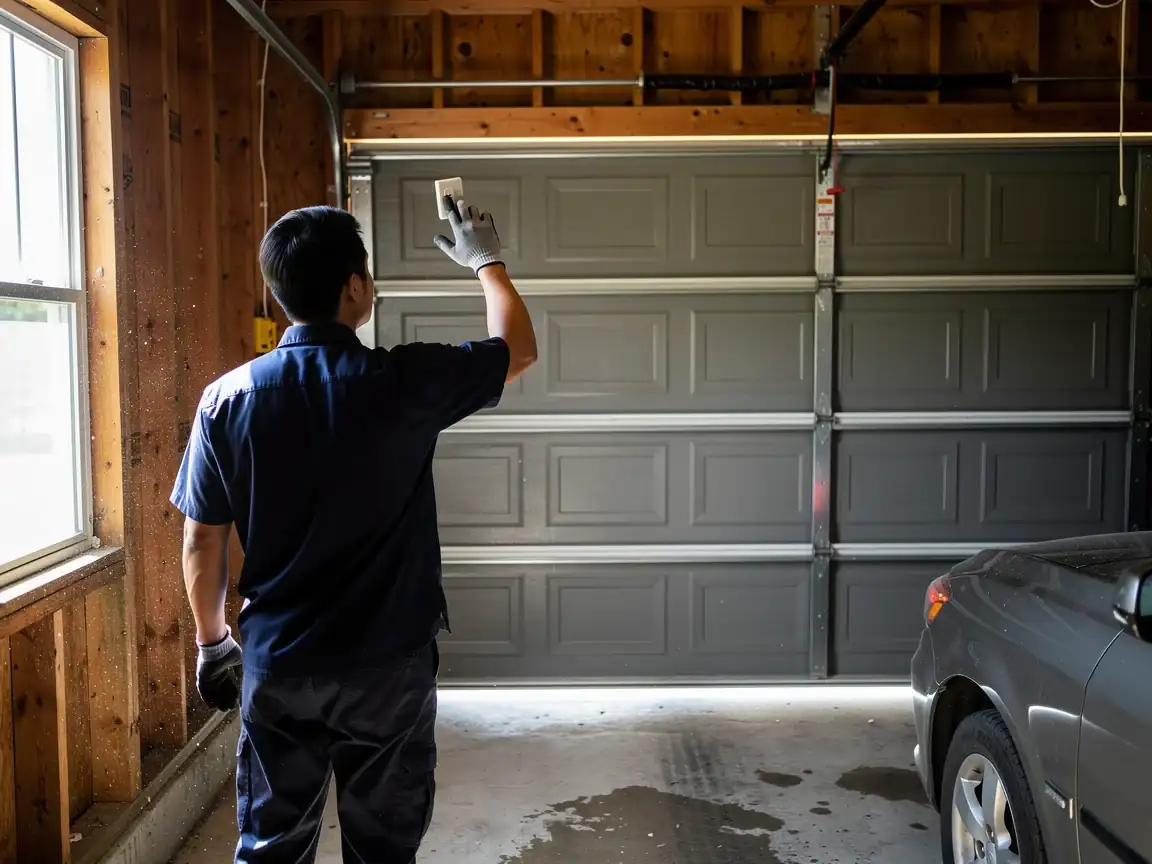
Winter adds time we can't avoid. In a cold-severe climate, grease stiffens and steel contracts, so torsion springs read tighter than they are and doors that seem balanced in July bind in January. We test-cycle a repaired door at ambient temperature before we call it done, which on a cold morning in Elsmere can mean running the door a few extra times rather than one.
The one thing we won't rush is a full-panel order on an older door. If your model needs a panel we don't stock, that part is a special order from the manufacturer, and no amount of truck inventory changes that lead time.
Doing It Yourself
Lubricating hinges and rollers, tightening loose bolts on the track brackets
And clearing the photo-eye sensors are all fine to handle yourself, and doing them twice a year keeps a door running longer regardless of its age. None of that requires a call.
What we'd ask you not to touch is the torsion spring itself
On a house built around 1955, that spring is likely original or a direct replacement sized to match - and a wound torsion spring under tension has put people in the hospital. The leverage required to wind or unwind one safely isn't something a set of vise grips and a Saturday afternoon makes up for.
We also wouldn't recommend DIY cable replacement on older hardware
Since the cable drum and the spring interact, and getting one wrong while the other's under load is exactly how a cable snaps toward a person instead of away from one. If you're comfortable with the small stuff, do it - it genuinely helps. Leave the spring and cable work to a call.
What You Are Seeing
The most common call out of Elsmere is a door that's suddenly heavy to lift by hand or that the opener strains against - that's a spring losing tension, and on houses from the mid-1950s it's often the original spring finally giving out after close to seventy years of cycles.
A second common pattern is a door that's noisy specifically in cold weather and quiet again by spring. That's usually stiff rollers or a track that's slightly out of alignment, both more common on older steel track than on the aluminum track found in newer builds elsewhere in the area.
Less common but not rare: a cable that's visibly frayed near the bottom bracket. On original hardware that's been through decades of Delaware winters, galvanized cable corrodes from the inside before it looks bad from the outside, so a visible fray usually means it's already close to failing. If you see one, don't run the door - call before it drops.
What It Costs
We don't have a flat number to quote here, because the job on a 1955-era door in Elsmere usually isn't the same job as a repair on a newer house a few miles out - original torsion springs and older track hardware sometimes cost more to match than current stock parts, and sometimes less, depending on what's still available for that size and style.
What we can tell you is that the area's median household income runs lower than the broader service area's - $76,378 here against $87,826 across the roughly 50,351 households we cover - and we price jobs the same way regardless of which of those neighborhoods the call comes from. We'll give you a number before we start, not after.
The honest limitation: if your door needs a part that's been discontinued for a design this old, we may have to source a comparable replacement rather than an exact match, and that can change the number. We'll always say so before ordering anything.