What It Costs
We don't post a flat number here
Because what a spring job runs depends on whether you've got one broken torsion spring on a double door or a pair that's gone at the same time, plus the size and weight of the door itself. Wilmington's housing stock skews older - median build year sits around 1965, with most of the service area's homes going up between 1940 and 2001 - so a lot of the doors we're replacing springs on are heavier, older steel panels than what you'd find on new construction. That matters because spring wind and cable size are matched to door weight, not a universal part.
What we can tell you without guessing
A single broken torsion spring is a different job than a full conversion from extension springs to torsion, and if your door is original to a house built in the 60s or 70s, there's a real chance the drum, cable, and shaft are worn enough that fixing just the spring doesn't fix the door. We price on the visit, after we've looked at the hardware, not over the phone. Median household income across the service area runs about $87,826, and most jobs we see land well under what a full door replacement would cost - spring repair is usually the cheaper fix, which is exactly why it's worth doing right instead of patching around it.
Why This Fails Locally
Torsion and extension springs fail from cycle count and from cold. Wilmington sits in a cold-climate band with severe winter swings, and steel spring wire loses flexibility as temperature drops - a spring that's near the end of its life snaps on the first hard cold morning of the season, not in July. We see this pattern every winter across the service area's roughly 21,934 owner-occupied houses.
The other half of the problem is age of stock. Housing here runs mostly 1960s and 70s construction across the sixteen named communities we work, with the overall range stretching from 1940 to 2001. A spring installed when a 1968 house was built, or even replaced once in the 90s, is well past any reasonable service life by now. Original hardware on these doors was often sized for lighter wood panels; homeowners who've since swapped in a heavier insulated steel door are running springs that were never matched to the new weight in the first place. That mismatch, combined with cold-weather brittleness, is the single biggest reason we get spring-failure calls across this part of Delaware rather than in newer subdivisions where doors and springs are still original and correctly matched.
What Is on the Truck
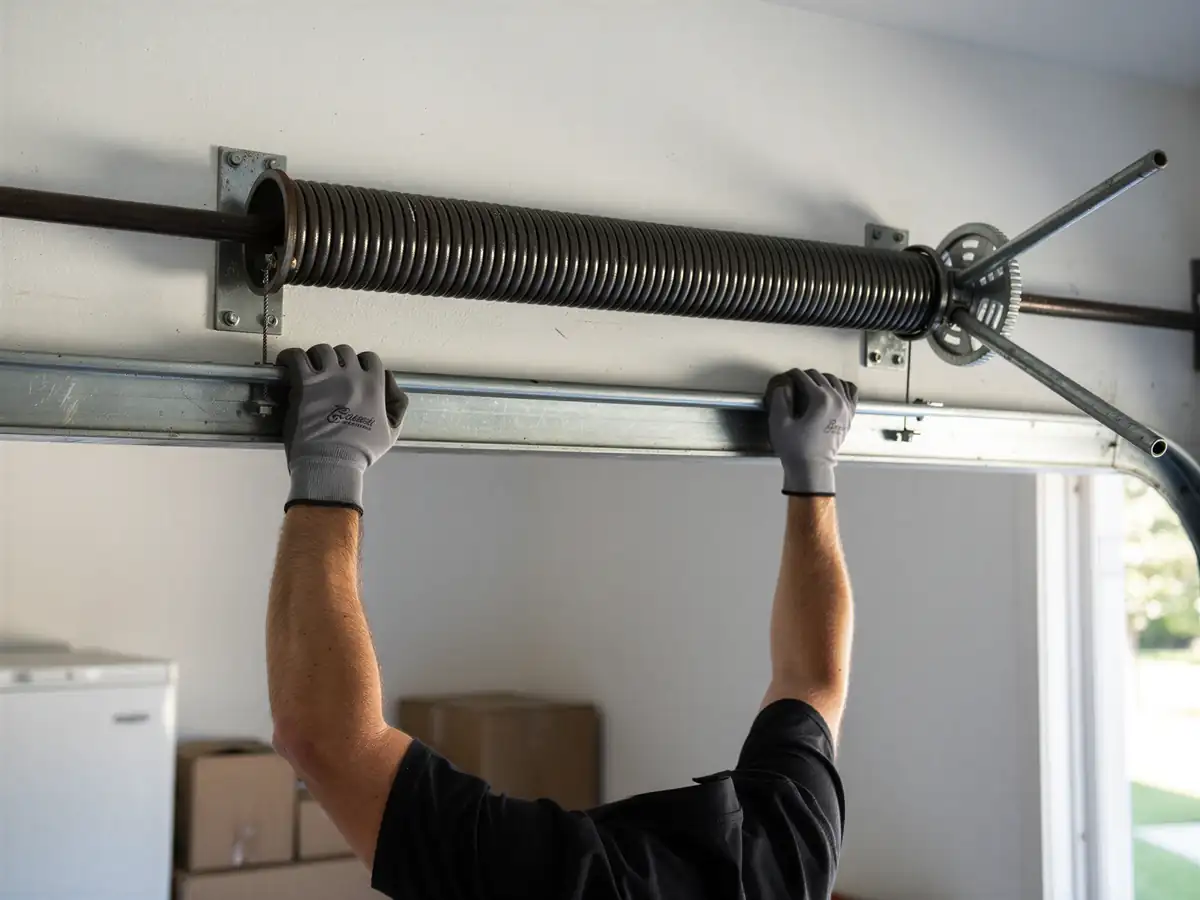
For a spring call we carry torsion springs in the common wind sizes and wire gauges that match the door weights typical of this area's housing stock - mostly single and double doors from the 1960s-2001 build range. We also carry extension springs for the older setups that were never converted, since a fair number of houses here still run that original hardware.
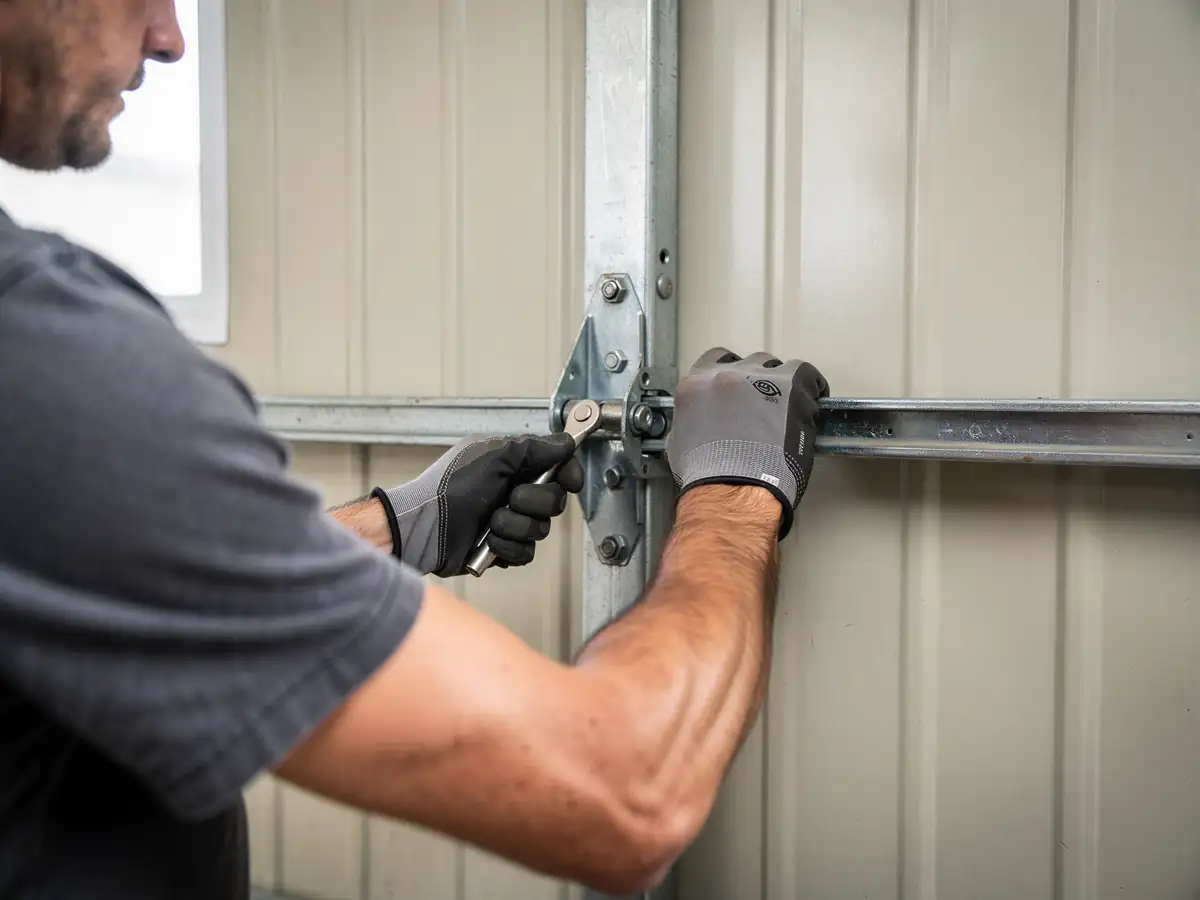
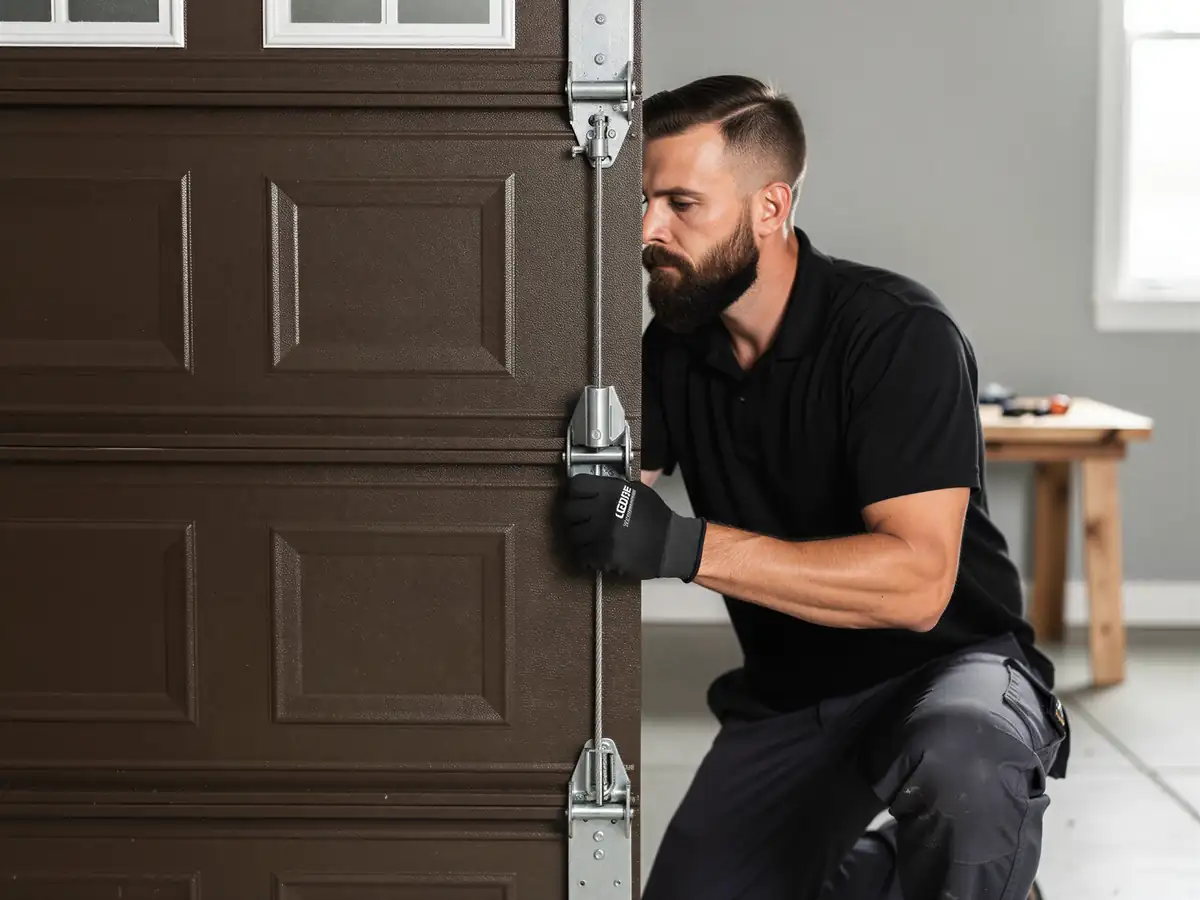
Beyond the springs themselves: winding bars, new end bearing plates (a spring break often takes the bearing with it), cable and drum sets, and safety cables for extension-spring doors that don't have them - a lot of the older installs across the service area never had safety cables added, which is a real hazard if a spring lets go. We stock standard sizes for the weight range we see most; a door with an unusual width or a heavier custom panel may need a special-order spring, and we'll tell you that on-site rather than make a second trip look routine. We don't carry every spring for every door ever made, and we won't pretend otherwise.
What You Are Seeing
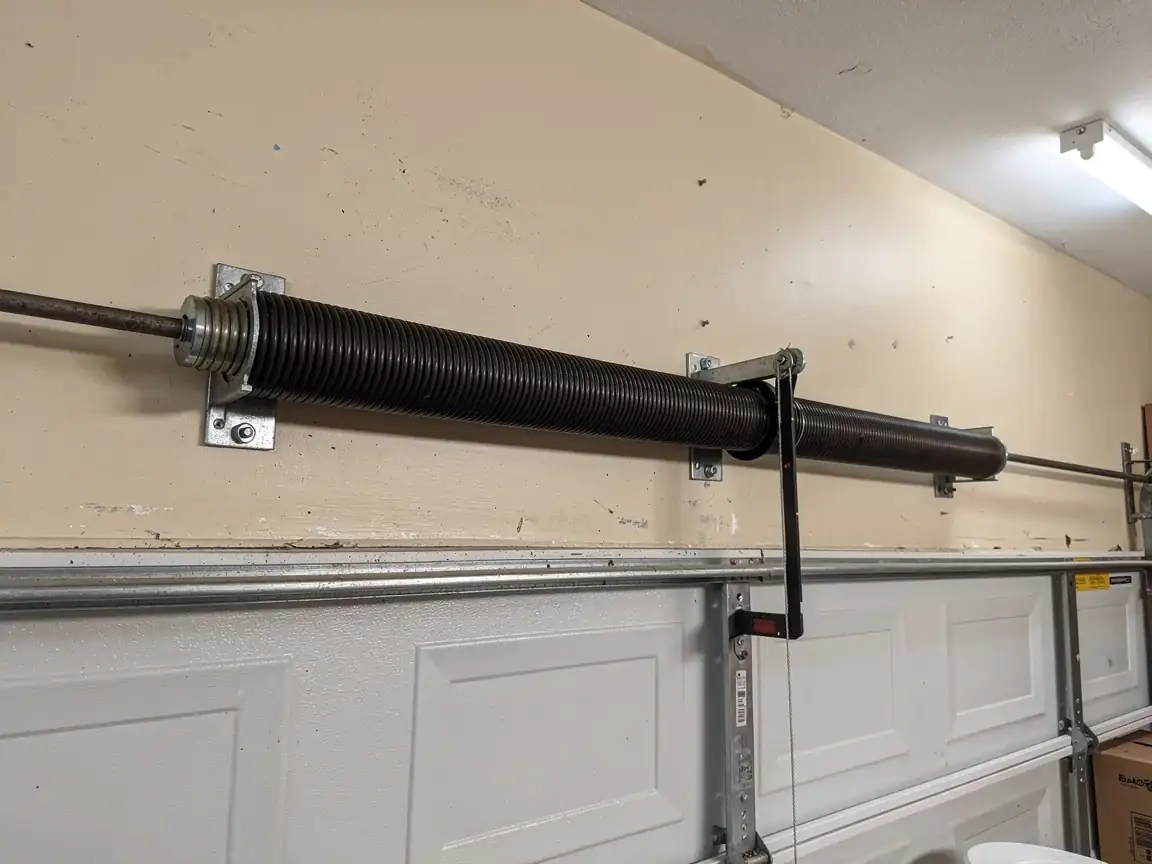
A broken torsion spring usually announces itself with a loud bang from the garage
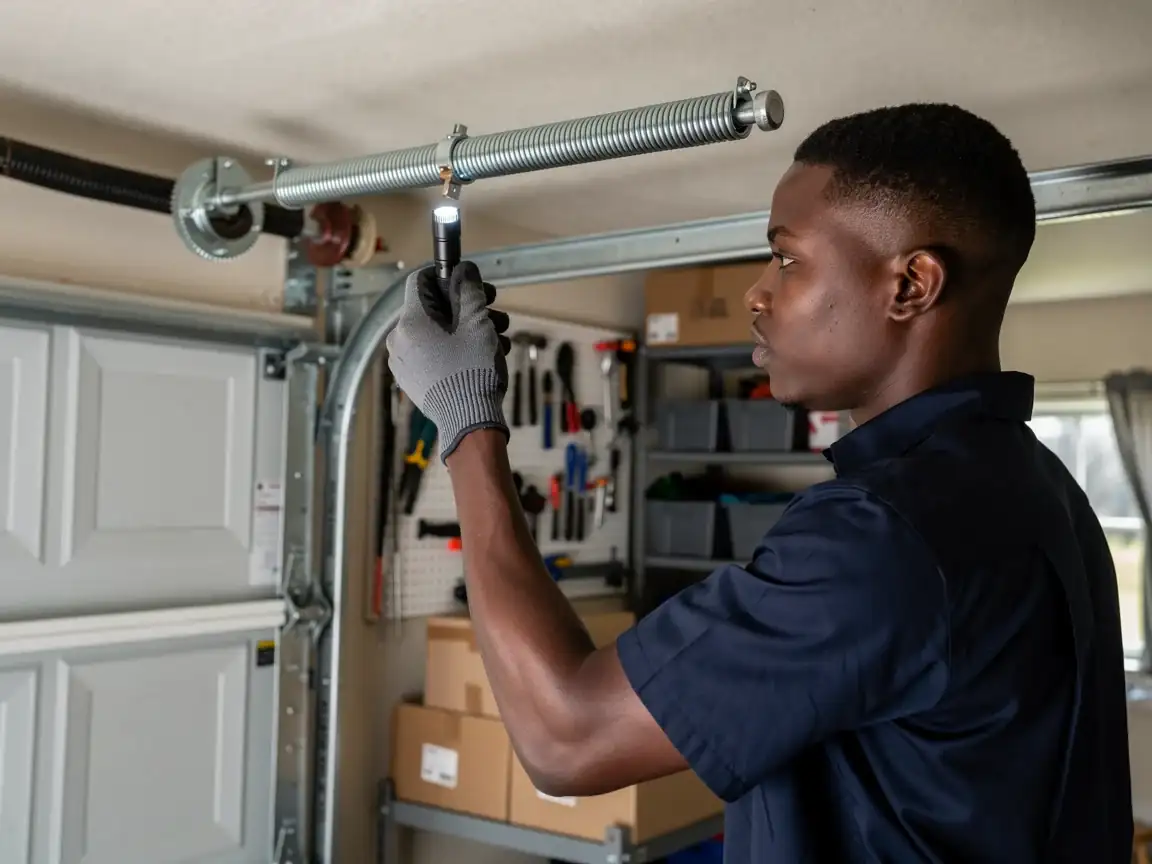
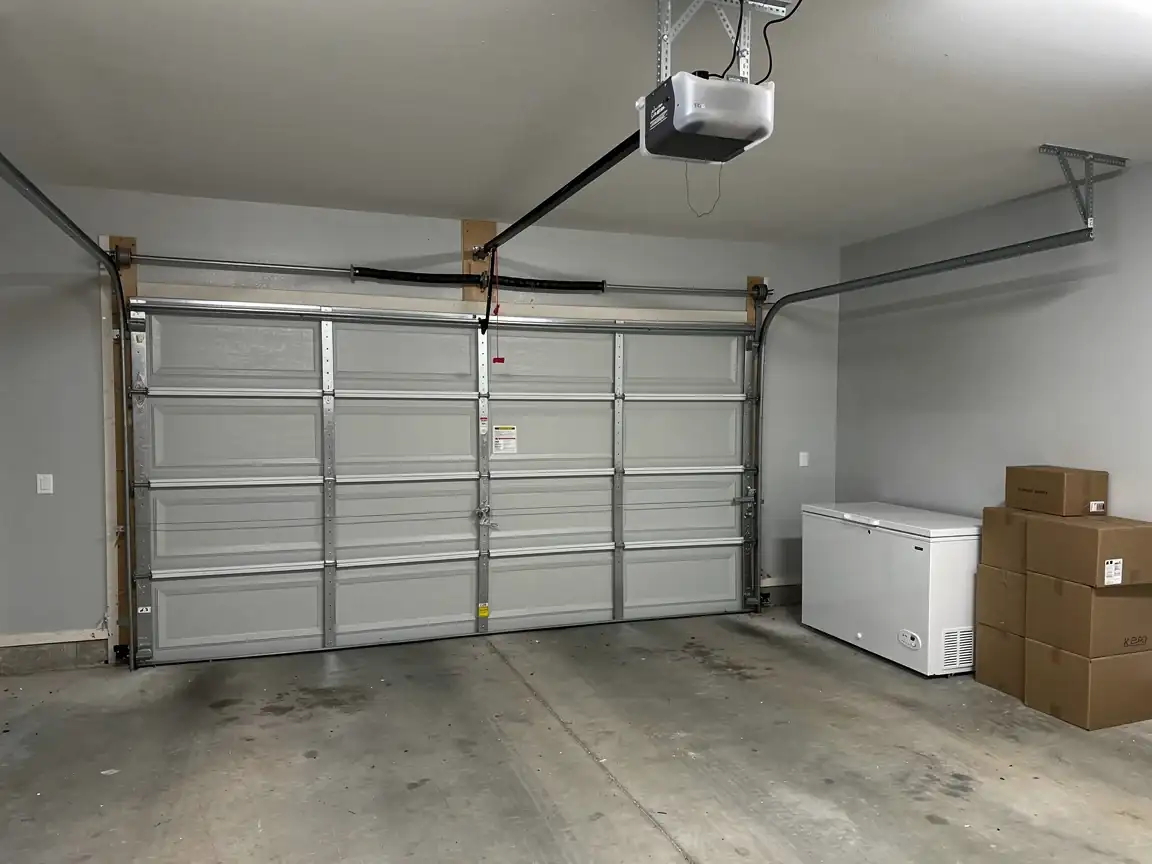
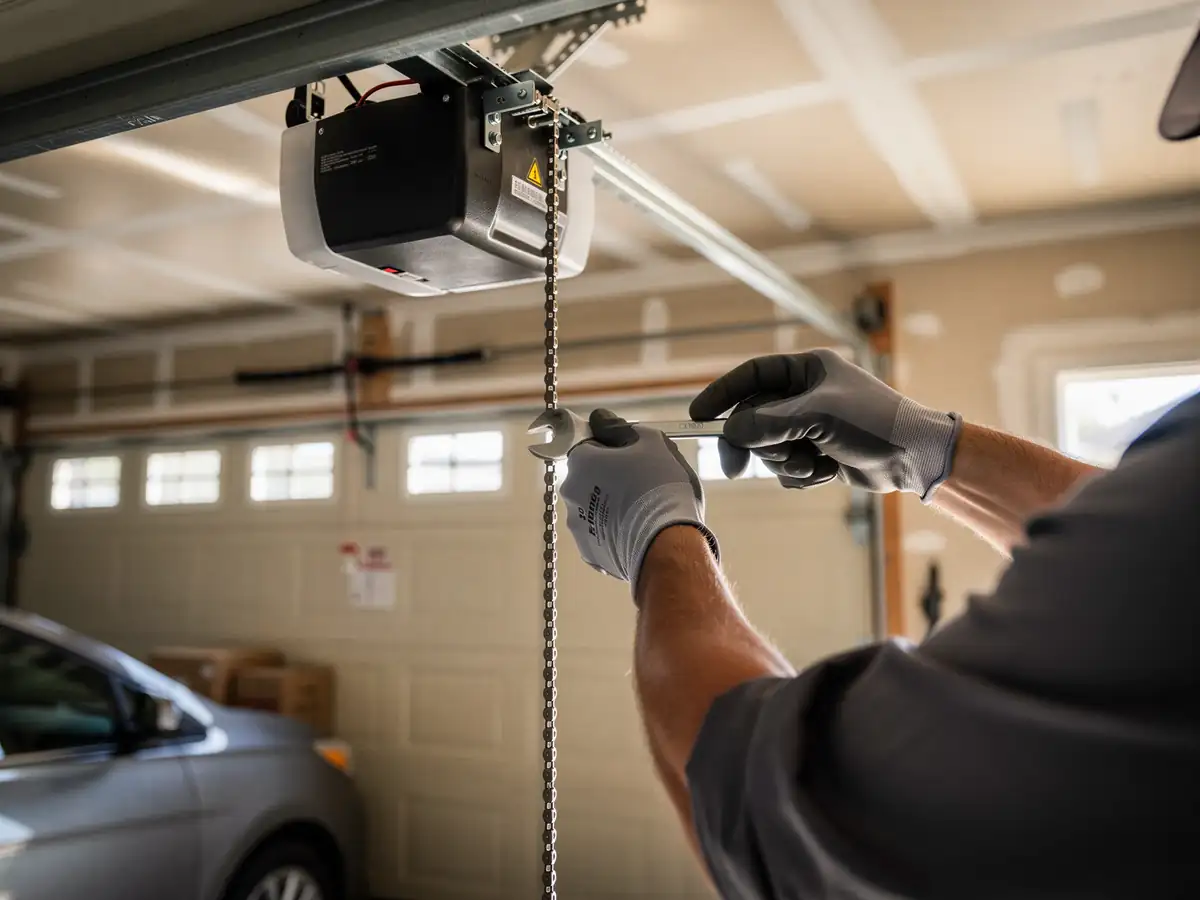
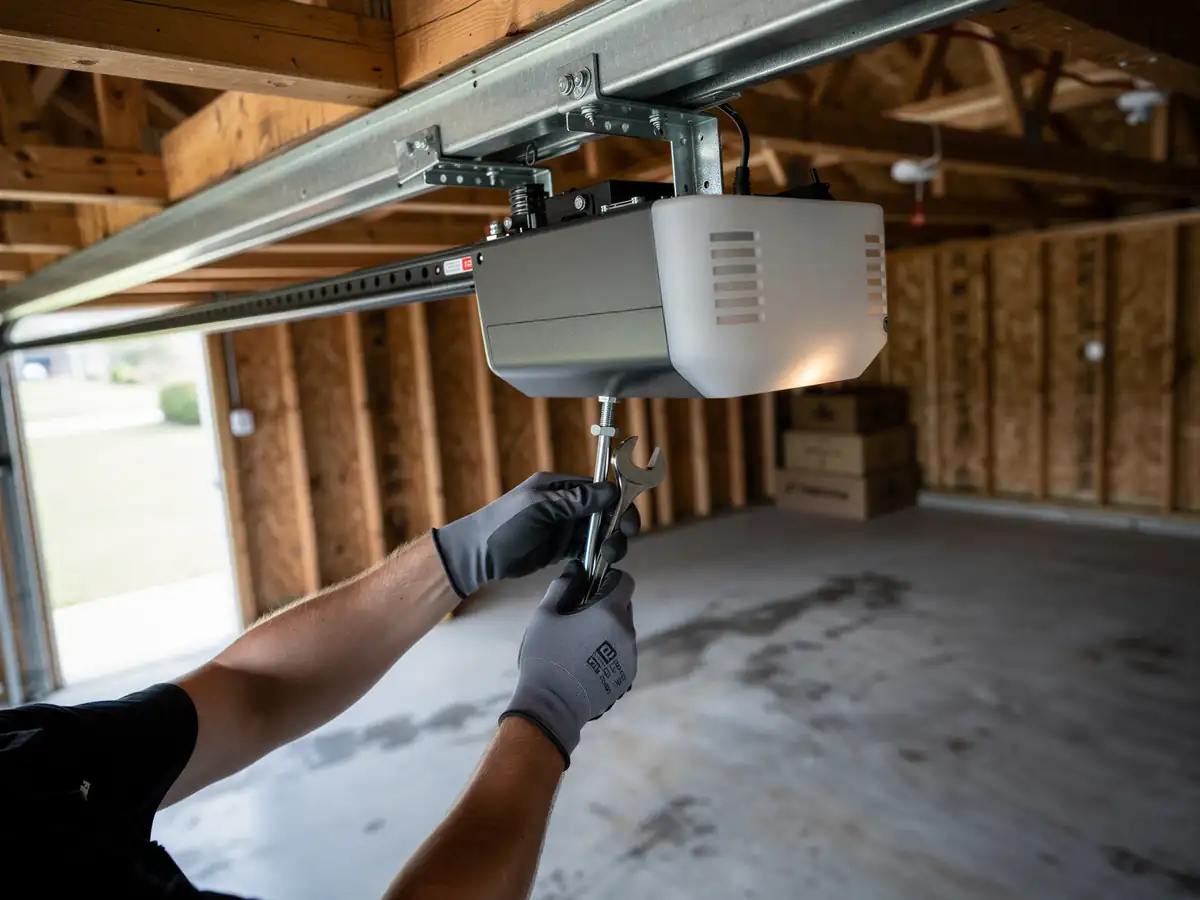
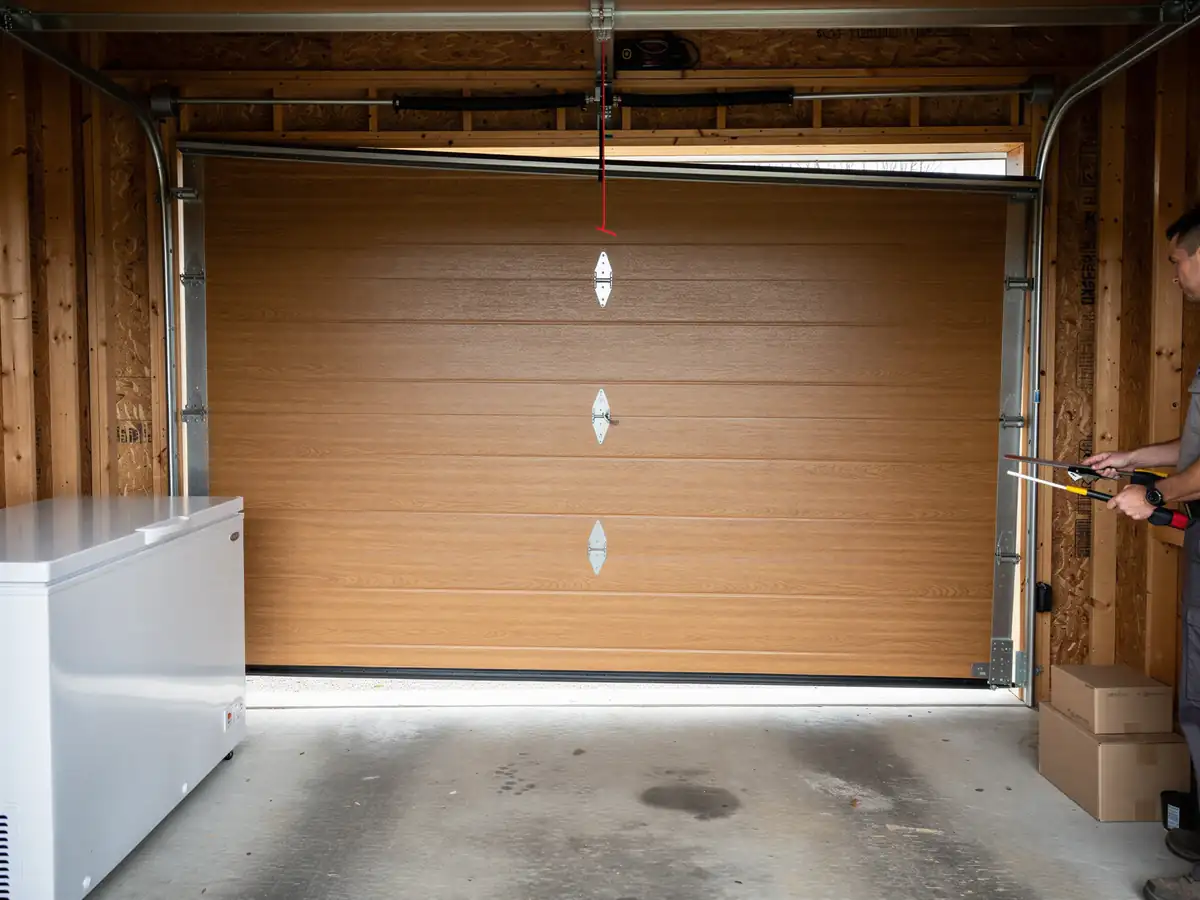
Followed by a door that won't lift, or lifts a few inches and stalls. If the opener strains, clicks, or reverses direction when you hit the button, the spring - not the motor - is almost always the actual problem; openers aren't built to lift a door's full weight without spring assist. A gap in the coil you can see from below the door, or a spring that looks stretched and loose compared to the one next to it, means it's close to going.
On extension-spring setups, common on older houses in this area that haven't been converted
Watch for a door that's noticeably harder to lift by hand, or one side that drops faster than the other when you pull the release. Uneven lift is often one extension spring holding and one gone. Either way, don't try to force the door open with the opener once a spring has failed - that's how cables snap and tracks bend, turning a spring repair into a bigger job.