Wilmington Garage Door Pros services Wilmington Manor, DE, 4 miles from Wilmington, where most homes went up around 1958 with hardware that doesn't match today's parts bins.
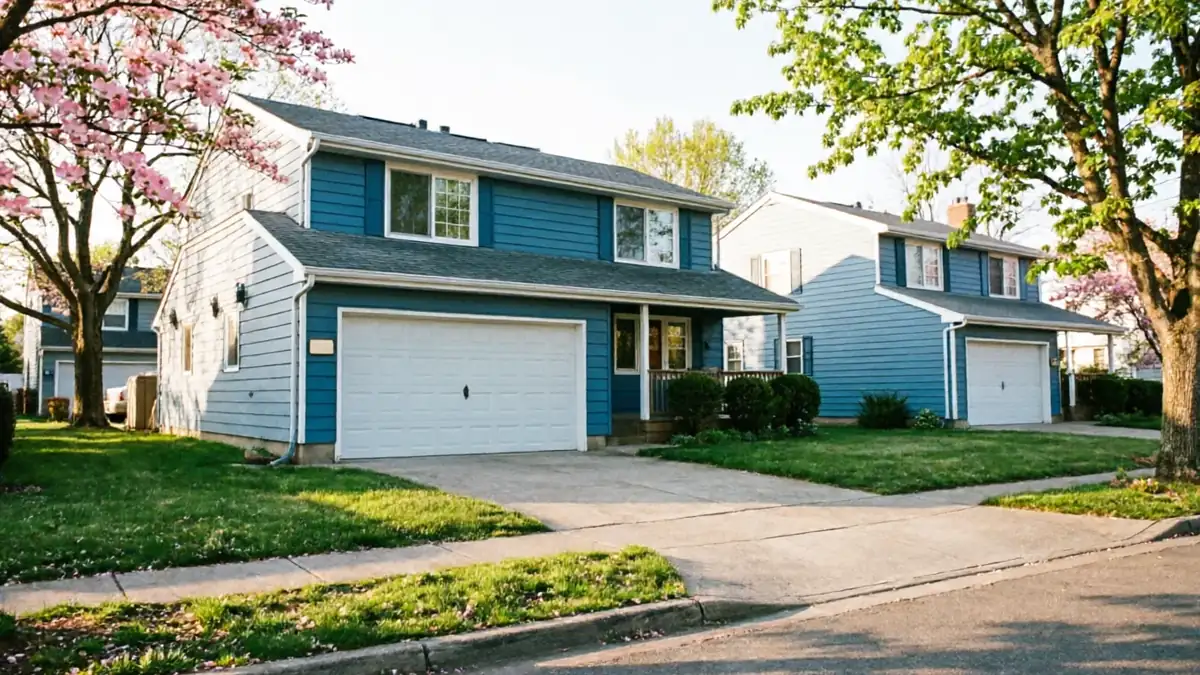
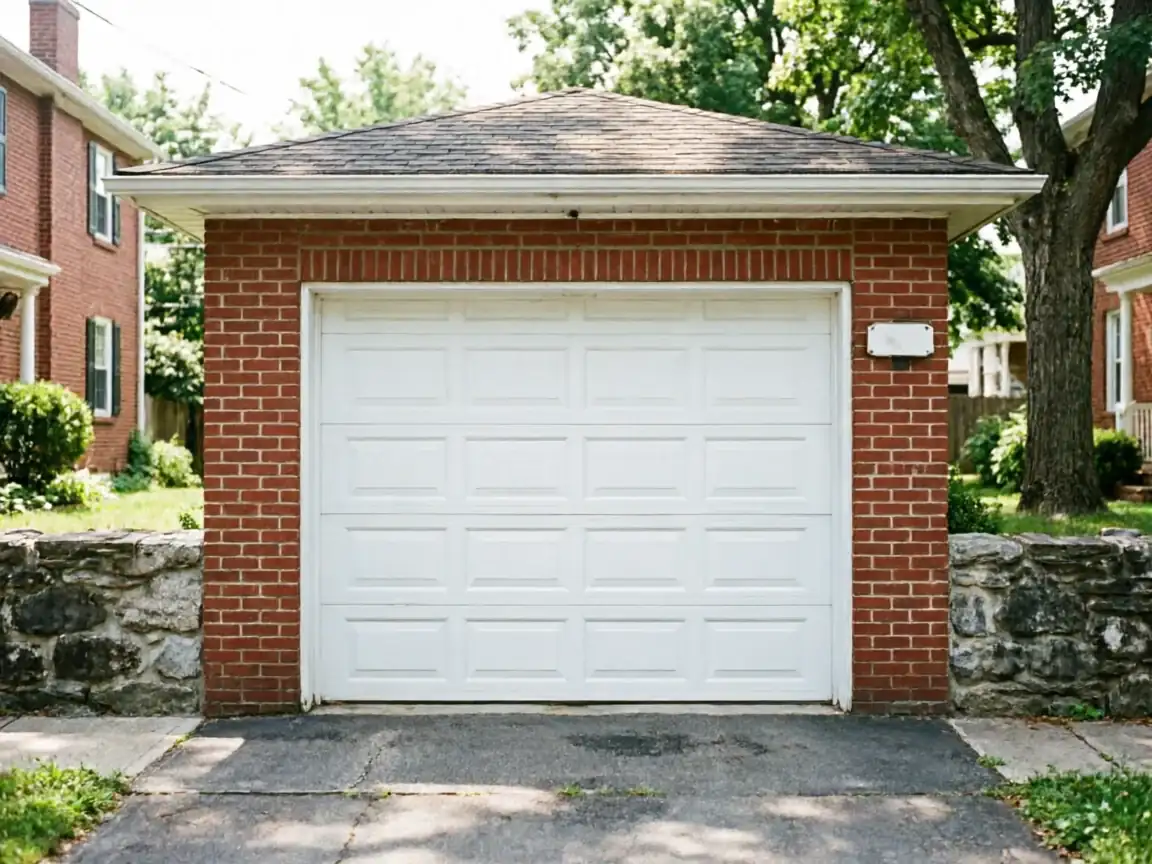
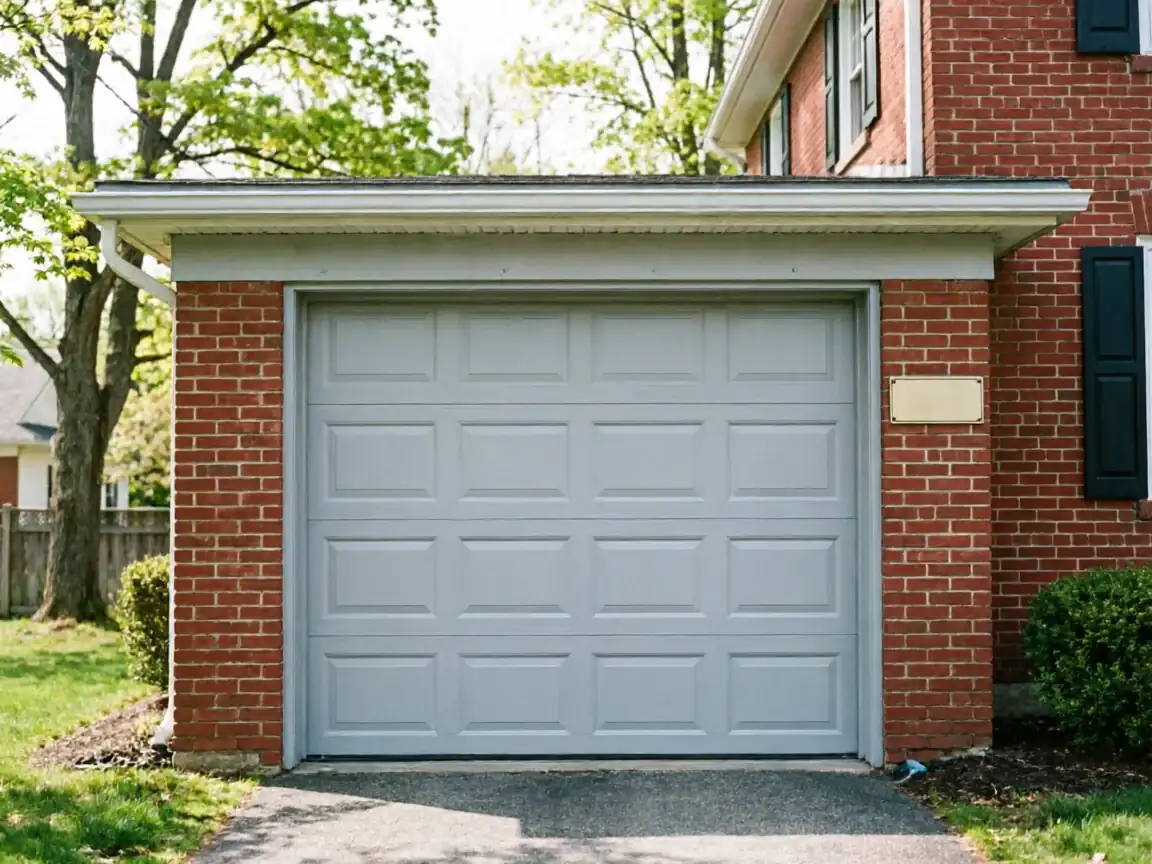
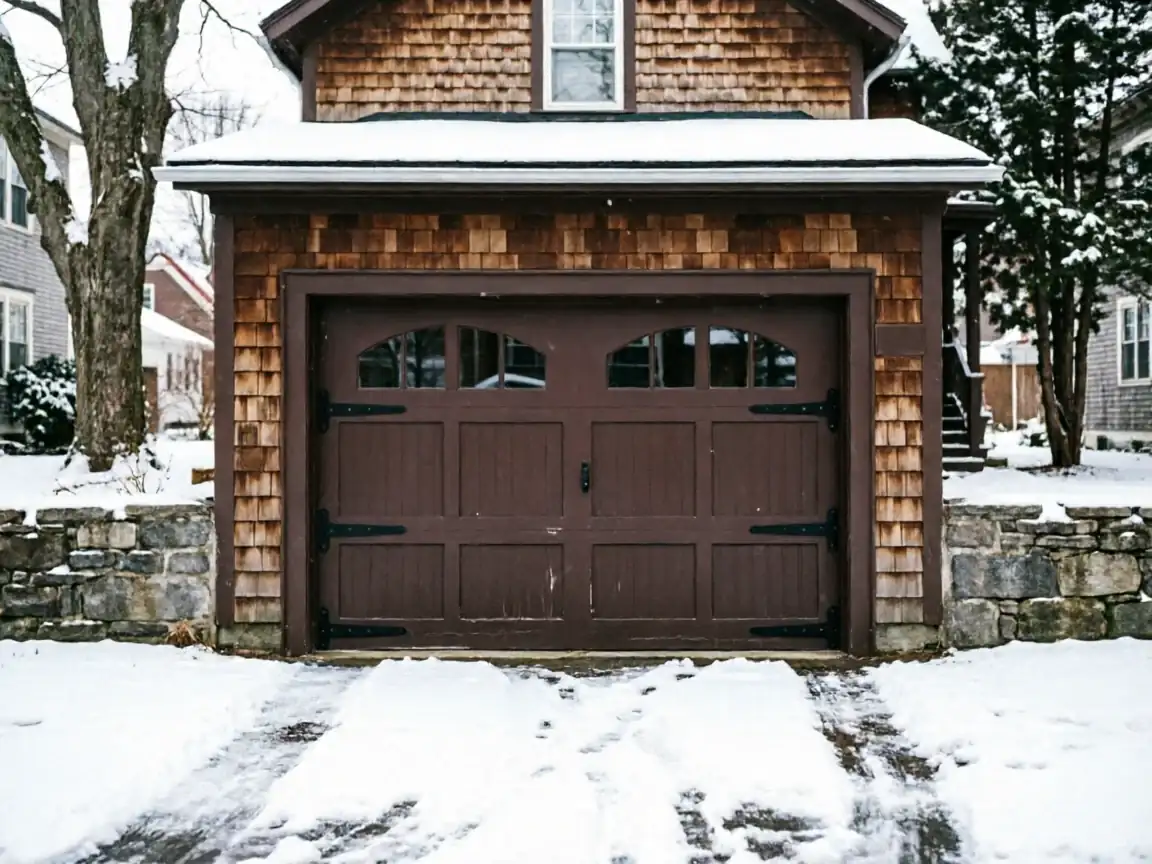
Wilmington Manor sits about 4 miles from our shop in Wilmington, close enough that a morning call doesn't eat the whole day in travel. The area reads older than a lot of the newer development further out toward Bear or Glasgow - most of what's here went up around 1958, decades before the double-door, two-car layout became standard. That means a mix on the same block: a handful of original single-car openings next to additions and replacements from later remodels. We've worked on doors in this age range before, and the first thing we check isn't the opener, it's whether the track and spring setup even matches what's sold today. A lot of calls here turn out to need an adapter bracket or a different spring size than what a big-box store carries off the shelf.
What We Do Not Do
We don't do same-day installs on special-order doors - if you want a specific panel style or a custom width, that's a manufacturer order and it takes the time it takes, usually a couple weeks, not a couple days. We also don't try to force a modern opener onto hardware that's cracked or rusted through just to save you a visit; if the track or the jamb is bad, patching the opener on top of it is a waste of your money. And we don't do cosmetic-only work, like swapping a door for looks when the actual spring or cable underneath still has years left in it. If your door still runs right, we'll tell you that instead of selling you a new one.
What Was Built Here
With a median build year around 1958, Wilmington Manor's housing stock predates most of the garage hardware still in production. The broader service area runs from homes built in 1940 up through 2001, with the heaviest concentration in the 1960s and 70s, but this particular area sits at the early end of that range. Houses from this era were usually built with a single-car bay as standard, torsion springs mounted on hardware that's been superseded twice over, and tracks sized for doors narrower than what's common now. Across the wider area we work in - 3,438 households here, part of a region of roughly 21,934 owner-occupied houses - income runs around $72,346 locally, a bit under the $87,826 median for the full service area, which tends to mean more repair calls than full replacements, and that tracks with what we see on the ground.
What That Means for Doors
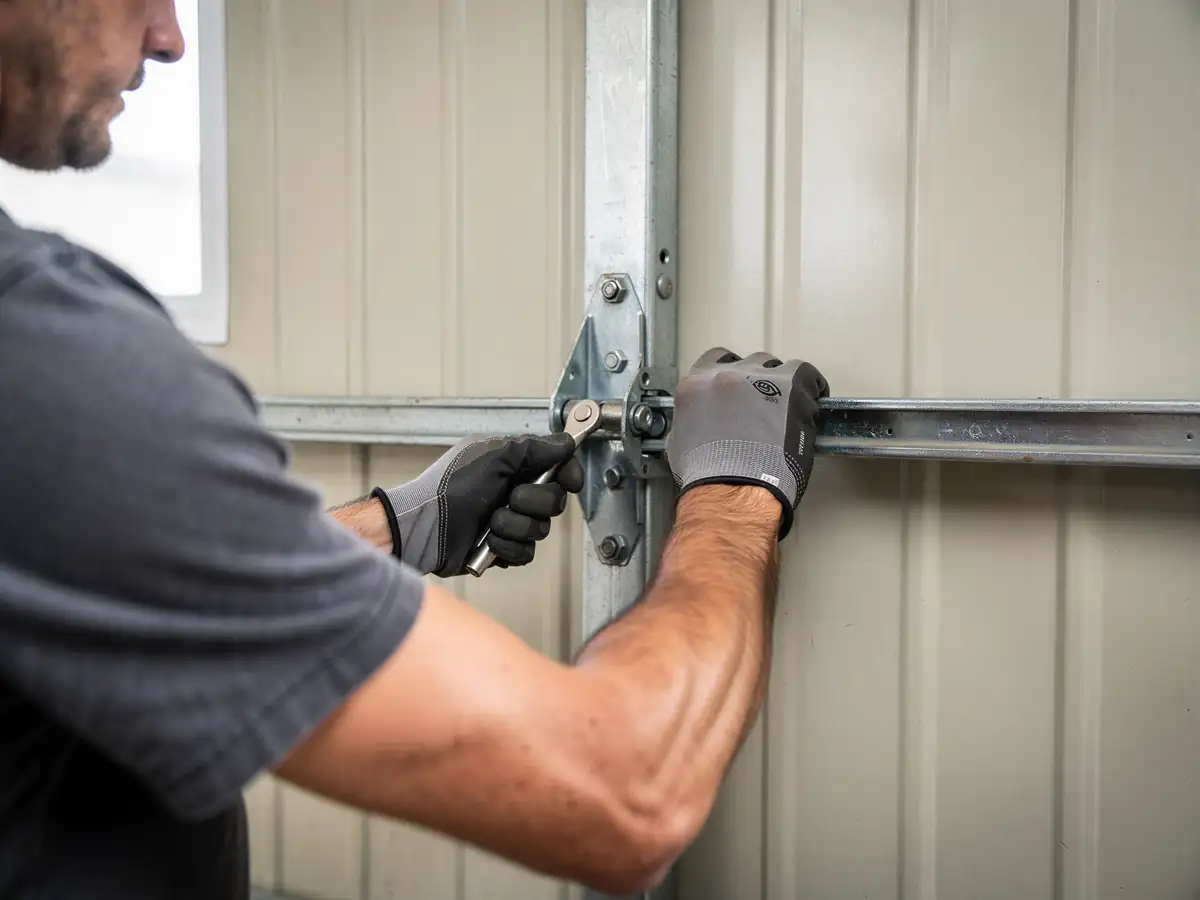
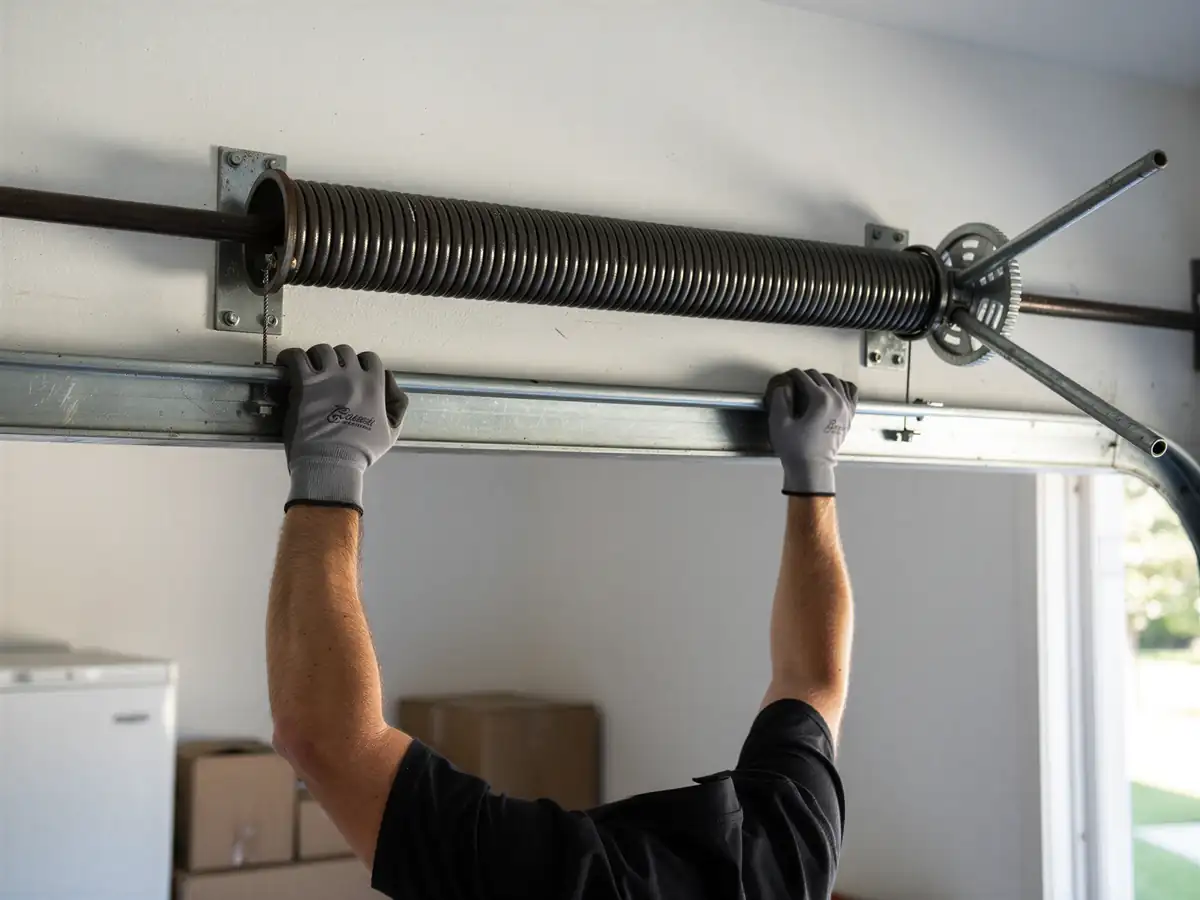
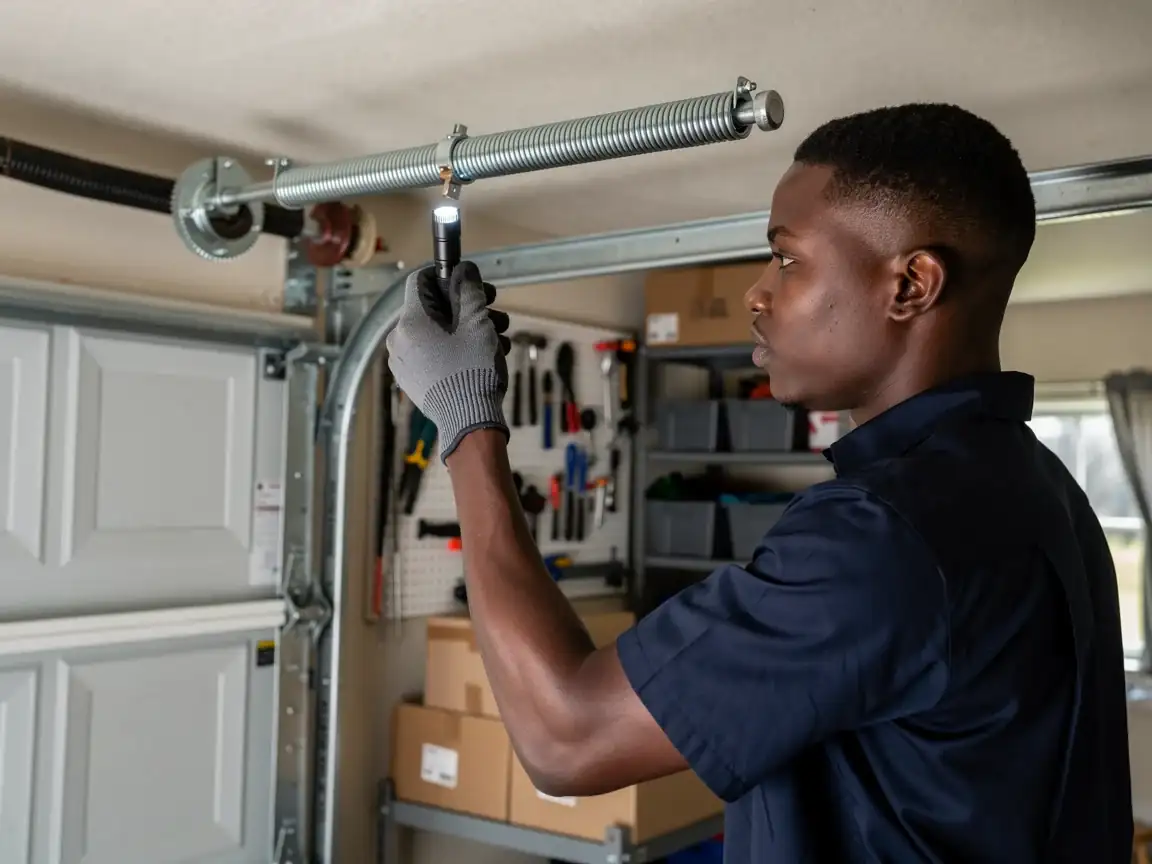
A door built for a 1958 opening doesn't flex the same way a 2001 door does, and it doesn't fail the same way either. Original torsion springs on these older setups are often an odd size - not the common residential stock most suppliers keep on the truck - so a spring job here sometimes means a short wait for the right part instead of a same-visit fix. The cold winters common to this part of Delaware add another layer: steel panels from this era don't have the insulation breaks that later doors do, so the metal contracts hard in a deep freeze and rollers that were already worn tend to bind or jump track right when the temperature drops. If your door's been sticking only in winter, that's usually the tell - not a broken opener, but hardware that's finally meeting its age.
How it works
From “it’s stuck” to “it’s fixed”
A quick, honest process - no guesswork and no surprises, start to finish.
No. We're based in Wilmington and drive out, about 4 miles each way to Wilmington Manor. We don't keep a second location here, but the distance is short enough that it doesn't add much to the job.
Why does my spring keep breaking on an older door?
Houses here tend to date to around 1958, and the torsion springs installed then are often a size that's no longer common stock. When one of those springs reaches the end of its life, the replacement sometimes isn't a shelf item, which can mean a short wait instead of a same-day swap.
Is it worth replacing an old single-car door instead of fixing it?
Depends on the door. If the panel itself is sound and it's just a spring, cable, or roller issue, repair almost always makes more sense. Full replacement starts making sense when the track or jamb has rusted through, not just because the door is old.
Does the cold affect garage doors here differently?
Yes. This area sits in a cold, severe winter climate band, and older steel doors from the 1950s and 60s generally don't have the insulation breaks that later doors use. Panels contract more in a hard freeze, and worn rollers are more likely to bind or jump the track right when it's coldest.
Ready to get your garage door sorted?
Tell us what it’s doing and where you are in Wilmington - we’ll take it from there.