Why This Fails Locally
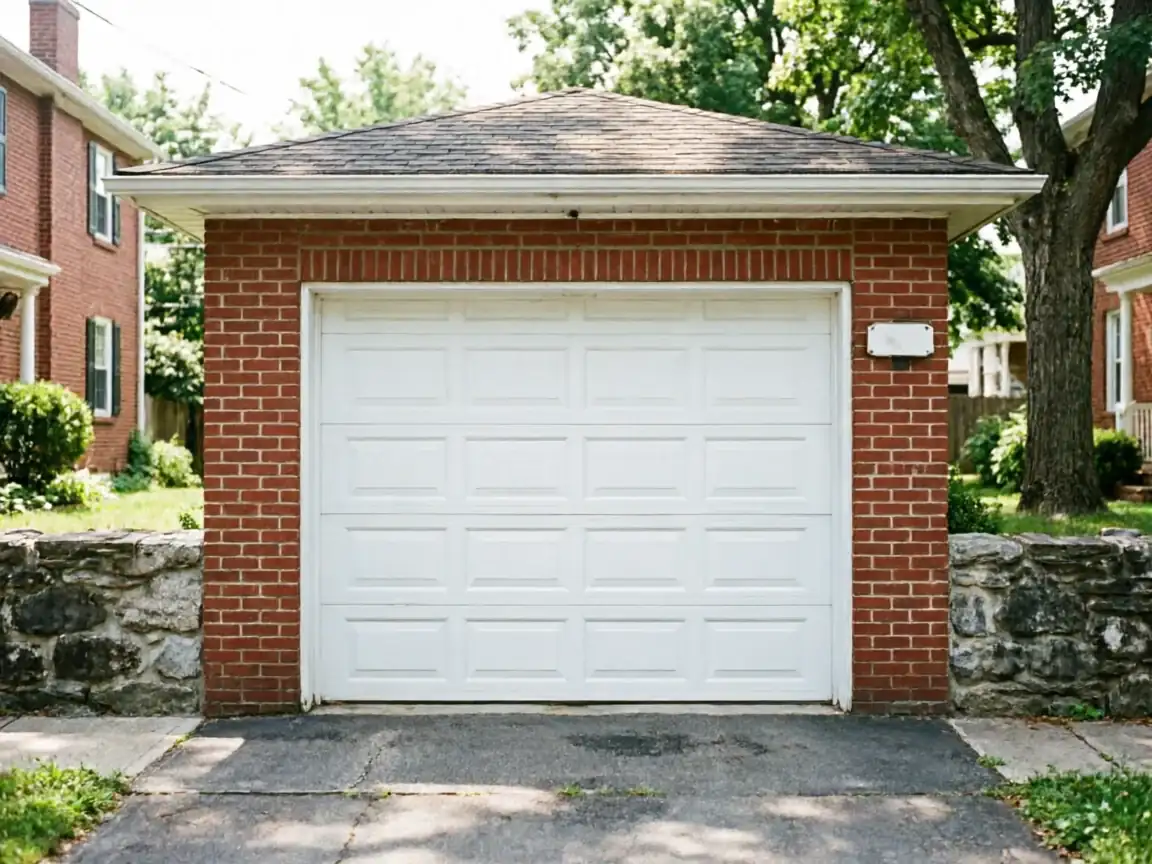
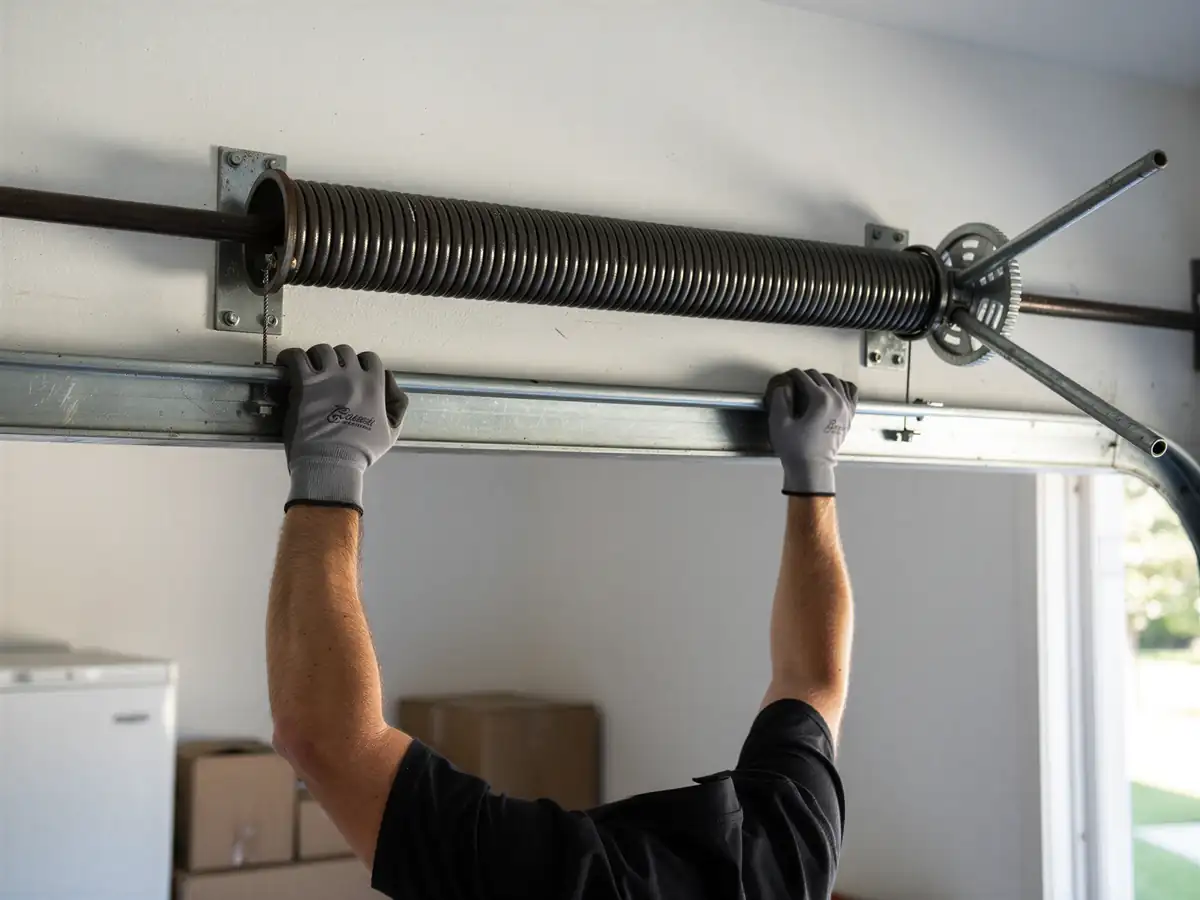
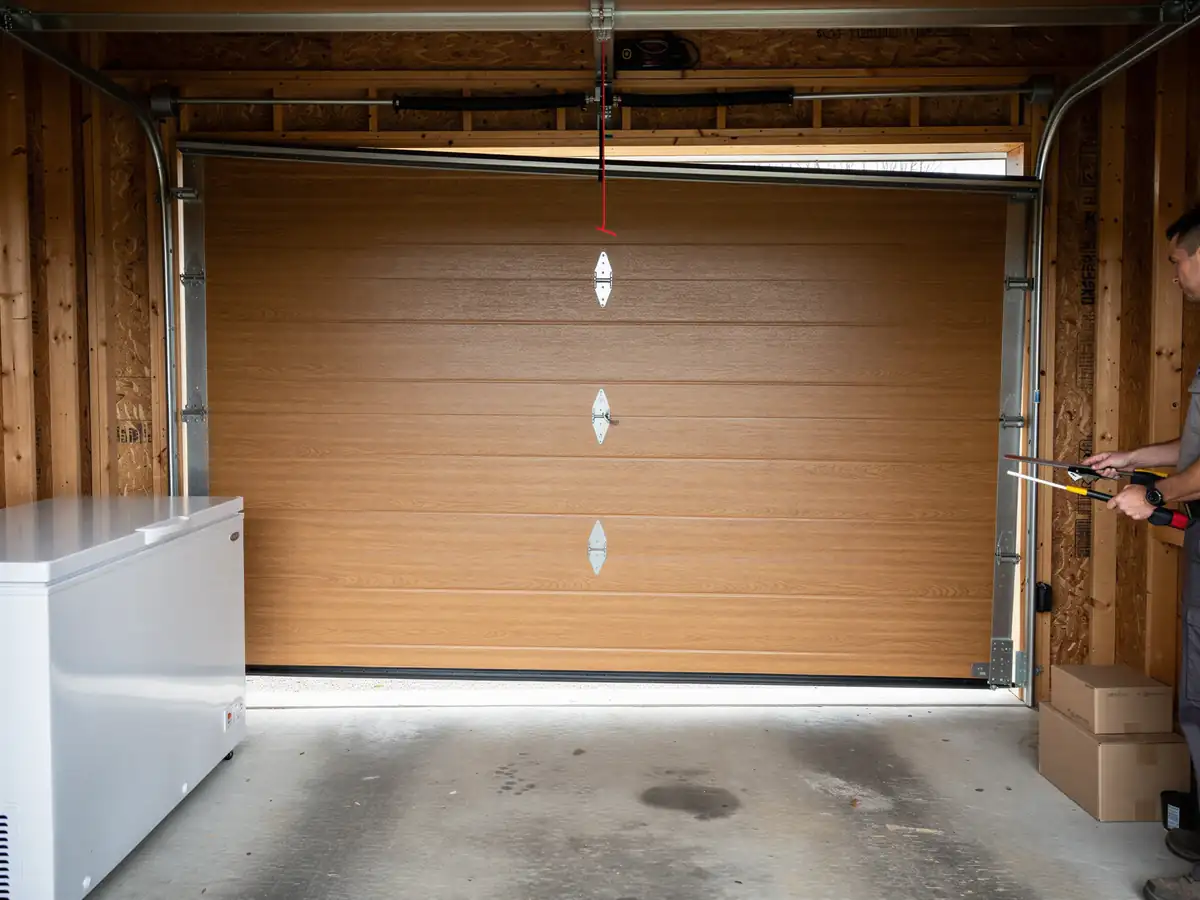
Houses in Wilmington Manor tend to date to around 1958, which puts this neighborhood on the older edge of the 1940-2001 range we see across the wider service area. That generation of garage was built for a lighter, often single-layer door on hardware that was never upgraded past its original torsion spring and a fixed-cone mount - parts that have simply worn out their rated cycle count by now, not because anyone did anything wrong. Add in a real cold-climate winter, and the grease in old bearings and rollers stiffens up, which is when an already-tired spring finally lets go. We see a steady pattern here: doors that worked fine through fall and then bind, groan, or drop in the first hard cold snap. It's not a coincidence tied to one bad door - it's the age of the housing stock meeting the season.
What the Fix Involves
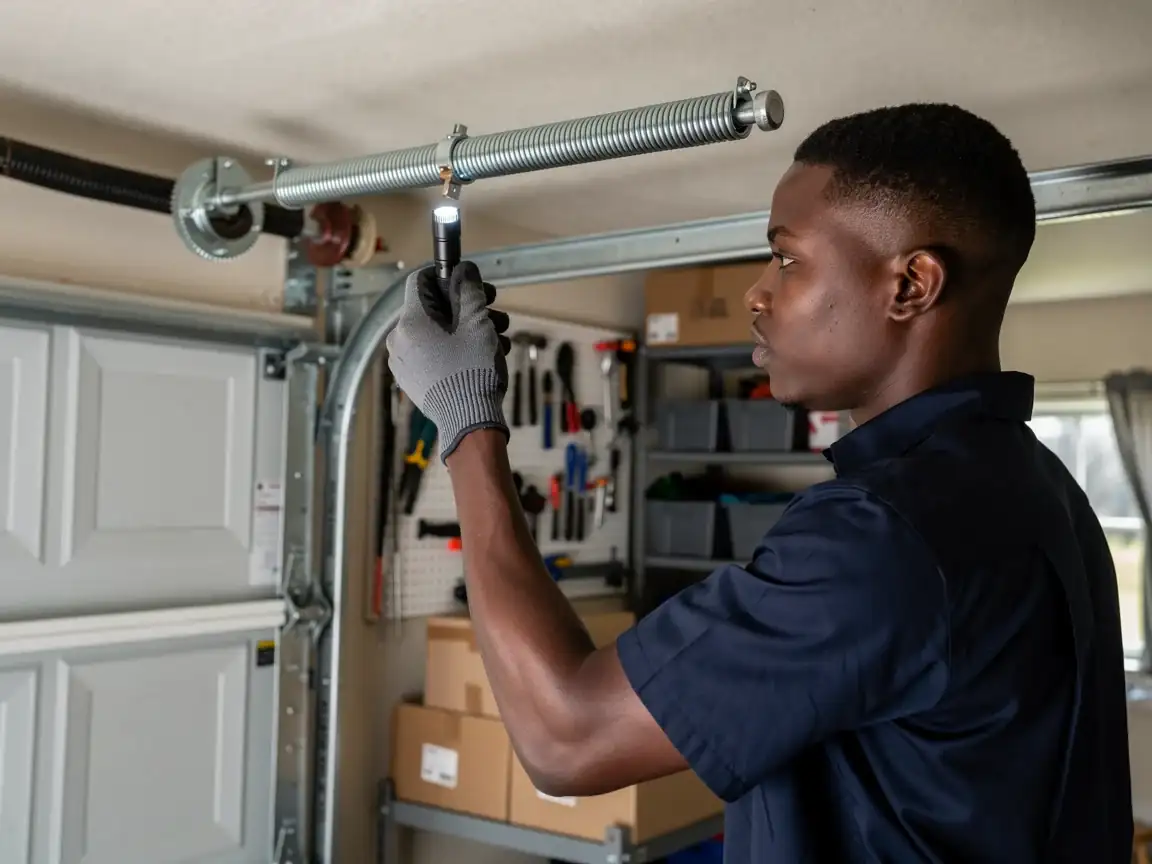
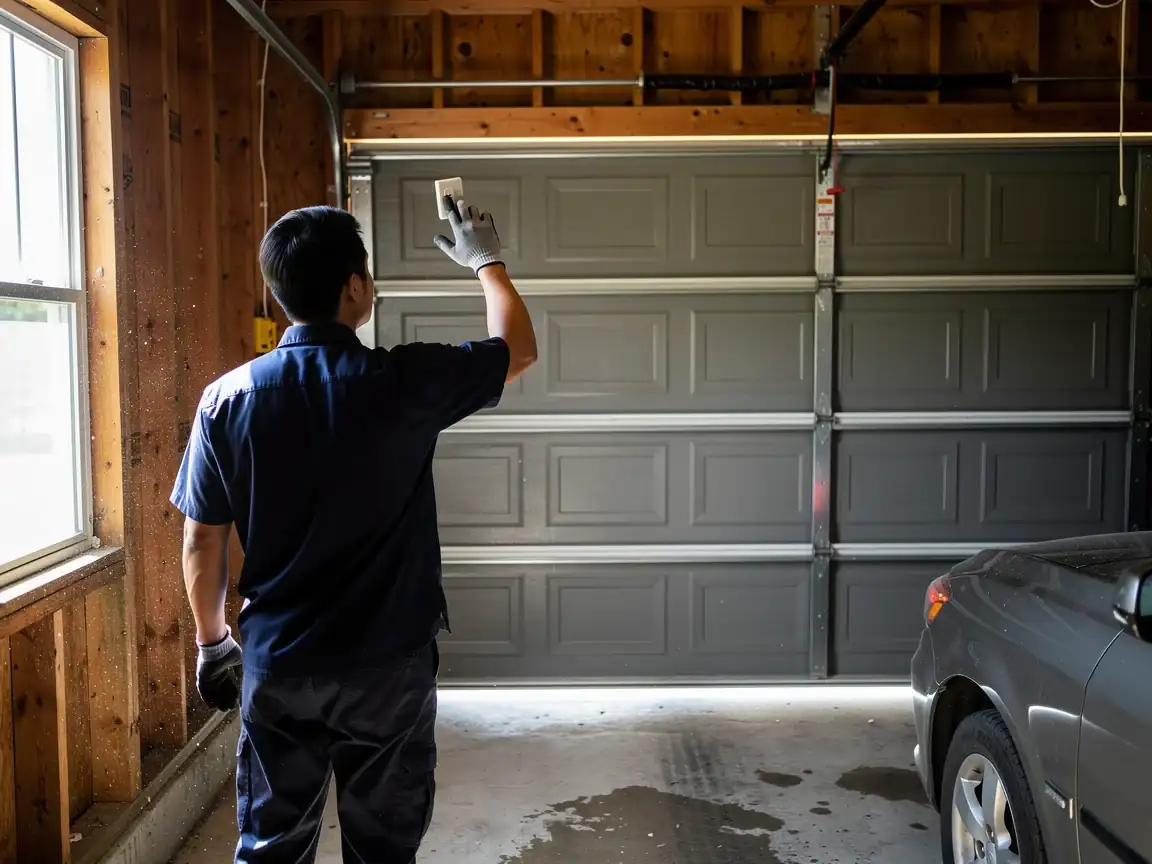
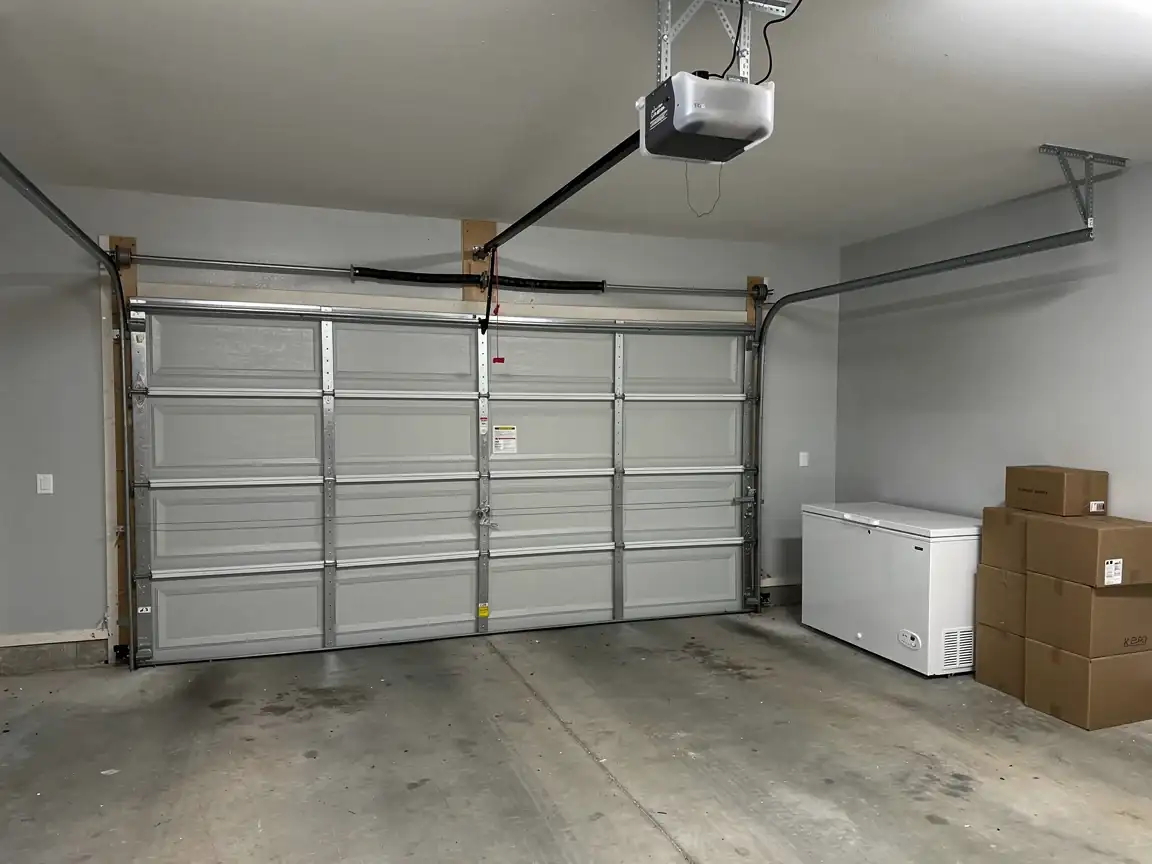
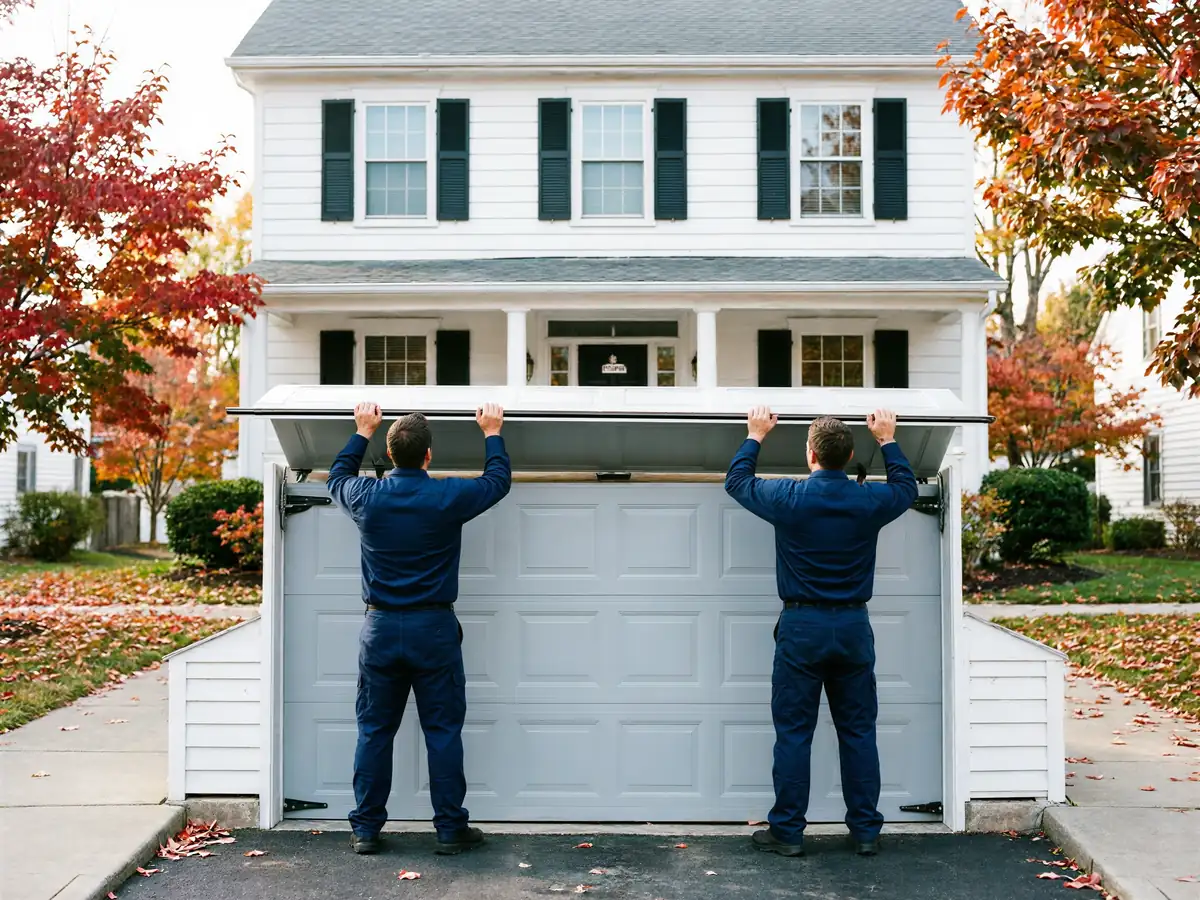
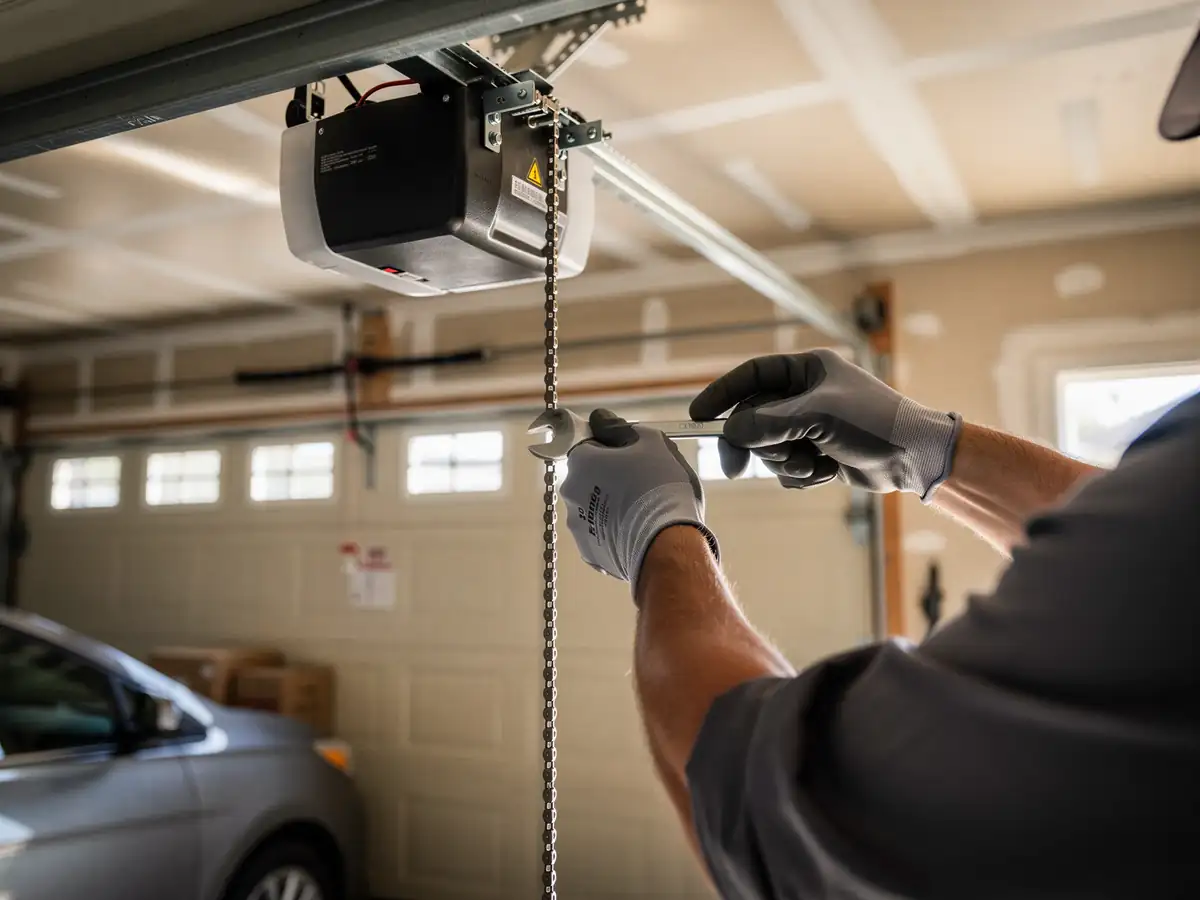
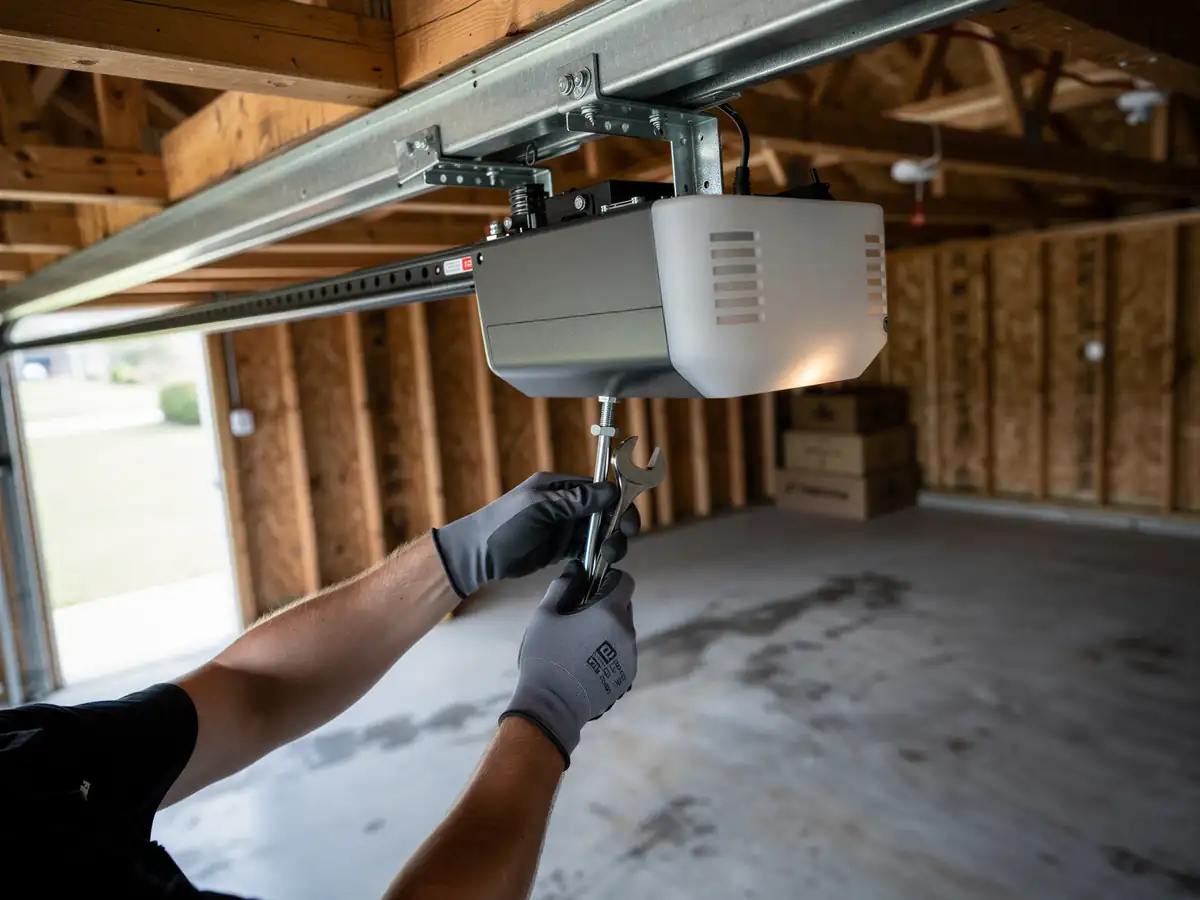
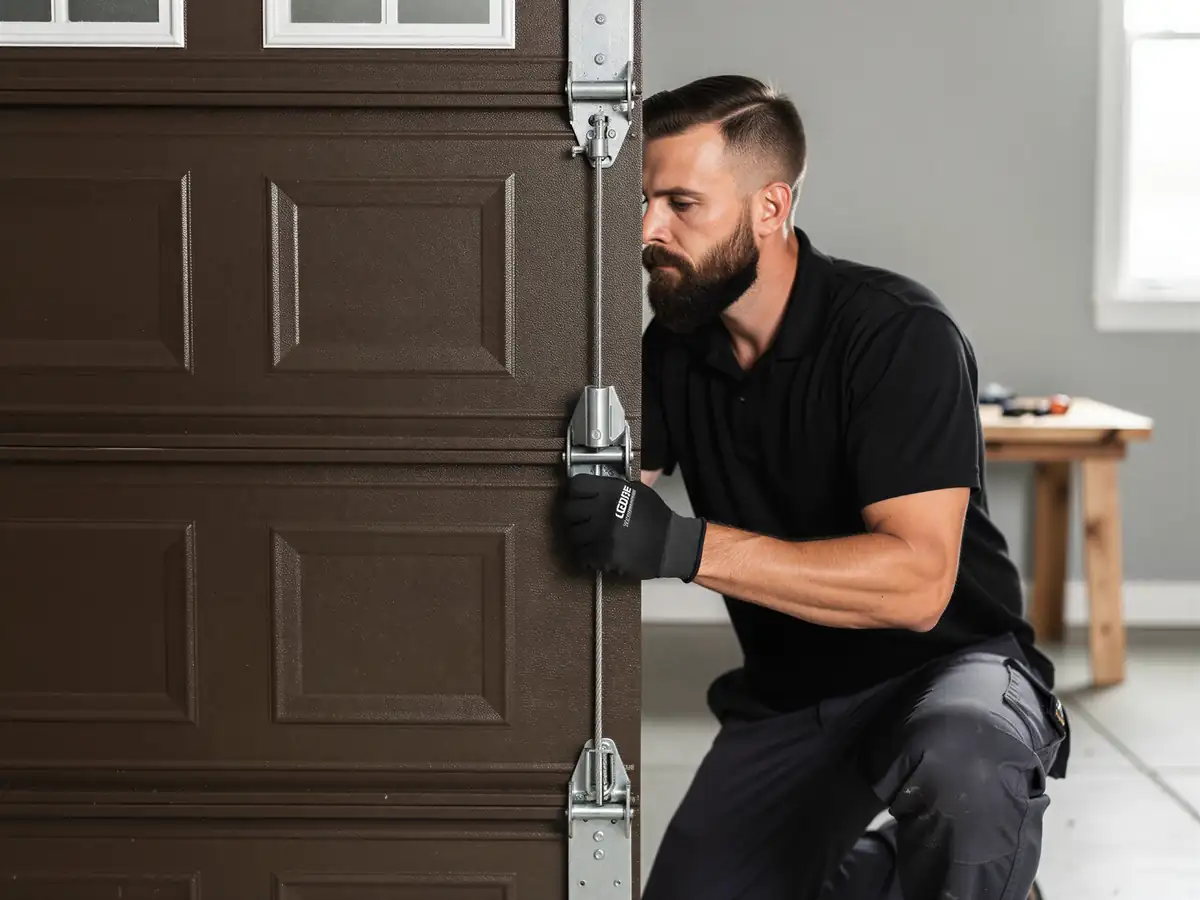
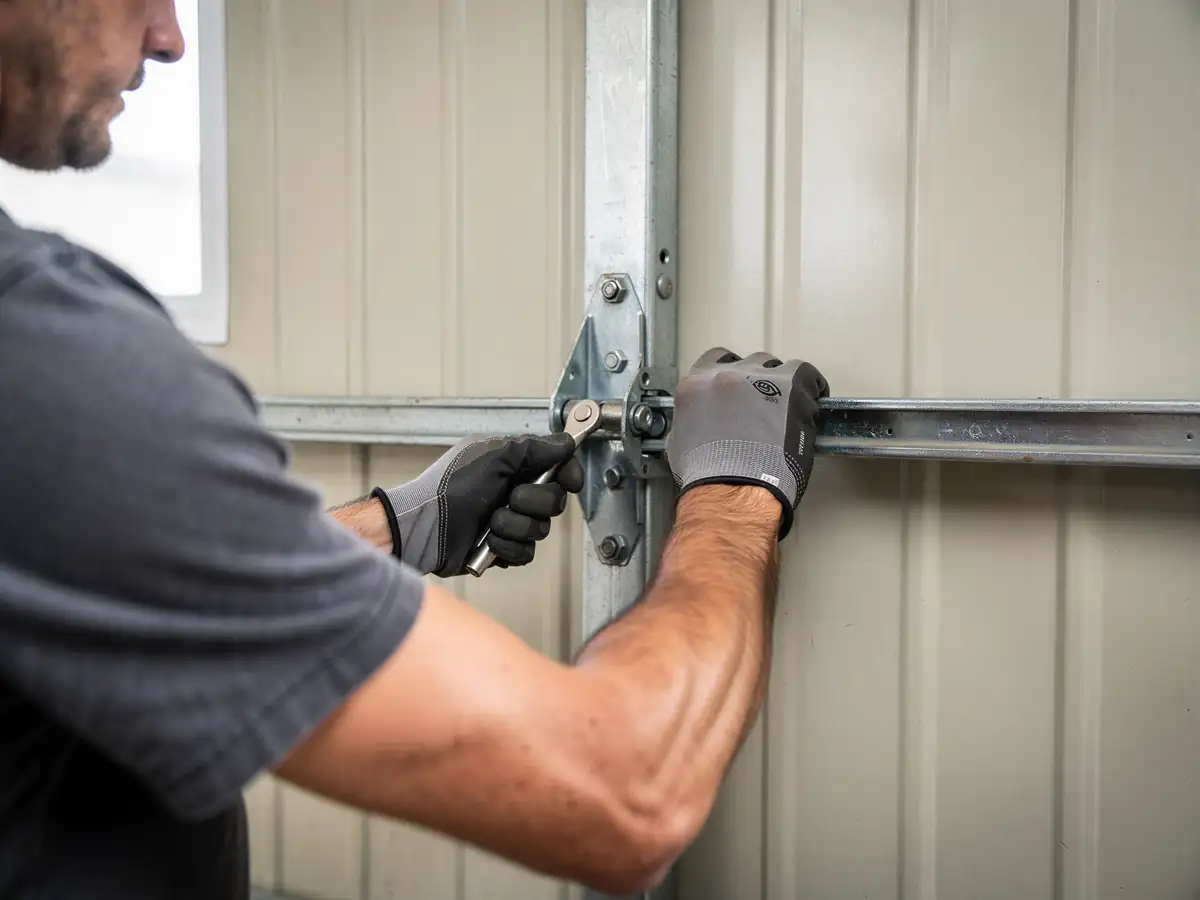
On a torsion spring job, we check the whole system before touching the spring itself: the cones, the center bearing plate, the cable drums, and the track alignment, because on a door this age one worn part usually drags another down with it. If the opener is original or close to it, cold-stiffened gears or a tired capacitor can look like a spring problem until we get hands on it, so we rule that out first rather than guessing. We replace springs in matched pairs on a double door even if only one broke - a mismatched pair just fails again on the other side within a season. One honest limit here: if the track is bent badly enough, or the door panel itself is rusted or delaminating, we'll tell you straight that a repair is a stopgap and replacement is the better money, not try to patch something that'll be back on our list in a year.
What Is on the Truck
Given the age of doors in this neighborhood, the truck carries torsion springs sized for the lighter single-layer doors common on 1950s-60s construction, standard-lift cables, nylon and steel rollers, and center bearing plates - the parts that wear out on original hardware rather than on newer insulated doors. We also carry basic opener components for the chain and screw-drive units that were typical replacements on homes this age. We don't carry every panel style or every opener control board, since newer composite and insulated steel doors use parts that don't overlap with what a 1958-era house usually has - on those, we're ordering in rather than fixing on the spot.