Why This Fails Locally
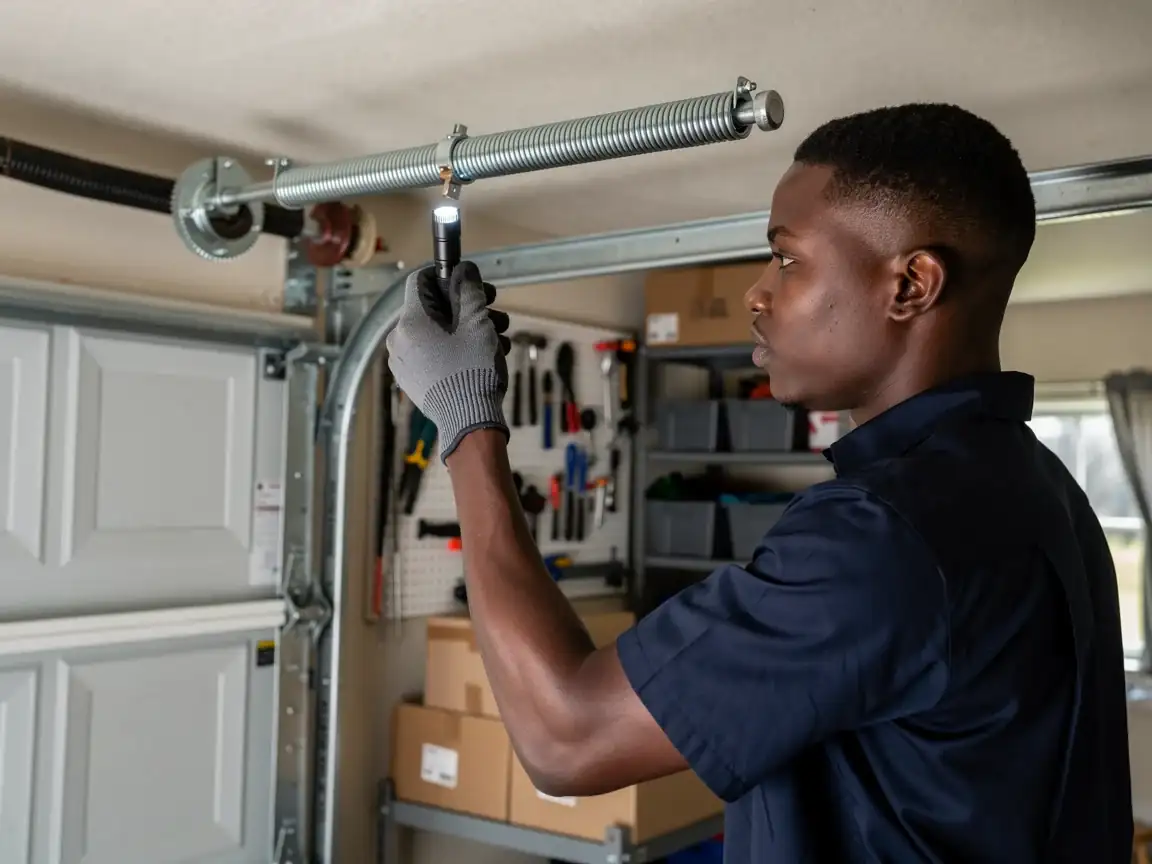
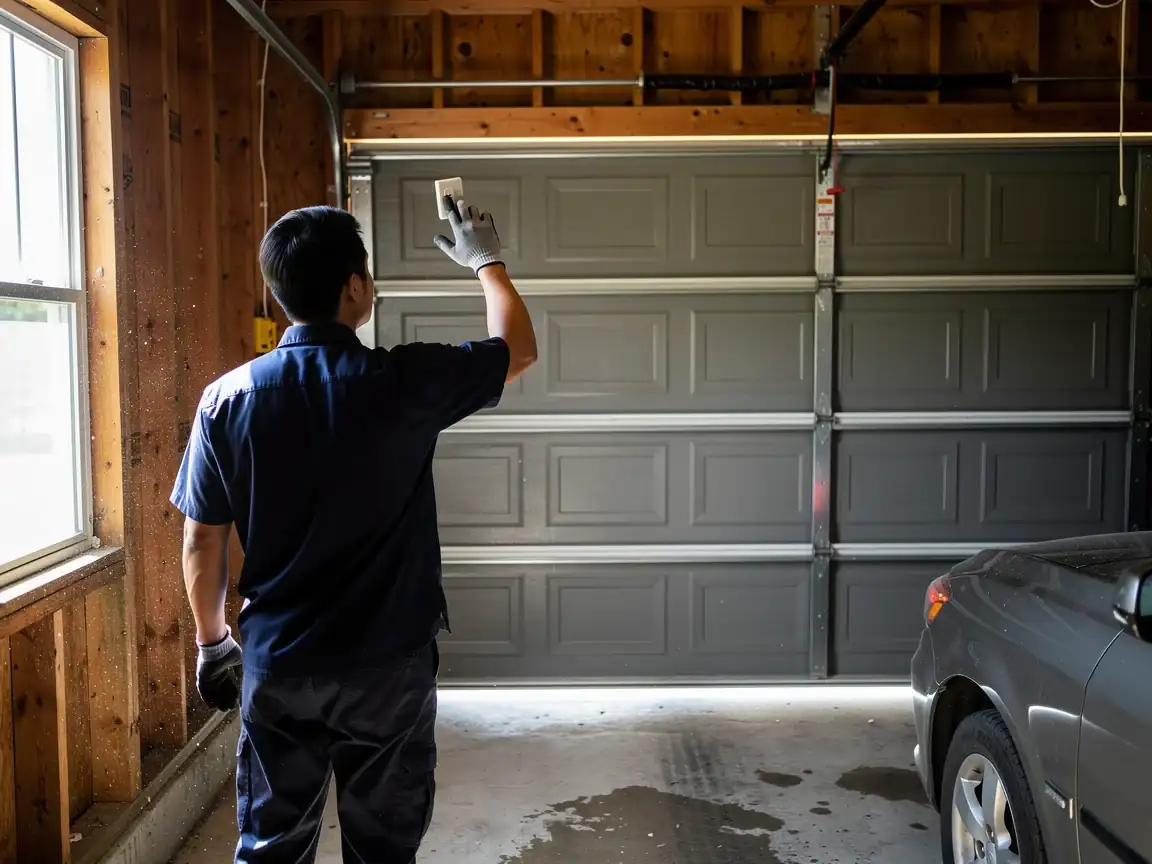
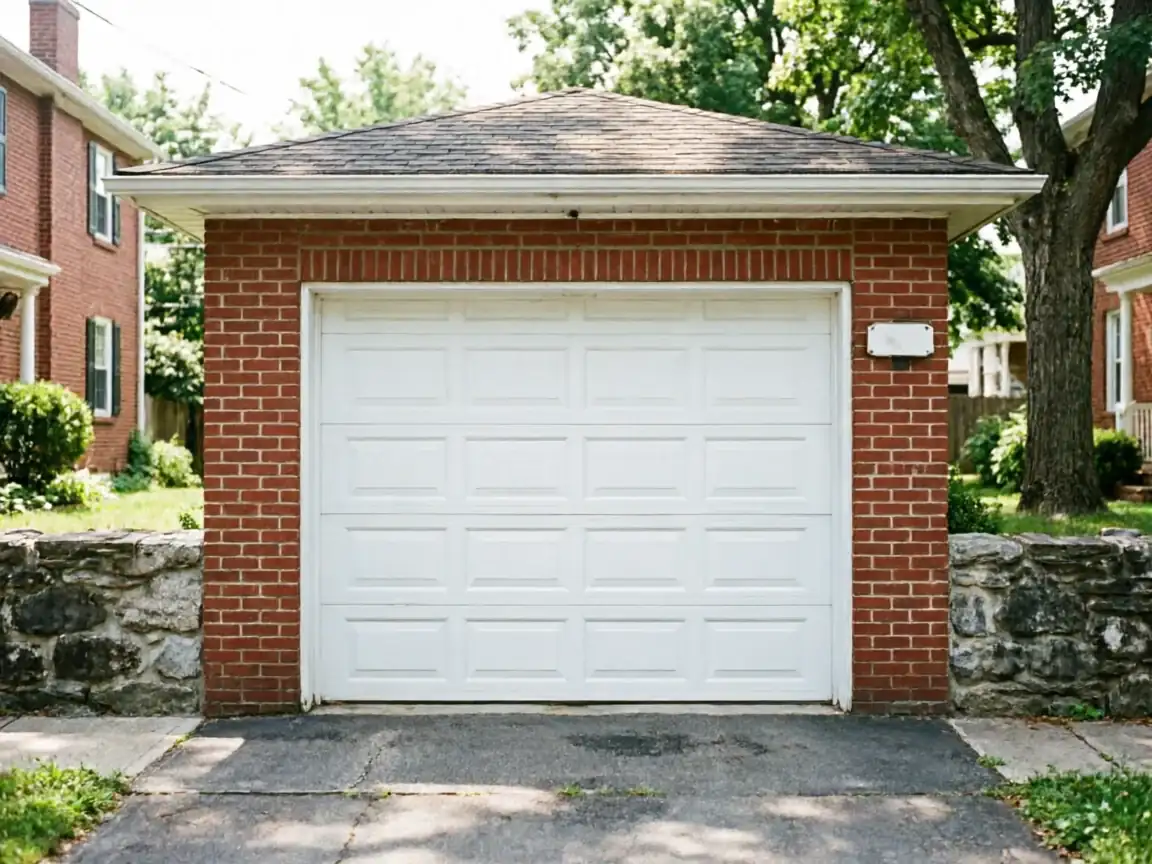
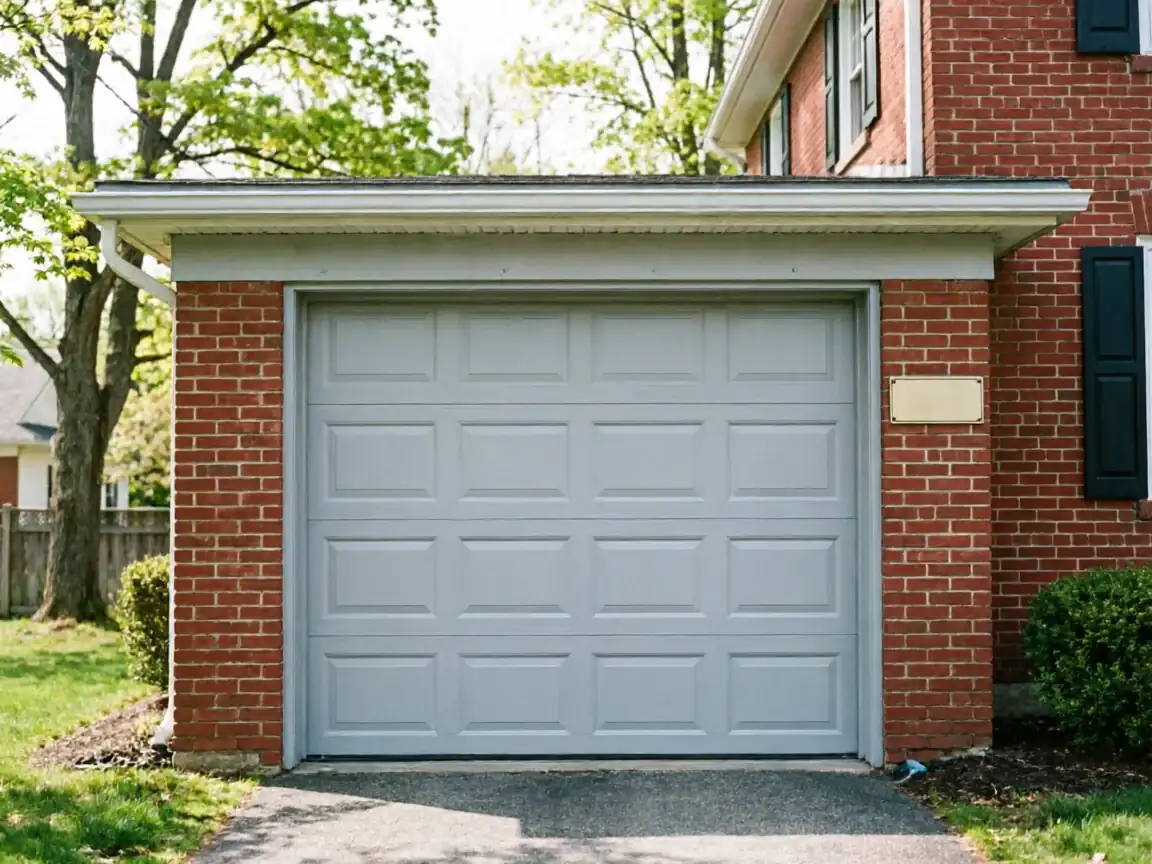
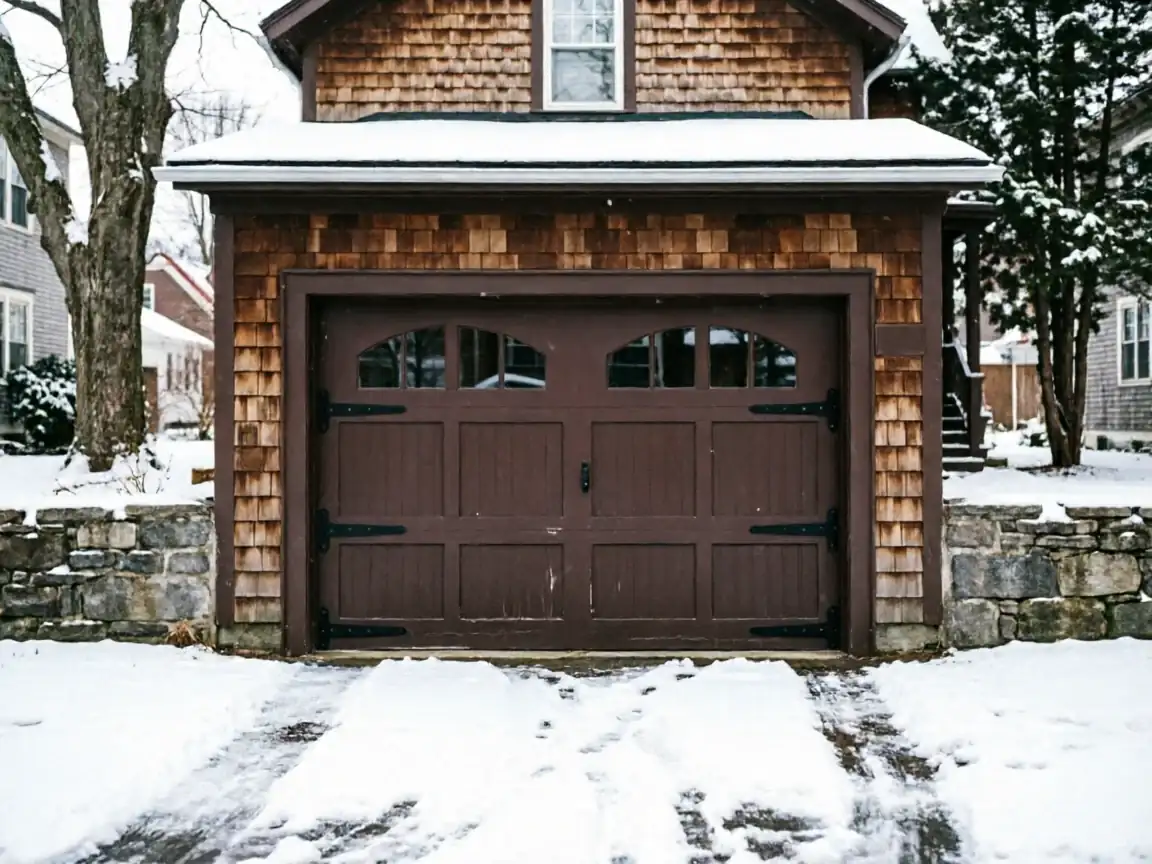
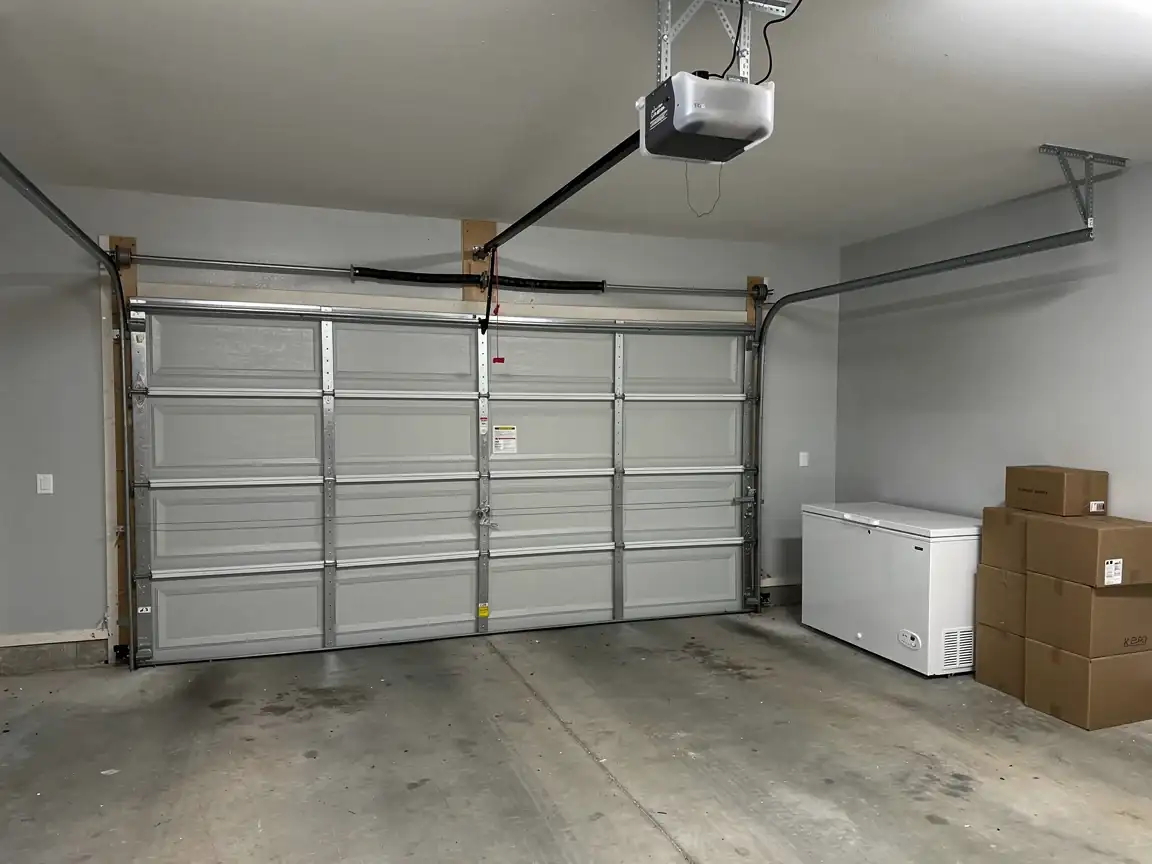
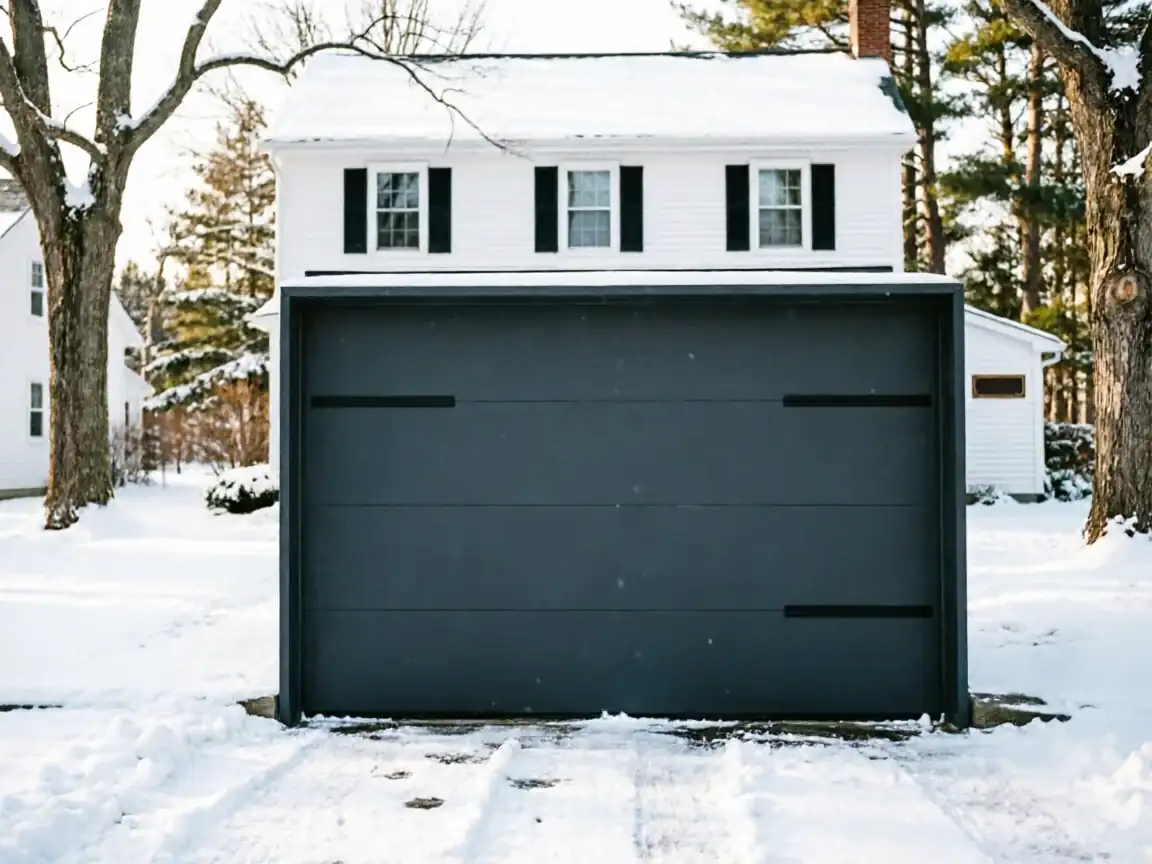
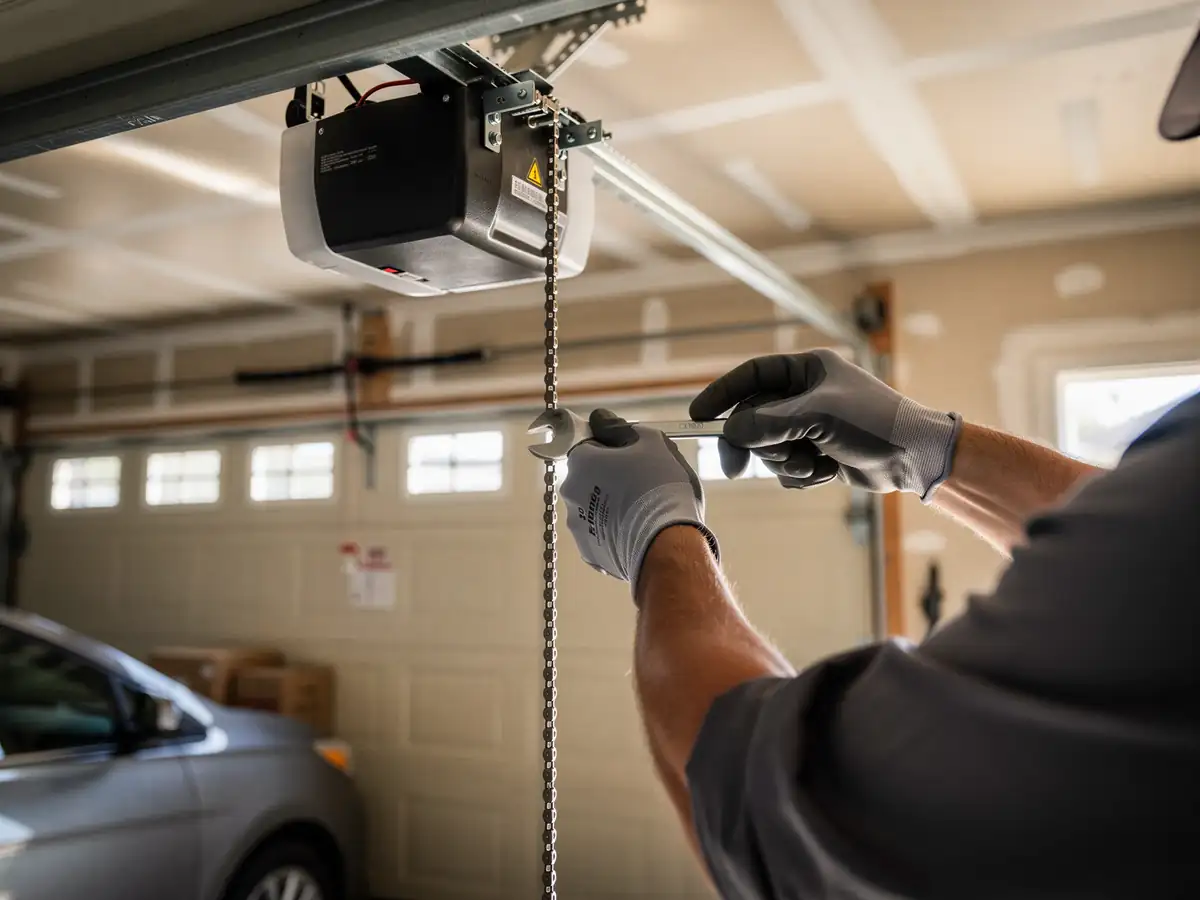
Delaware winters sit in the severe end of the cold climate band, and that's hard on steel that's been flexing under tension since 1964. A torsion spring loses temper gradually with every cold-season cycle, and on a door this old you're often looking at the second or third winter past when it should've been replaced. Openers are a smaller but real issue - a chain-drive unit installed decades ago on original brackets wasn't built with today's travel limits or safety reversal in mind, and bolting a new logic board to an old rail doesn't fix that. With roughly 4,162 households in Claymont and a lot of them sharing that same build era, the failure pattern repeats: a spring that finally lets go on a cold morning, a cable that's frayed at the drum from thirty-plus years of the same groove. None of that is a Claymont-specific defect - it's what original 1960s hardware does on a schedule, and the schedule is almost up for a lot of these doors.
Doing It Yourself
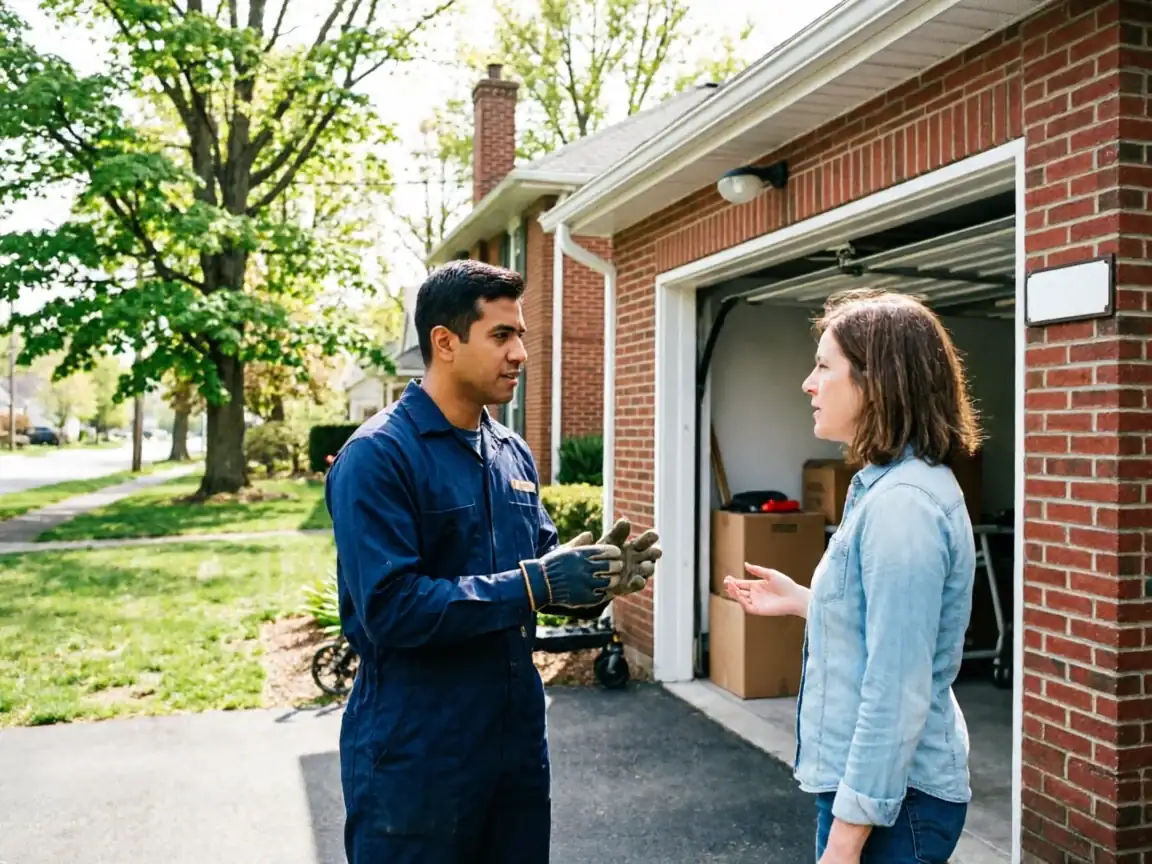
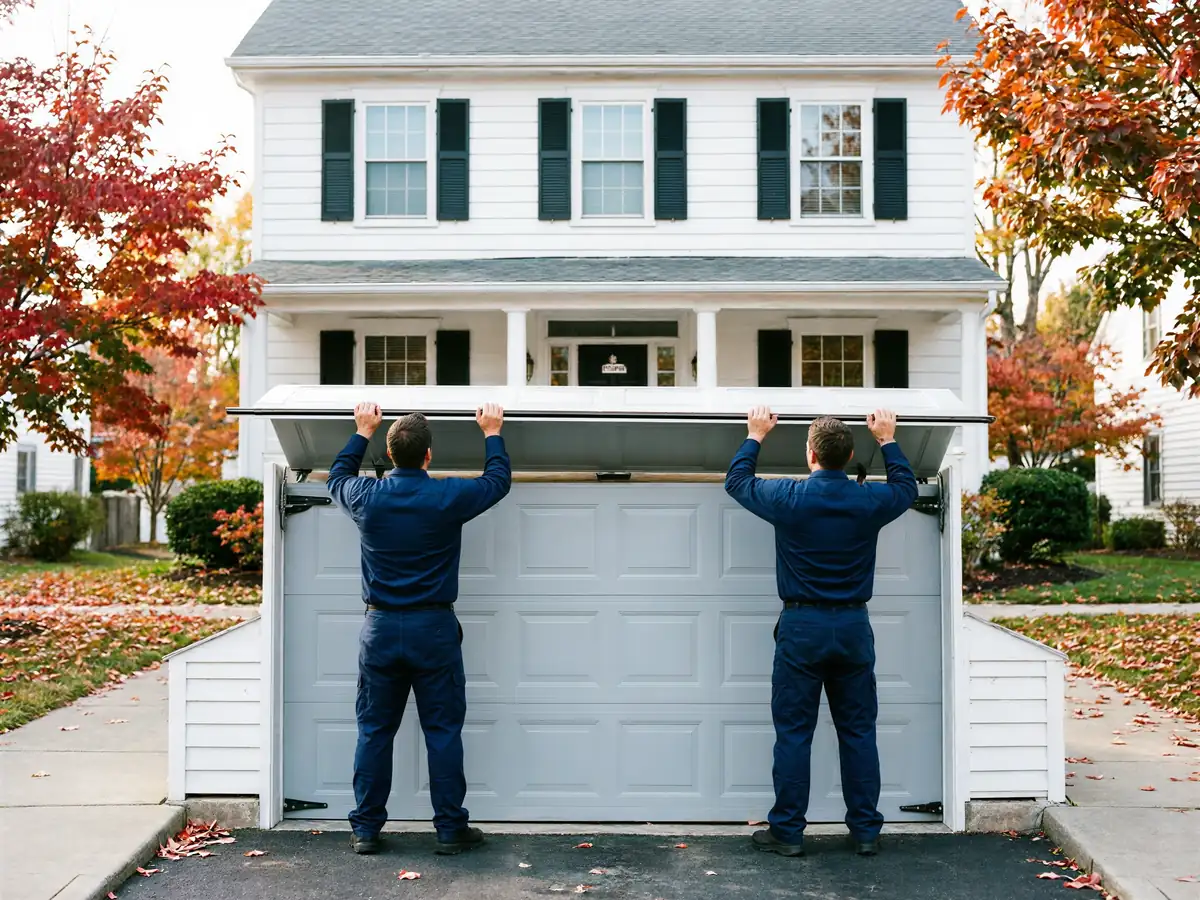
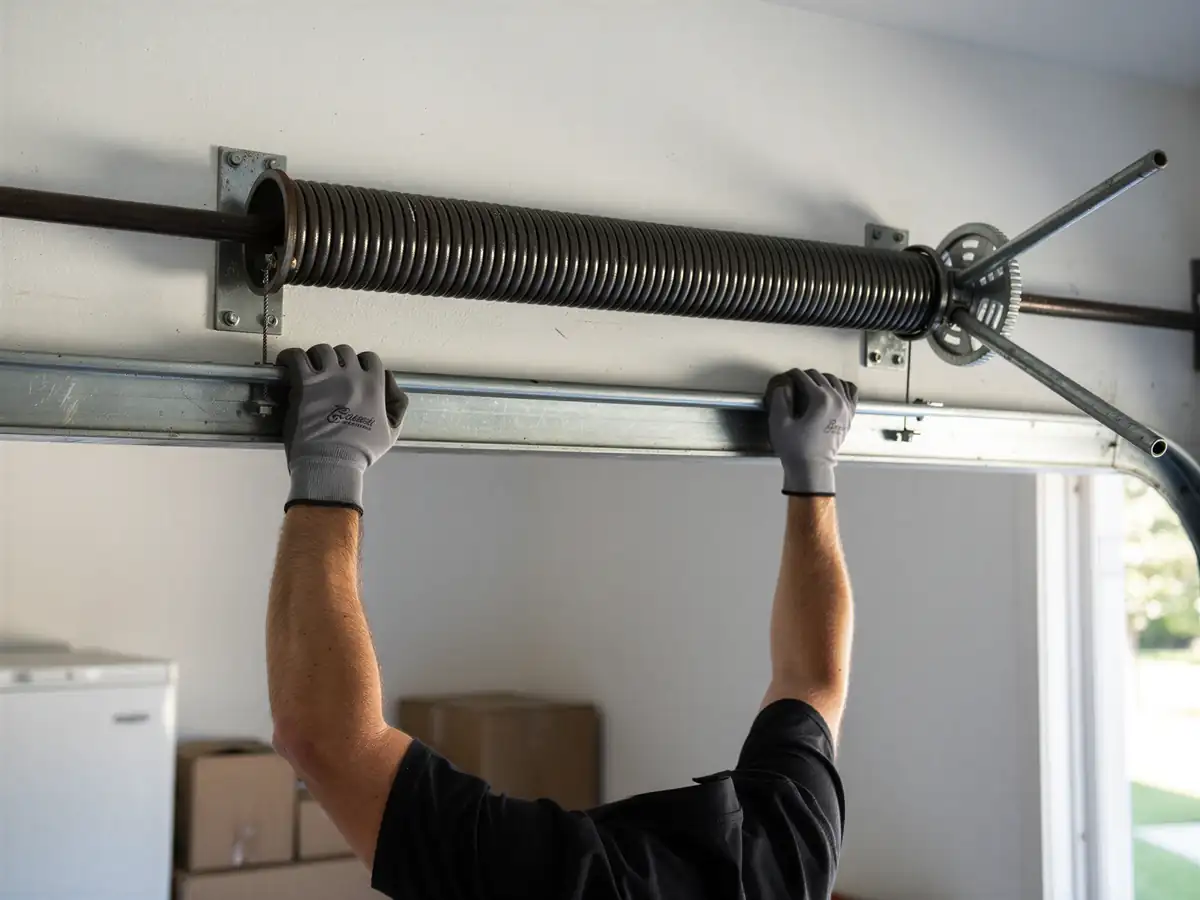
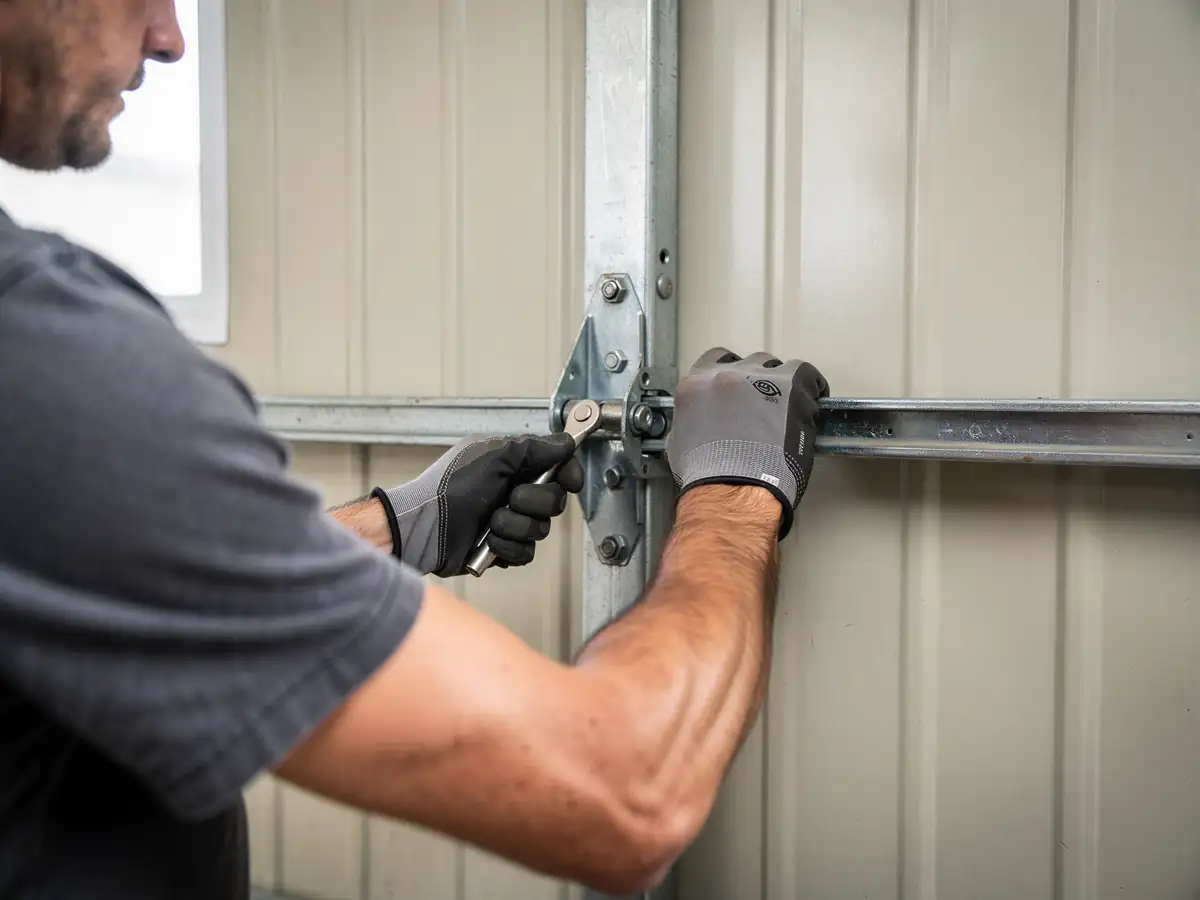
Tightening a loose hinge or oiling a roller is fine to do yourself, and on a door this old, a little grease on the rollers and hinges before winter is worth the five minutes. What isn't worth doing yourself is the spring. A wound torsion spring holds enough stored force to break a bone or worse, and on a door from 1964 you don't know its fatigue state just by looking at it - it can look fine and let go under tension. We also won't pretend every repair makes sense. If the door itself has sagged at the bottom panel or the track has rusted through at the brackets, patching the opener or swapping a cable is a short-term fix on a door that's going to need replacing anyway, and we'll tell you that instead of running up a bill on parts that won't hold. Median household income in this area runs $75,808, a fair bit under the $87,826 figure for the wider service area, and we quote with that in mind rather than pushing work that doesn't need doing.