How Long It Takes
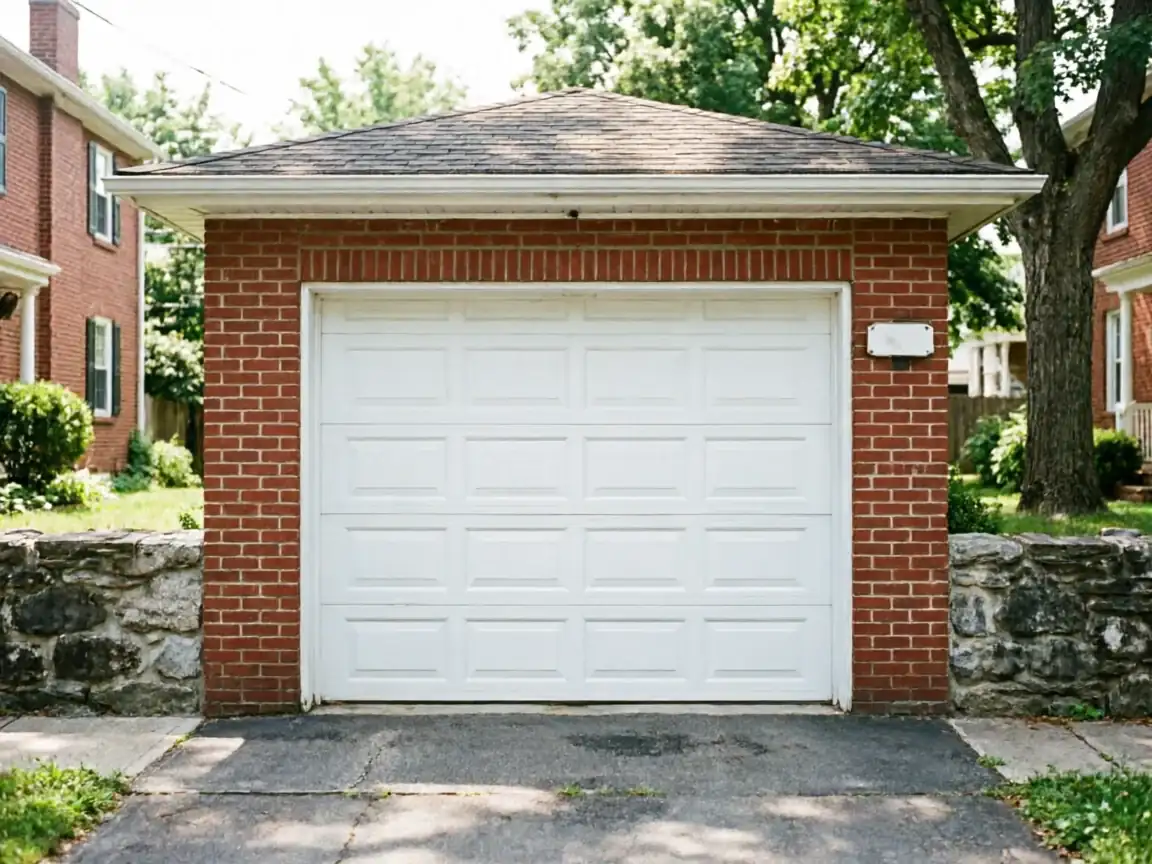
Most houses on this stretch went up around 1964
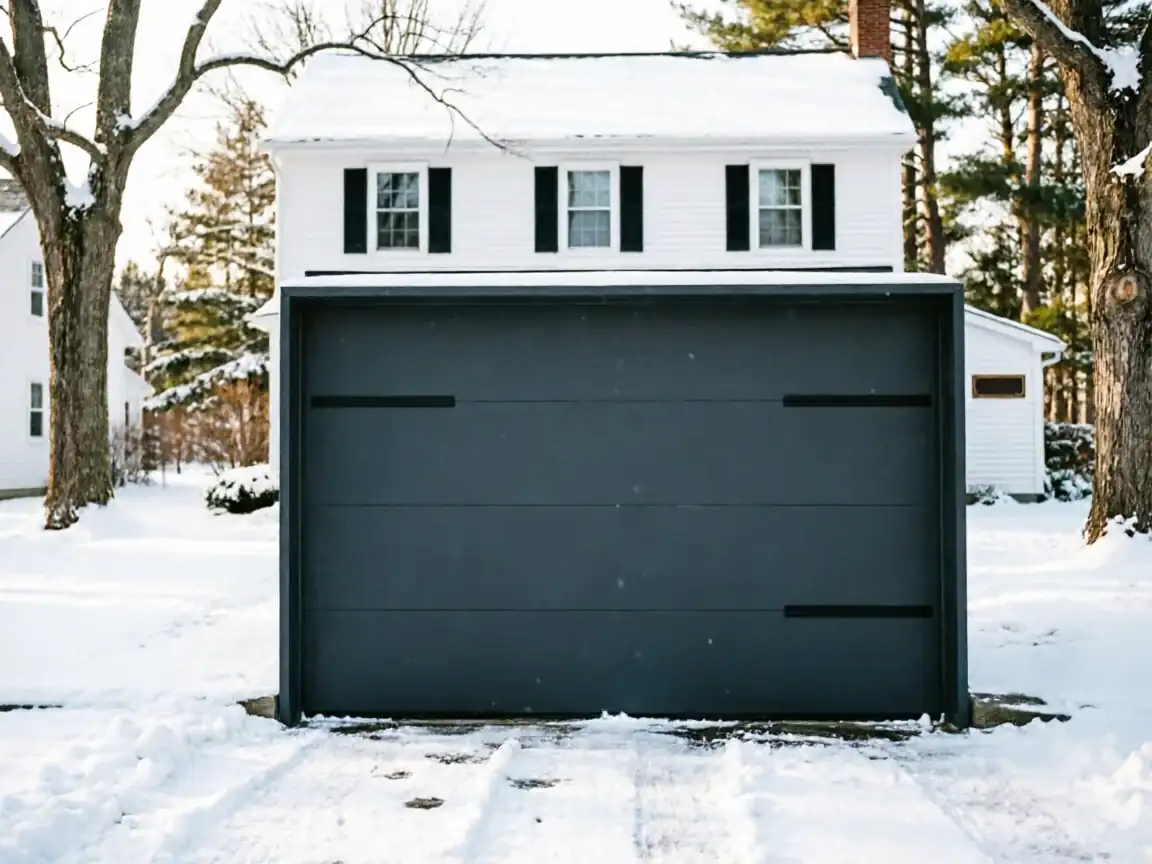
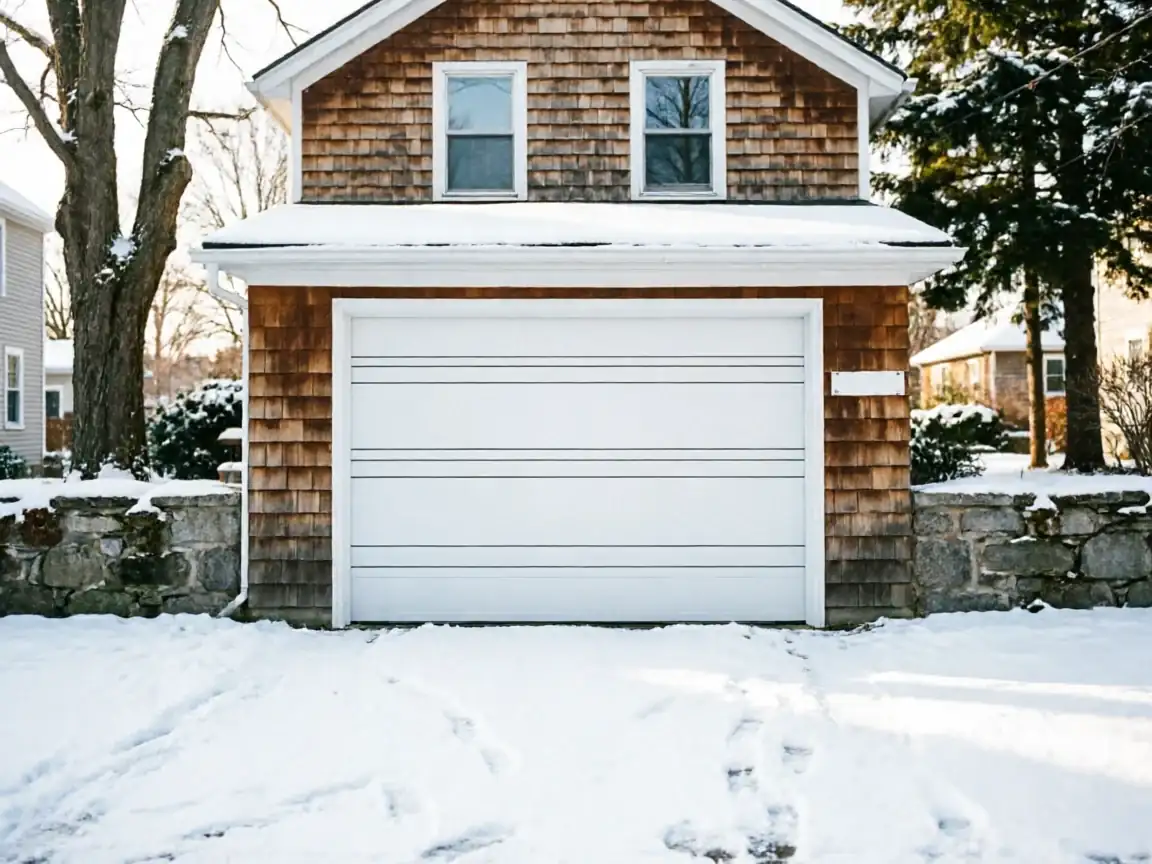
And the doors that came with them are single steel sections or paired single-car doors on wood jambs, sized for the narrower bays builders used before double-wide garages became standard. That means two things on a service call: the opening is often 8 or 9 feet, not the 16-foot double you see on newer construction, and the track and spring sizing has to match a door built to a spec nobody uses anymore.
- 9 feet
A straightforward spring or roller job on one of these doors usually runs a single visit once the truck is out from Wilmington
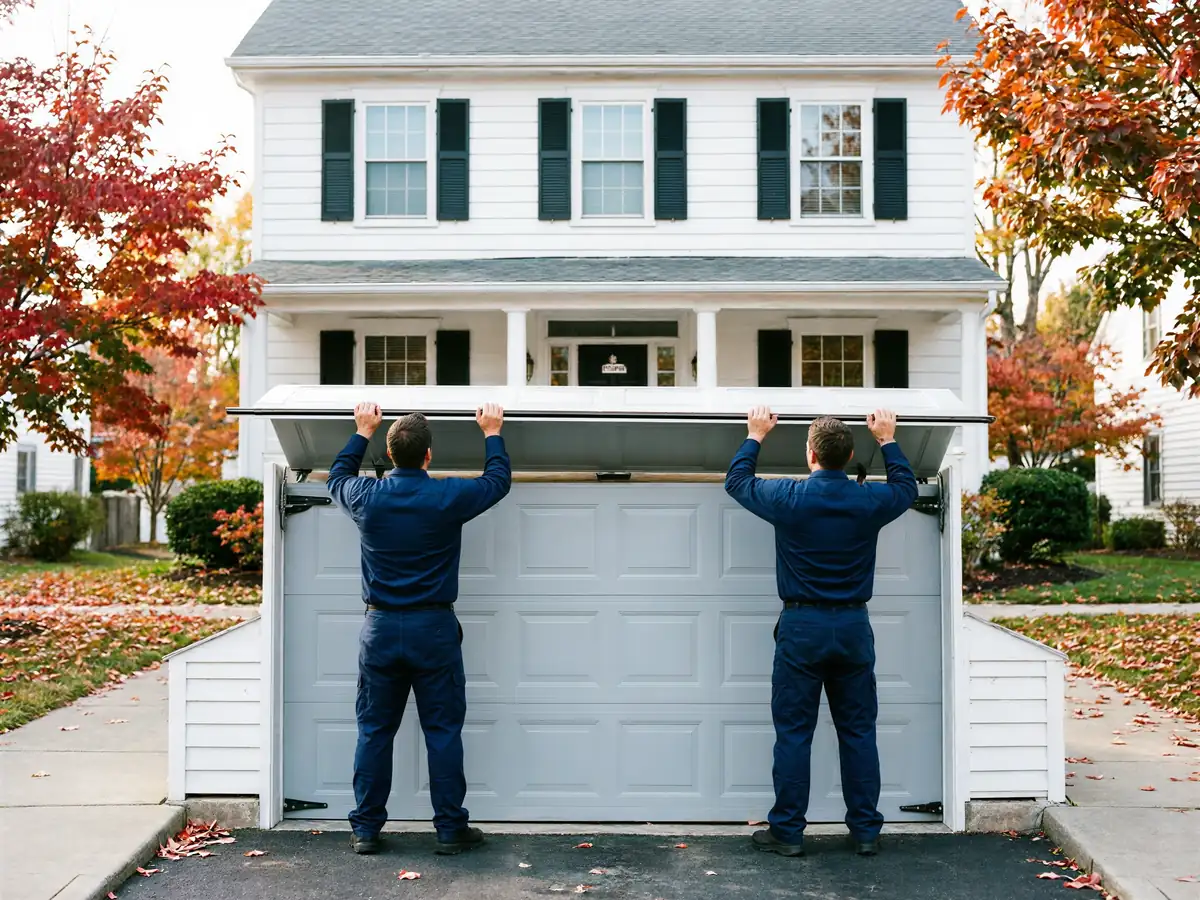
6 miles in. What stretches the timeline is parts - a replacement panel sized for a 1964 opening isn't something sitting on every shelf, and track hardware from that era sometimes has to be special-ordered rather than swapped from stock. If your door is original to the house, expect the tech to confirm measurements before quoting a firm return date, because the part has to fit the opening you have, not a modern standard size.
- 6 miles
Why This Fails Locally
Delaware's winters sit in a cold-severe band, and a door built in 1964 wasn't engineered with today's weatherstripping or insulated steel in mind. On a single steel panel with no foam core, that's a wide, uninsulated surface that contracts and expands through freeze-thaw cycles every winter. Over sixty-some years, that cycling works on the weld points and the track alignment more than it would on a door built to current spec.
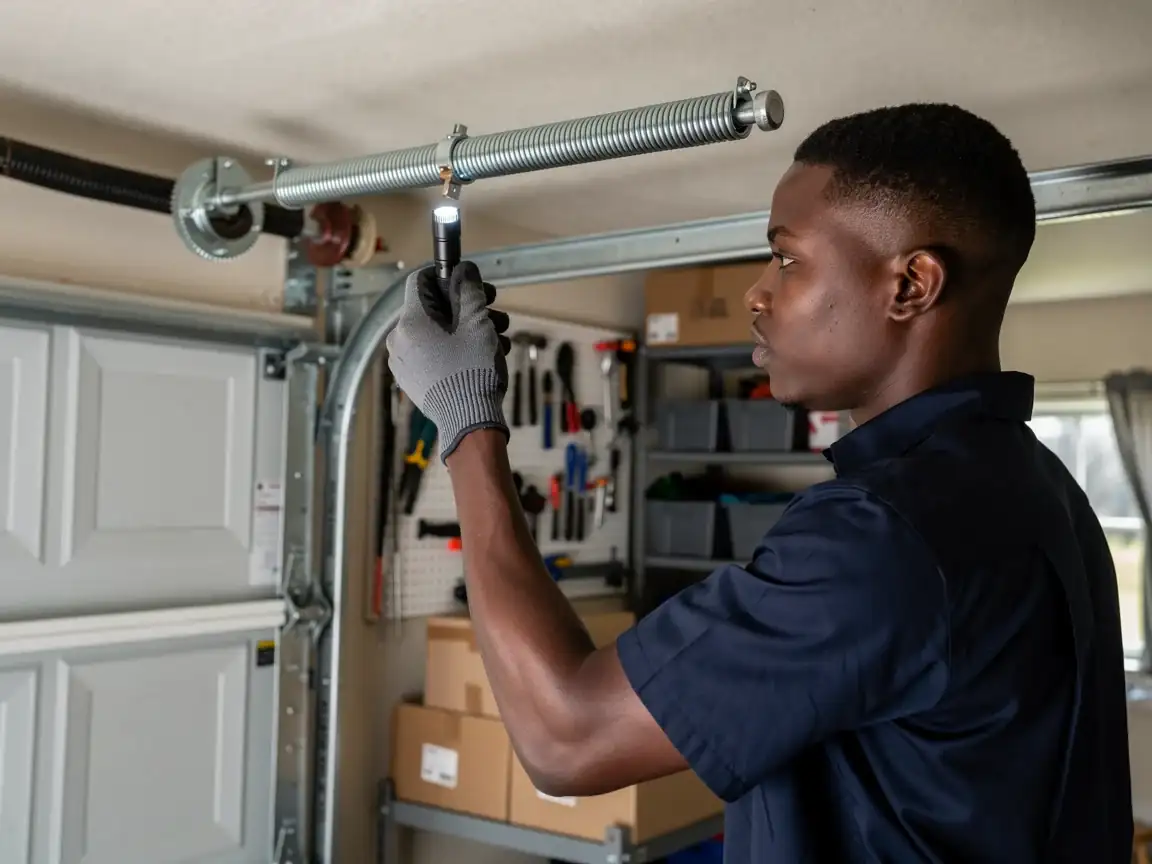
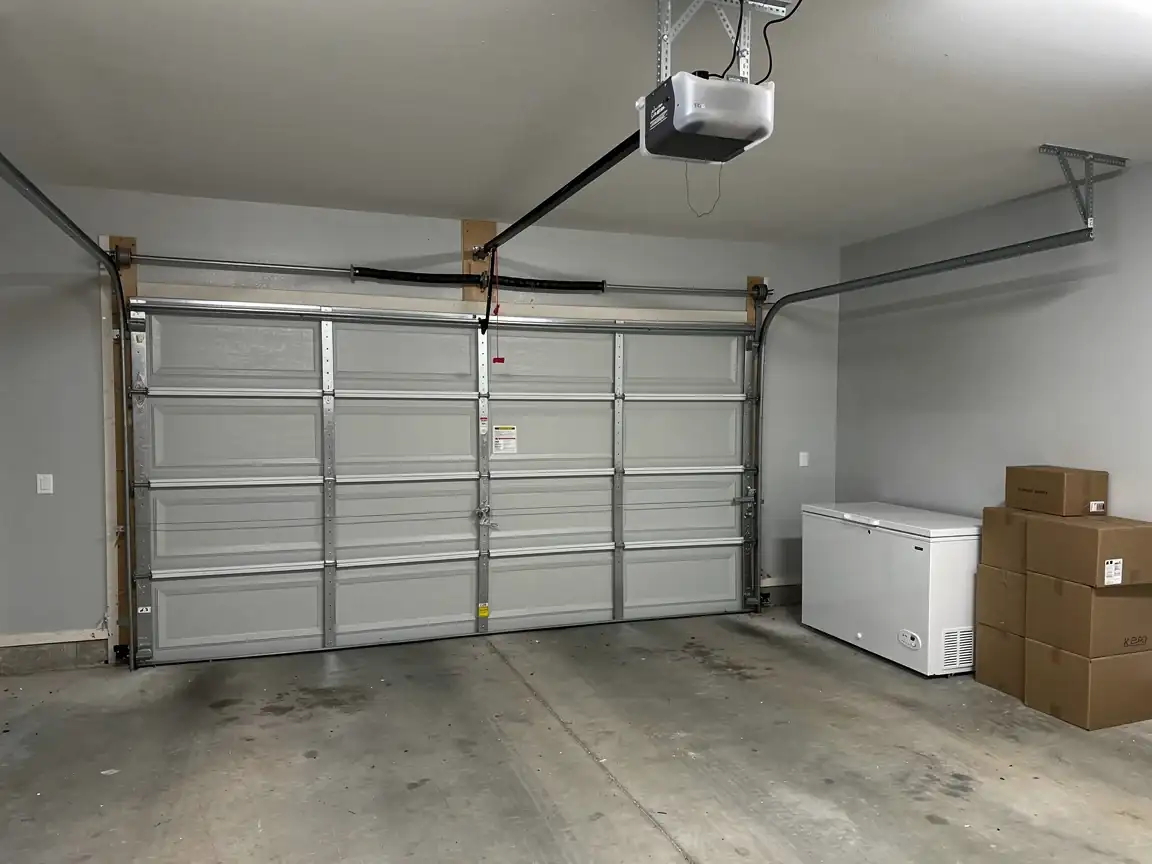
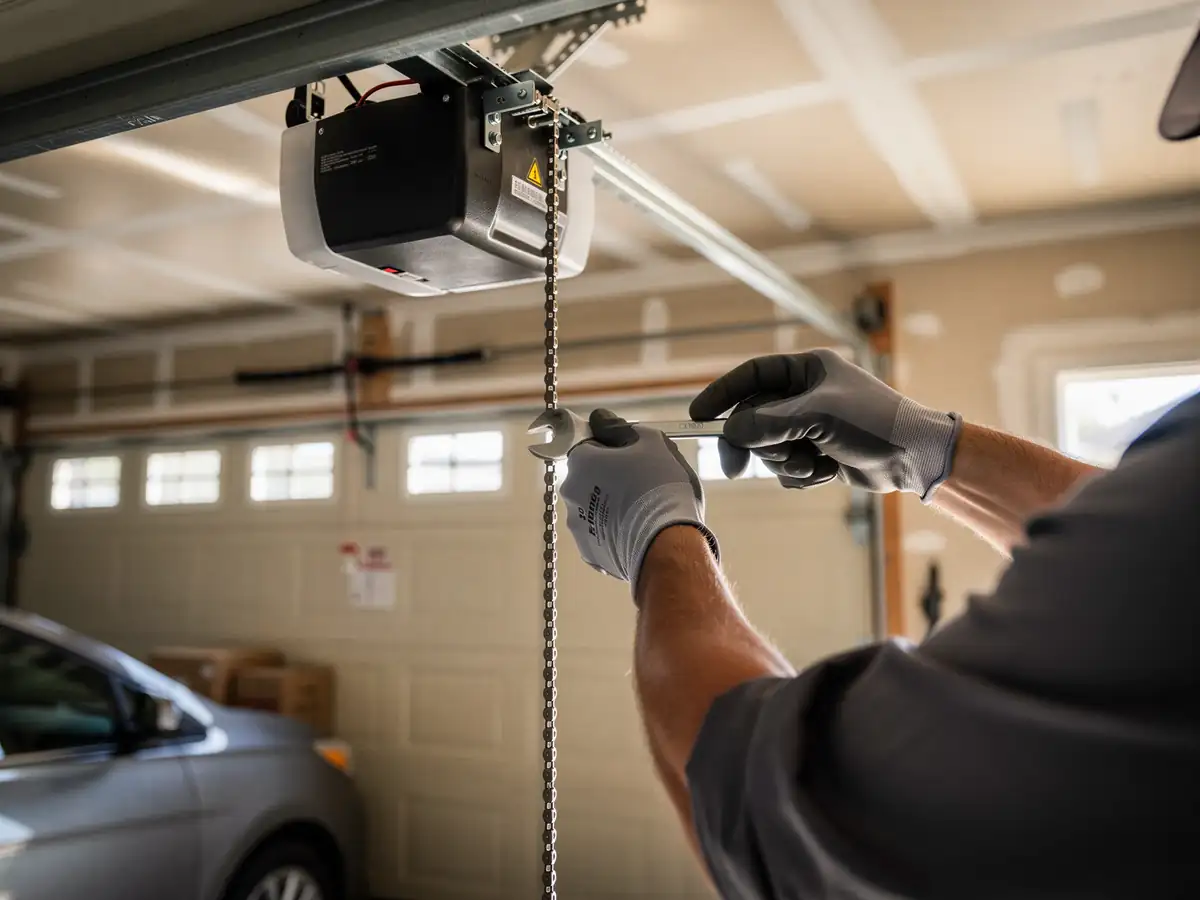
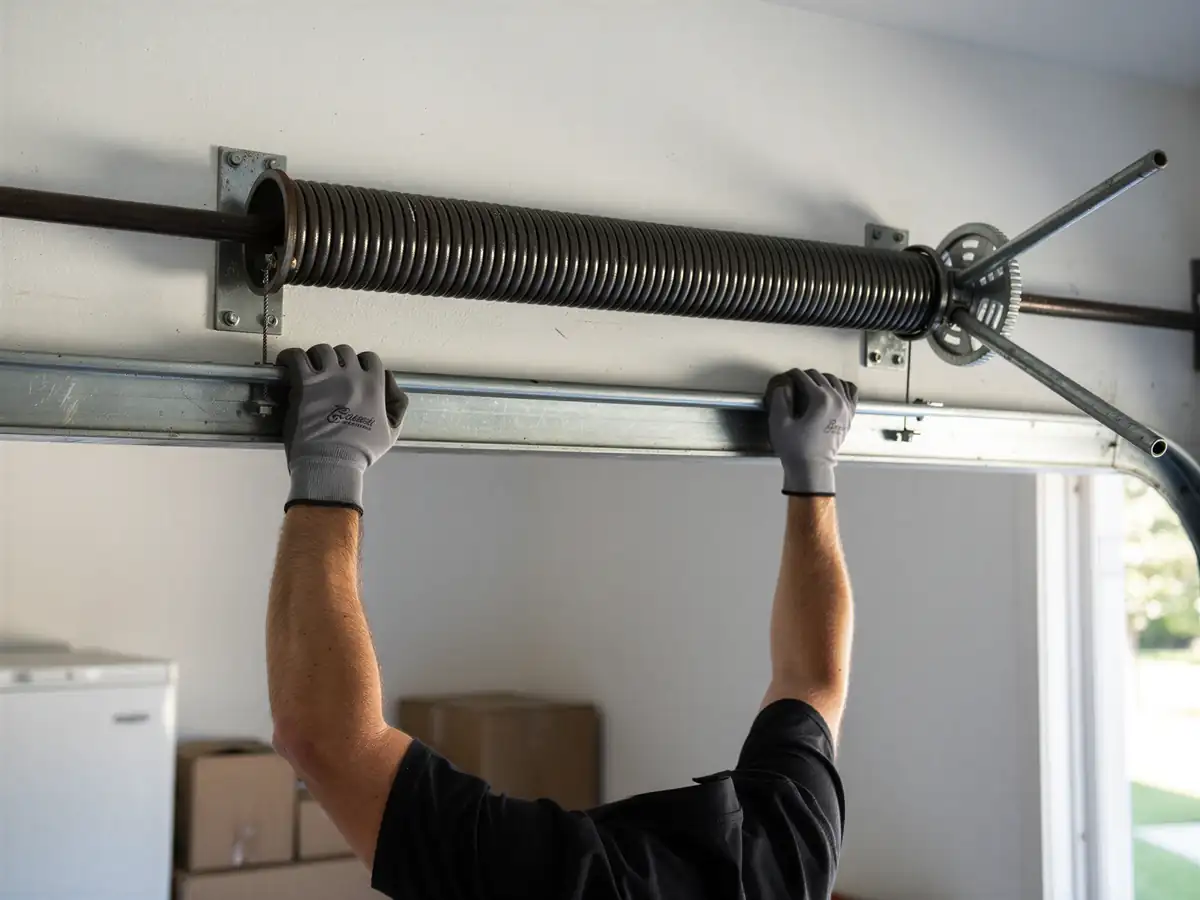
The other failure point is the spring. A torsion or extension spring rated for a door's original weight loses tension over decades of cold-weather cycling, and on a household budget in Claymont - median income here runs lower than the wider service area average - a spring failure tends to get put off rather than fixed right away. That's a reasonable call in the short term. It's a bad one if it goes untouched long enough that the opener motor starts straining to compensate, because that turns a $150 spring job into an opener replacement too.
Doing It Yourself
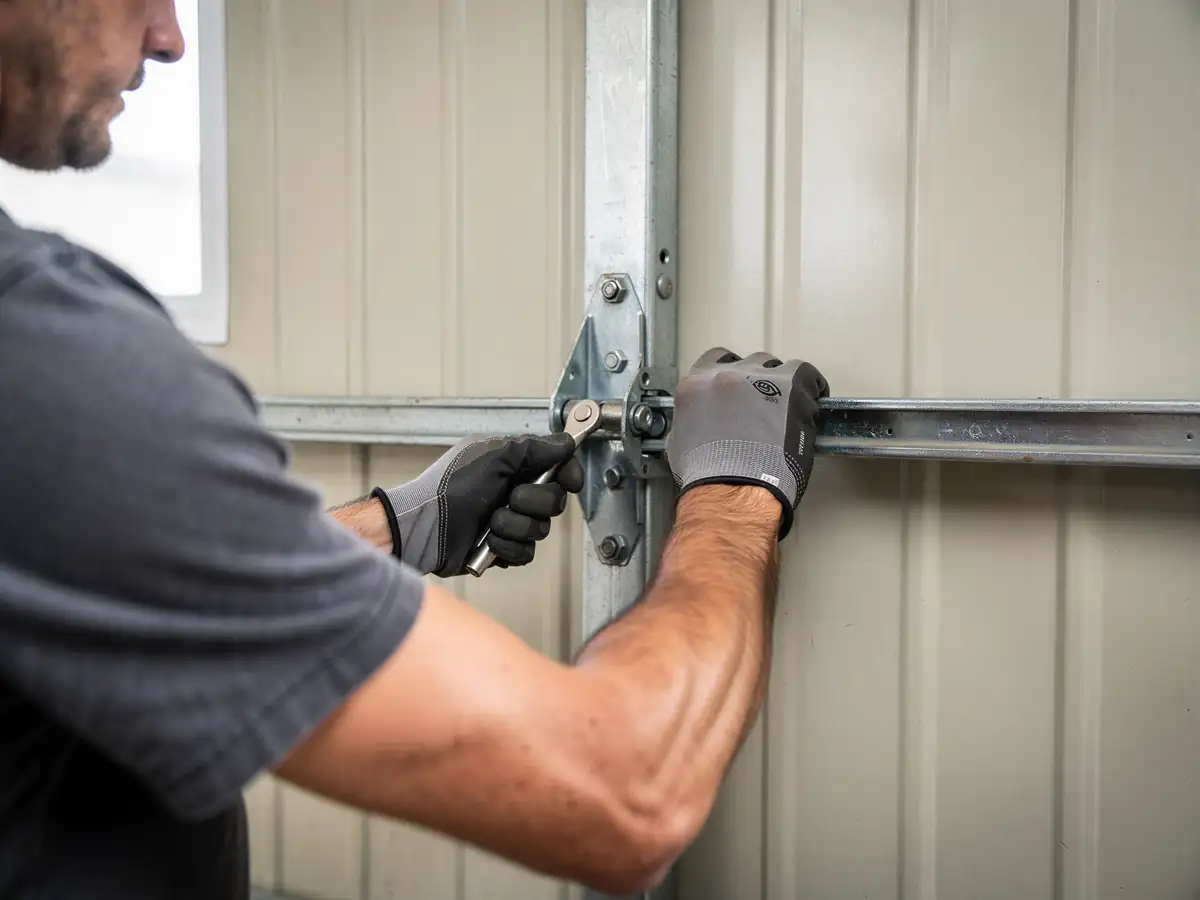
Weatherstripping and a loose roller are fair DIY territory on a door this age - pull the old rubber seal, measure the track gauge, and a hardware store strip will usually fit. Lubricating hinges and rollers on a schedule also costs nothing and buys you time between service calls.
Springs are where we draw a hard line. A torsion spring under tension on a 1964-era door can put out enough force to break a wrist or worse if the winding bar slips, and because these doors often carry nonstandard track widths, a mismatched replacement spring won't sit right even if it's the correct tension rating. We don't recommend touching the spring or the cable drums yourself, full stop. If the door won't open, or it opens unevenly on one side, that's a call, not a project.