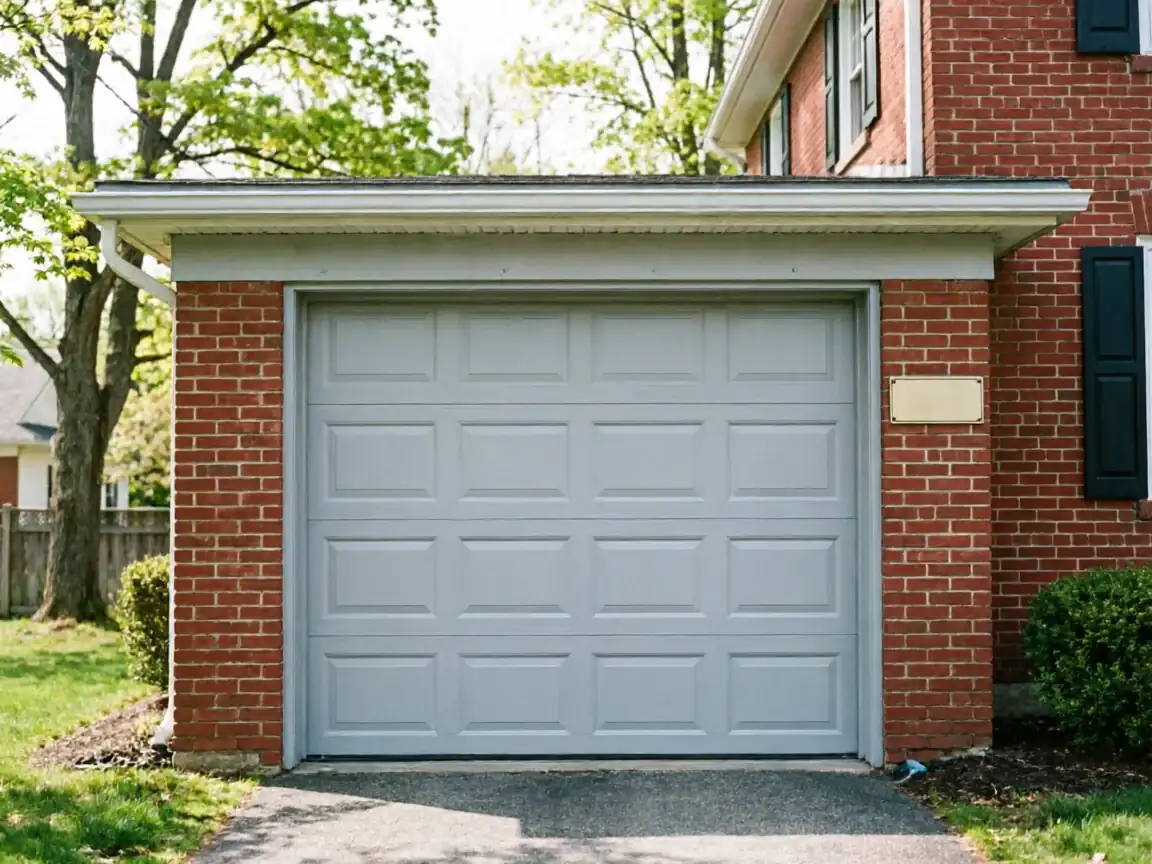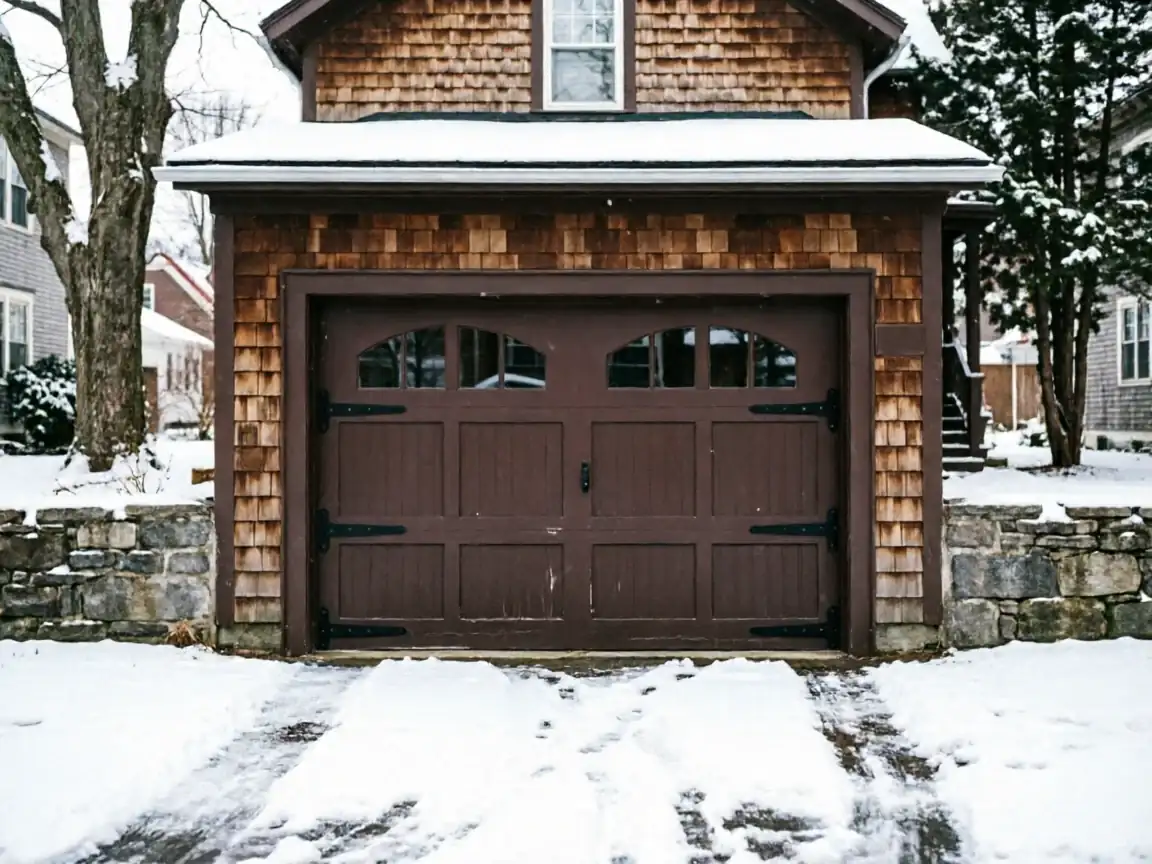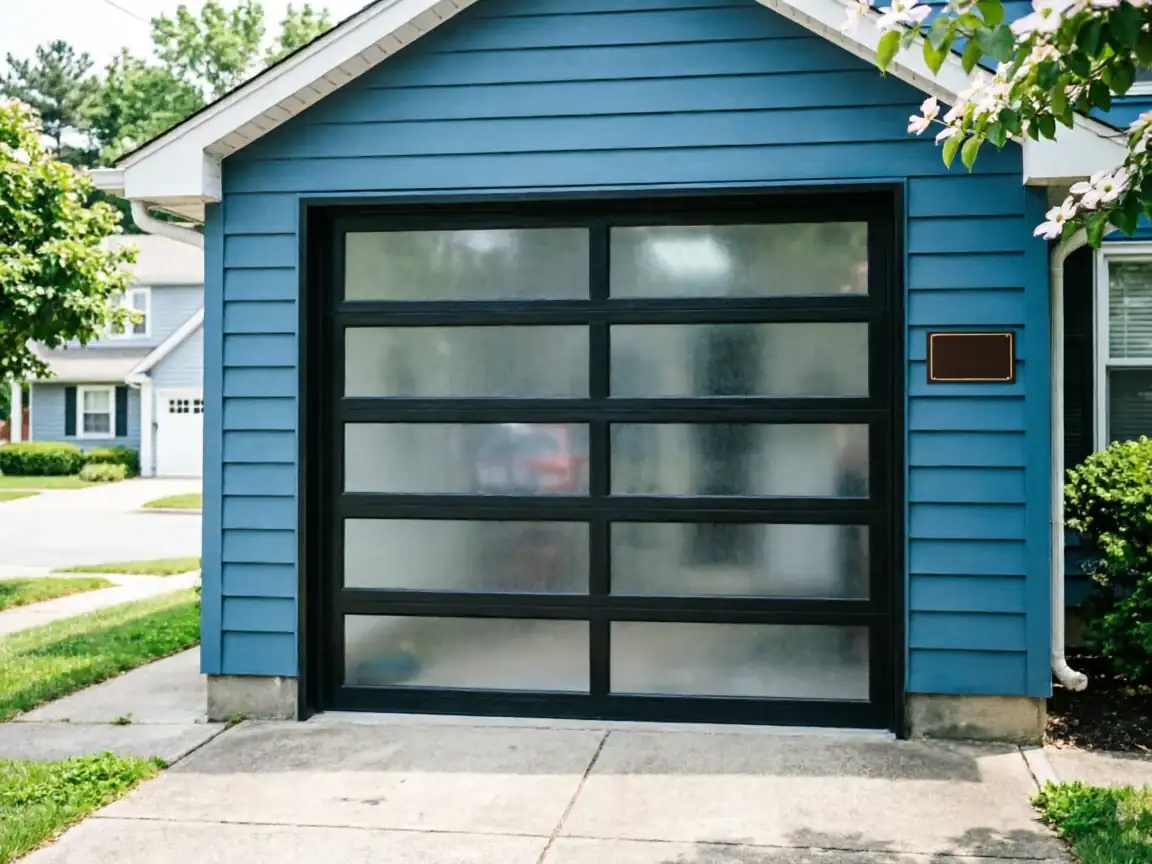
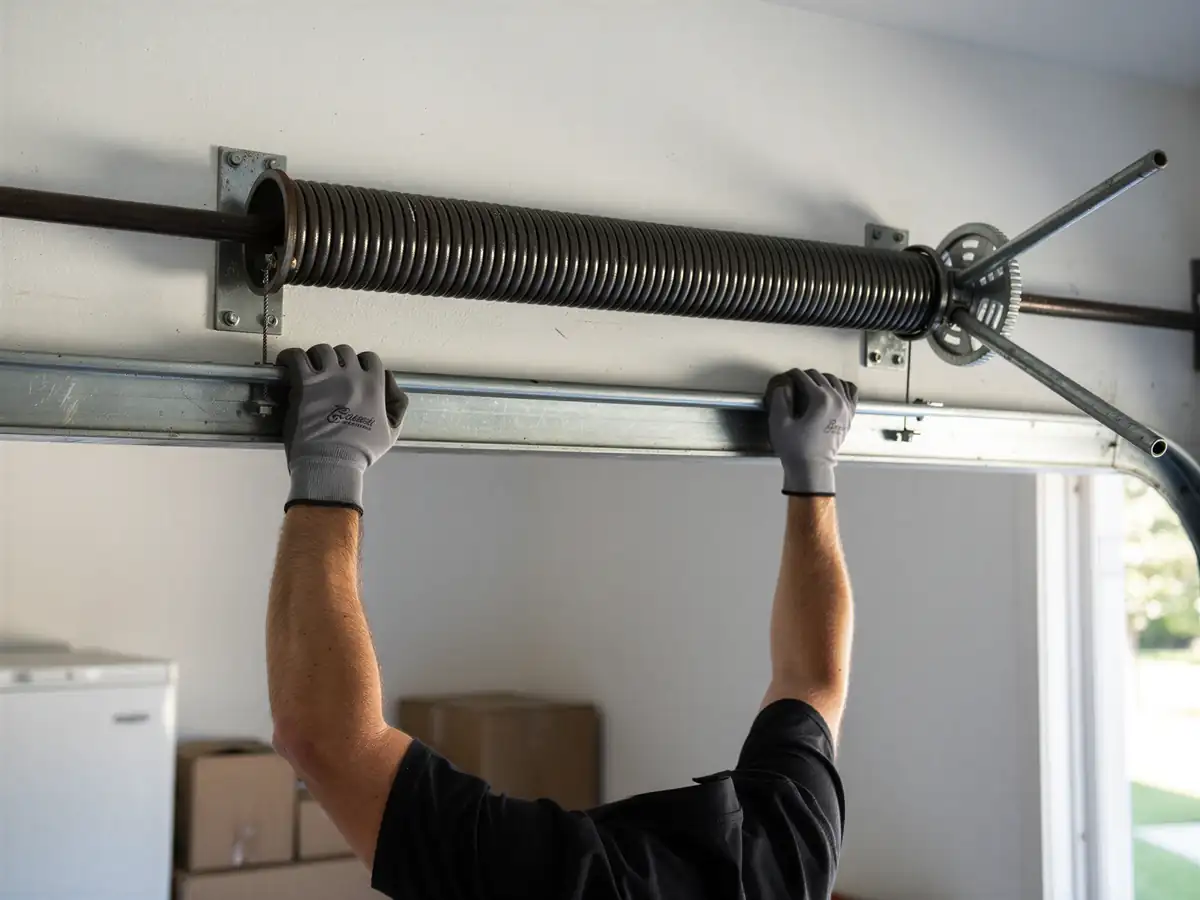
How Long It Takes
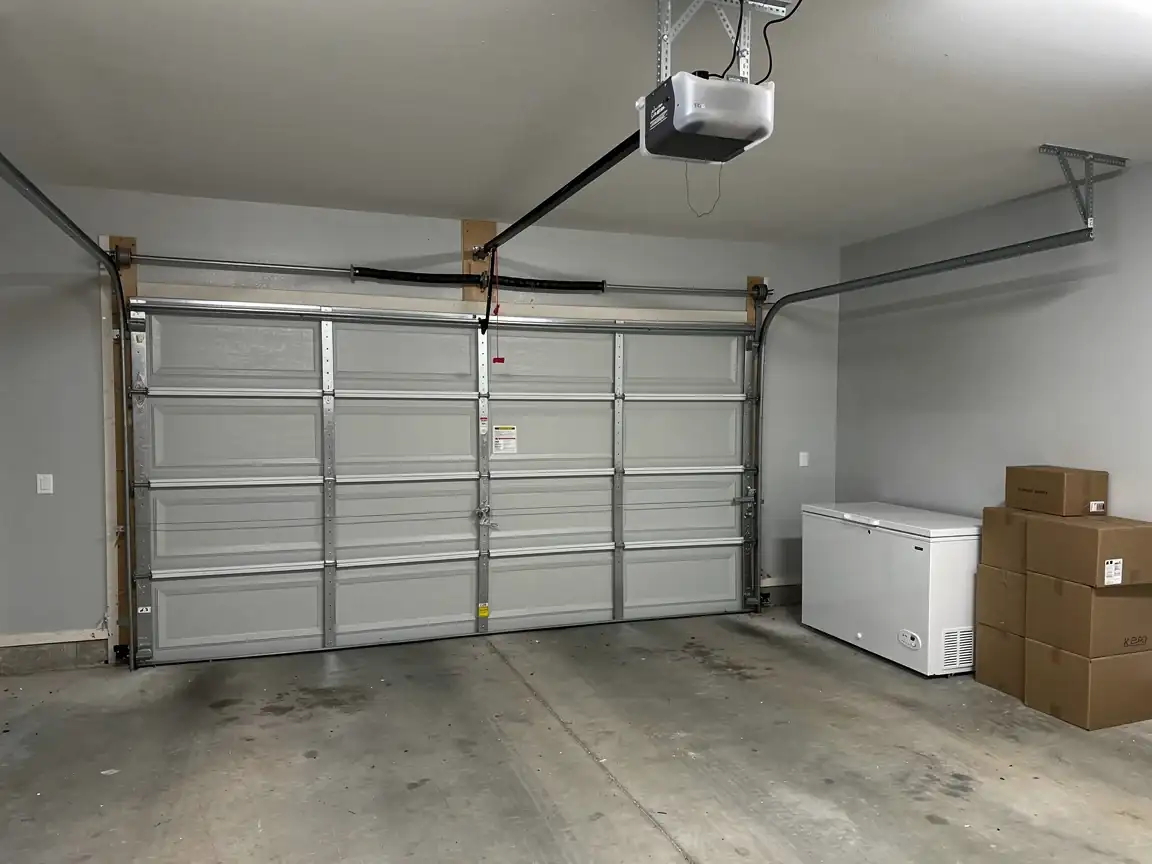
A straight torsion spring swap on a standard double door usually runs under two hours once a truck is on site
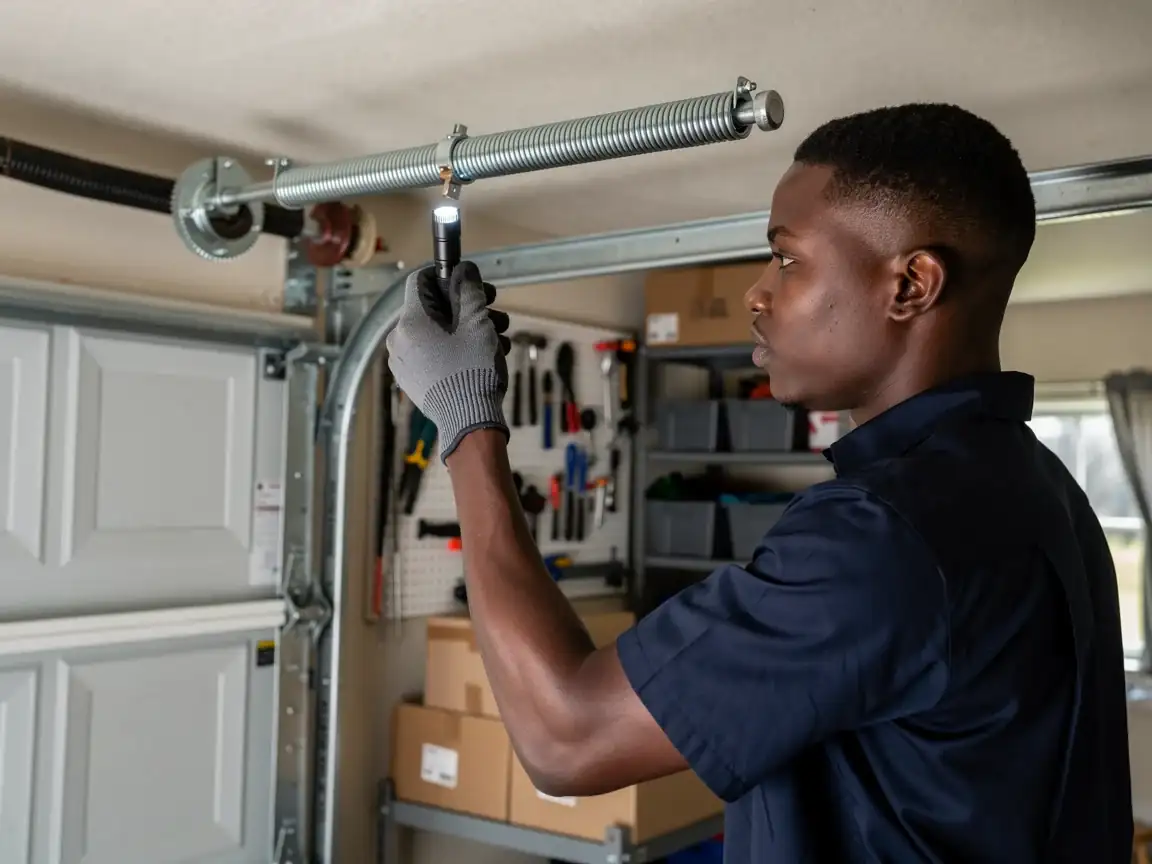
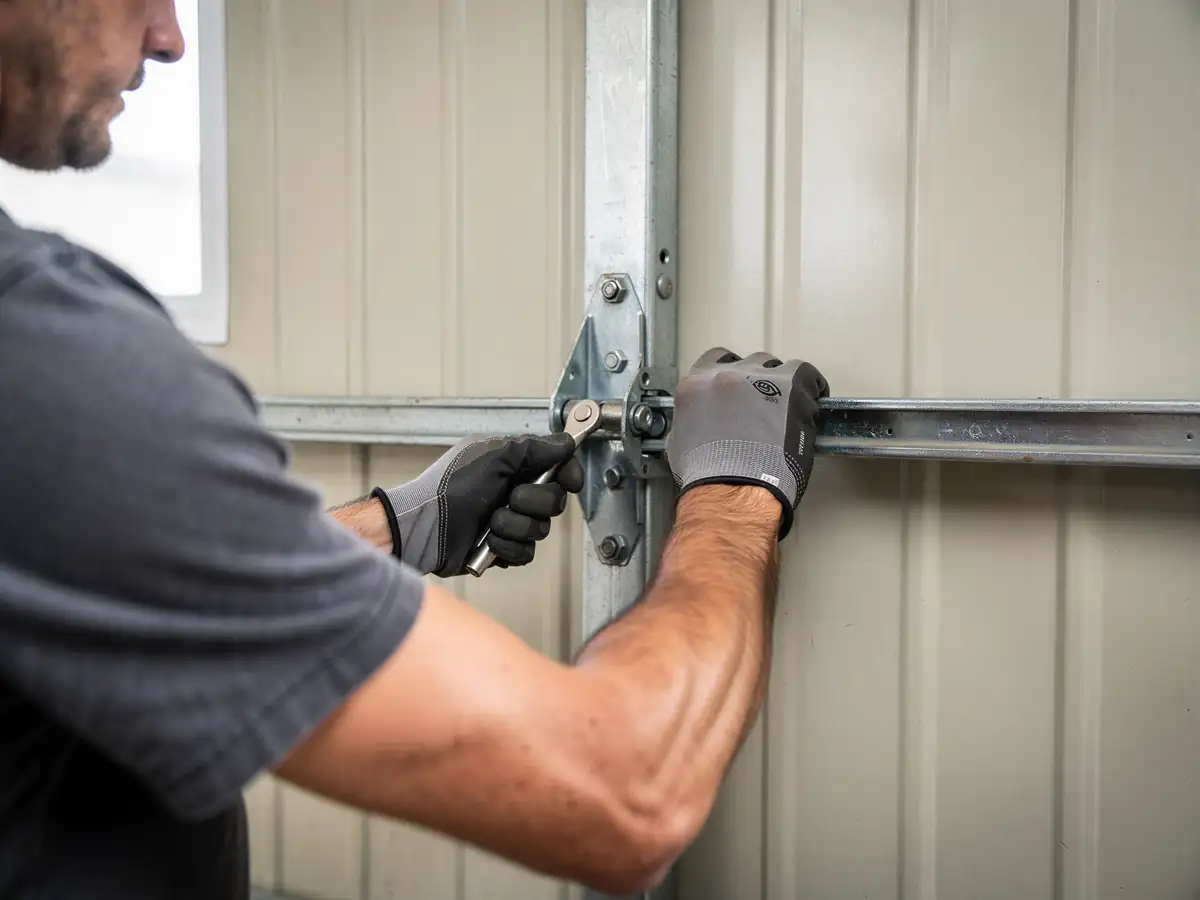
Assuming the drums and cables underneath are in decent shape. Claymont complicates that math a little. Houses here cluster around a 1964 median build year, which means a lot of garages still run on their second or third spring set, torsion bars that have been re-wound by whoever was cheapest at the time, or in some cases a single spring doing the work of two. Before we touch anything, we check the cable drums and the torsion bar for wear that a spring swap alone won't fix.
We come from Wilmington, about 6 miles out
So the clock starts when we're scheduled, not when you call. If the job turns out to need a non-stock spring size - some of the older torsion bars here were sized for doors heavier or lighter than what's hung on them now - that part may need to be ordered, which adds a day or two we won't pretend isn't real.
- 6 miles
Why This Fails Locally
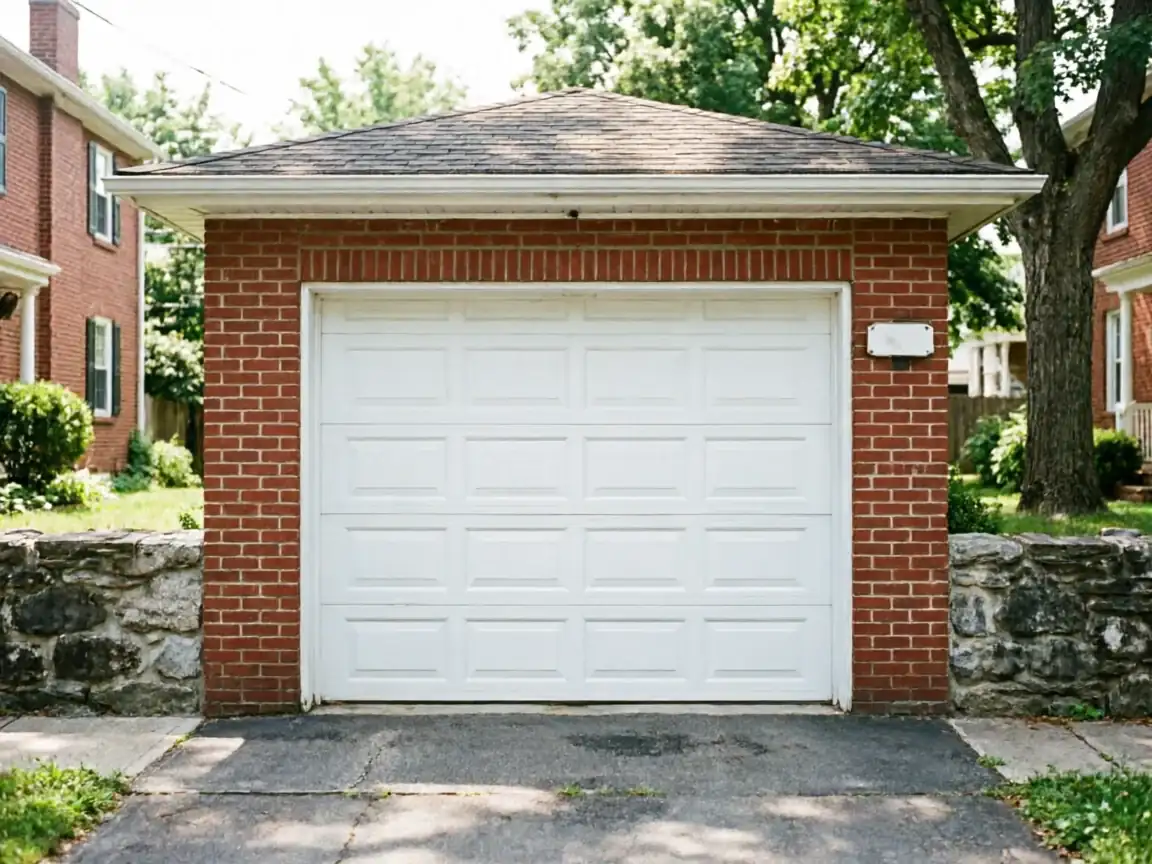
Most of the housing stock in this part of the service area went up in the 1960s and 70s, and Claymont sits right in that window at a 1964 median. The torsion springs installed with those doors are long past any reasonable lifespan - galvanized coil springs are rated for cycle counts, not years, but thirty-plus winters of cold, damp air do their own damage on top of normal use. This area sits in a cold-severe climate band, and that matters more for springs than people think: metal fatigue accelerates with repeated cold contraction and thaw, and rust forms fastest right where the coils rub against each other at the end of a stroke.
The other local wrinkle is household income. Claymont's median household income runs lower than some of the newer-built suburbs we also cover, and we see more doors here that were patched instead of replaced - a mismatched spring swapped in years ago, a torsion bar that's been shimmed rather than re-set. That history means a "simple" spring call sometimes uncovers a second problem once the door's actually moving again.
Doing It Yourself
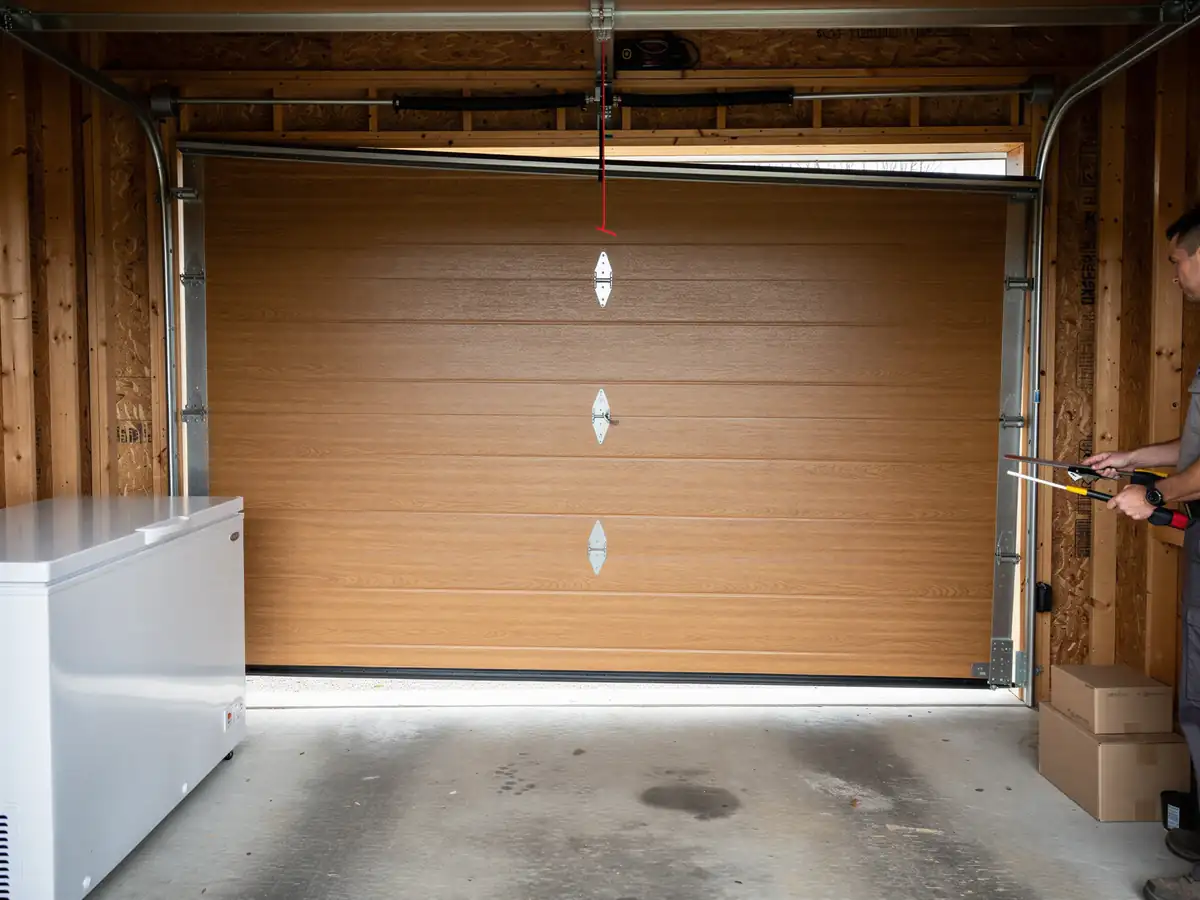
We won't talk anyone through doing this themselves, and that's the one honest limit on this page. A torsion spring is wound under enough tension to break bones or worse if the winding bars slip, and on a door this old you're also dealing with hardware you can't fully judge from looking at it - a torsion bar that's fatigued but hasn't failed yet, a drum with a hairline crack. If you're comfortable with basic mechanical work, you can safely check things yourself: look at the spring for visible gaps or rust flaking off in sheets, listen for a loud bang (a snapped spring sounds unmistakable), and check whether the door feels unusually heavy when you lift it by hand with the opener disconnected. Any of those is reason enough to stop using the opener and get it looked at before a cable lets go or the door comes down on something.