The Complications
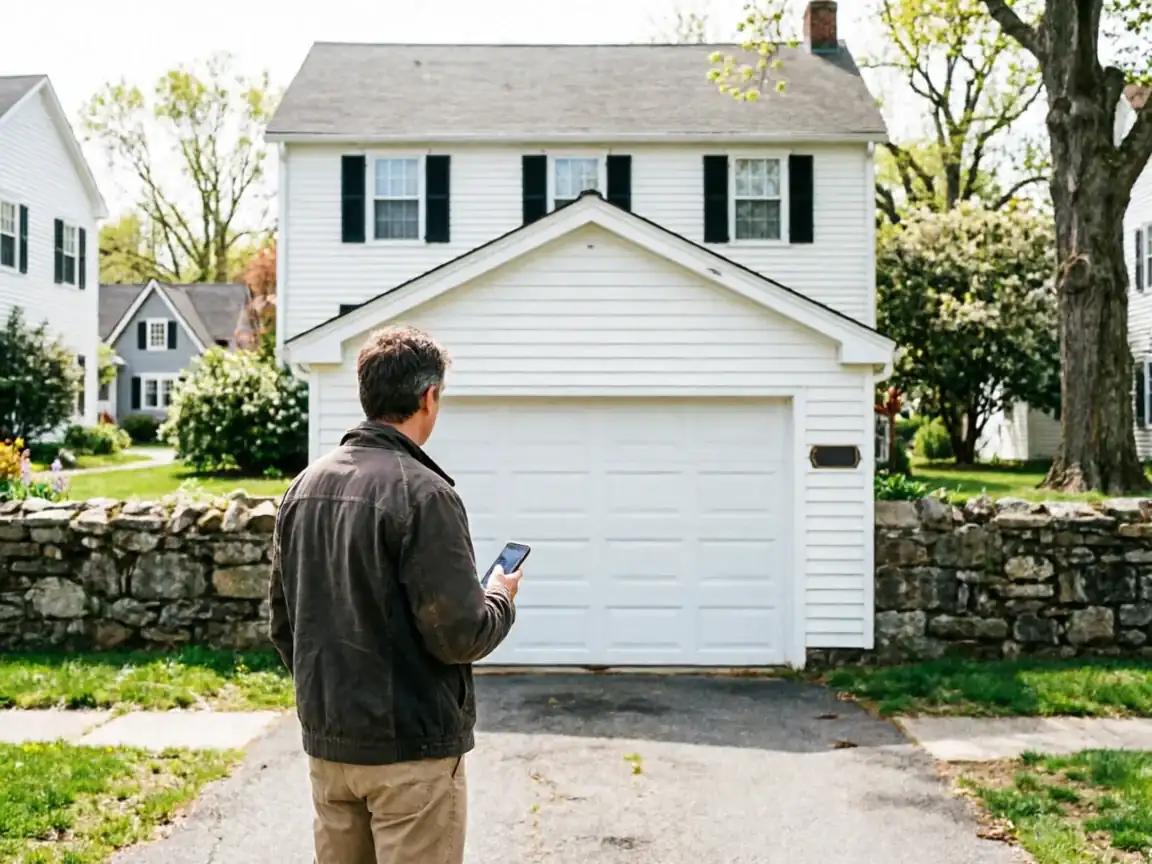
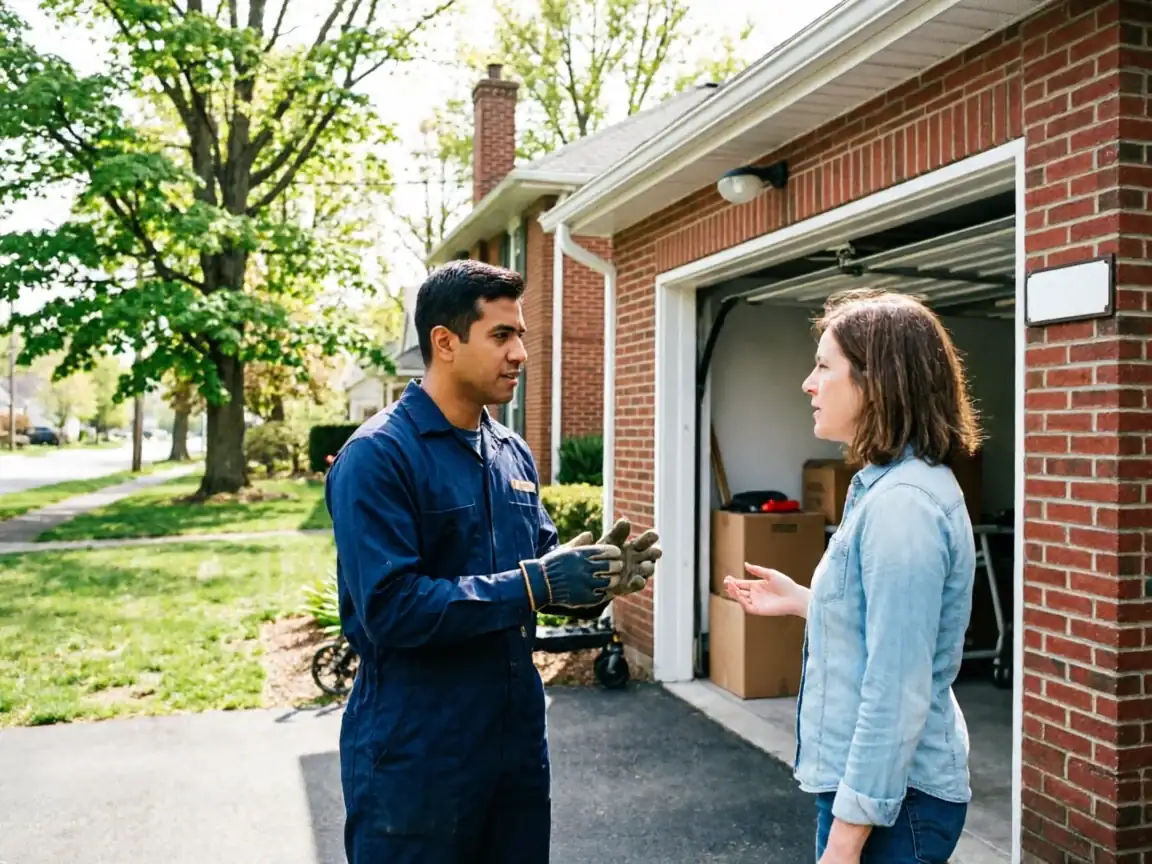
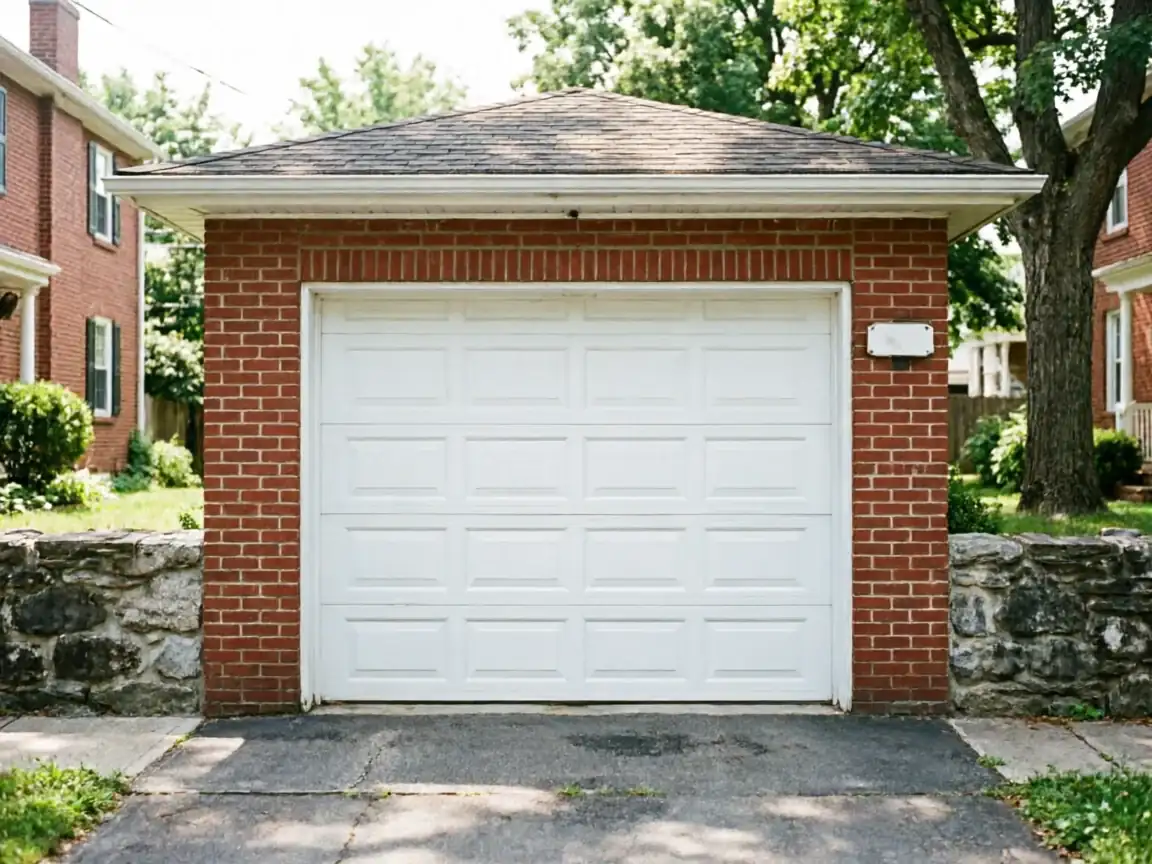
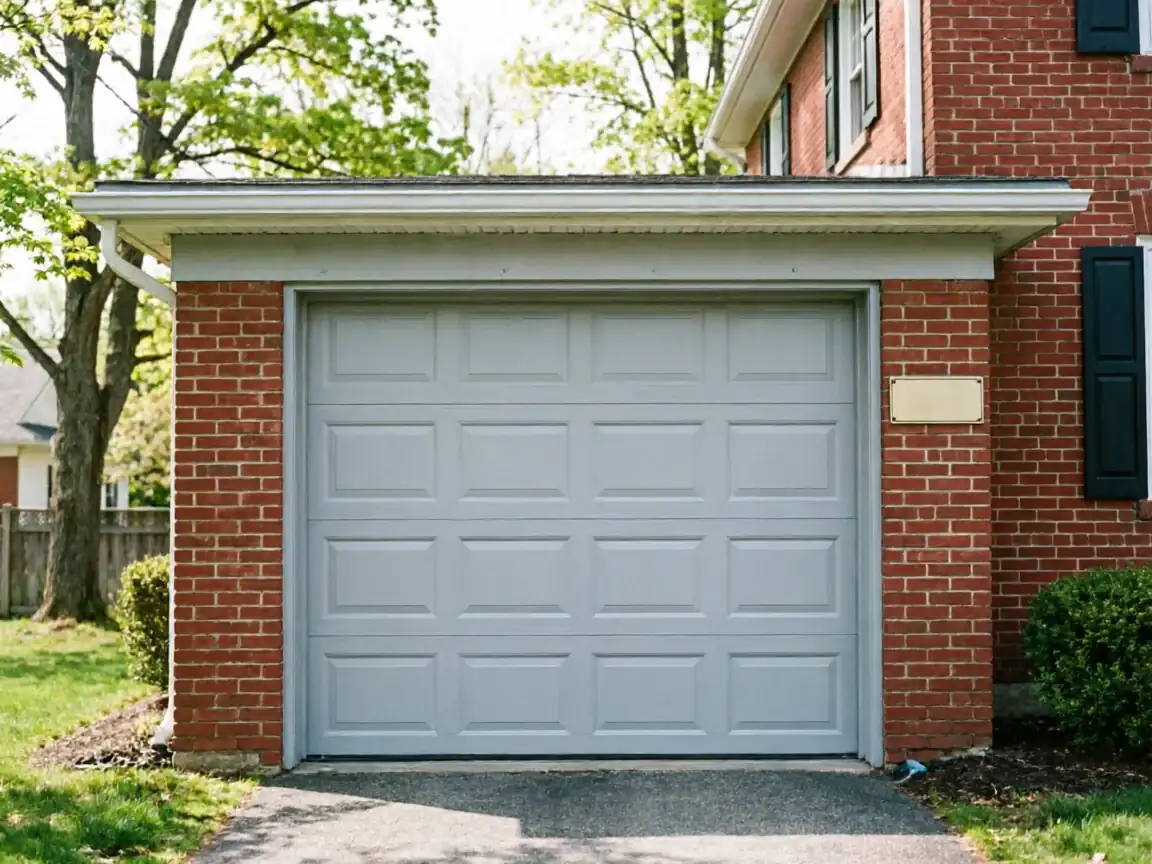
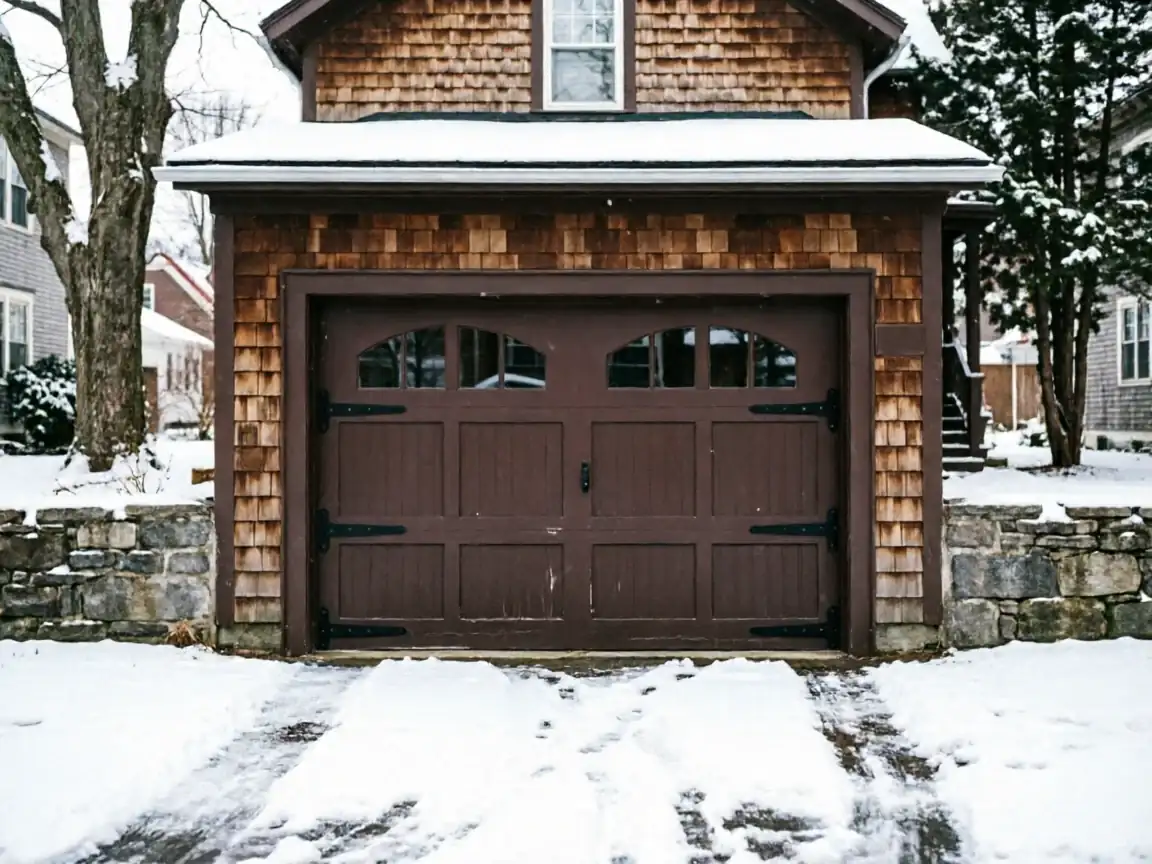
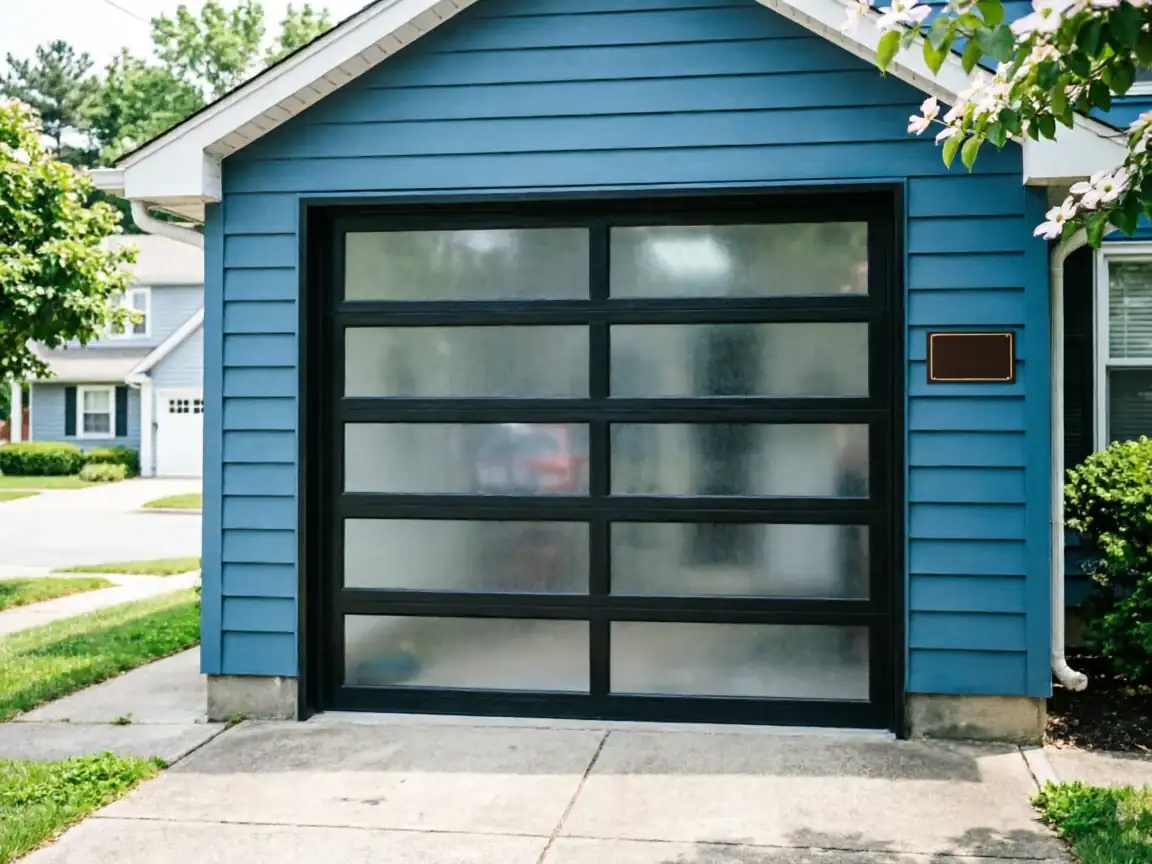
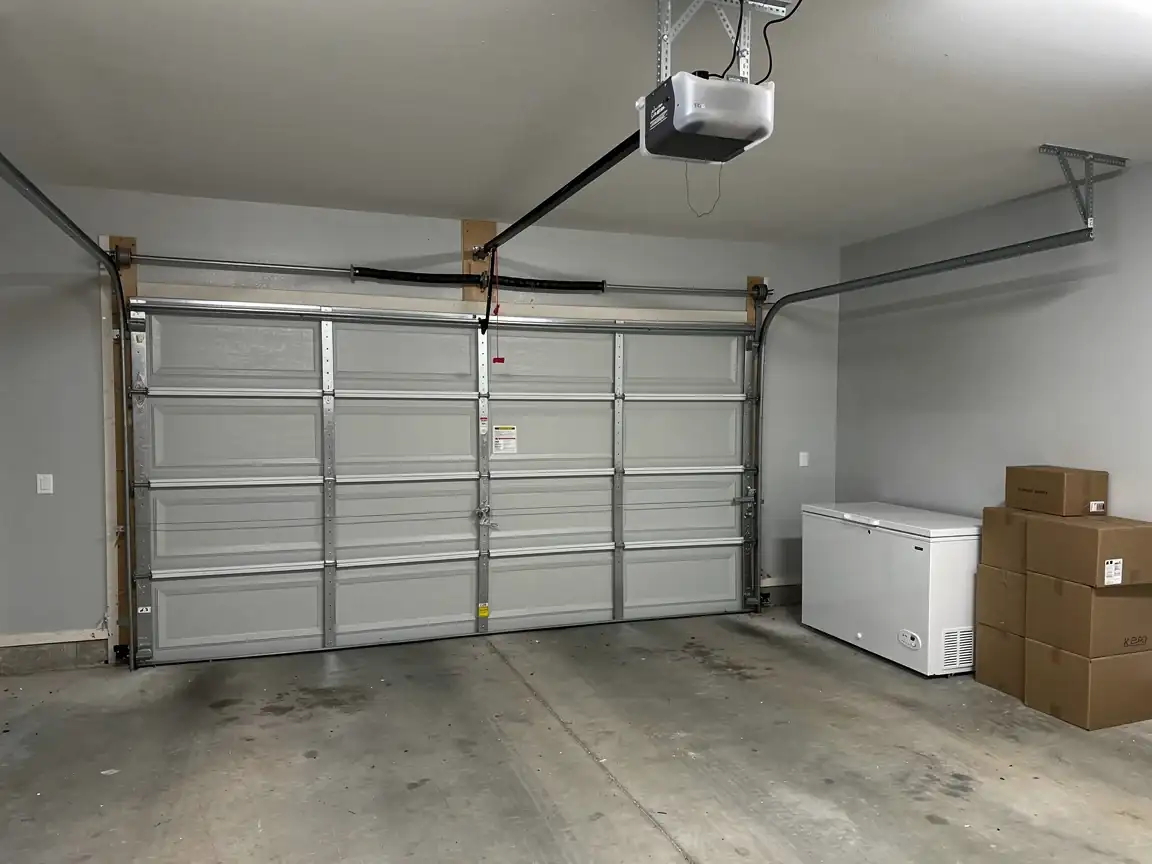
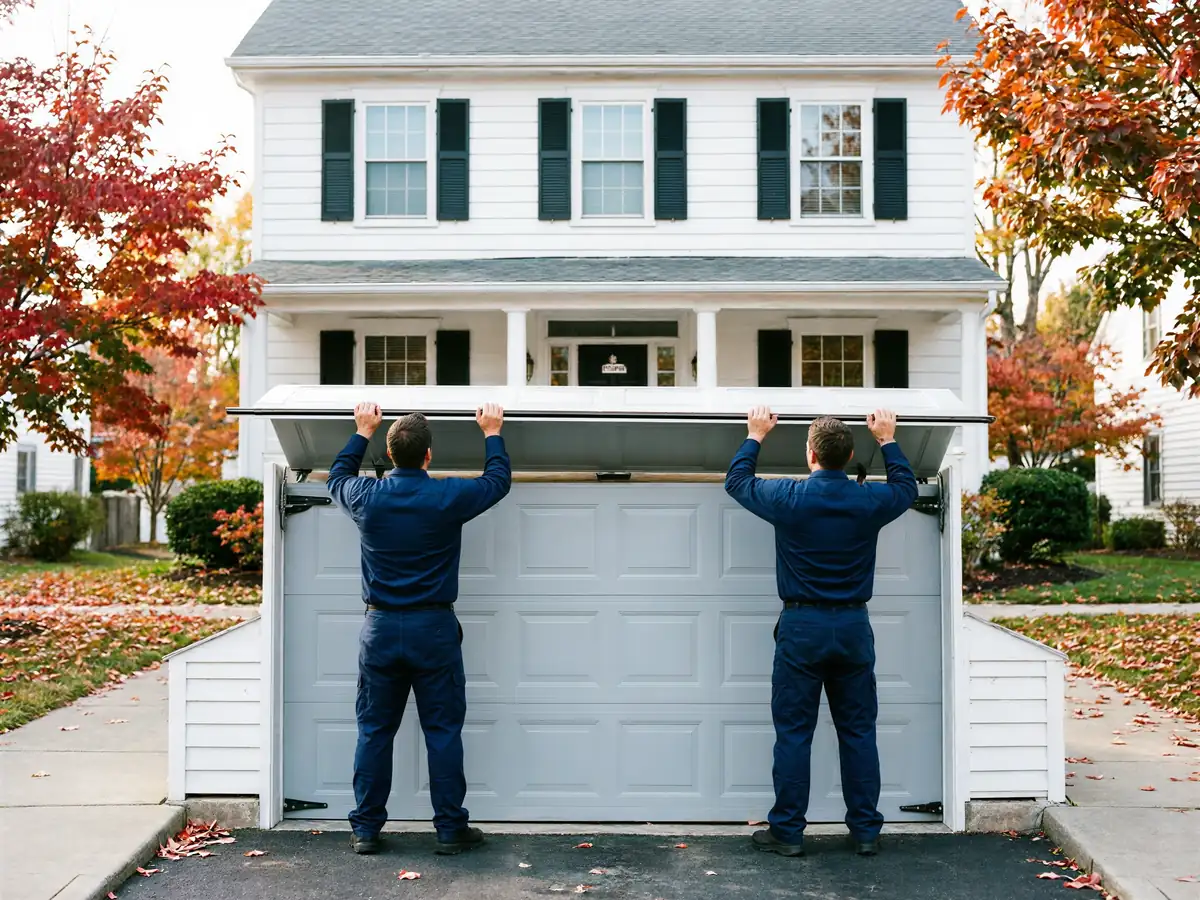
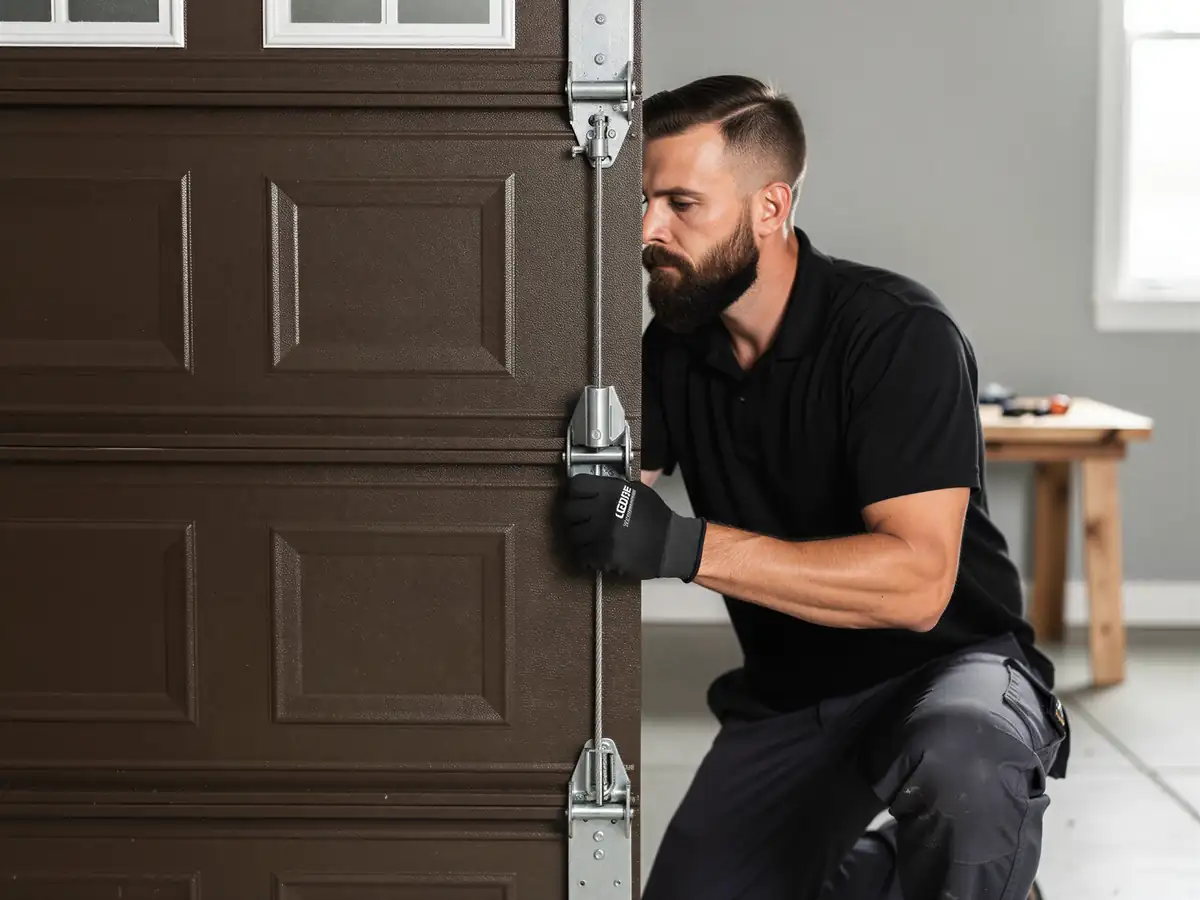
Delaware's winters sit in a cold-severe climate band, and that affects garage doors built in the early 1970s a specific way: insulation was thinner then, and a lot of the original panels from that era were never upgraded. Cold makes steel contract, which stiffens cable and spring tension right when the opener is working hardest to lift a heavier, older door. We see more hard starts and more snapped cables in winter on houses from this build period than on newer insulated doors. The other complication is money, not weather. Greenville's median household income runs well above the wider service area's figure, and that shows up as more owners asking about full opener upgrades or insulated panel replacements rather than patch repairs - which is a different job, a different parts list, and a different timeline than a spring swap. We'll tell you straight if your door is a repair or if you're better off replacing it; we won't talk you into the bigger job if the smaller one gets you another several years.
Doing It Yourself
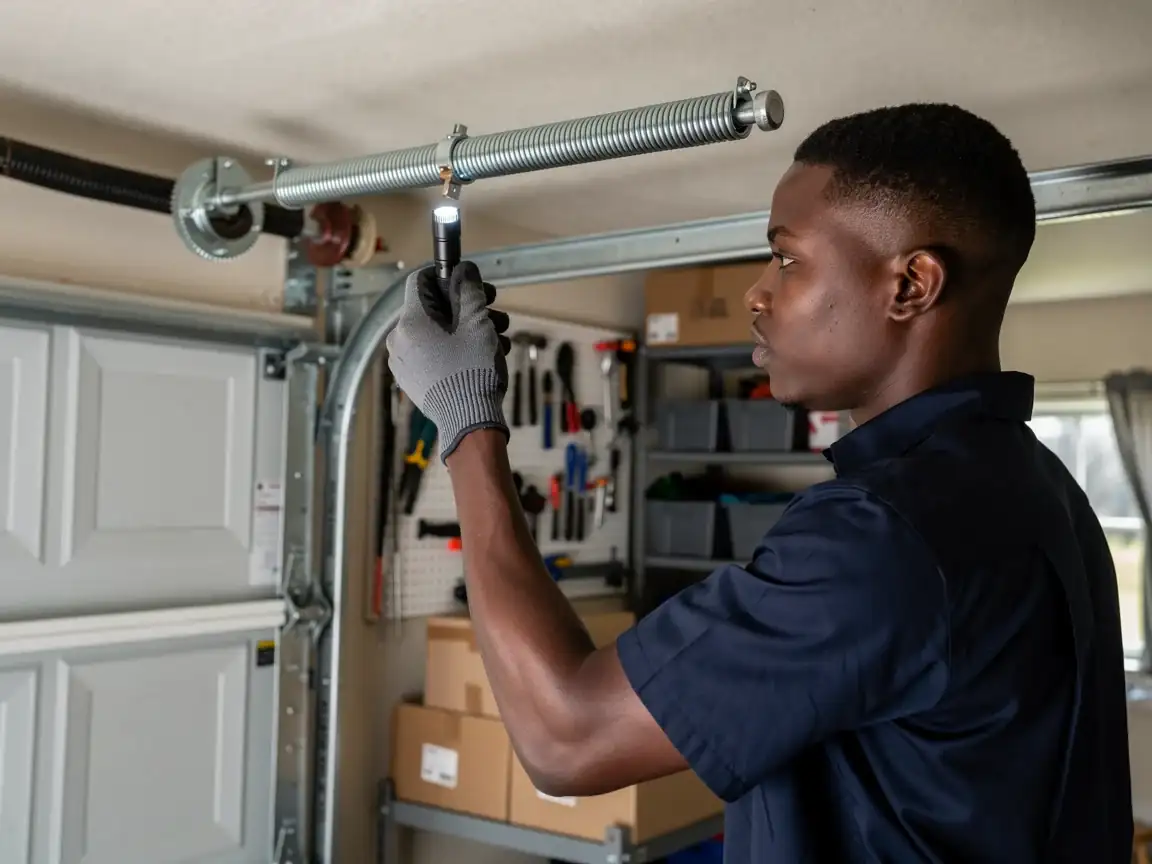
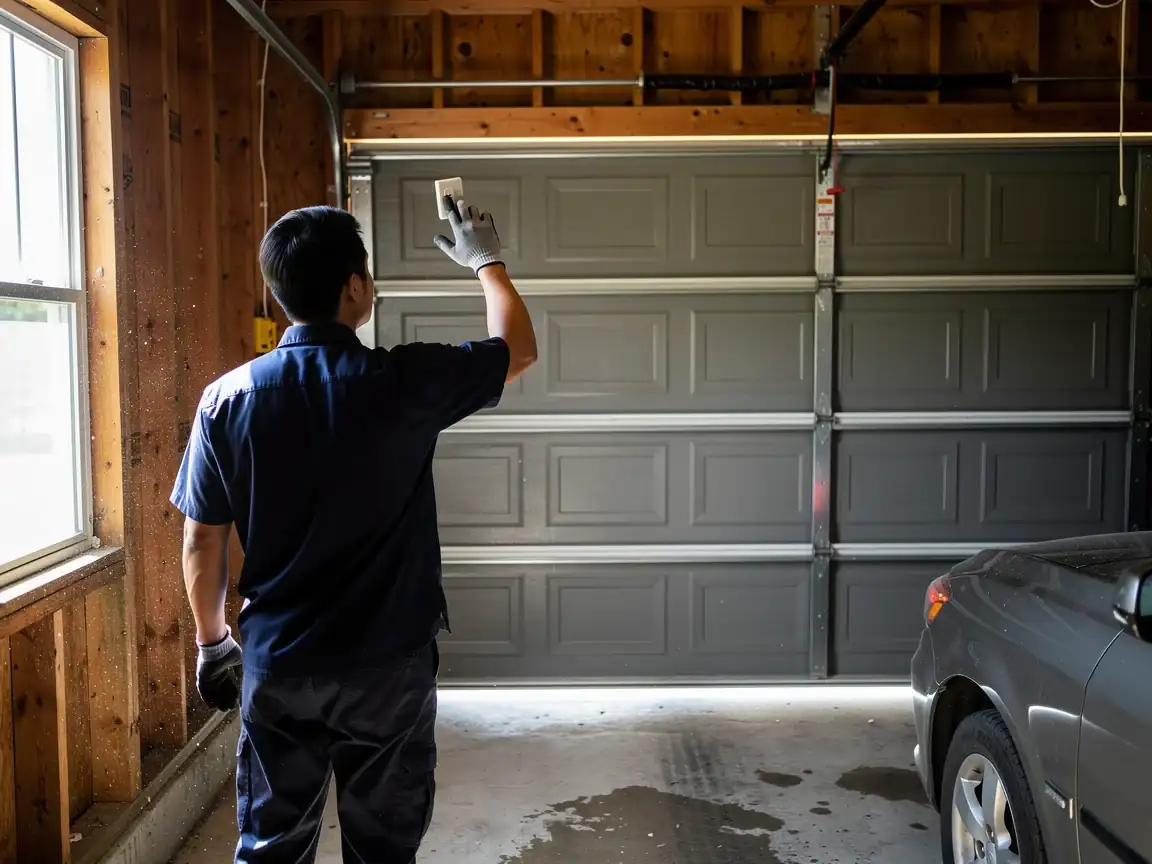
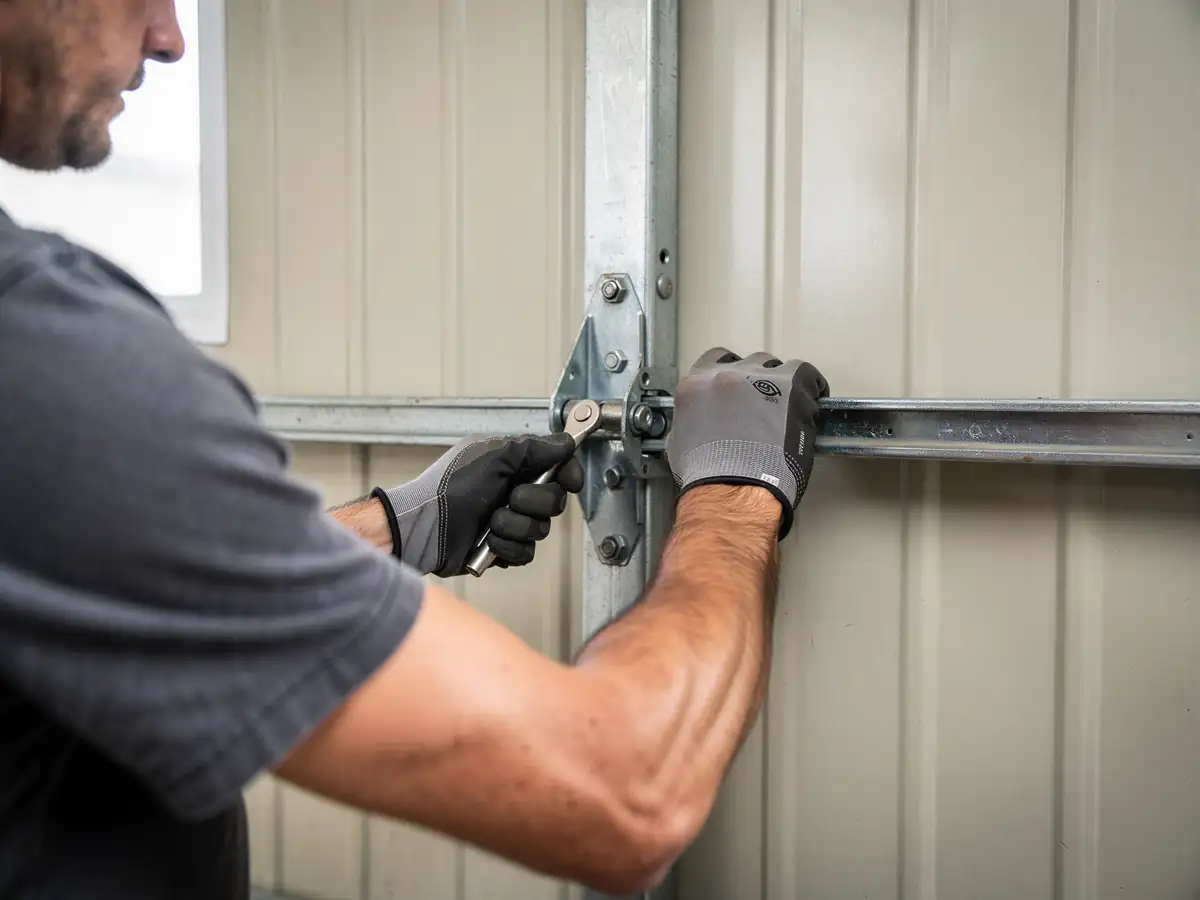
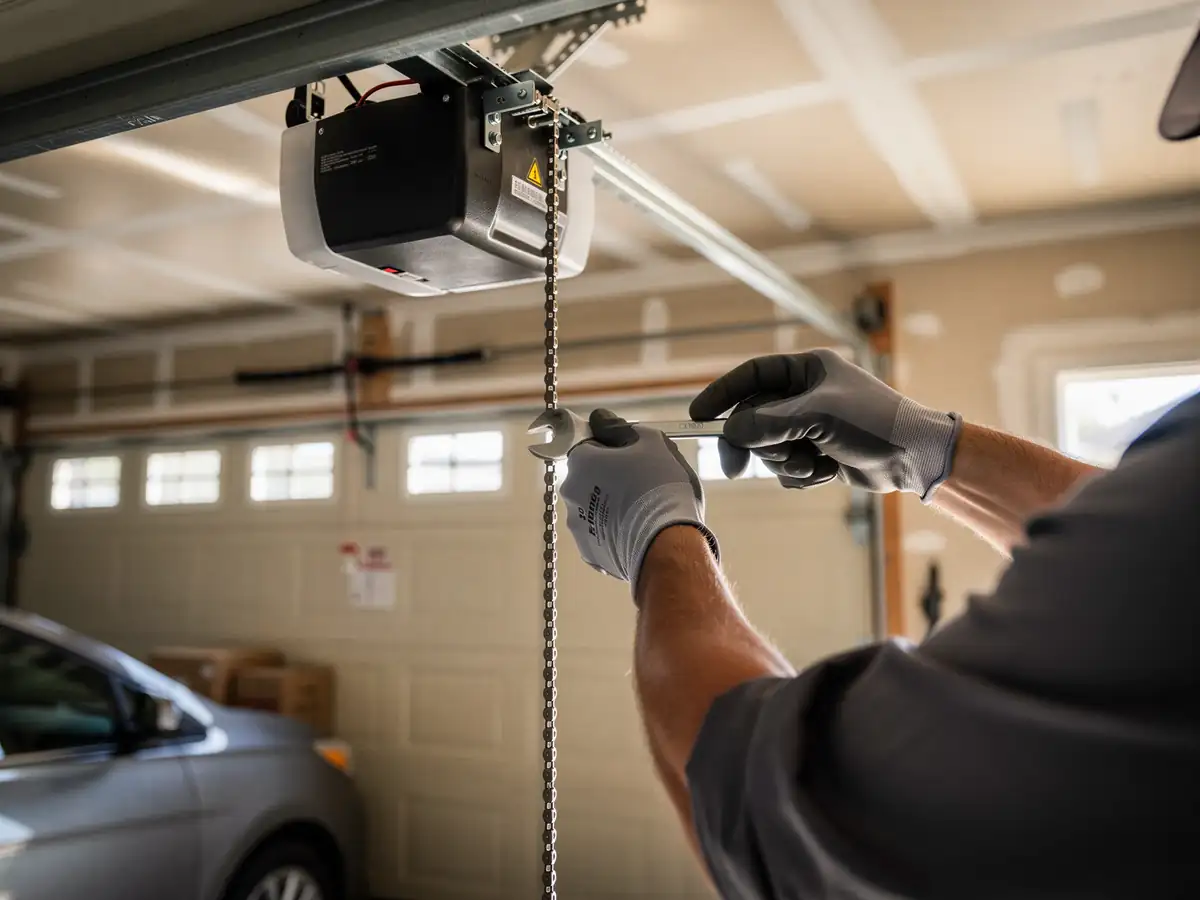
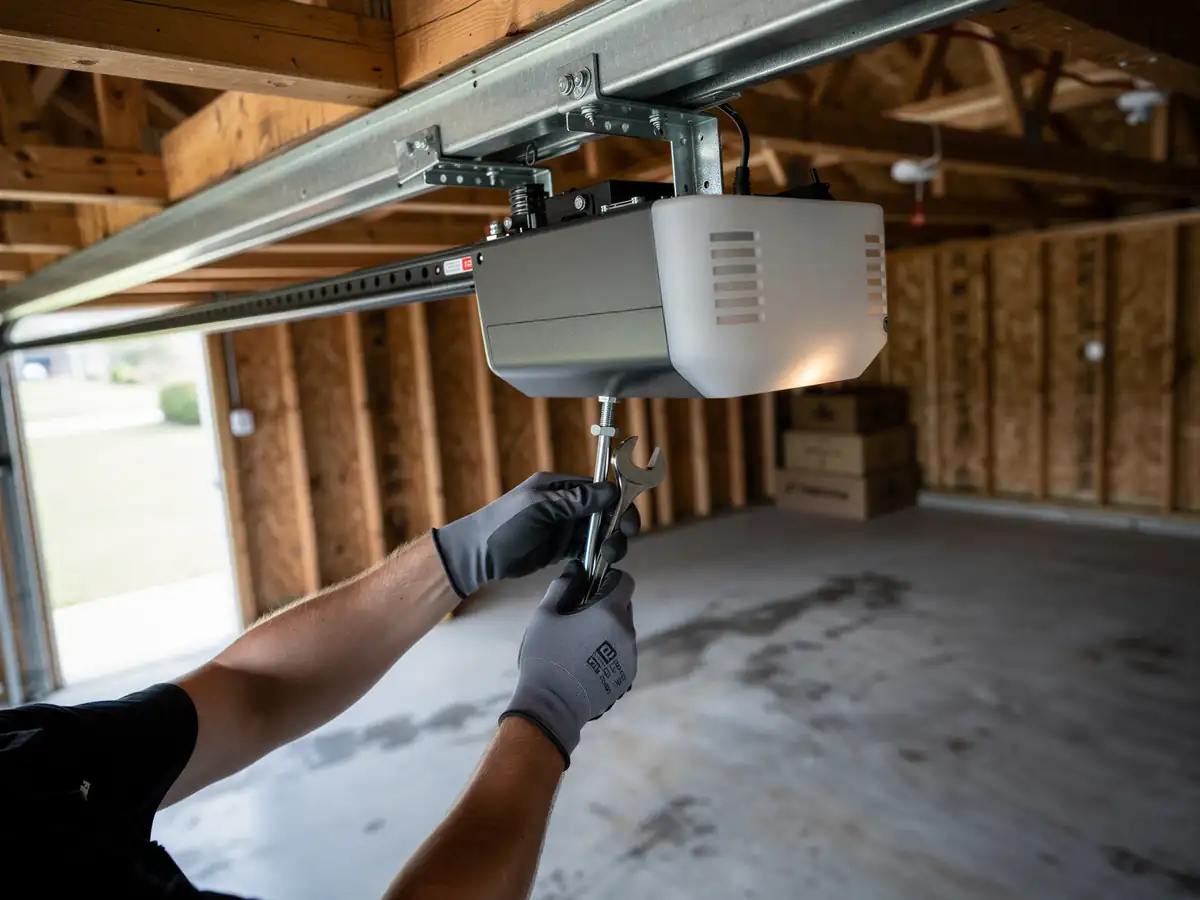
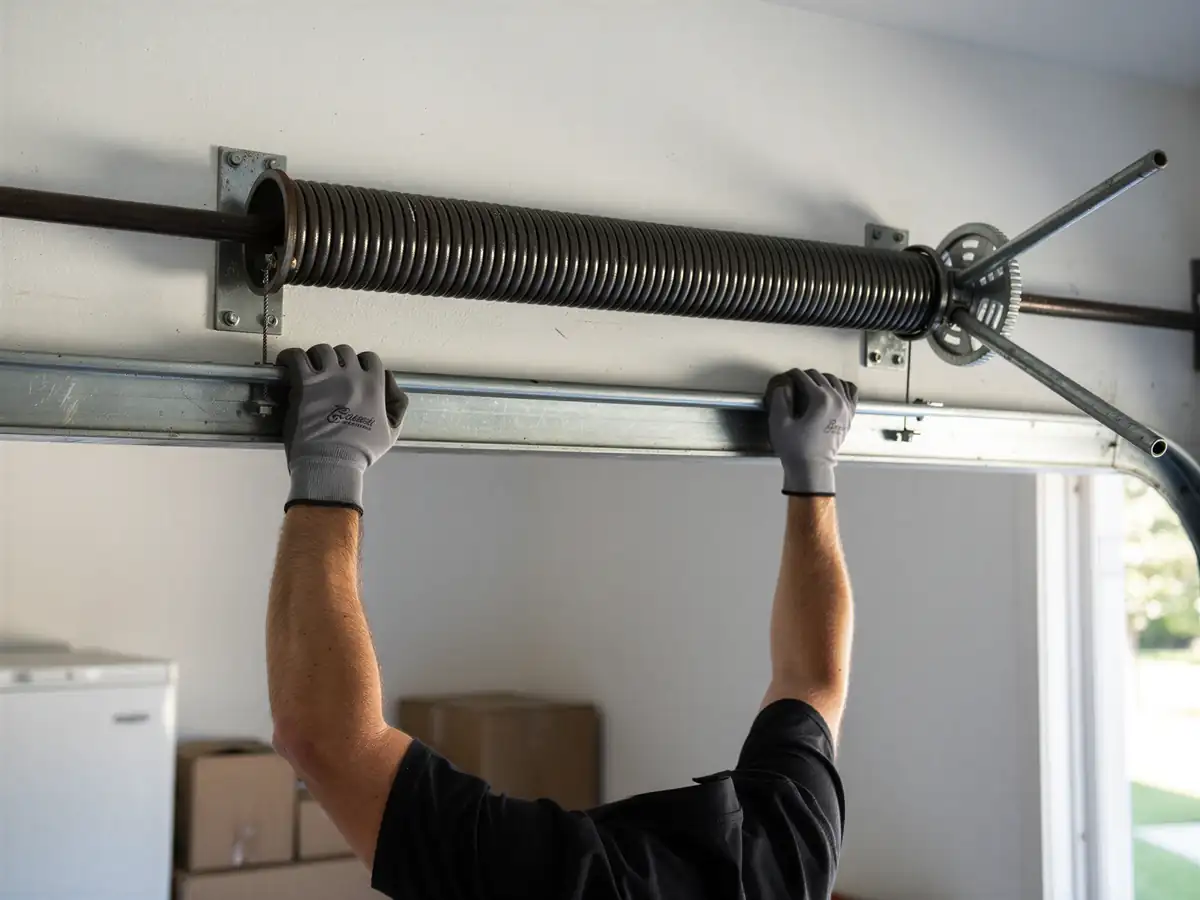
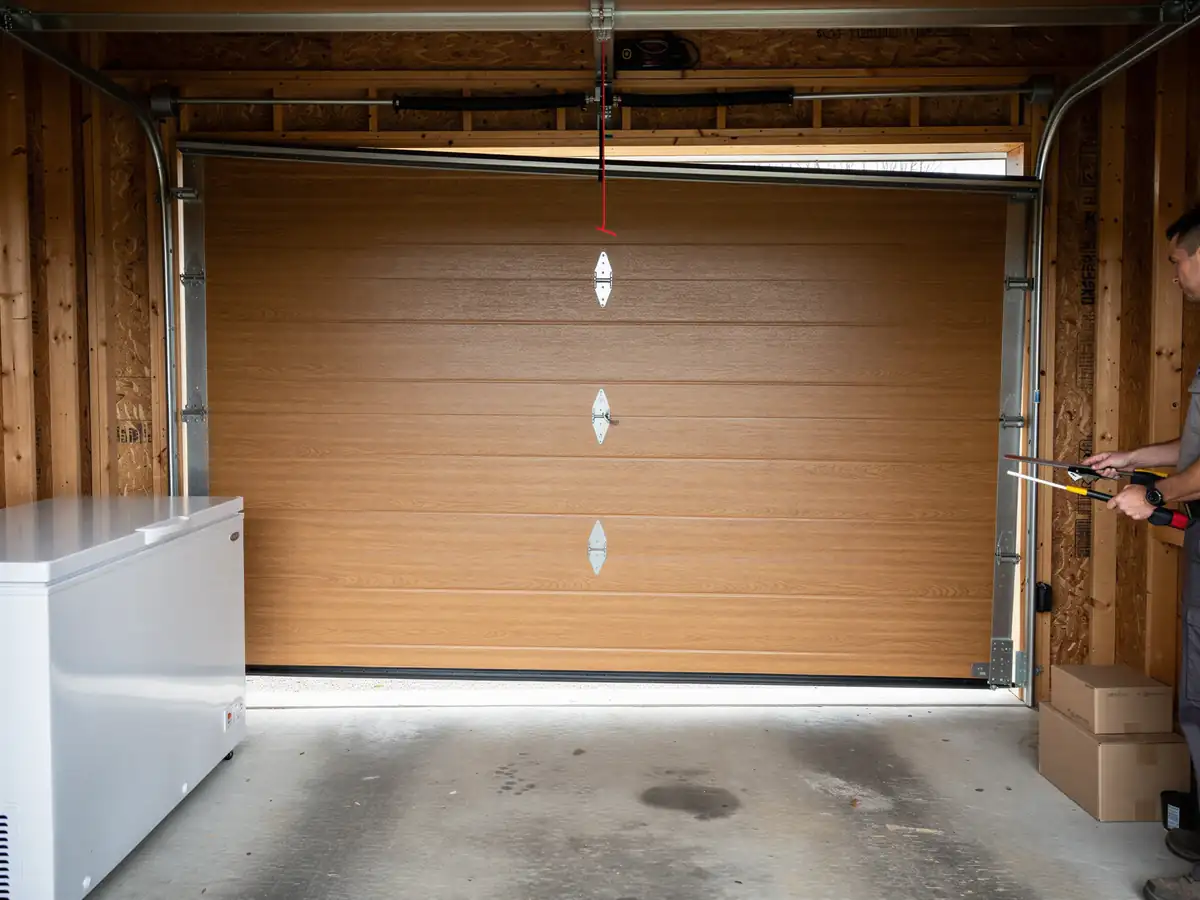
A loose track bracket or a sticky sensor eye, most owners can handle on their own - clean the sensor lenses, check the bracket bolts are snug, that's it. What we don't recommend touching yourself is anything on the spring side. A torsion spring from the 1973-era hardware common in Greenville carries enough stored force to break a finger or worse if the winding bar slips, and the tools for it aren't something most garages have lying around. Opener logic boards are another one - with only around 1,508 households in Greenville, parts suppliers don't stock a deep range of older opener boards locally, so if yours fails, expect us to order the part rather than swap it same-day. That's a real limitation, not a sales pitch: a same-day fix sometimes just isn't possible, and we'd rather tell you that up front than promise a truck roll we can't back up.