The Complications
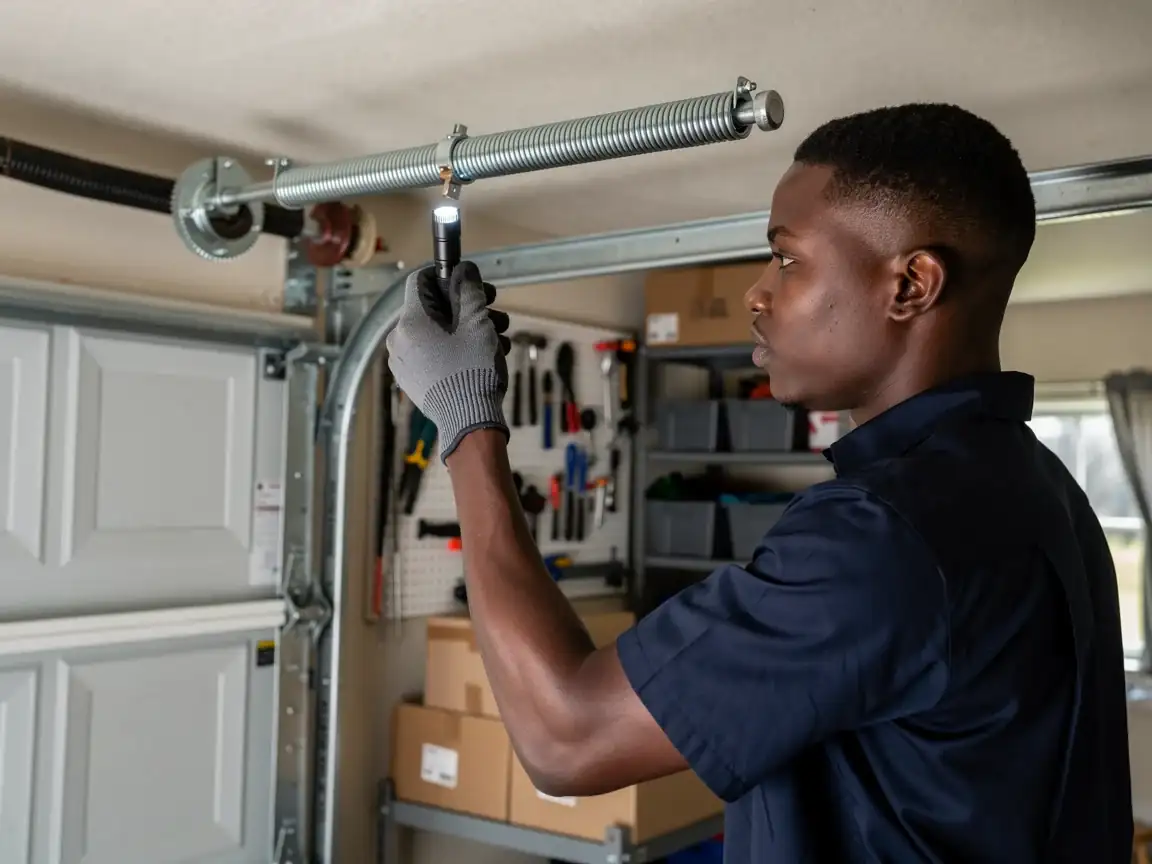
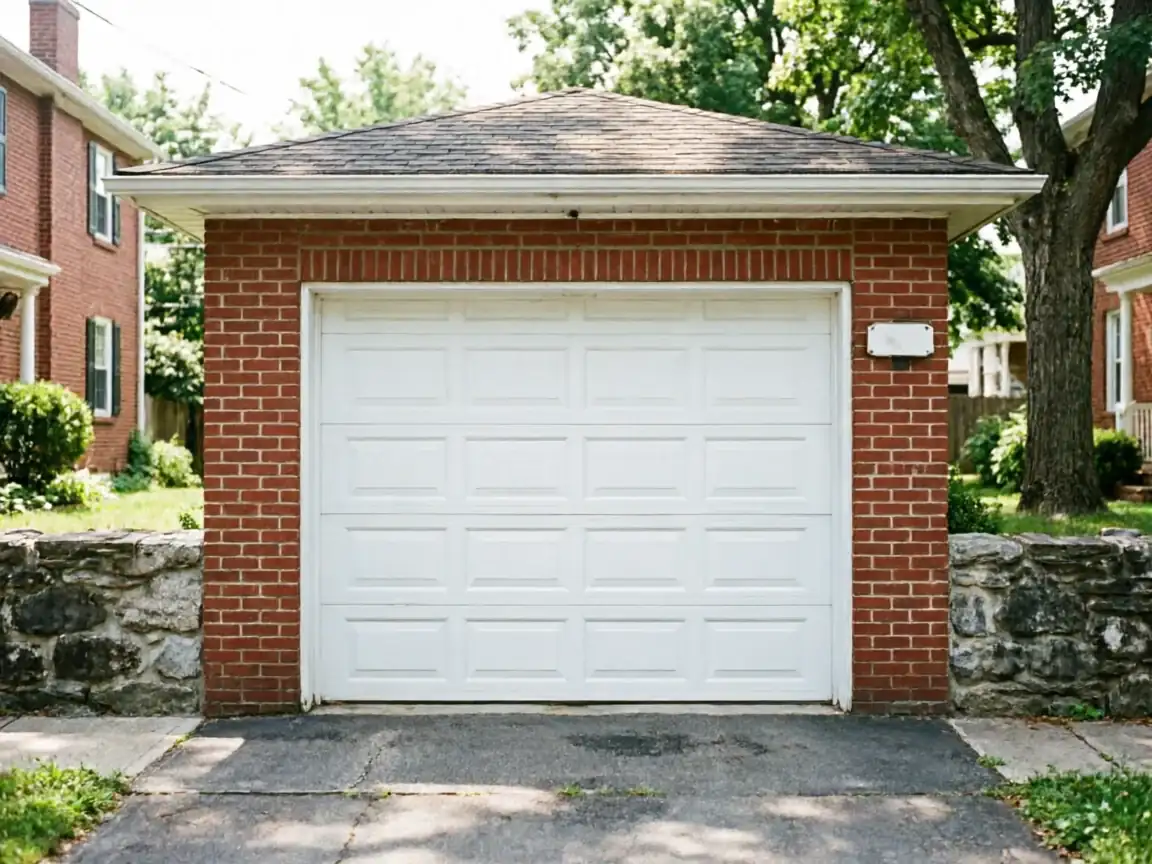
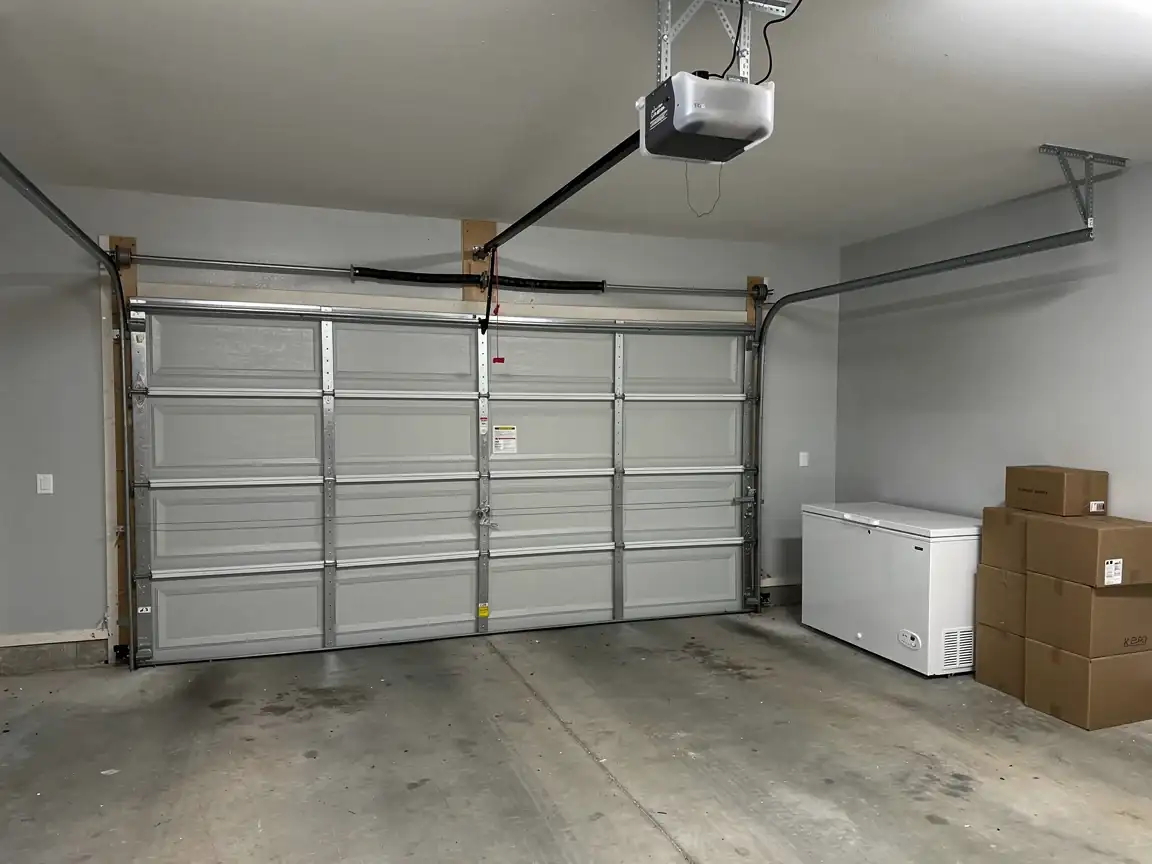
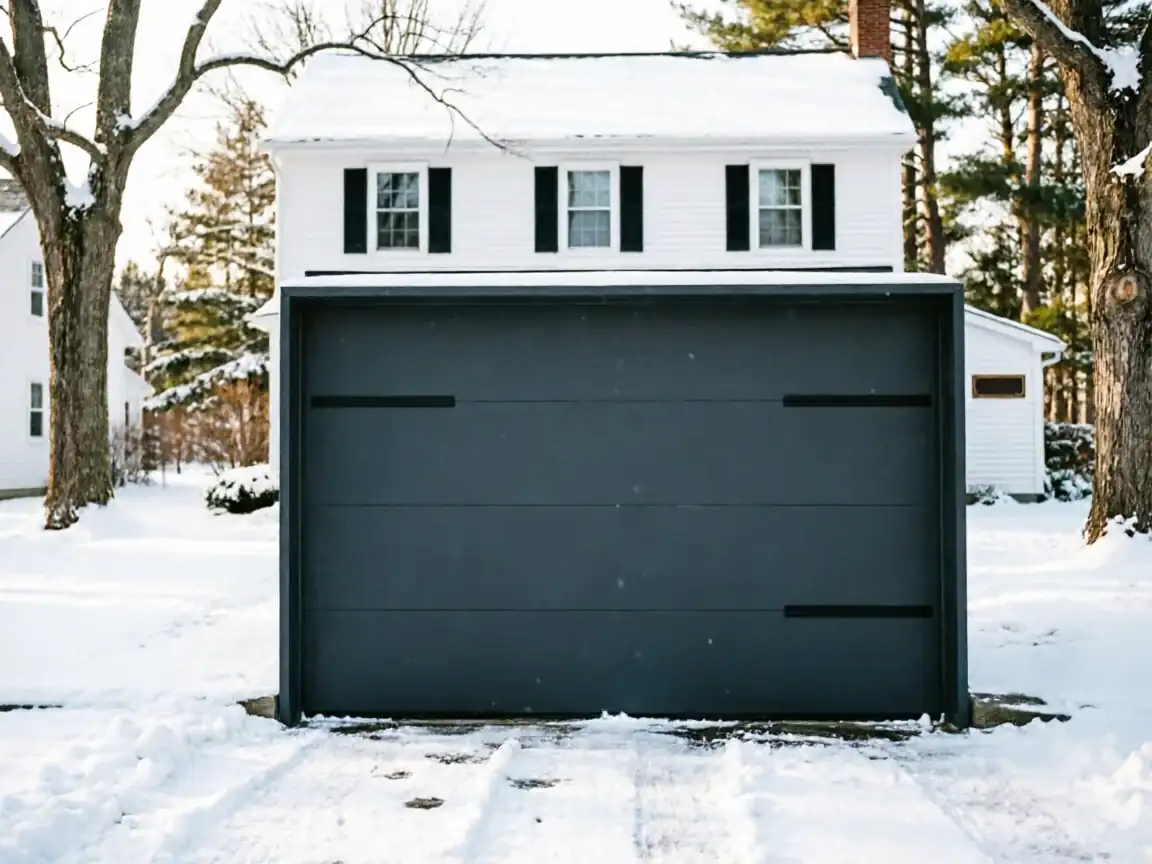
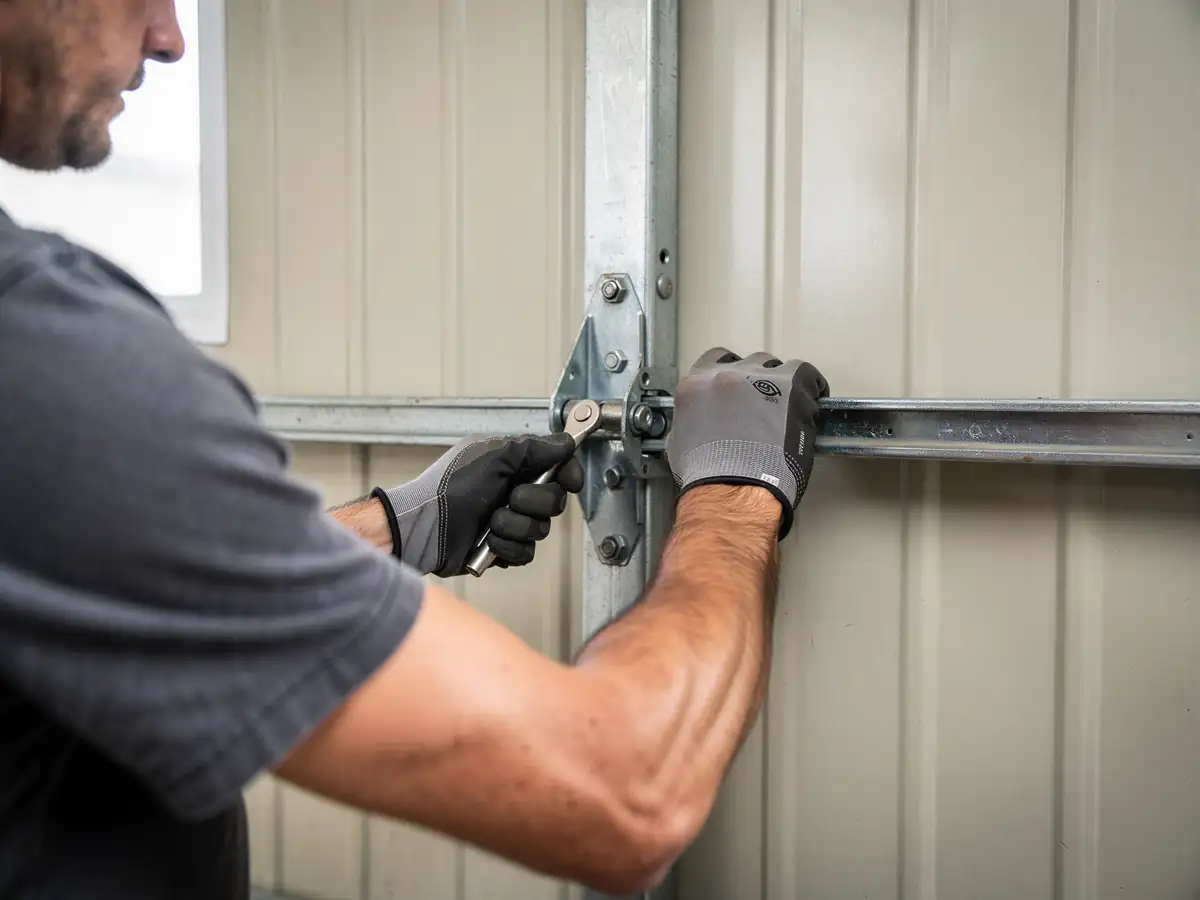
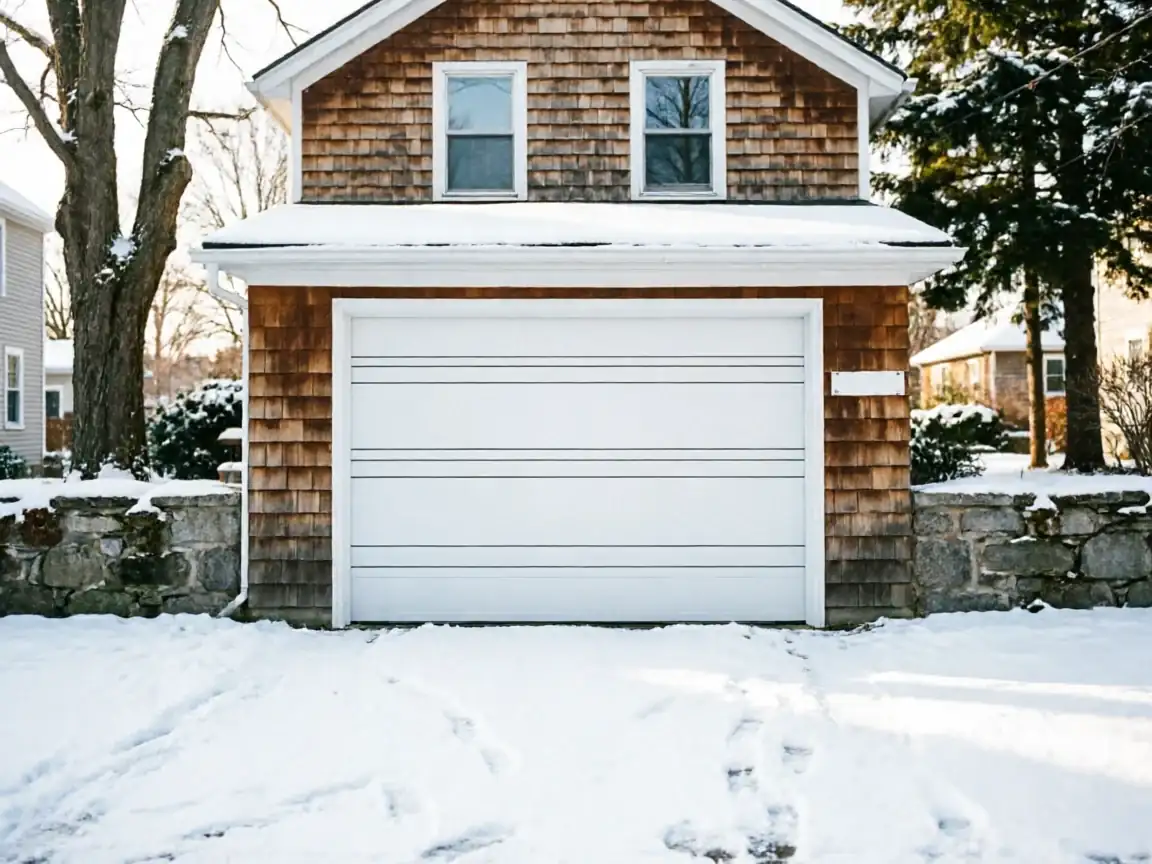
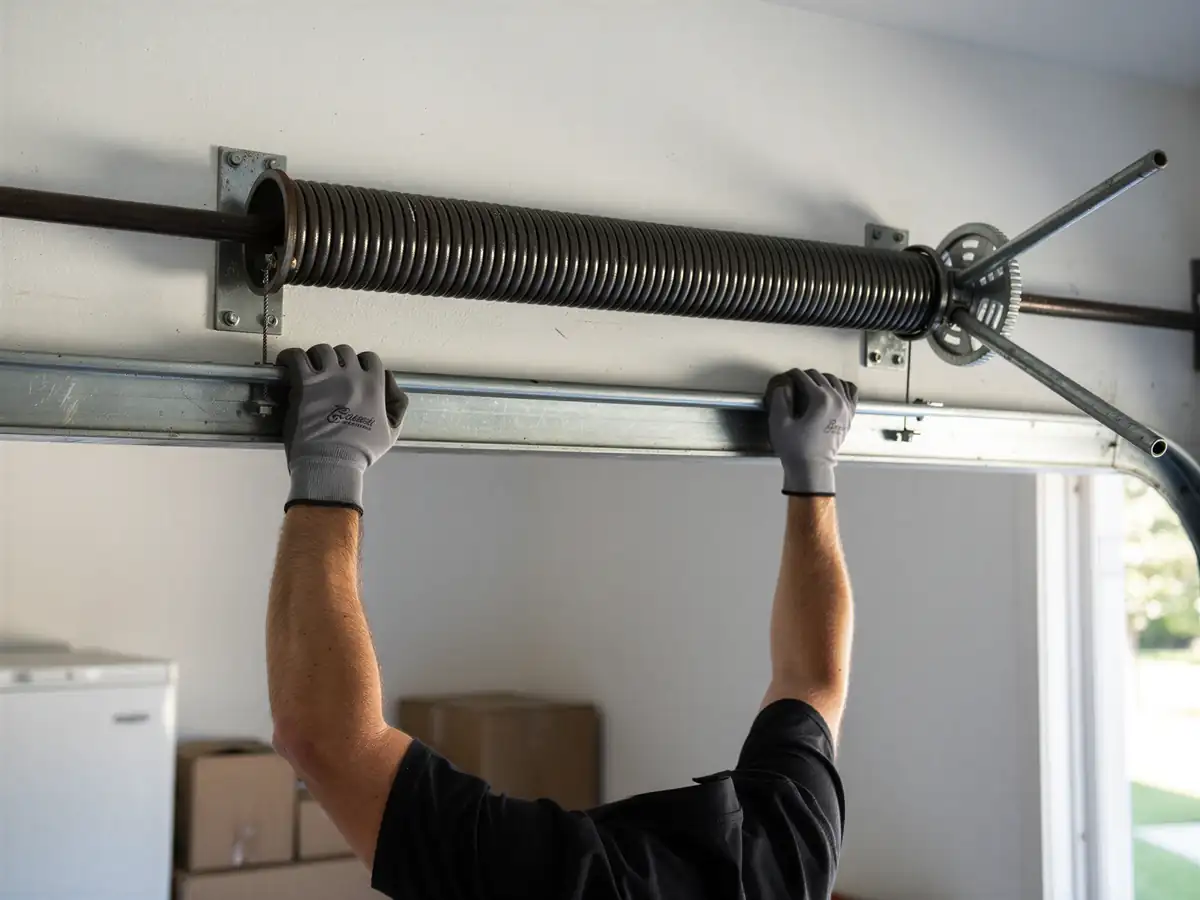
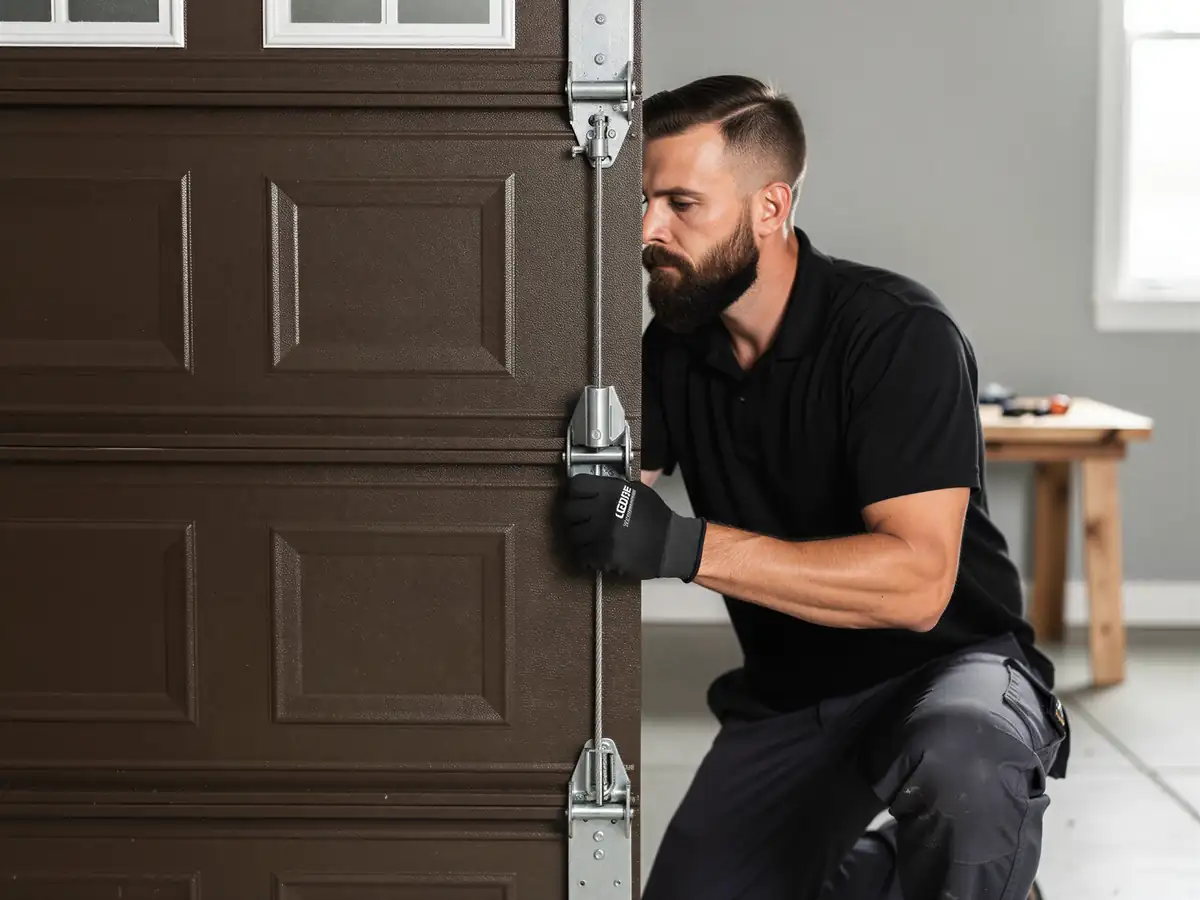
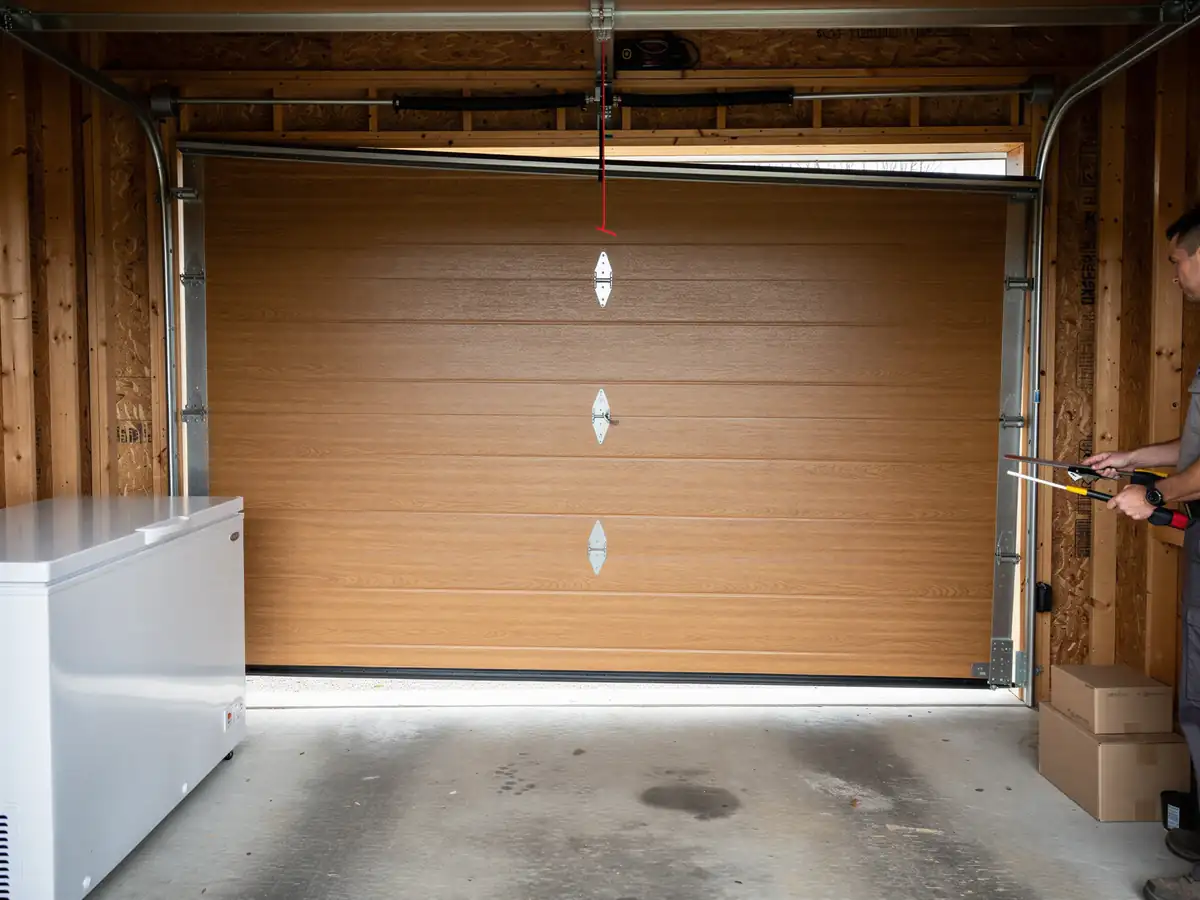
A door built to this era's spec usually runs on a single torsion spring instead of two extension springs, and when it jumps the track, the cable can still be under load even though the door looks dead. That's the complication that matters most: the door isn't just off its rail, it's off its rail with stored spring force still in the system, and freeing it without controlling that first is how a panel gets bent or a hand gets hurt. Cold-weather swings compound it. This area sits in a climate band with severe cold stretches, and steel track contracts in hard cold, which tightens tolerances right at the brackets - a roller that was riding fine in October can bind and jump in January on the same hardware. On a house built around 1973, we're also checking whether the horizontal track still has its original wall brackets, since fifty years of mounting-screw loosening in framing lumber is common and a loose bracket is often the real reason the door walked off the rail in the first place, not the roller itself.
Doing It Yourself
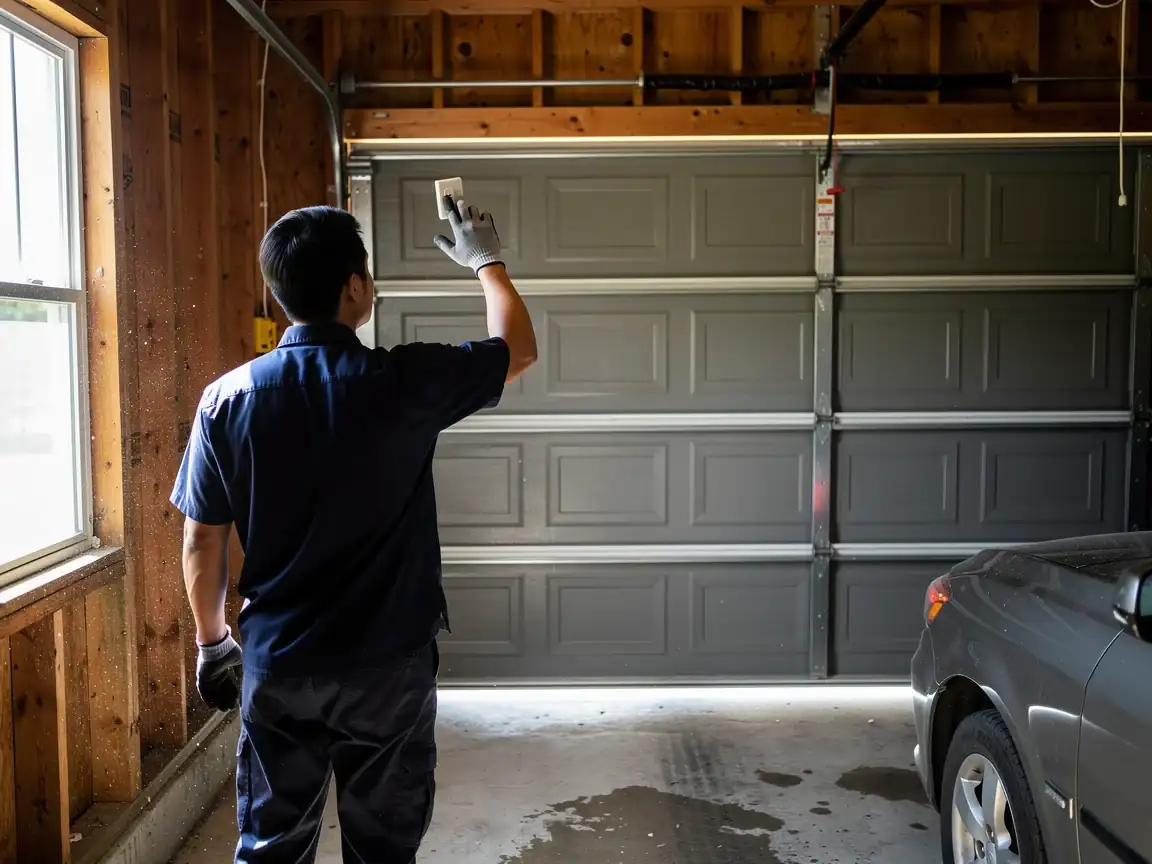
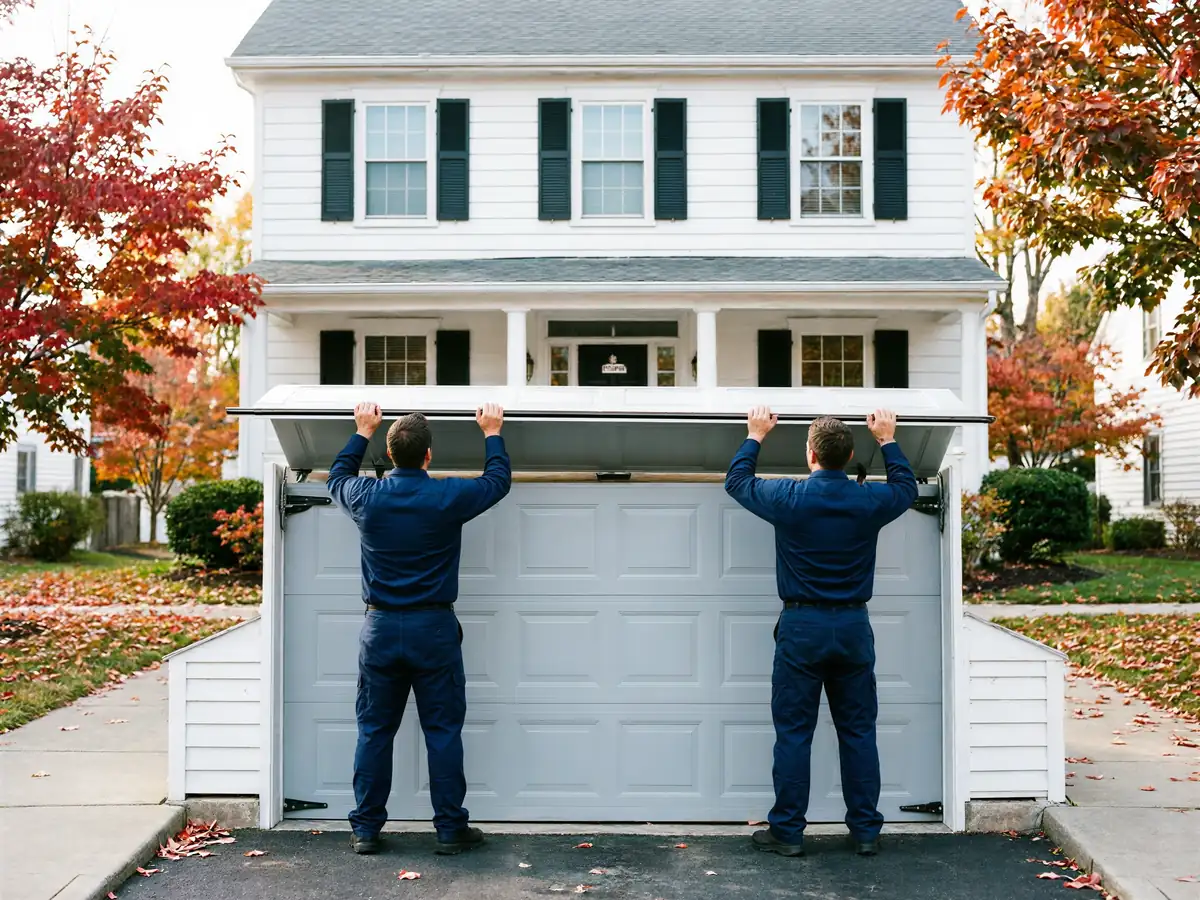
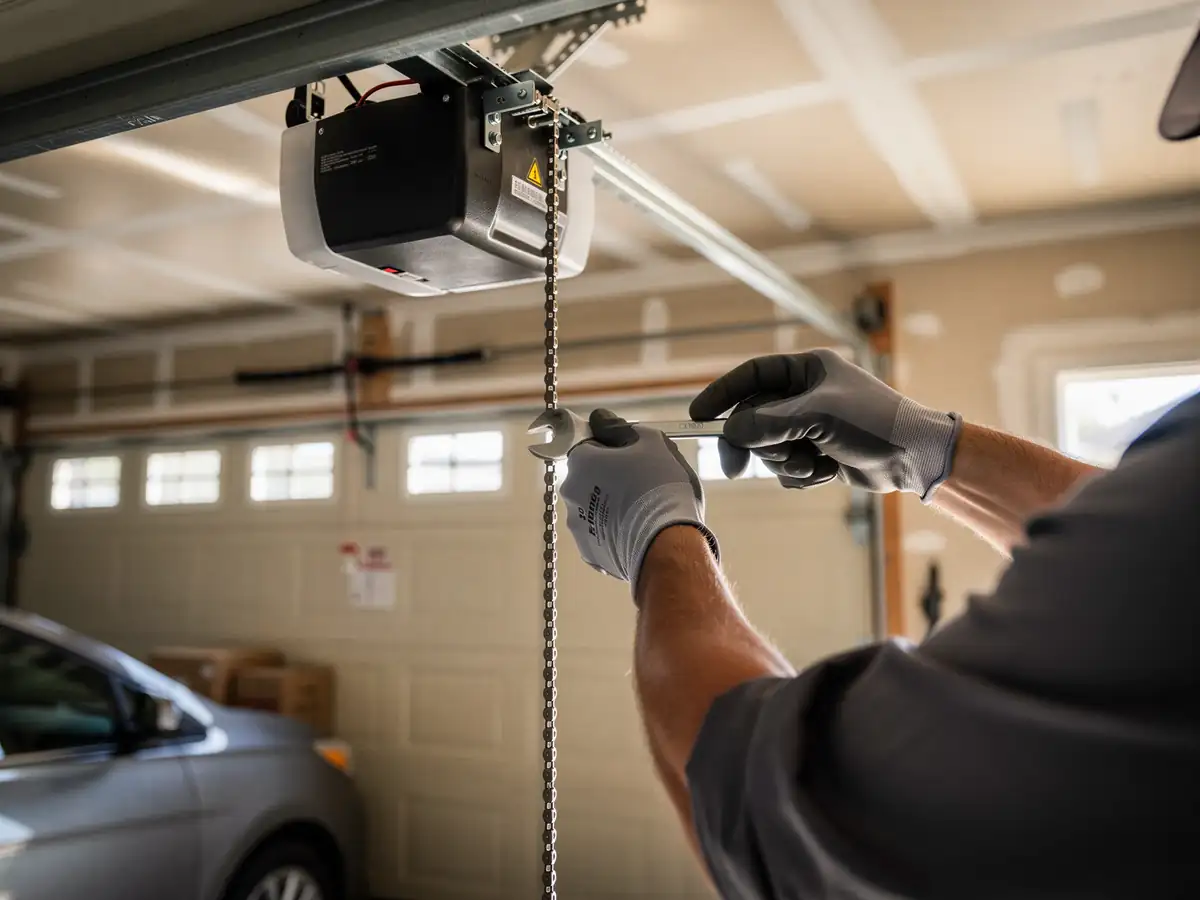
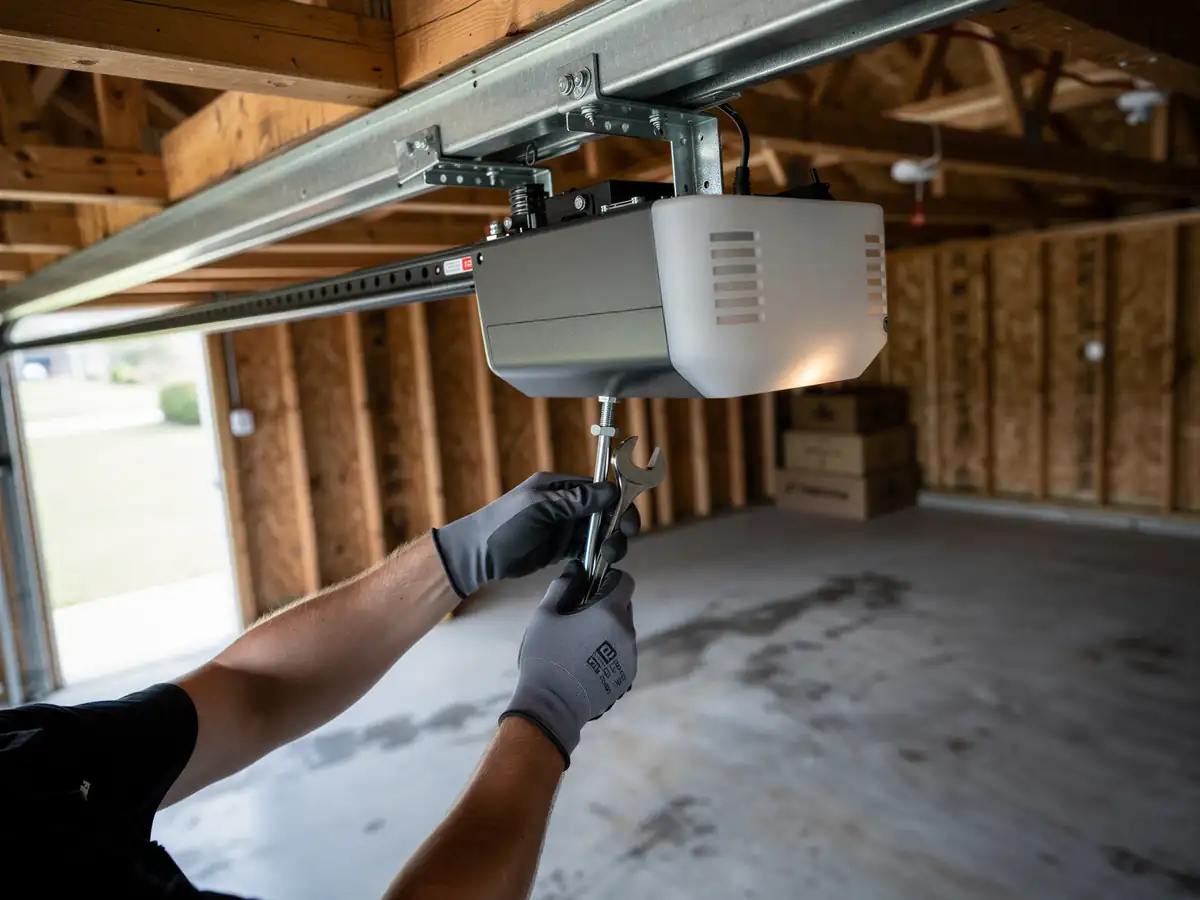
If the door is off the track but the opener is disconnected and the door is down, you can often see the problem: a roller out of the channel, a bent section of track, or a bracket pulled loose from the frame. Don't try to force the door back onto the rail by hand if there's any tension left in the spring system - you won't be able to tell by looking whether the cable is slack or loaded. The one thing worth doing yourself is killing power to the opener and leaving the door exactly where it sits, since repeated opener attempts against a jumped track are what turn a bent bracket into a cracked panel. Here's the honest limit: if the track is bent in more than one spot, or the door is more than about fifteen years old and this is its second off-track incident, straightening the existing track usually isn't worth the labor against just replacing that section - we'll tell you which one it is before we start, not after.