The Complications
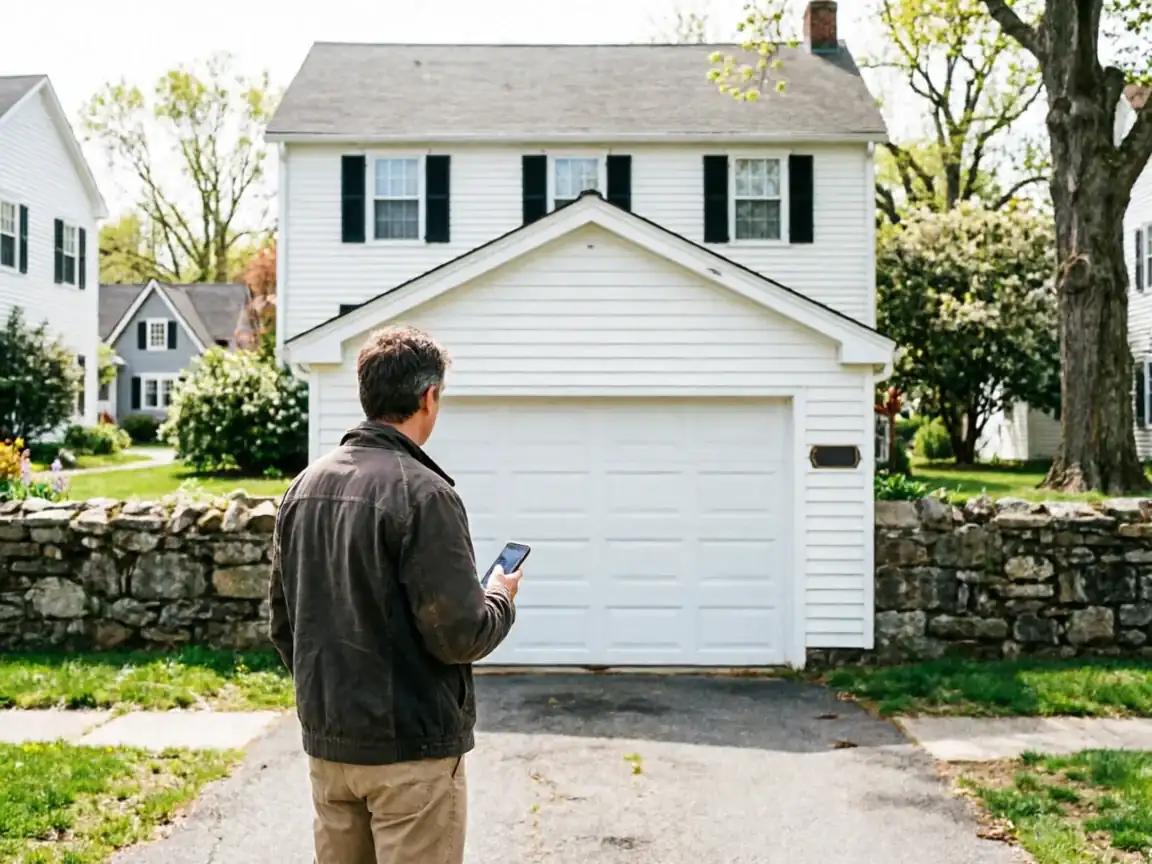
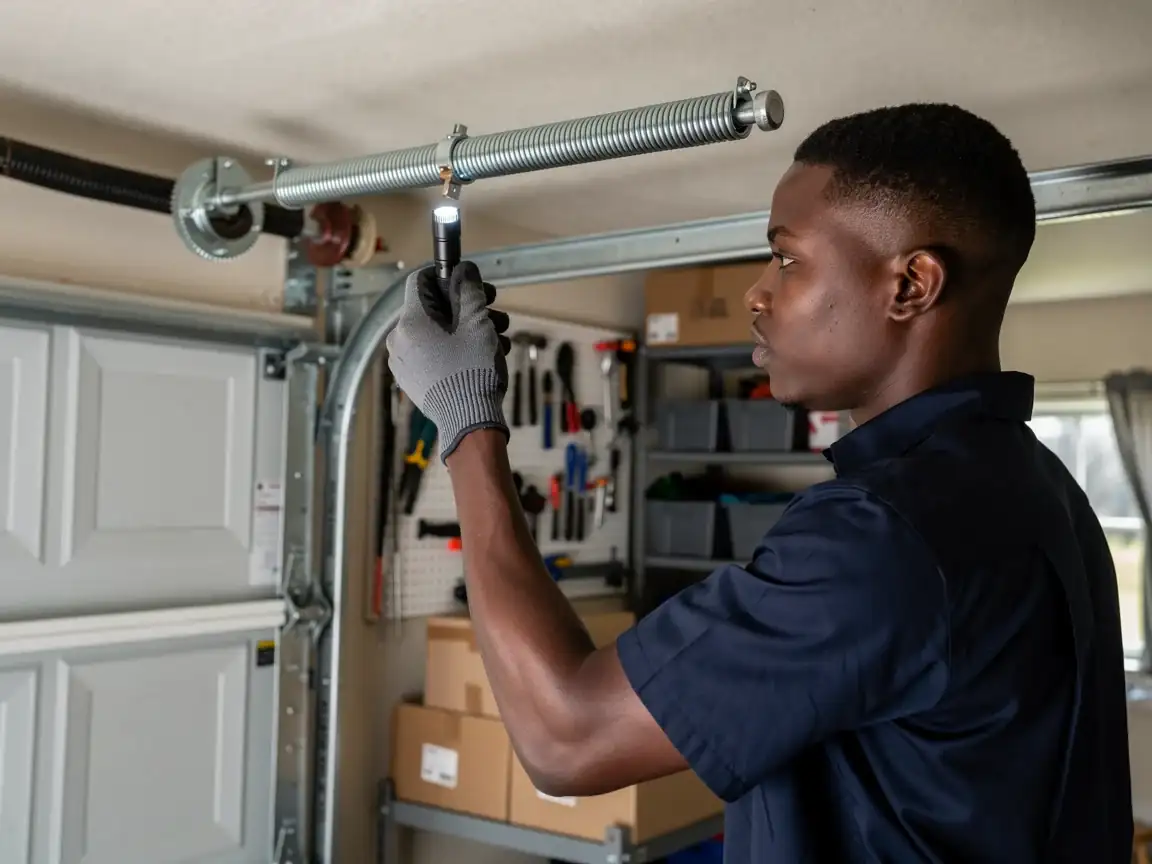
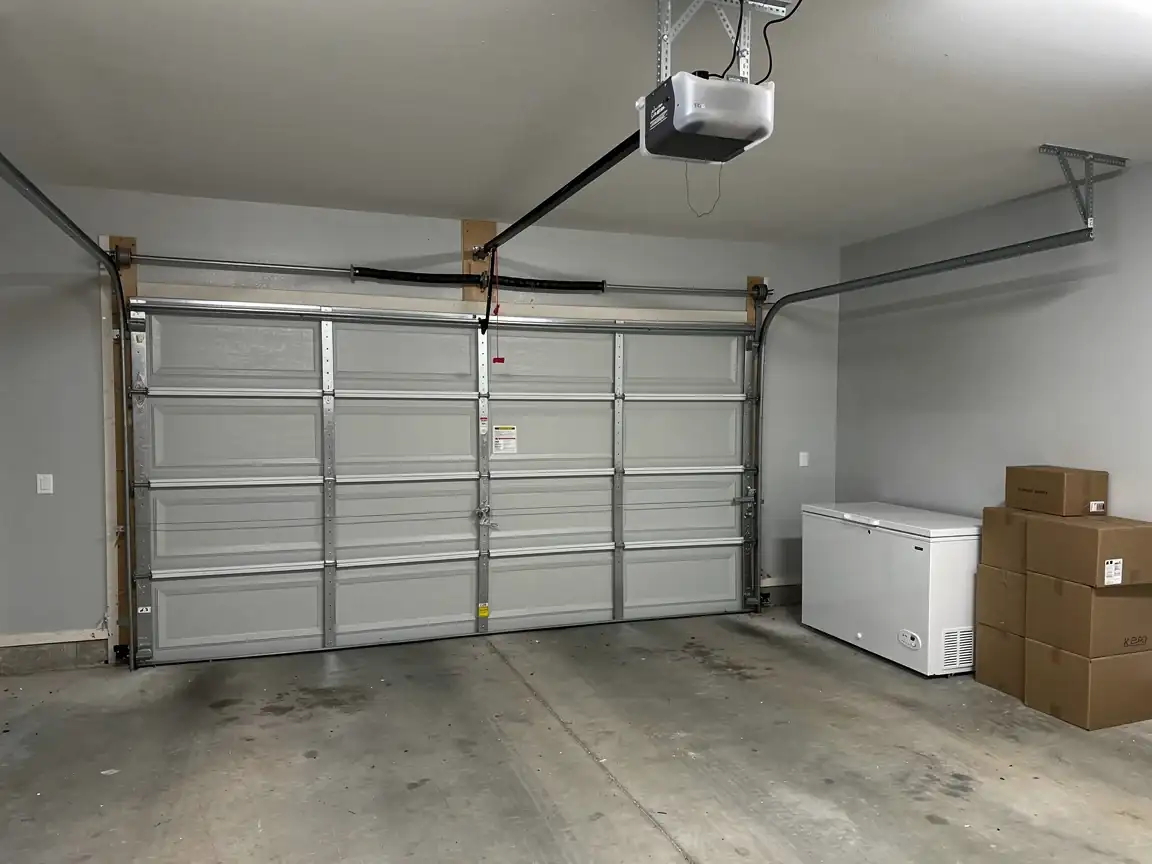
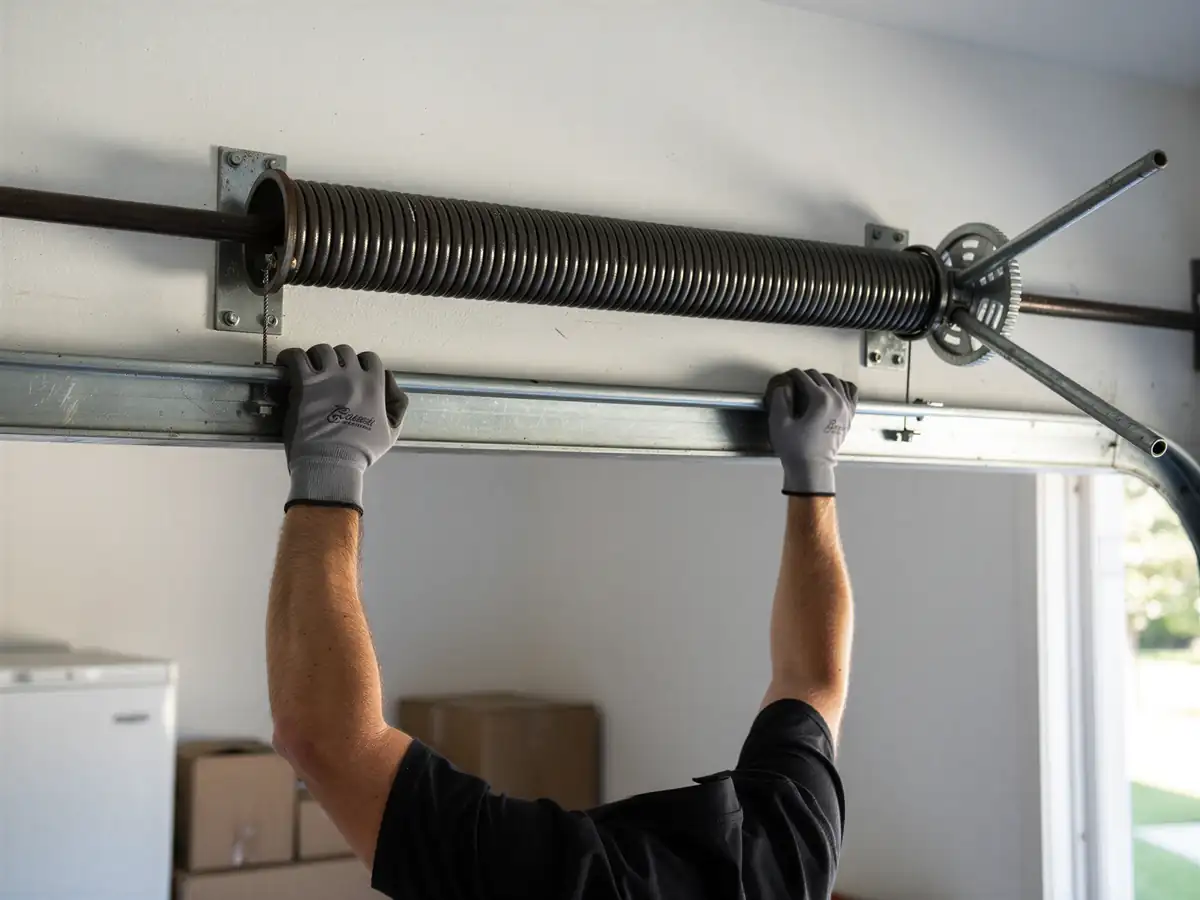
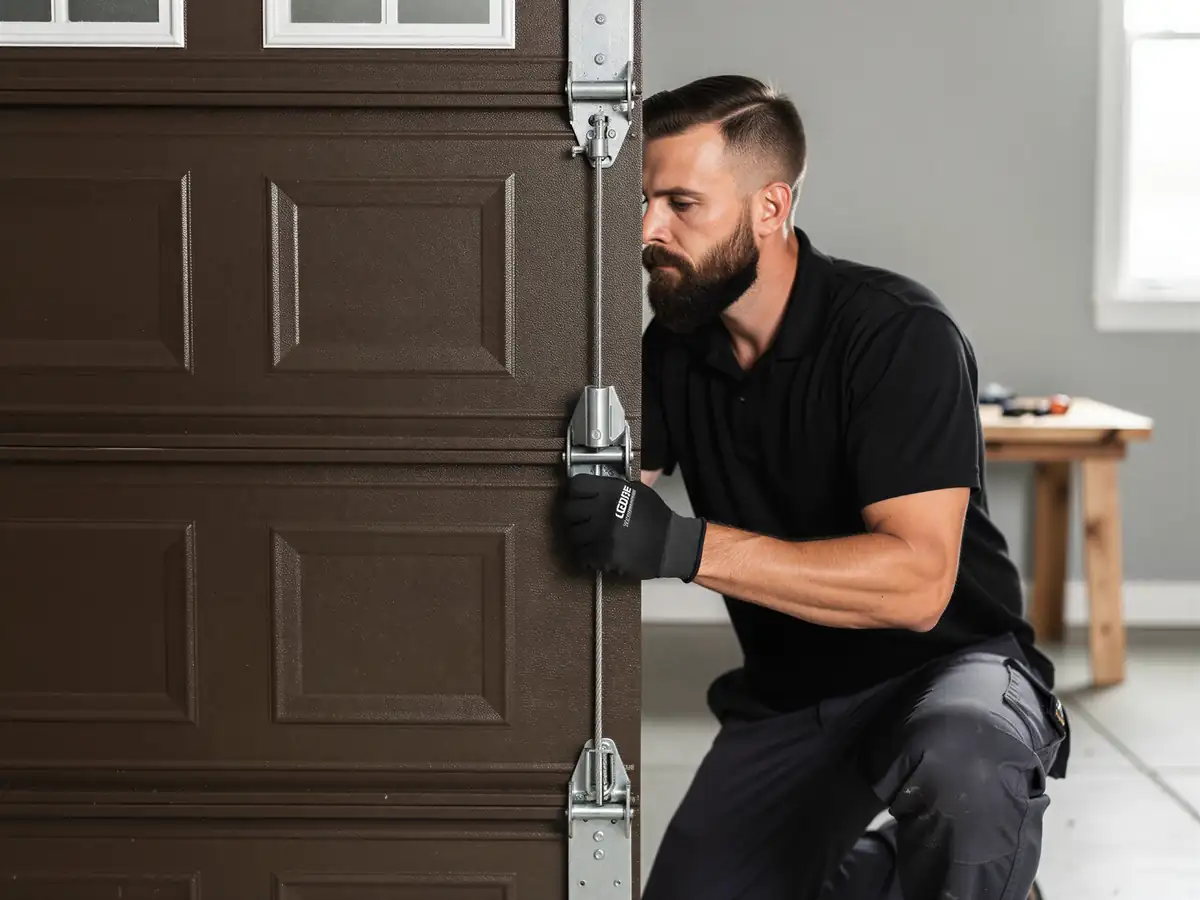
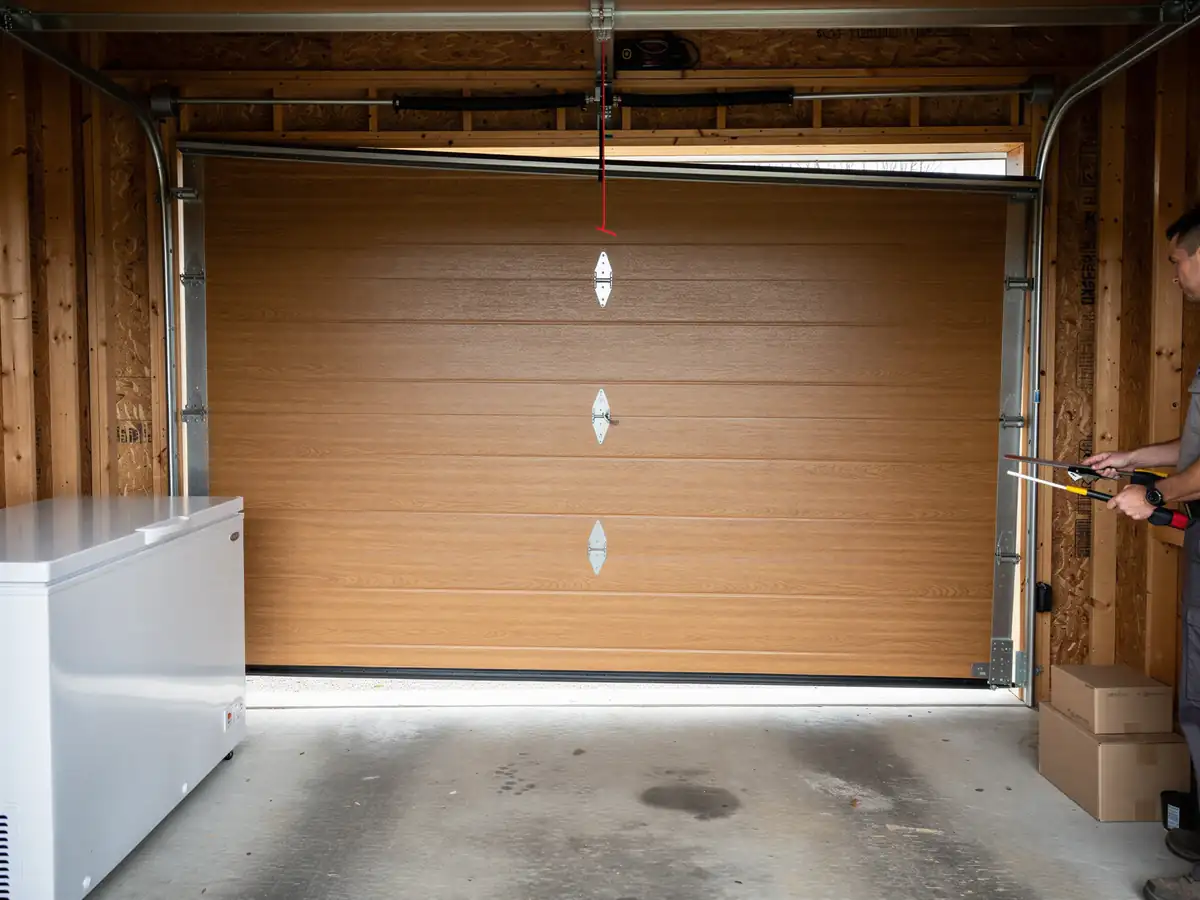
Houses in Greenville cluster around a 1973 build date, which puts most garage doors here past their first or even second spring replacement already. The springs that came with a door from that era weren't rated for the cycle counts modern torsion springs are, so when one goes, the other is usually close behind even if it hasn't snapped yet. We'll tell you that rather than just fix the one that broke. The region sits in a cold-severe climate band, and cold is hard on garage door hardware in a specific way: grease thickens, rollers bind, and a spring already near the end of its life cycle count can fail on the first cold snap of the season rather than waiting for warmer weather. On a 1970s-era door, we're also checking for the older extension-spring setups some builders used before torsion systems became standard - those need different safety cables than what's typical today, and skipping that check is how people get hurt.
Doing It Yourself
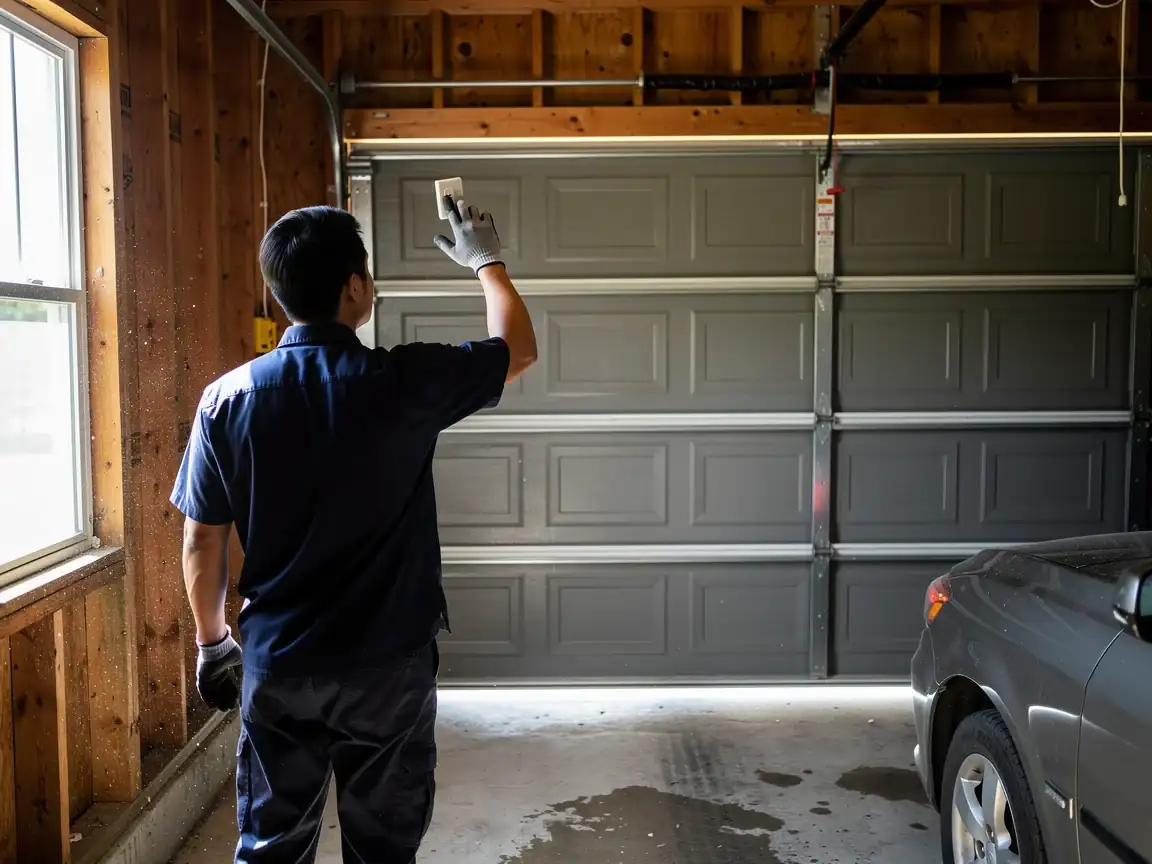
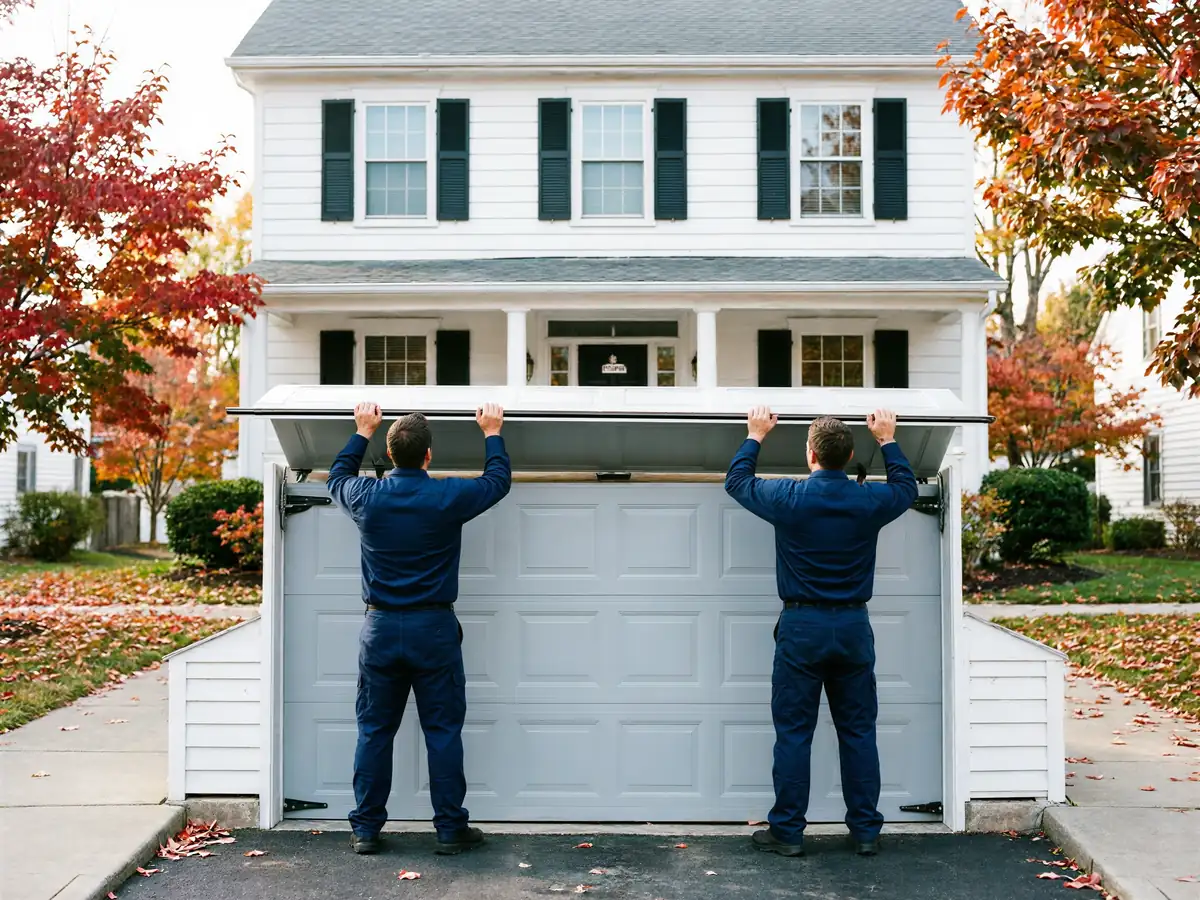
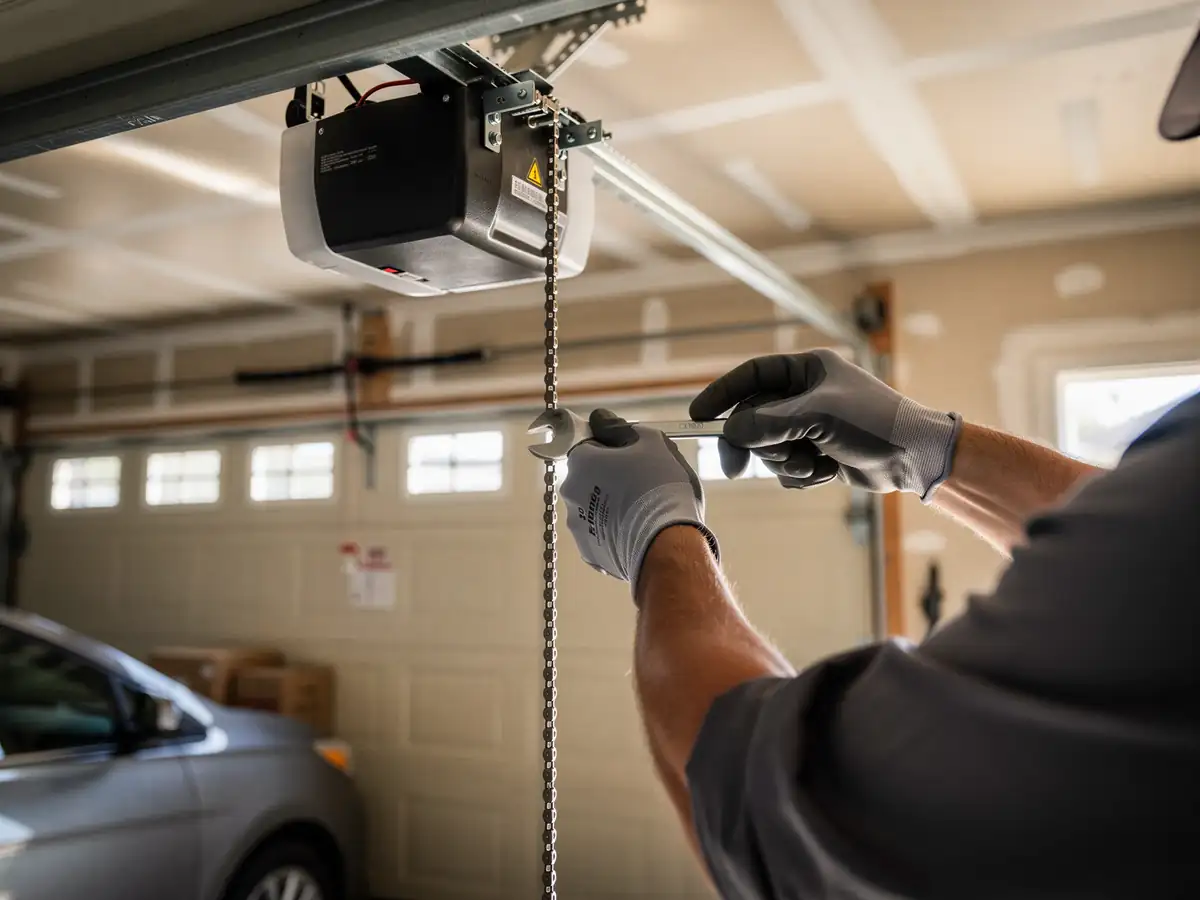
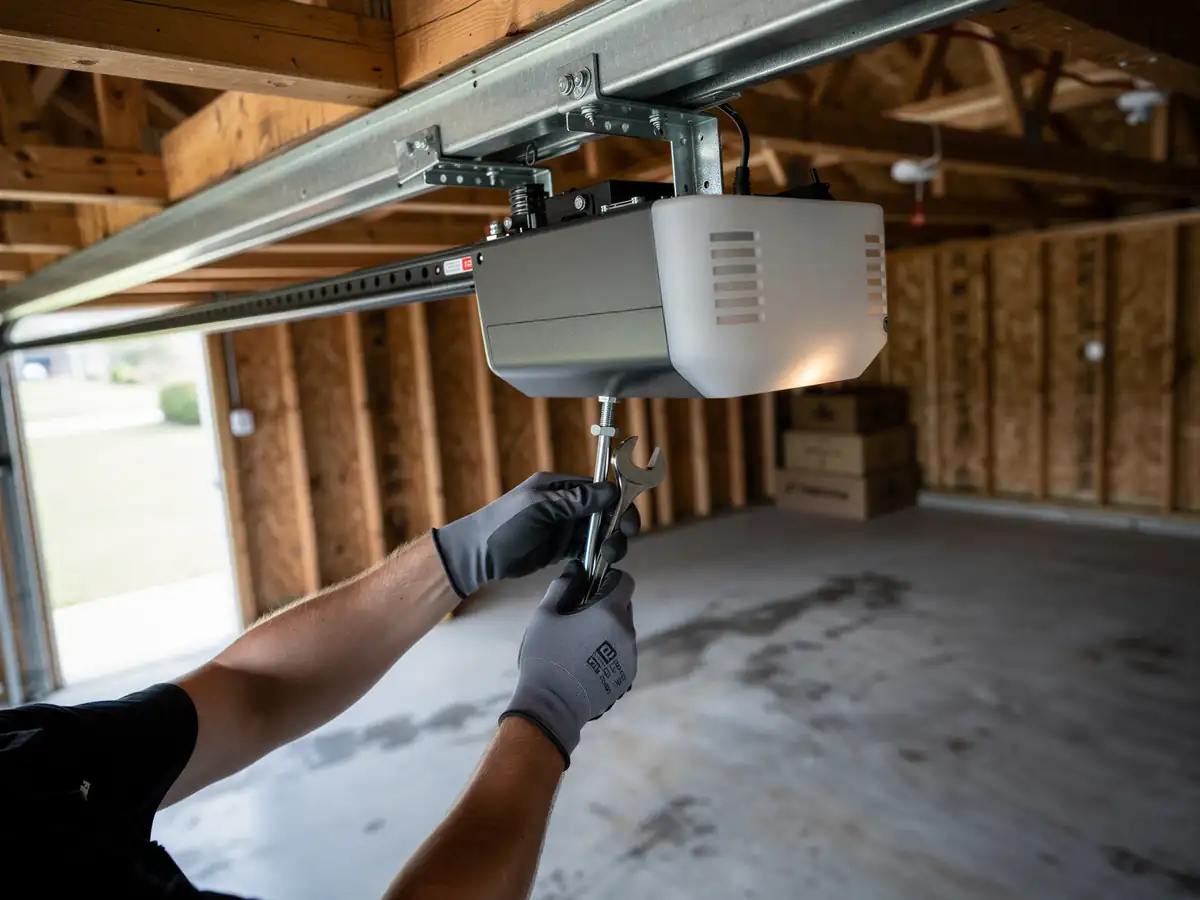
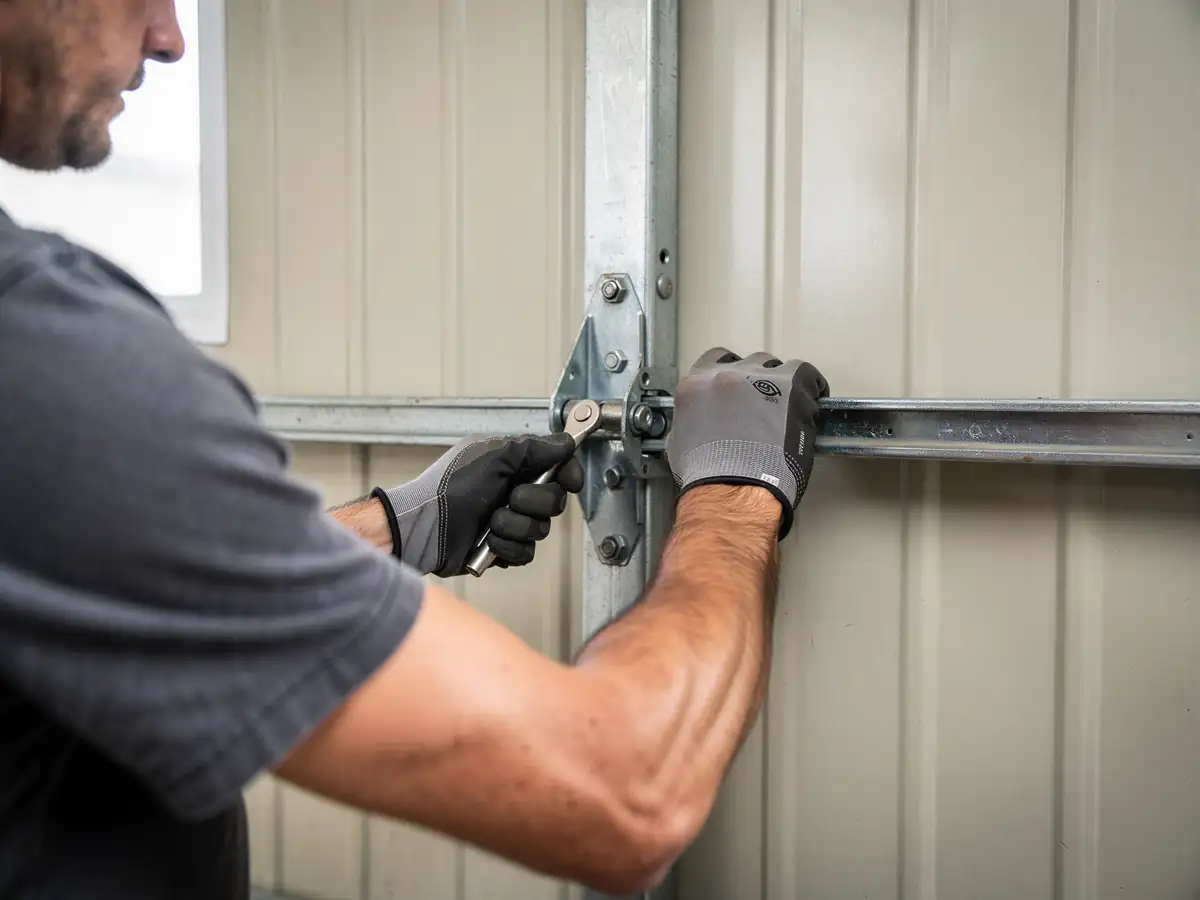
A loose roller or a dragging track is something a lot of homeowners can true up themselves with a wrench and patience. A broken spring is not that job. Torsion springs are under enough tension to break bones if you release them wrong, and on a door from the 1970s era common in Greenville, the spring, drum, and cable are often original or close to it, which means more corrosion and more unpredictability than a newer setup. If your opener is straining, reversing, or making a grinding noise before it stops working altogether, that's worth a call before it strands the door halfway down. What you can safely do yourself: check the weatherstripping at the bottom, tighten visible bolts on the track brackets, and keep the tracks clear of debris. What you shouldn't: touch the spring, the cable, or anything holding tension.