What Is on the Truck
Greenville's housing mostly dates to around 1973
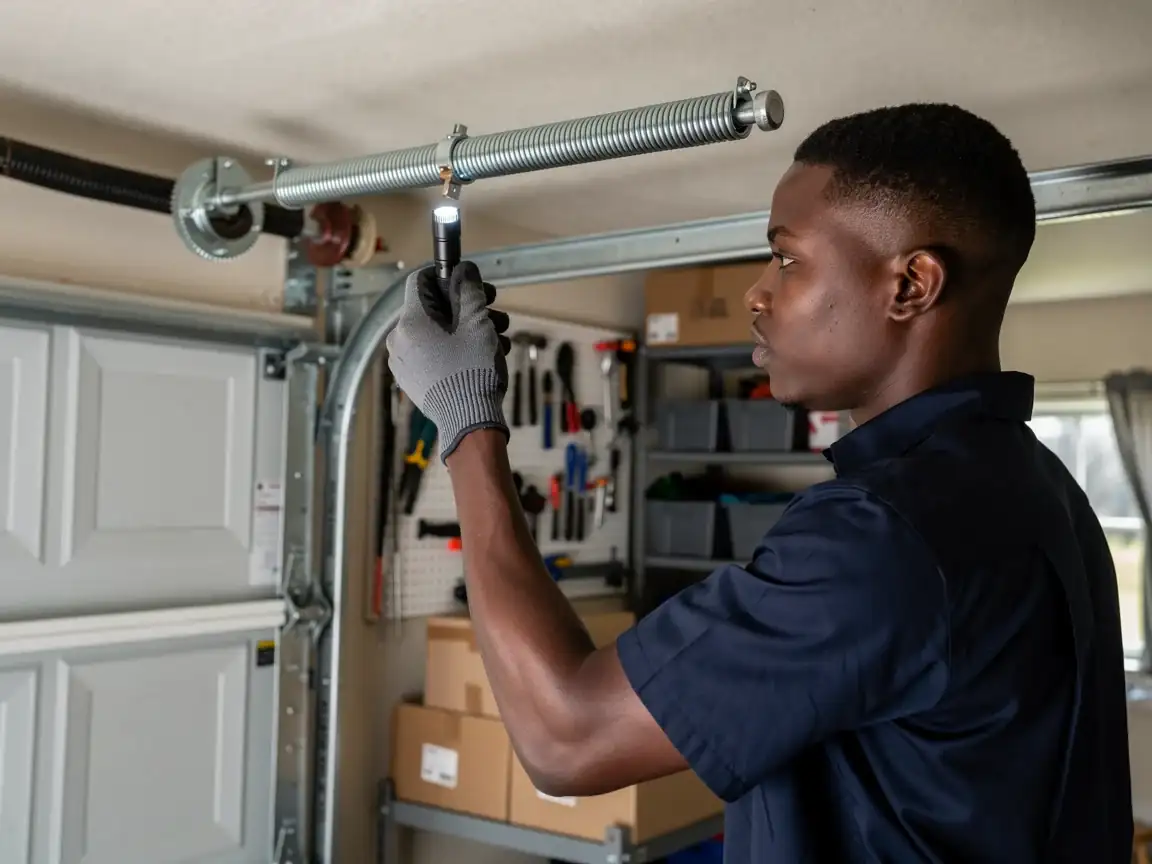
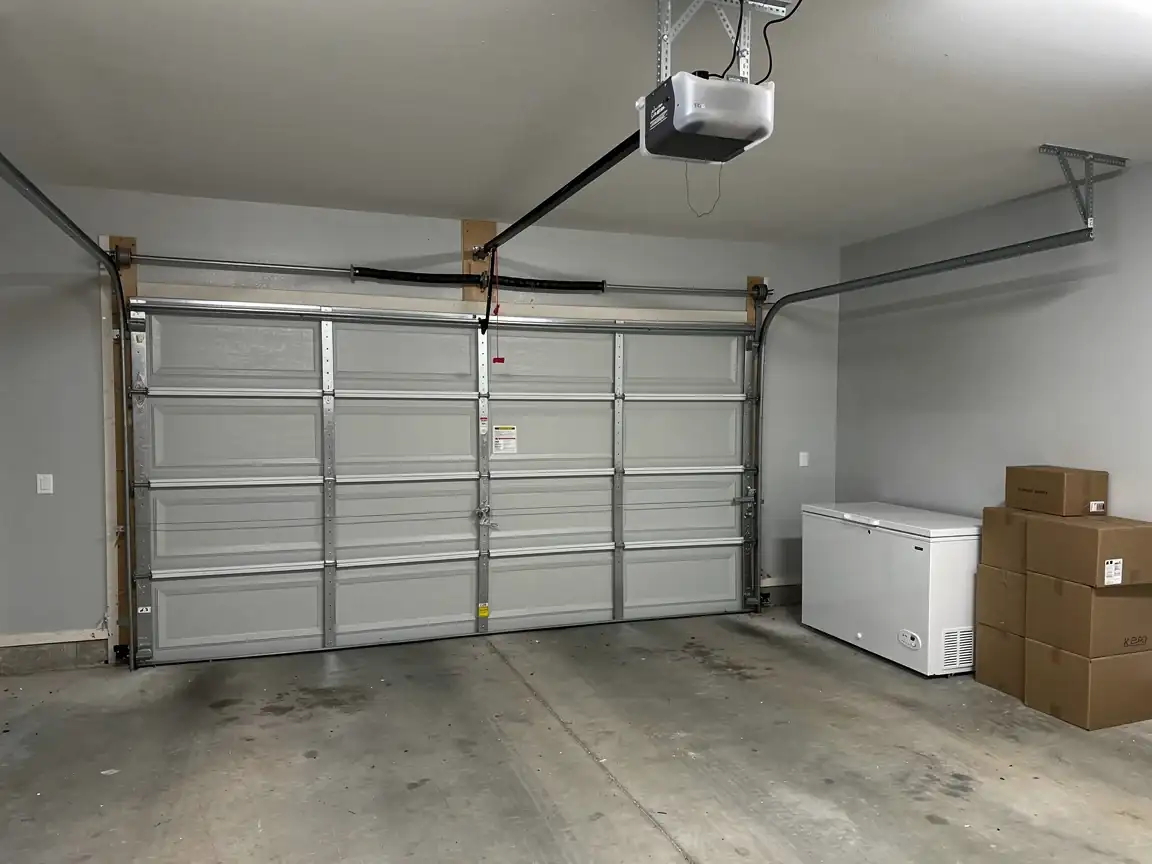
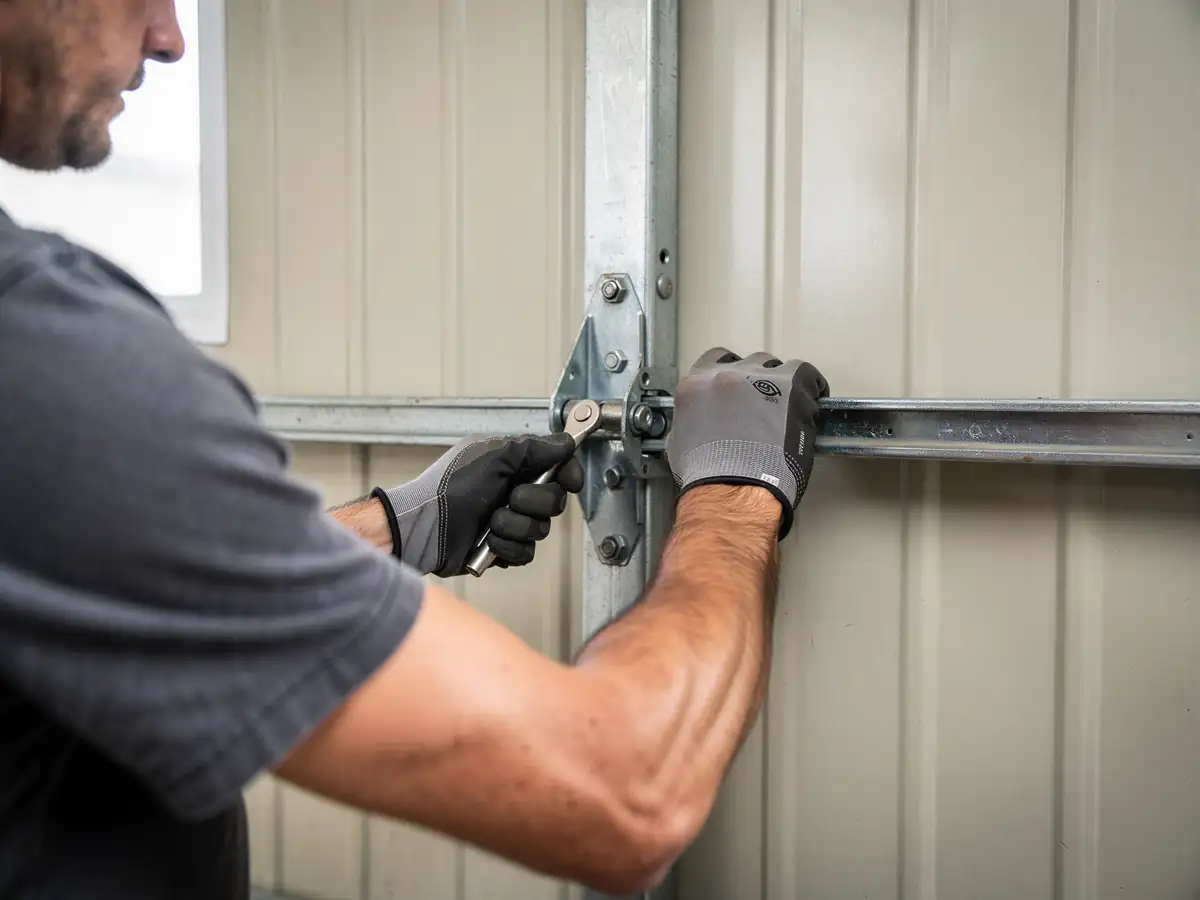
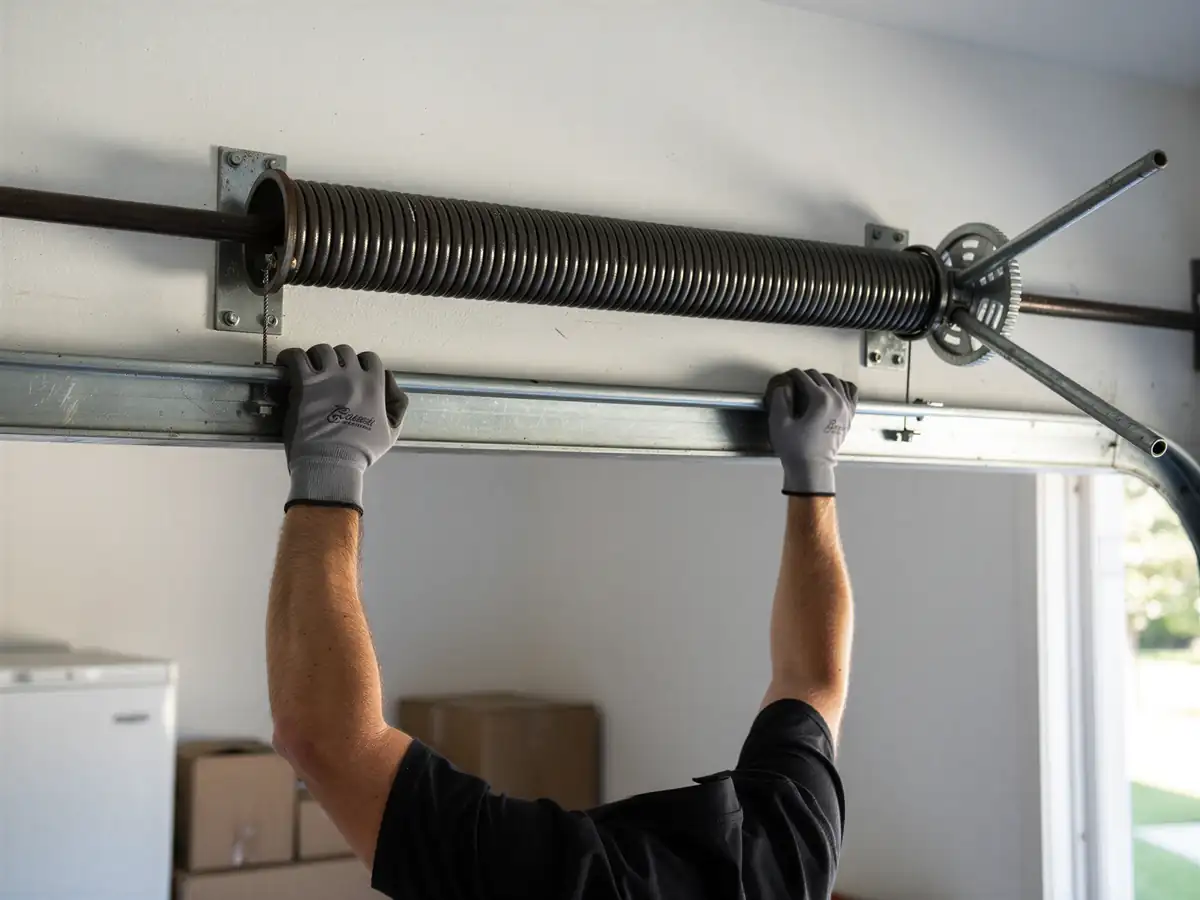
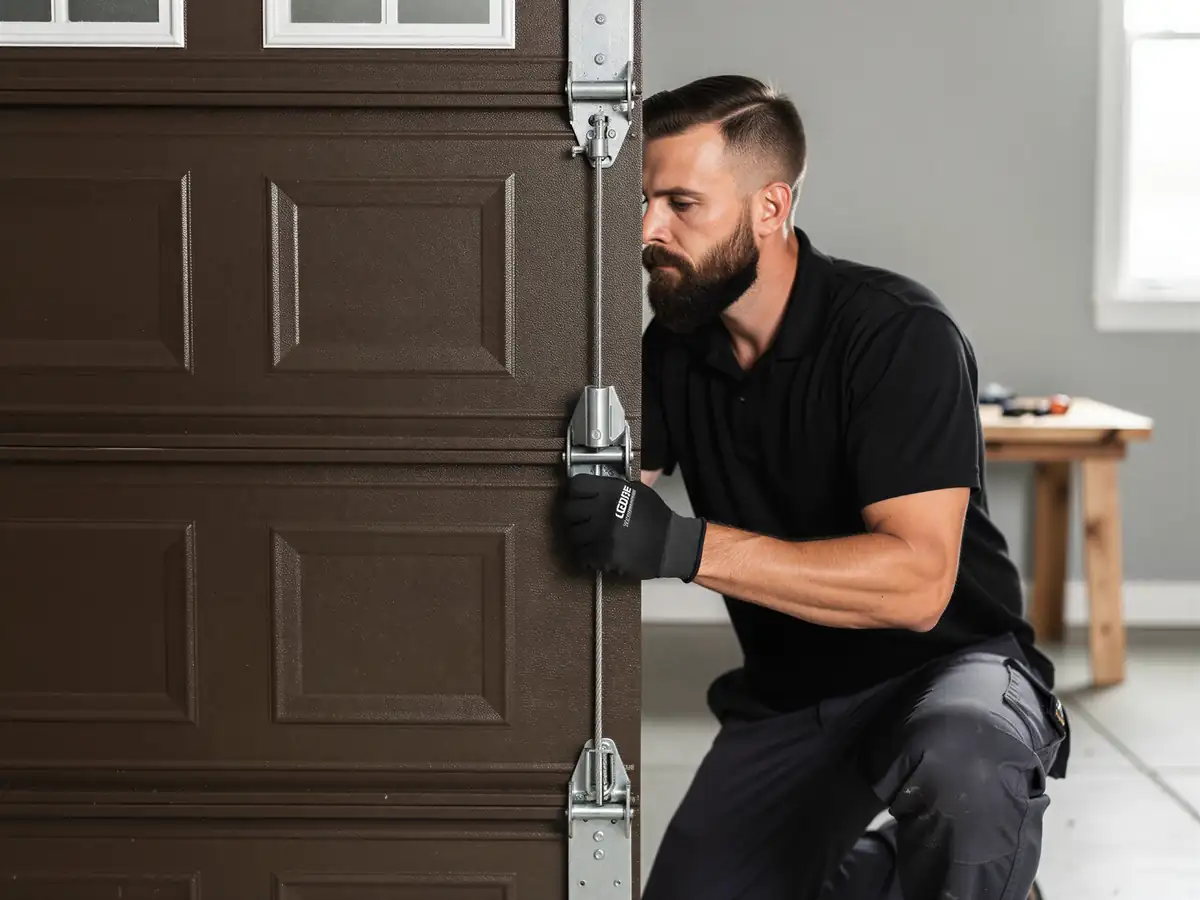
Which puts a lot of these garage doors on their original lift cable and drum setup, or a replacement from decades back that matched the same spec. That means galvanized aircraft cable in the 1/8-inch range, worn-groove drums, and pulleys that have seen fifty years of Delaware winters. We carry that cable pre-cut in the lengths that fit a standard 7-foot door from that build era, along with drums, end bearing plates, and the stamped pulleys that go with them. We don't stock every exotic spool size out there, and if a door turns out to be an odd European import or a custom oversize unit, we may need a day to get the right cable in. On a typical 1973-era Greenville door, though, the truck already has what the job calls for before we even pull into the driveway.
We're coming from Wilmington, about 5 miles out
So the drive isn't the holdup - having the right part is. Snapped cables on these older setups usually mean the drum grooves are chewed up too, not just the cable itself, so we check both before calling the job done with a cable swap alone.
- 5 miles
The Complications
A door that's been running on the same hardware since 1973 doesn't fail cleanly. The cable goes, but so does the drum lining underneath it, and the track bolts have usually backed out a quarter-turn at a time for half a century. Cold snaps make it worse - this is a severe cold climate region, and a frozen cable that's already fraying from age can shear instead of just stretching. We see that pattern more in houses that kept their original torsion hardware than in the newer builds scattered through the area.
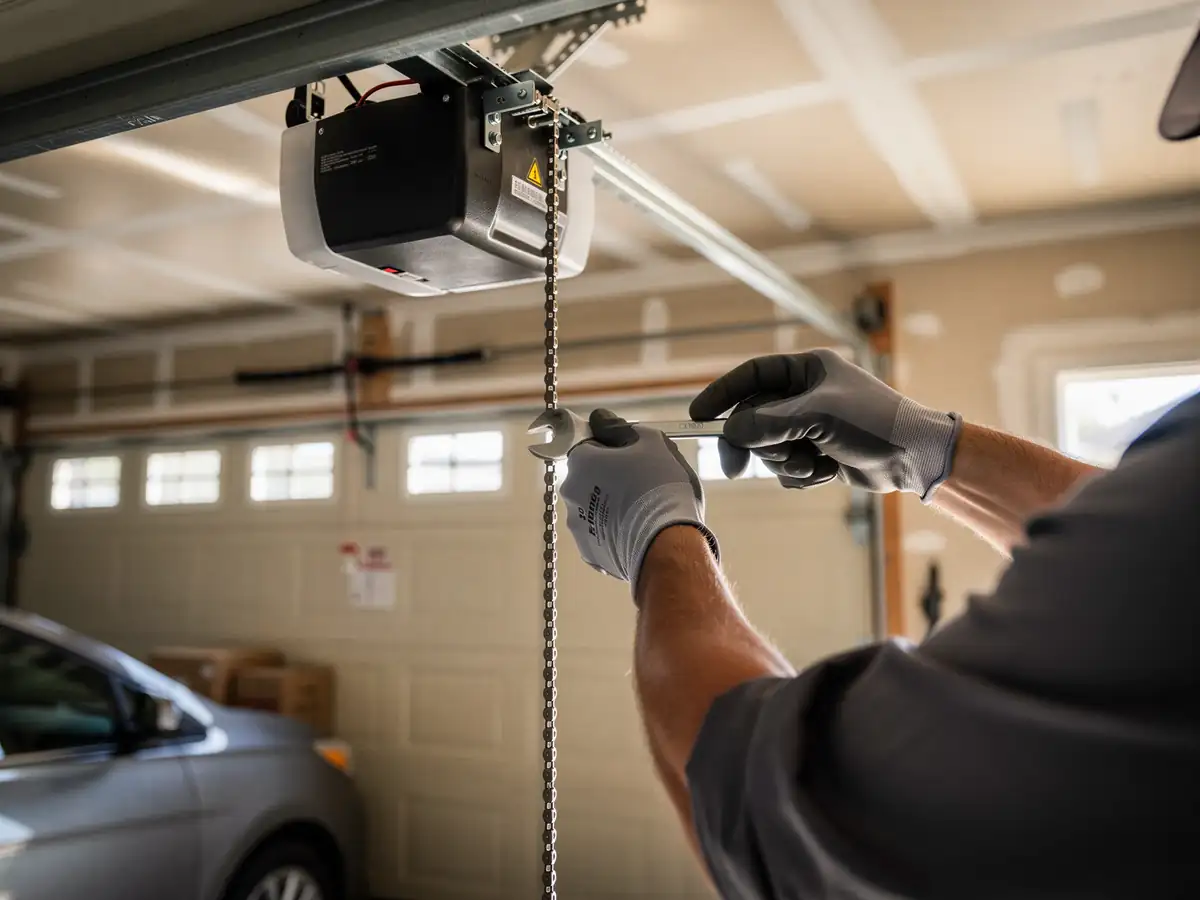
The other complication is springs. If the cable let go under tension because a spring was already weak, replacing the cable alone just sets up the next snap. We check spring tension on every cable call here, because on a door this old, the two parts rarely fail independently.
Doing It Yourself
A broken lift cable looks like a weekend fix until you're standing under a door with a quarter-ton of spring tension on the other end of that cable. We're not going to pretend otherwise - if you've done this before and you have a winding bar, a replacement cable on a lightweight single door is within reach. But on the double doors common in Greenville's larger 1973-build homes, the torsion spring and the drum are under enough load that a slipped bar or a cable that unspools wrong can put you in the ER, not just back in the garage. If the drum or the bearing plate is also worn - which it often is on hardware this old - a DIY cable swap just buys you another failure in a few months. We'd rather tell you that straight than sell you a callback.