The Complications
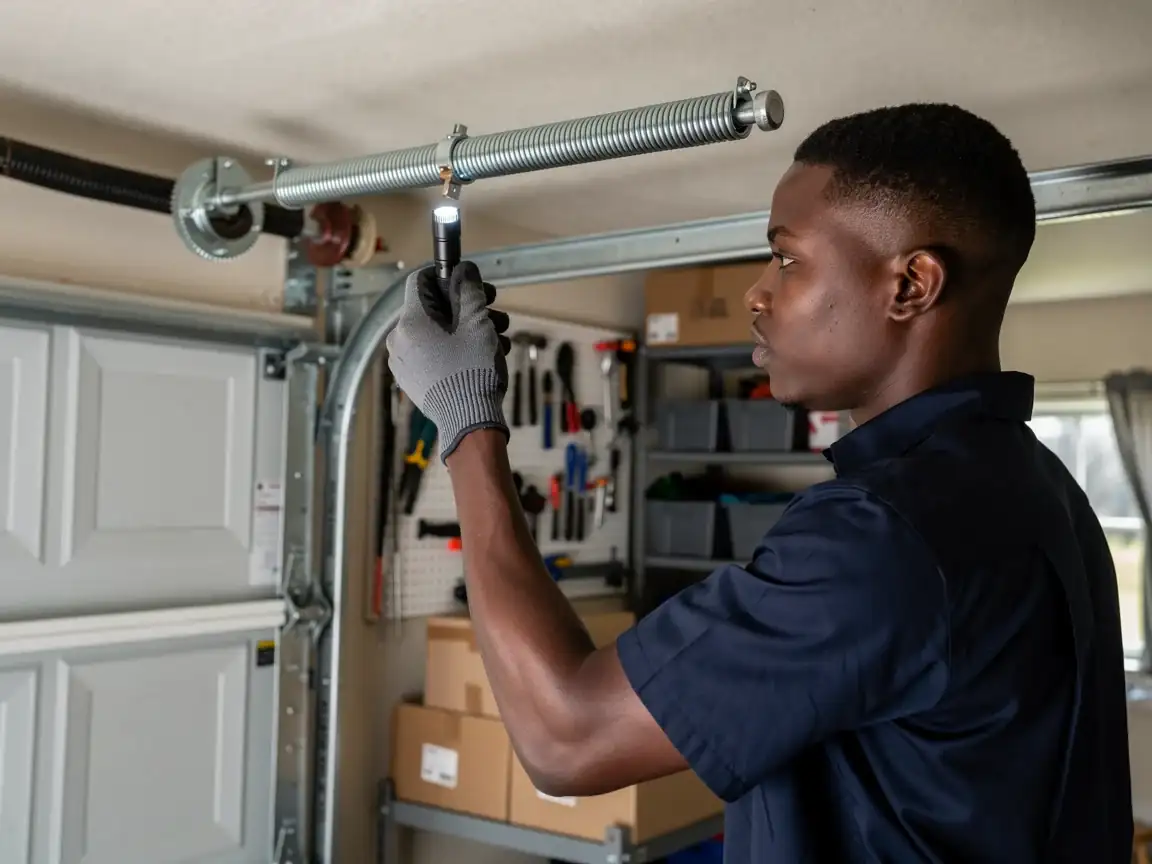
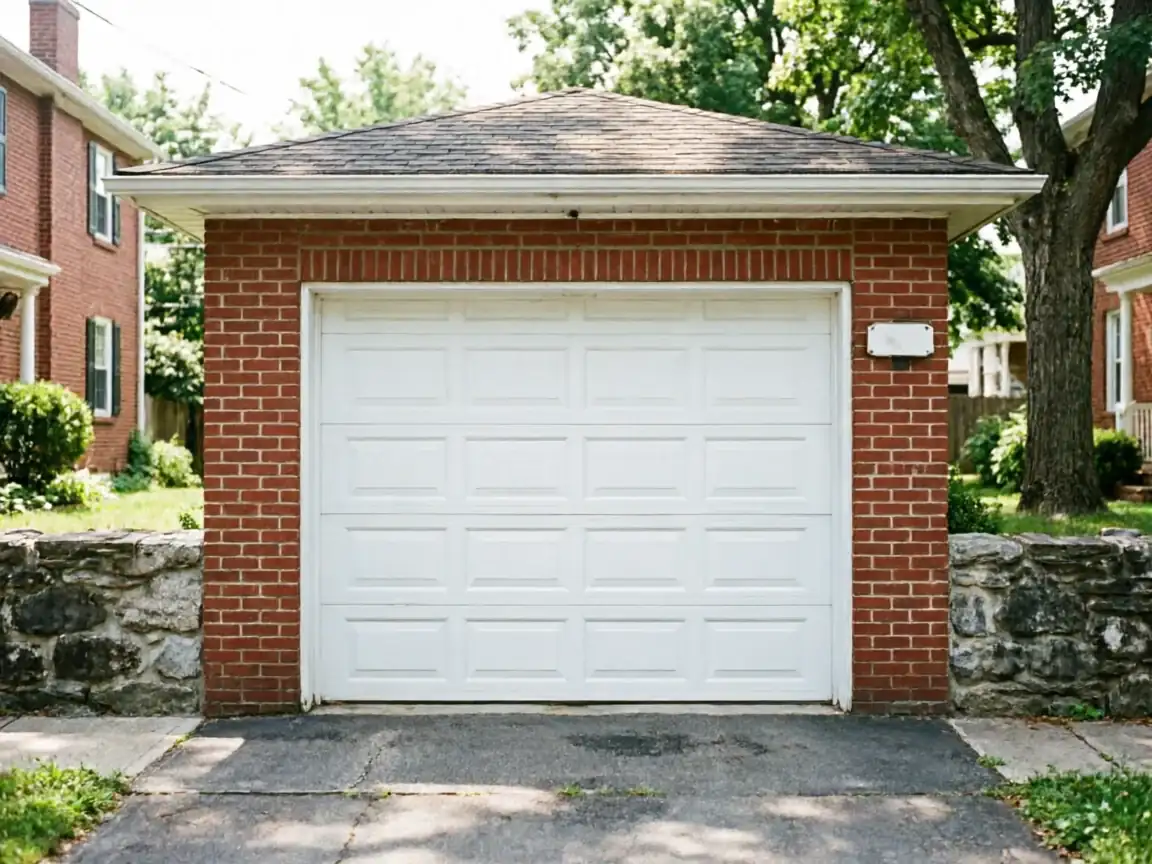
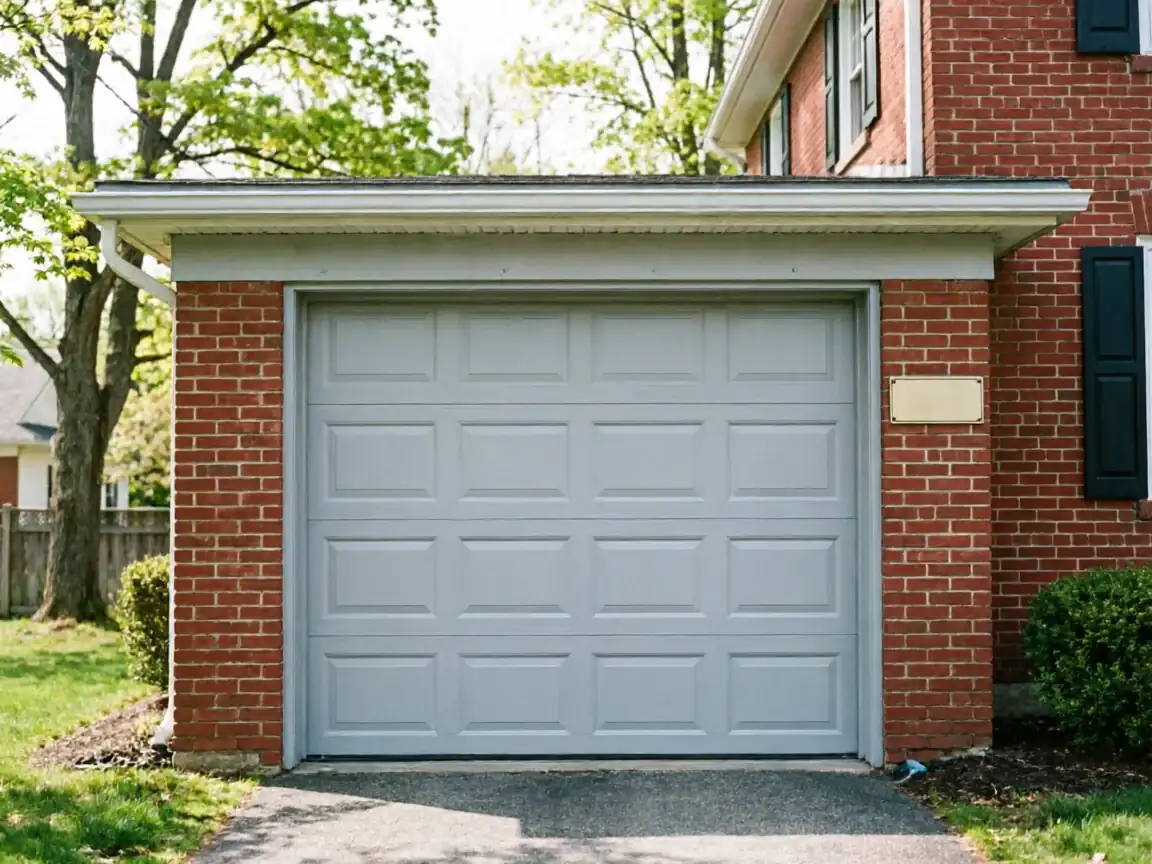
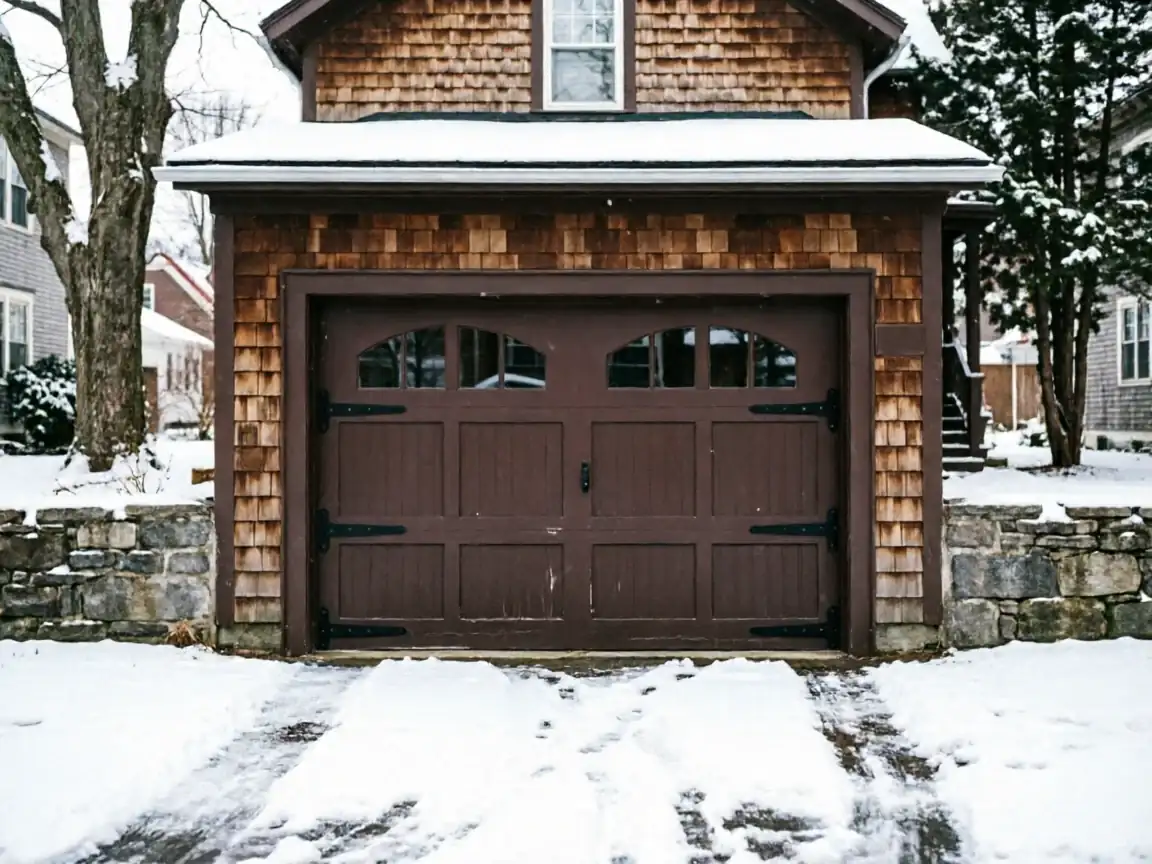
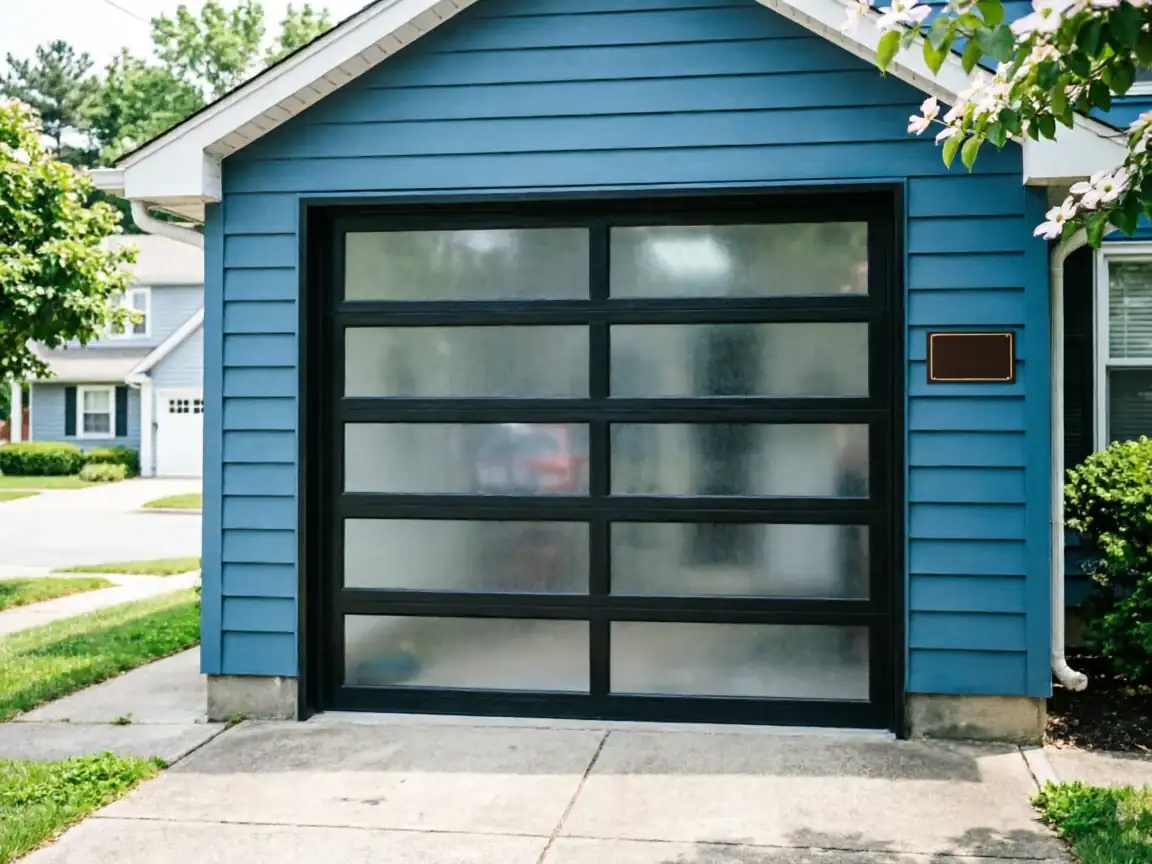
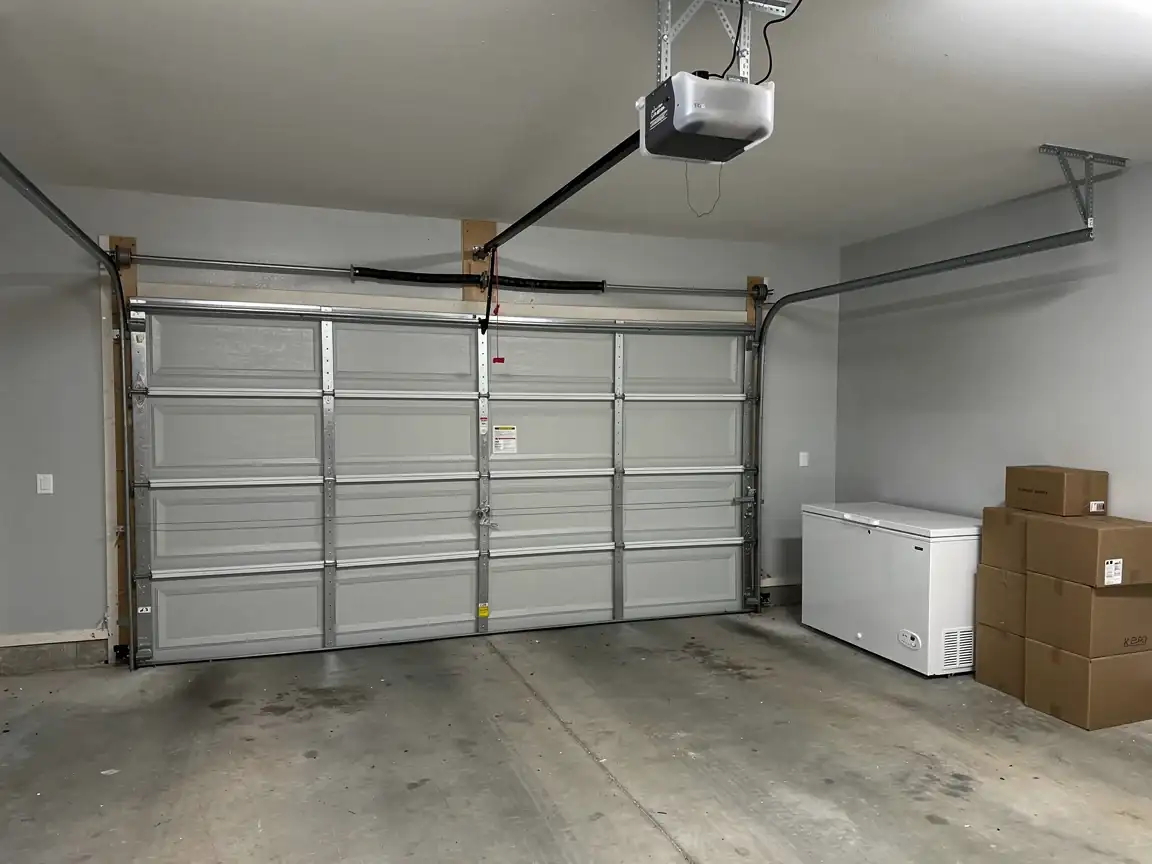
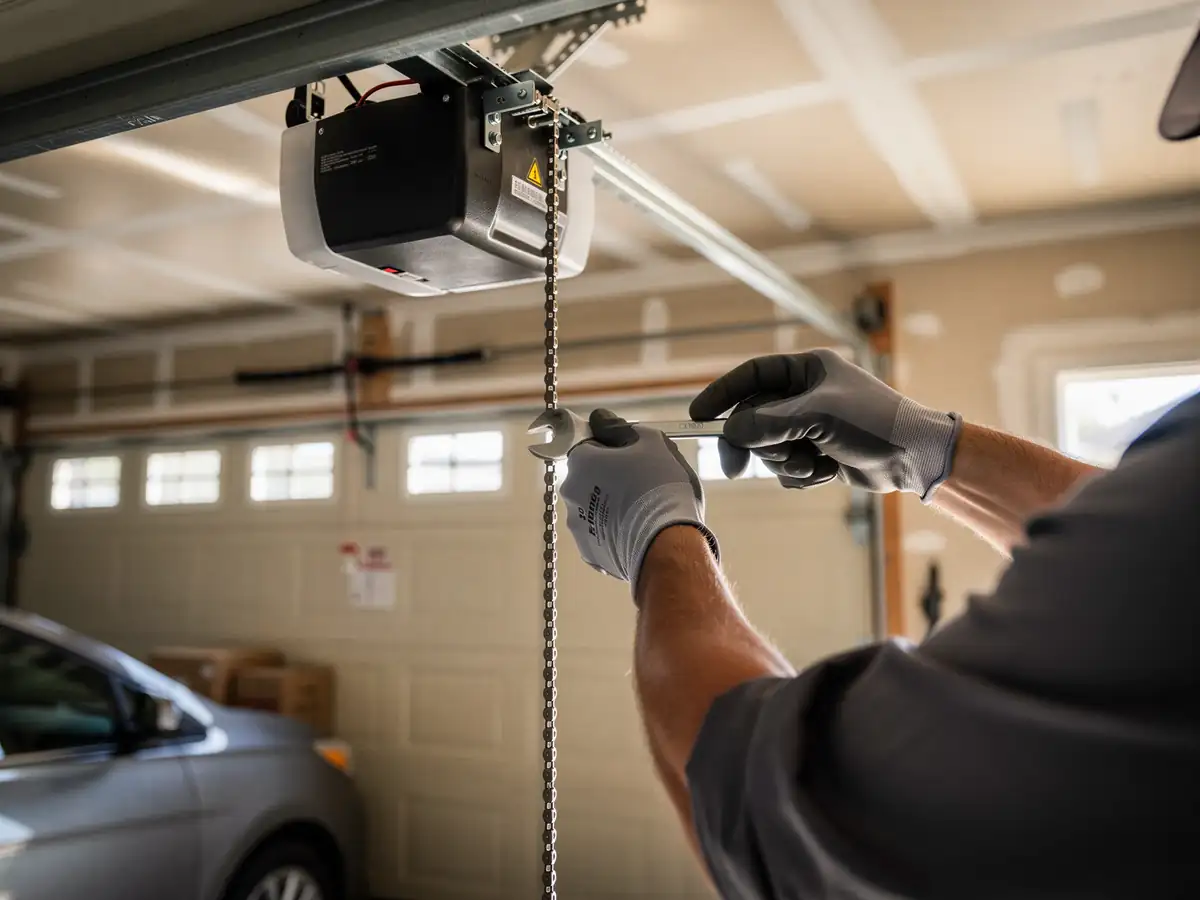
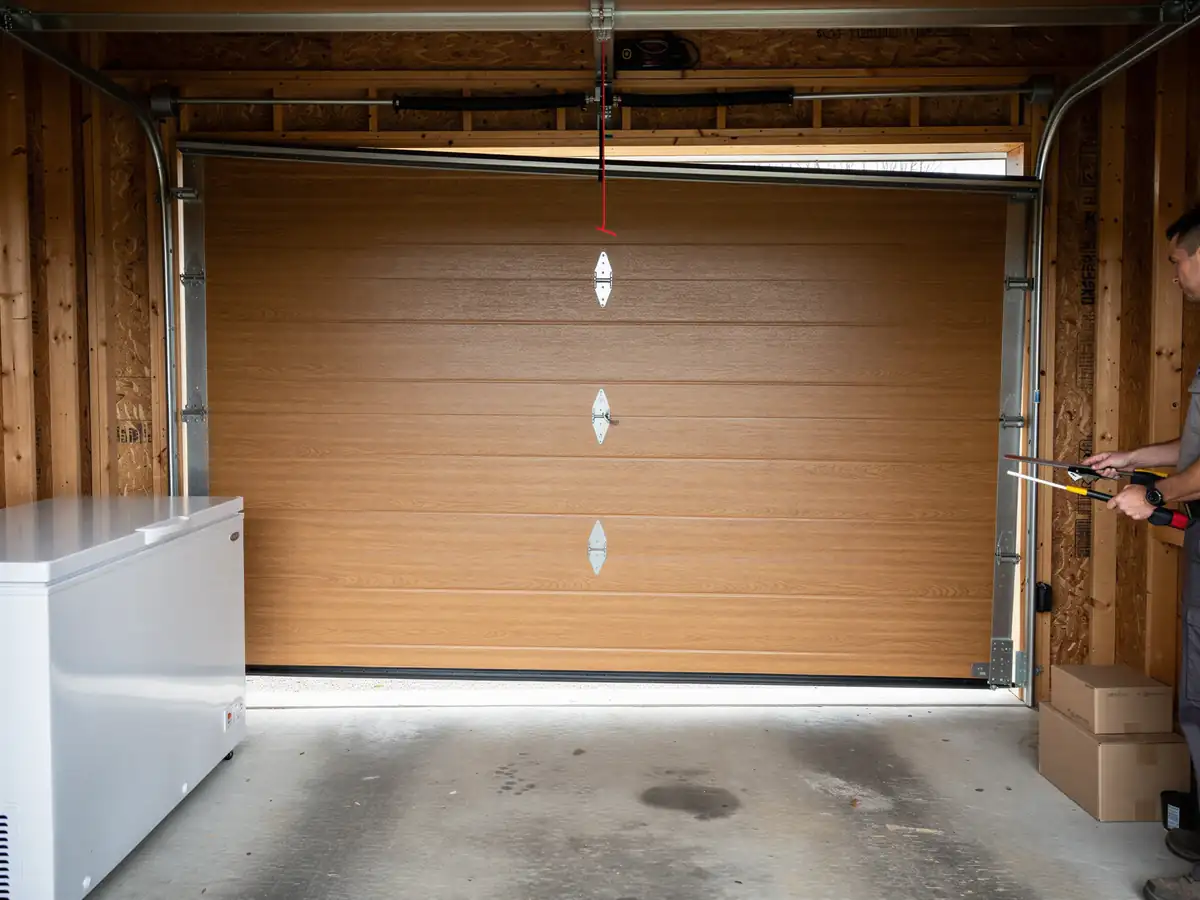
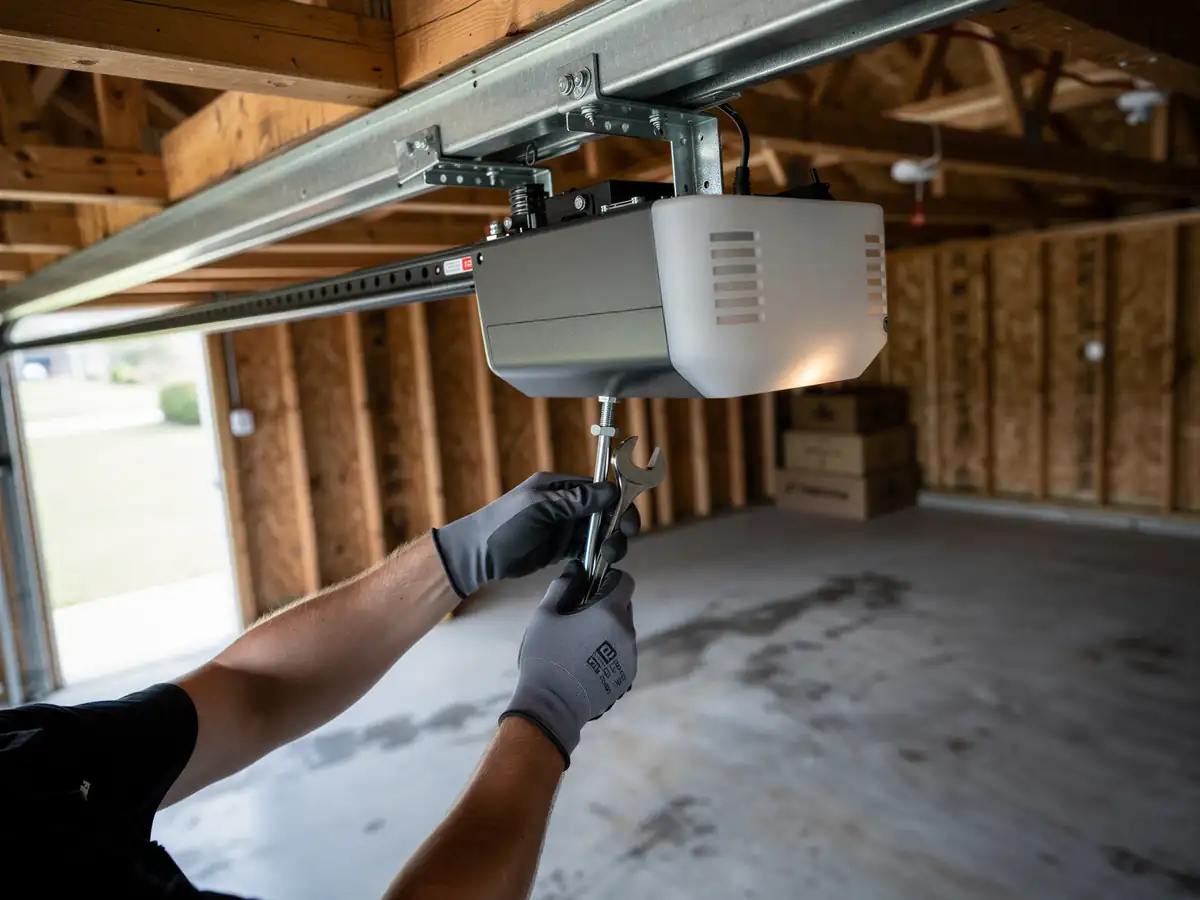
The complication on most of these jobs isn't the opener itself, it's the garage it's going into. A house built in 1973 usually still has its original door track and jamb hardware, even if the door panel's been swapped once or twice since. A new opener needs a squared, solid header to mount to, and that header is fifty years old. Cold-severe winters here mean we also check the force and travel settings twice - metal contracts in the cold, and an opener set correctly in July can start grinding by December if nobody re-balances it. Household income in this pocket runs well above the service area's $87,826 median, and we see more requests here for quieter belt-drive units and app-based control than we do closer to Wilmington. That's a preference, not a requirement - a chain-drive opener does the same job for less money, it's just louder.
Doing It Yourself
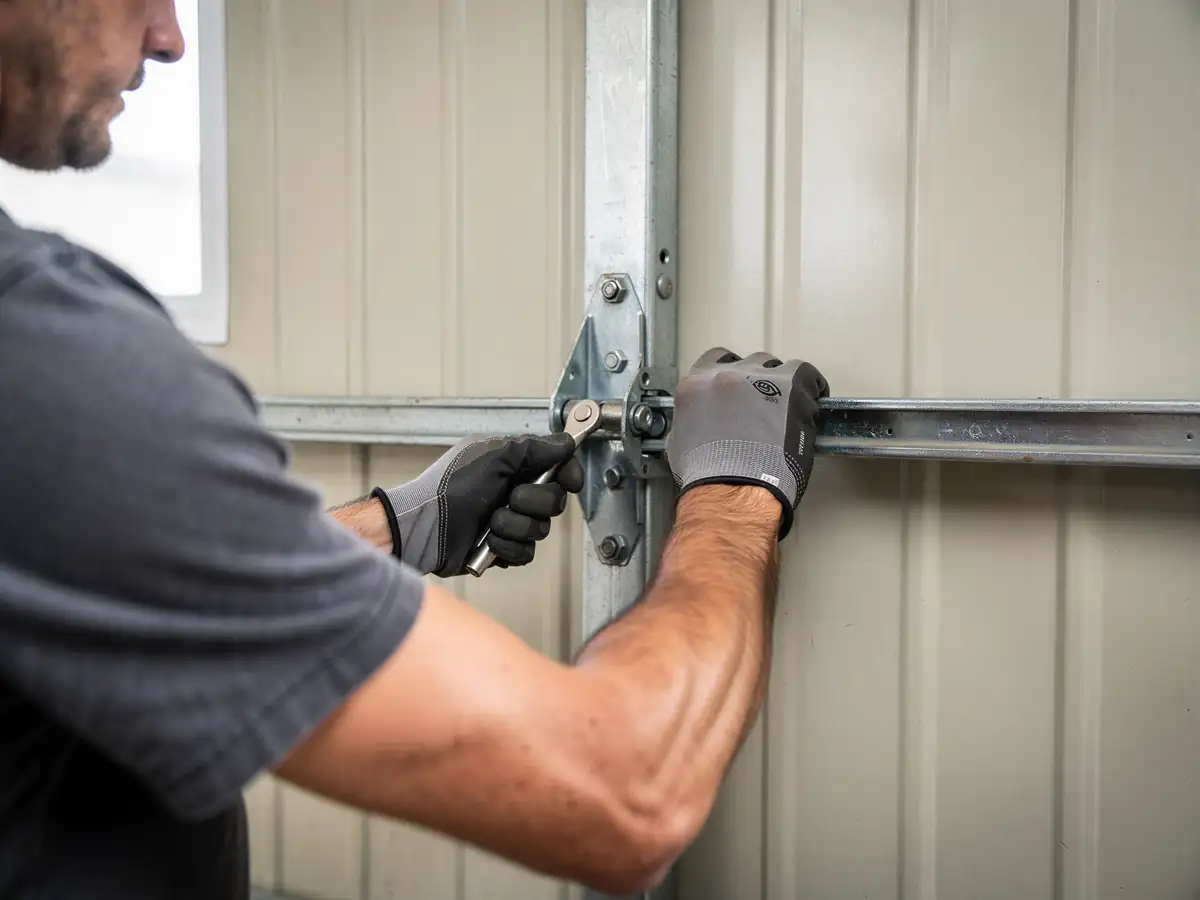
Swapping an opener yourself is a reasonable weekend job if the house has a modern header and the old unit died clean. Where it gets harder in a 1973-era Greenville garage is the safety wiring - original travel-limit switches and any mechanical door lock tied to the old opener need to come out completely, not just get bypassed, or the new unit's safety reversal won't work right. If your header is out of square or the jamb hardware is original, that's not really a DIY call; an opener bolted to bad wood will walk loose within a year, and you'll be paying for the fix twice. We'd rather tell you that up front than get the callback for it.