What Is on the Truck
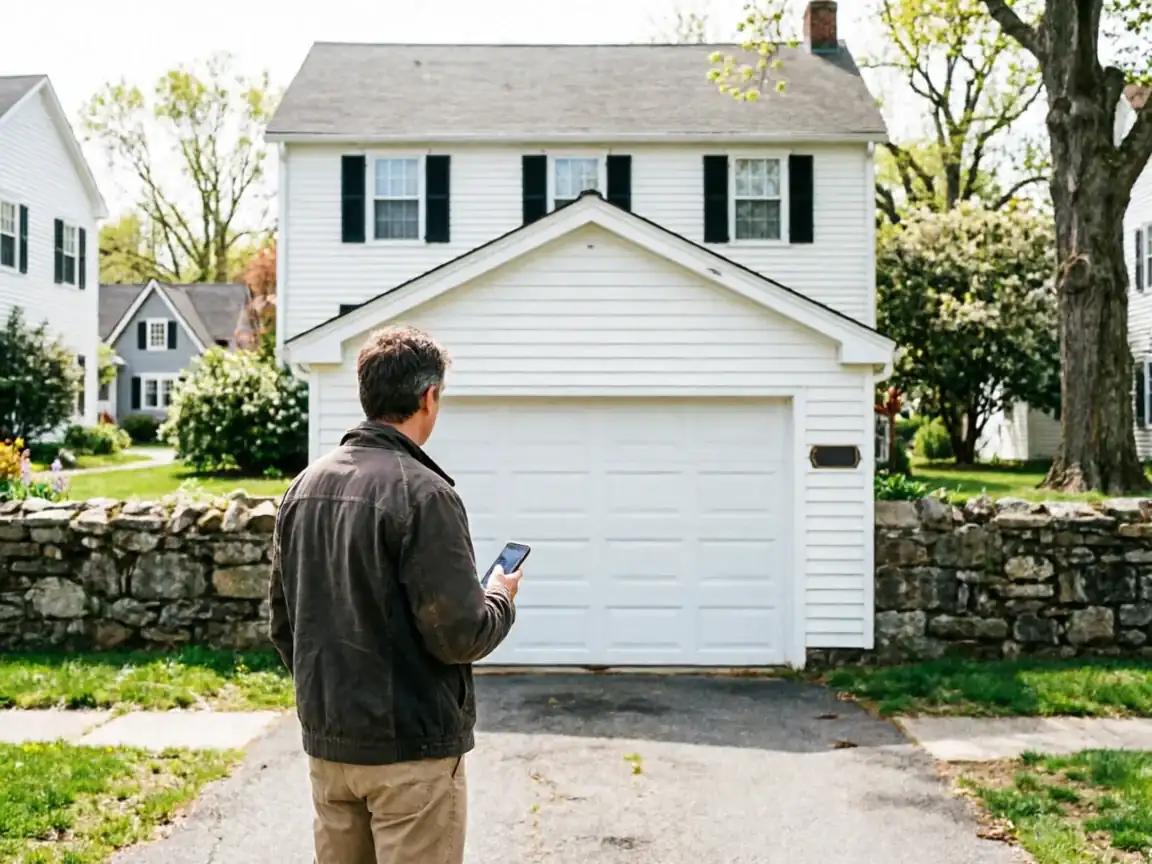
Most of the houses we get called to in Greenville went up around 1973
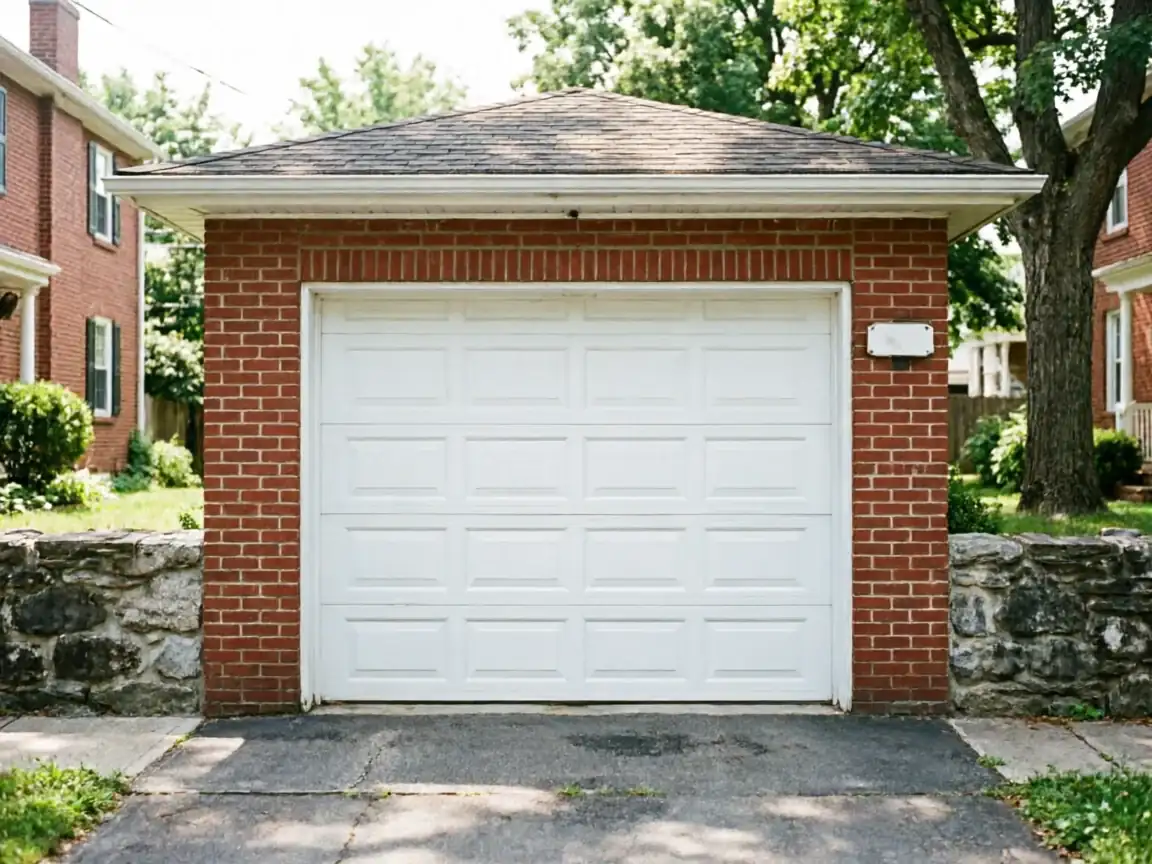
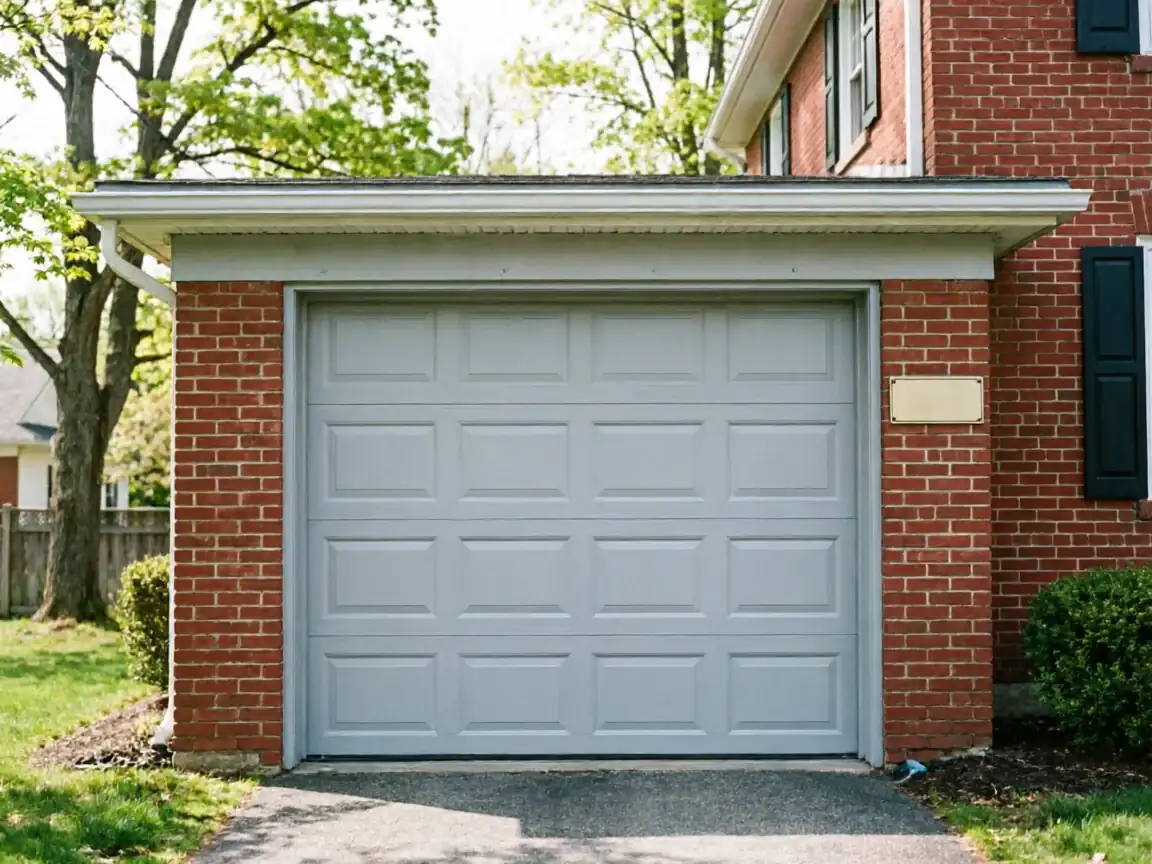
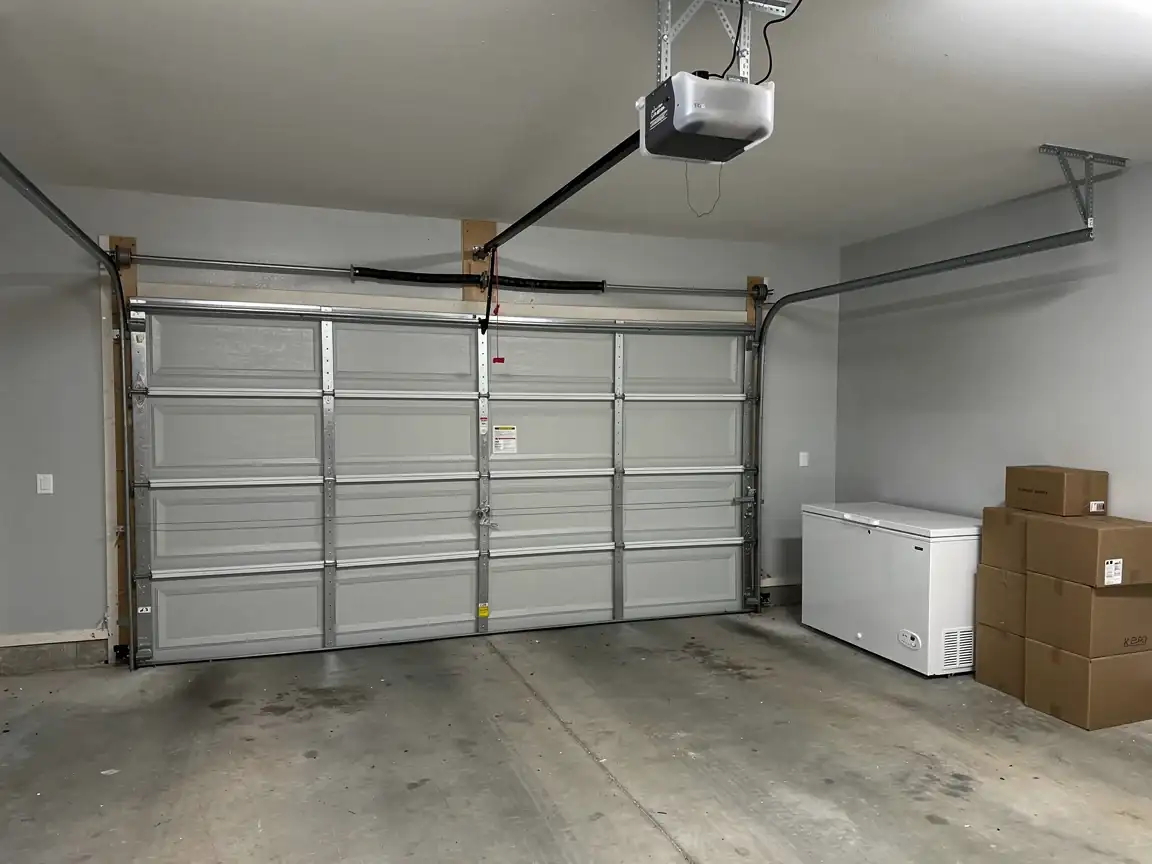
Right in the middle of the 1960s-70s building run that covers this part of the Wilmington area. That matters for what goes on the truck. Those homes almost always shipped with a single-layer steel door on a standard torsion or extension spring setup, no foam, no backer panel. By the time we're called for a new install, that original door is usually the one still hanging, just tired.
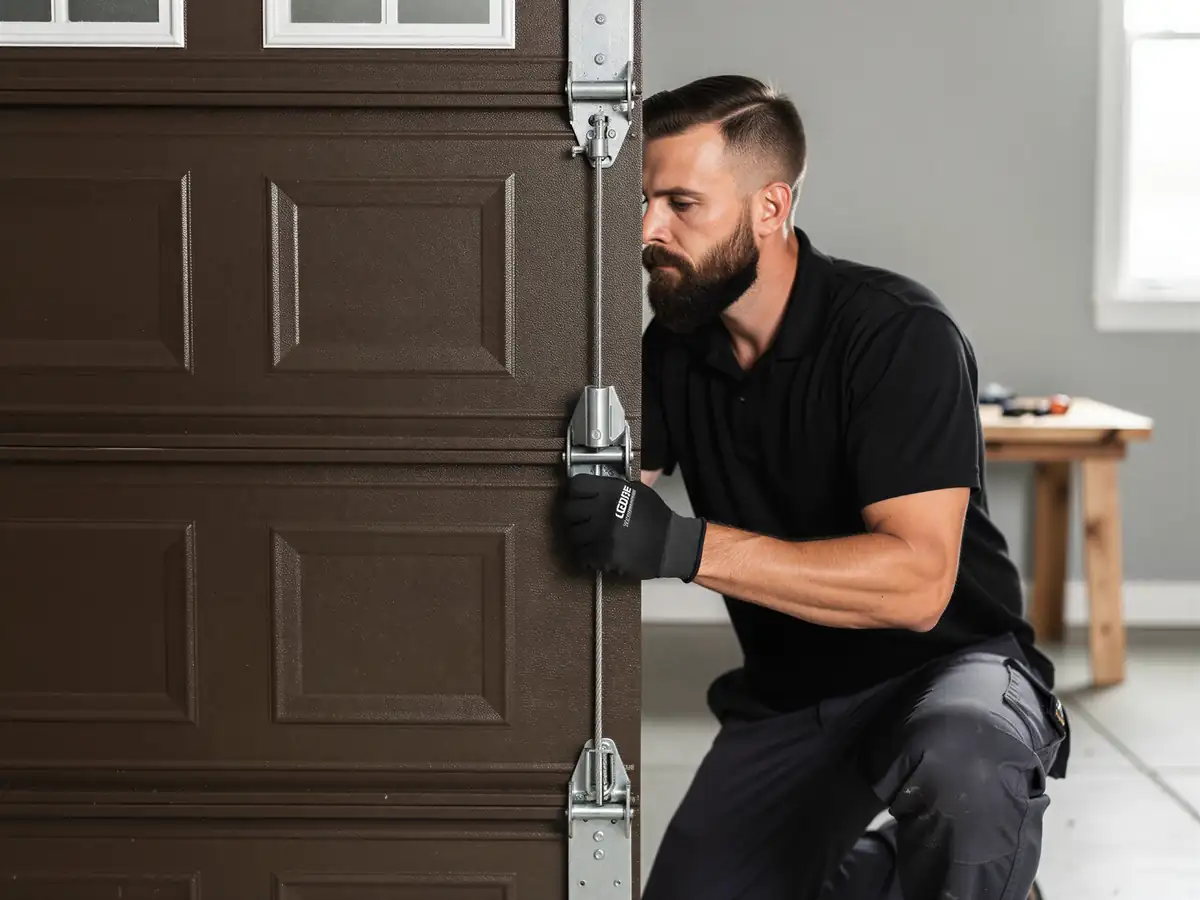
So the truck carries both builder-grade steel sections and insulated two- or three-layer panels
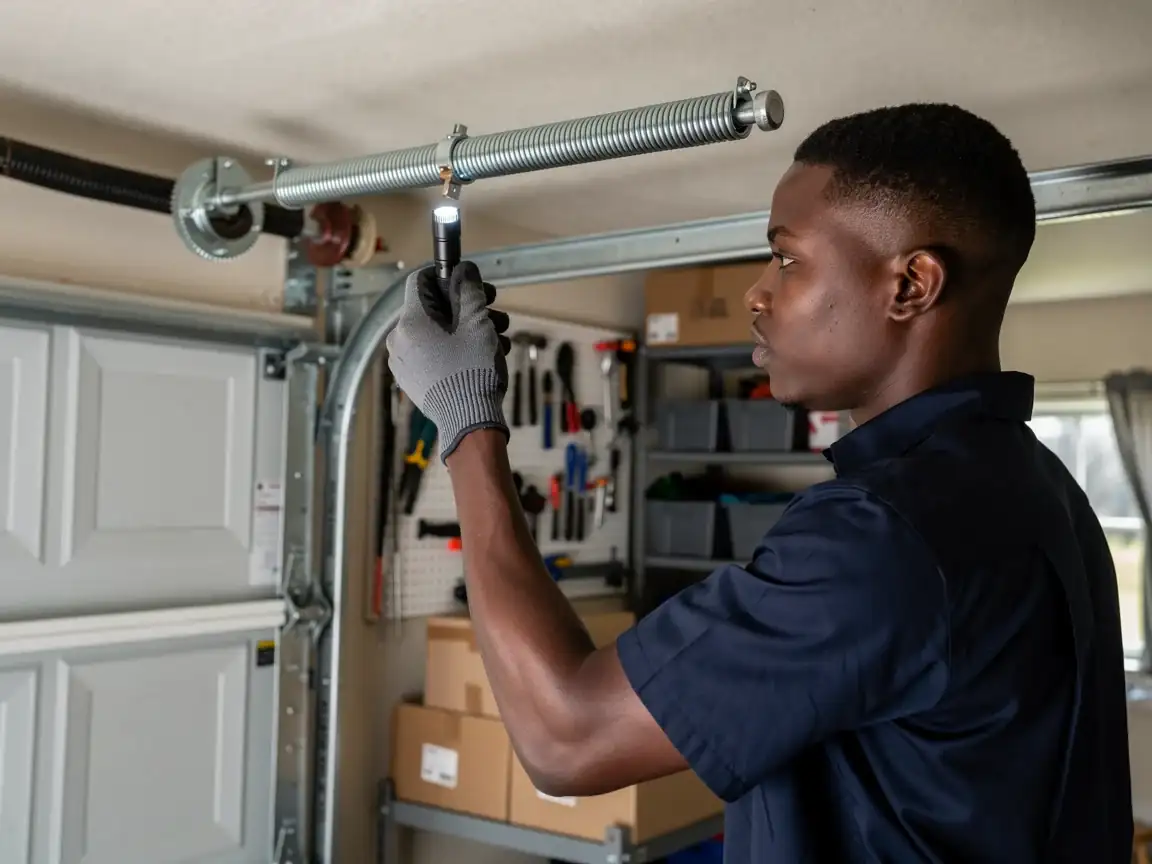
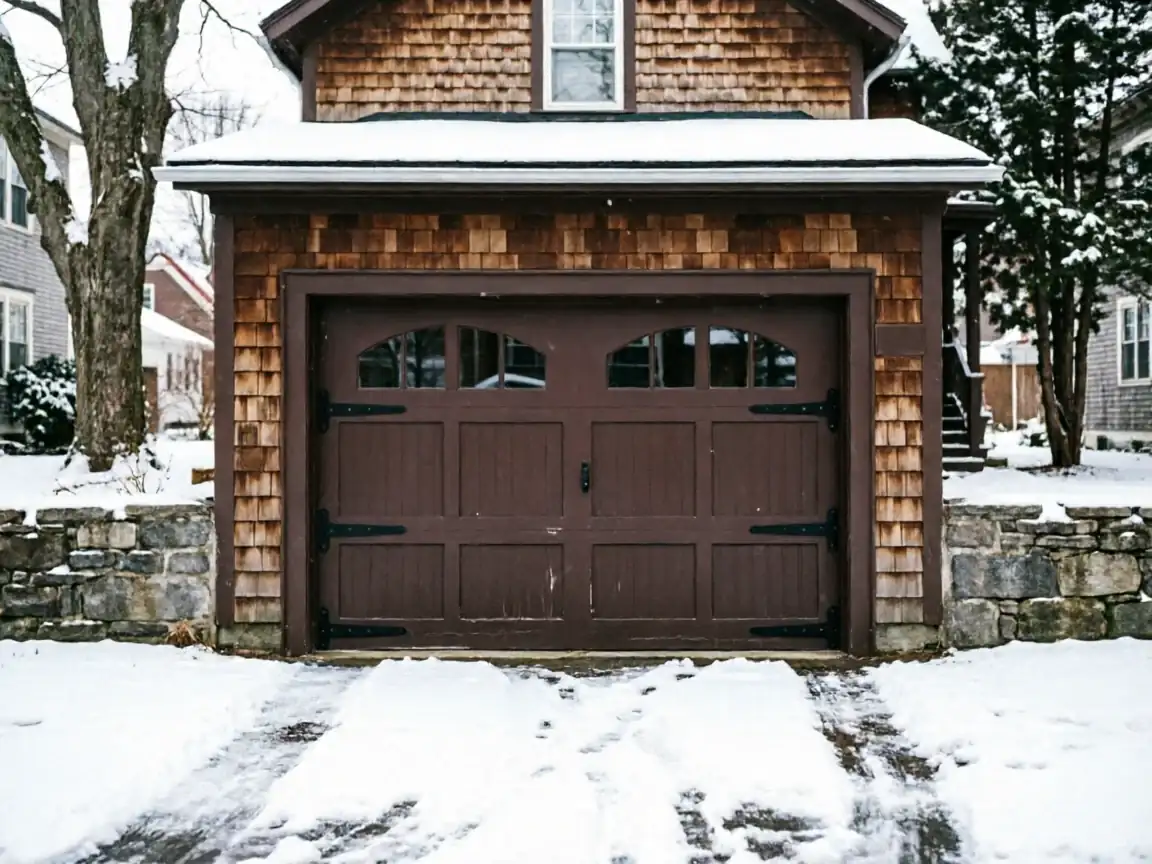
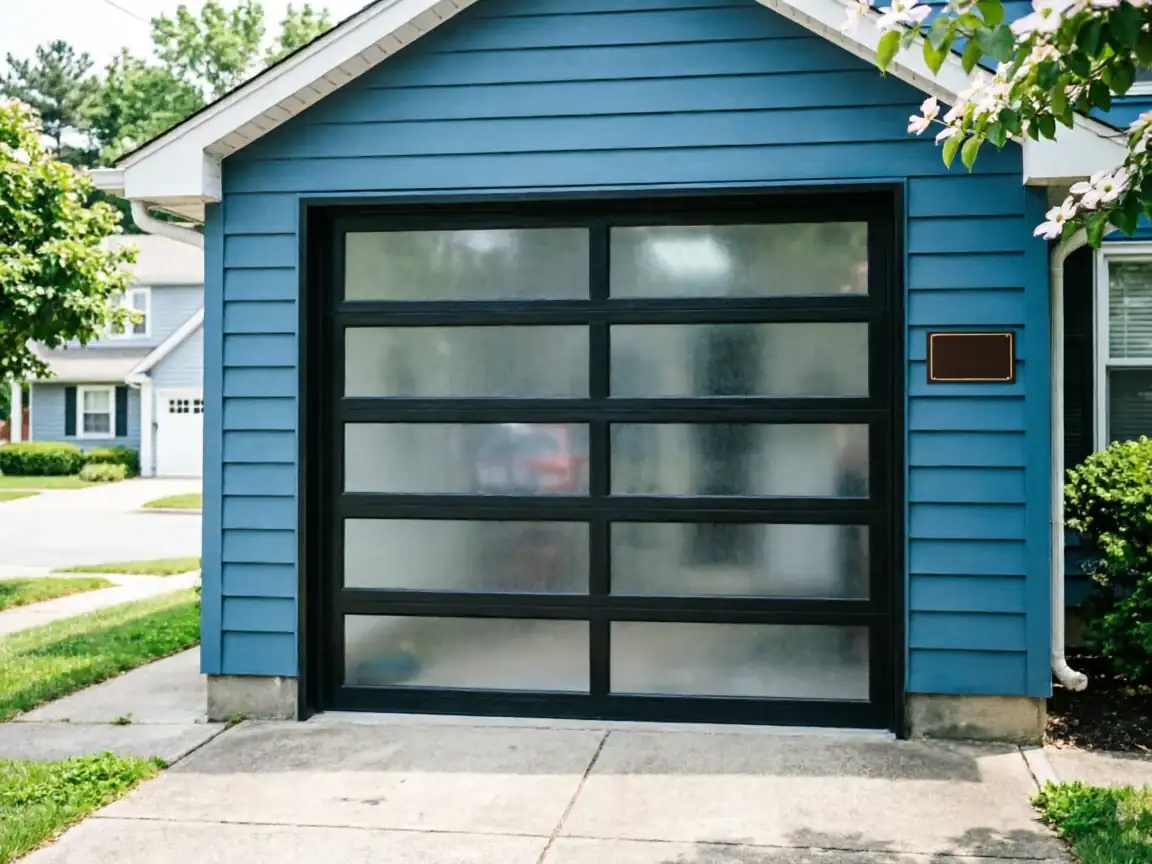
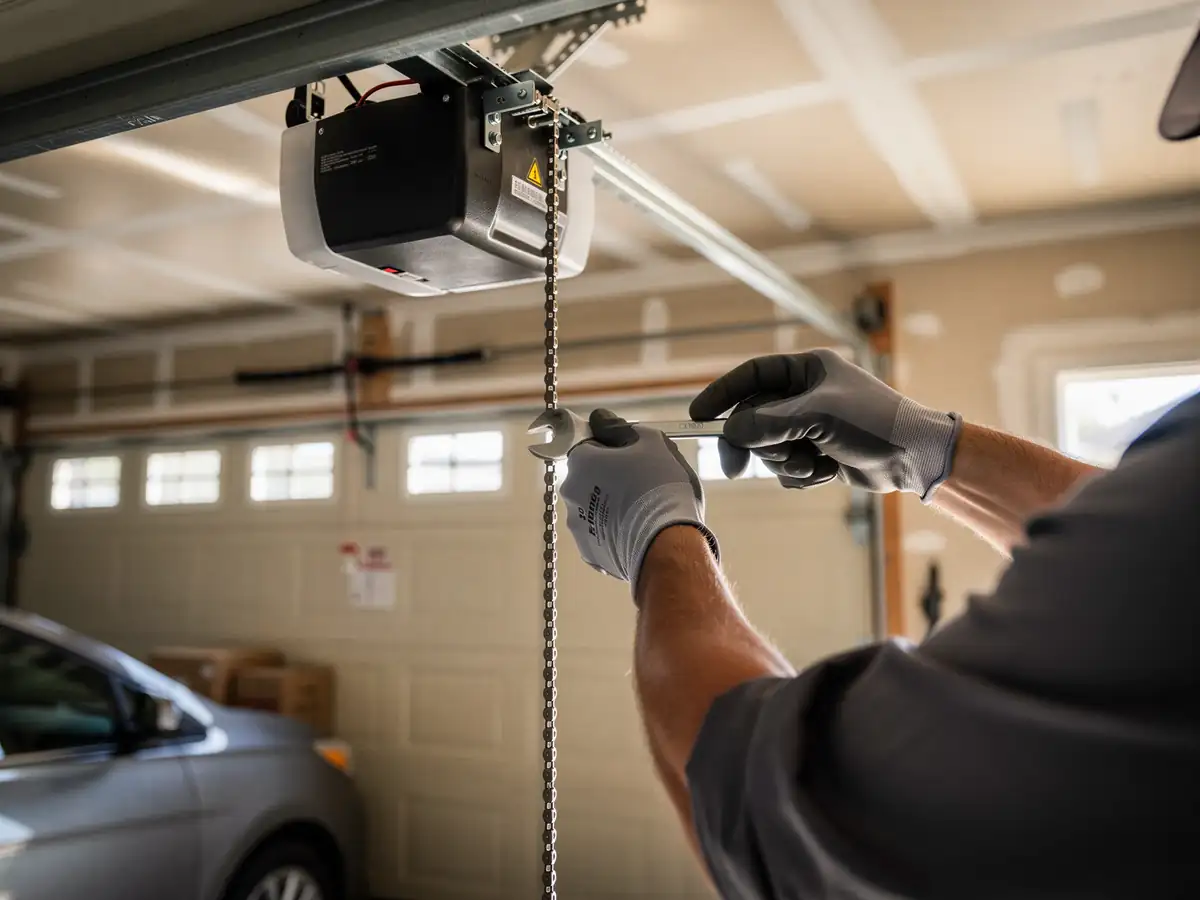
Plus springs wound to the actual door weight rather than a guess. A 1973 opening can also run a hair narrower than what gets framed today, so we bring trim pieces and jamb hardware sized to fit an older rough opening instead of assuming a modern 16-foot double will drop straight in. We don't stock every decorative glass insert or custom color on the truck; those get special-ordered and we'll tell you the lead time before you commit.
The Complications
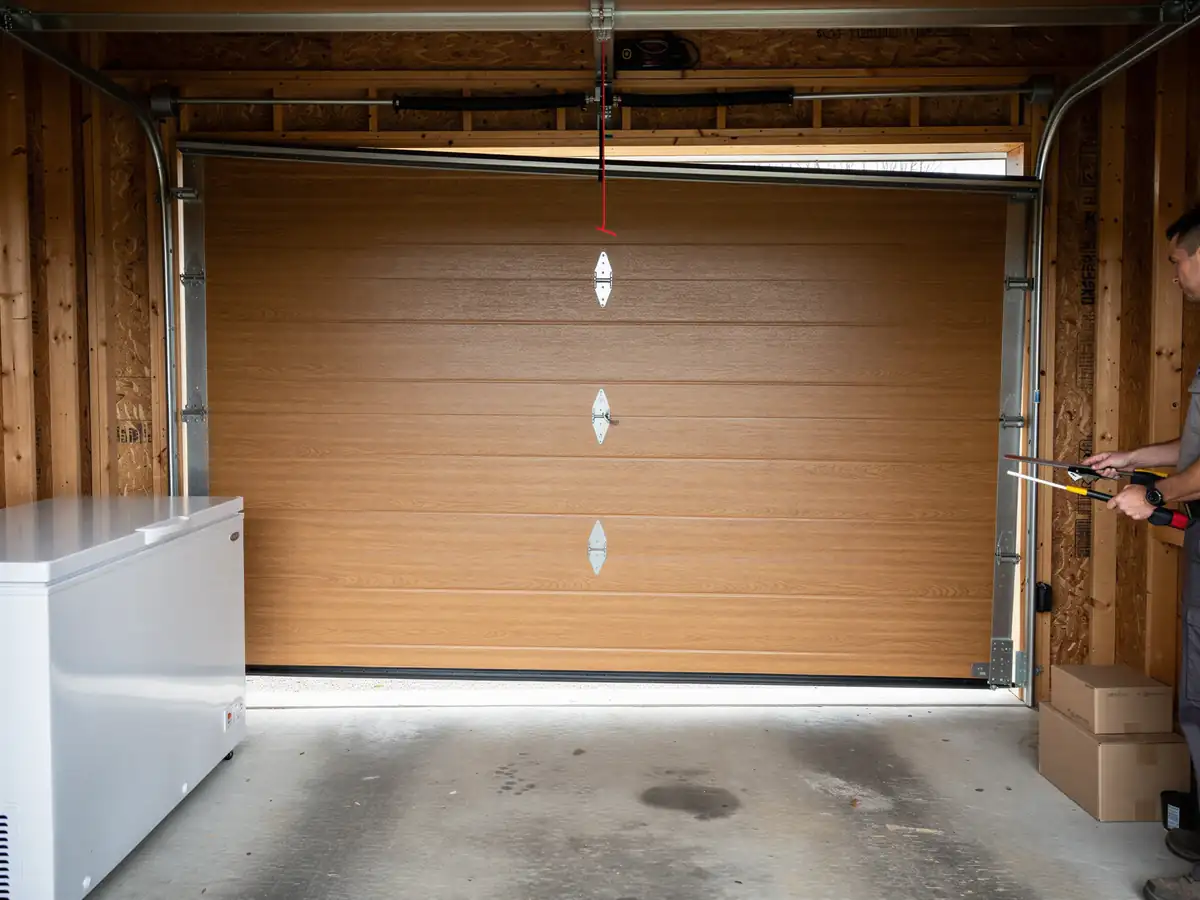
Delaware sits in a cold-climate band with real winter swings, and a 50-year-old Greenville garage wasn't built with that in mind. The original single-layer door does nothing to stop cold air from sitting against anything parked or stored against the inside wall, and the steel track mounted to 1973 framing has usually racked a little over five decades of seasonal freeze and thaw. That shows up as a door that binds on one side or an opener that strains and never quite seats the door square.
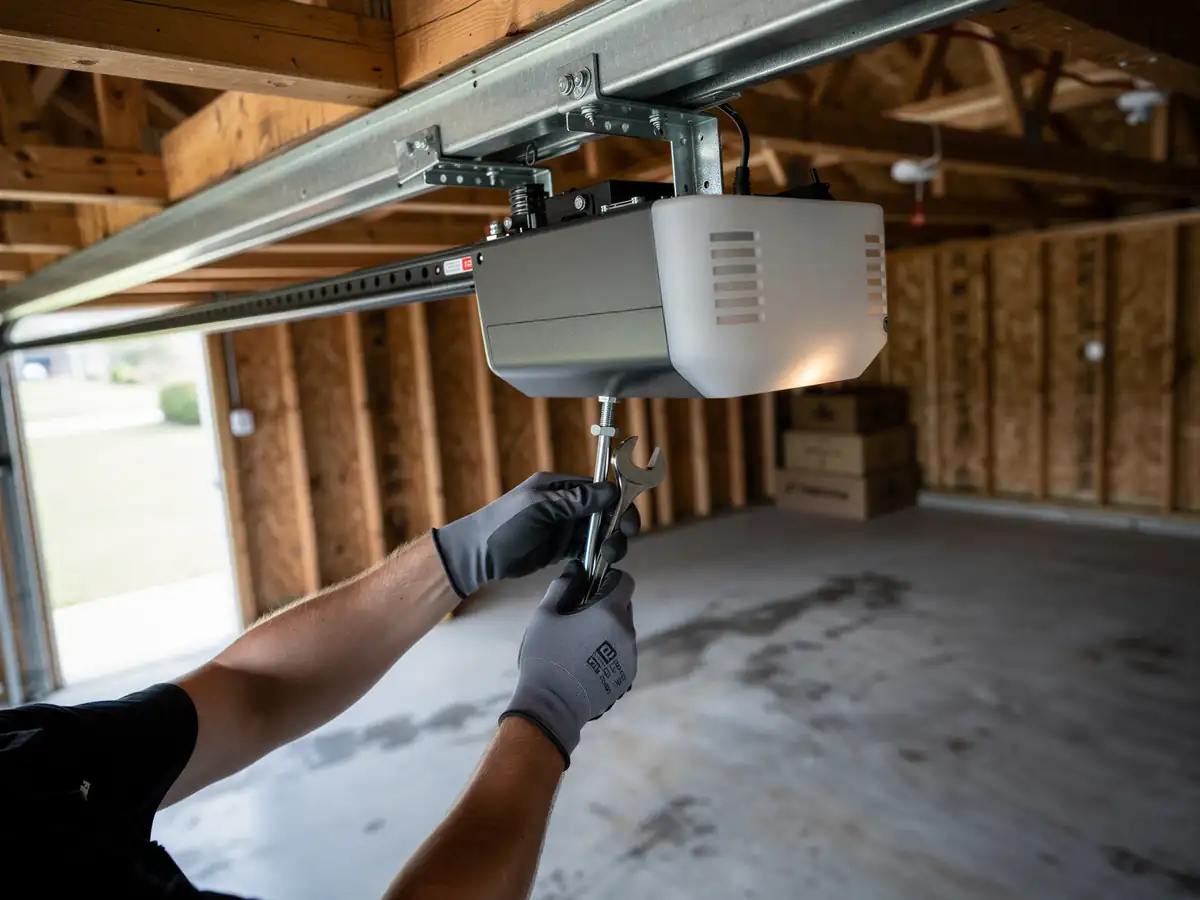
Headroom is the other issue. Garages from this era were framed for a plain torsion setup close to the header, and a wider insulated door or a low-profile track conversion sometimes needs the opener relocated or the header reinforced before the new door goes in. We check that on the first visit, not after the door's already ordered. It's also common to find the wall studs on these houses weren't meant to carry a heavier insulated panel, which changes which hardware we spec, not just which door we sell.
Doing It Yourself
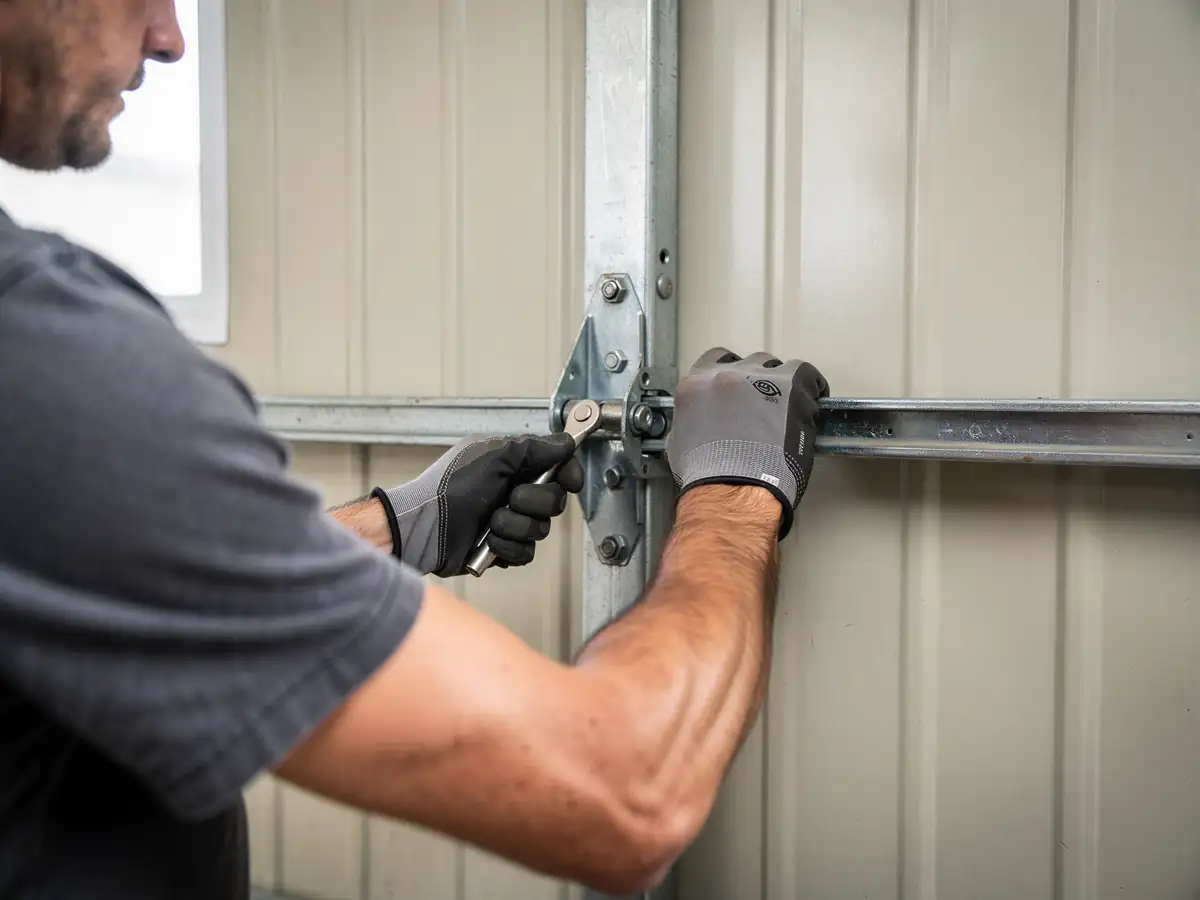
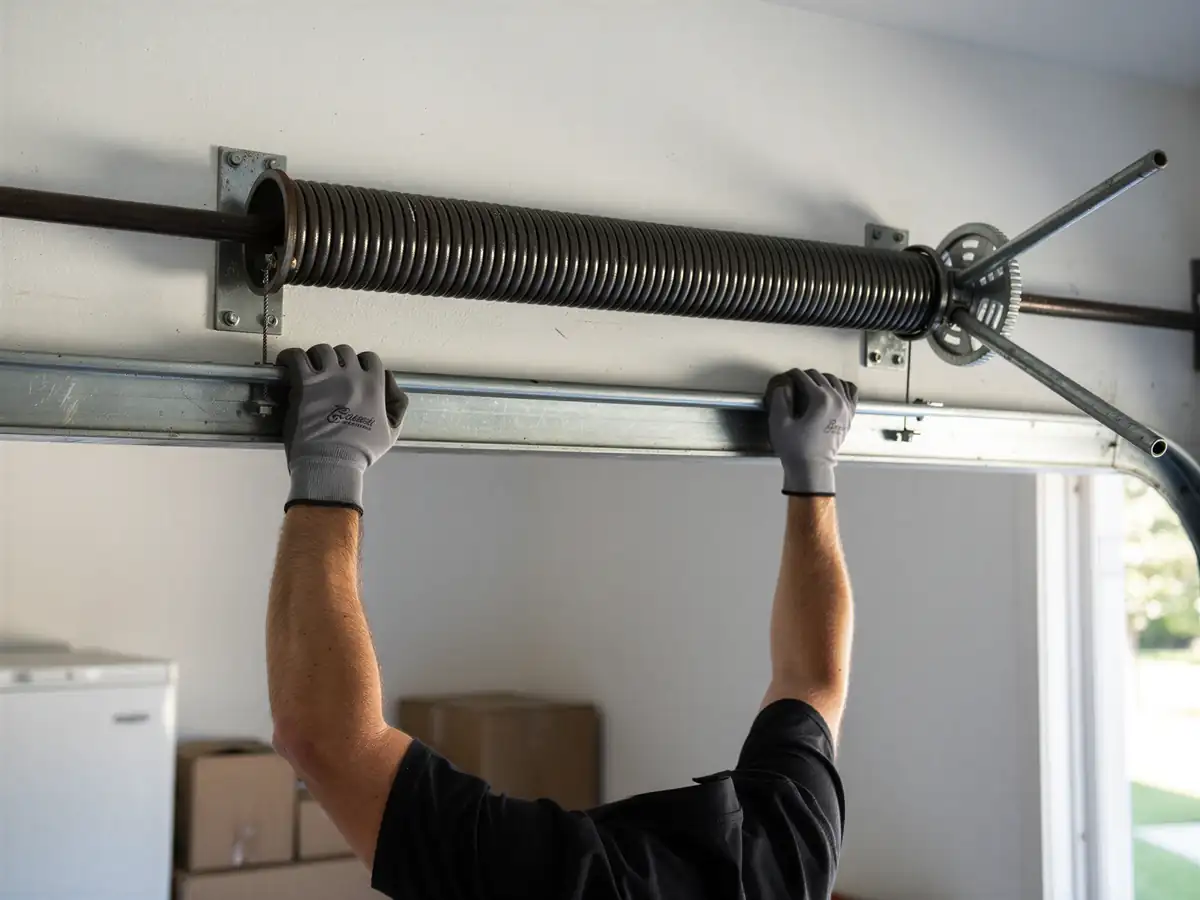
A new garage door install isn't a weekend DIY job, and we'll say that plainly. The honest limitation here: torsion springs are wound under enough tension to break a hand or worse if the bar slips, and on a house this age the spring, track, and header are often not standard sizes anymore, so a boxed kit from a home center may not fit the opening without extra framing. We'd rather tell a homeowner that upfront than show up afterward to fix it.
What you can reasonably do yourself is the planning: measure your existing opening, note whether the opener is ceiling-mounted or wall-mounted, and decide if you want insulation now given Delaware's winters. That saves time on the visit. The swap itself, pulling the old door, resetting hardware to fit framing that's 50 years old, and balancing the spring to the new panel's weight, is where we come in.
How Long It Takes
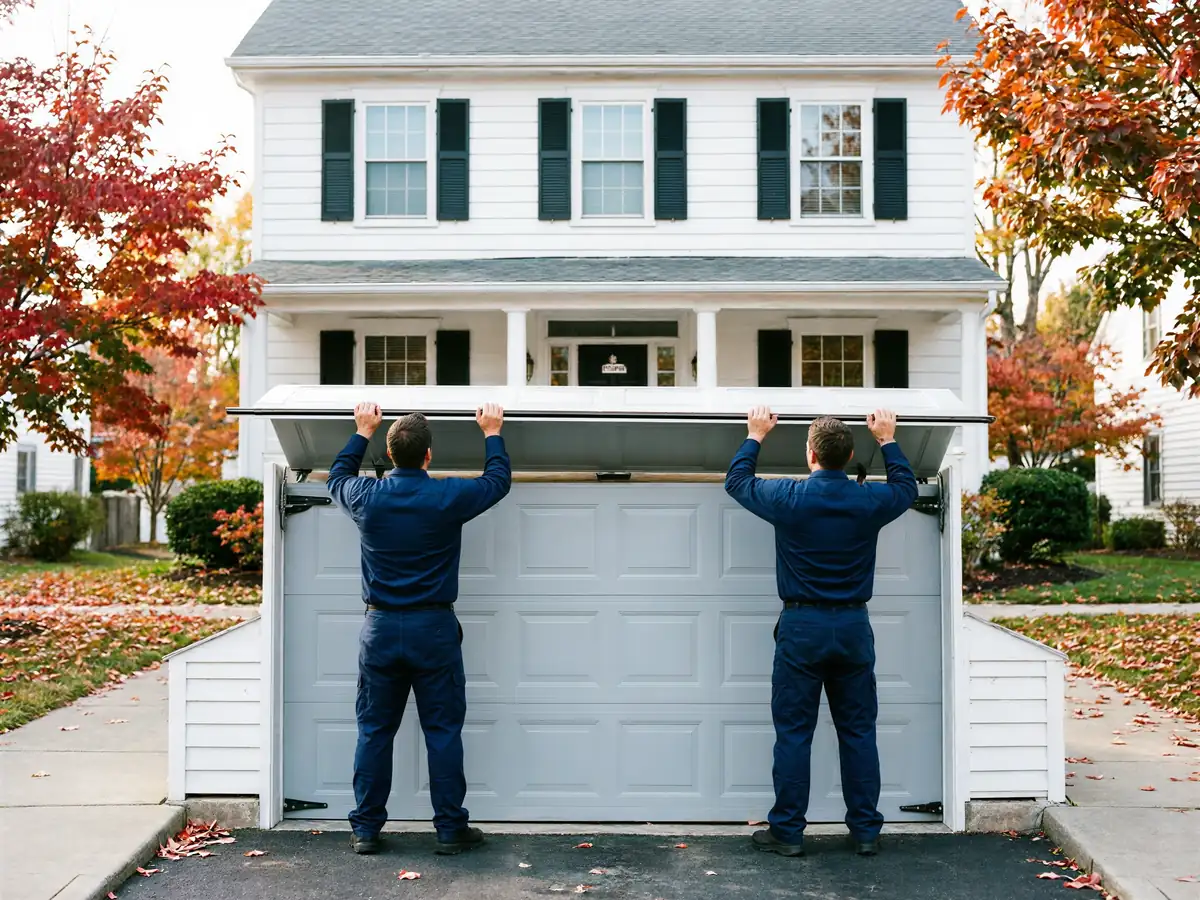
A straightforward swap, same opening size, no header work, usually runs a half day once the crew is on site
Add header reinforcement or an opener relocation, which comes up more often on these 1973-built openings than on newer construction, and the job stretches into a full day. Custom widths or special-order panels add lead time before the install date even gets set, separate from the time on site.
We travel to Greenville from Wilmington, about 5 miles out
So scheduling runs through our regular route rather than a local branch. That doesn't change the work once we're there, it just means the appointment gets booked like any other call on that side of the service area.
- 5 miles