What Is on the Truck
Greenville sits about 5 miles from our shop in Wilmington
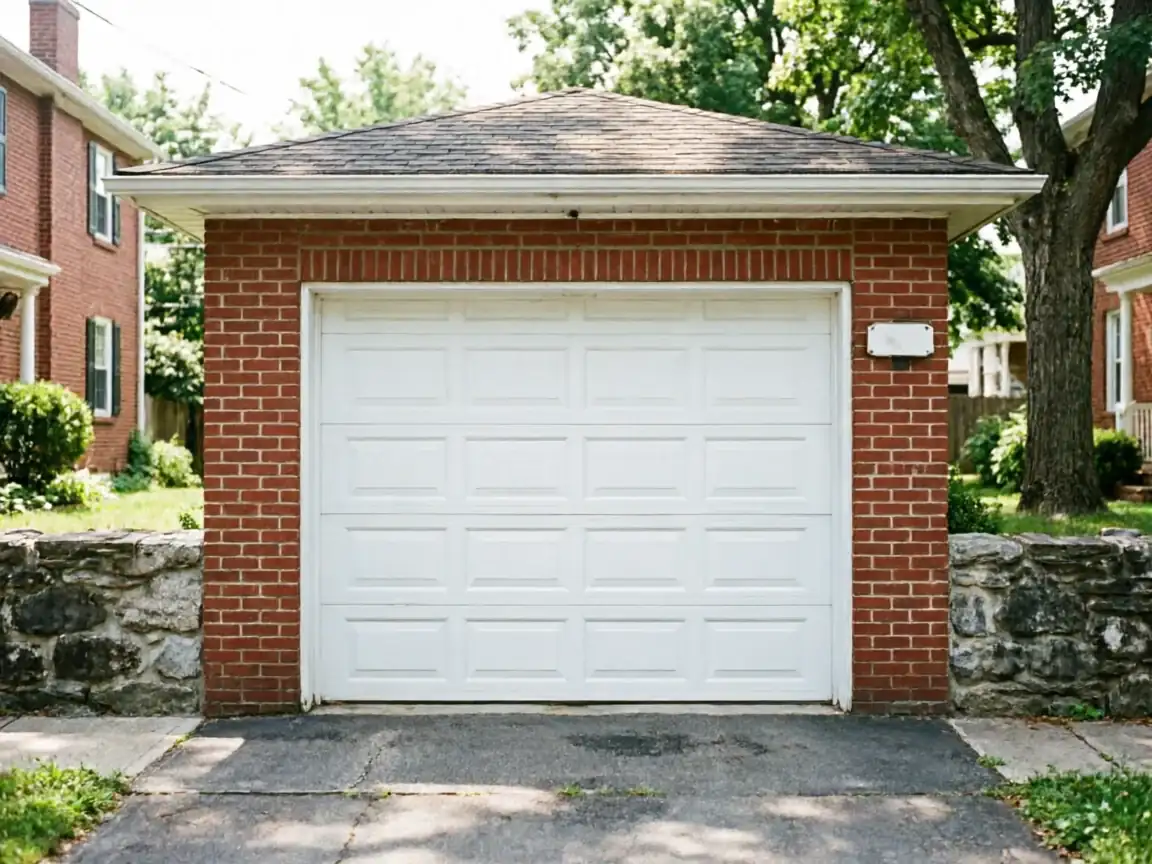
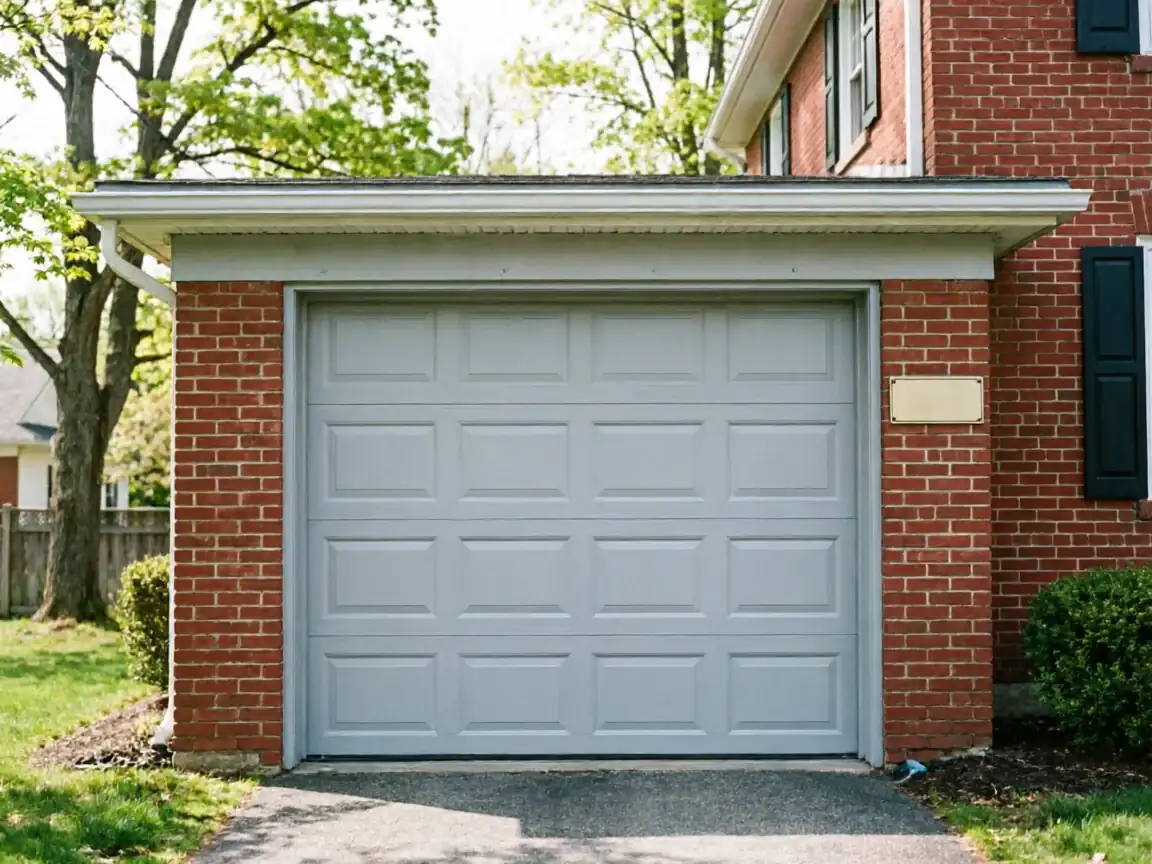
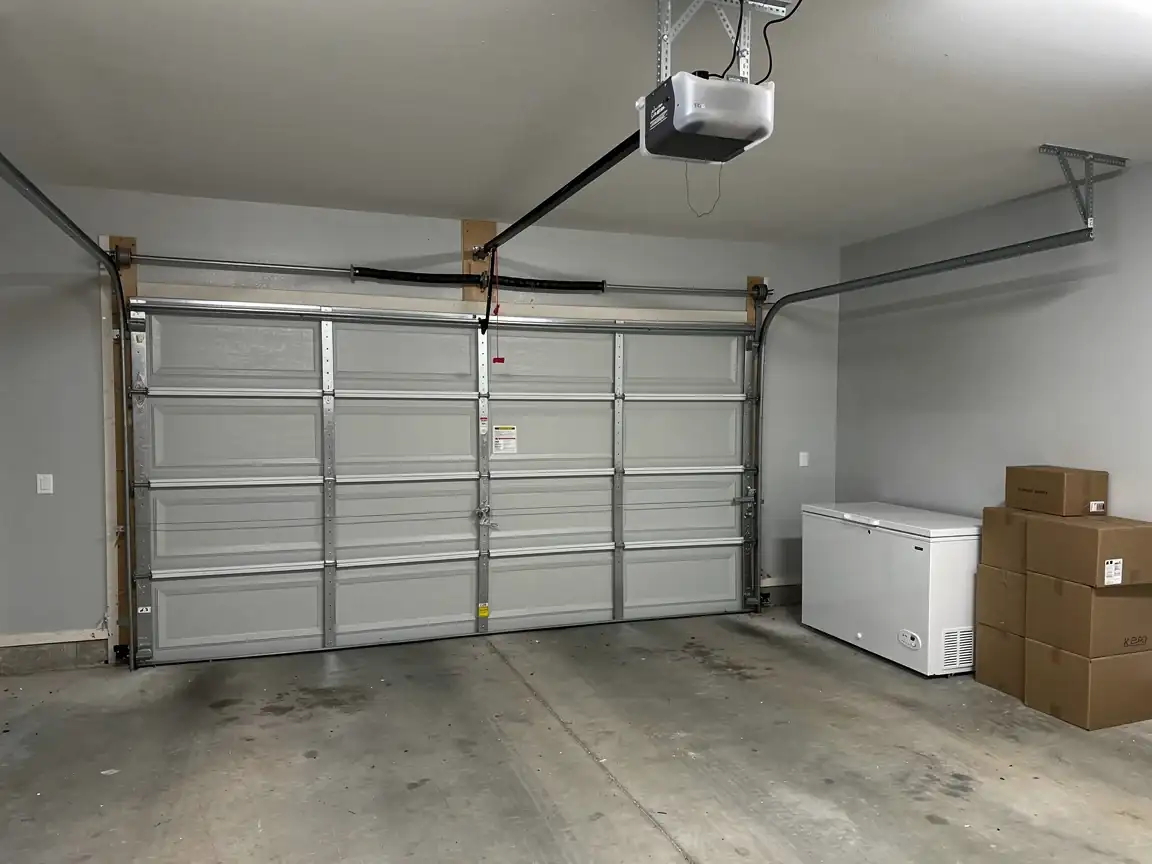
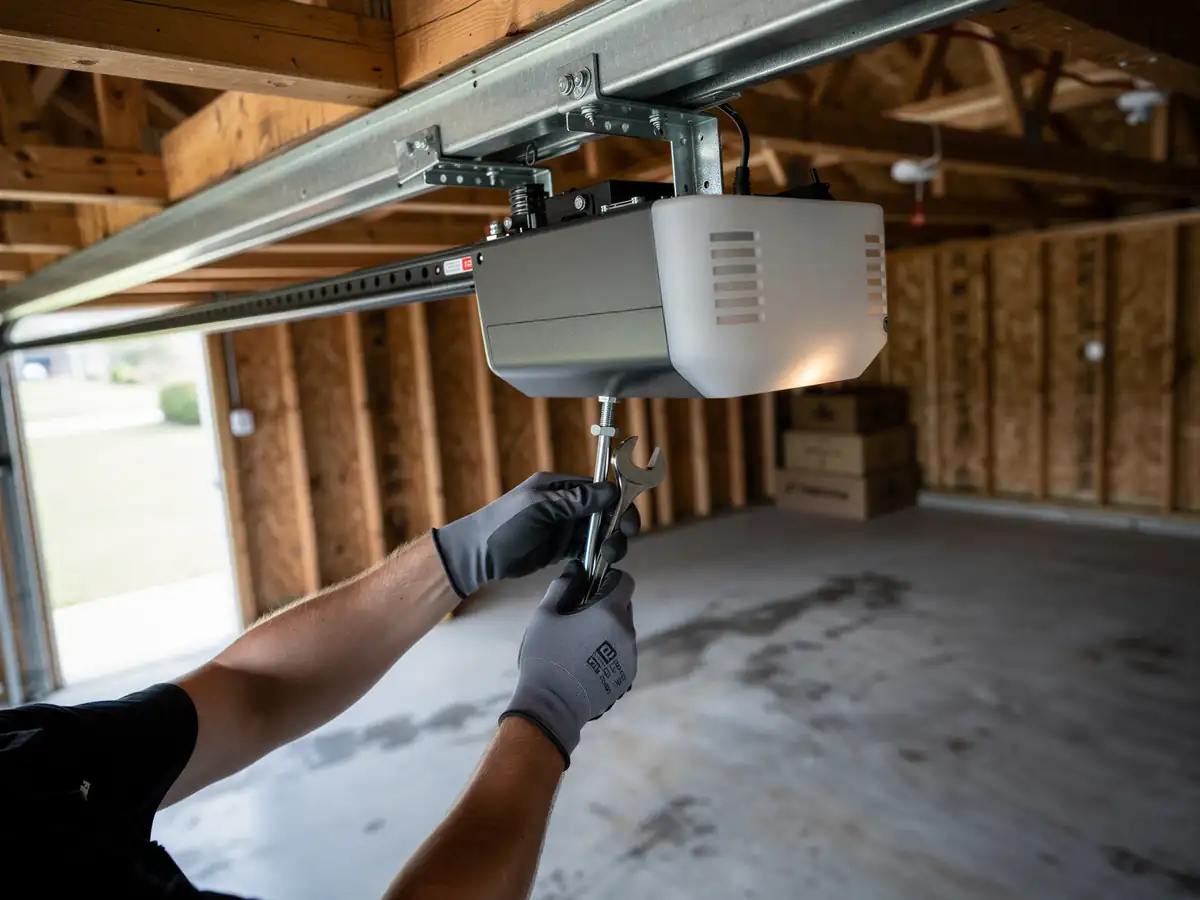
And that drive shapes how the call runs. We're not stocking a van for every opener ever made and guessing on the way over - before we leave, we ask what year the house went up and what the door looks like, because most homes out here were built around 1973, square in the middle of the area's 1940-2001 range. That means chain-drive openers from the 70s and 80s on steel track, logic boards that long ago stopped being made, and in a lot of cases a replacement unit rather than a part swap. We carry circuit boards, drive gears, trolleys, and safety sensor kits sized for that era's hardware, plus the current-production openers homeowners have already swapped in over the years. The 5-mile run means we're not stretching a service window thin to get out here - it's a short trip, which is more about scheduling than about any promise on how fast we show up.
- 5 miles
What we don't carry is obsolete belt-drive parts for openers that were already discontinued when they were installed
If your unit is one of those, we'll tell you straight that the part isn't coming and a new opener is the faster, cheaper fix.
The Complications
An opener built for a 1970s-era door doesn't always play well with a new logic board. Houses from that period often have steel panel doors heavier than what today's standard-duty openers expect, so a straight plug-and-swap on the motor sometimes isn't enough - the opener strains, the gear wears early, and you're back to square one in a year. We check door weight and spring balance before we touch the opener, because fixing the motor on a door that's out of balance just burns out the next motor too.
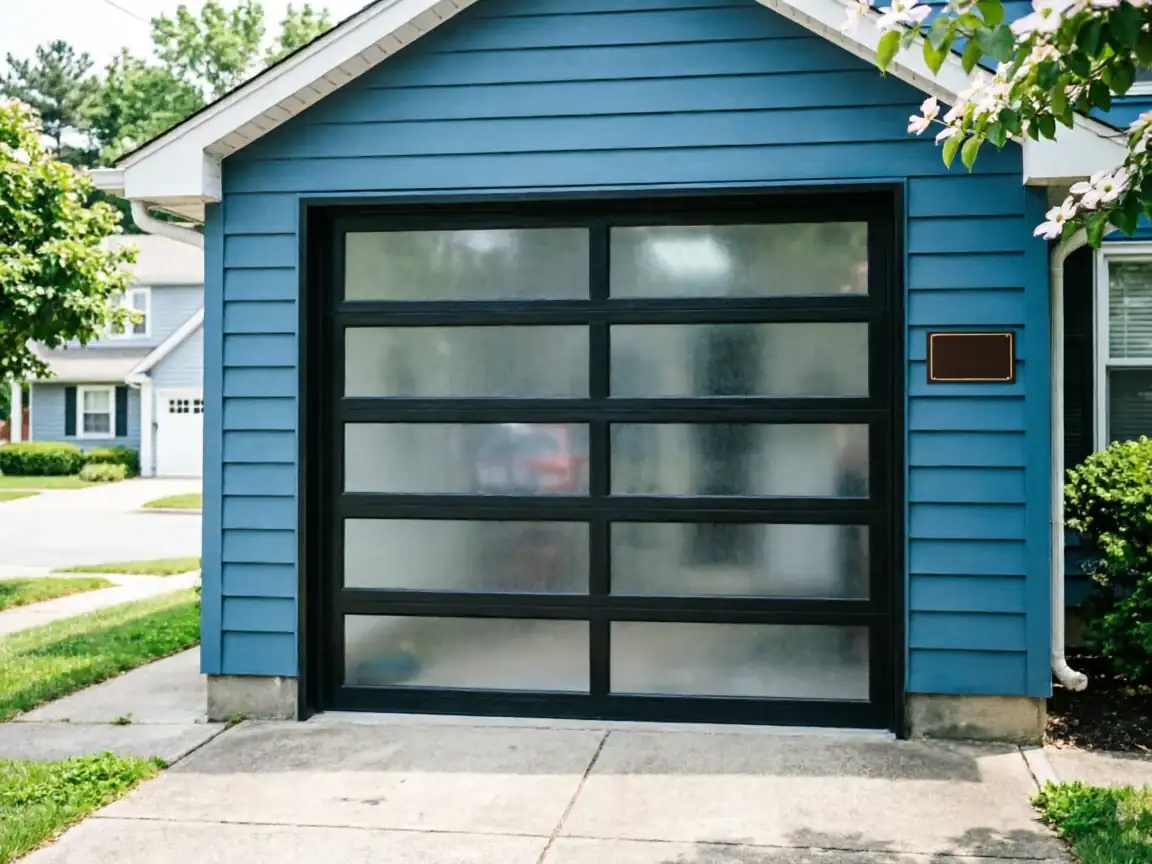
Greenville households run a higher median income than the Wilmington service area overall - $139,541 here against $87,826 area-wide - and what we see on calls out this way tends to match that: more owners asking for a quiet belt-drive unit with battery backup and Wi-Fi control rather than the cheapest chain-drive box. We'll quote both, but we're not going to talk you into features you don't want.
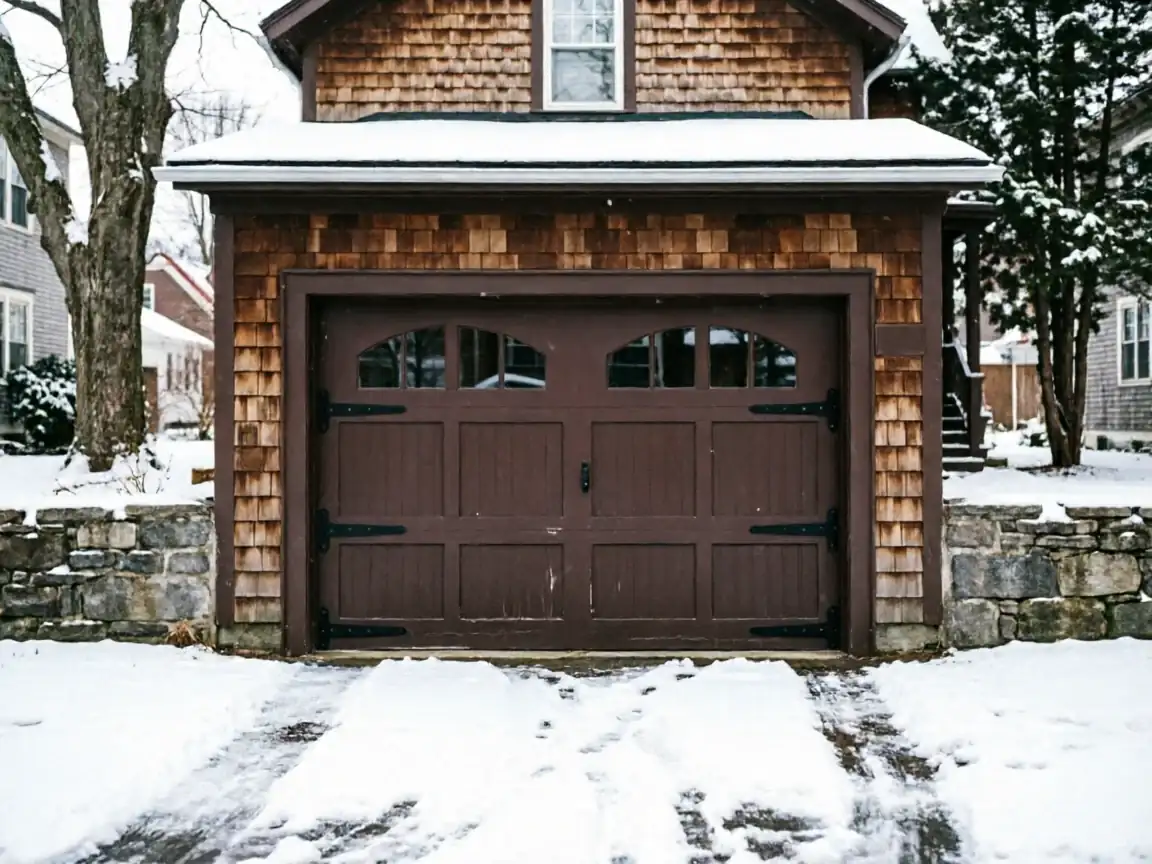
The cold does its own damage here too. Grease in an old gear set stiffens in winter, the opener strains harder on a cold start, and that's often what finally kills a board that was already marginal.
Doing It Yourself
A lot of opener trouble is the remote battery or a dirty photo-eye sensor, and both are a five-minute fix you don't need a truck for. Wipe the sensor lenses, check they're aligned and both lit, and try a fresh battery in the remote before calling anyone.
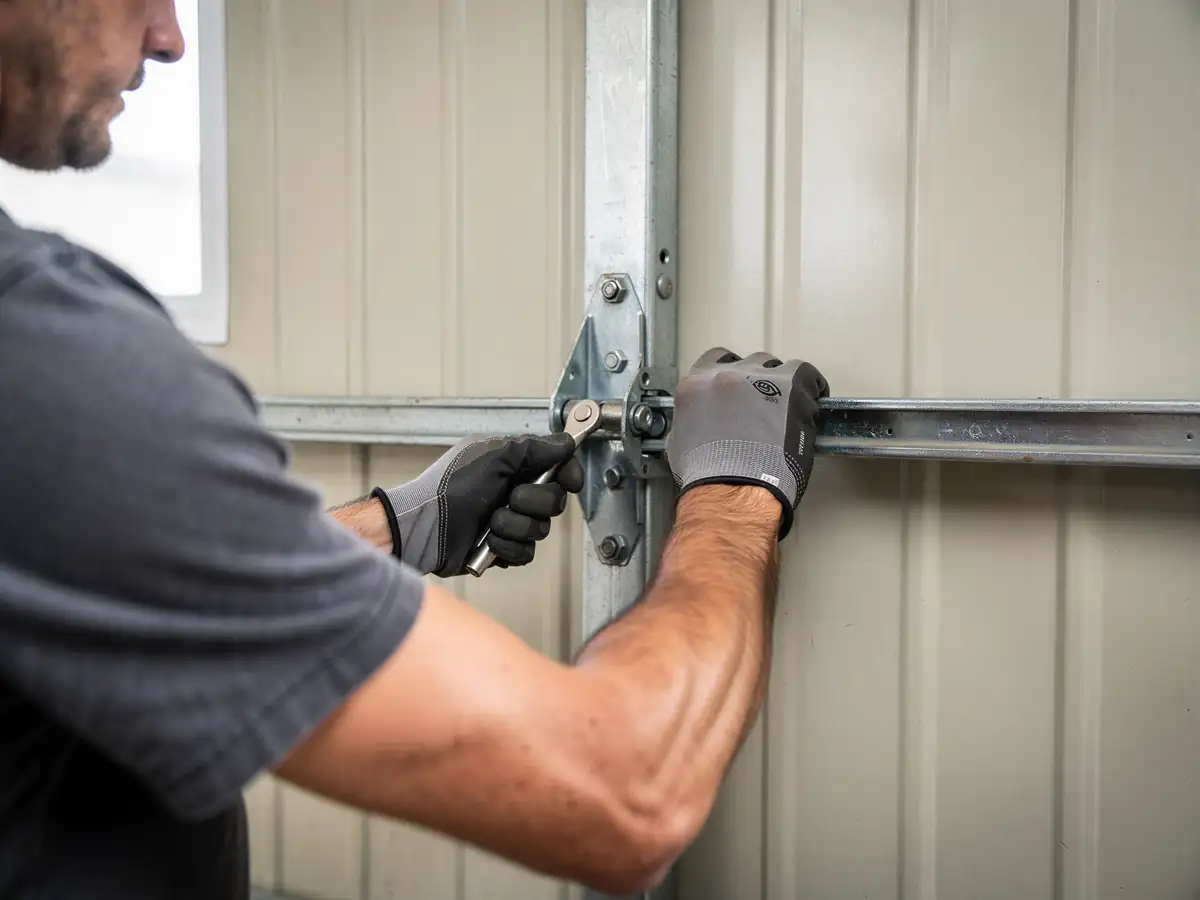
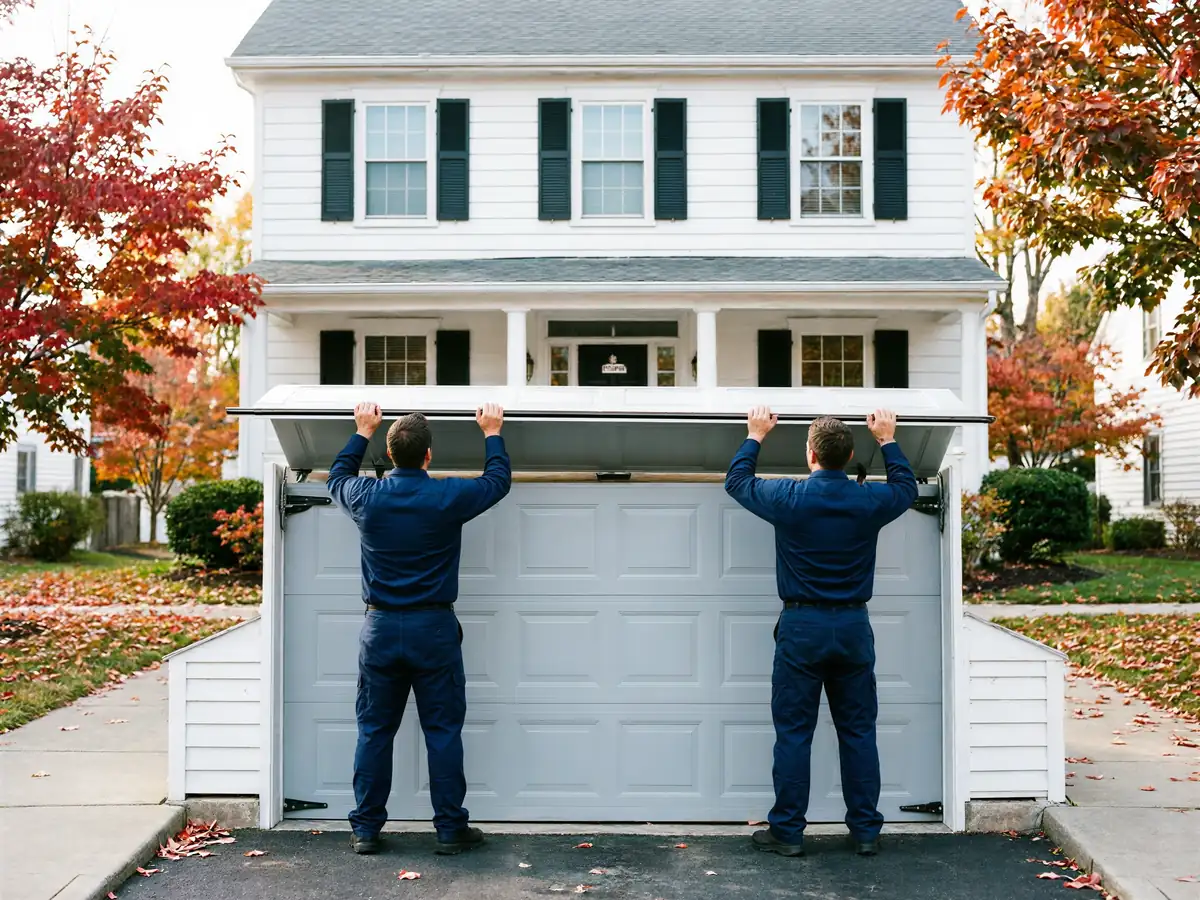
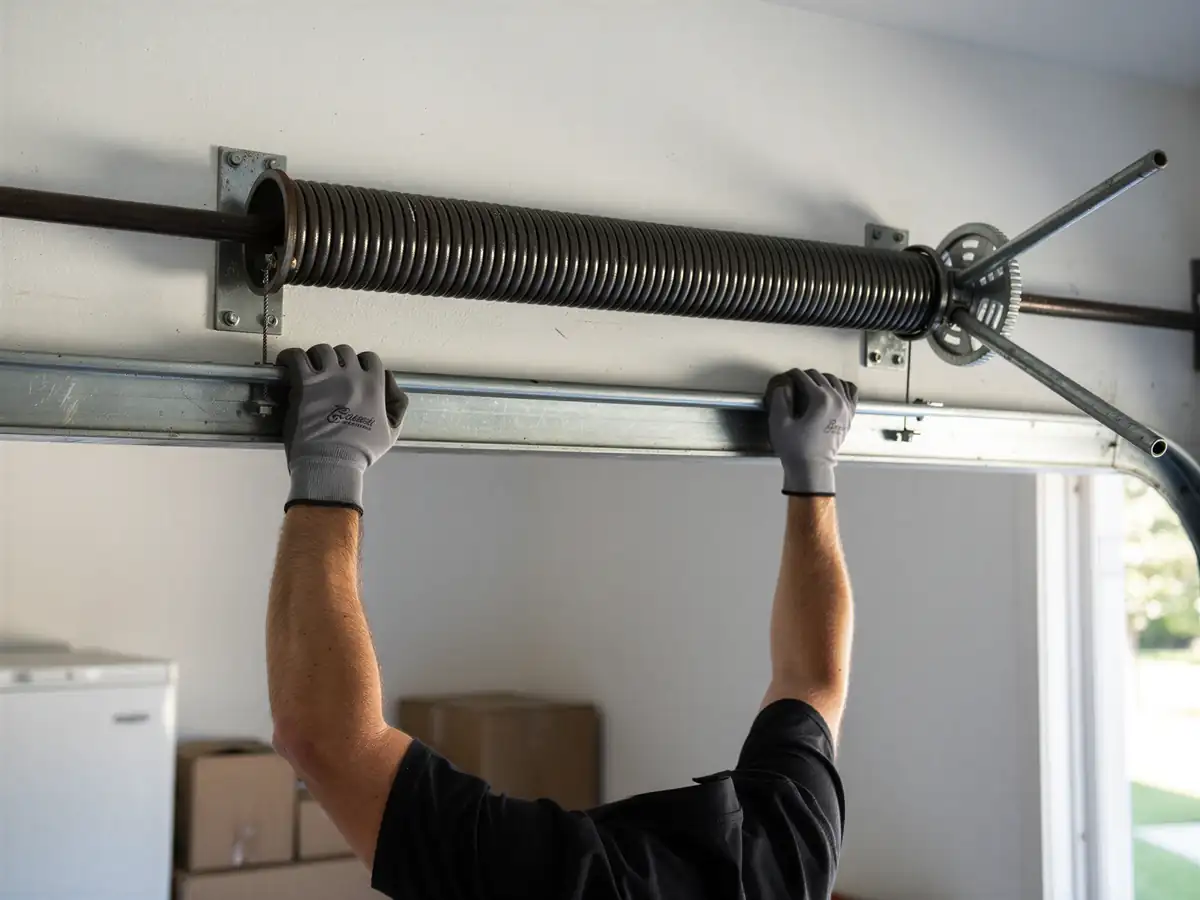
Where we'd stop you: resetting the travel limits or force settings on an opener you're not familiar with. Get that wrong on a door with the weight and track geometry common to Greenville's older housing stock, and the door can reverse unexpectedly or slam down short of the floor. That's not a $20 mistake, it's a trip to the ER if someone's underneath it. If the opener runs but the door doesn't move smoothly, that's usually a spring or cable issue, not the motor - and that's not a DIY repair on a door this size, full stop.
How Long It Takes
Most opener repairs here run one visit
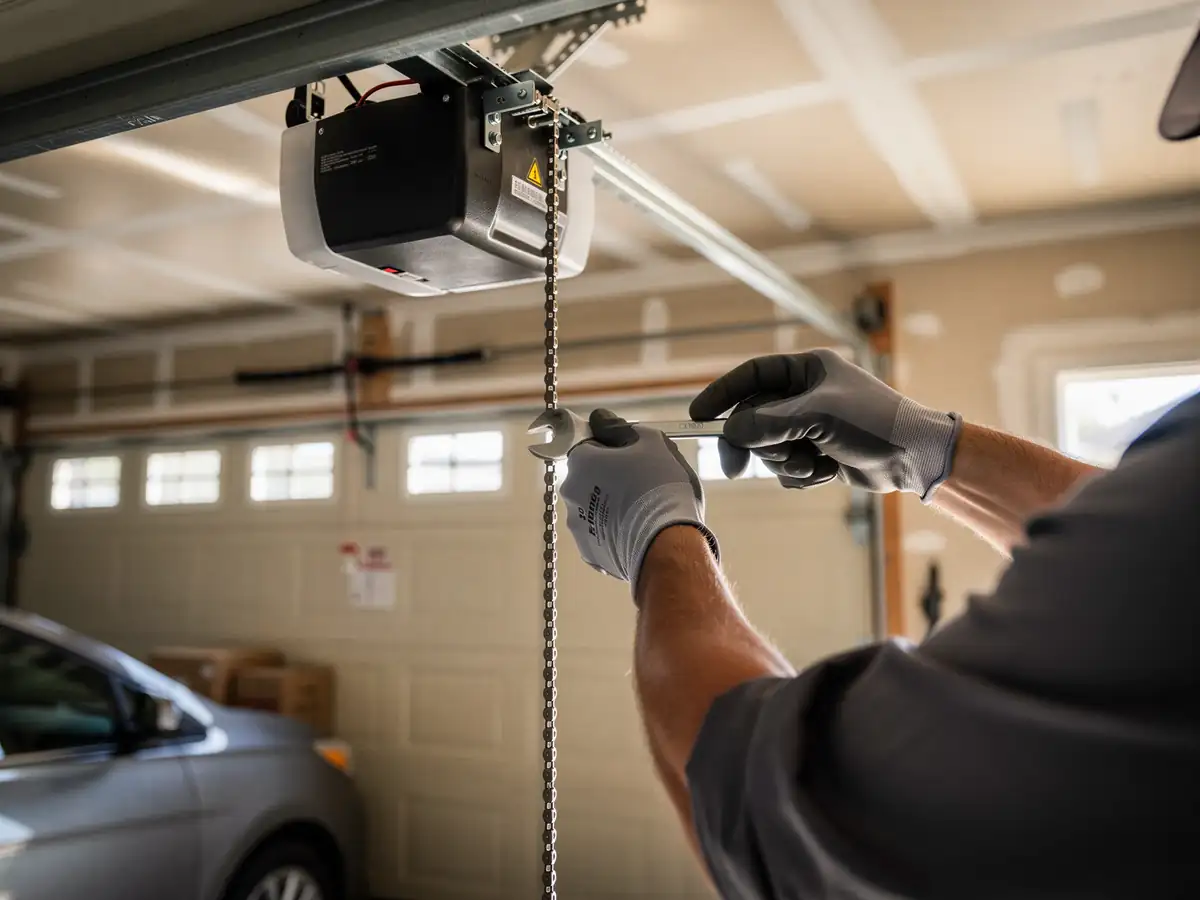
We diagnose on site, and if it's a sensor, a gear, or a board swap, that part is usually in the truck. The exceptions are the houses with original 1970s-era openers where the board or gear is long out of production - those jobs turn into an opener replacement, which we can usually still do same visit if you decide on it on the spot, since replacement units are stock, not special order.
The 5-mile drive from Wilmington doesn't add meaningful time to the job itself
It's a scheduling factor, not a repair-speed one. What adds time is parts availability, and that's almost entirely a function of how old the unit is, not where the house sits.