What It Costs
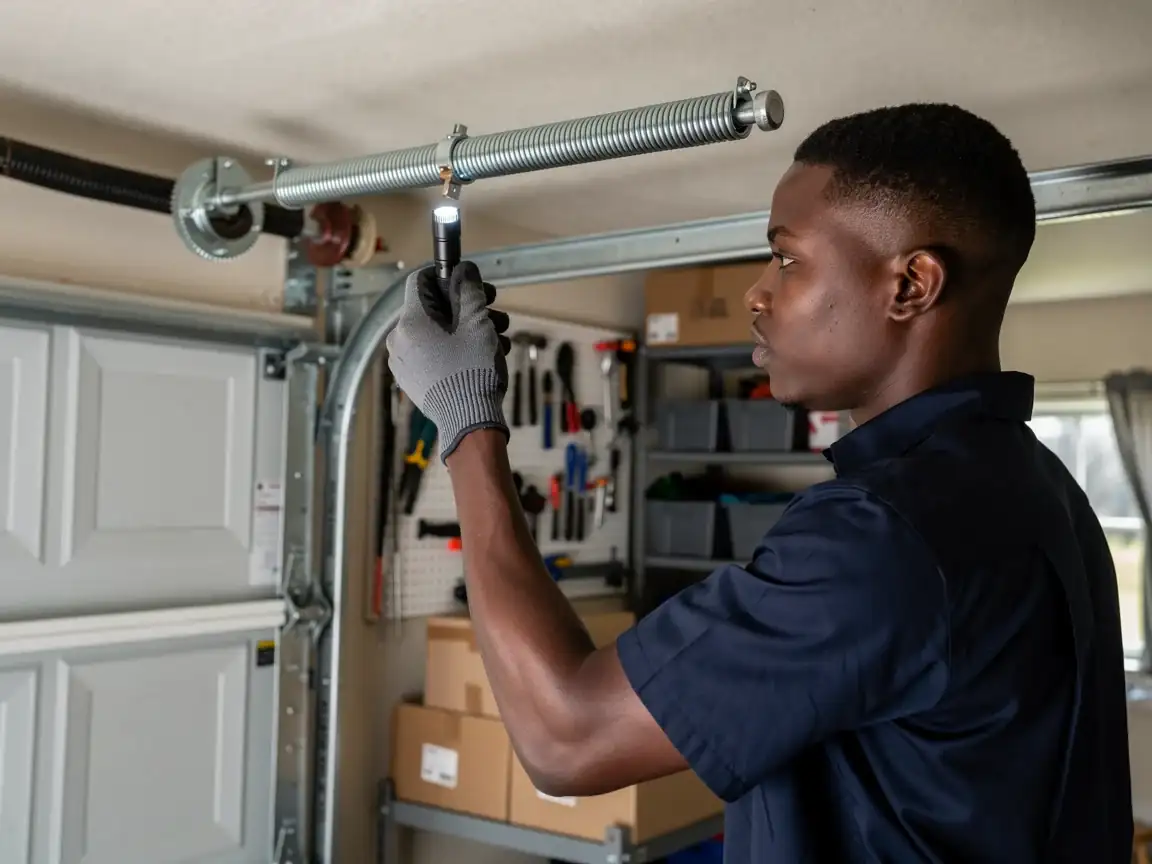
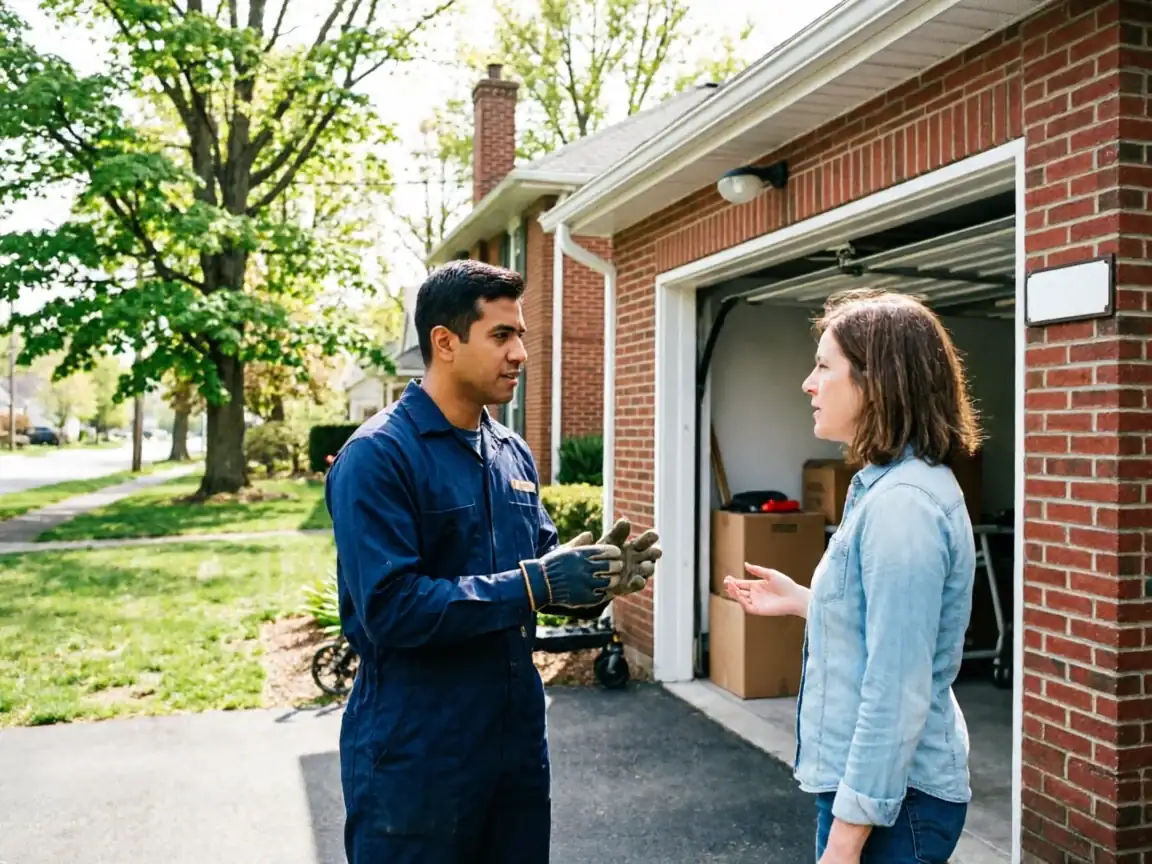
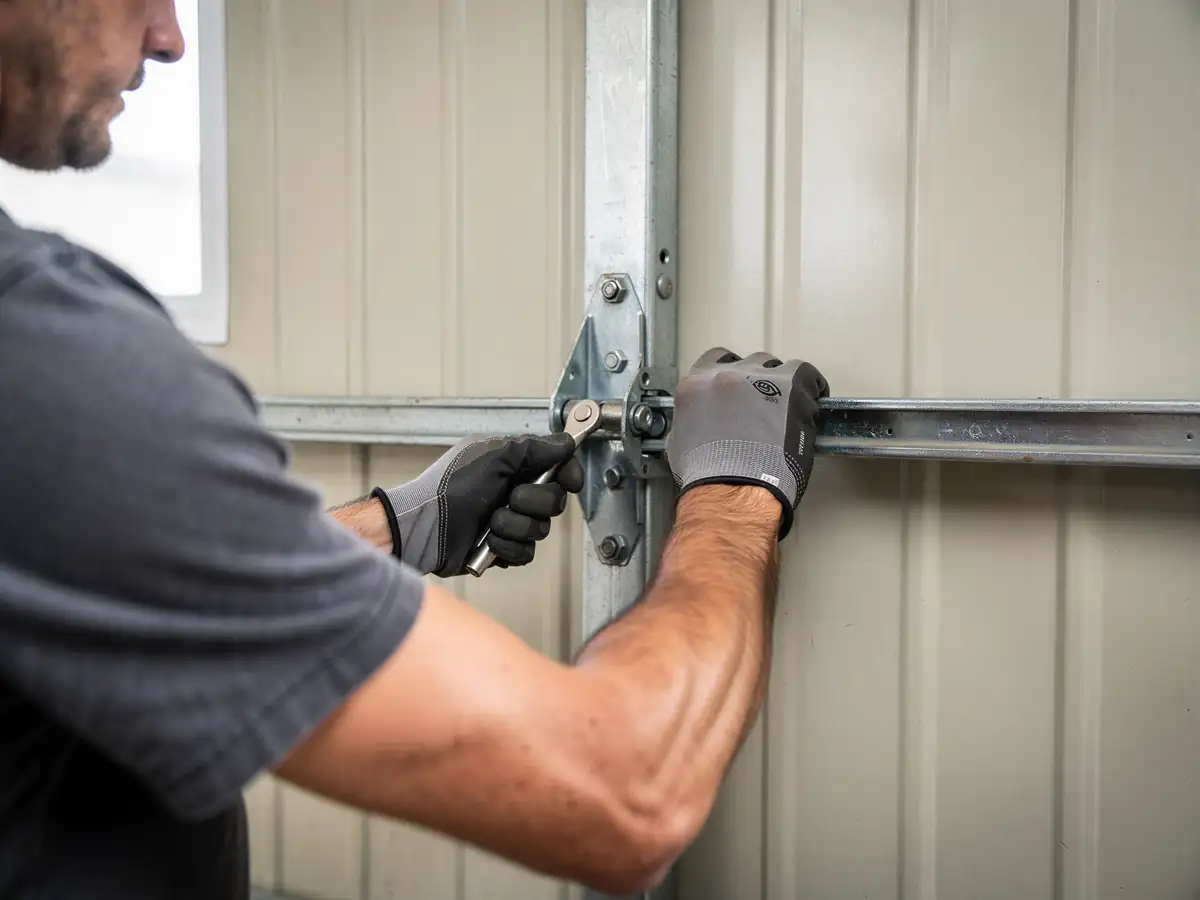
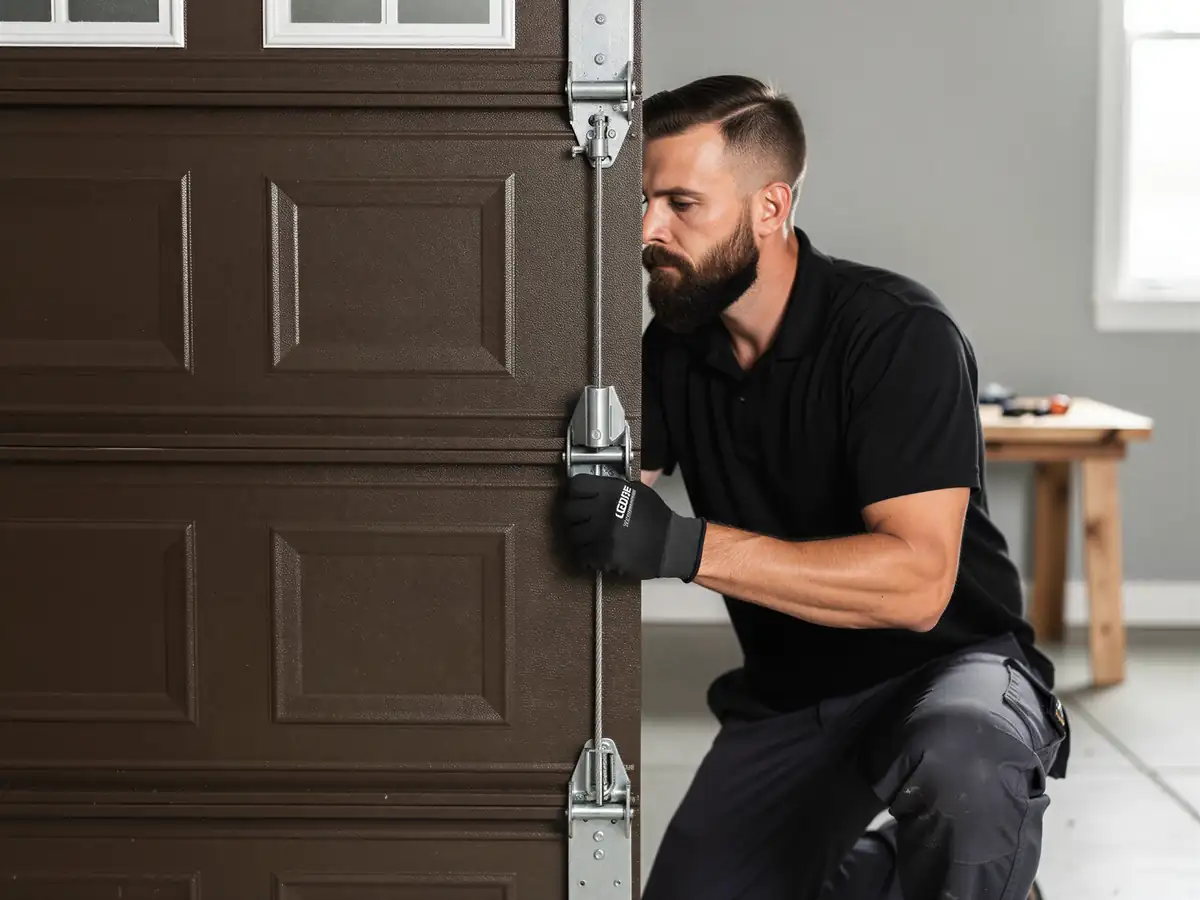
We don't post a flat number here because spring jobs aren't flat. A single torsion spring on a standard door is a different job than a matched pair on a heavier insulated door, and the older 1940s-era hardware common in Bellefonte sometimes needs a shaft or bearing plate swapped alongside the spring itself, not just the coil. What we can tell you is that cost scales with what's actually failed, not with your zip code. A tech gives you the number before touching anything, based on spring size, door weight, and what the drums and cable look like once the door's up on a ladder. If the cable's frayed or the drum is cracked from running on a tired spring too long, that gets priced separately so you're not surprised by an add-on mid-job.
How Long It Takes
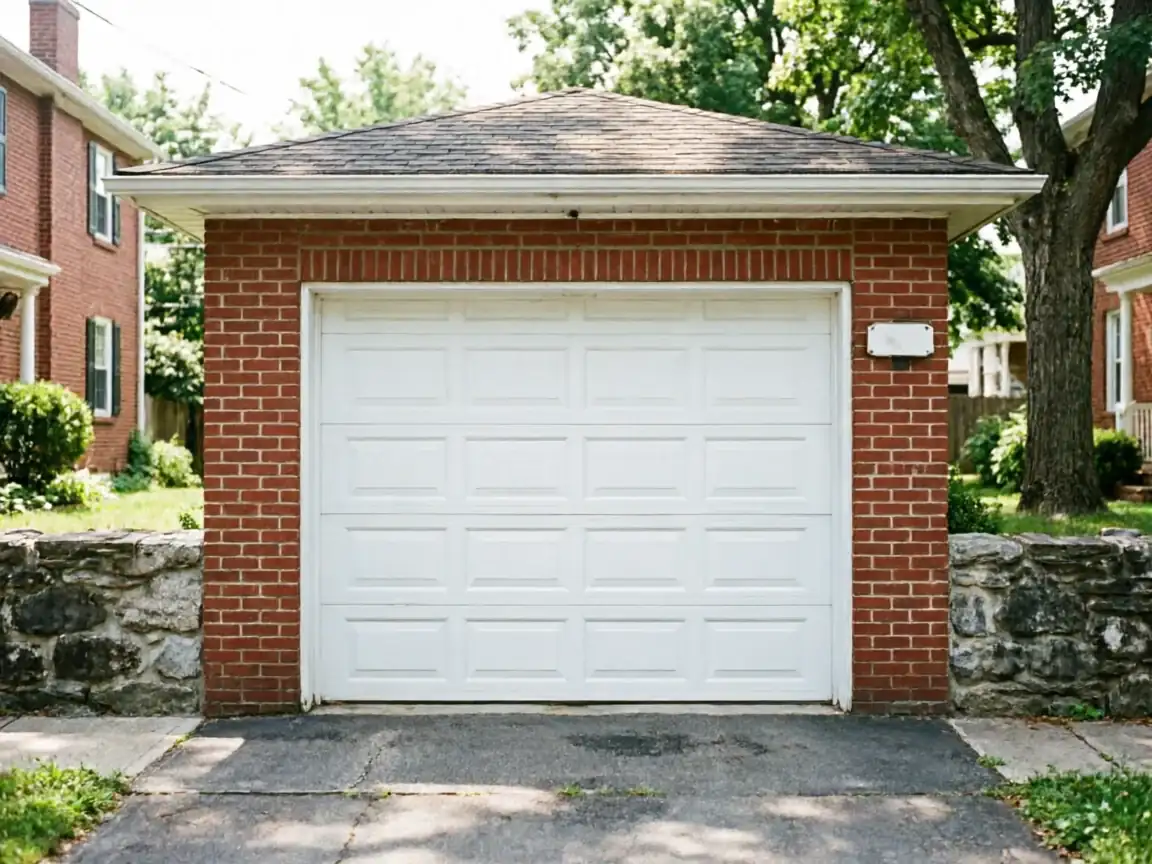
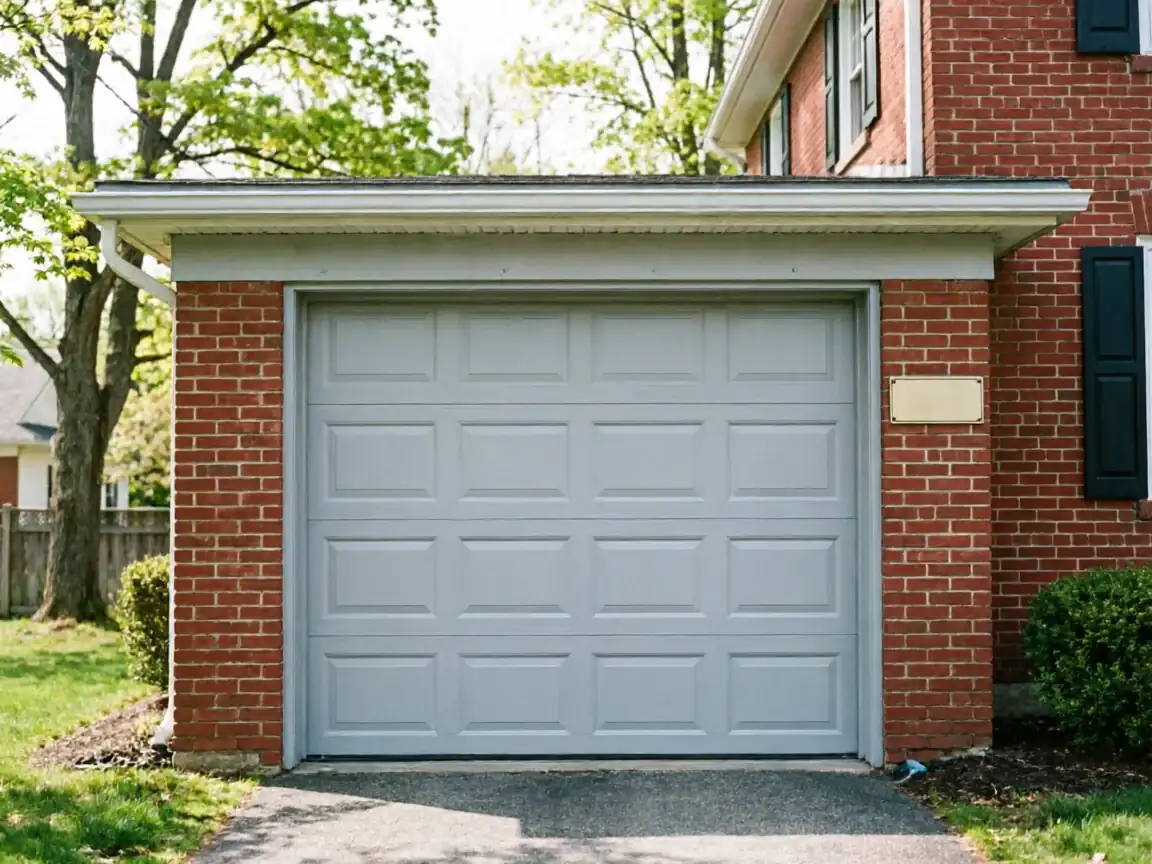
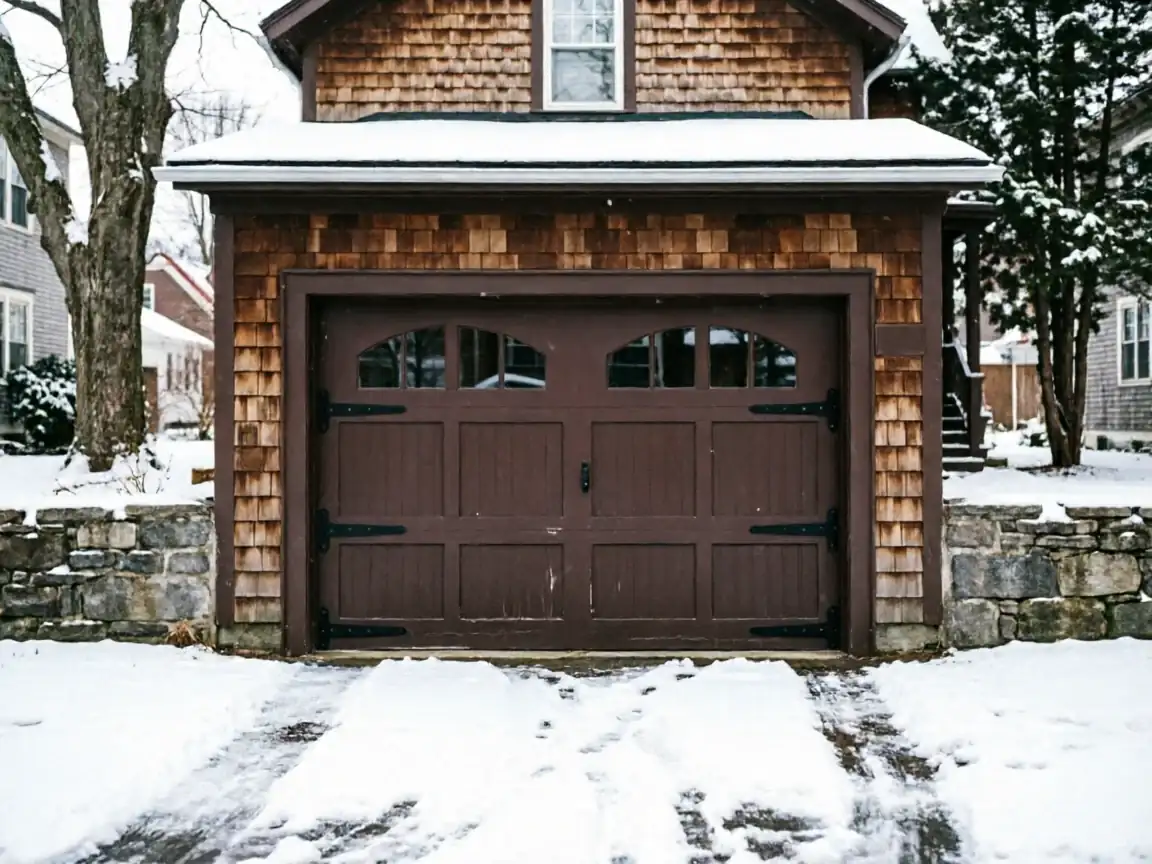
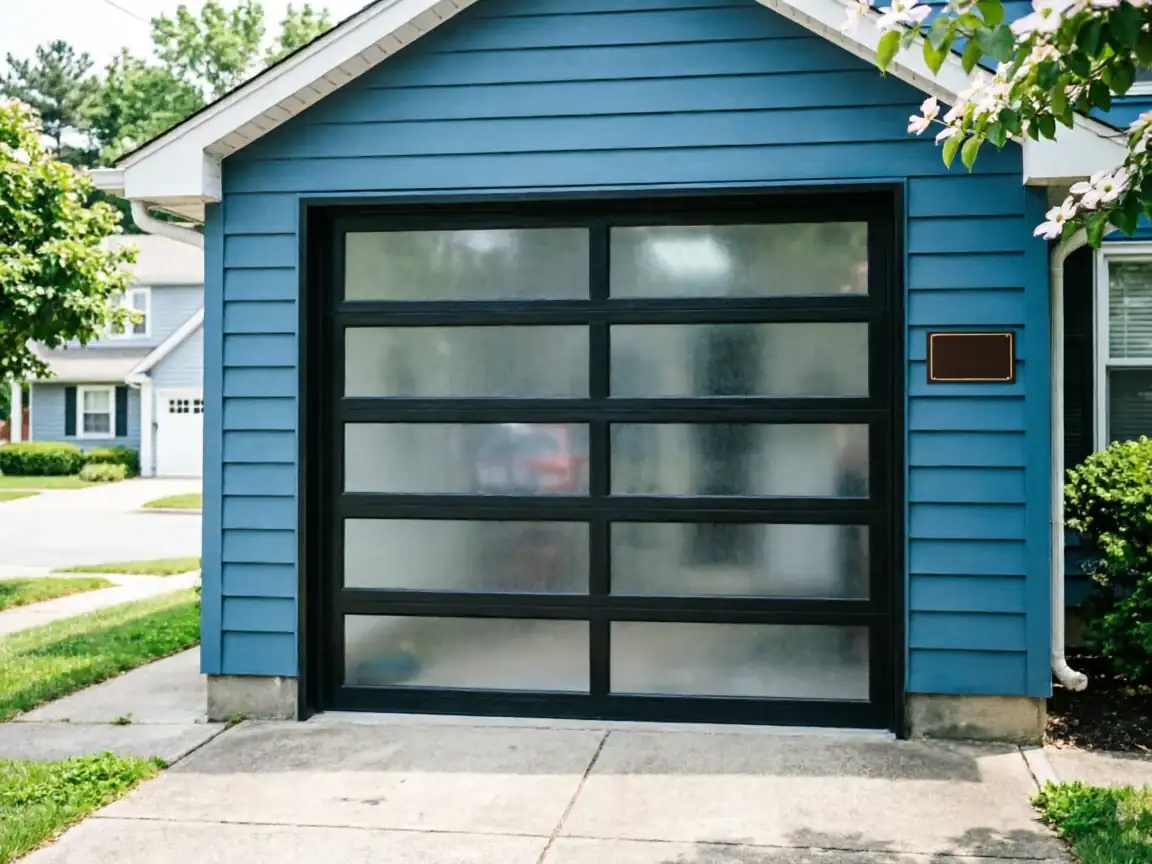
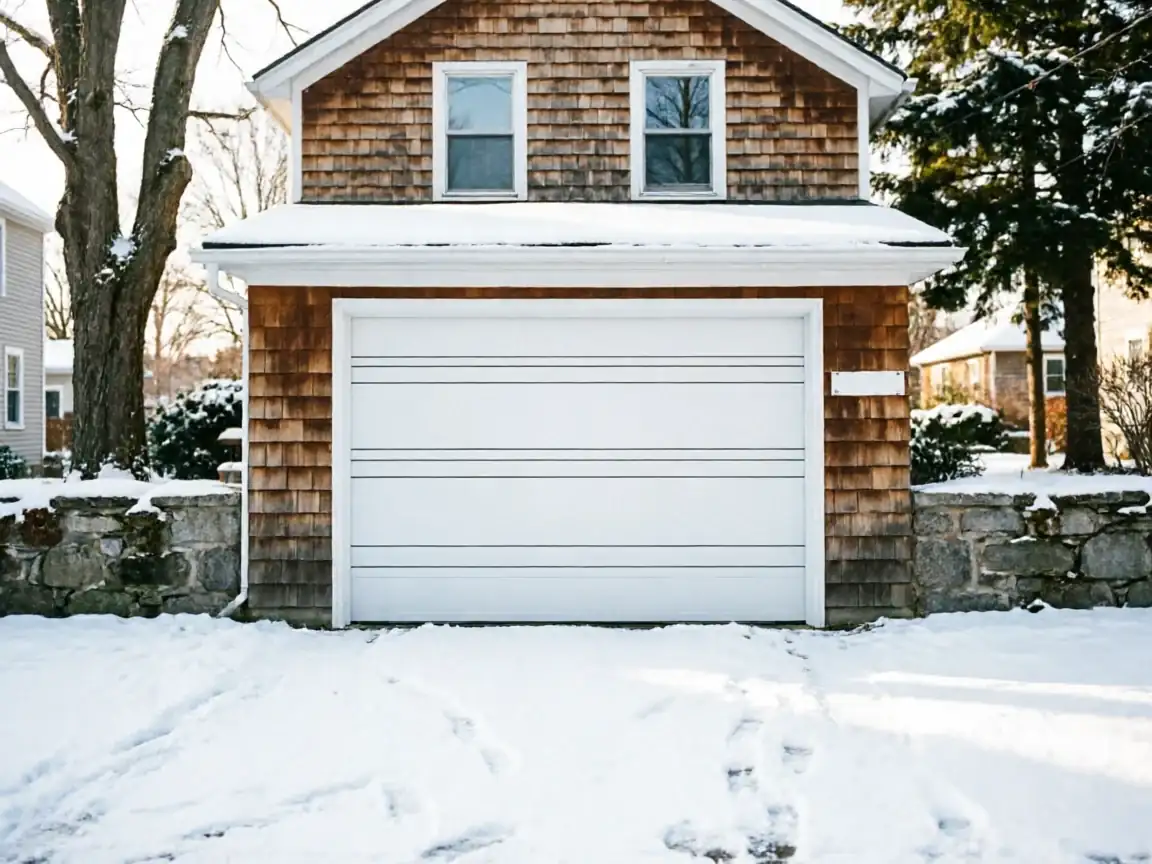
A straightforward torsion spring swap is a same-visit repair once the tech is on site and has the right spring on the truck. What stretches a job is mismatched or discontinued hardware, which comes up more often on the older end of Bellefonte's housing stock than it does in a newer development. If your door still has its original 1940s-era torsion setup, there's a chance the drum size or shaft diameter doesn't match anything stocked for modern doors, and that can mean a short wait on a part rather than a wrench-out-the-truck fix. We'd rather tell you that up front than promise a finish time we can't back.
Doing It Yourself
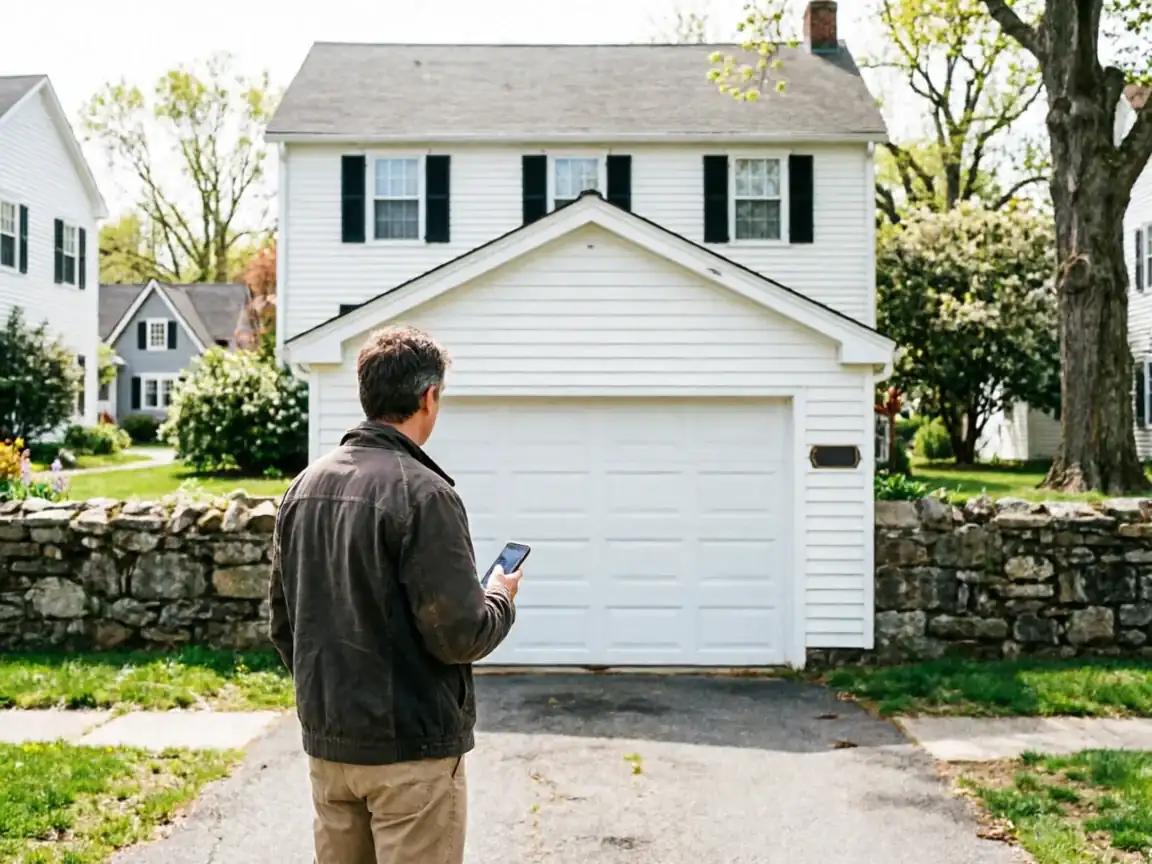
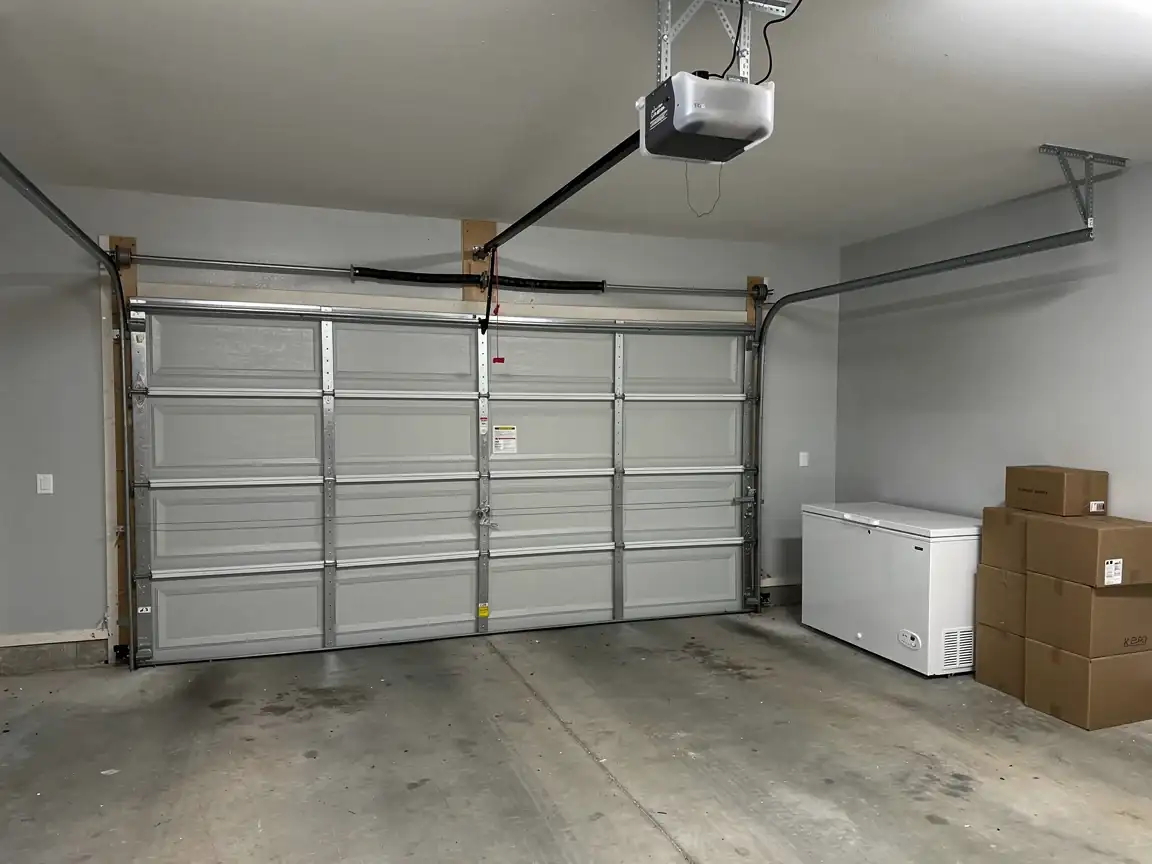
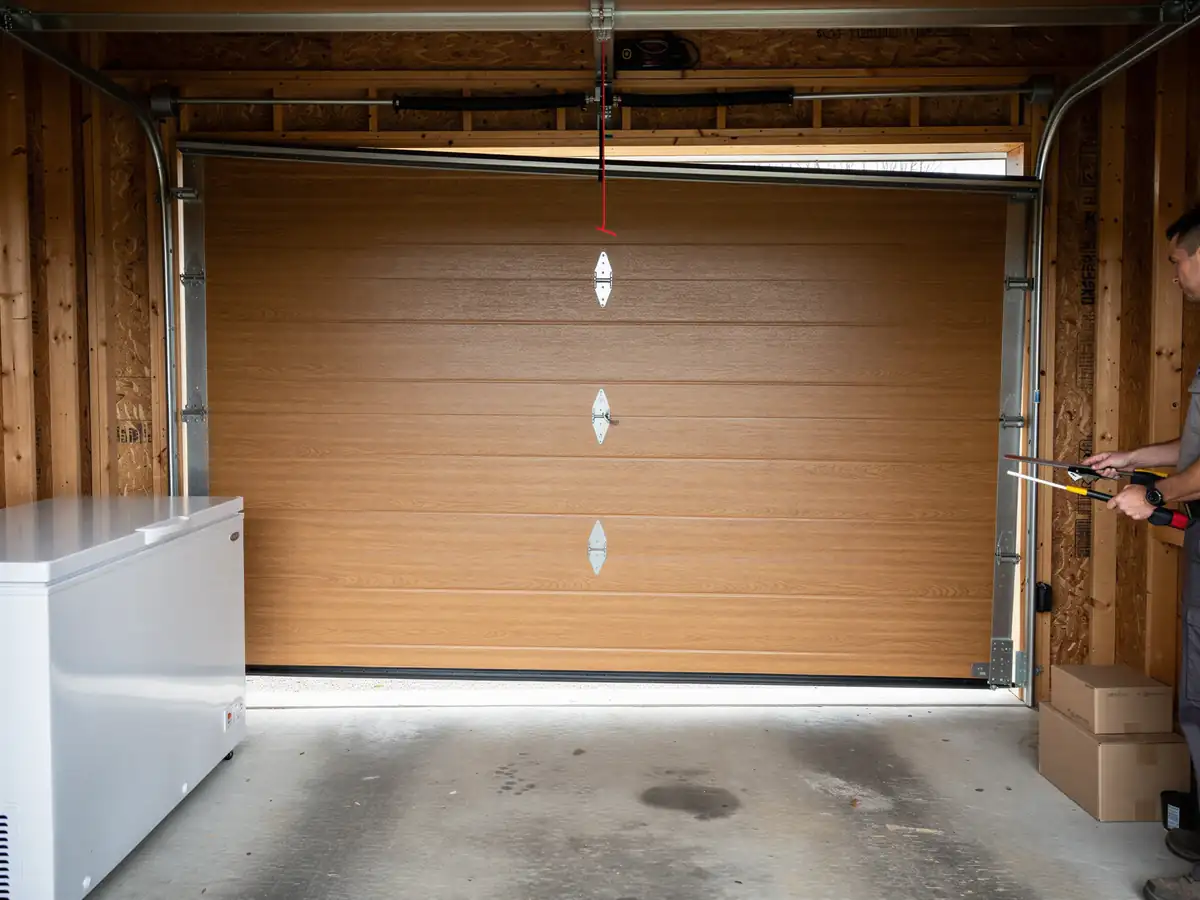
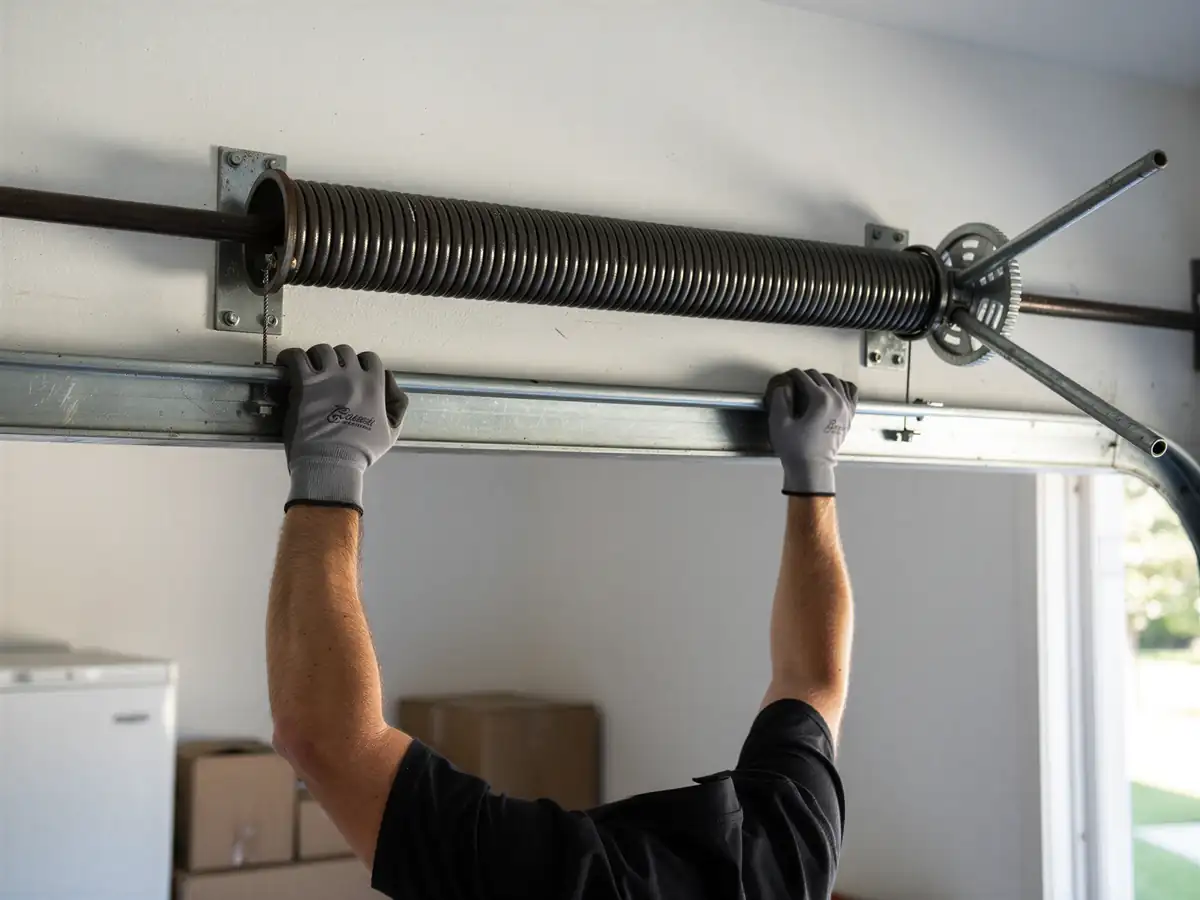
A torsion spring is under enough stored tension to break a bone or worse if the winding bars slip, and that doesn't change because the door is old or the house is small. We won't walk you through winding one down over the phone, and we'd tell you the same thing if you asked in person. What you can safely do yourself is look: check whether the spring above the door has a visible gap in the coil, listen for a loud bang from the garage (that's usually the spring letting go, not the opener), and note whether the door feels heavier than usual when you lift it by hand with the opener disconnected. That's useful information for whoever shows up. The winding itself isn't a weekend project, no matter how many videos say otherwise.
What You Are Seeing
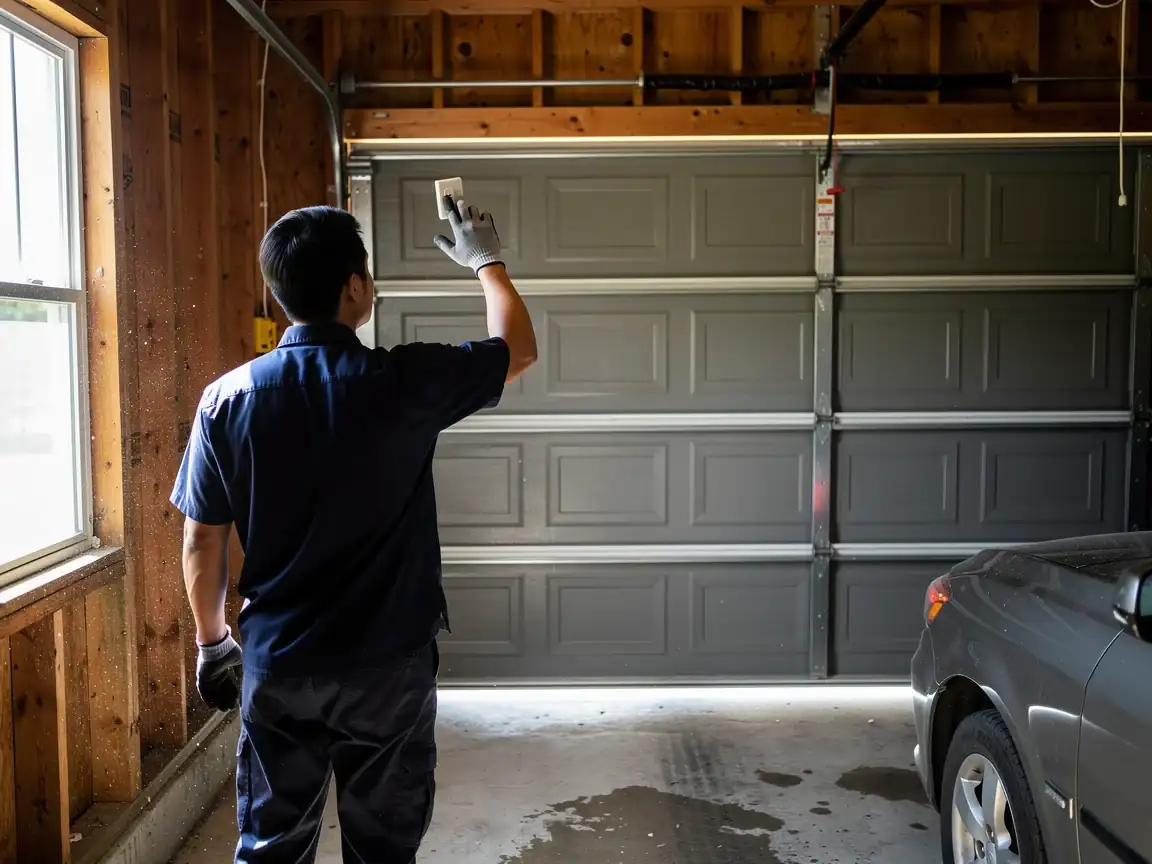
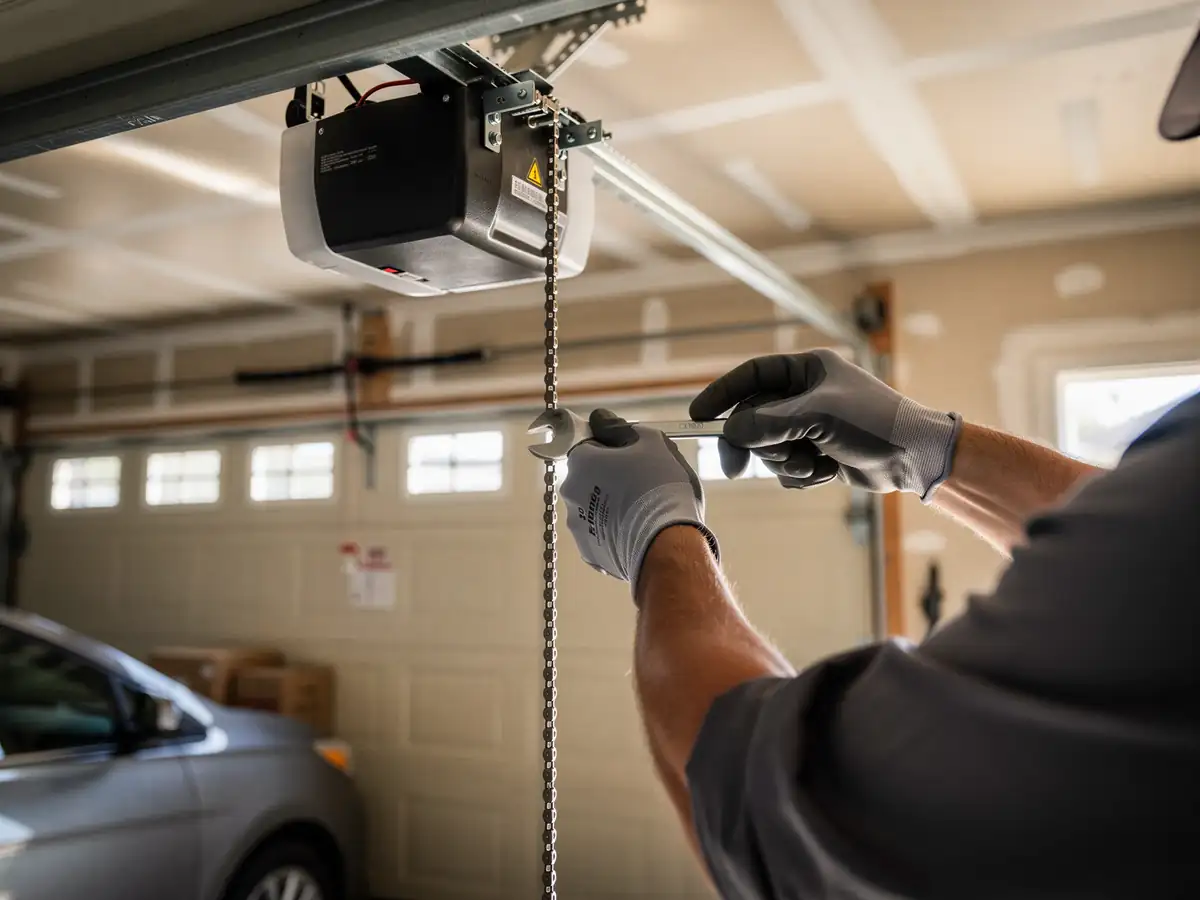
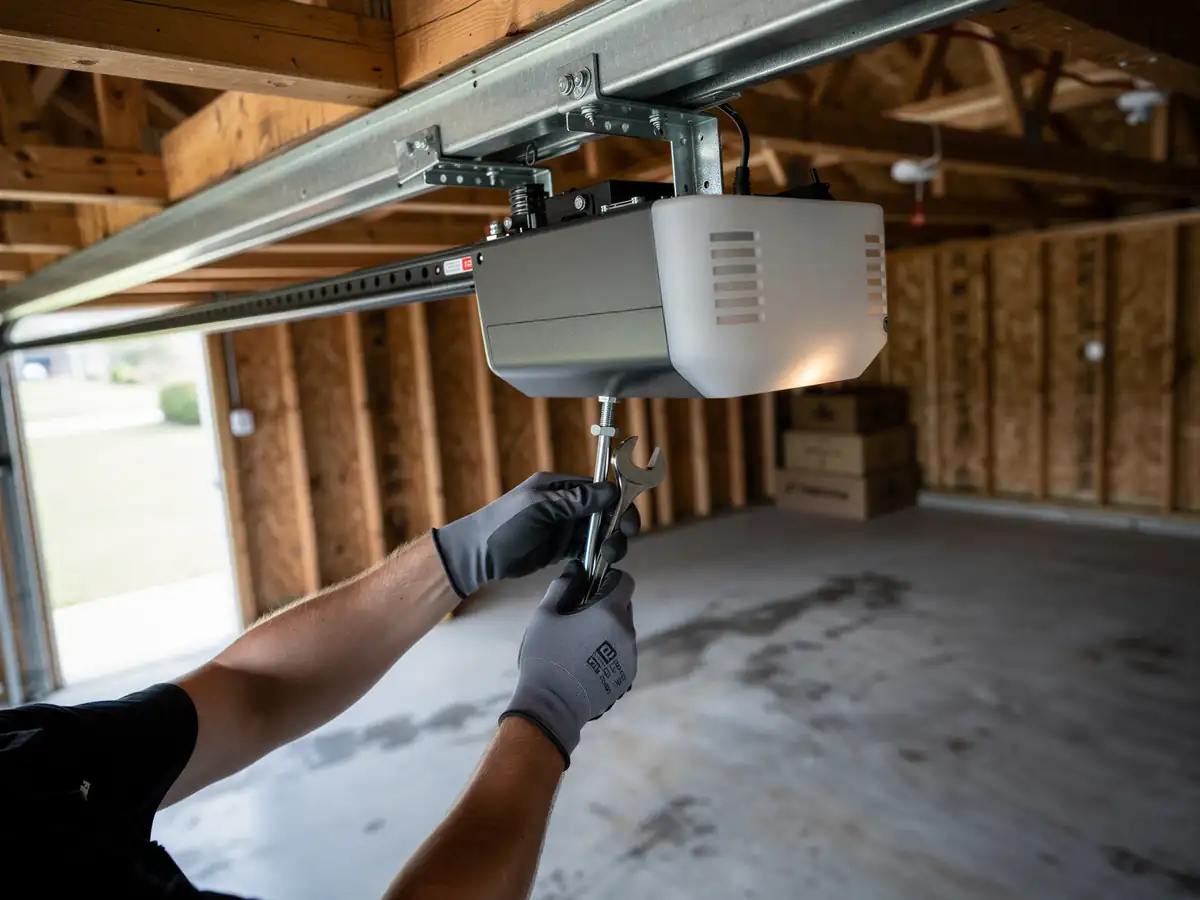
The usual signs show up before the spring fully snaps. The door feels heavier to lift by hand, the opener strains and runs slower than normal, or you hear a grinding or popping sound as it travels. Sometimes it's a loud crack from the garage with no obvious cause, which is almost always a torsion spring letting go while the door sat closed. On the older hardware common in this part of the map, you might also see visible rust or pitting on the coils themselves, since 1940s-era springs have had a lot more winters to accumulate wear than anything installed in the last decade. If the door won't budge at all, or only one side lifts while the other drags, don't force the opener through it. That's a spring or cable failure, and running the motor against it tends to turn a repair into a replacement.