Why This Fails Locally
Start with the door, not the opener
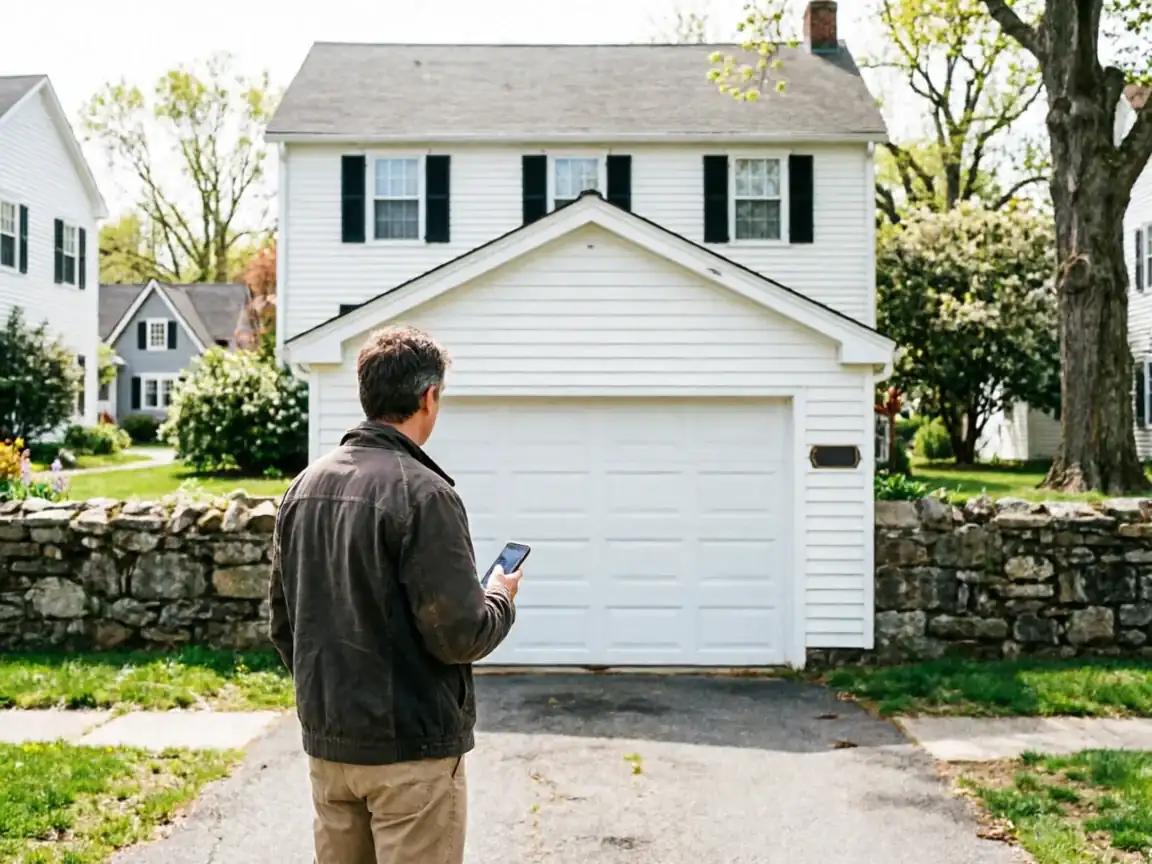
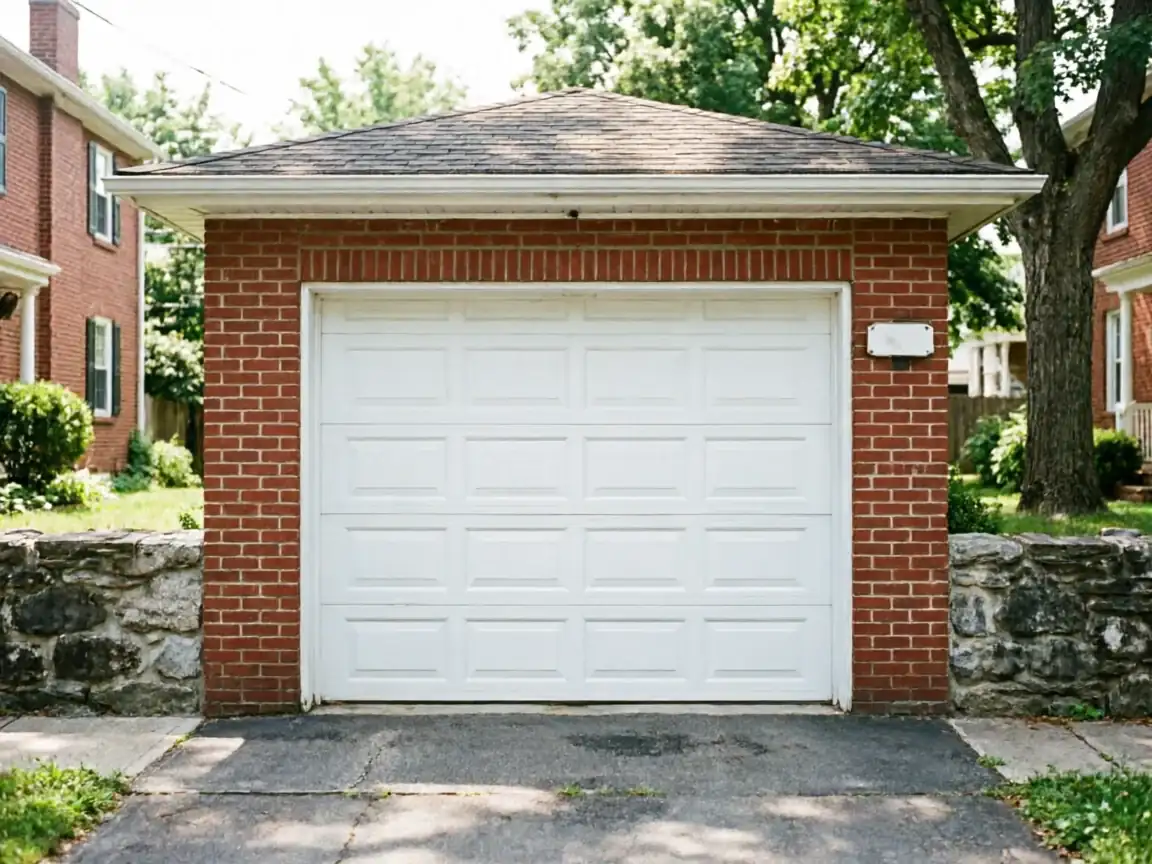
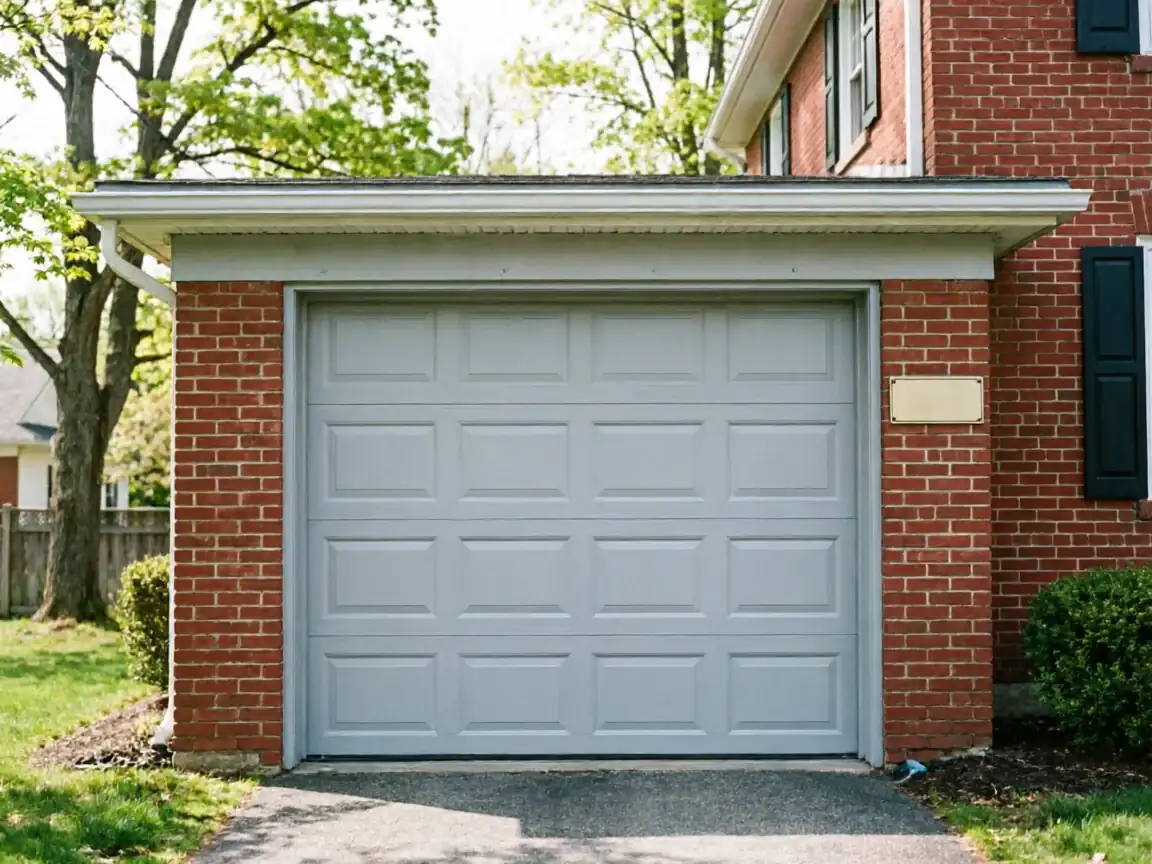
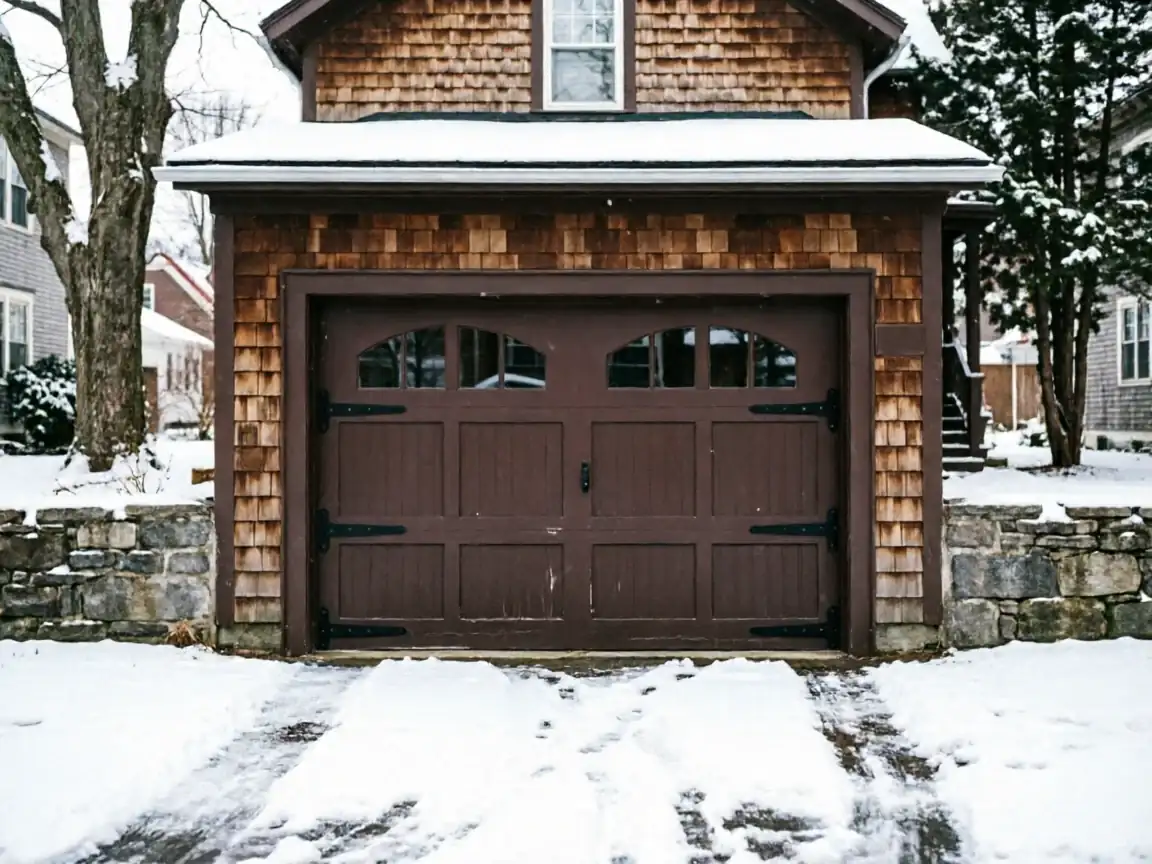
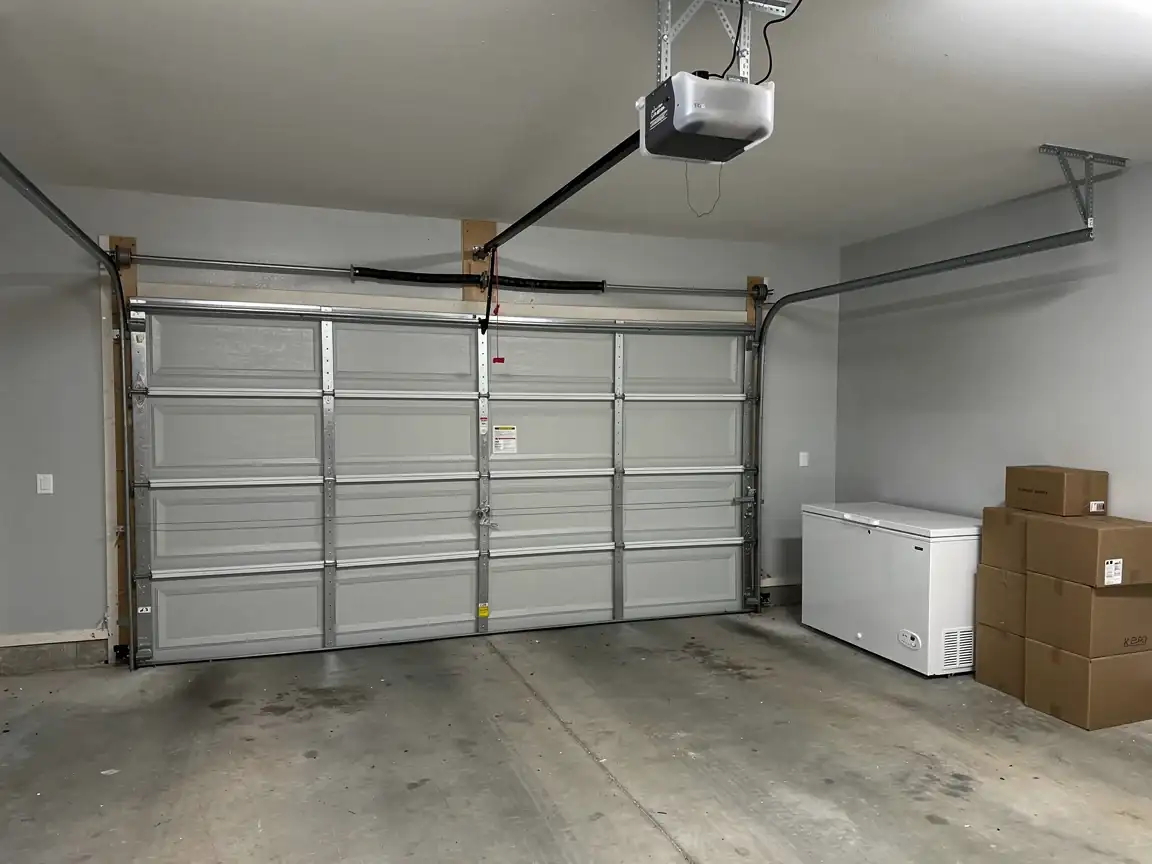
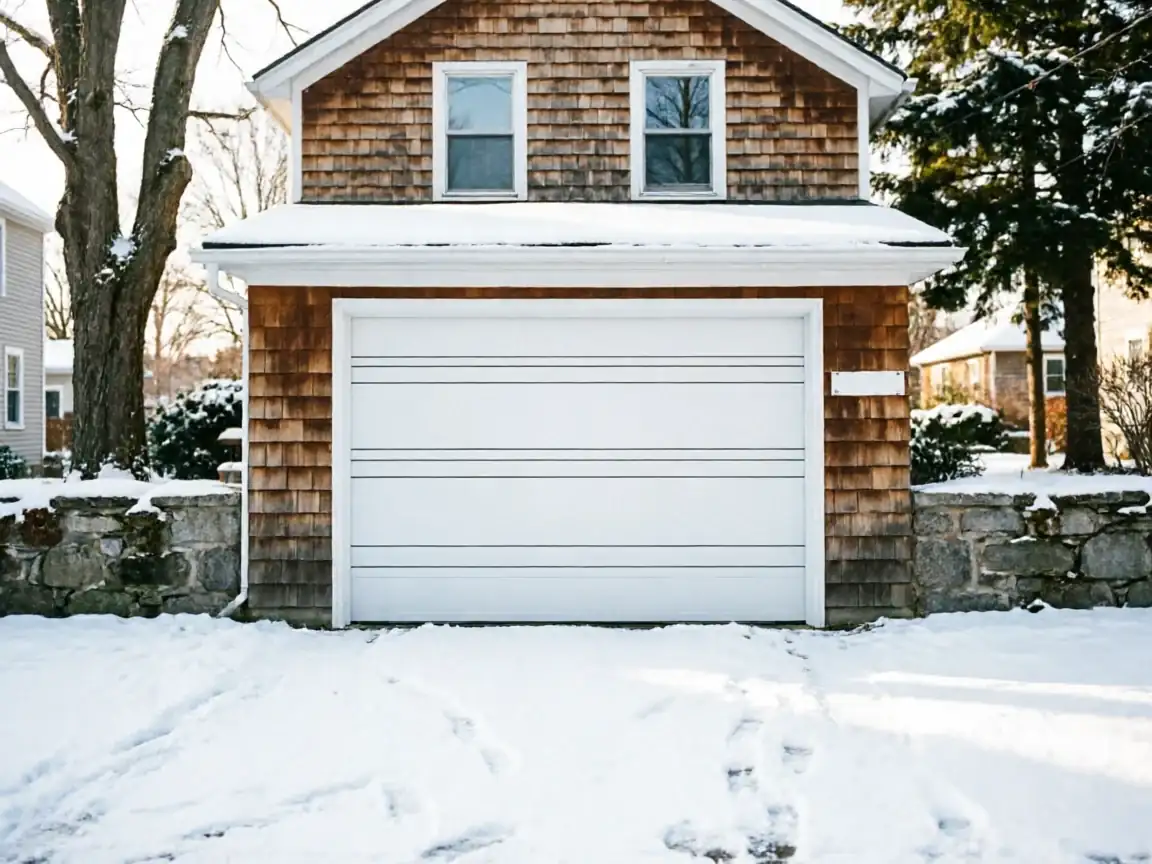
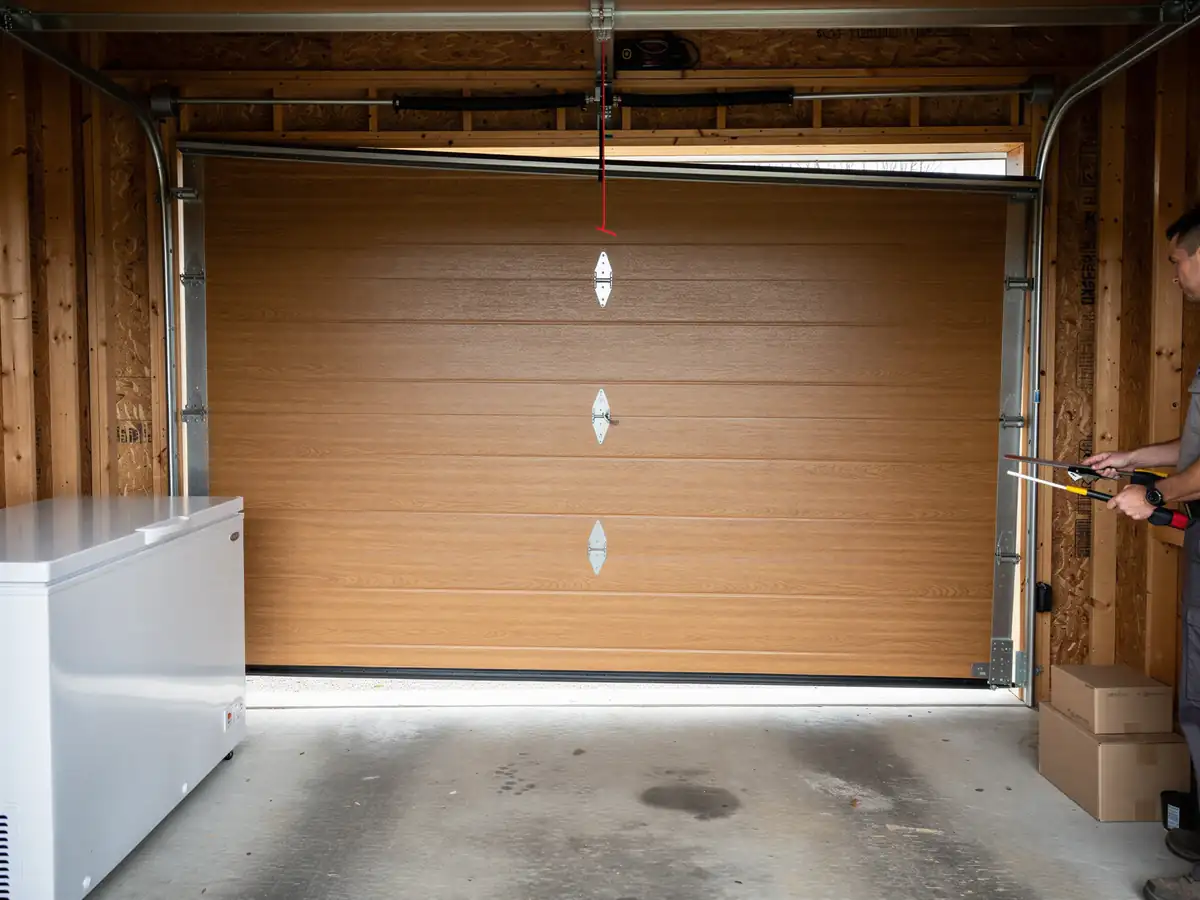
Bellefonte's housing stock centers on 1940, a generation older than the 1960s-70s builds that make up most of the rest of this service area. A door built around that date is usually a single-car, wood-panel unit, narrower than what you'd find going up today, often with a low header and shallow headroom above the track. Nobody put an opener on these doors when the house was built. One got added later, sometimes decades later, bolted to framing that was never sized for the load or the vibration of a motor running daily.
That's the real failure pattern here
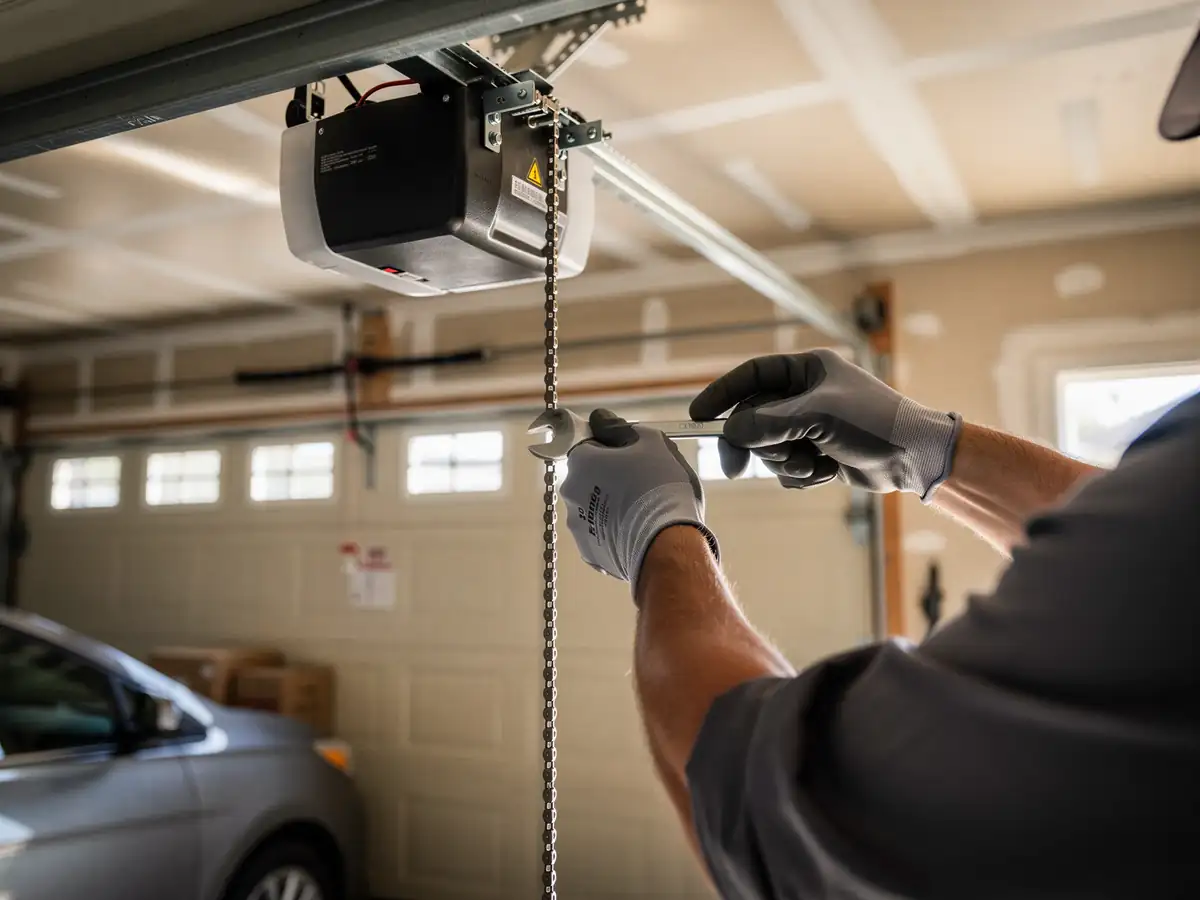
Not a worn-out opener so much as an opener that was never a great match for the door and bracket it's riding on. Rails get shimmed at odd angles to clear low ceilings. Travel limits get set wrong because the door is shorter than the opener's factory assumptions. When something finally gives - a stripped gear, a snapped drive chain, a motor that hums and goes nowhere - it's usually because the setup was fighting the door's geometry the whole time, not because the unit is simply old.
What It Costs
We don't have a Bellefonte-specific number to quote you here, and we're not going to make one up. What we can tell you is that older, narrower single-car doors with low headroom sometimes need different hardware than a standard two-car install - a low-headroom rail kit, a jackshaft unit mounted to the side instead of overhead, or reinforced bracketing for a wood door that's heavier than modern steel. Any of those changes the job cost. We price it after we've looked at your specific door and ceiling, not off a flat sheet, because a 1940s single door and a modern double don't belong on the same number.
How Long It Takes
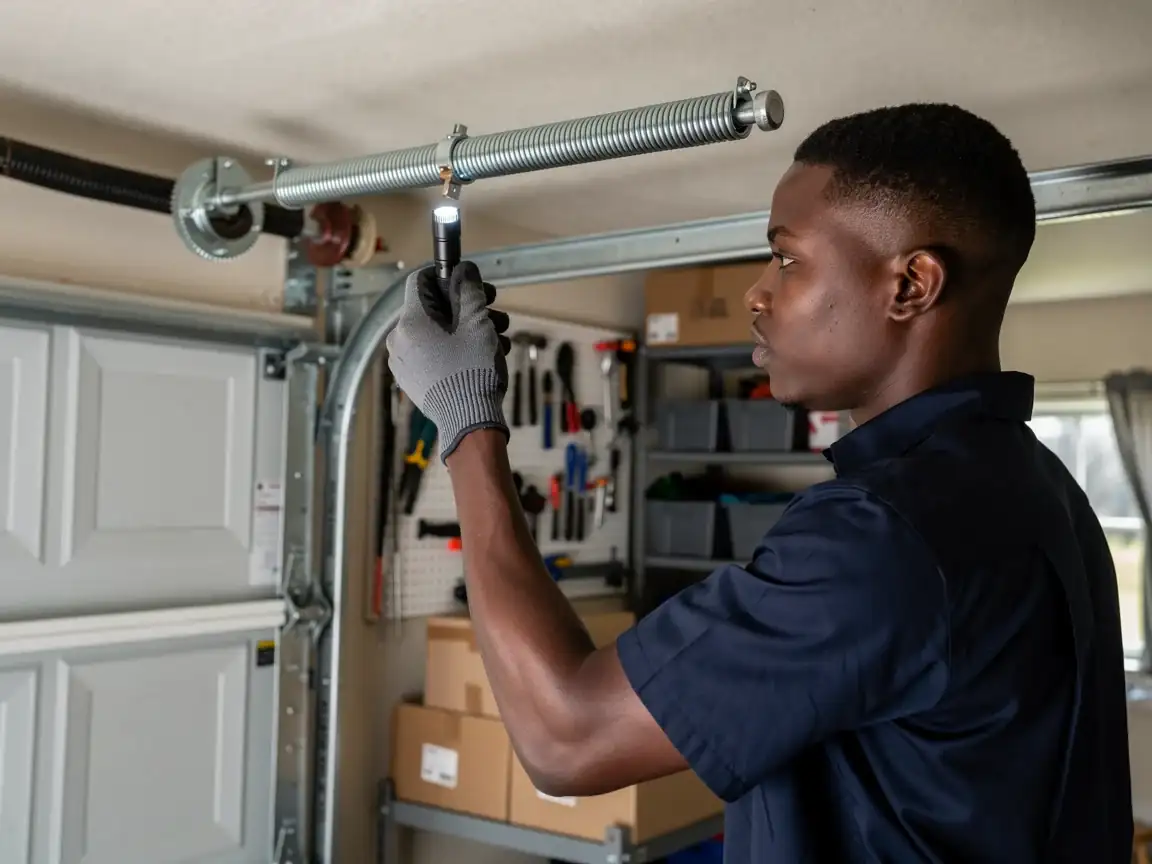
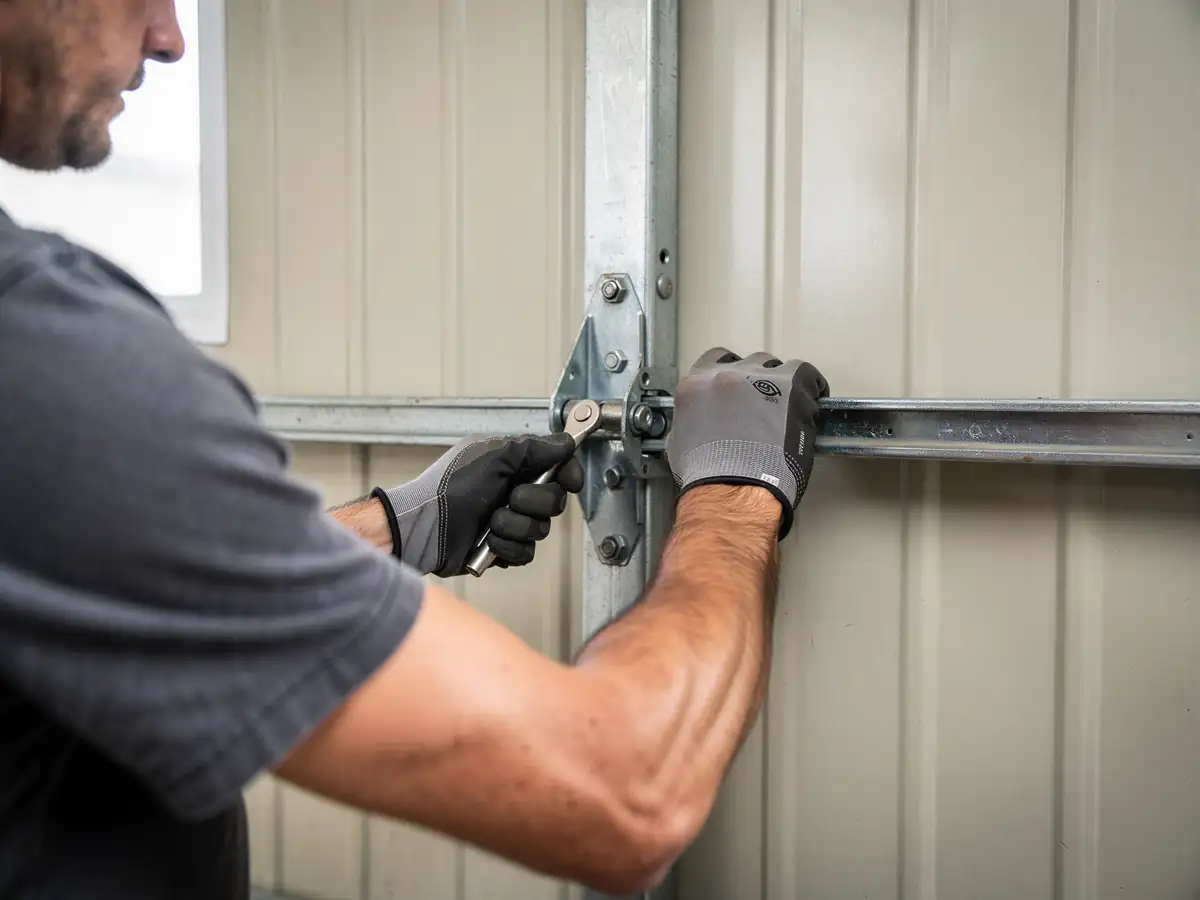
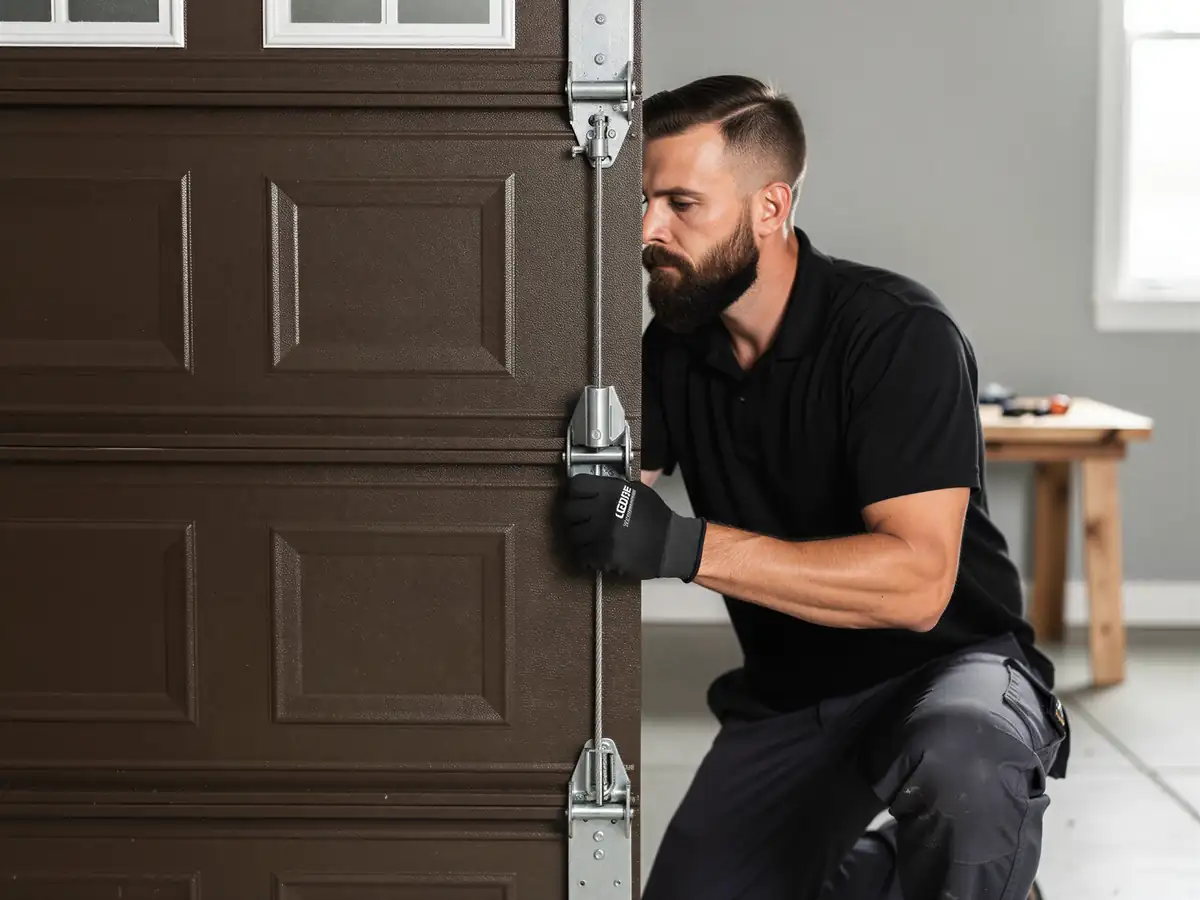
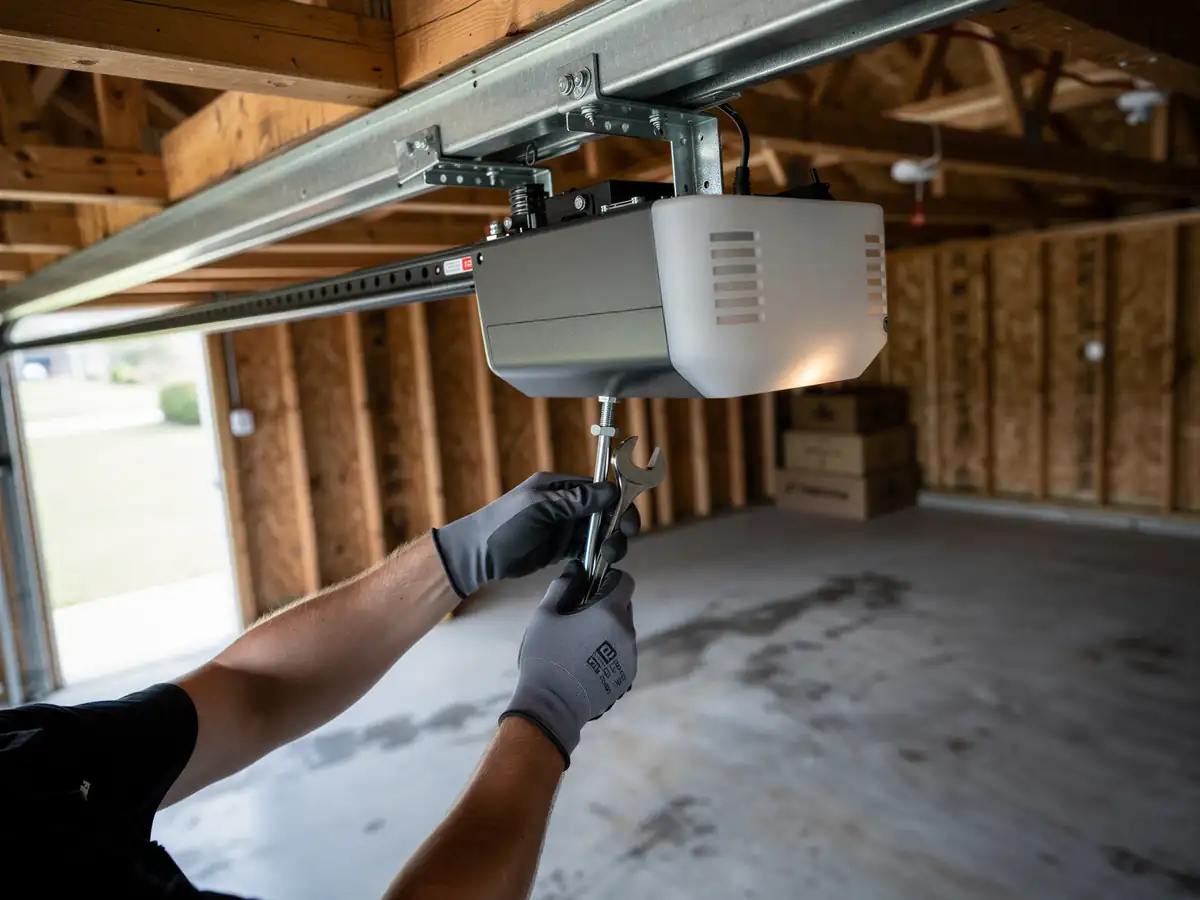
The install itself isn't the long part on these jobs - it's getting the mounting right on an older frame. If the header is solid and the headroom is standard, a motor swap and rail install is straightforward work. Where it slows down is when the existing bracket is rusted into the wood, the header needs reinforcing before it'll hold a new unit's weight, or the door itself needs adjustment before an opener can run it safely. We'd rather tell you that up front and take the extra time than hang a new motor on hardware that's going to fail again in a year.
Doing It Yourself
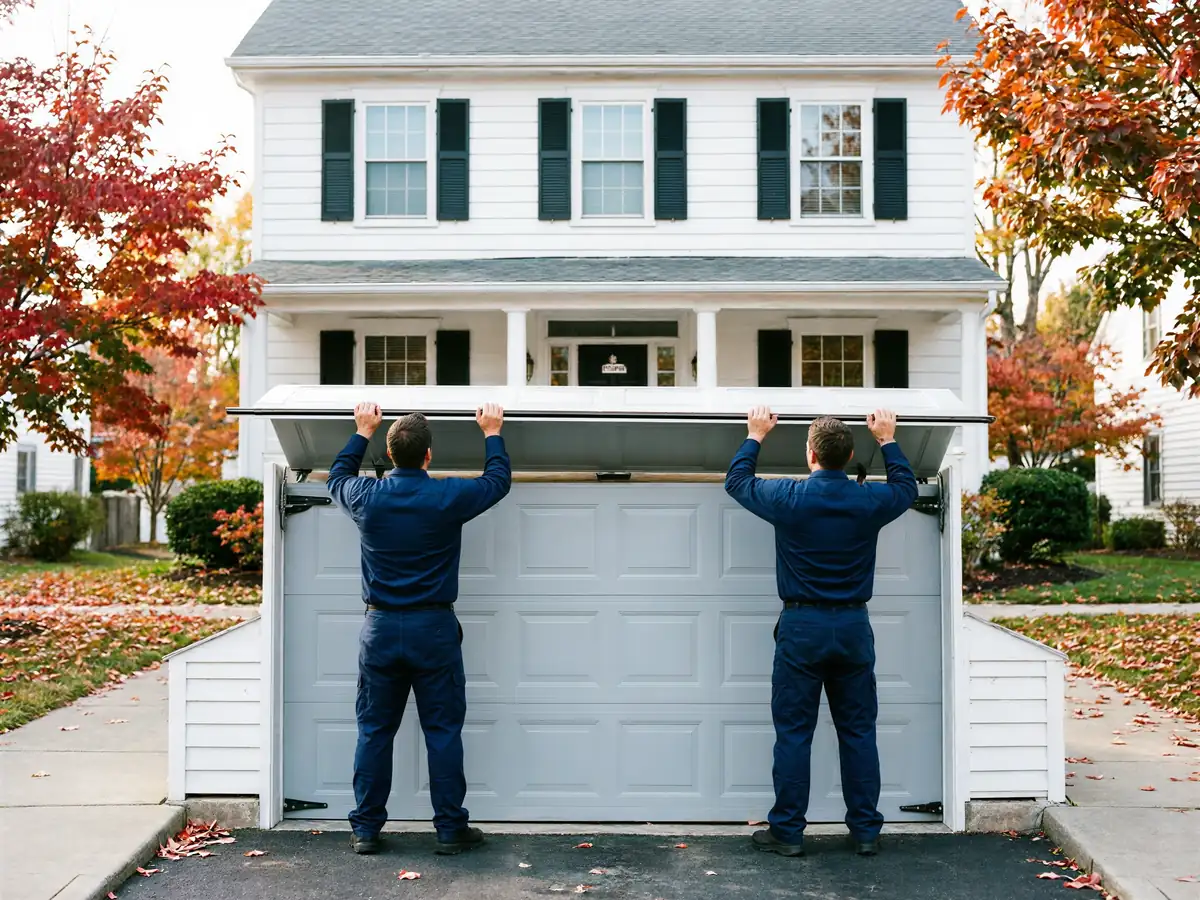
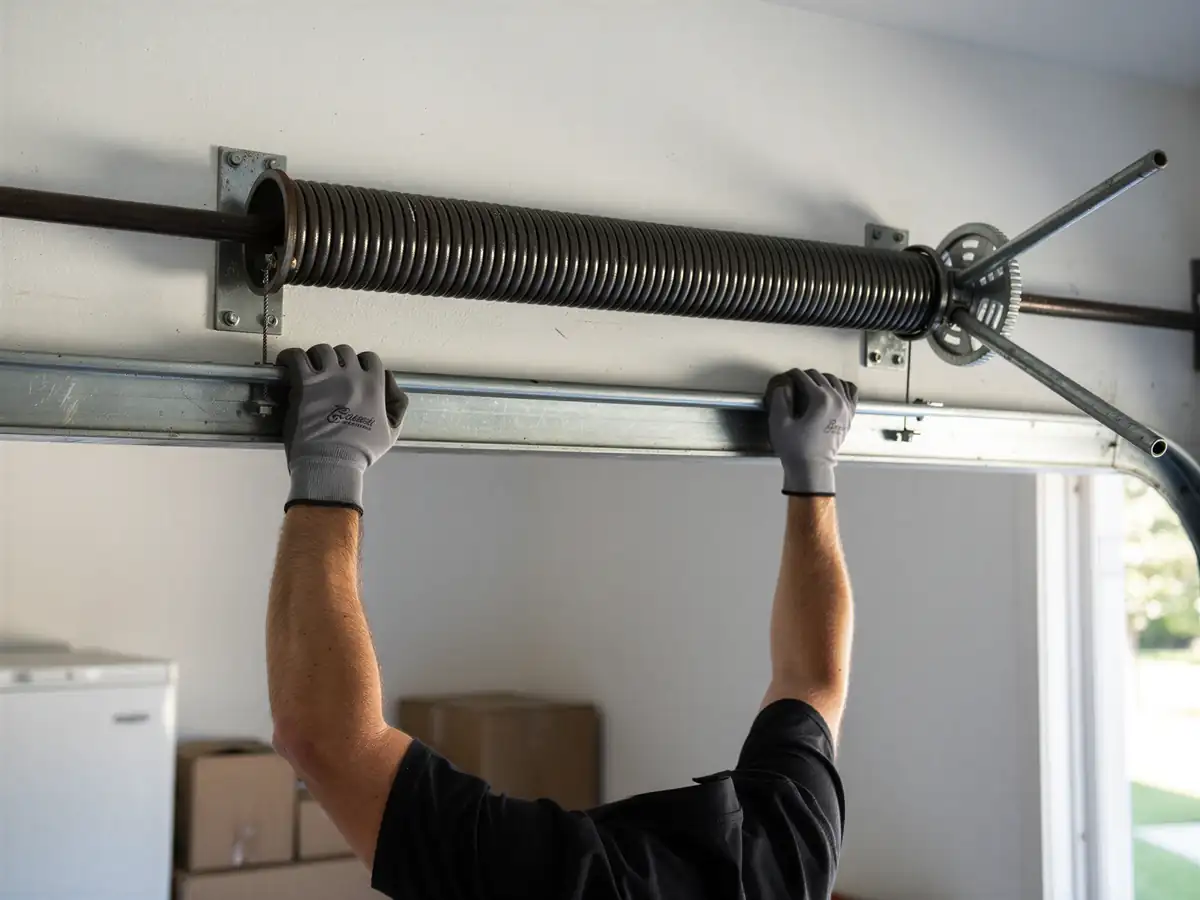
If your door and bracket are modern and square, a DIY opener swap on a standard double door is a reasonable weekend project for someone comfortable with basic tools. We're not going to tell you otherwise. But on an older single-car door with a header that's seen 80-plus years of settling, misjudging the mounting point can mean a motor that pulls loose from the frame under load - not a small fix, and not a safe one to troubleshoot after the fact. If you're not sure whether your header will hold a new unit's torque, that's the one thing worth having someone look at before you drill.
What You Are Seeing
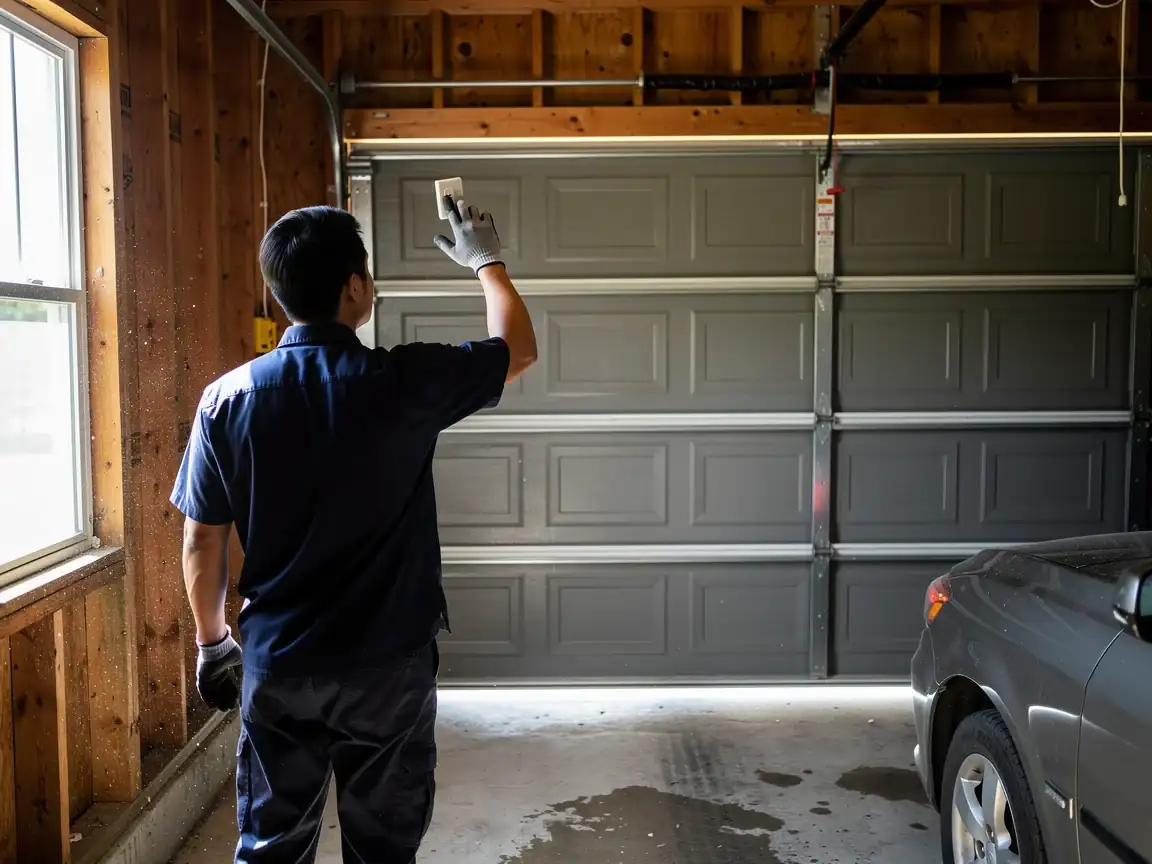
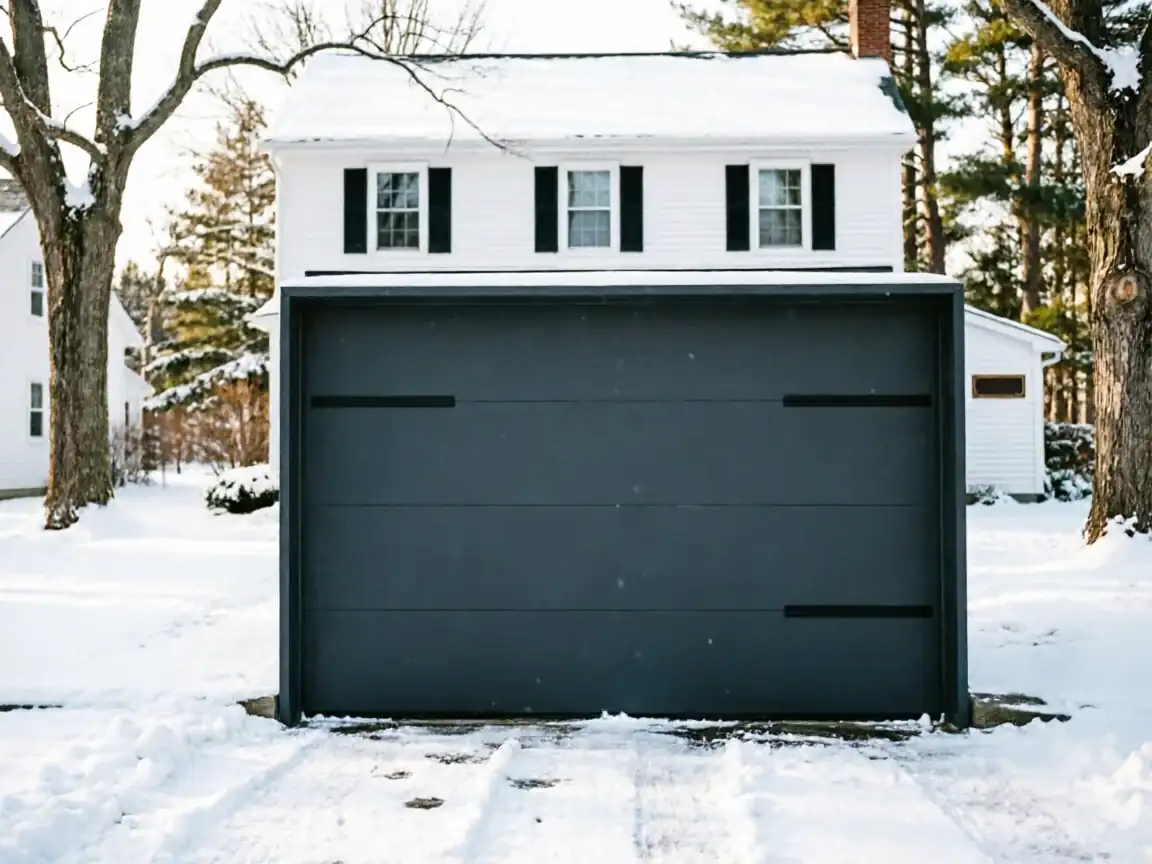
A motor that runs but the door barely moves usually means the gear inside the opener has stripped - common on units pushing a heavier wood door they weren't matched to. A door that reverses halfway up often means the travel limits were set for a different door height and have drifted. Grinding or a burning smell points to a drive gear under constant strain, not a one-time glitch. And if the opener seems to struggle more in deep cold than it did in October, that's the climate here doing exactly what it does to hardware that isn't rated for it - lubricant stiffens, plastic gears get brittle, and the motor works harder to do the same job.