Why This Fails Locally
The fault we see most in Bellefonte is a cable that's frayed or jumped the drum groove
Not one that's simply snapped clean. That matters because it usually means the door kept running on a damaged cable for weeks before anyone noticed, and by the time it fully lets go, the opposite cable and the drum itself are often worn too.
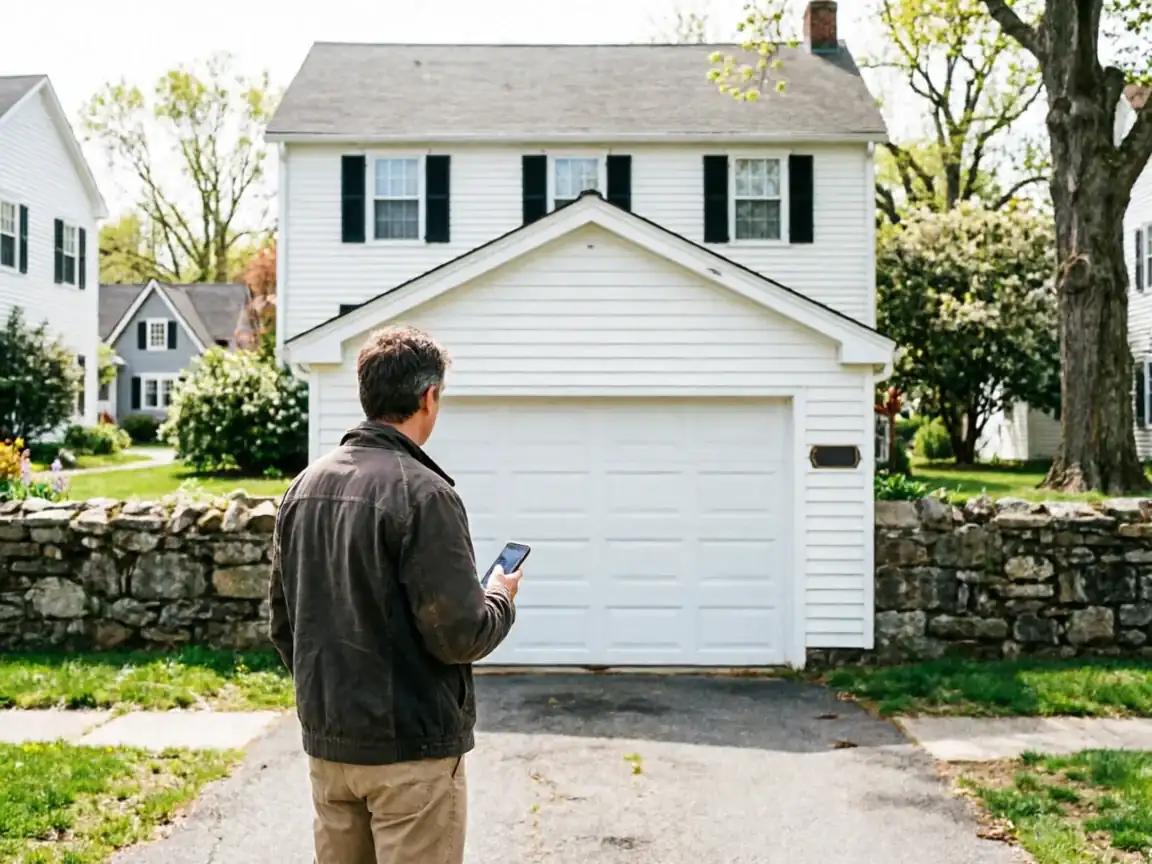
Bellefonte's housing stock centers on 1940
A generation older than the 1965 median across the rest of the Wilmington service area. A door and track system that old was likely fitted with a narrower drum and a lighter-gauge galvanized cable than what you'd find on a 1960s or 70s build elsewhere in the 16 areas we cover. That cable has had eight decades of cold-season cycling to stretch, rust at the anchor point, and fray where it wraps the drum. Once the zinc coating on a cable that age starts to lift, the strands underneath go fast, and a door that looked fine on Tuesday can drop on one side by Friday.
We also see mismatched hardware in this area
A replacement cable from a prior repair paired with an original 1940s drum, which throws the wind pattern off and causes repeat failures.
Learn more about our broader work in the area on the Bellefonte garage door service page
What It Costs
We don't have a published price list specific to Bellefonte to quote here, and a cable job's cost depends on whether one cable has gone or both, whether the drum or track needs attention too, and what the door weighs. Pricing a cable repair over the phone without seeing the door is a guess, and we'd rather not guess.
What we can say is that a cable swap is one of the lower-cost repairs we run, well under what a full door or opener replacement runs, because the part itself is inexpensive and the labor is straightforward once the truck is on site. The variable in Bellefonte specifically is the age of the drum and track - if the drum is original to a 1940s door and no longer made, replacing the whole drum assembly adds cost that a 1960s-stock house elsewhere in the service area usually avoids.
If you want a real number, the fastest way is to call and describe what you're seeing - whether the door dropped evenly or tilted to one side, and whether you hear a snap or just notice it's heavy to lift.
How Long It Takes
A standard cable replacement, once the technician is at the door, is a same-visit job in most cases - it doesn't require ordering a part that sits on back order for weeks. What changes the timeline in Bellefonte is whether the drum or track hardware underneath that 1940s-era cable has also worn out. If the drum groove is chewed up from the old cable jumping it, that's a second part to source and fit, and depending on availability that can turn a one-visit repair into two.
We don't publish a guaranteed response window for Bellefonte specifically, since the truck comes out of Wilmington and scheduling depends on the day's route. What we can tell you is that a broken cable on a double door, where the door is stuck down and blocking a vehicle, gets prioritized over a single door that's merely sagging but still operable.
The honest limitation here: if the drum is a discontinued 1940s pattern and the exact match isn't available, we'll fit a compatible modern drum rather than hunt for an original - it works the same, it just isn't period-correct.
What Is on the Truck
For a cable call in Bellefonte, the truck carries galvanized lift cable in the common gauges
Replacement drums sized for both older narrow-groove hardware and newer standard drums, and the clips, fasteners, and safety cables that go with them. Because so much of this town's stock sits at that 1940 build mark, we carry drum options that fit older torsion and extension setups, not just what's standard on newer doors.
We also stock winding bars, cable clamps, and lubricant suited to cold-severe climate conditions
Since Delaware's winter swings are hard on exposed steel cable and the zinc coating that protects it.
What we don't carry on the truck is custom or decorative hardware
If a door has an unusual drum casting or a part that was manufactured specifically for a builder in 1940 and never standardized, we'll source it rather than improvise with something that doesn't fit the wind pattern correctly. That's rare, but it happens on houses this old.
Doing It Yourself
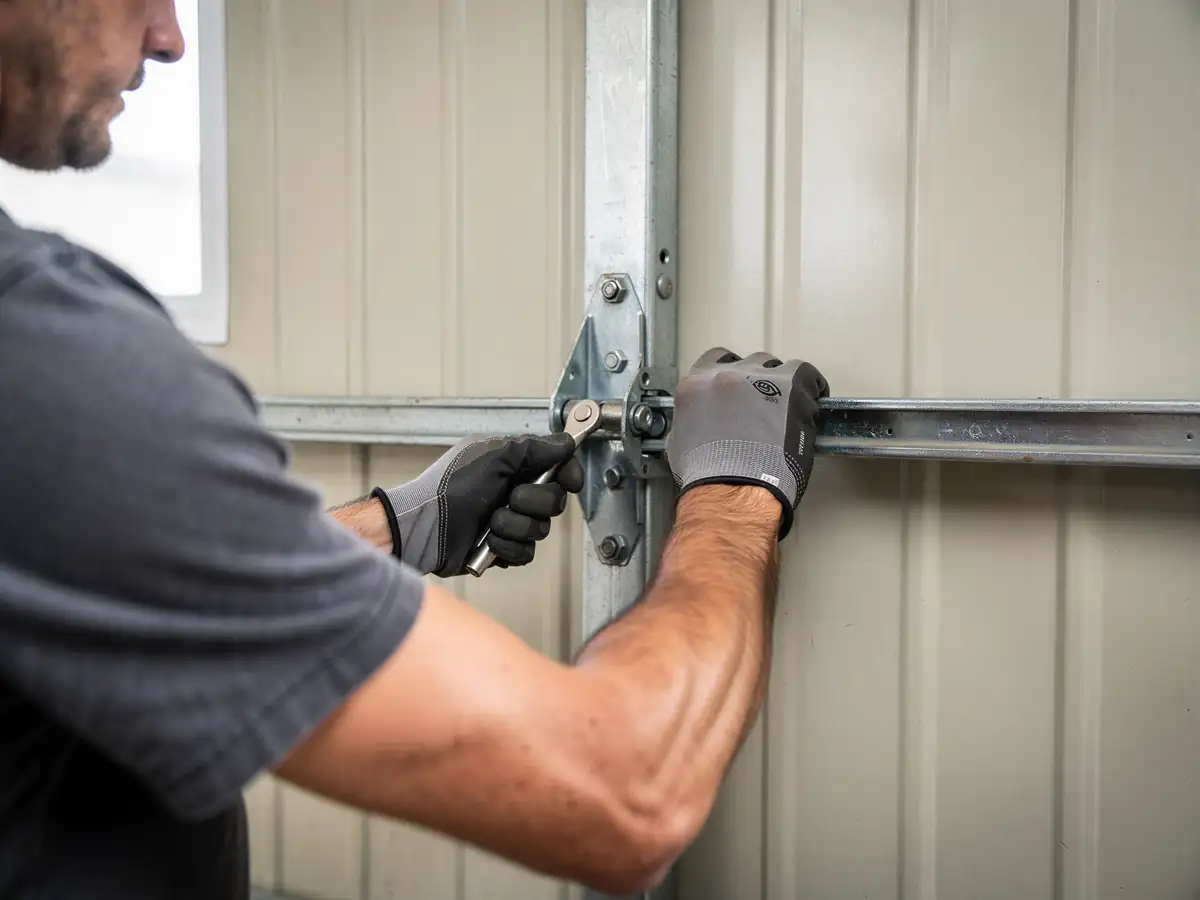
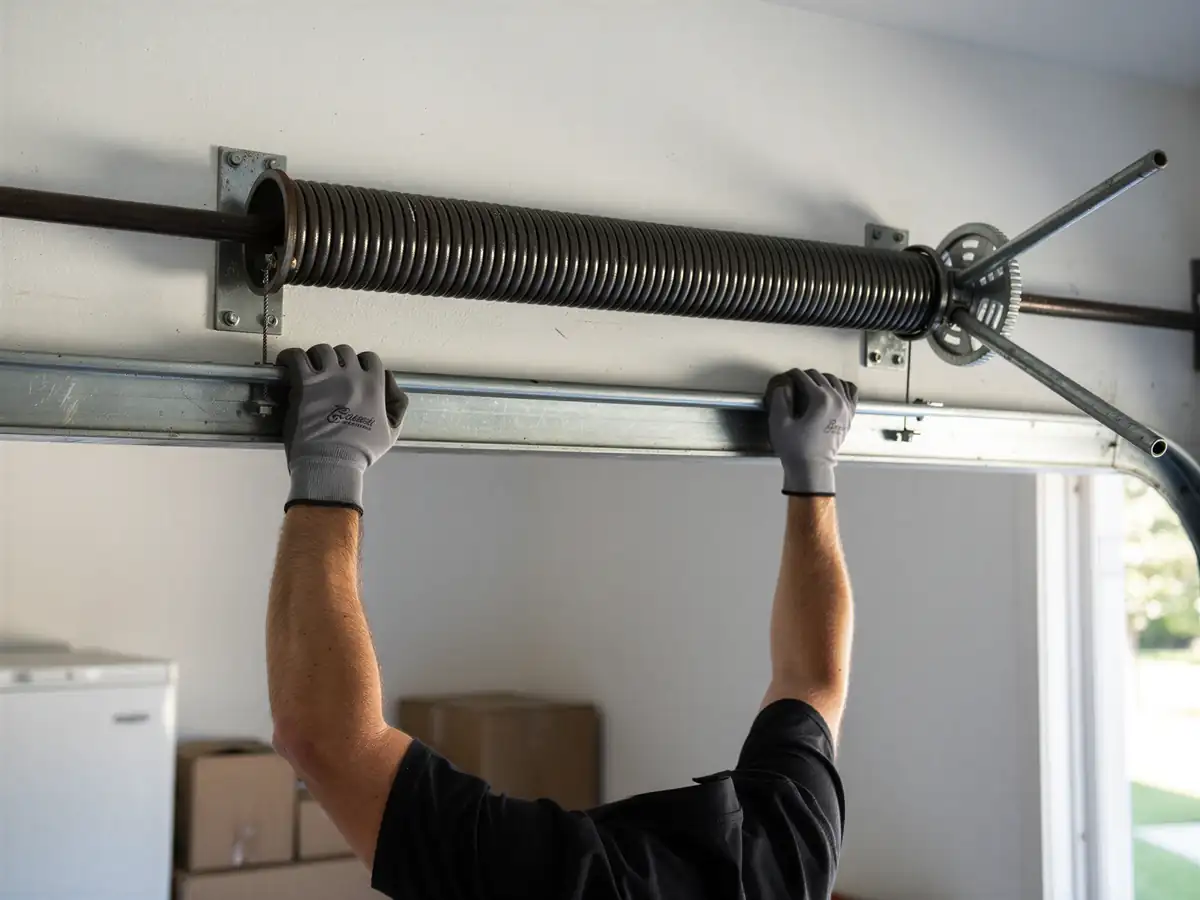
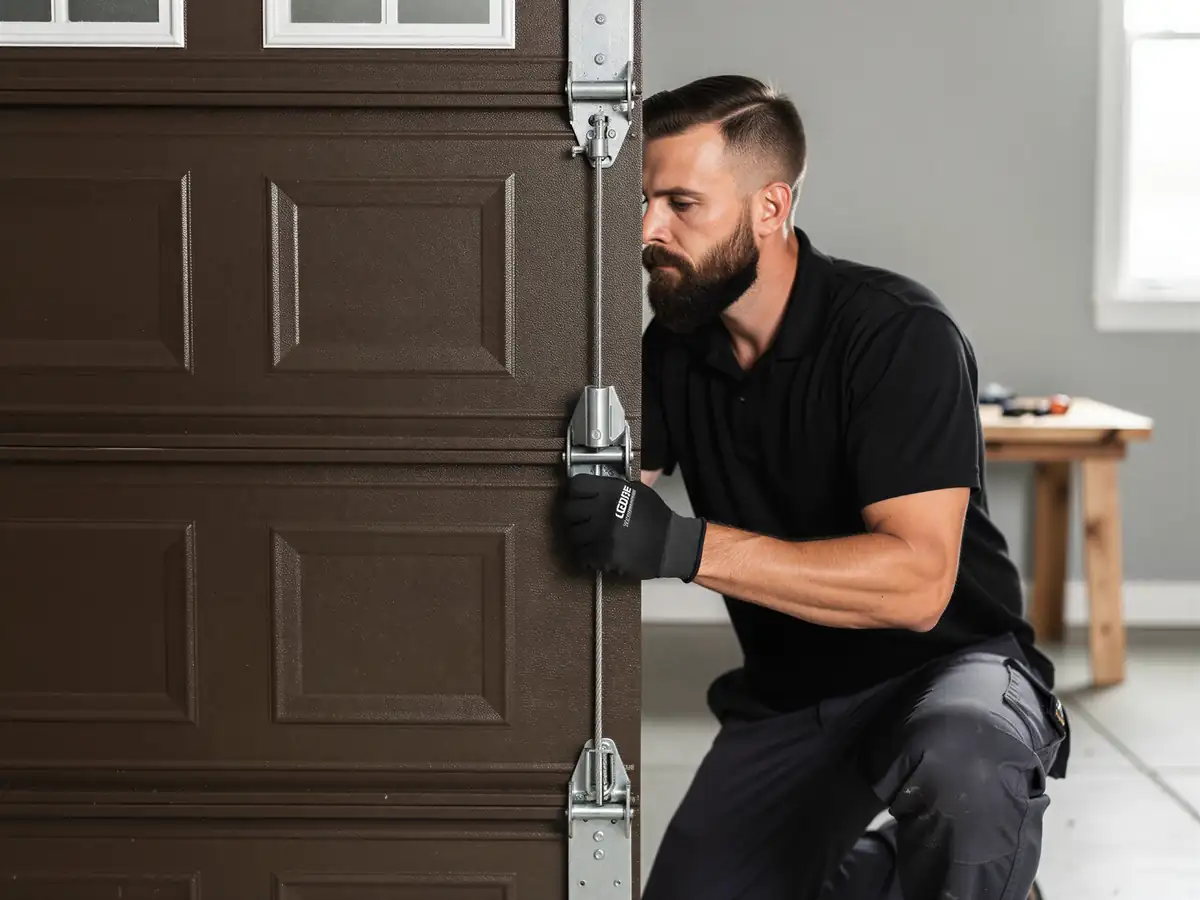
A garage door cable is under serious tension, even on a single-car door, and extension or torsion systems store enough energy to cause a real injury if a cable lets go while you're working near it. This isn't a job we'd walk you through over the phone, and it isn't one where a quick online video substitutes for knowing the specific hardware in front of you.
That caution matters more in Bellefonte than it might in a newer-stock neighborhood, because original 1940s drums and winding hardware don't always match current safety standards or have the same failure margins as hardware made in the last twenty years. Before you touch anything, unplug the opener and do not remove the clamps holding the torsion shaft in place.
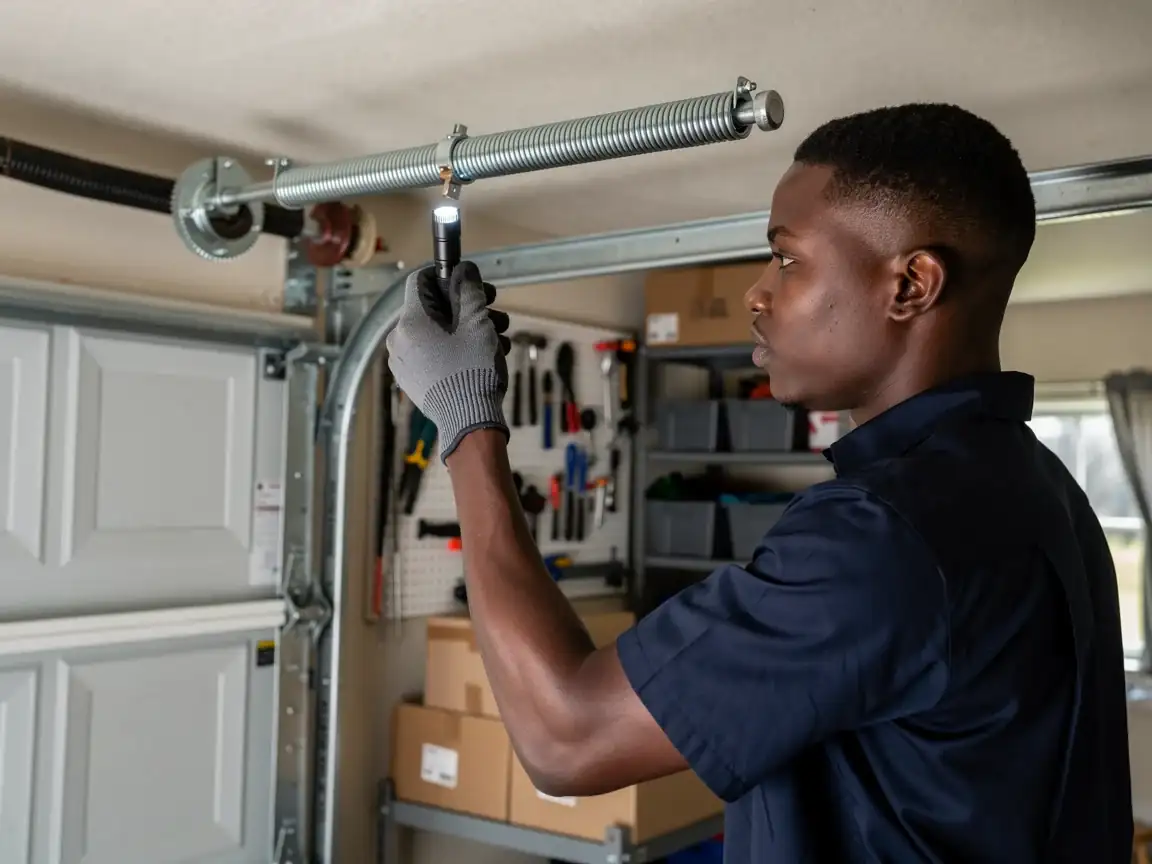
What you can safely do yourself: look at the cable where it wraps the drum and where it anchors at the bottom bracket, and check for rust, fraying, or a kink. If you see any of that, that's the call to make - not the repair to attempt.
What You Are Seeing
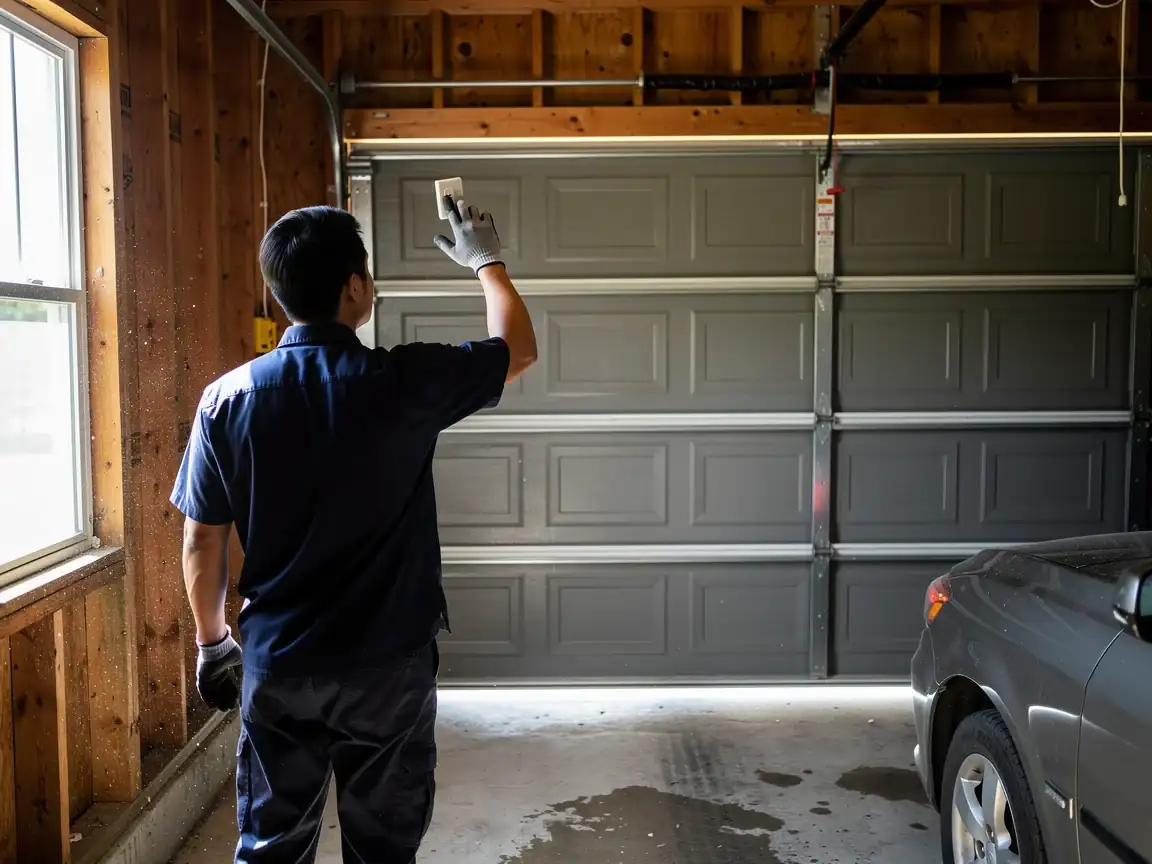
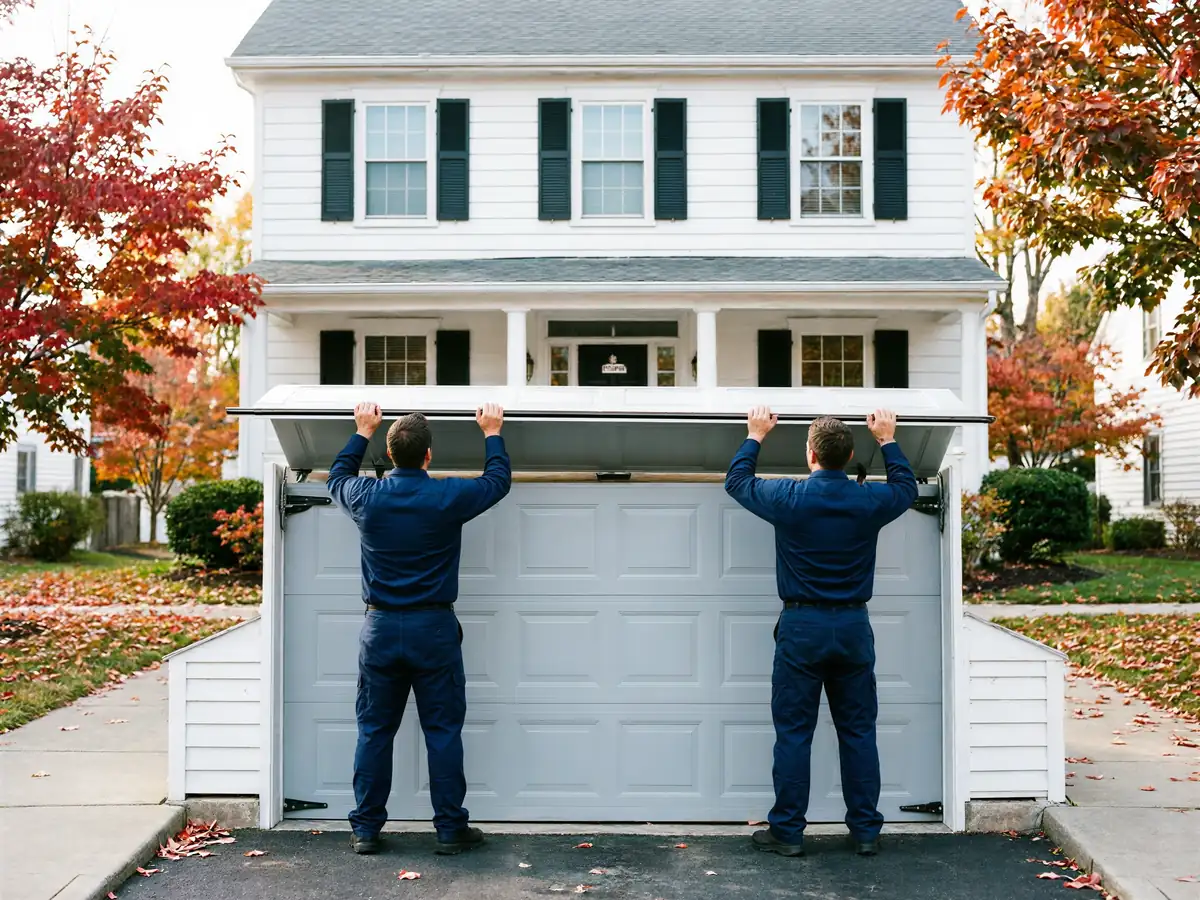
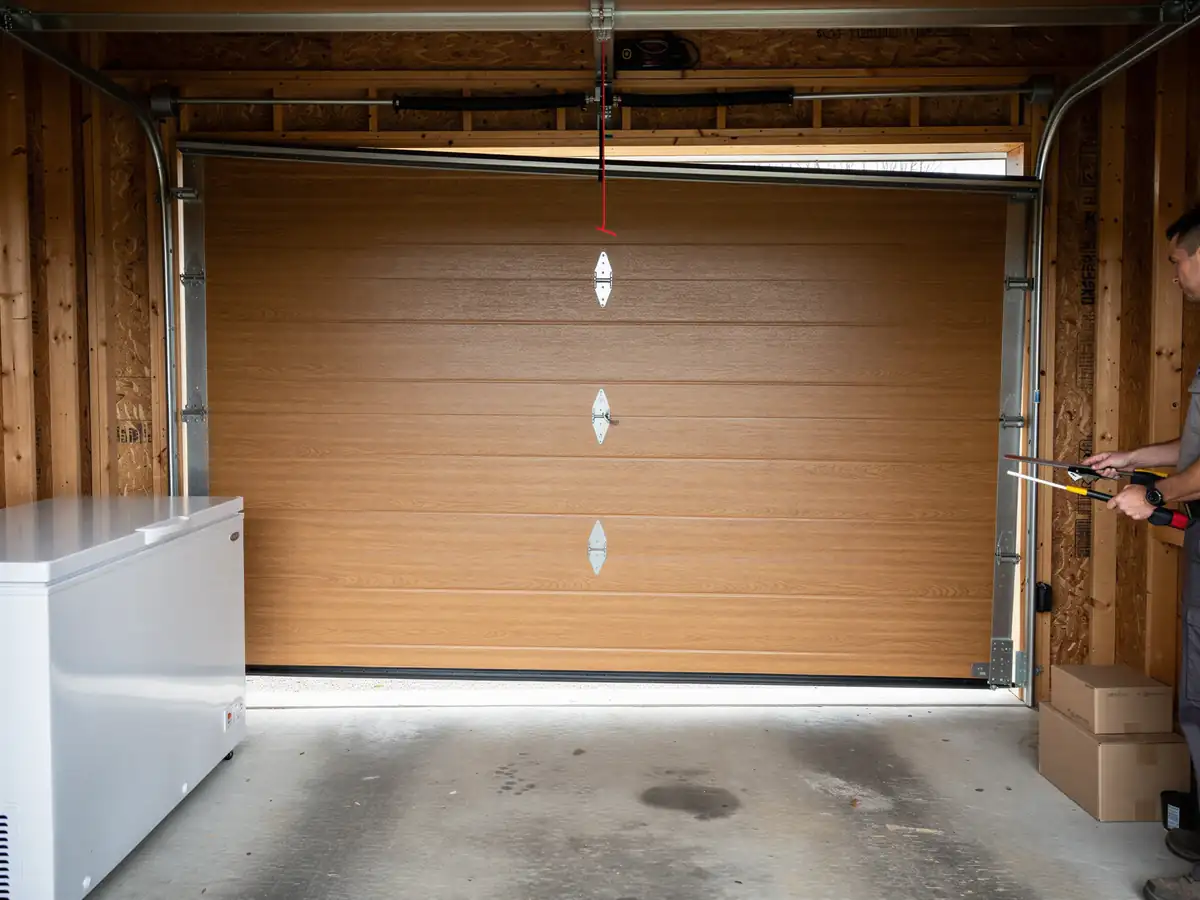
If the door drops unevenly - one side lower than the other, or the door sits crooked in the opening - that's almost always a cable, not a spring, because springs usually fail symmetrically while a single bad cable lets one side fall. If you hear a loud bang or snap followed by the door refusing to move, a cable has likely let go entirely.
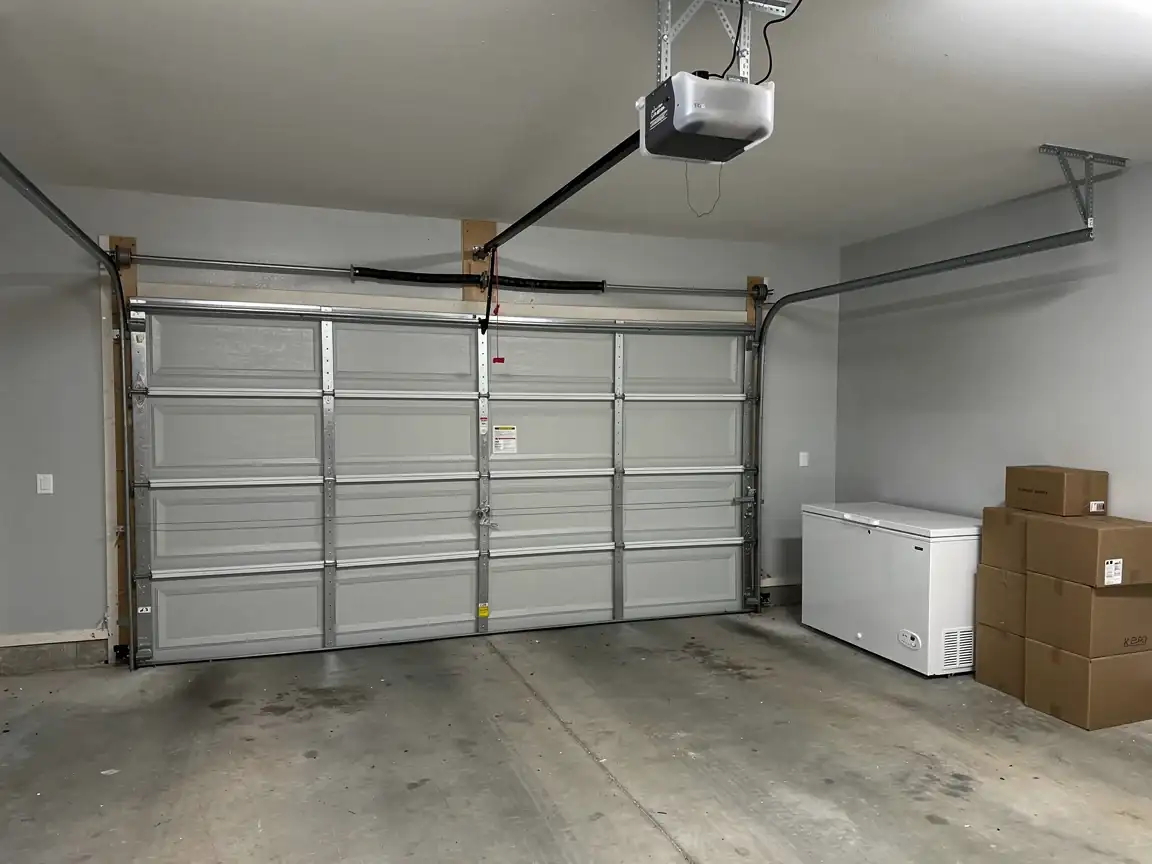
A door that's hard to lift by hand, feels heavier than usual, or makes a grinding or scraping sound near the top of the track can mean a cable has jumped the drum groove and is rubbing against metal it shouldn't touch. That's common on the older 1940s-style drums still in service around Bellefonte, where the groove has worn shallow from decades of use.
Don't force the opener if the door won't move - that strains the motor and can bend the track further. Disconnect the opener, leave the door where it is, and call.