What It Costs
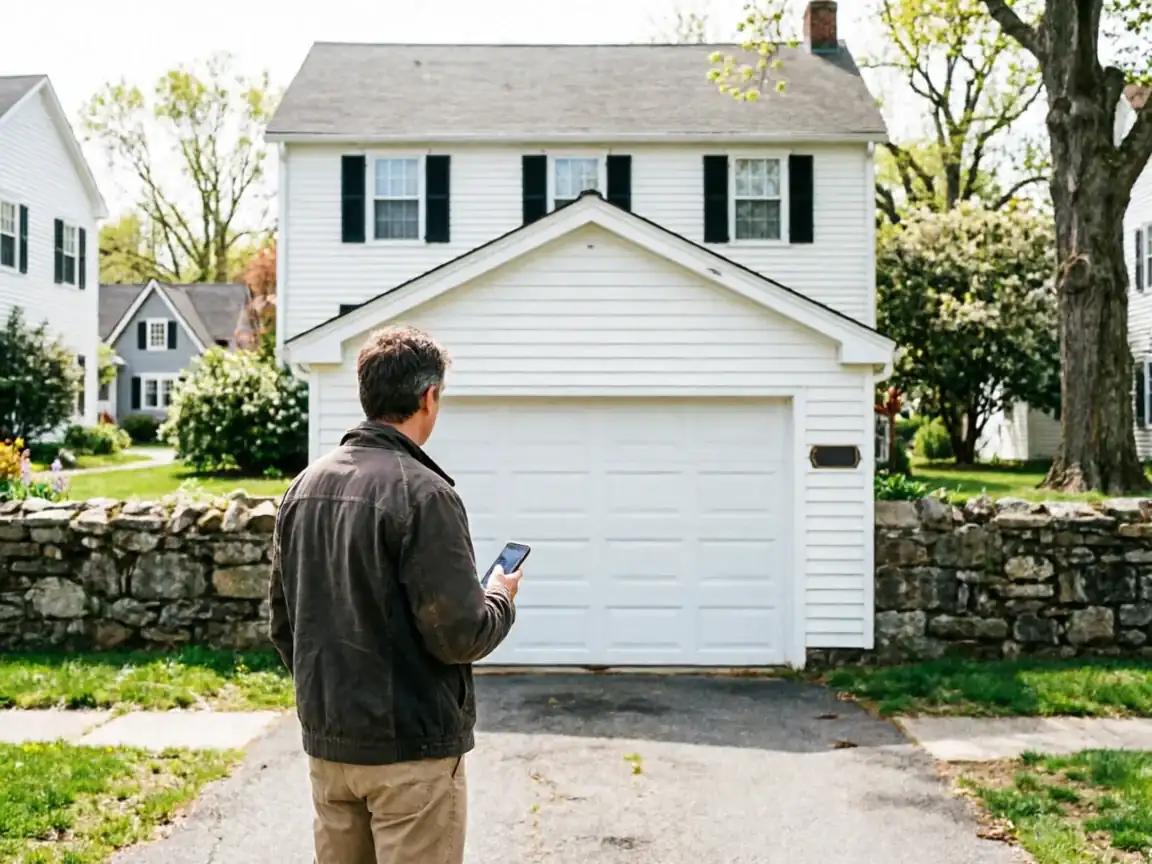
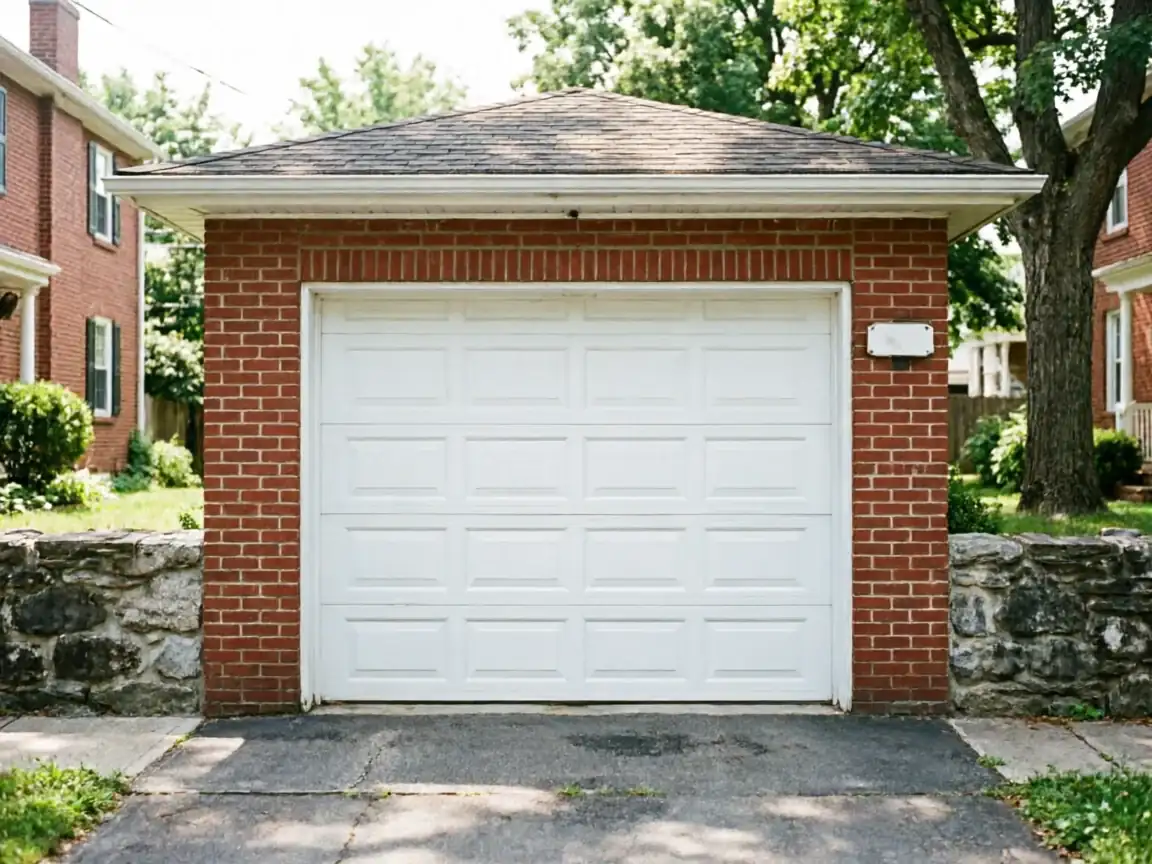
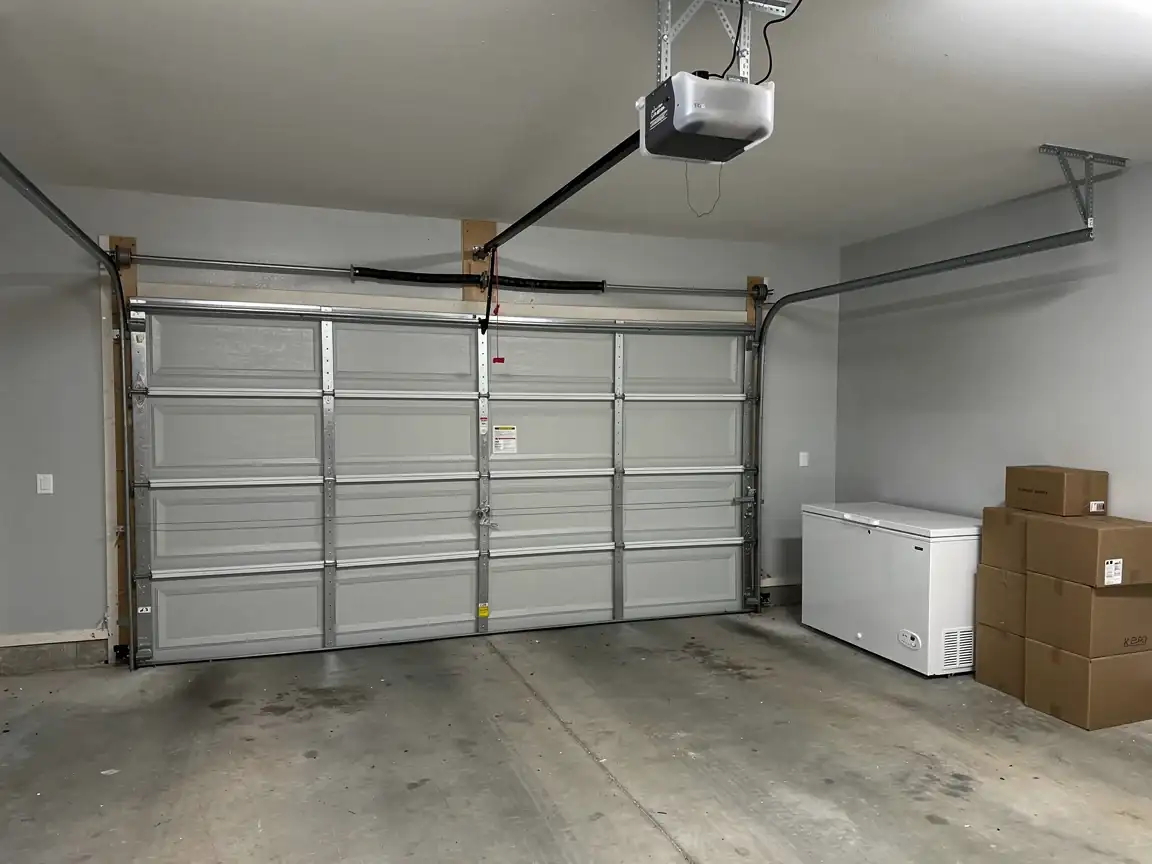
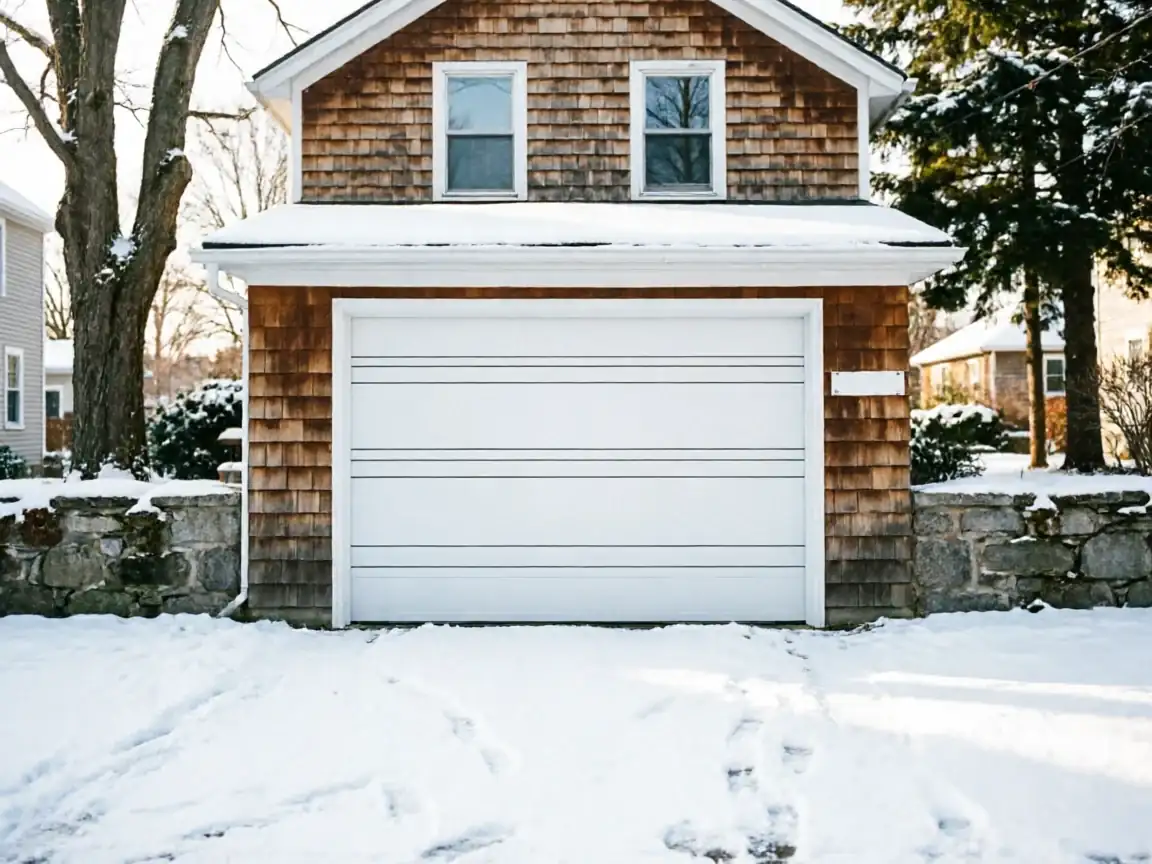
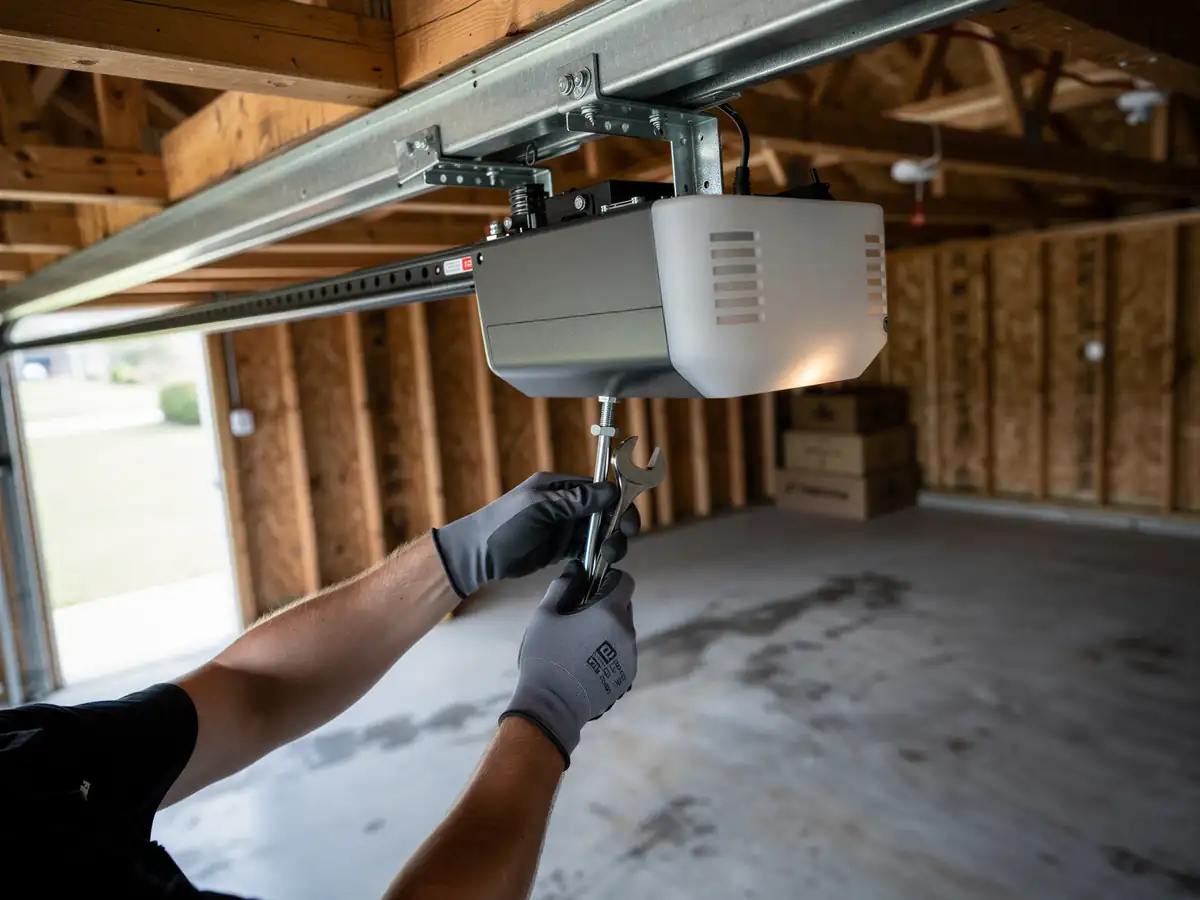
We don't price opener repair over the phone sight unseen, and we won't invent a number here that doesn't hold up once we're looking at your specific unit. What we can tell you is what drives the cost in a town like Bellefonte: parts availability. A chain-drive opener from a big box store built in the last decade is easy - gears and sprockets are stocked. An opener retrofitted onto one of Bellefonte's 1940s-era doors, especially if it's an older belt or screw-drive unit matched to a non-standard rail length, takes longer to source parts for, and that shows up in the bill. Bellefonte's median household income runs $86,667, just under the $87,826 median across the wider service area, which is part of why we try to steer people toward the repair that actually fixes the geometry problem rather than a straight opener swap. Mismatched horsepower is the other driver - an opener rated for a lighter door that's been pulling a heavier original door for years wears out its gears faster, and gear replacement costs more than a simple sensor or wiring fix. If the opener itself is at the end of its life, replacement often costs less over time than patching a worn gear train a second time. We'll tell you honestly when that's where you are.
How Long It Takes
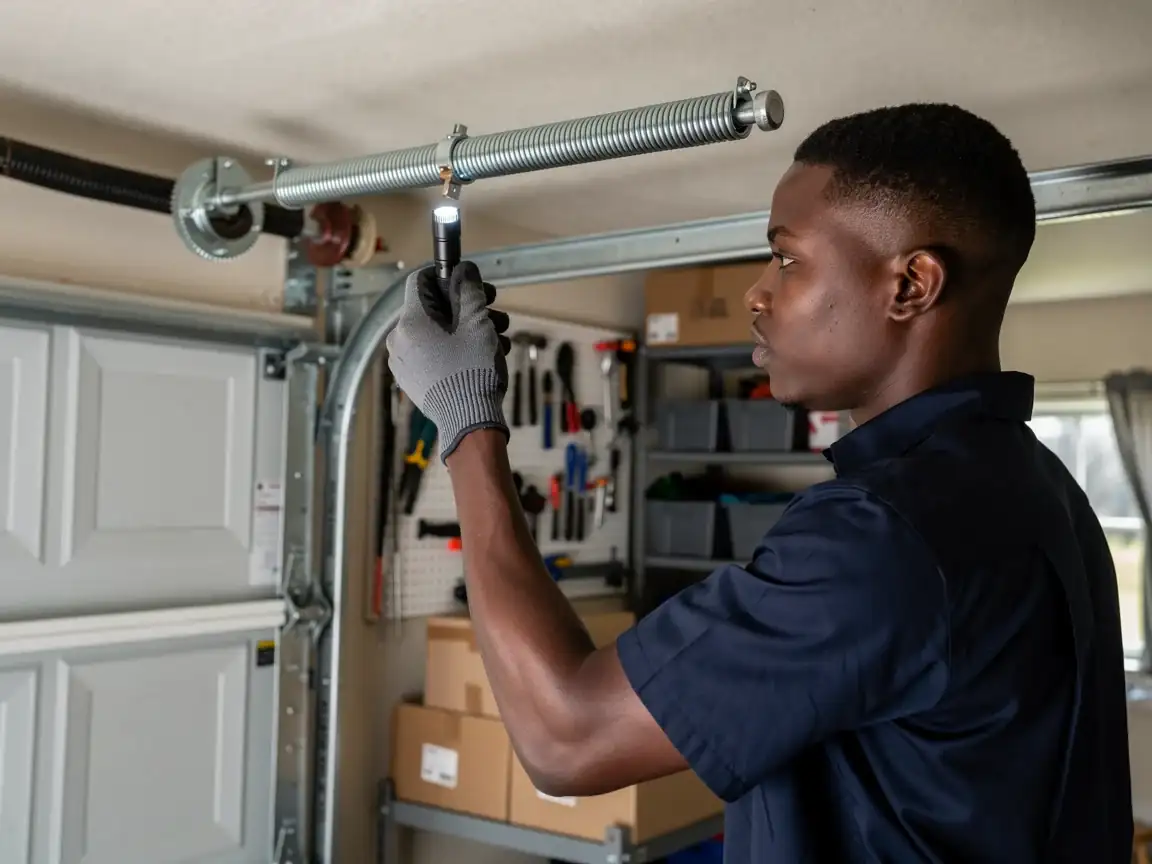
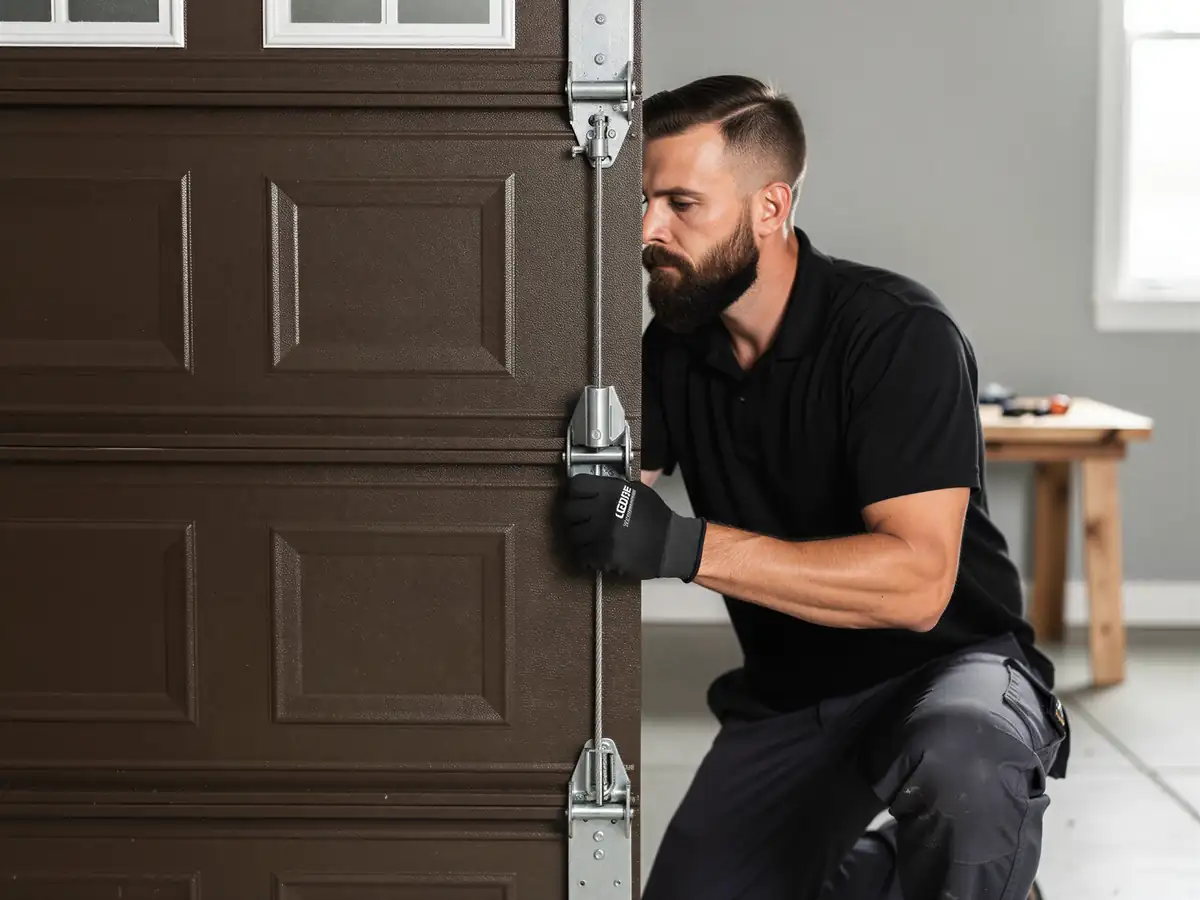
We travel the 3 miles from Wilmington to reach Bellefonte, and most opener calls here are straightforward once we're on site - a bad capacitor, a failed logic board, worn drive gear, or a safety sensor knocked out of alignment. What adds time is the retrofit problem described above: if the opener's rail and bracket were never square with the door in the first place, we're correcting that geometry before the opener will run reliably again, not just swapping a part. Parts for older belt or screw-drive units sometimes aren't in stock on the truck, which means a second trip once we've ordered the right gear kit or circuit board for your model. We'd rather tell you that up front than guess and have you wait on a repair that doesn't actually fix the door.
Doing It Yourself
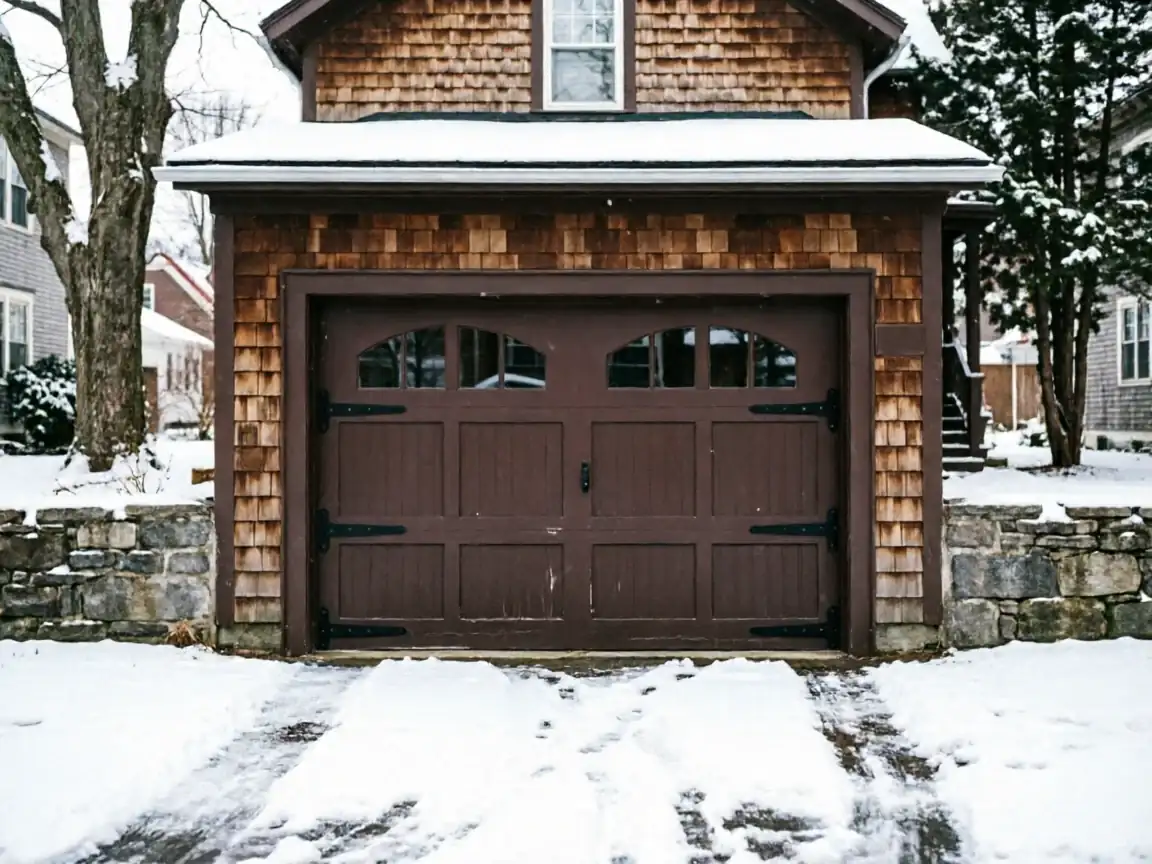
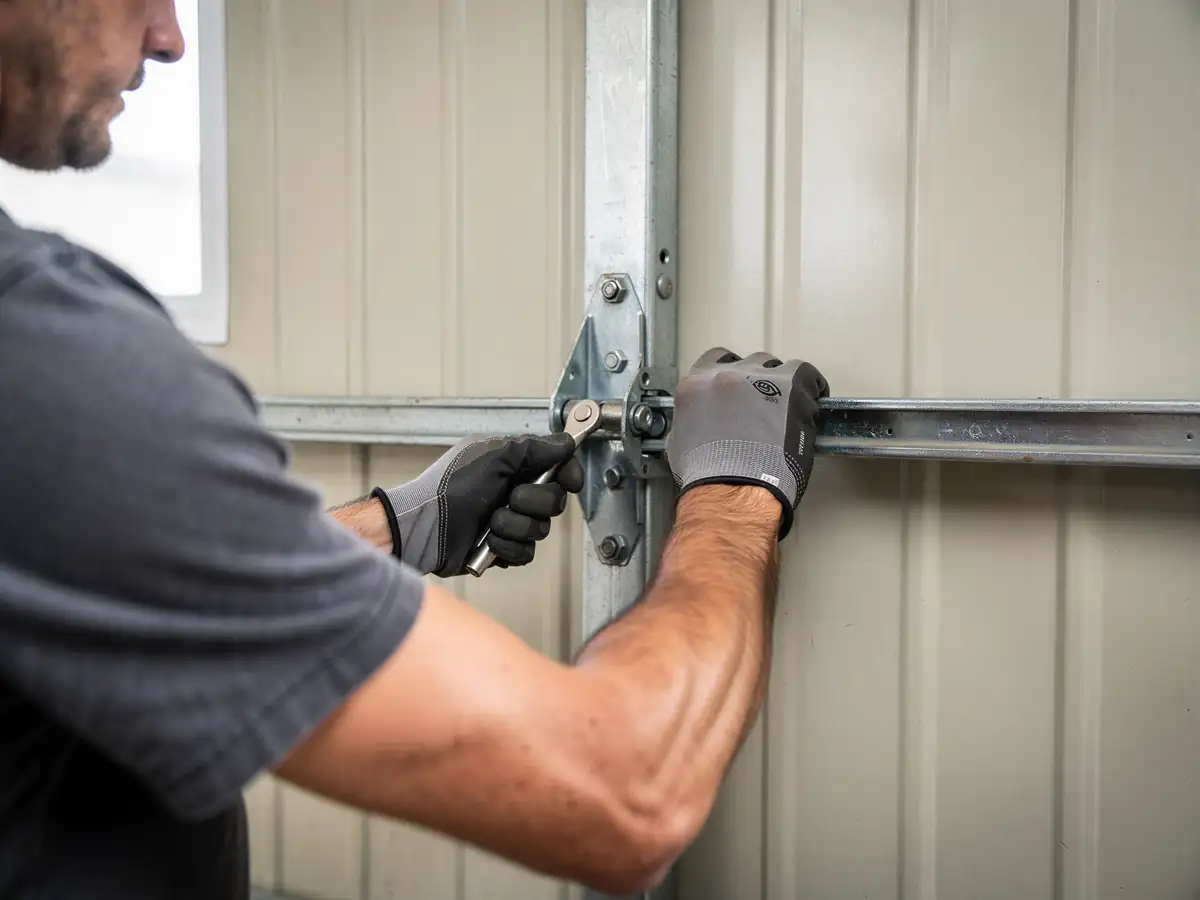
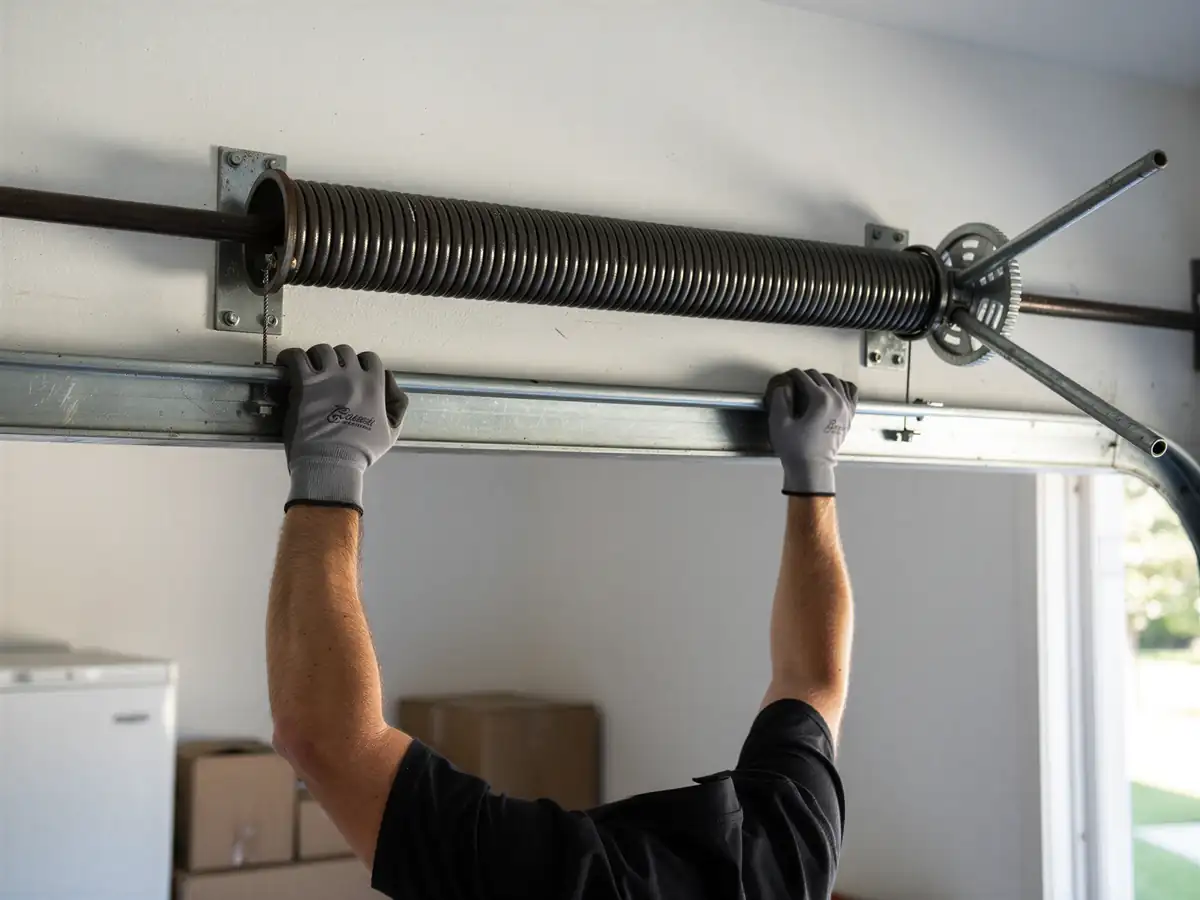
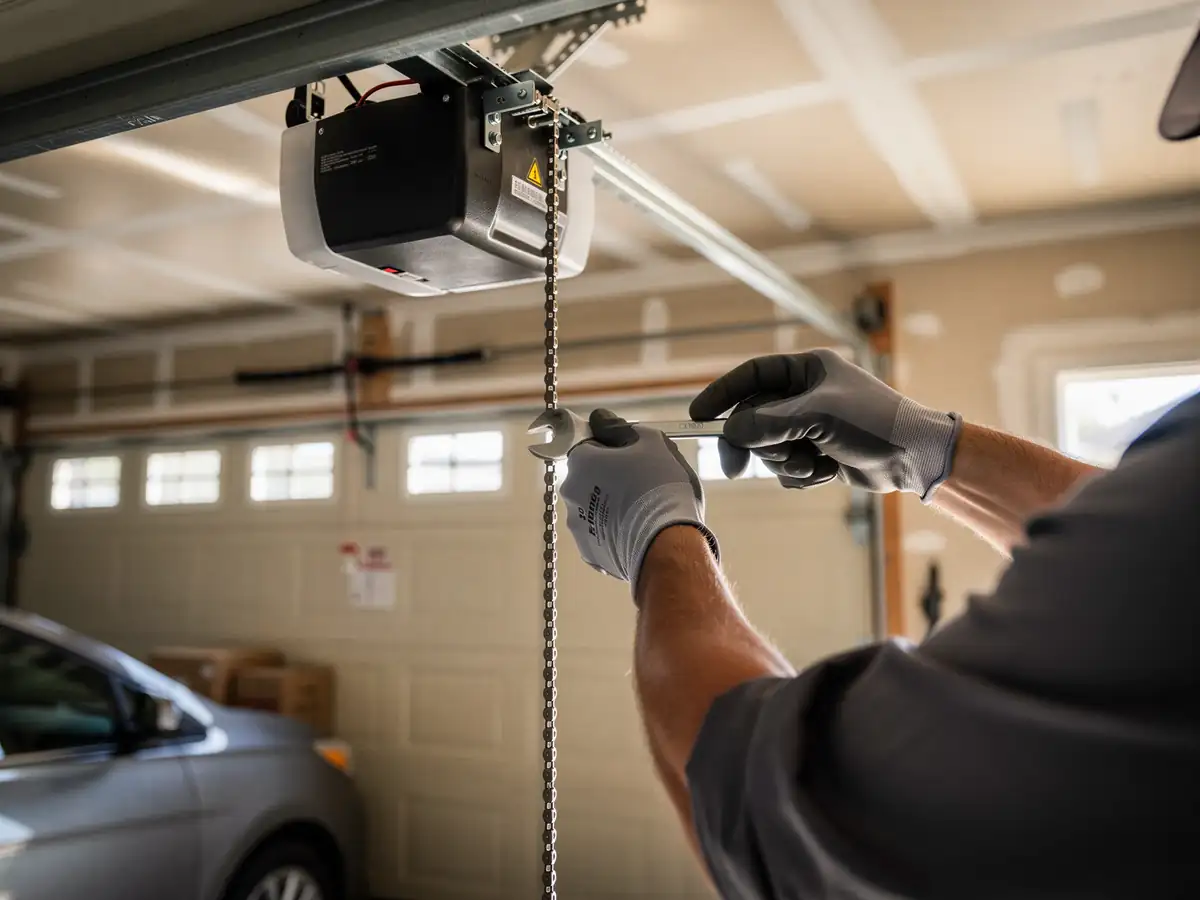
Swapping a remote battery, cleaning photo-eye sensor lenses, or tightening a loose bracket bolt are reasonable DIY jobs, and we'd rather you do those yourself than pay a truck roll for them. What we don't recommend DIYing is anything involving the opener's drive gear, the rail-to-header bracket, or the door's springs - on an older door with a retrofitted opener, the geometry is often off in ways that aren't obvious until you're mid-repair, and a motor pulling against a door it was never sized for can snap a rail or drop a door on a hand. If your opener is running but struggling - grinding, reversing without hitting anything, or stalling partway up - that's worth a call rather than a trial-and-error fix, especially once winter sets in and cold makes marginal hardware fail outright.
What You Are Seeing
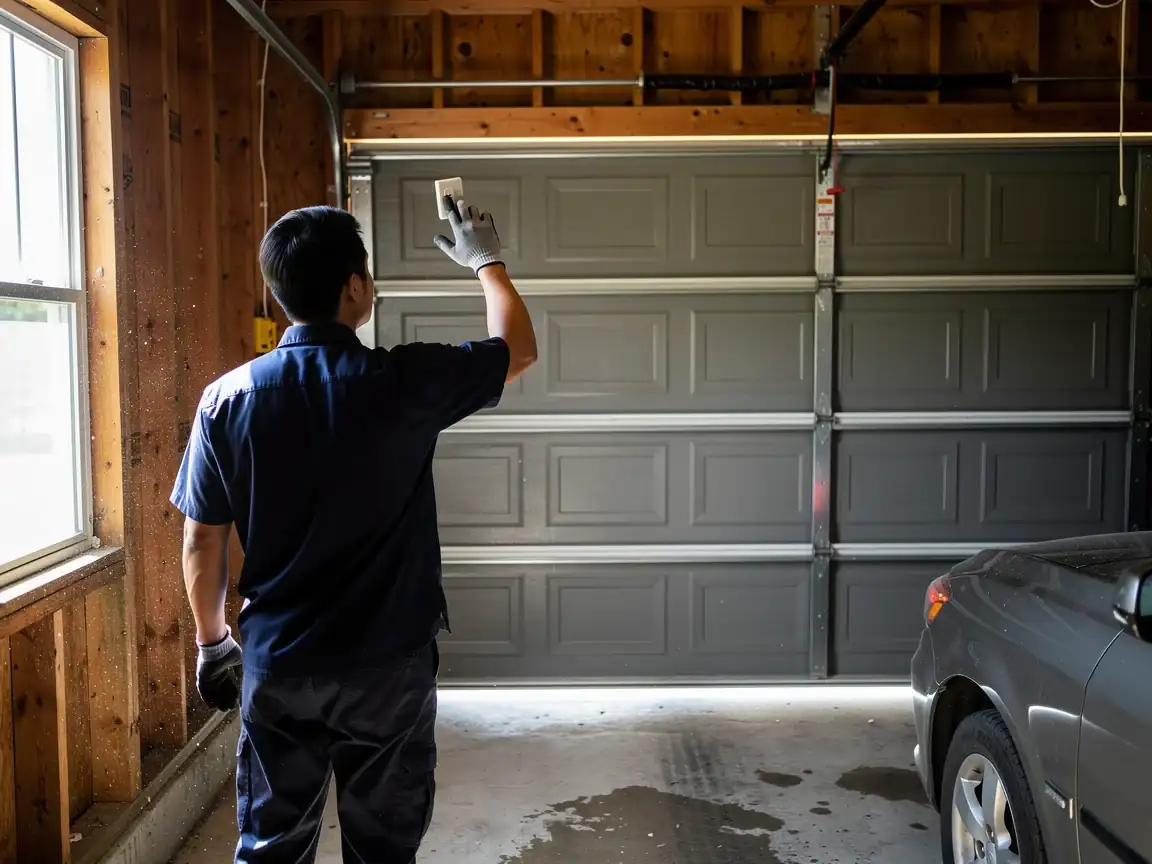
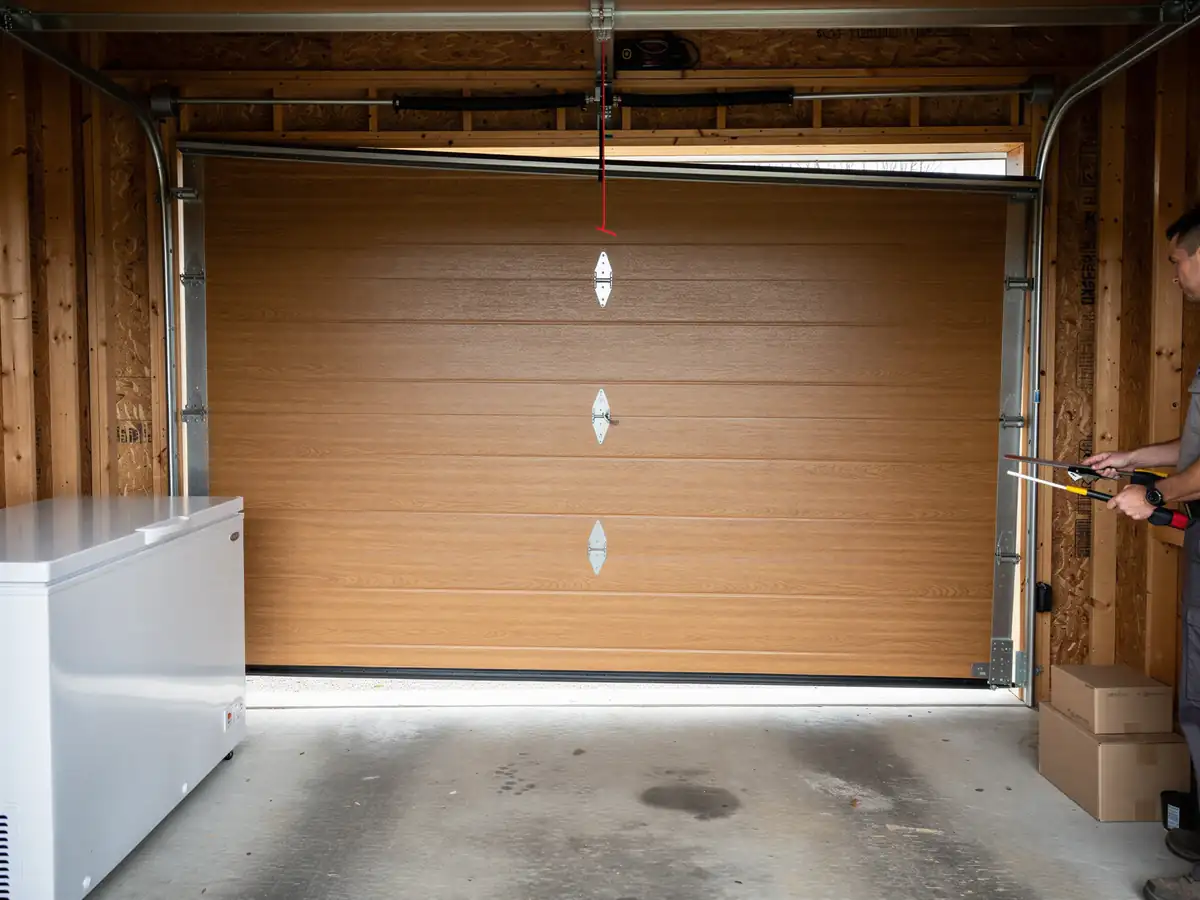
If your opener runs but the door only lifts partway before reversing, that's usually the motor hitting its limit against resistance it shouldn't have to fight - often the retrofit bracket issue common on Bellefonte's older doors. A grinding noise on a chain-drive unit usually means a worn sprocket or a chain that's stretched past adjustment. If the opener hums but the door doesn't move at all, check the manual release cord first - on an older door, it's not unusual for this to have been pulled accidentally. Lights that flash without the door moving point to a safety sensor knocked out of alignment, which is common once storm debris or a parked car bumps one. And if the whole unit went dead in a cold snap, check the outlet and breaker before assuming the motor failed - cold weather trips circuit issues on older wiring runs before it kills a sound motor.