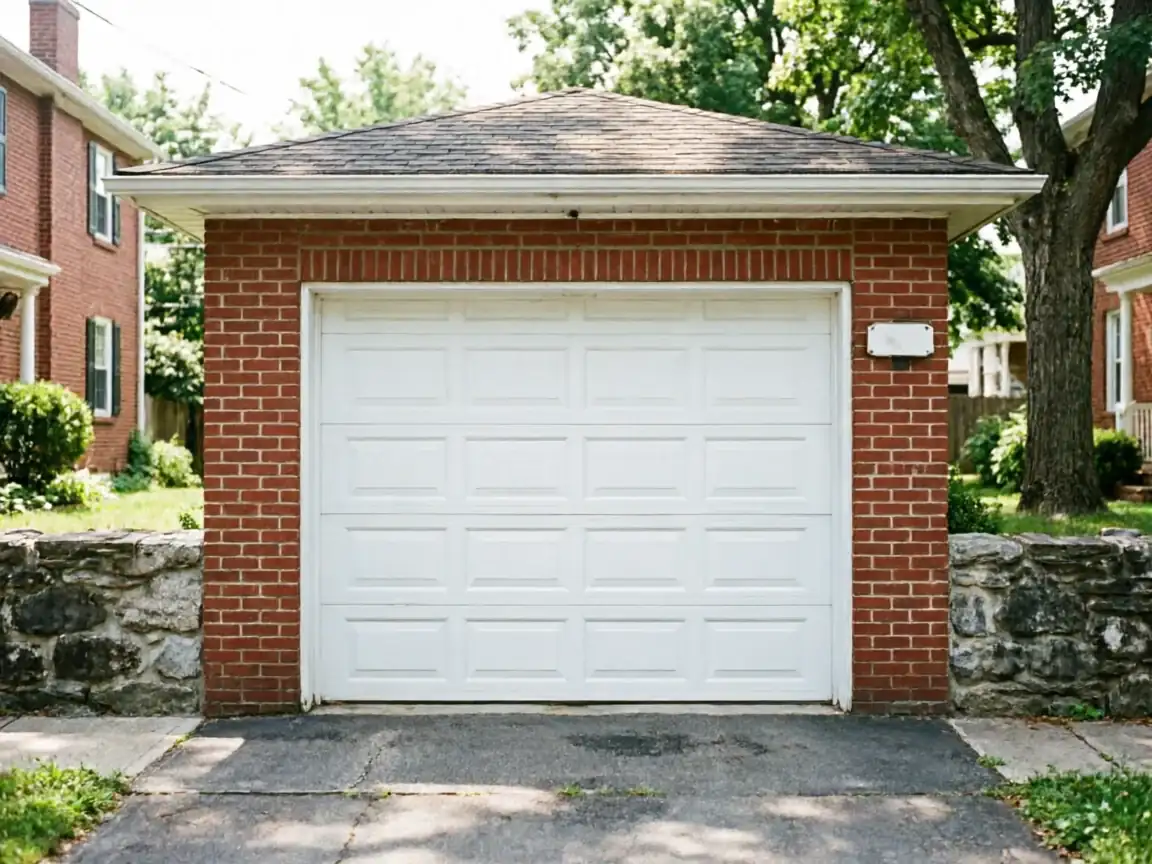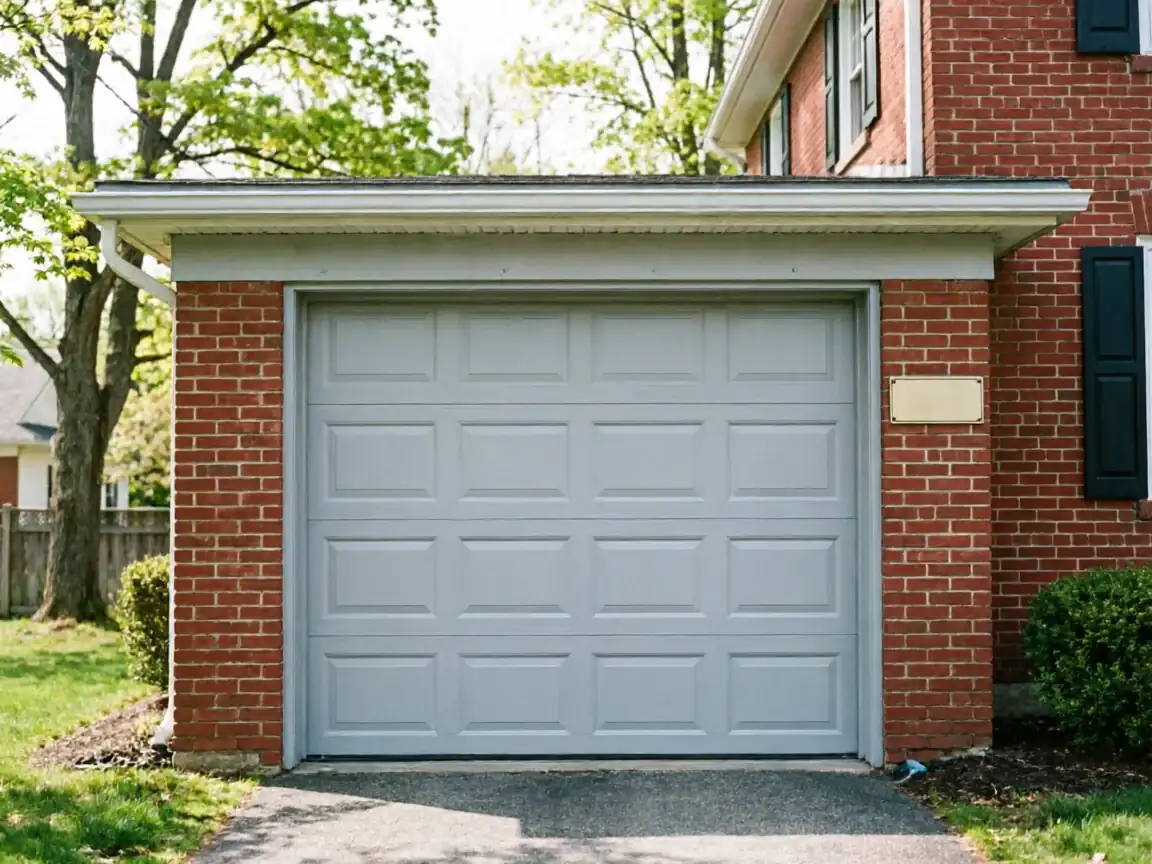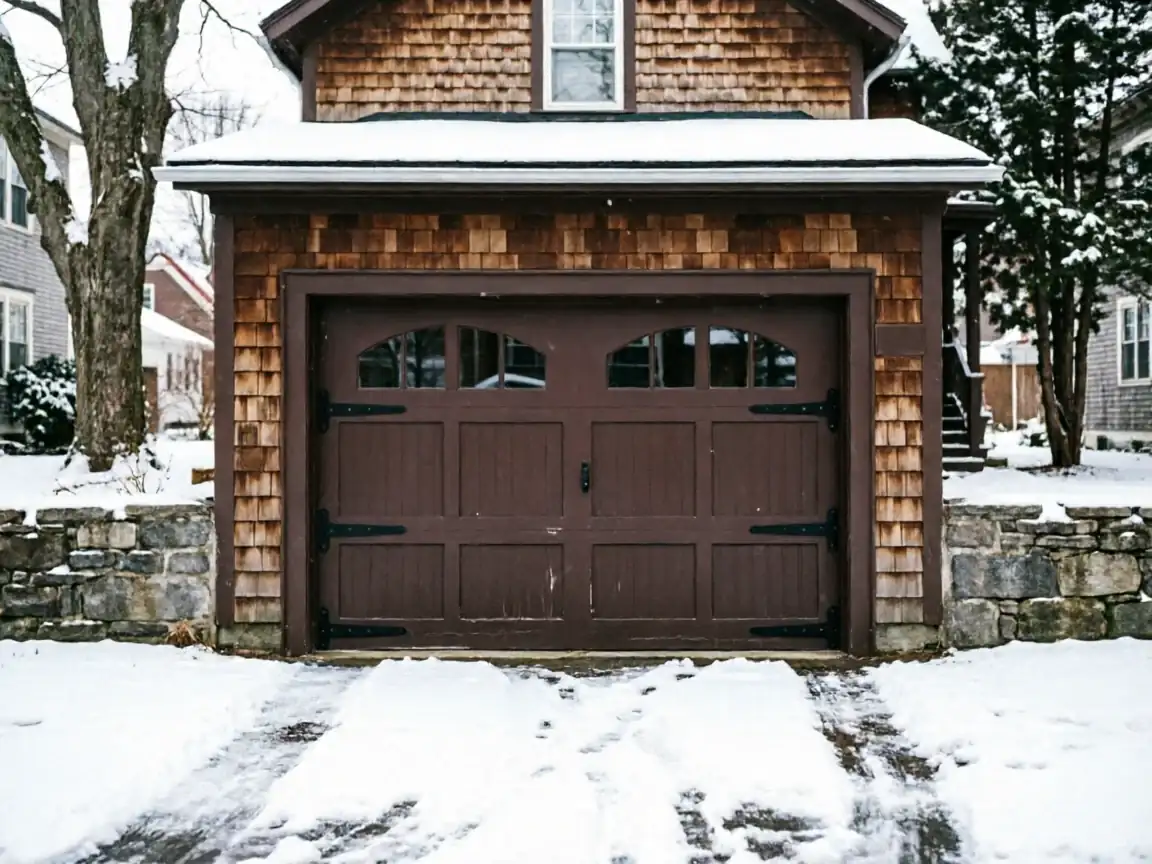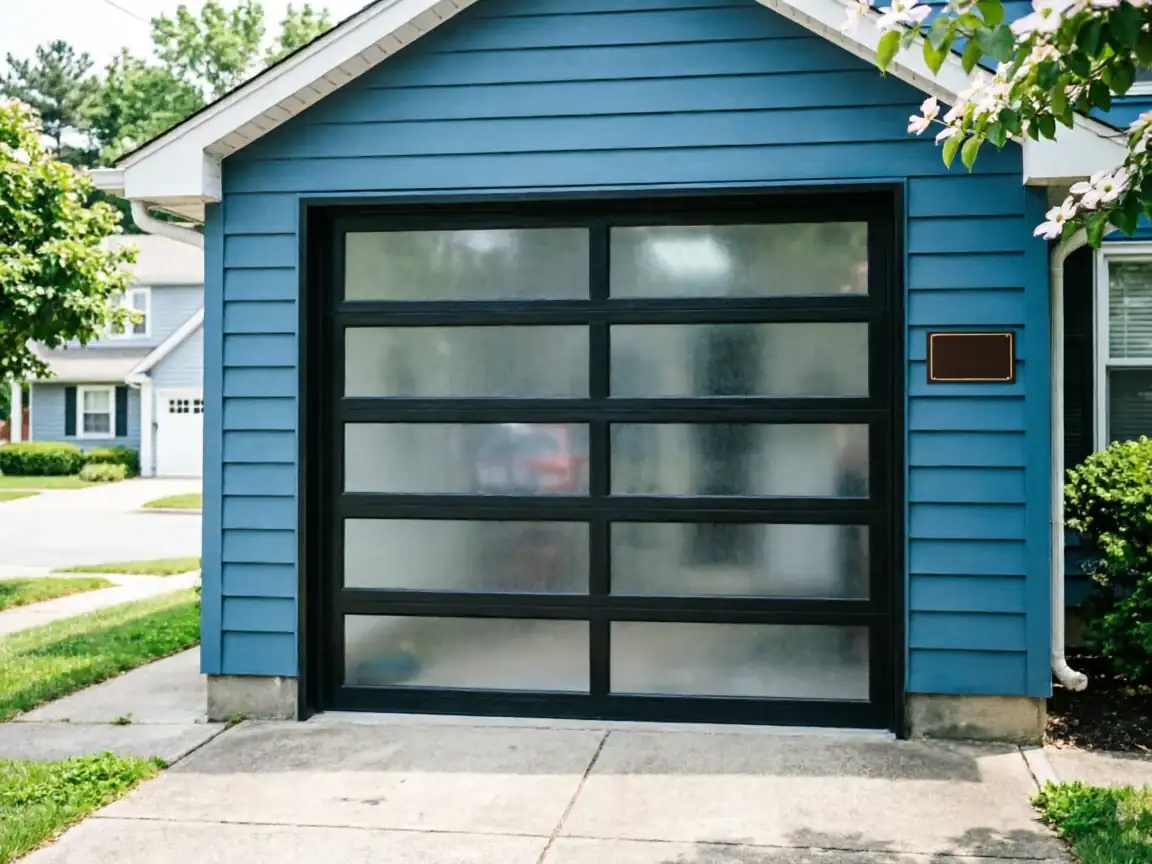
What You Are Seeing
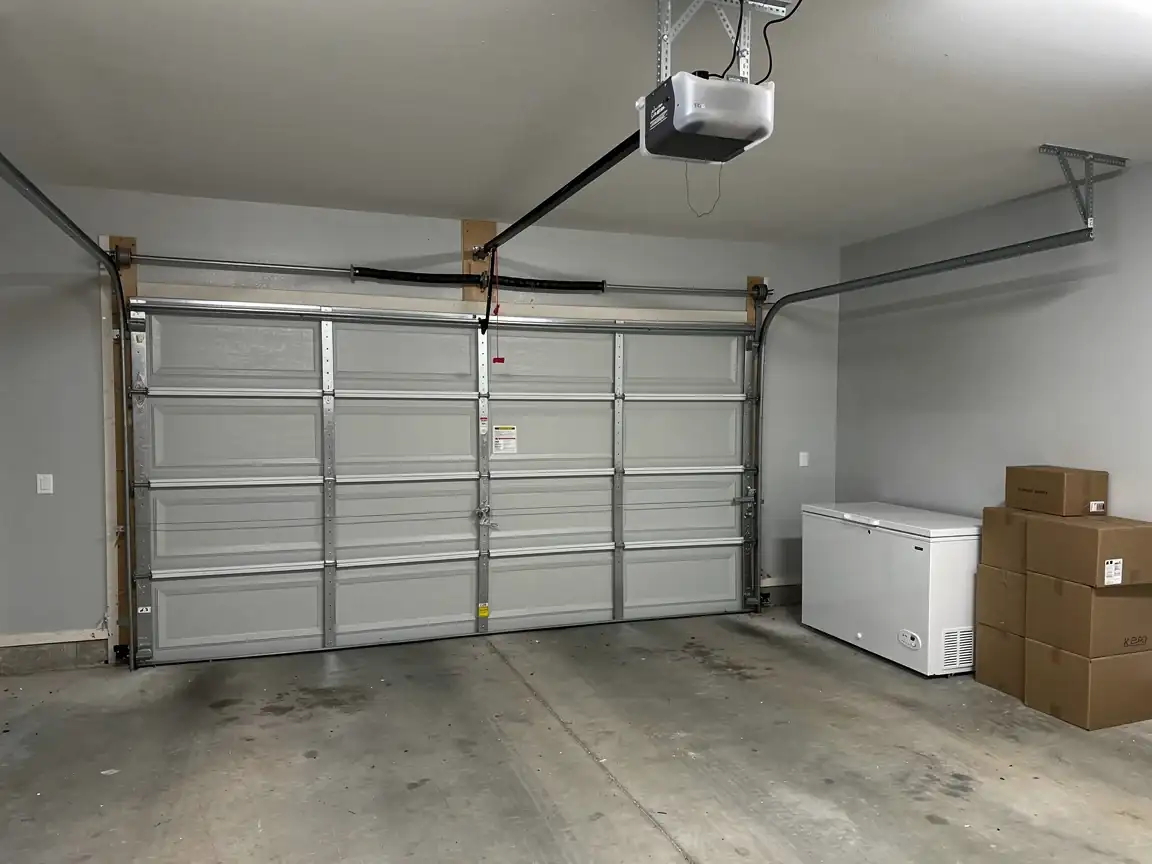
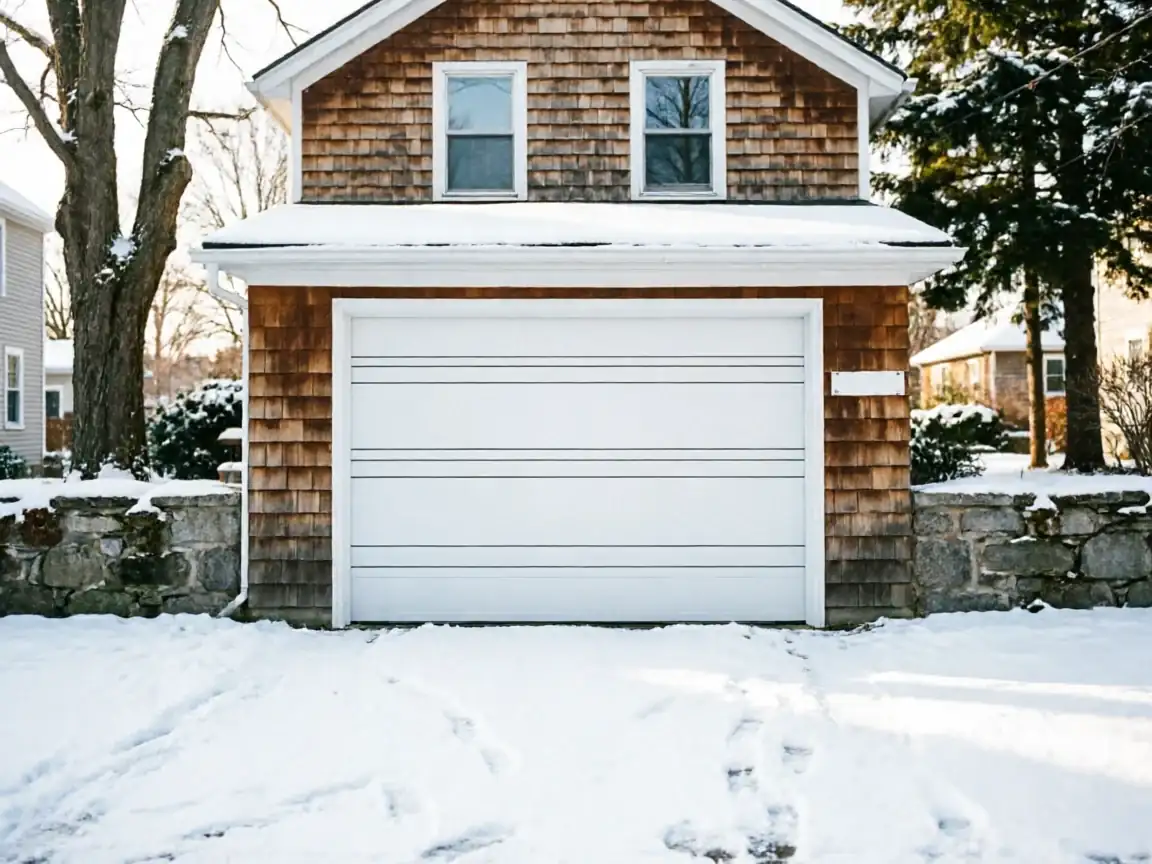
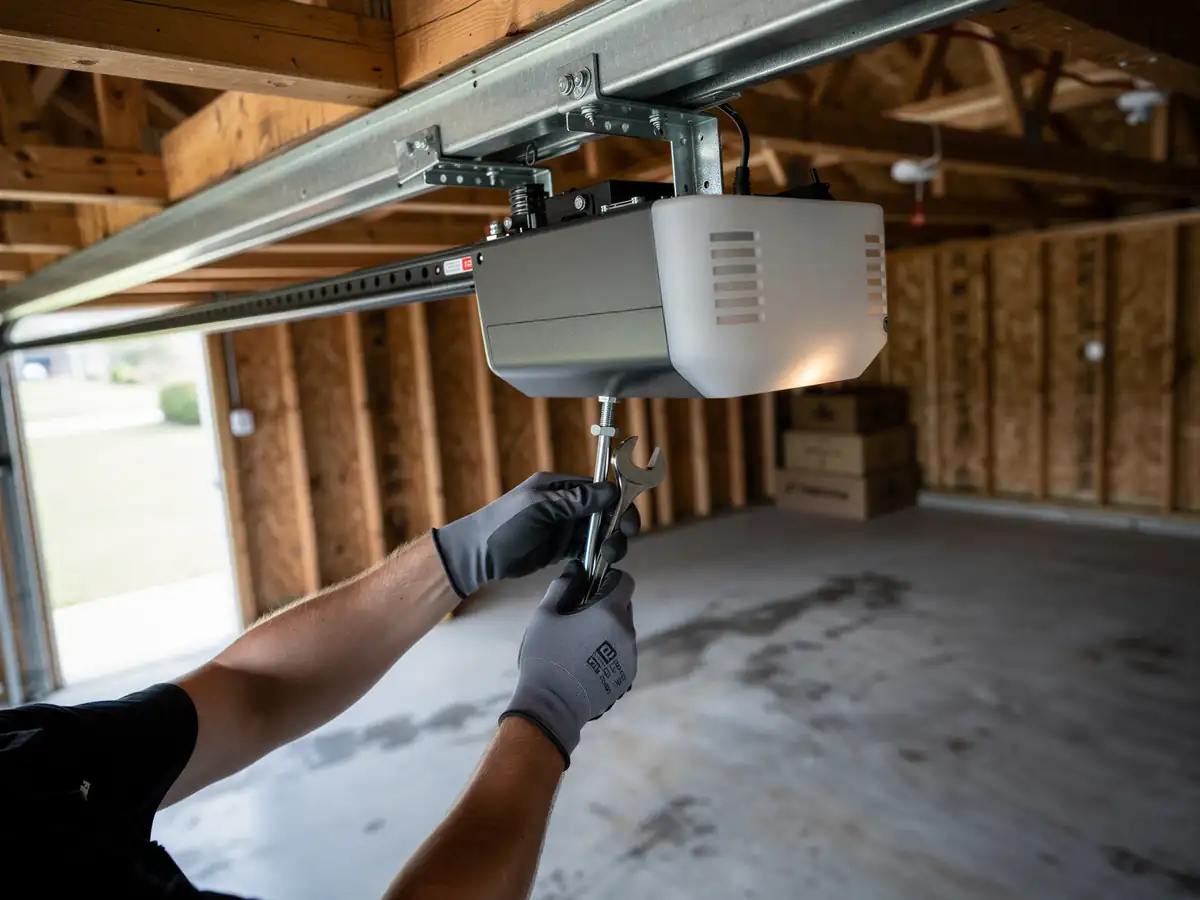
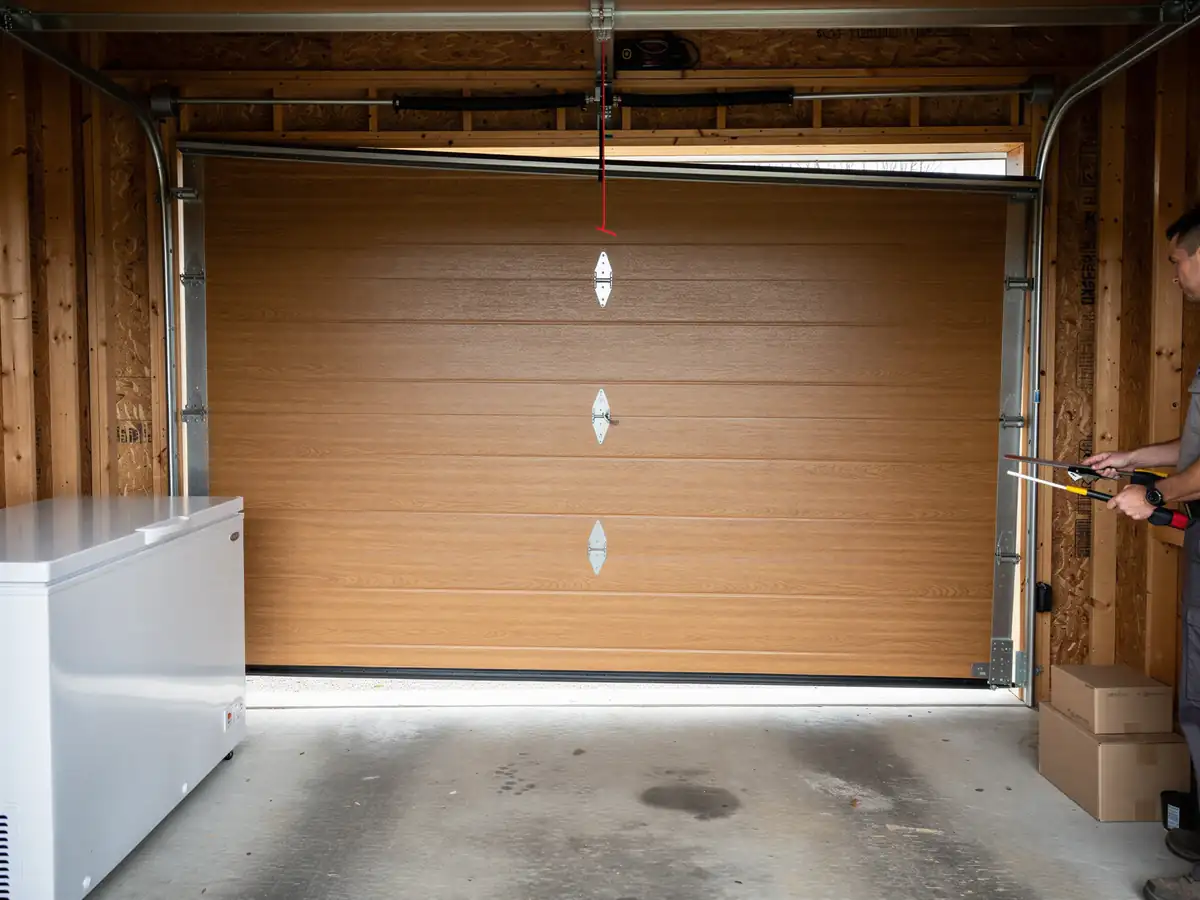
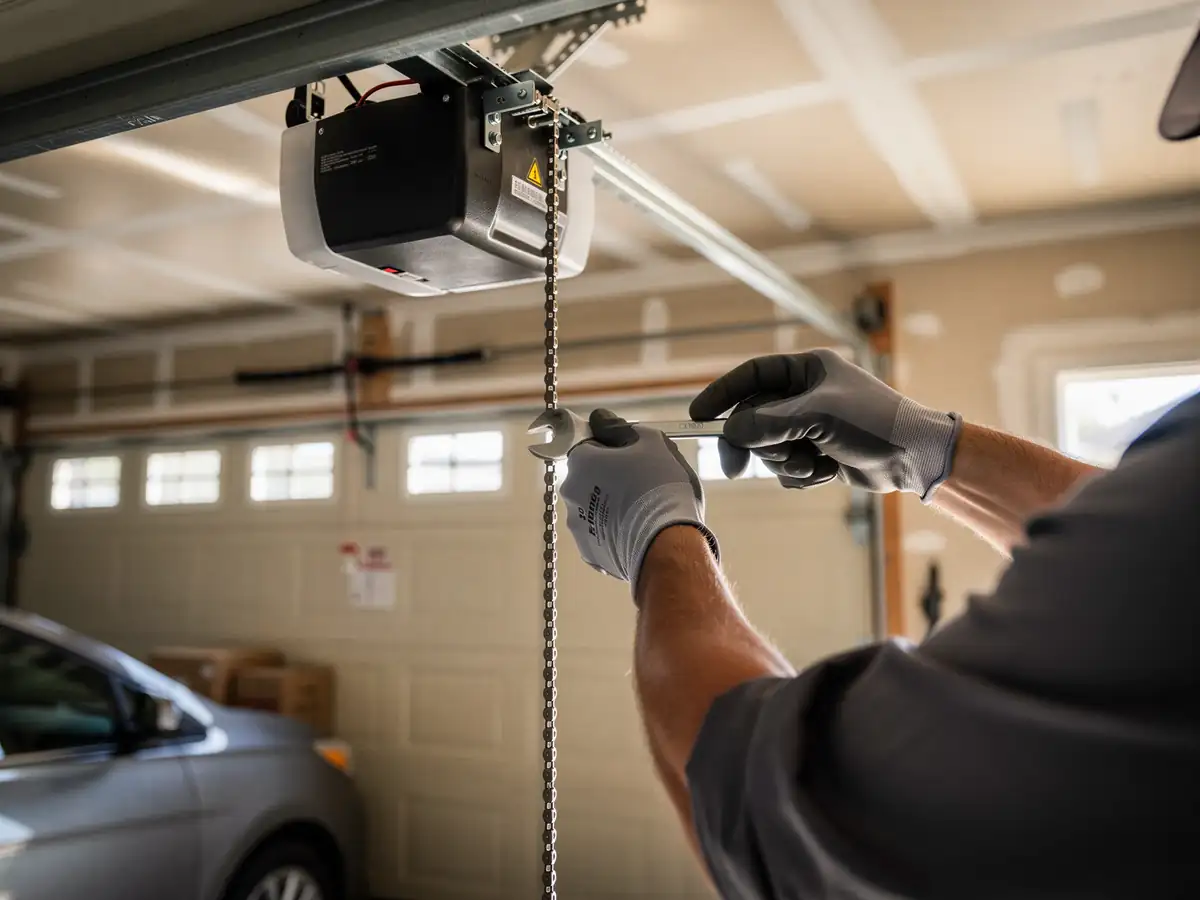
The calls we get from New Castle cluster around a few patterns tied directly to the age of the housing stock. A door that reverses halfway up usually means the travel limits on an old chain-drive opener have drifted - common on units installed when these houses were new or in the first replacement wave of the 80s. A door that won't respond to the wall button but does respond to the remote points to a failing control board, and board failures show up more in this COLD-climate area because temperature swings stress the solder joints over decades. We also see openers with no auto-reverse safety sensors at all - original equipment from before that feature was standard, which it wasn't in 1963 when most of this neighborhood was built. That's not a want-to-fix, it's a should-fix.
How Long It Takes
A straightforward sensor or logic board swap is usually a single visit - we carry common replacement parts on the truck and the fix doesn't require us to touch the door itself. Full motor or gearbox failure takes longer if the unit is old enough that the exact replacement part isn't something we stock; we'll quote a lead time once we've identified the model, since openers from the 1960s-70s wave of construction often used hardware that current manufacturers don't match directly. We travel to New Castle from Wilmington, about five miles out, so there's no on-site depot delay - the time variable here is parts, not travel.
The Complications
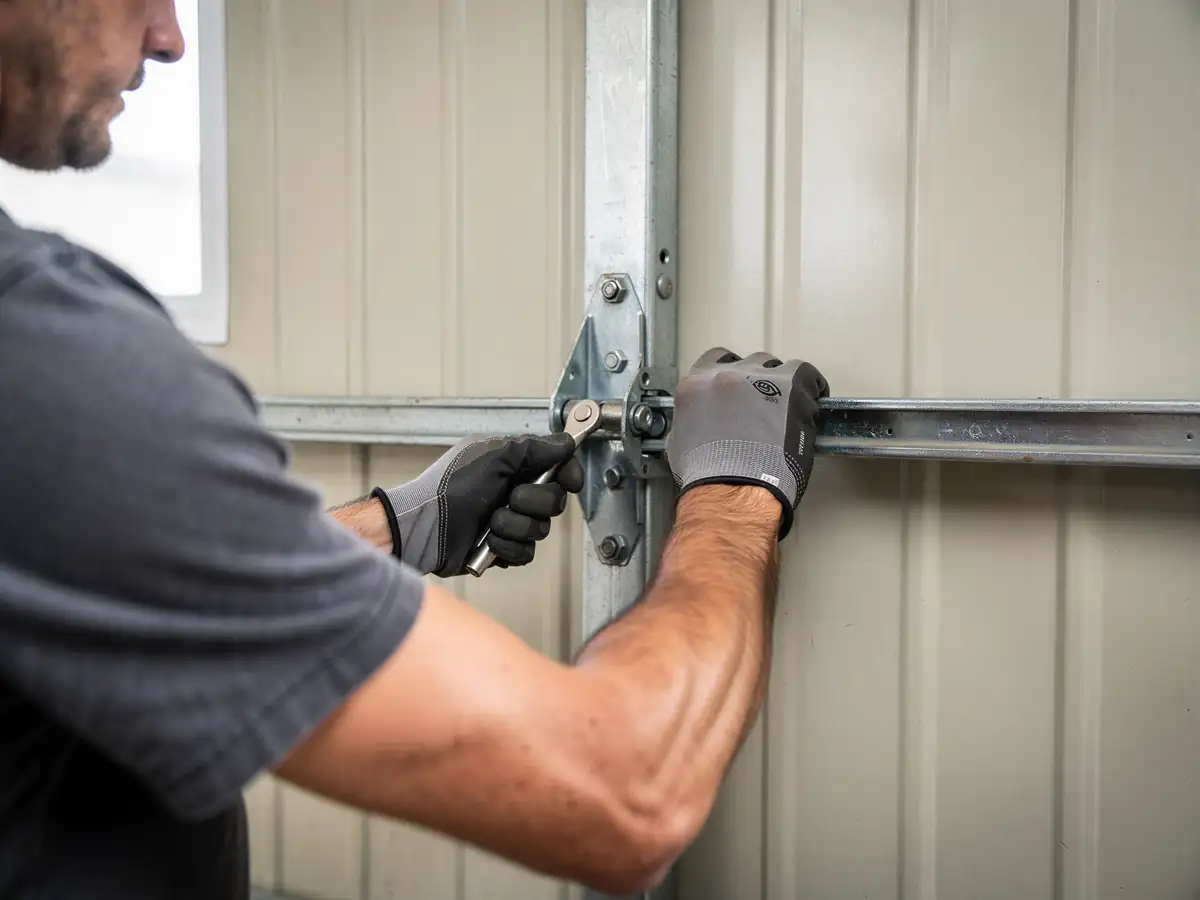
The honest limitation: if your opener is original to a house built in the early 1960s wave, we may not be able to get an exact replacement motor or board. In that case repair means finding a compatible part that fits the existing rail and bracket, not a factory match, and sometimes that's not worth the labor compared to a full opener swap. We'll say so plainly rather than charge you for a repair that won't hold. Another wrinkle specific to this area's stock: homes that have had a second opener installed over the original rail sometimes have mismatched mounting hardware from two different decades, which adds diagnostic time we can't always quote in advance.