What It Costs
New Castle is a small town by household count
2,706 of them - which means the cable failures we see here repeat themselves. It's not a mix of every era of hardware like you'd get in a bigger market; it's mostly the same door, the same lift cable, the same failure point, because most of the houses went up around the same stretch of years. That consistency actually keeps the job simpler to price once we're looking at the door, because we're not guessing at what's behind the panel.
We don't post a flat number here because a snapped cable on a single door with standard extension springs is a different job than a cable that's jumped the drum on a torsion setup, and both show up in this town
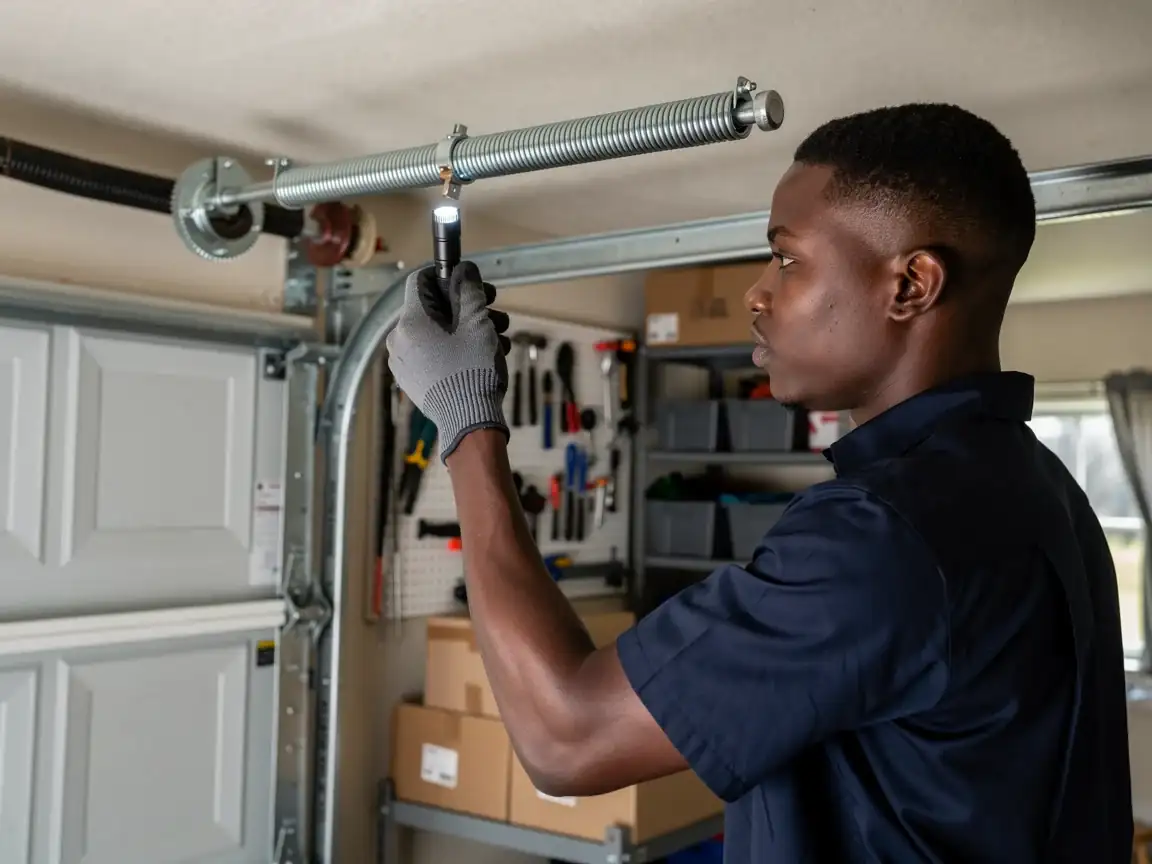
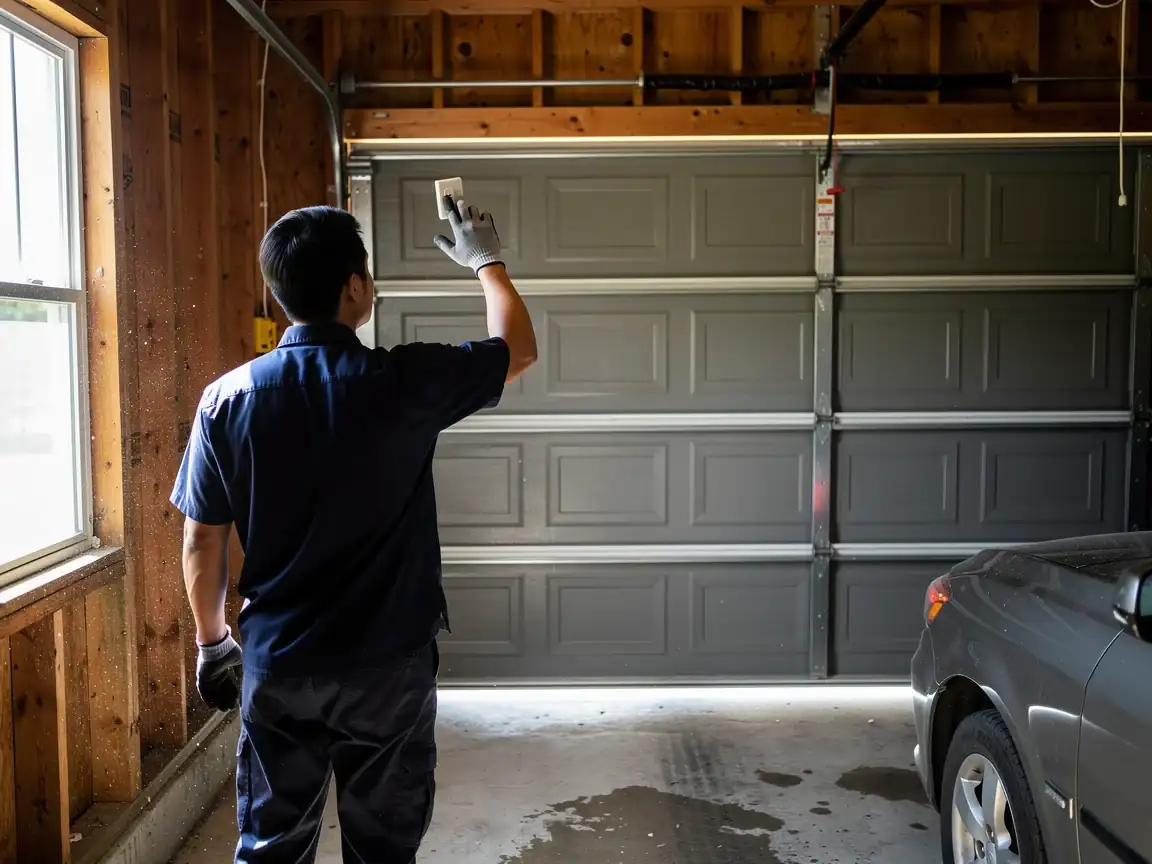
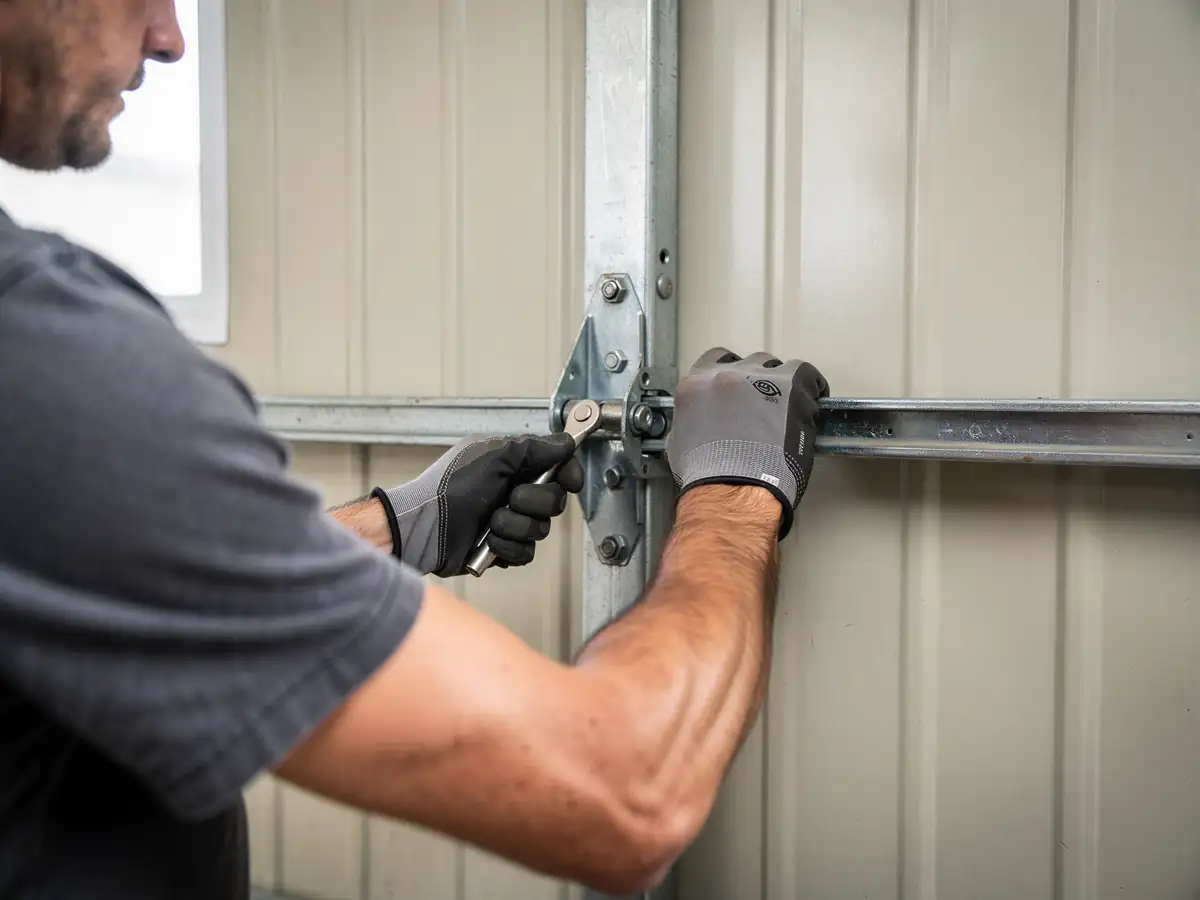
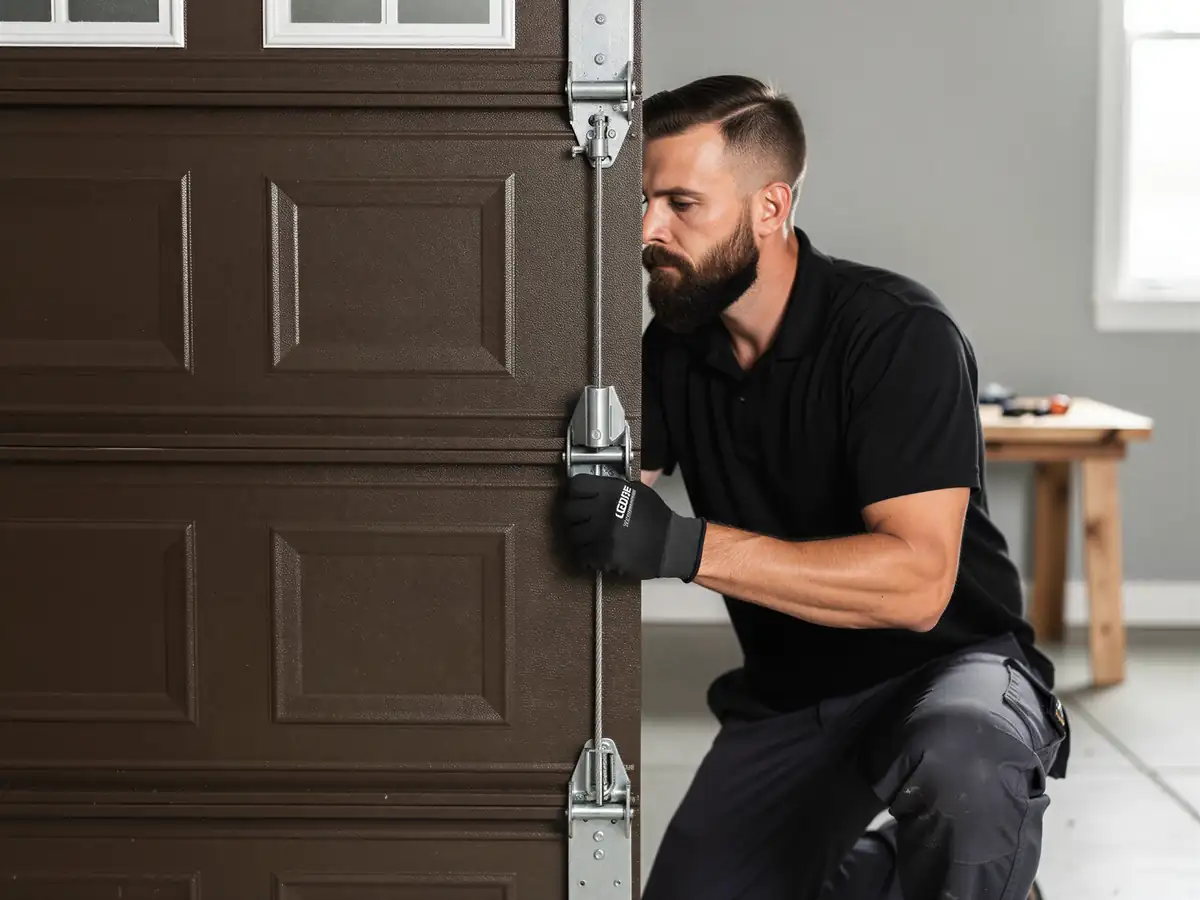
What we can tell you is that most New Castle jobs are straightforward: cut the old cable, install the matching gauge and length, check the drum and pulley for wear, and send the door through a dozen cycles before we leave. If the drum or bottom bracket is also worn - which happens often enough on hardware this old - that adds to the visit.
What You Are Seeing
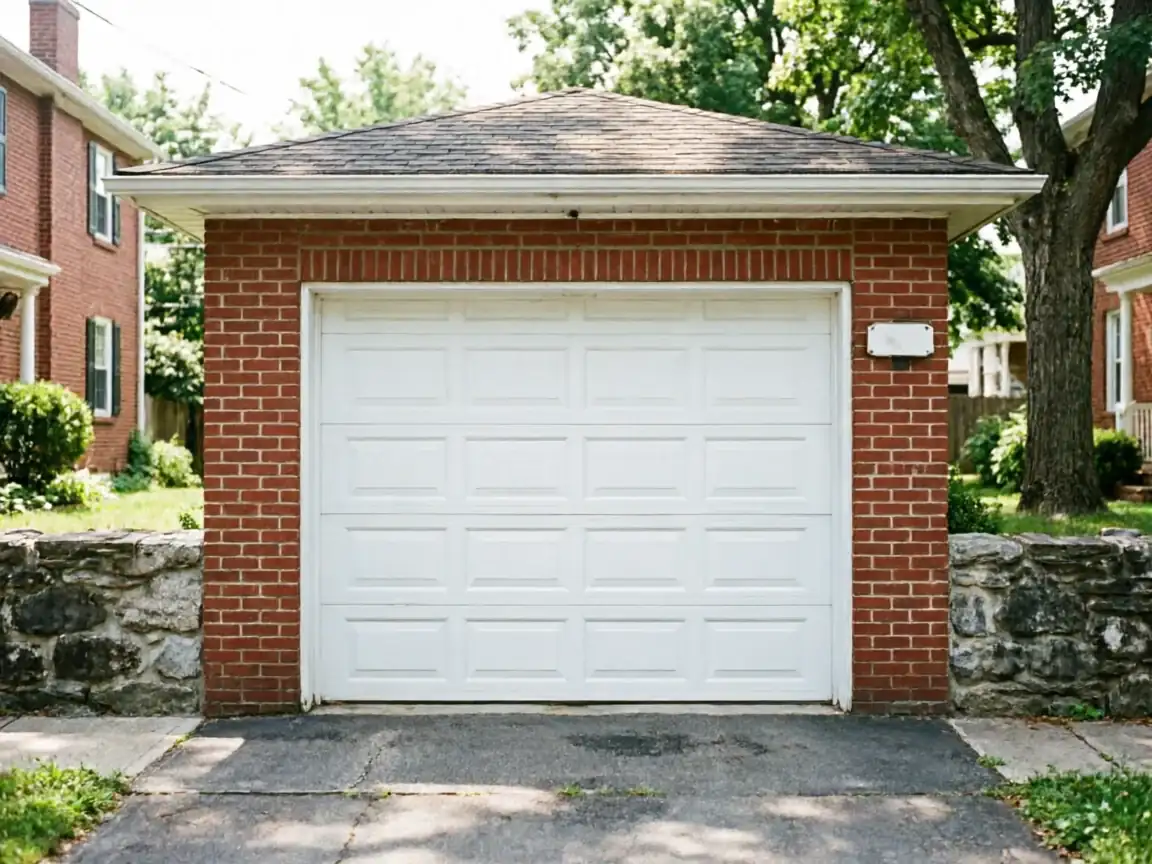
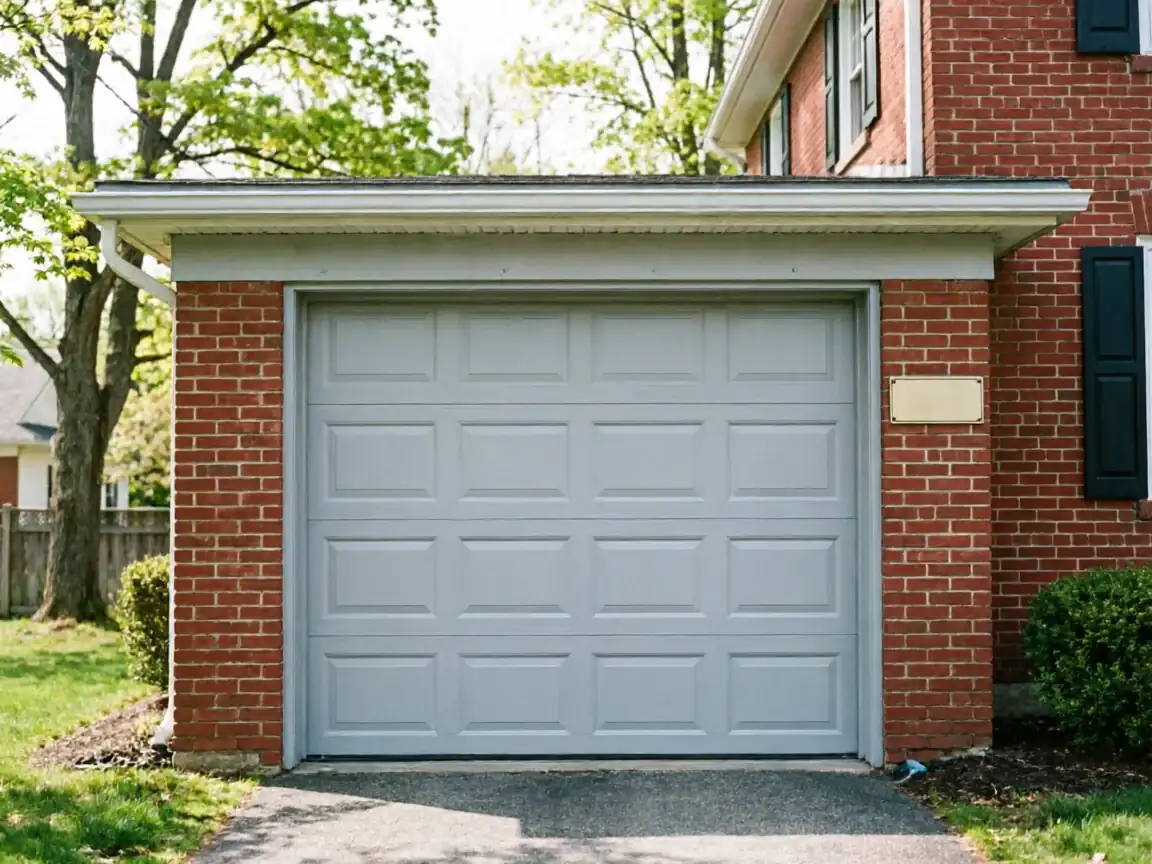
The median home in New Castle was built around 1963, which puts most of the housing stock square in the original torsion-and-cable or extension-and-cable era before galvanized coating became standard. If your cable looks rusted through rather than frayed, that's consistent with hardware that's been up for six decades without a swap.
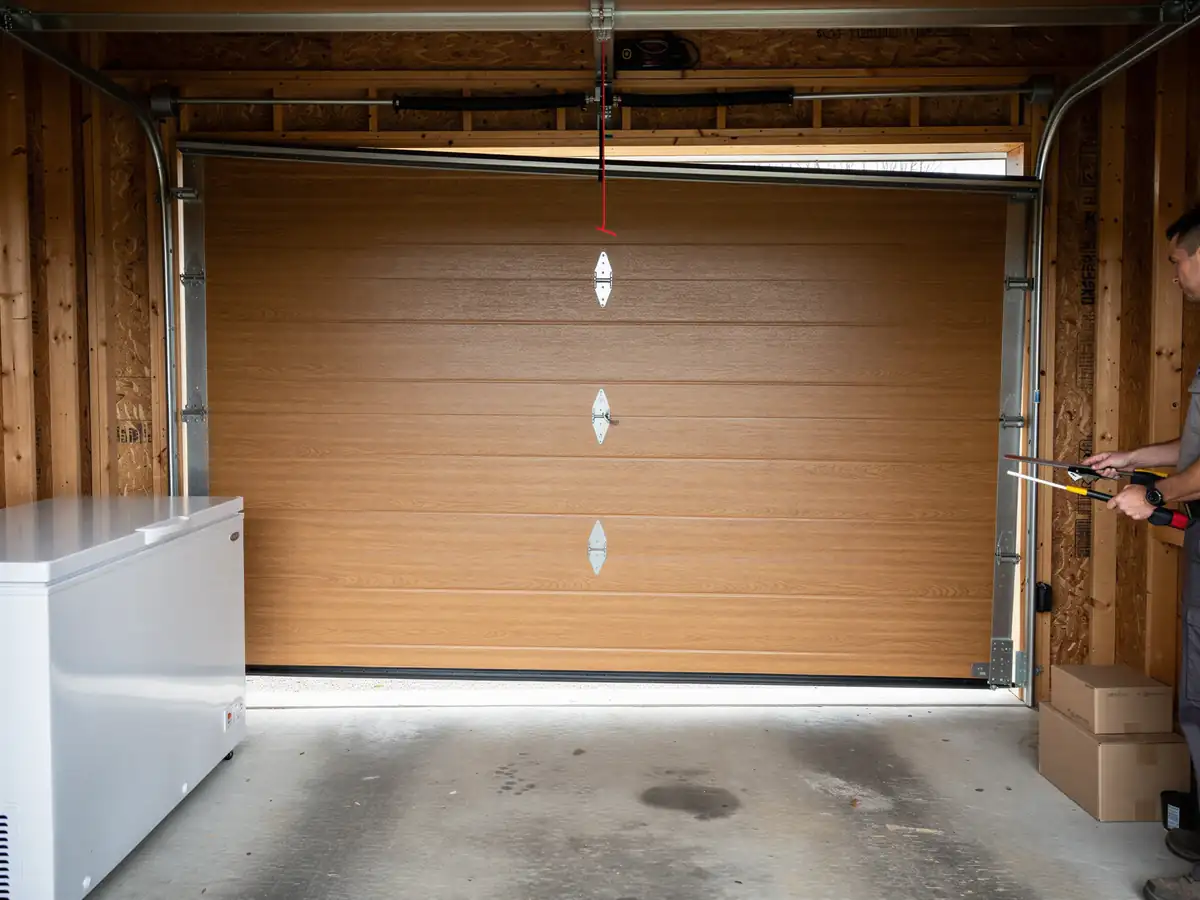
A cable that's failed usually shows itself one of two ways: the door drops hard on one side and jams crooked in the track, or it comes down the rest of the way uncontrolled because the safety cable (if one was ever added) didn't catch it. Either way, don't run the opener trying to force it - that's how a bent track or a cracked panel gets added to a cable job.
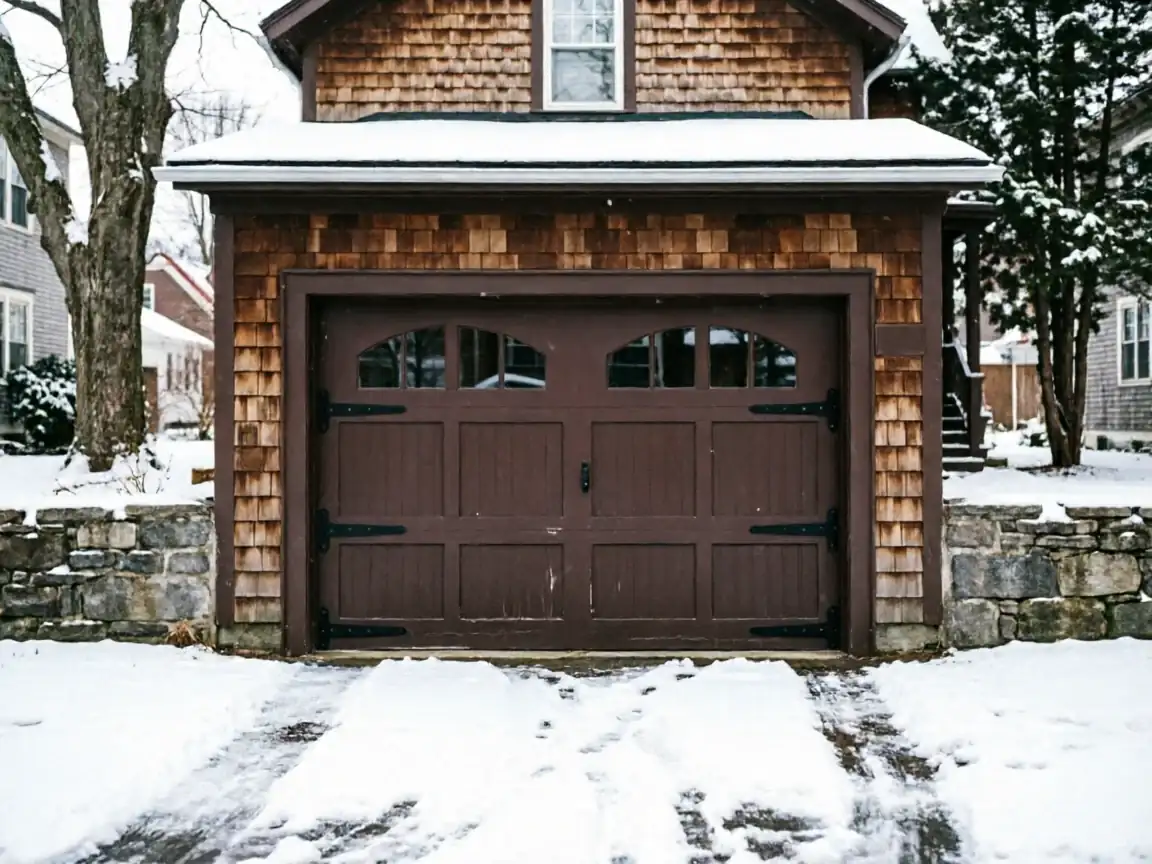
Winters here fall in the severe-cold band, and cold metal gets brittle. Lift cables that have been fraying slowly all year tend to finally give on the first hard freeze, when the steel's least forgiving and the door's heaviest to move by hand.
How Long It Takes
We're traveling from Wilmington, about 5 miles out, so there's no local branch sitting in New Castle - just a short run over. On a standard cable swap, the actual repair at the door usually runs under an hour once the truck's parked. Two cables (common on wider double doors) takes longer than one.
What slows a job down isn't the cable itself, it's the extras: if the drum's grooved, the bottom bracket's bent, or the spring's also tired - not unusual on hardware pushing sixty years - that gets diagnosed on site, not guessed at over the phone. We'd rather tell you that in person than promise a number we can't back up for your specific door.
Booking a Visit
Call and tell us roughly what you're seeing
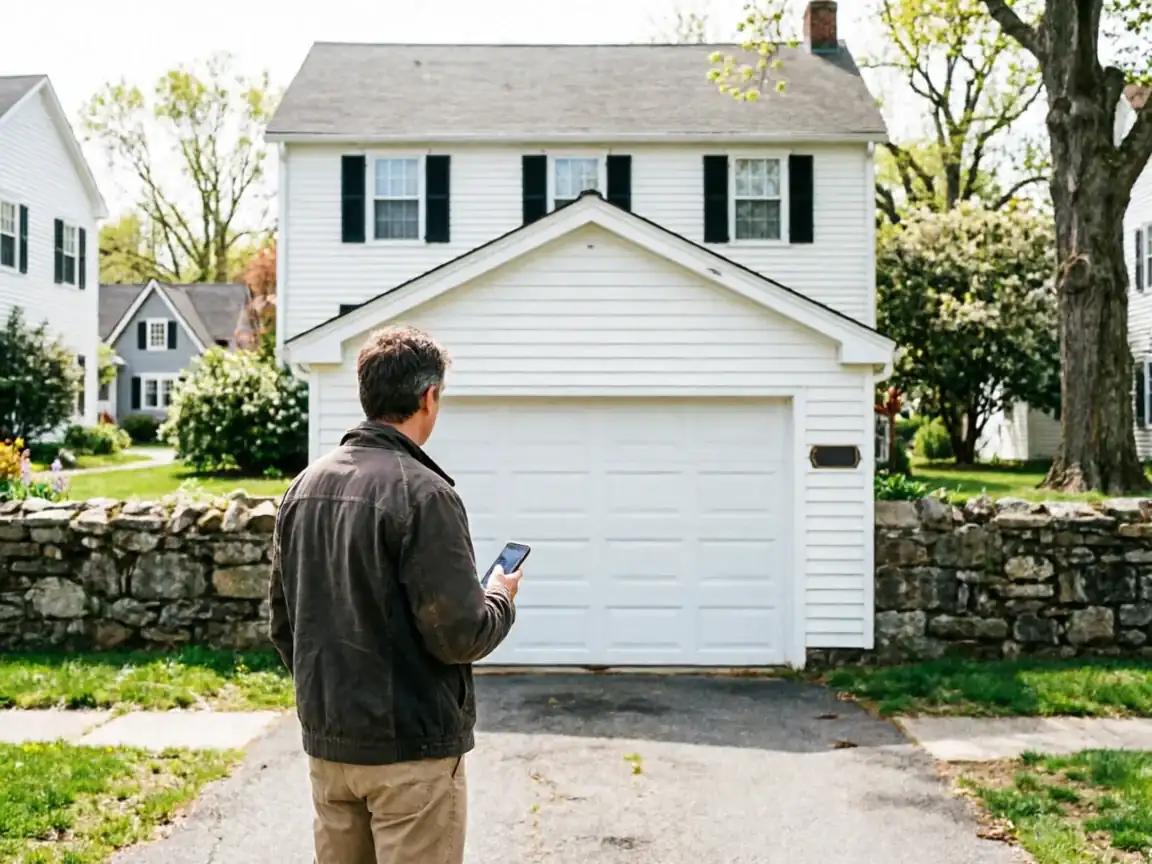
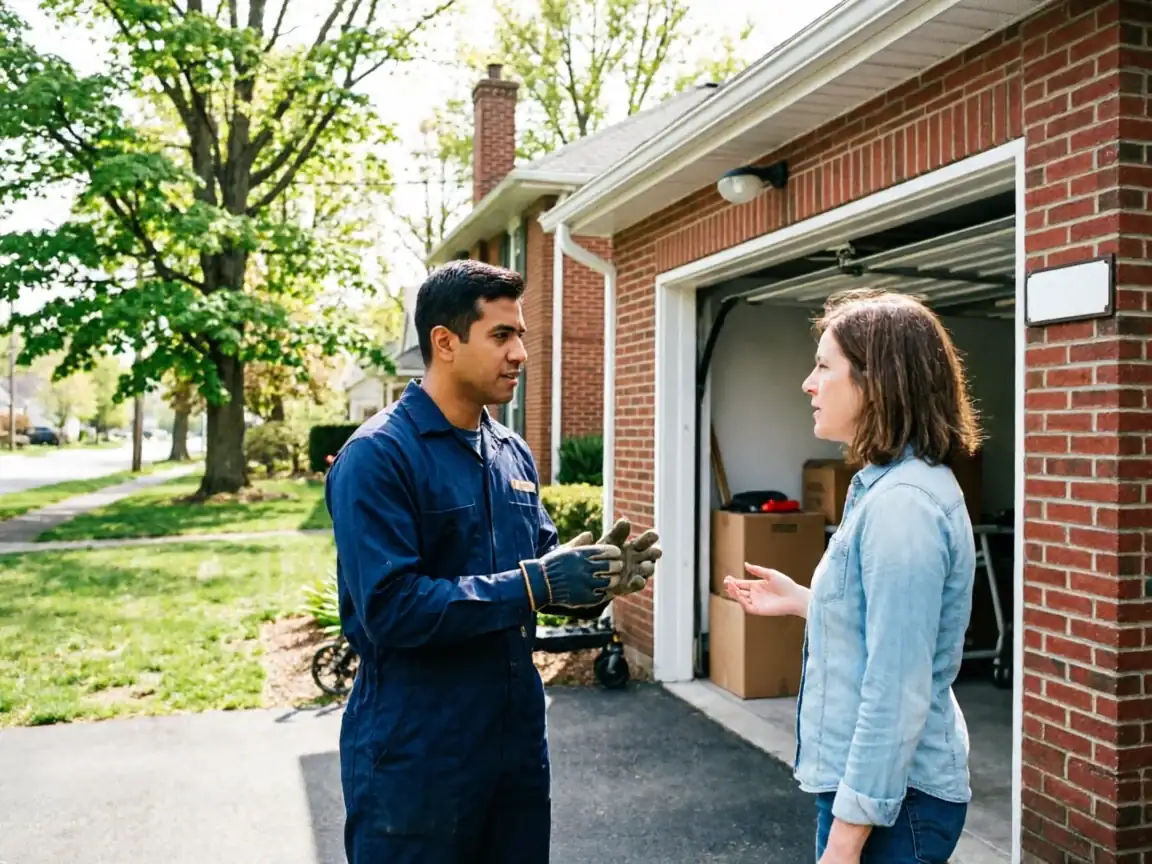
Door stuck halfway, cable visibly snapped, door came down fast and uneven. That helps us bring the right cable stock instead of guessing. We travel to New Castle from Wilmington for this, so there's a drive involved, not a same-block callout, and we'll be upfront about timing when you call rather than promise something we can't hold to.
If you're not sure whether it's a cable or a spring
Both can make a door drop or jam - describe what you're hearing and seeing and we'll narrow it down before anyone drives out.
The Complications
Here's the honest part: on a door this old, a cable rarely fails alone. If your springs are original to a 1960s install, they're well past the stretch cycle a spring is rated for, and replacing just the cable on a door with a spring that's about to go next is a short-term fix. We'll tell you straight if that's what we're looking at rather than sell you a cable-only job and have you calling back in a month.
We also don't stock every obsolete drum or pulley size - some of the oldest hardware in this area used dimensions nobody makes anymore, and in that case the honest answer is a hardware upgrade alongside the cable, not a like-for-like swap. It's a bigger invoice than a plain cable job, but it's the one that actually holds.