What You Are Seeing
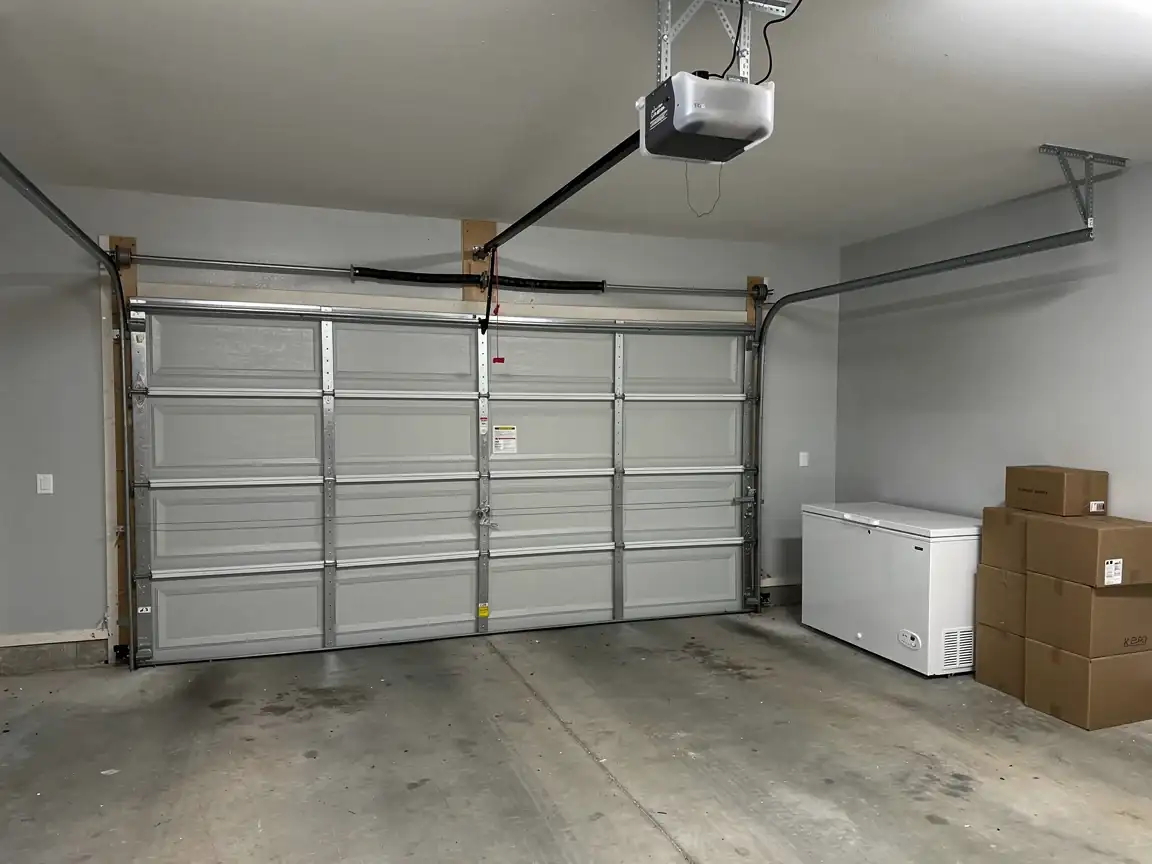
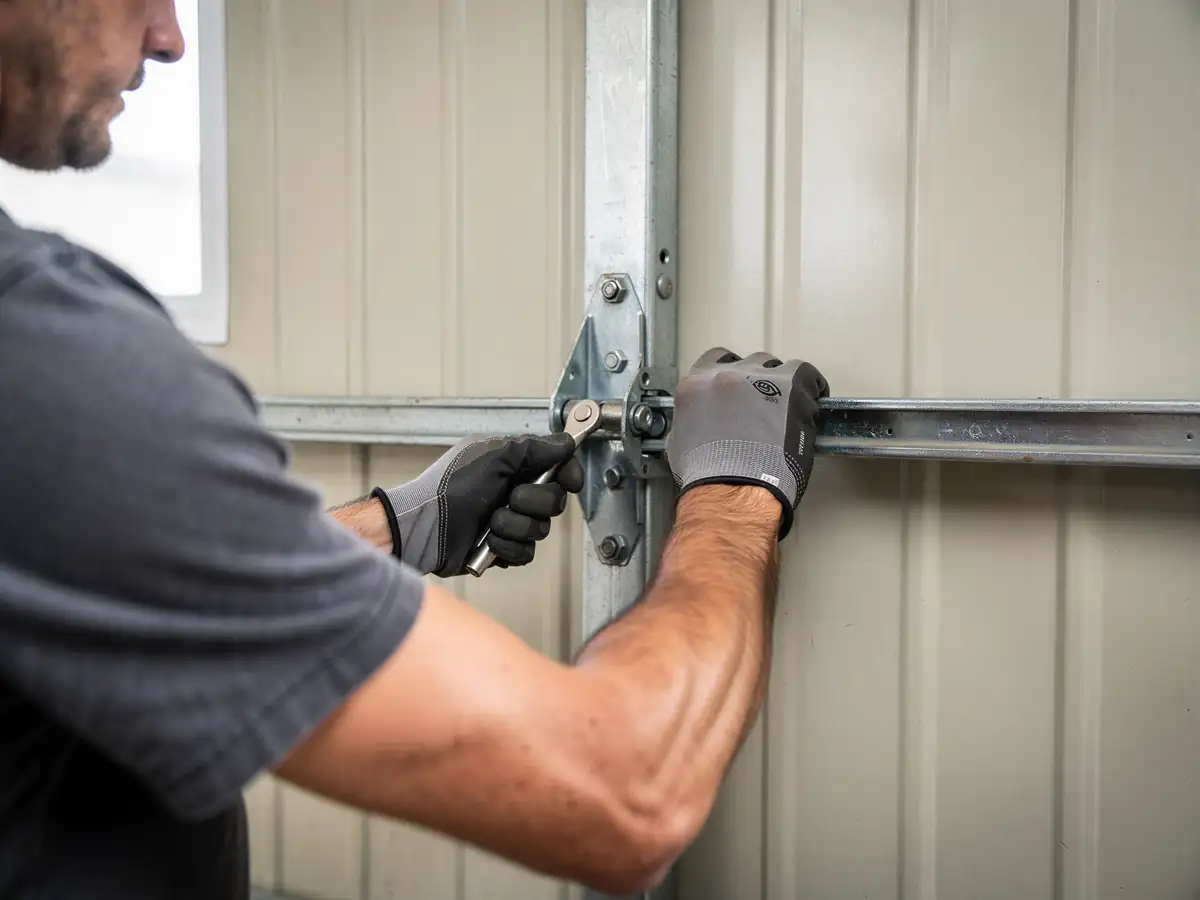
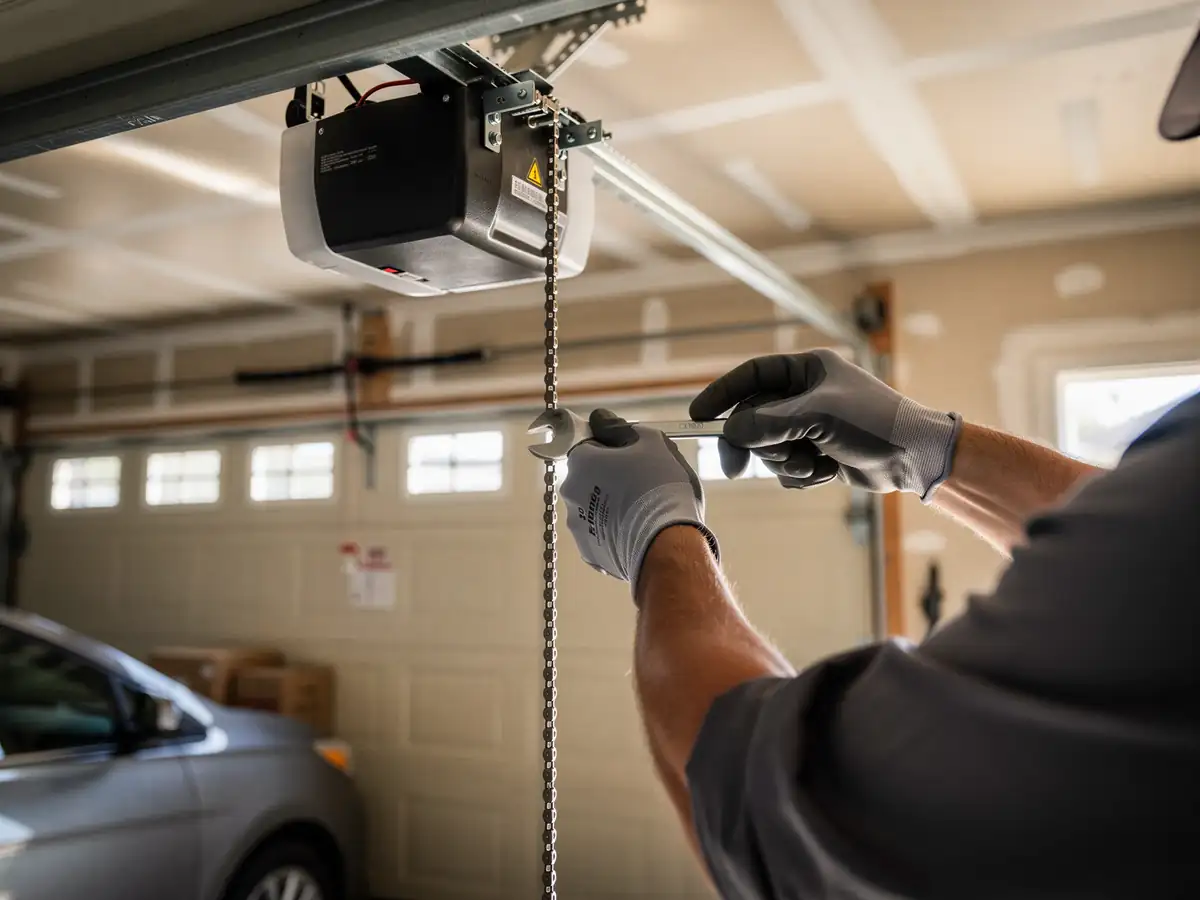
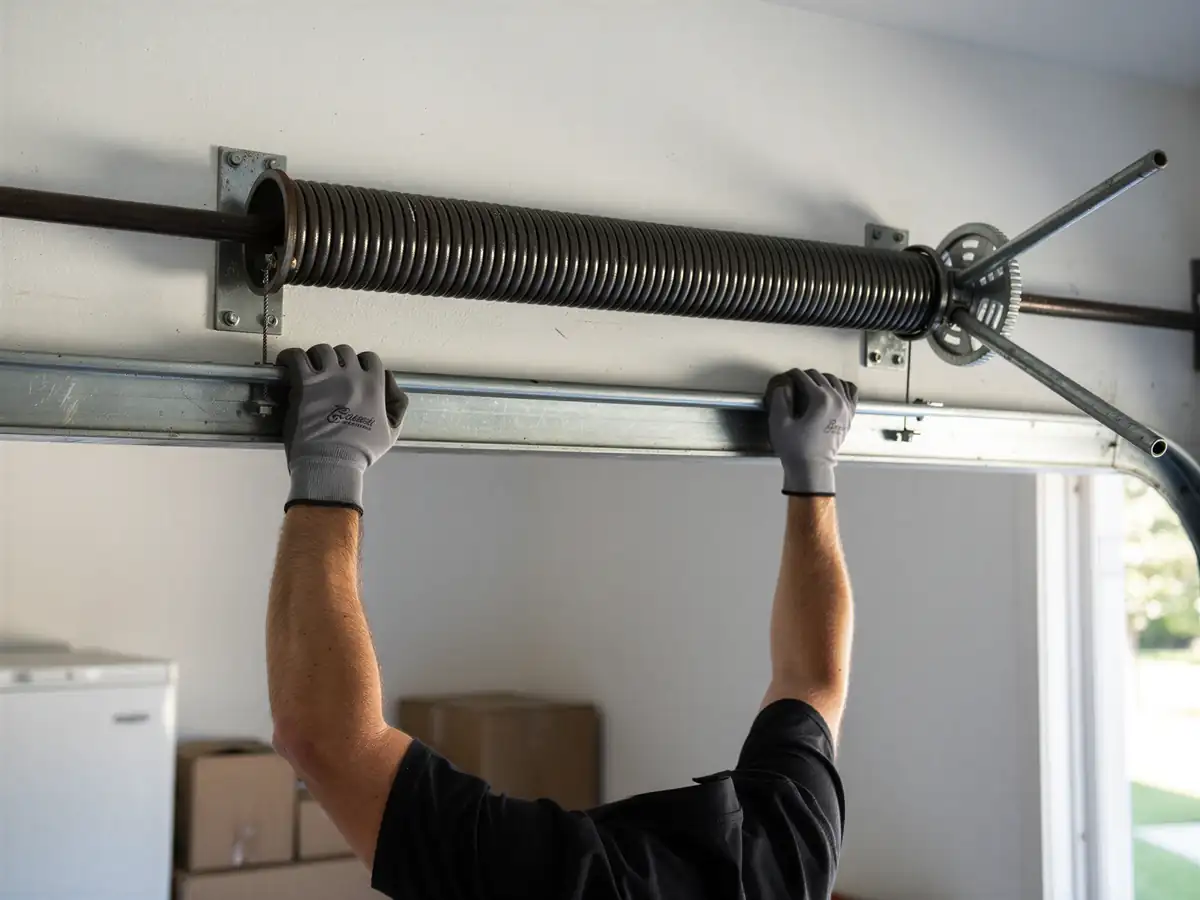
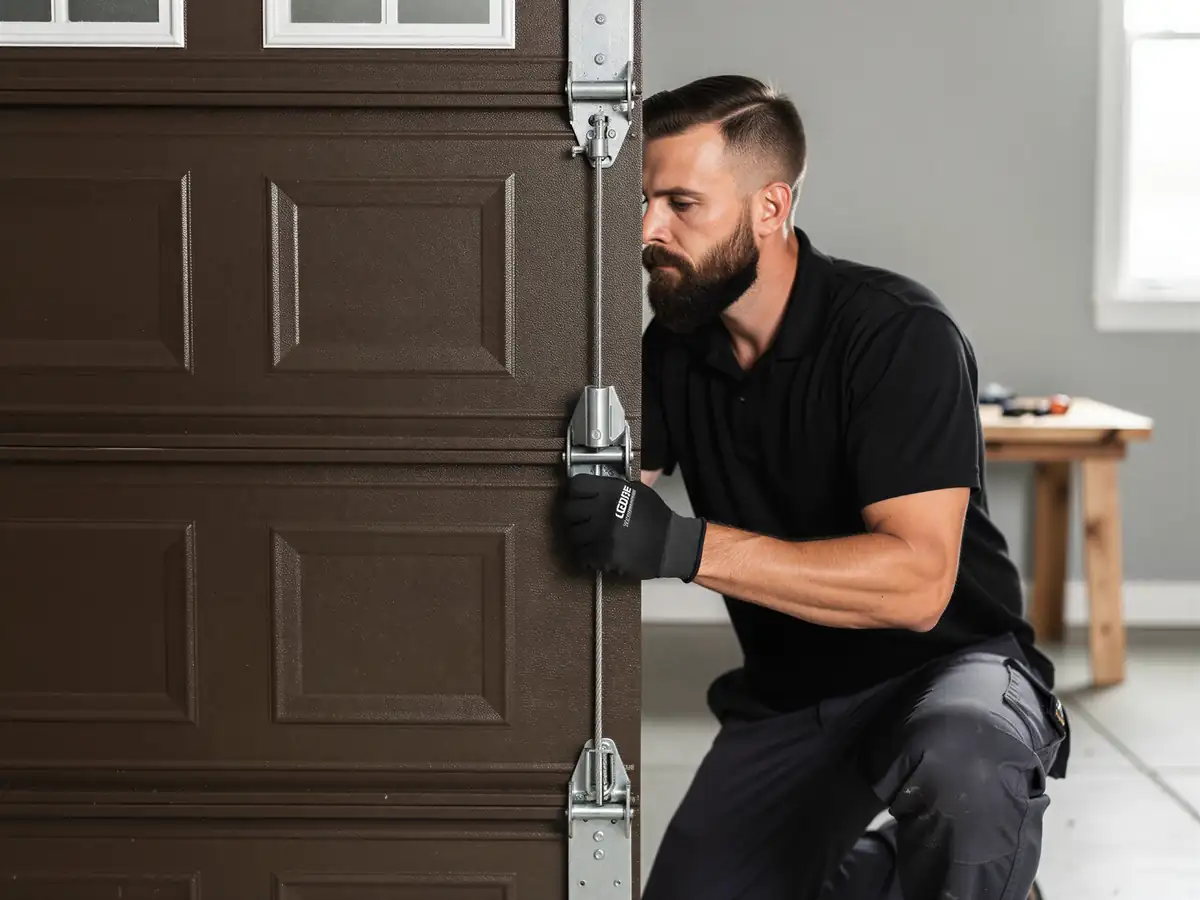
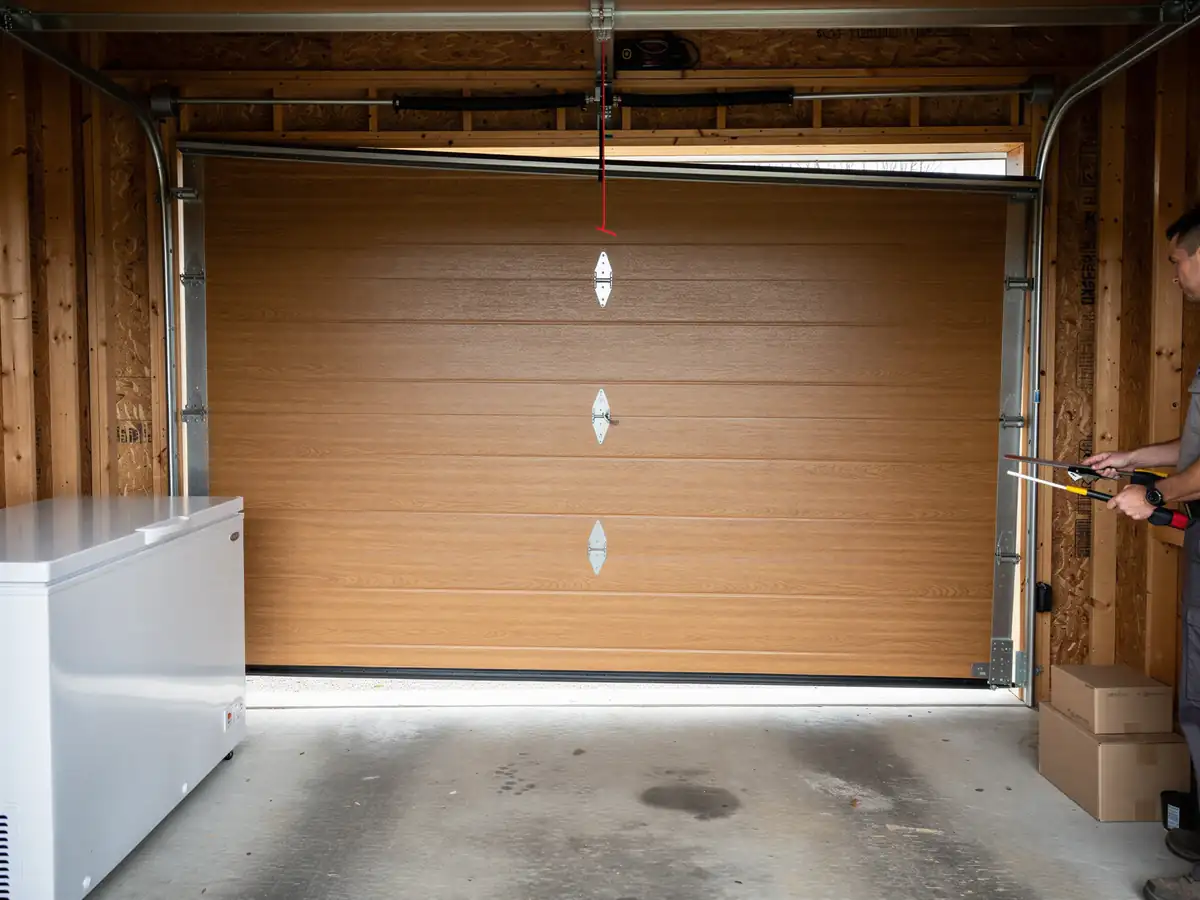
If your opener is original or close to it, you're likely running a chain-drive unit with no rolling code, a fixed-code remote that any cheap universal clicker can mimic, and a motor sized for a lighter, single-layer door than what's often installed on 1960s New Castle garages now. Doors from this era were frequently retrofit later, and we often find a replacement door on original low-headroom track with an opener arm that's working harder than it should. Watch for a door that reverses on its own partway up, a motor that runs noticeably longer before the door catches, or a remote that needs three or four presses before the lift starts. Those are hardware-age symptoms, not opener failures by themselves - swapping the opener without checking the track and springs underneath it just moves the problem a few months down the road.
How Long It Takes
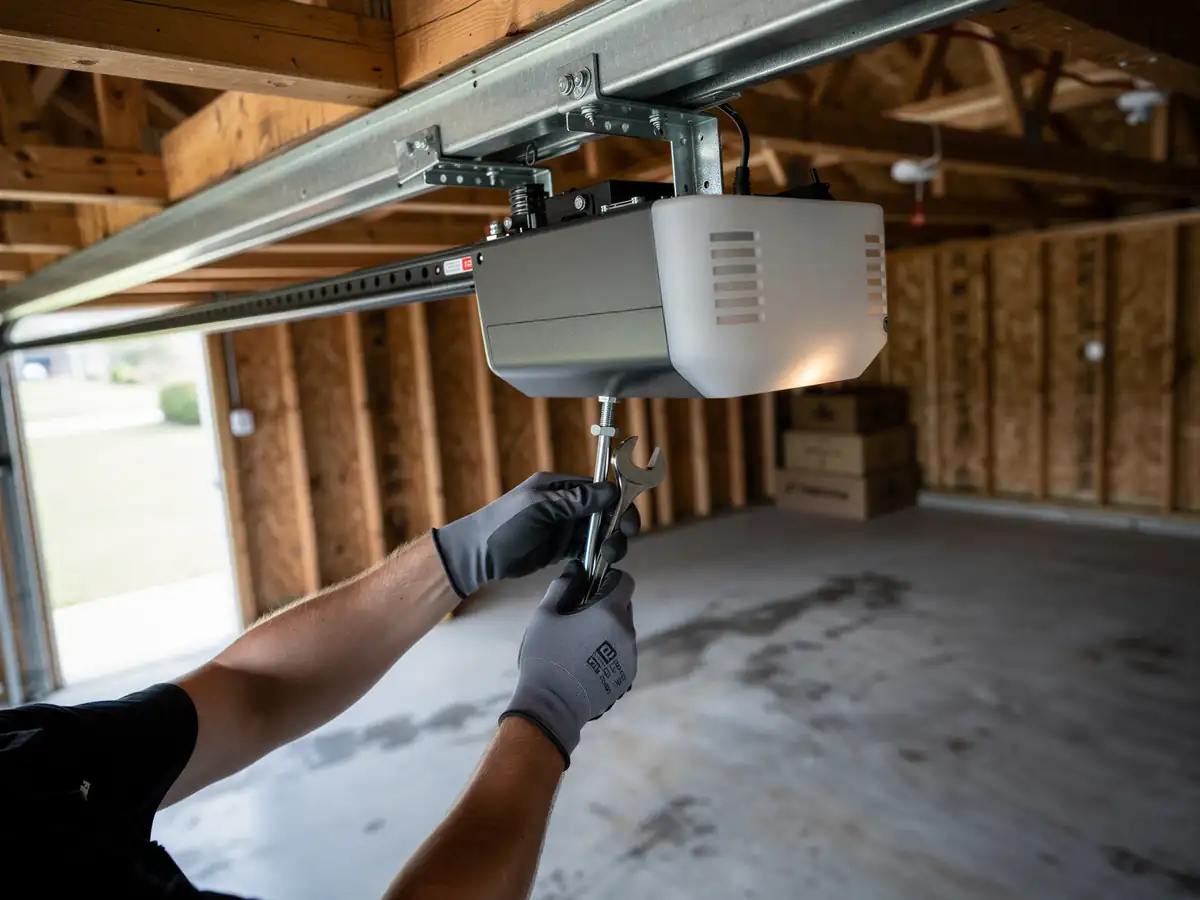
The opener itself is usually the fast part of the job. What slows it down in New Castle is almost always what's already up there: if the garage has an added or rerouted circuit from a prior remodel, or if the ceiling joists sit lower than current clearance specs call for, we spend time adapting mounting rather than just bolting a new unit to the rail. Homes closer to the 1963 median tend to have simpler framing up top, which actually works in our favor once we're inside - fewer finished ceilings to route around than you'd find on a newer build. We won't give you an hours-on-the-clock number here, because it genuinely depends on what's behind your particular header. What we can say is that a straight swap - same mount points, working circuit nearby - is a different job than one where we're also adding a GFCI outlet or shimming a crooked rail.
The Complications
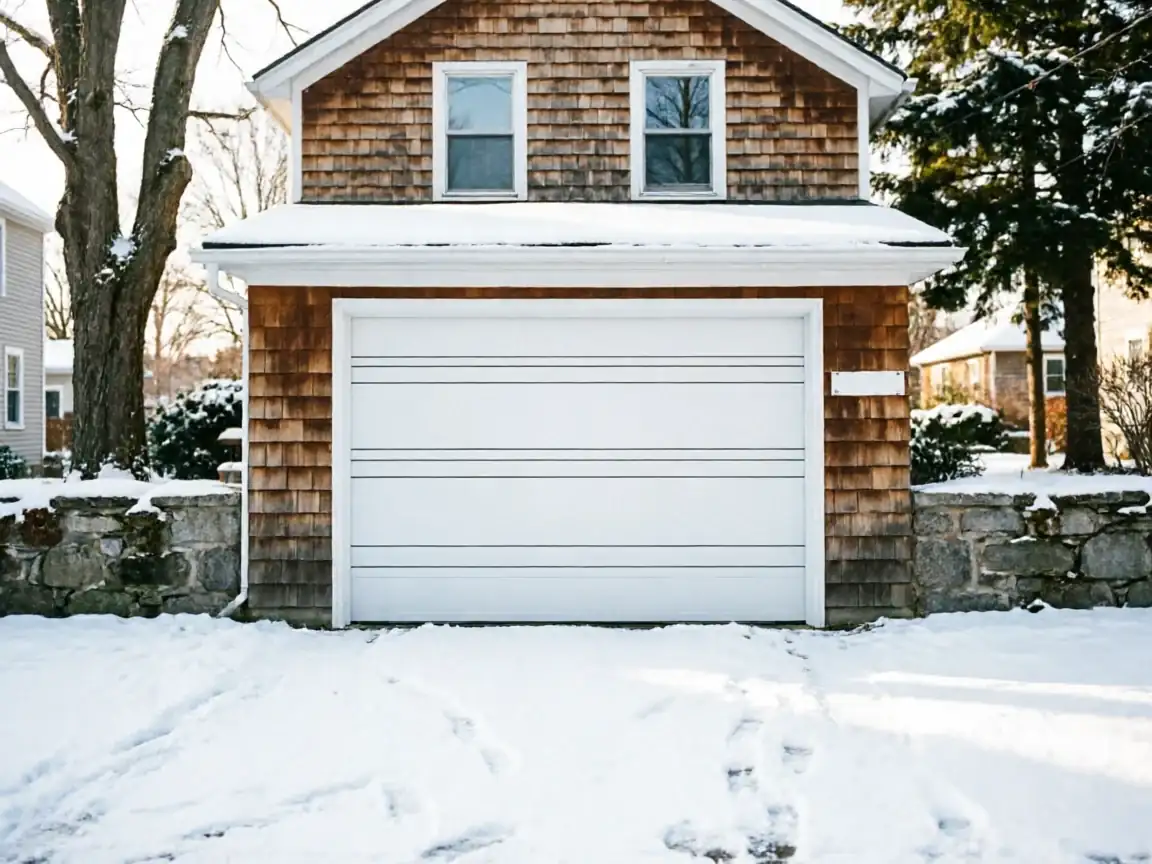
This area sits in a cold, severe climate band, and that matters more for openers than people expect - battery backup units lose capacity faster in unheated garages, and plastic gears in older chain-drive motors get brittle and can crack on the first hard freeze after years of fine running. If your garage has no insulation, which is common in the 1960s-era stock around New Castle, we'll flag that the opener's sensors and logic board are more exposed to temperature swings than in a finished space. The other recurring issue is wiring: a lot of these garages were built before a dedicated outlet near the ceiling was standard, so we sometimes need an electrician involved before the opener goes in, which we'll tell you up front rather than improvise around a shared circuit. We don't do the electrical work ourselves - that's outside what we're licensed to do on this job.